
 paulius.mikoliunas1
| Common Name | Tatarian Maple |
| Family | Aceraceae |
| USDA hardiness | 3-7 |
| Known Hazards | None known |
| Habitats | Found in deciduous oak scrub, rocky slopes and river valleys at altitudes between 500 – 1700 metres in Turkey. |
| Range | S.E. Europe, W. Asia. |
| Edibility Rating |   (2 of 5) (2 of 5) |
| Other Uses |   (1 of 5) (1 of 5) |
| Weed Potential | No |
| Medicinal Rating |  (0 of 5) (0 of 5) |
| Care (info) |     |
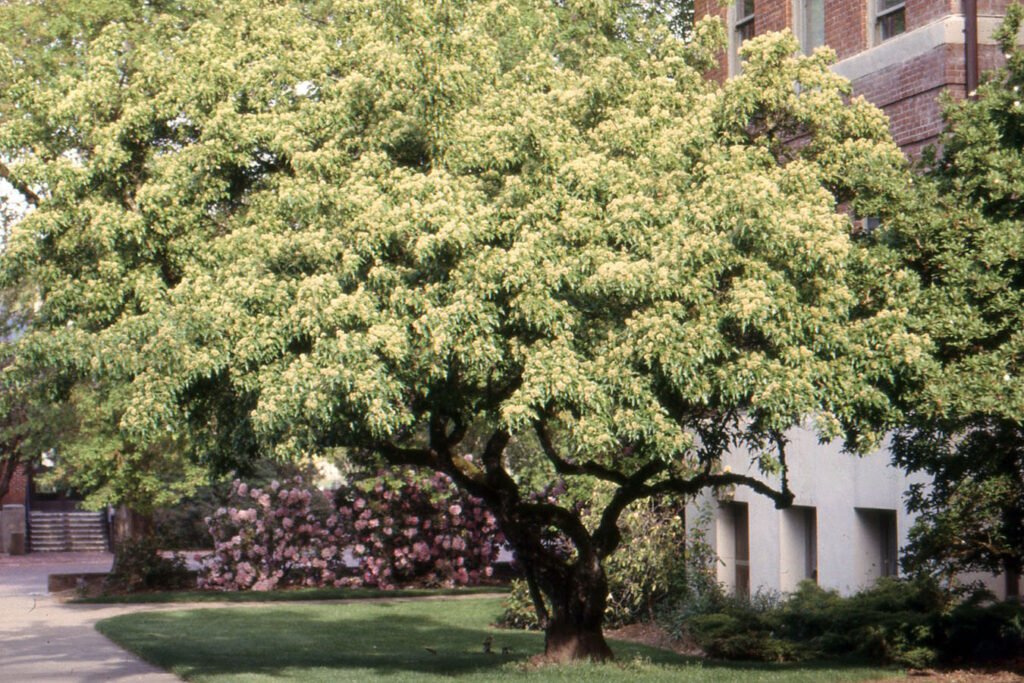
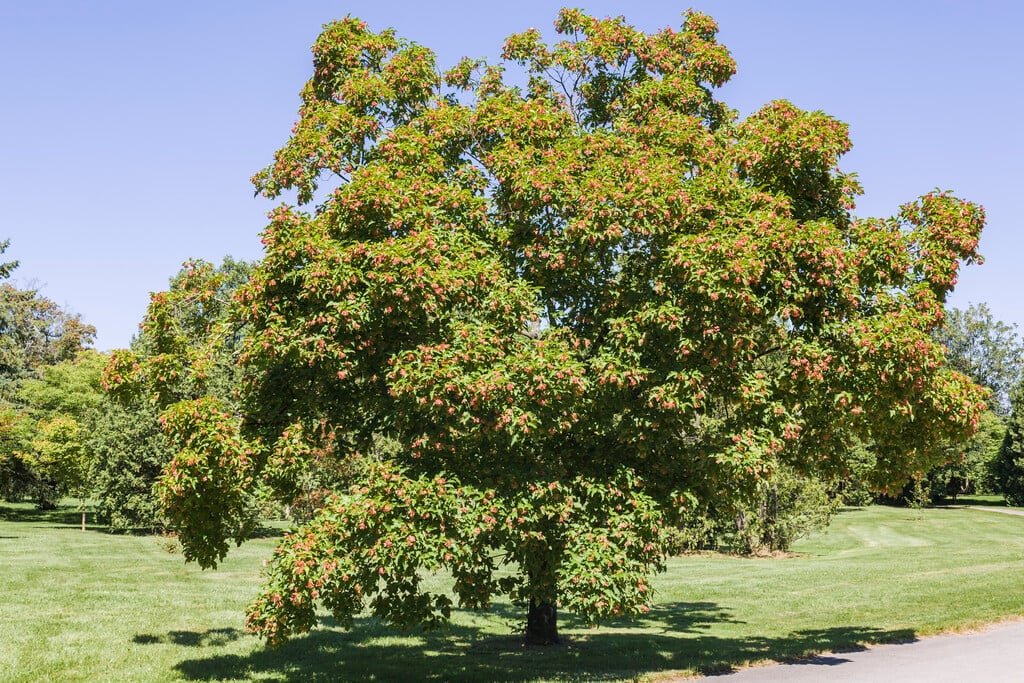
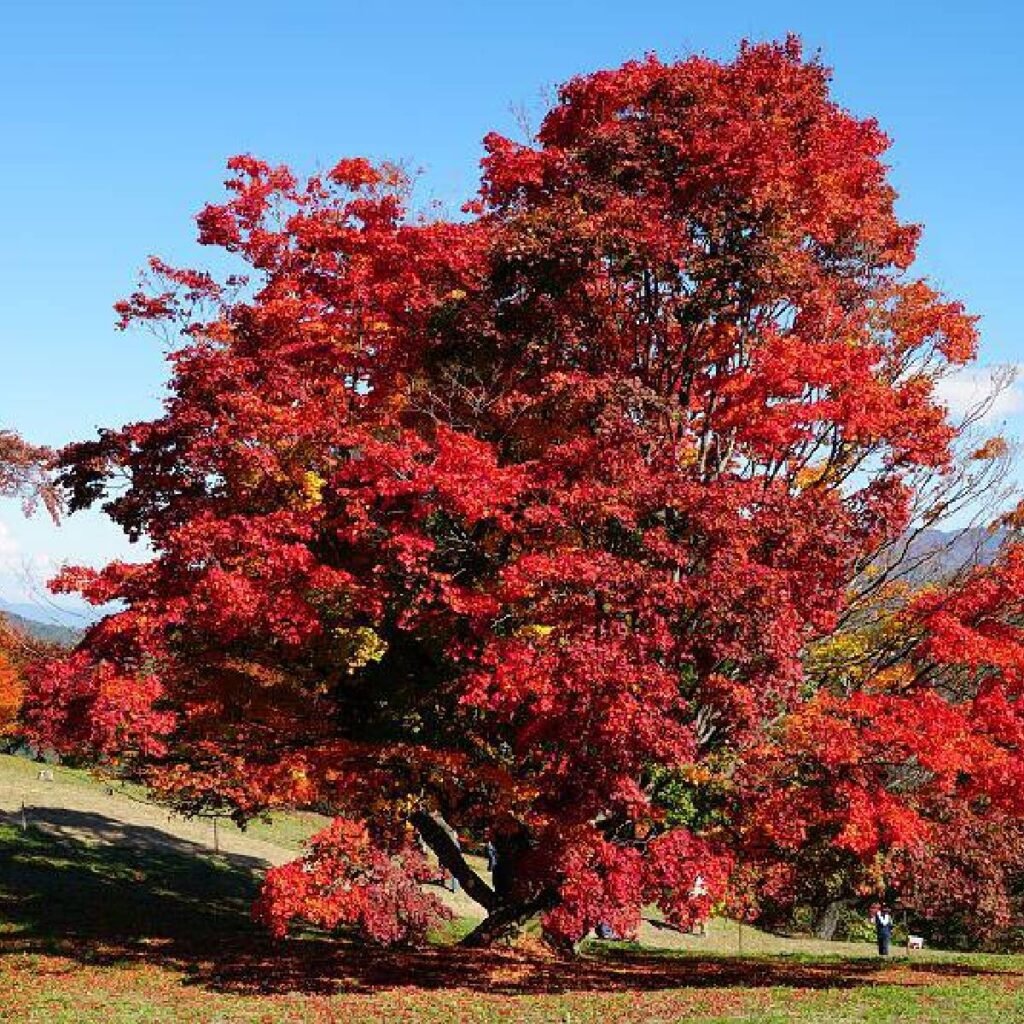
Tatarian Maple (Acer tataricum): A Complete Guide to Growing, Propagating, Varieties, Uses, Food Potential & Harvesting
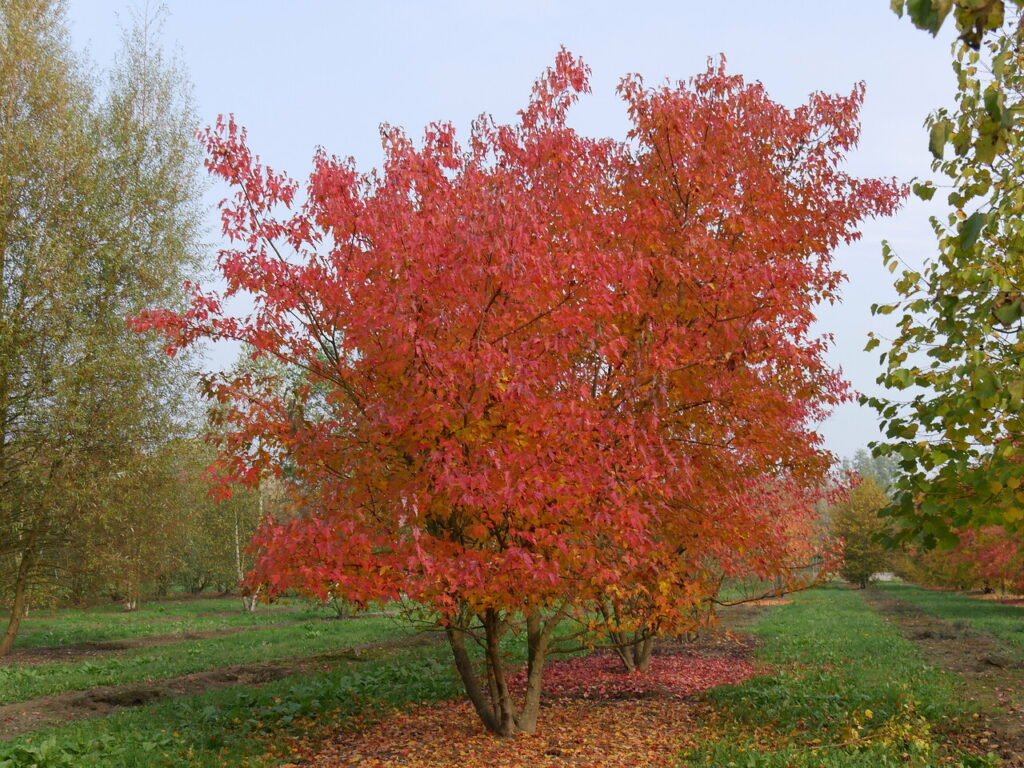
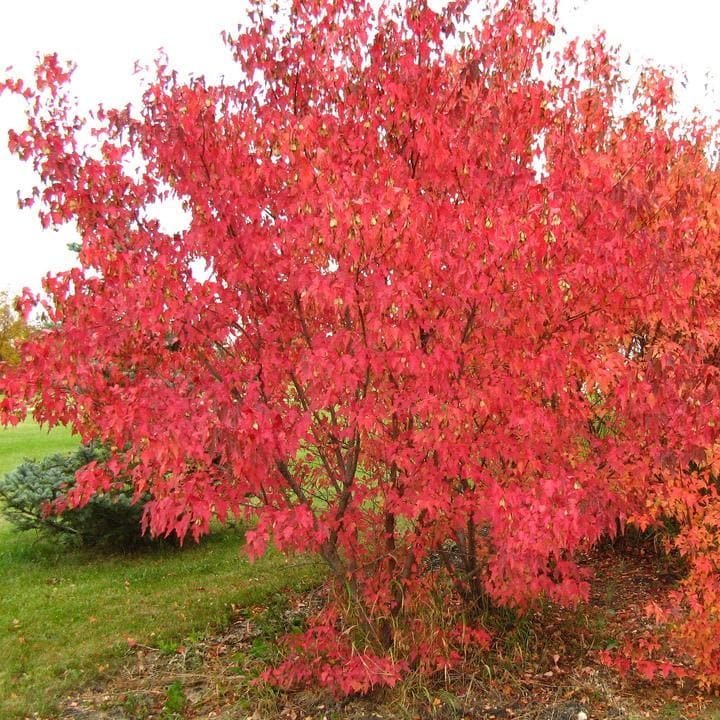
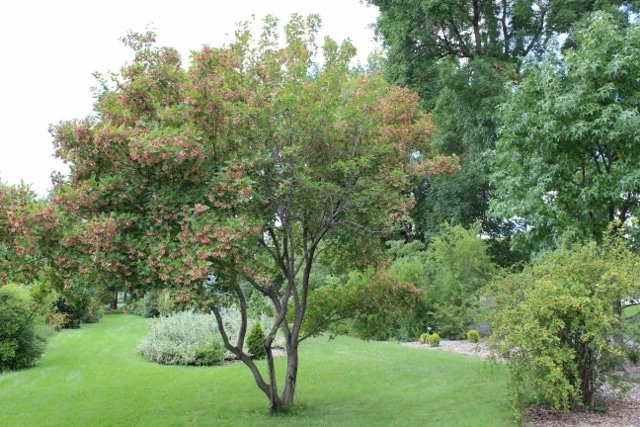
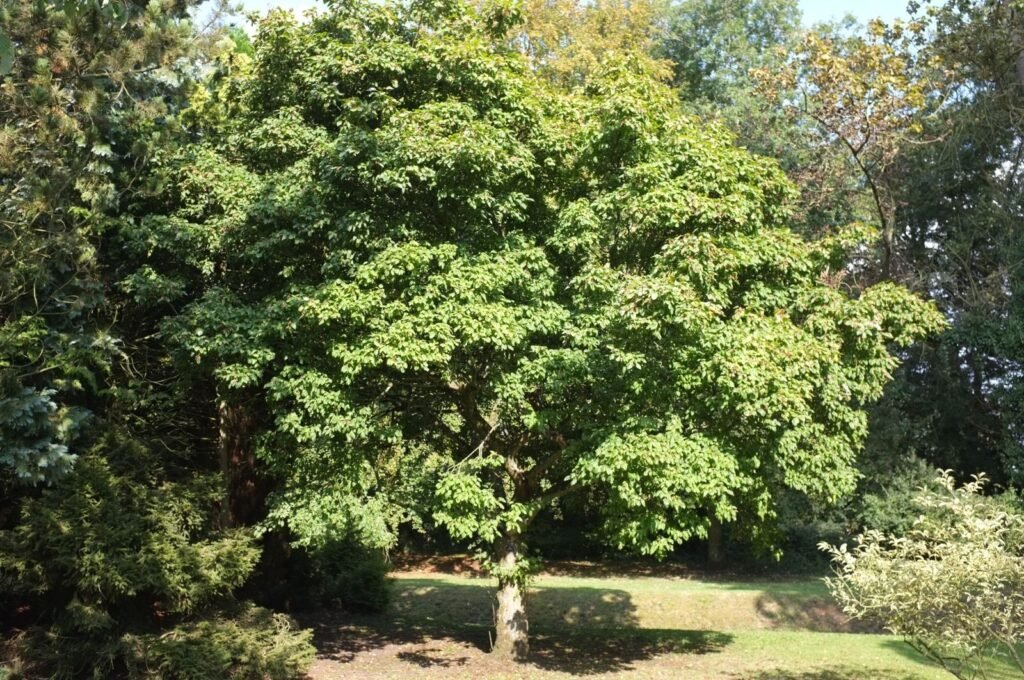
The Tatarian maple (Acer tataricum) is an underrated, cold-hardy, small deciduous tree treasured for its vibrant fall color, attractive winged seeds (samaras), drought tolerance, and ability to thrive where many other maples struggle. Native to Eastern Europe and Western Asia, this species is steadily gaining attention among gardeners, permaculturists, and landscapers for its resilience, ornamentation, and ecological value.
If you’re looking for a compact maple that delivers year-round appeal with minimal fuss, this guide covers everything you need—including how to grow, propagate, select varieties, use the tree in gardens, explore food options, and harvest its seeds.
What Makes Tatarian Maple Special?
Before diving into the how-to’s, here’s why Acer tataricum deserves a spot in your landscape:
- Incredibly cold hardy (down to USDA Zones 3–4)
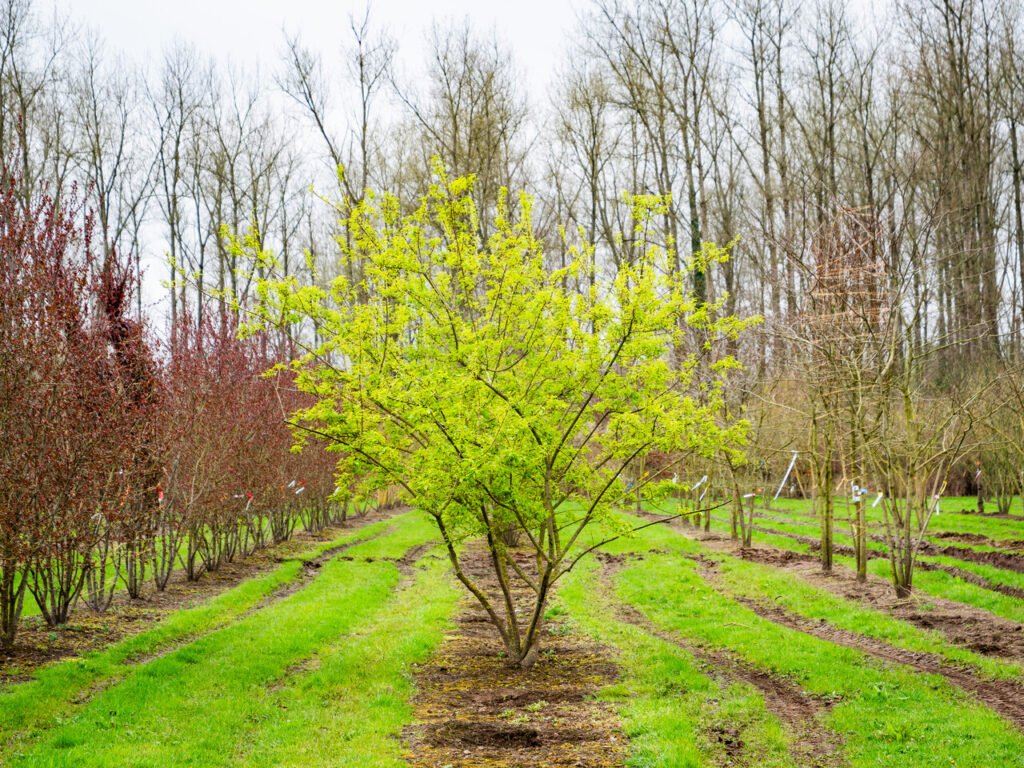
- Smaller size (15–25 ft) makes it perfect for small yards
- Drought-tolerant and adaptable to poor soil
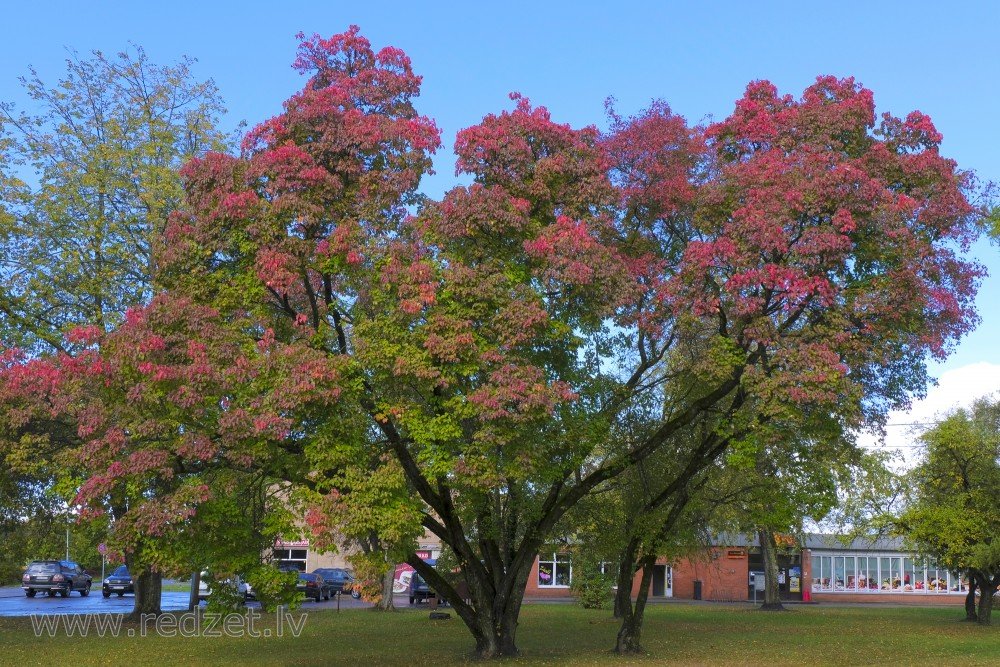
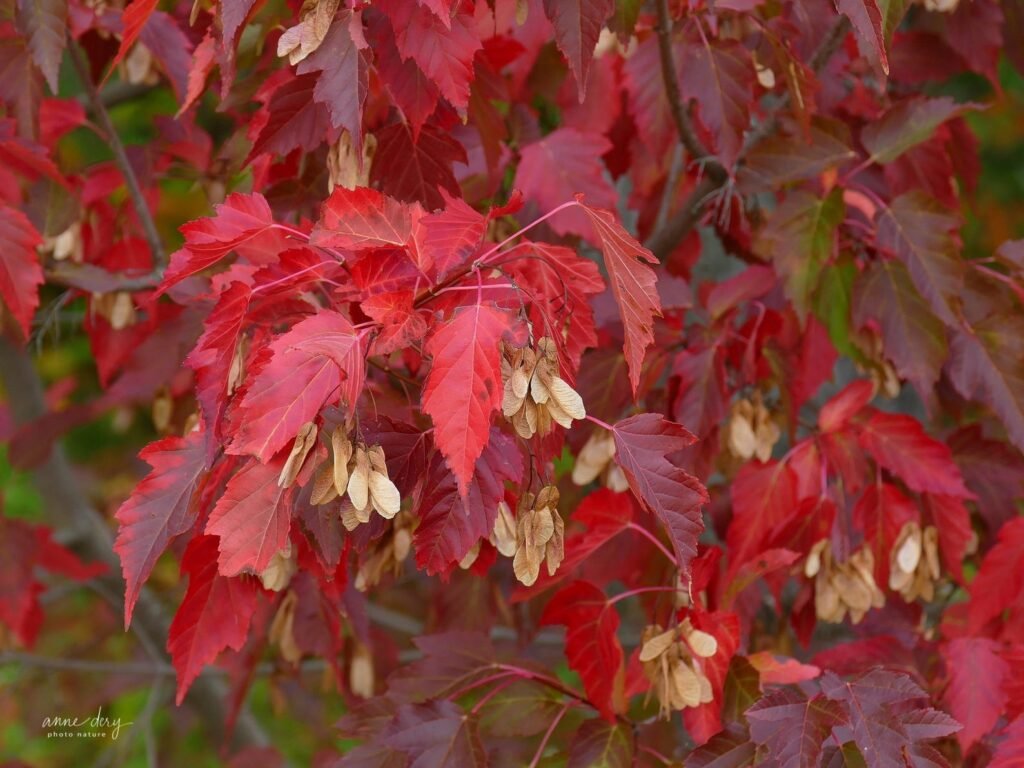
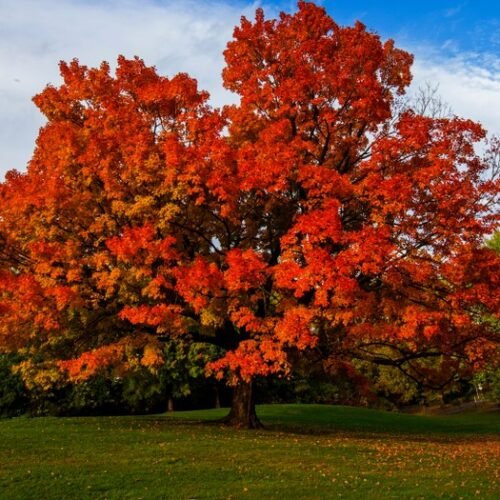
- Stunning red to orange fall color
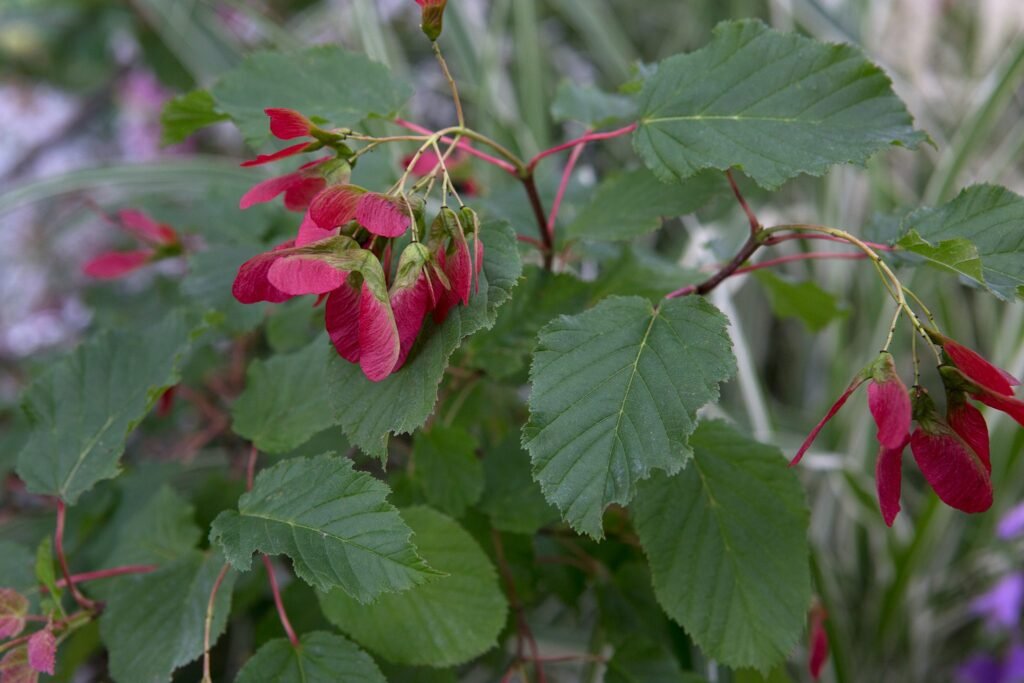
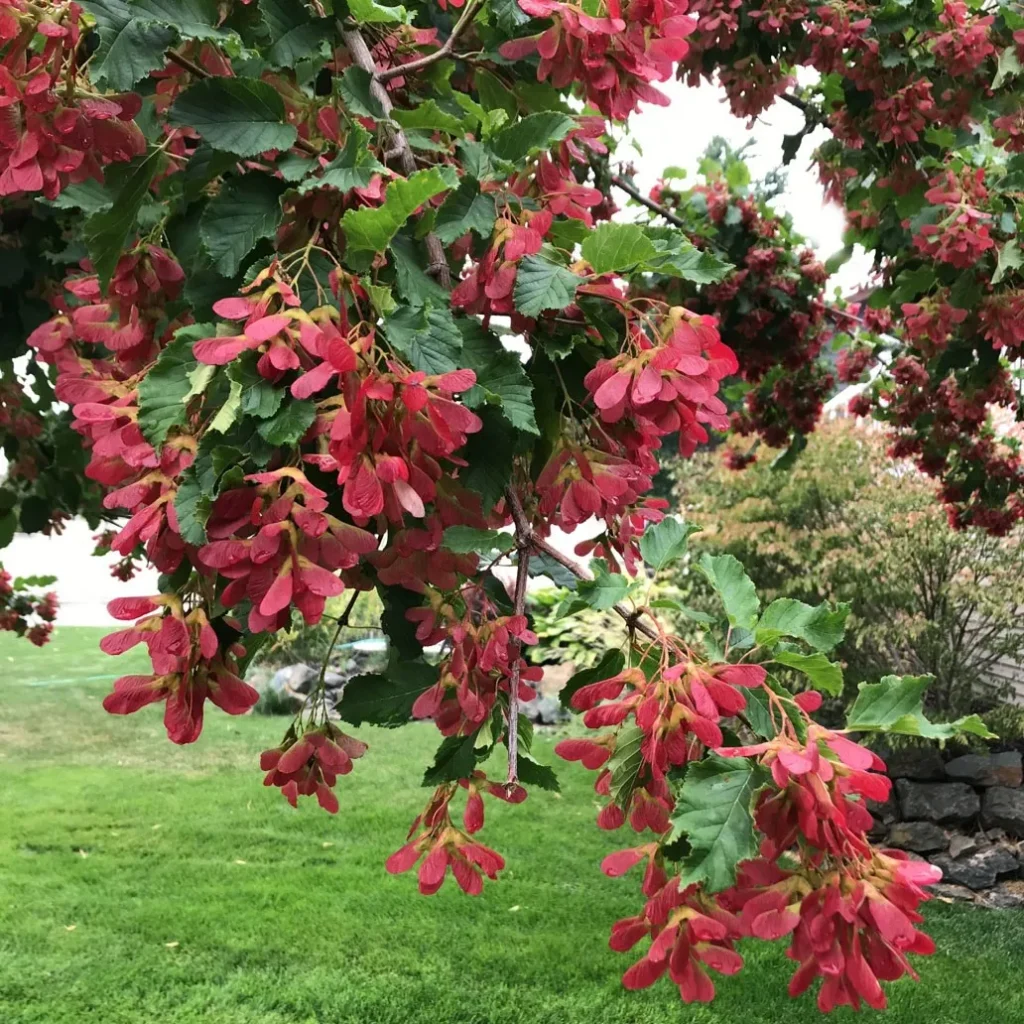
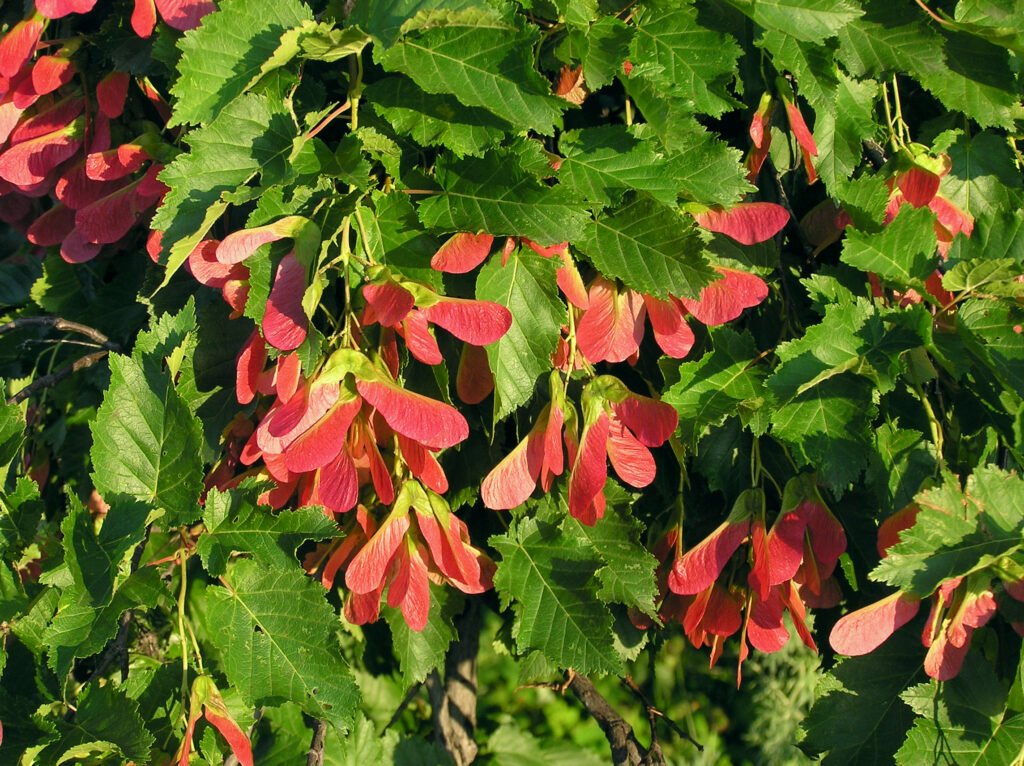
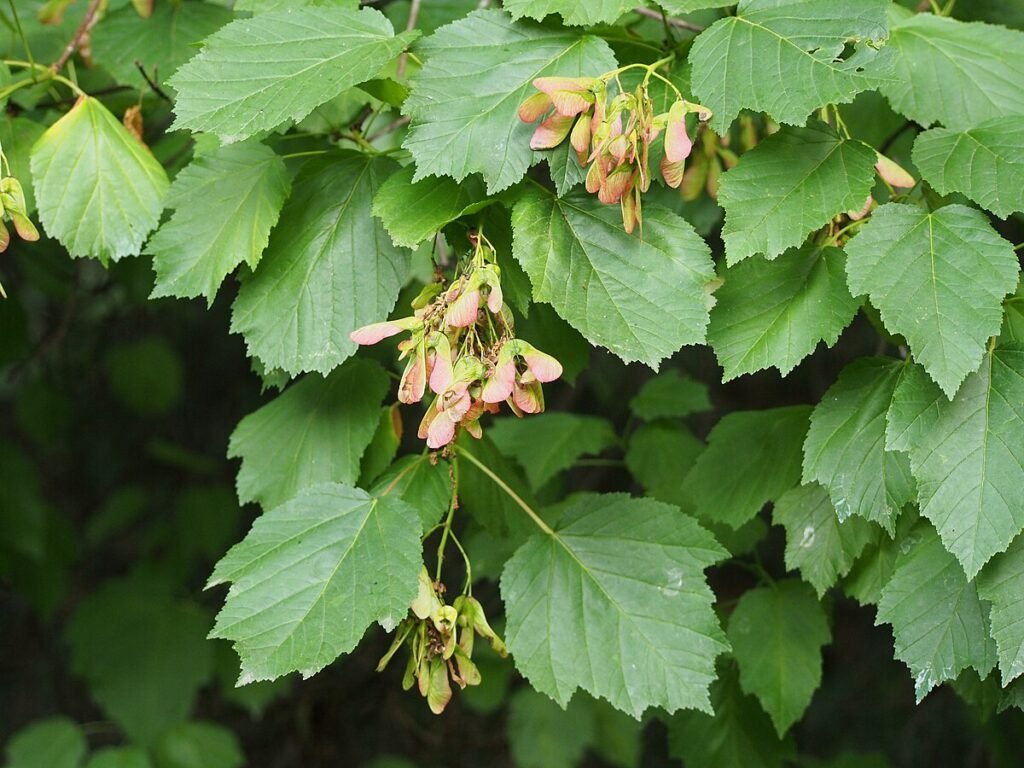
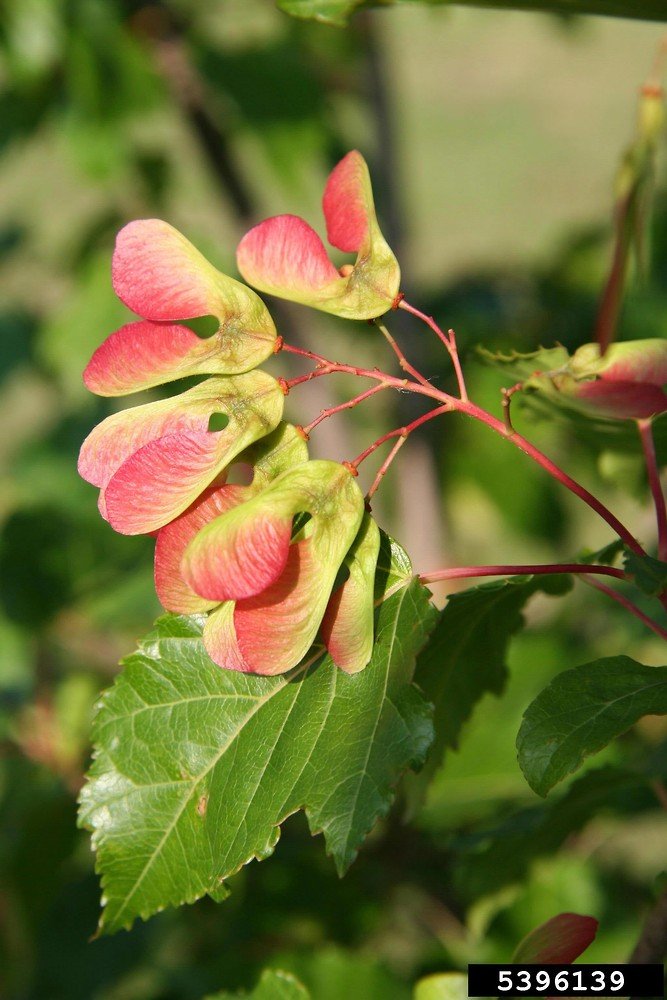
- Showy red samaras that hang in clusters for months
- Non-aggressive roots, ideal near patios, driveways, or foundations
- Excellent wildlife value (nectar for pollinators, seeds for birds)
Now let’s explore exactly how to grow a thriving Tatarian maple.
How to Grow Tatarian Maple
1. Site Selection
Tatarian maple prefers:
- Full sun to partial shade (best color in full sun)
- Average, well-draining soil
- Low to moderate fertility
It tolerates clay, alkaline soil, and urban pollution exceptionally well.
Ideal Conditions
- Sunlight: 6–8 hours/day
- Soil pH: 6.0–7.5
- Spacing: 15–20 ft apart
2. Planting
Plant Tatarian maple in early spring or fall.
Steps
- Dig a hole 2× wider than the root ball but no deeper.
- Loosen the roots if they’re circling.
- Place the tree so the root flare is visible at soil level.
- Backfill with native soil (no heavy amendments needed).
- Water deeply.
- Mulch with 2–3 inches (keep mulch off the trunk).
3. Watering & Fertilization
Tatarian maple is low-maintenance.
Watering
- Year 1: Water weekly until established.
- After establishment: Minimal supplemental water except in severe drought.
Fertilizing
- Usually not required.
- If soil is poor, add compost in spring.
4. Pruning
Pruning helps maintain shape and removes weak branches.
Best Time to Prune: Late winter or early spring.
Focus on:
- Crossing or rubbing branches
- Deadwood
- Suckers at the base
- Branches too close together
Tatarian maple can be trained as a small tree or multi-stemmed shrub depending on desired landscape effect.
Propagation of Tatarian Maple
Acer tataricum can be propagated via seed, softwood cuttings, and occasionally layering.
1. Propagation from Seed (Most Common & Reliable)
Seed Harvest
- Collect samaras in late summer to early fall when they turn tan or brown.
Preparation
Tatarian maple seeds require:
- Cold stratification → 60–90 days at 34–41°F
This mimics winter and improves germination.
How to Stratify
- Remove wings from the samaras.
- Place seeds in moist (not soggy) sand or vermiculite.
- Refrigerate for 8–12 weeks.
- After stratification, sow seeds ¼ inch deep in pots or trays.
Germination
- Takes 2–6 weeks in warm conditions (65–75°F).
2. Propagation by Softwood Cuttings
This method produces clones of desirable varieties.
Best Time: Late spring to early summer.
Steps
- Take 4–6 inch cuttings from new growth.
- Remove lower leaves.
- Dip in rooting hormone.
- Plant in a perlite/peat mix.
- Keep humidity high and soil lightly moist.
- Roots form in 4–8 weeks.
3. Air Layering
Less common but effective for select cultivars.
- Best done in early summer.
- Encourage root formation while branch is still attached.
Varieties and Cultivars of Tatarian Maple
While Acer tataricum has fewer cultivars than other maples, several notable varieties exist:
1. Acer tataricum subsp. tataricum
The classic species:
- Upright growth
- Bright red samaras
- Intense fall color
2. Acer tataricum subsp. ginnala (Amur Maple)
Often treated as a separate species, but closely related.
- Slightly smaller
- Gorgeous red fall foliage
- Highly ornamental
3. ‘Hot Wings’ Tatarian Maple
A popular modern cultivar.
- Brilliant red “hot wing” samaras
- Rounded canopy
- Heavy fruiting and exceptional color
4. ‘GarAnn’ (Flame)
- Known for fiery fall foliage
- Compact and rounded
- Great for small landscapes
Uses of Tatarian Maple
1. Ornamental Landscaping
- Perfect for small yards, patios, and streetscapes
- Attractive spring flowers, summer greenery, fall color, and winter texture
2. Wildlife Support
- Early nectar for pollinators
- Seeds for birds (especially finches and grosbeaks)
3. Windbreaks and Shelterbelts
Thanks to its hardiness and quick growth, it’s used in:
- Rural windbreaks
- Erosion control areas
- Prairie landscapes
4. Bonsai
Tatarian maple adapts well to bonsai techniques:
- Small leaves
- Attractive branching
- Good cold endurance
Food Uses and Edible Potential
While Tatarian maple is not a major edible species, it does offer some food-related uses:
1. Maple Syrup Production (Small Scale)
Tatarian maple sap contains sugar and can be used to make maple syrup, though:
- Sugar content is lower than sugar maple
- Yield is modest
- Flavor is mild but pleasant
This makes it possible for hobbyist syrup producers but not commercially viable.
2. Edible Seeds (Limited Use)
The samaras aren’t widely eaten, but:
- Seeds are technically edible when blanched or roasted
- Historically used as a survival food in parts of its native range
They are somewhat bitter and starchy.
3. Tea from Bark or Twigs
A mild herbal tea can be made from:
- Young twigs
- Inner bark
This is more of a traditional practice than a common modern use.
Harvesting Tatarian Maple
Harvesting Samaras (Seeds)
- Best time: Late August – October
- Samaras turn from red → tan/brown when ripe
- Collect by hand or shake gently into a tarp
Storage
- Dry seeds thoroughly
- Store in paper envelopes in a cool, dry place
- Shelf life: 1–3 years
Harvesting Sap
If you plan to tap your Tatarian maple:
When to Tap
- Late winter to early spring
- When days freeze at night and thaw during the day
How to Tap
- Drill a 7/16″ hole 2 inches deep.
- Insert a spile.
- Hang a clean food-grade bucket.
- Collect daily.
Expect:
- Less sap yield than sugar maple
- More sap needed to make syrup (higher evaporation ratio)
Troubleshooting & Common Issues
1. Leaf Scorch
Occurs in extreme heat or drought.
- Mulch
- Water deeply but infrequently
2. Aphids
Handled by:
- Neem spray
- Beneficial insects
- Strong water spray
3. Armillaria (Rare)
Avoid excessive watering or poorly drained soil.
4. Seedling Proliferation
Tatarian maple can reseed moderately.
- Collect seeds before they fly
- Mulch beds to stop germination
Conclusion
The Tatarian maple (Acer tataricum) is a compact, resilient, and visually striking tree with remarkable adaptability and multi-season interest. Whether you’re an urban gardener, homesteader, permaculturist, or landscaper, this maple offers:
- Easy growth
- Versatile propagation options
- Beautiful fall colors
- Useful seeds and sap
- Wildlife benefits
- Low maintenance
For anyone seeking a hard-working ornamental tree that thrives where others fail, the Tatarian maple is an excellent, underappreciated choice.



&media=https://food-foresting.com/wp-content/uploads/2025/12/A-148-18-AM.jpg)