 paulius.mikoliunas1
| Common Name | Sargent’s apple, Sargent Crabapple |
| Family | Rosaceae |
| USDA hardiness | 4-8 |
| Known Hazards |  All members of this genus contain the toxin hydrogen cyanide in their seeds and possibly also in their leaves, but not in their fruits. Hydrogen cyanide is the substance that gives almonds their characteristic taste but it should only be consumed in very small quantities. Apple seeds do not normally contain very high quantities of hydrogen cyanide but, even so, should not be consumed in very large quantities. In small quantities, hydrogen cyanide has been shown to stimulate respiration and improve digestion, it is also claimed to be of benefit in the treatment of cancer. In excess, however, it can cause respiratory failure and even death. All members of this genus contain the toxin hydrogen cyanide in their seeds and possibly also in their leaves, but not in their fruits. Hydrogen cyanide is the substance that gives almonds their characteristic taste but it should only be consumed in very small quantities. Apple seeds do not normally contain very high quantities of hydrogen cyanide but, even so, should not be consumed in very large quantities. In small quantities, hydrogen cyanide has been shown to stimulate respiration and improve digestion, it is also claimed to be of benefit in the treatment of cancer. In excess, however, it can cause respiratory failure and even death. |
| Habitats | Mountains all over Japan. |
| Range | E. Asia – Japan. |
| Edibility Rating |   (2 of 5) (2 of 5) |
| Other Uses |  (0 of 5) (0 of 5) |
| Weed Potential | No |
| Medicinal Rating |  (0 of 5) (0 of 5) |
| Care (info) |     |
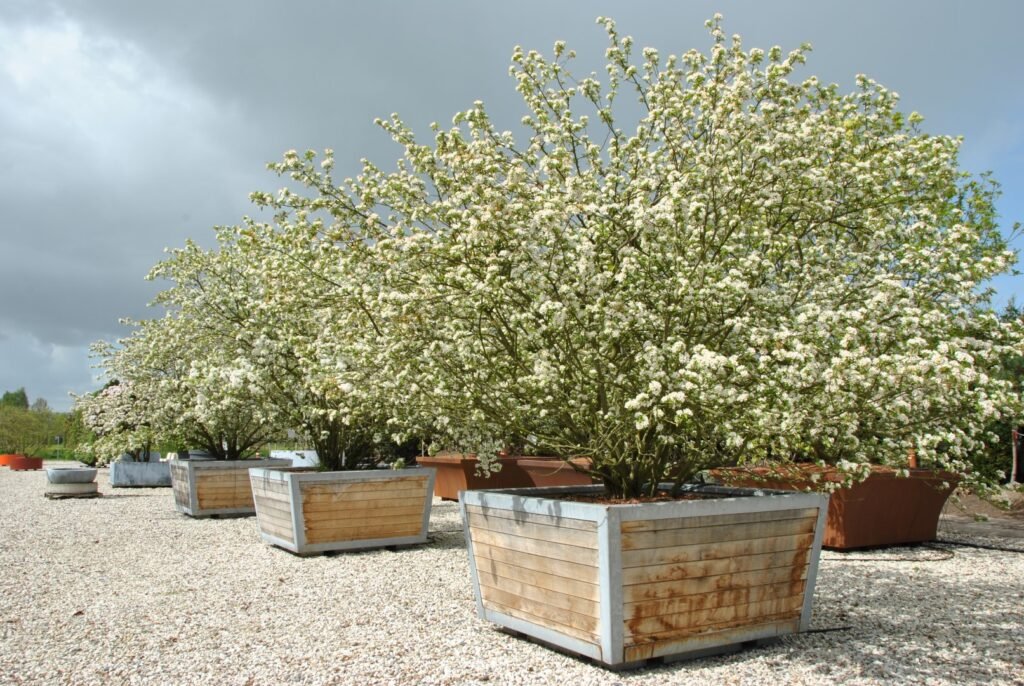
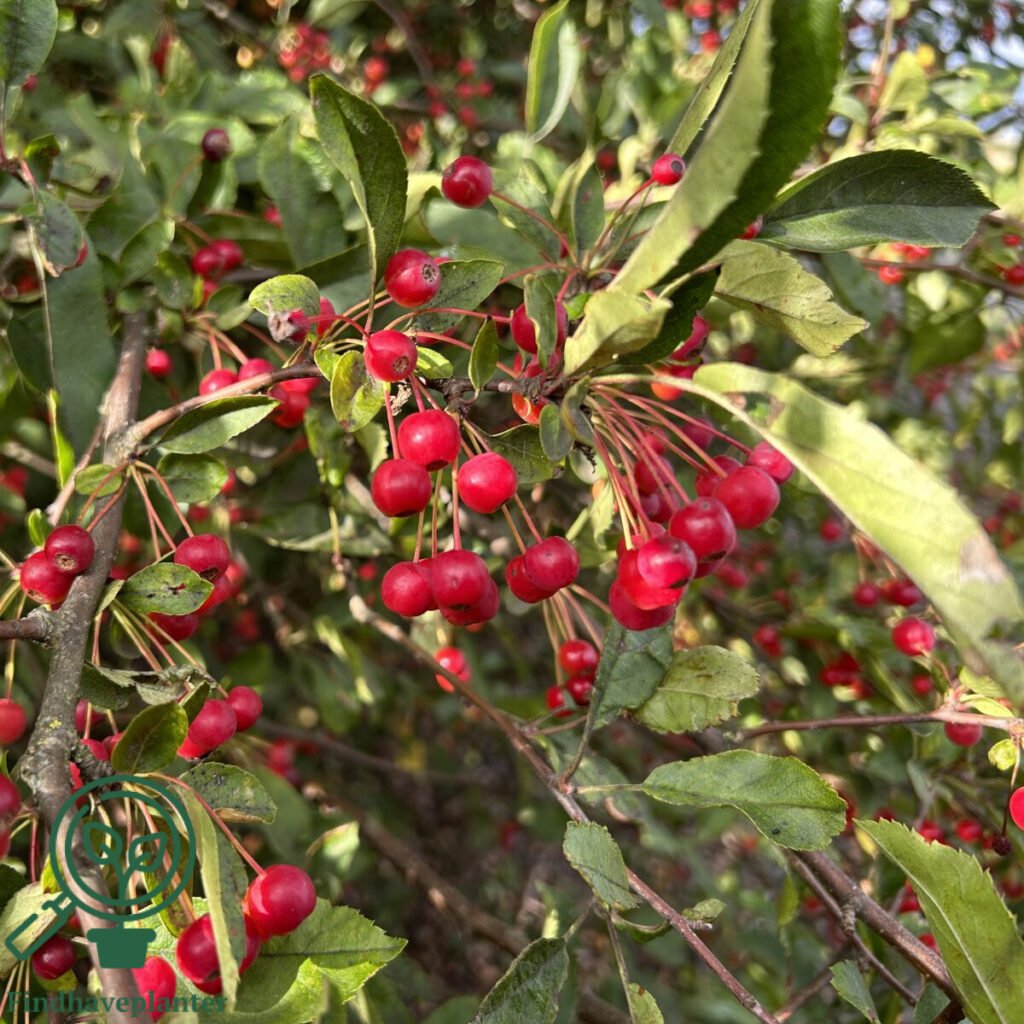
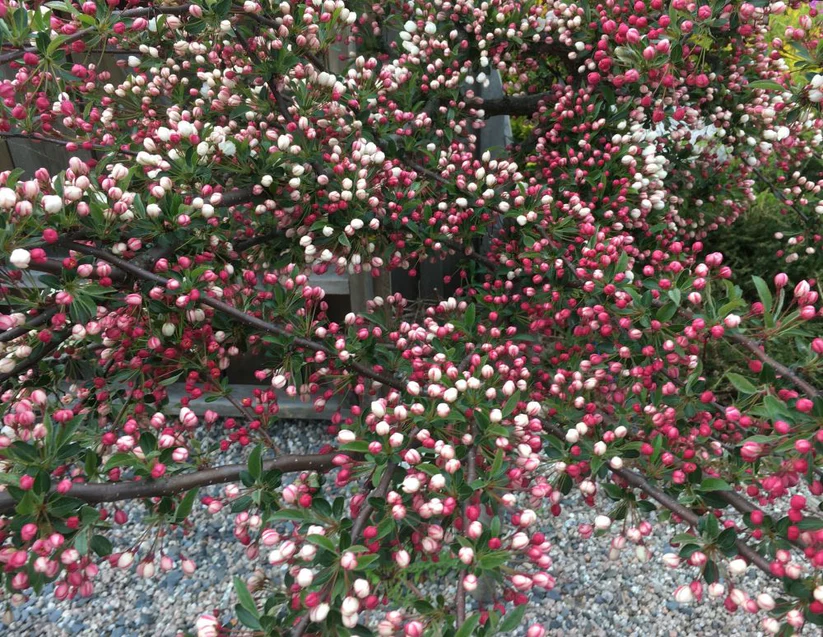
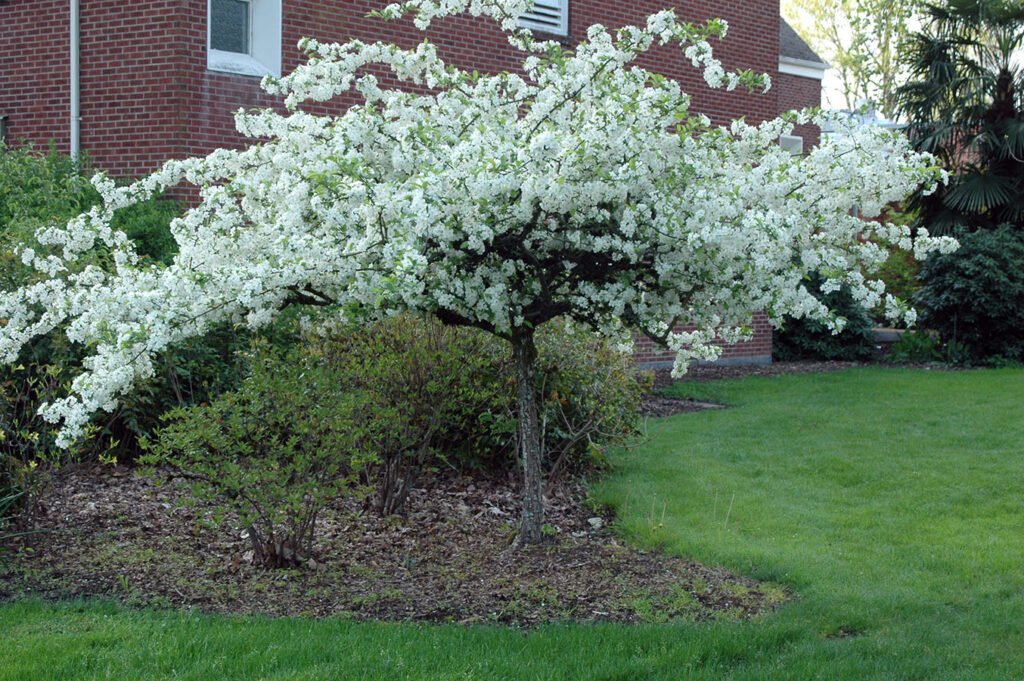
How to Grow, Propagate, Use, and Harvest Sargent’s Apple (Malus sargentii)
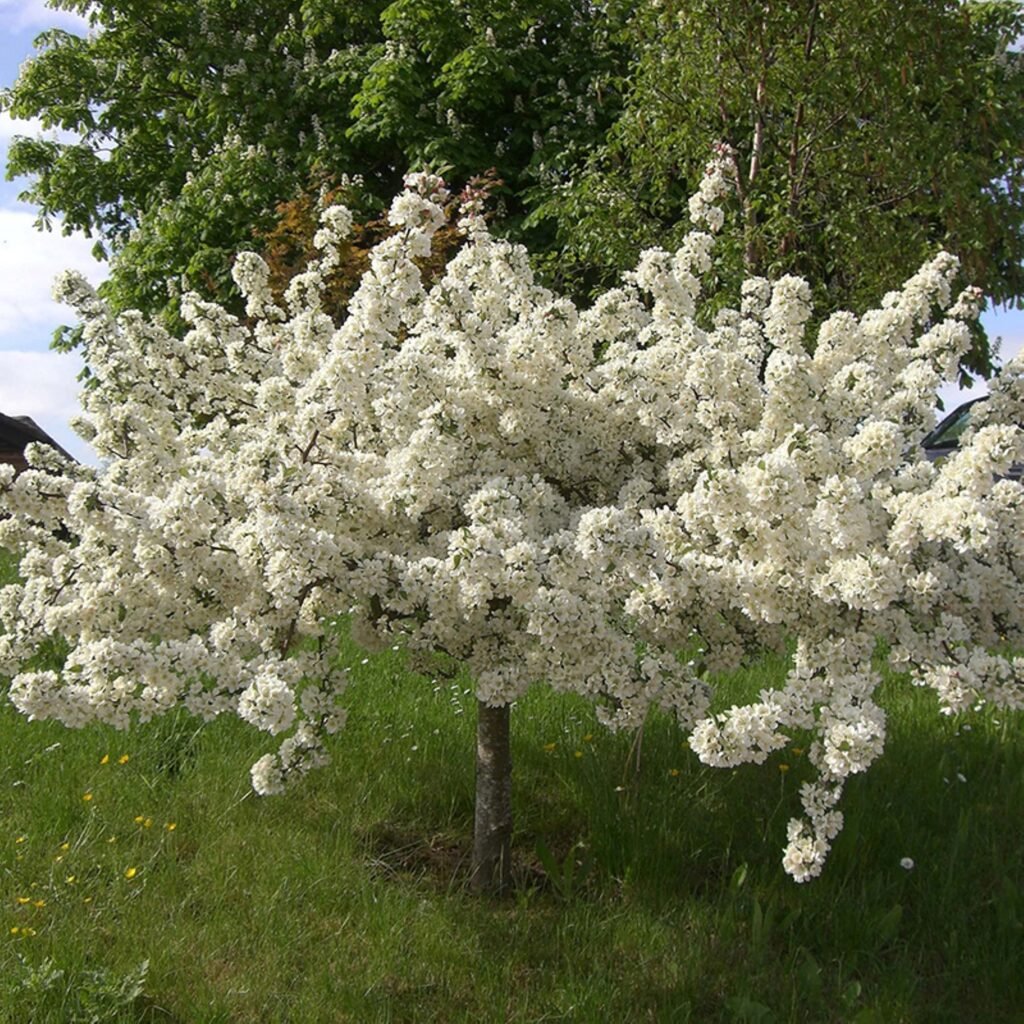
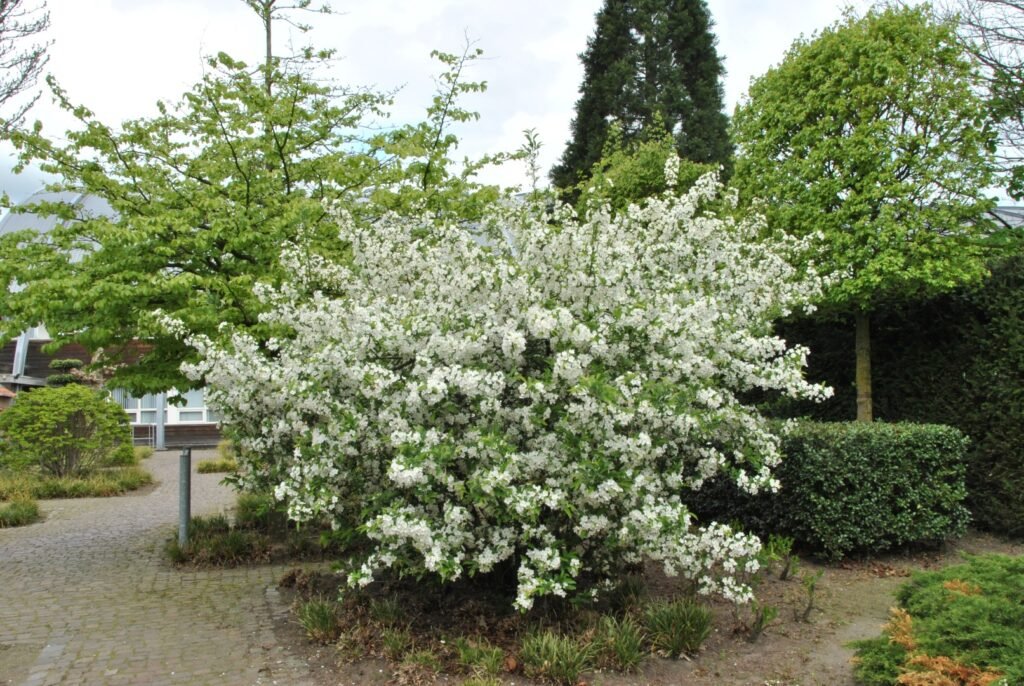
Sargent’s apple (Malus sargentii), also called Sargent crabapple, is a compact ornamental apple species valued for its spring blossom display, wildlife food value, and dense branching habit. While rarely planted for fresh fruit consumption, it offers unique culinary, ecological, and landscaping benefits—making it increasingly sought after by gardeners, orchardists, and urban green-space designers.
This guide covers how to grow, propagate, choose varieties, use the fruit, and harvest efficiently, plus key care insights for SEO-savvy horticulture enthusiasts.
What Makes Sargent’s Apple Special?
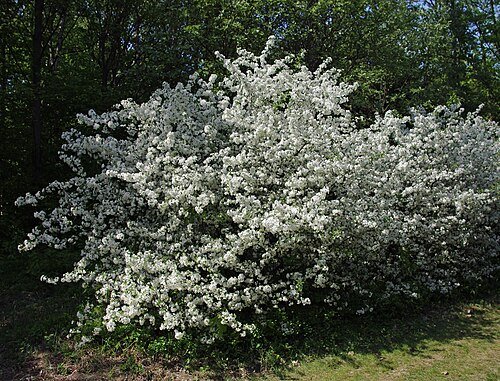
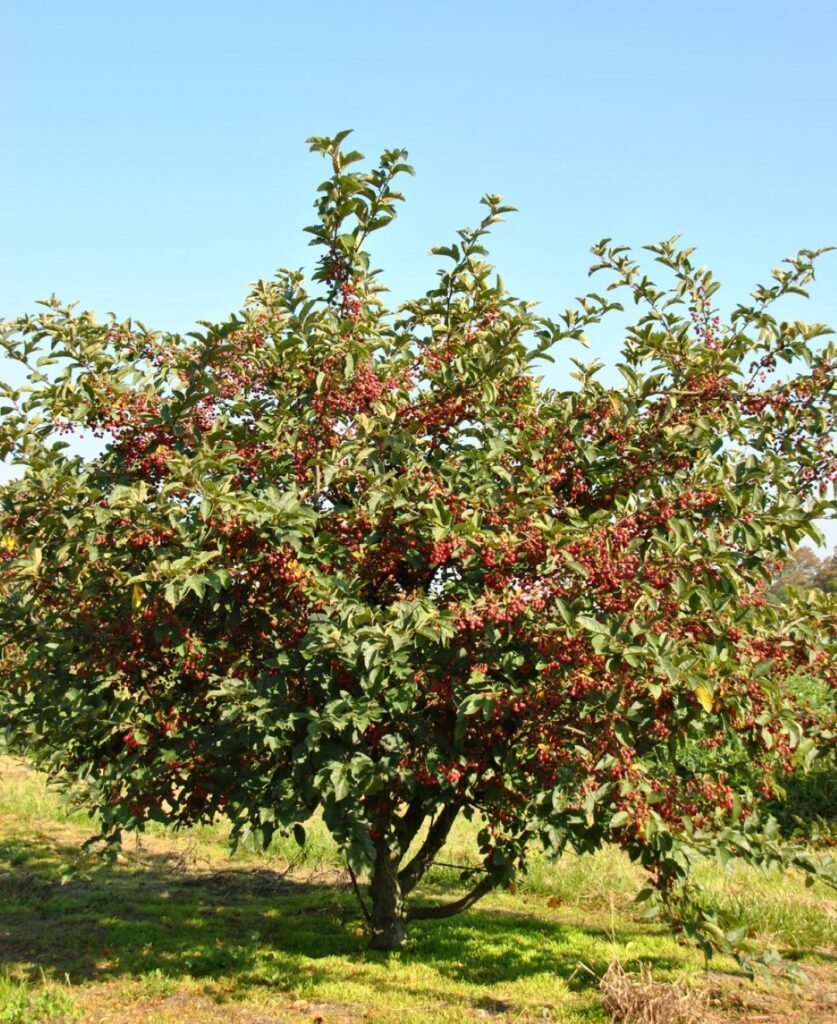
- Compact size (6–10 ft tall; 8–12 ft wide)
- Dense, low-growing habit
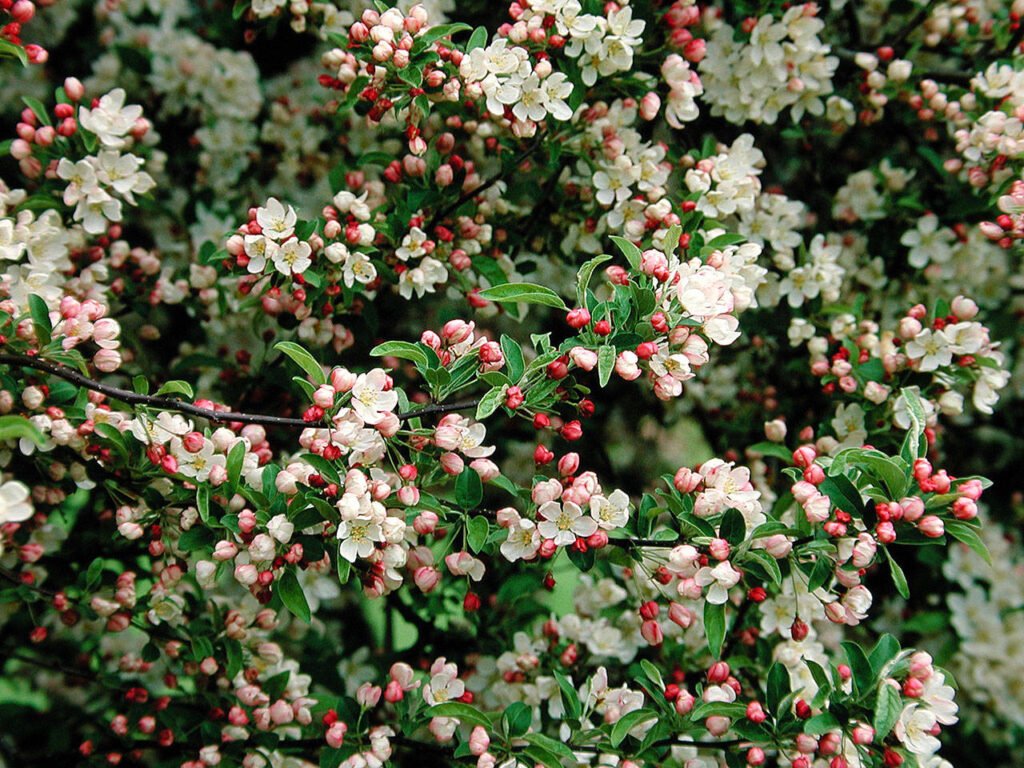
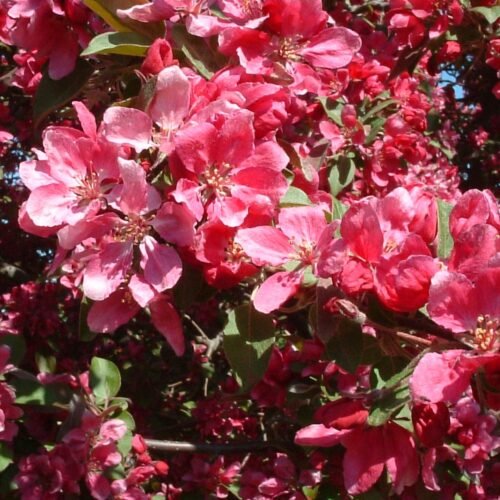
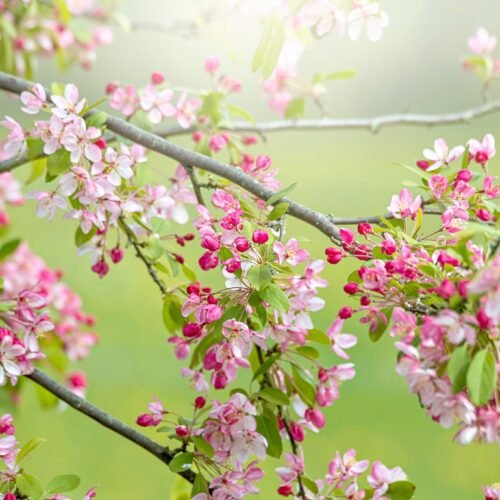
- Masses of white spring flowers with pink buds
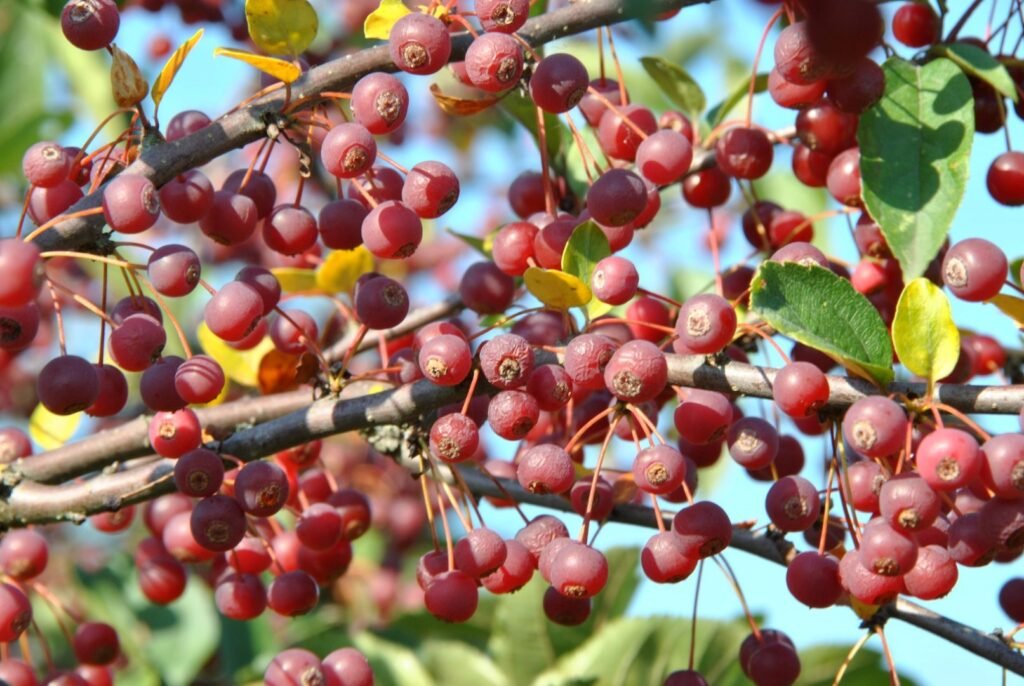
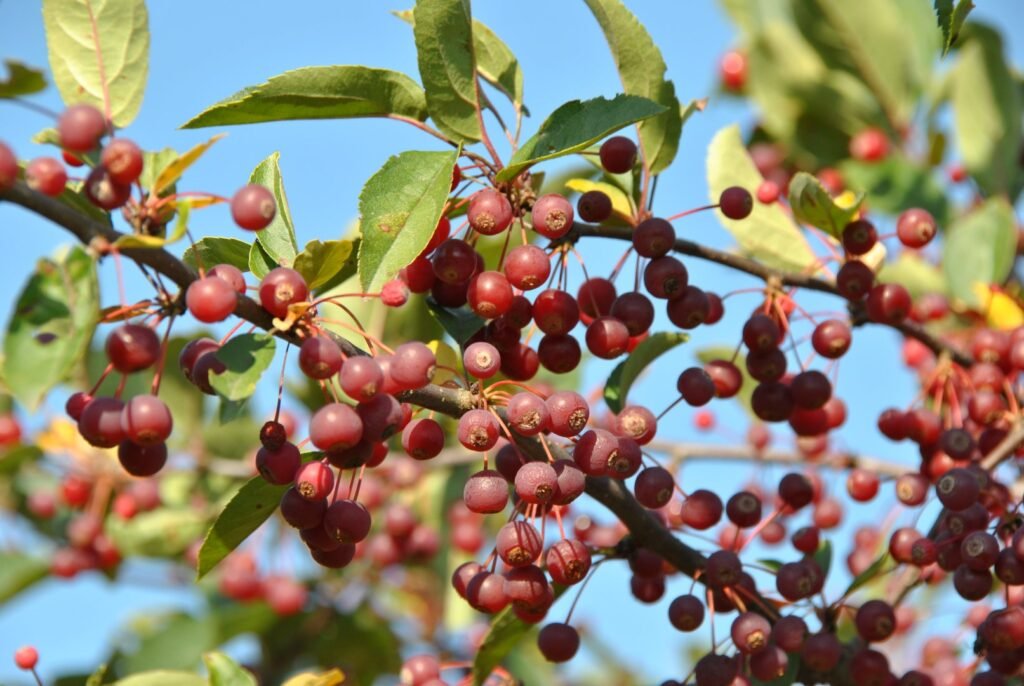
- Heavy fruiting with pea-sized red apples
- Excellent pollinator and wildlife value
- Cold hardy (USDA Zones 4–7)
It’s one of the most ornamental crabapples and thrives in landscapes where a traditional fruiting apple isn’t feasible.
How to Grow Sargent’s Apple (Malus sargentii)
Climate & Hardiness
- Performs best in temperate, continental climates
- Handles winter lows well; prefers chilling hours
- Tolerates moderate summer heat with irrigation
Sunlight Requirements
- Needs full sun for best flowering and fruiting
- Tolerates partial shade, but blooms are reduced
Soil Preferences
- Adaptable to loam, sandy loam, and clay-loam
- Ideal pH: 6.0–7.5
- Benefits from good drainage but tolerates occasional moisture
Watering & Irrigation
- Young trees: weekly deep watering
- Mature trees: drought-tolerant but fruiting improves with moisture
- Avoid overwatering to prevent root disease
Fertilization
Apply once in early spring:
- A balanced tree fertilizer (10-10-10)
- Compost or well-rotted manure for organic approach
Avoid heavy nitrogen—this boosts leaf growth but reduces blooms.
Pruning Sargent’s Apple
Minimal pruning needed due to natural low mound habit.
Best times:
- Late winter (structural shaping)
- After flowering (light thinning)
Goals:
- Remove crossing branches
- Maintain airflow
- Preserve the ornamental form
Propagation Methods
1. Grafting
Most common in nurseries:
- Bud grafting onto crabapple rootstock
- Ensures consistent size and flowering
2. Cuttings
Semi-hardwood cuttings taken:
- Late spring to mid-summer
- Dip in rooting hormone
- High humidity propagation chamber recommended
3. Seeds
Possible but with genetic variability:
- Cold stratify for 90–120 days
- Higher variability produces unique ornamental forms
Notable Varieties & Cultivars
While the species itself is widely grown, several improved cultivars exist:
‘Tina’ Sargent Crabapple
- Dwarf (4–5 ft tall)
- Excellent for small yards & container landscapes
‘Select A’ Forms
- More disease resistant
- Better fruit load
Species-Type (Malus sargentii)
- Classic form
- Best wildlife value
Usage & Benefits
1. Ornamental Landscaping
Popular for:
- Foundation plantings
- Courtyards
- Urban greenspaces
- Pollinator gardens
2. Wildlife and Ecological Value
Fruit supports:
- Migratory birds
- Deer (light browsing)
- Small mammals
Flowers feed bees, hoverflies, and early pollinators.
3. Food & Culinary Uses
Though small and tart, the fruits are edible.
Best uses include:
- Jellies & preserves
- Crabapple sauces
- Syrups & garnishes
- Pickled crabapples
- Fermentation projects (cider blends)
Flavor Profile
- Tart to sharp
- Astringent fresh, mellow when cooked
- High pectin—excellent for gelling
Harvesting Sargent’s Apple
When to Harvest
- Late summer to early fall (depending on region)
- Fruits turn bright red and detach easily
Harvest Tips
- Shake small branches to release ripe fruit
- Hand-pick for culinary uses
- Allow wildlife drop for natural foraging
Storage & Preservation Options
Fresh fruit is short-lived, so preservation is common:
- Refrigeration: 1–2 weeks
- Freezing: Best for later jelly/juice batches
- Dehydrating: Adds tart chewiness
- Canning: Crabapple jelly & pickled fruit
- Fermentation: Adds tannin complexity to cider blends
Common Pests & Diseases
Sargent’s is considered disease-resistant compared to standard Malus species, but may encounter:
- Apple scab (mild)
- Fire blight (occasionally)
- Powdery mildew (minor)
- Aphids & leaf miners (cosmetic)
Good airflow and sanitation minimize issues.
Why Grow Sargent’s Apple? (SEO-Friendly Summary)
If you want:
✔ A small ornamental tree
✔ Spectacular spring blooms
✔ Wildlife-friendly fruit
✔ Minimal pruning
✔ Cold hardiness
…Malus sargentii offers a near-perfect balance.
Final Thoughts
Sargent’s apple is an underrated gem for modern ecological landscaping. Compact, tough, and seasonal, it bridges aesthetic design with food and wildlife functionality. Whether used in home gardens, park installations, or edible landscapes, its value goes well beyond ornamentation.


&media=https://food-foresting.com/wp-content/uploads/2026/01/malus_toringo_sargentii_6.jpg)