
 paulius.mikoliunas1
| Common Name | Weigela |
| Family | Caprifoliaceae |
| USDA hardiness | 5-9 |
| Known Hazards | None known |
| Habitats | Grows near seashores all over Japan. |
| Range | E. Asia – Japan. |
| Edibility Rating |   (1 of 5) (1 of 5) |
| Other Uses |  (0 of 5) (0 of 5) |
| Weed Potential | No |
| Medicinal Rating |  (0 of 5) (0 of 5) |
| Care (info) |     |





How to Grow, Propagate, Harvest & Use Weigela (Weigela): A Complete Guide
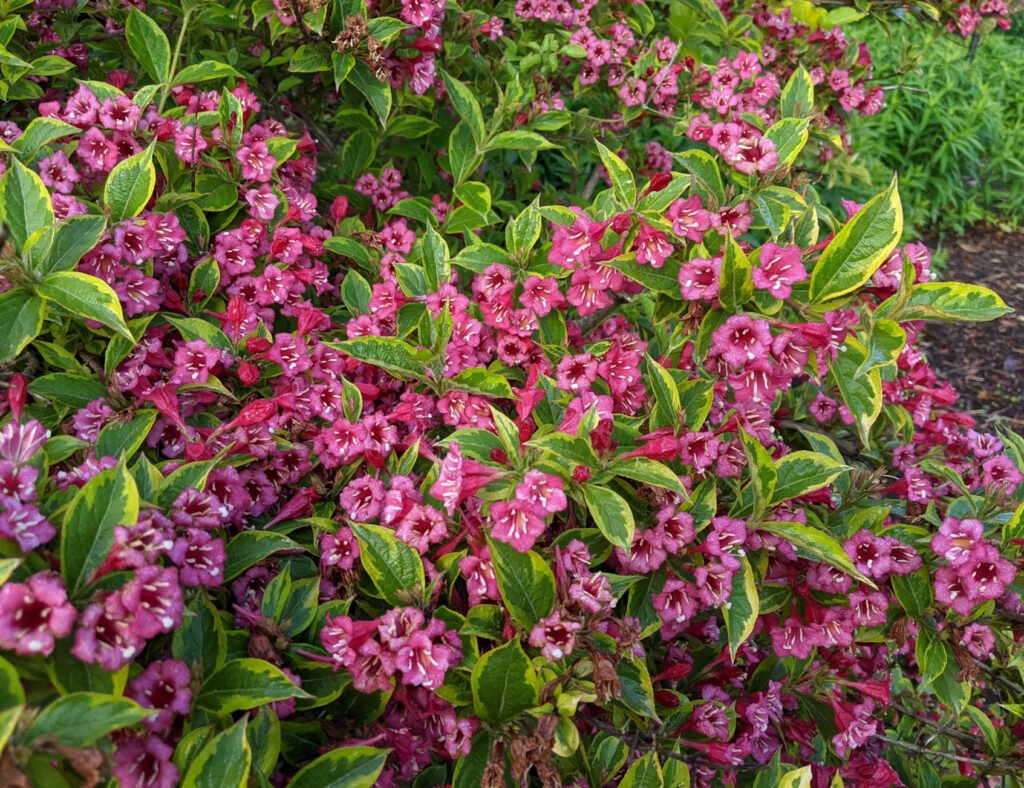
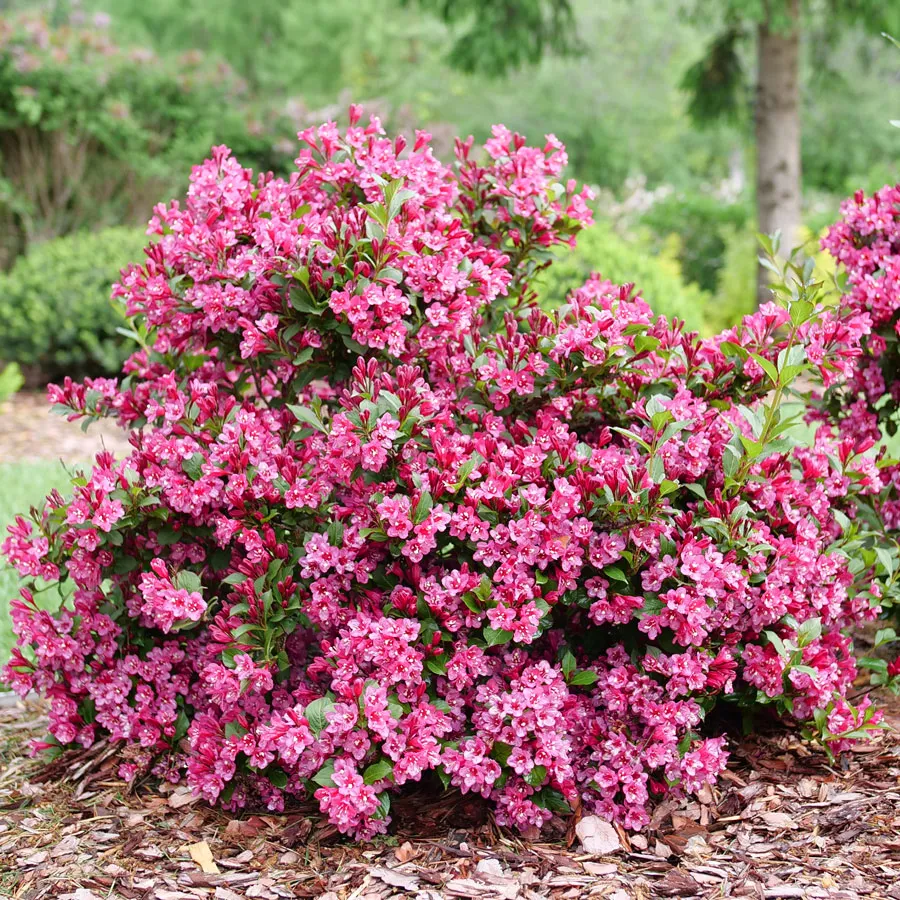
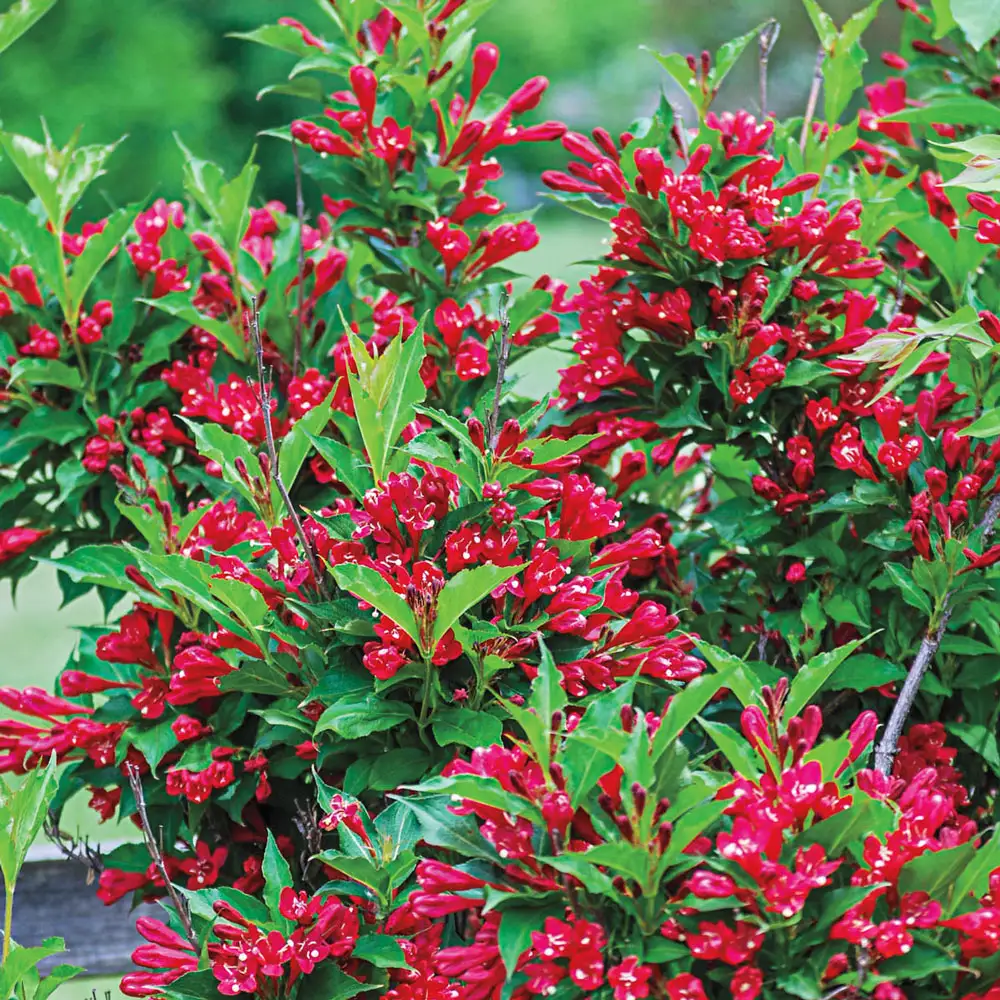
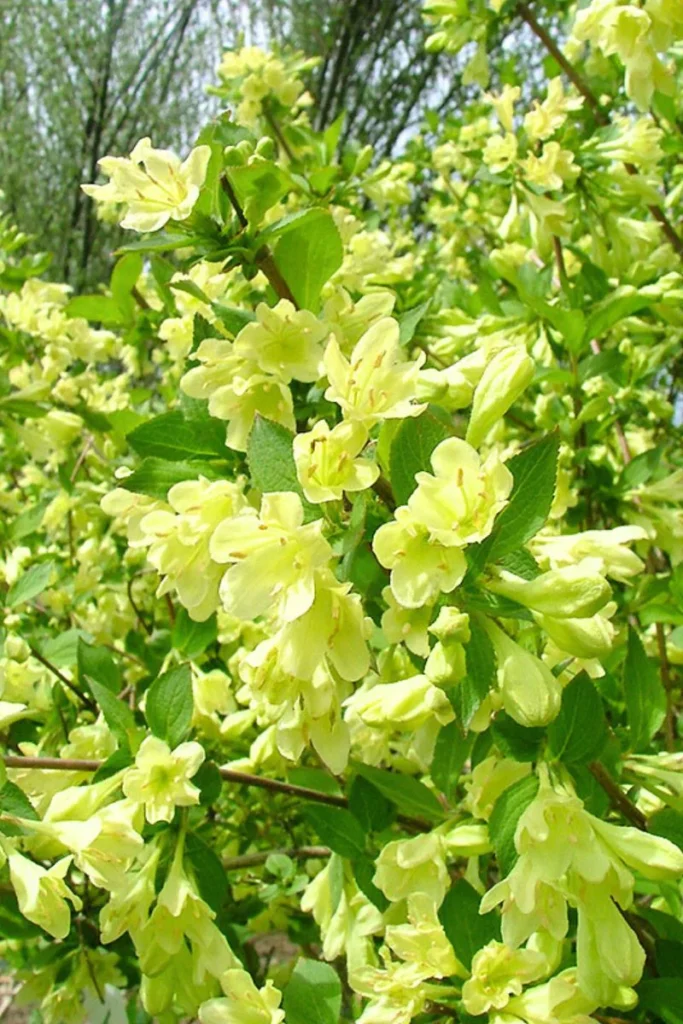
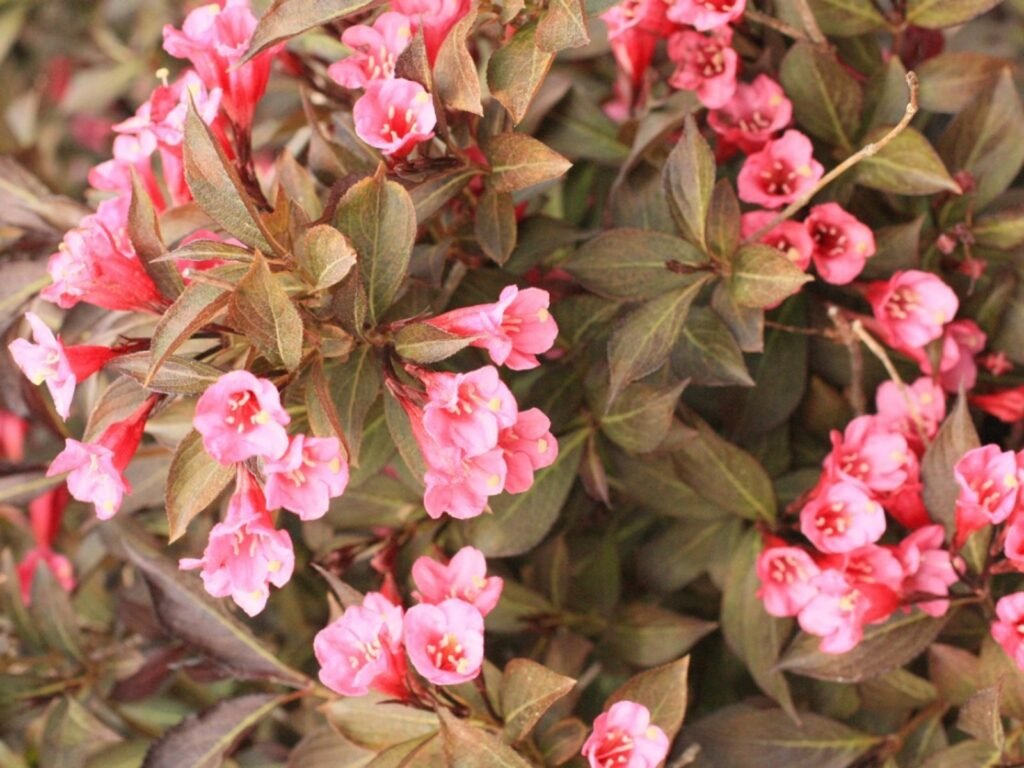
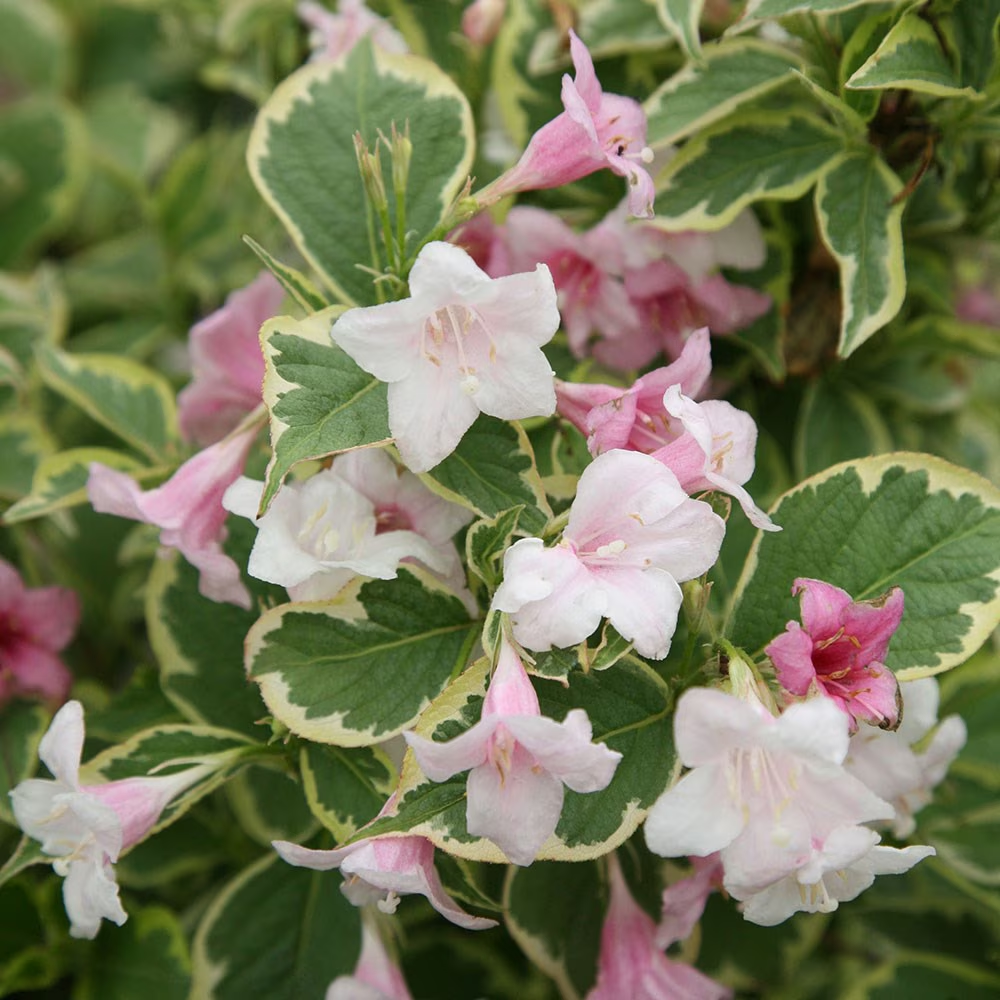
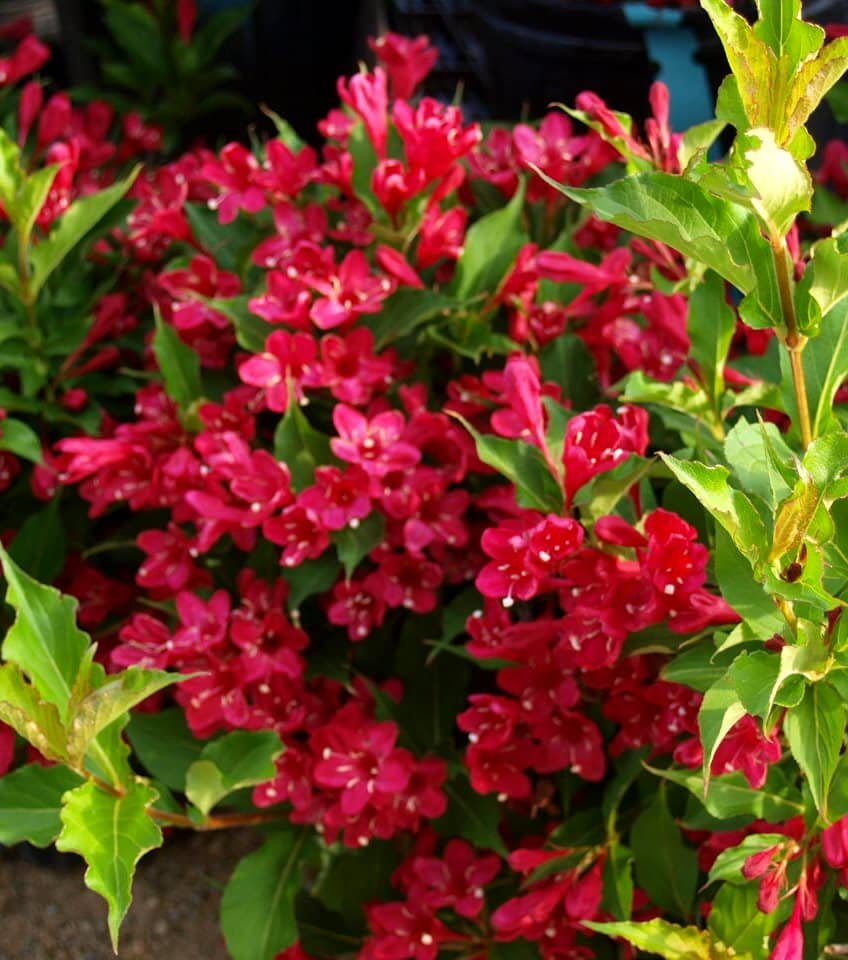
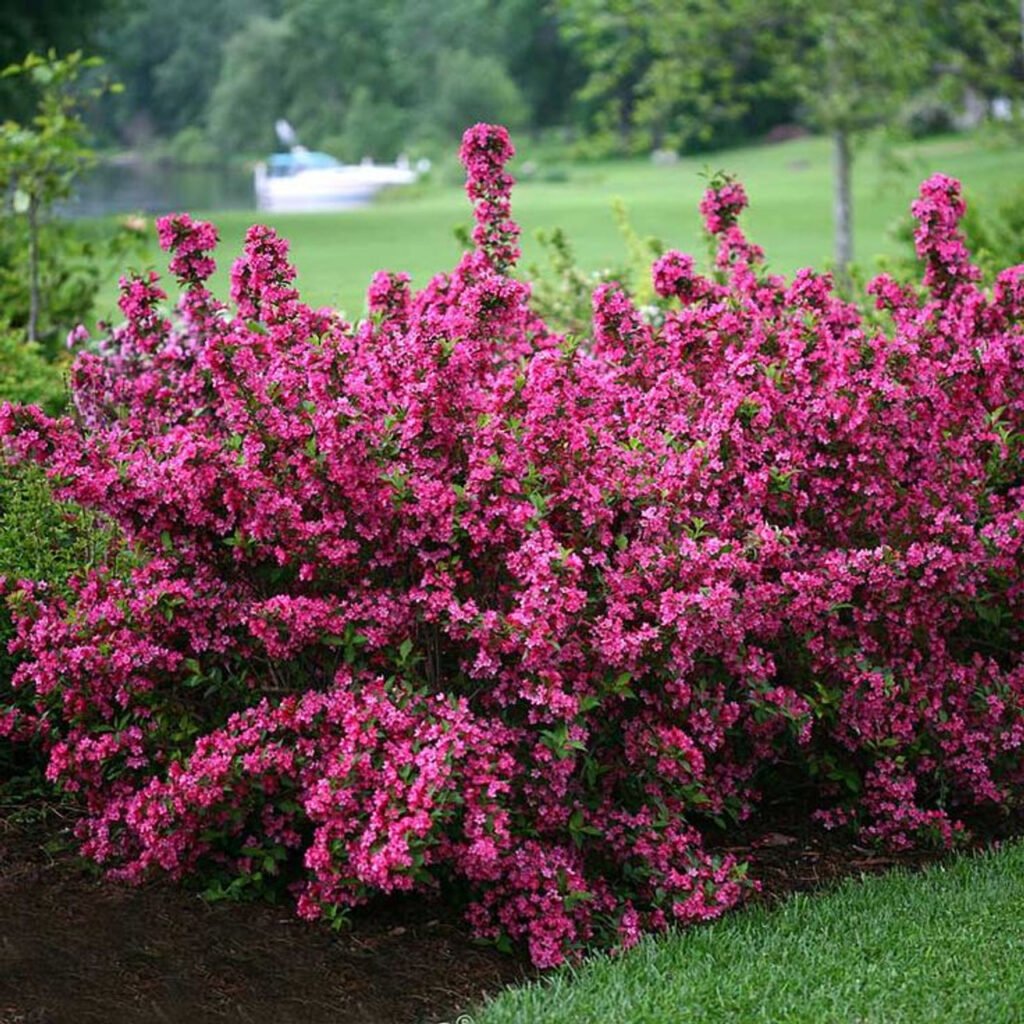
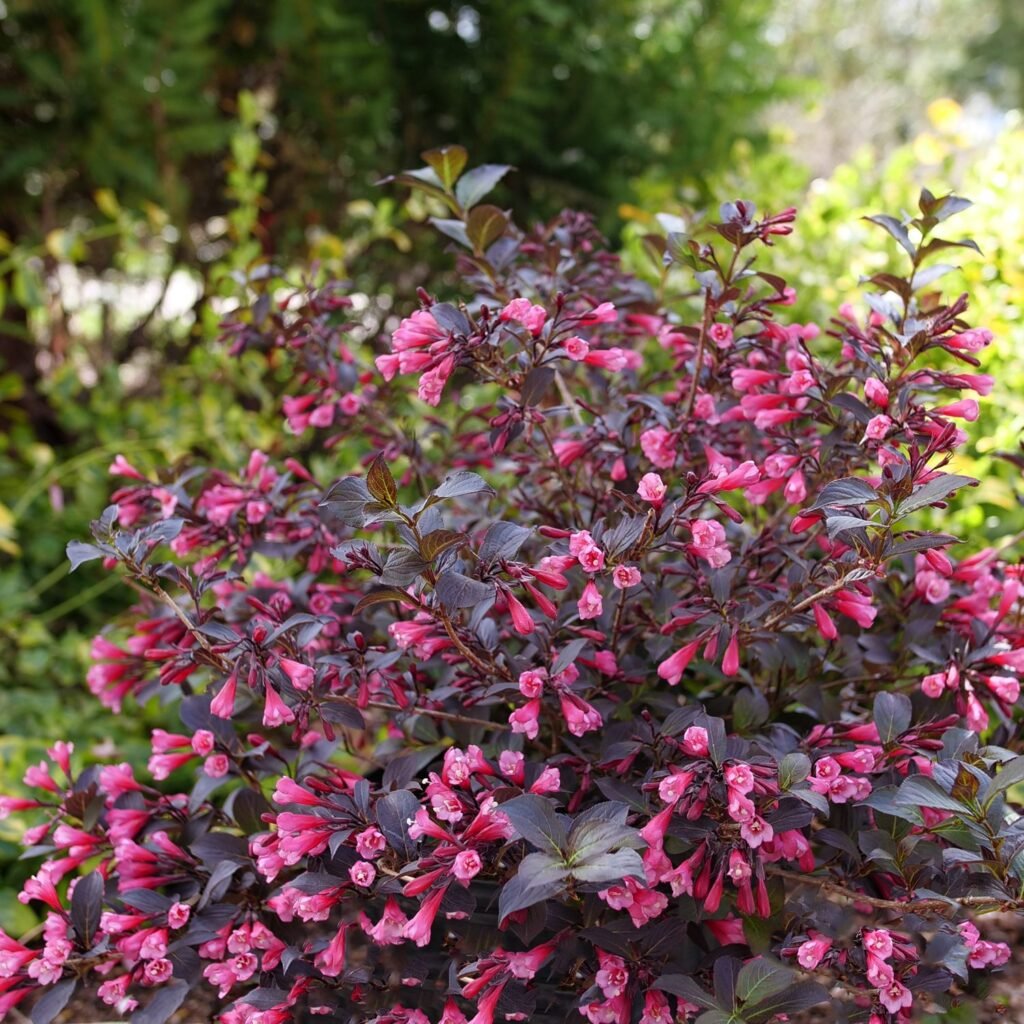
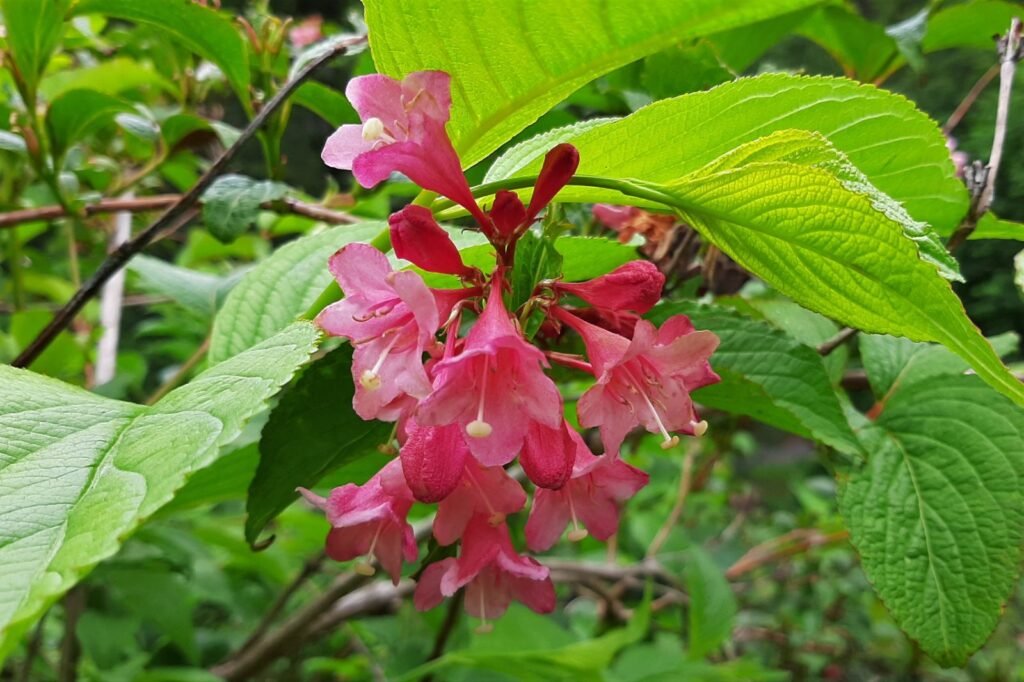
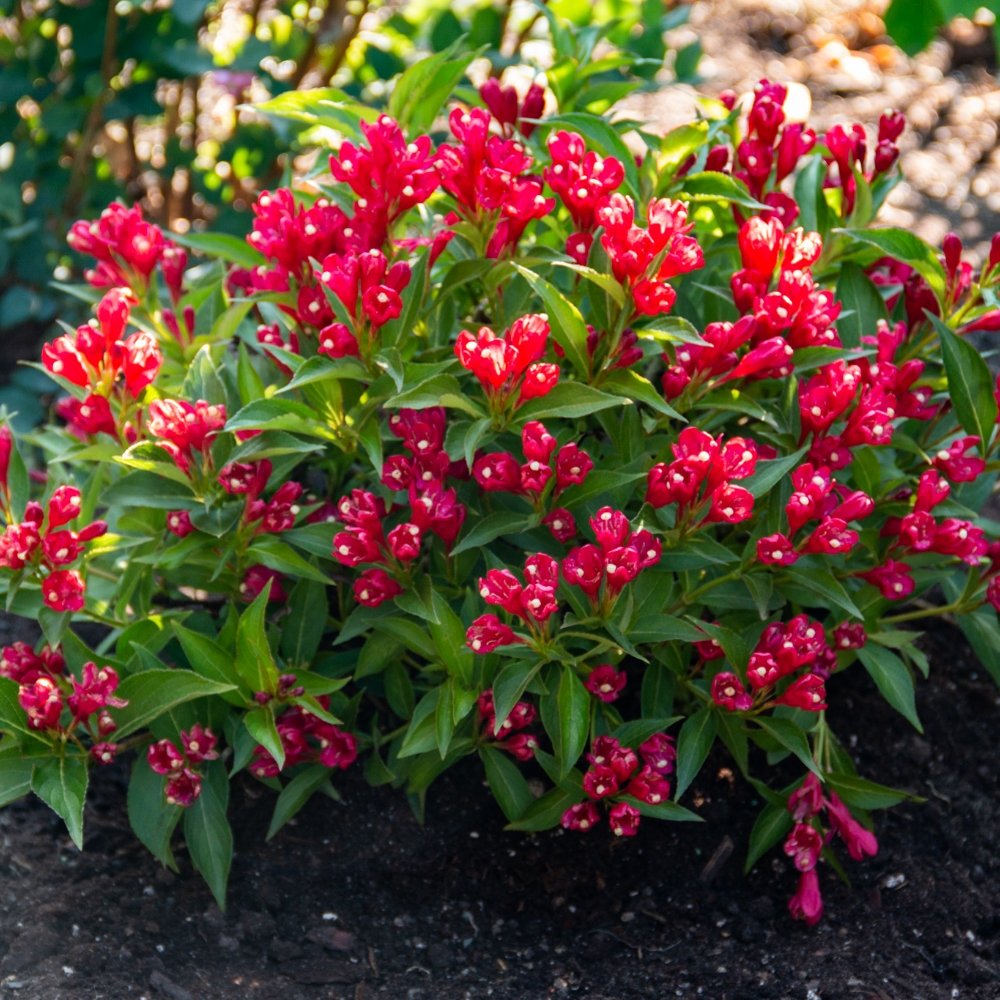
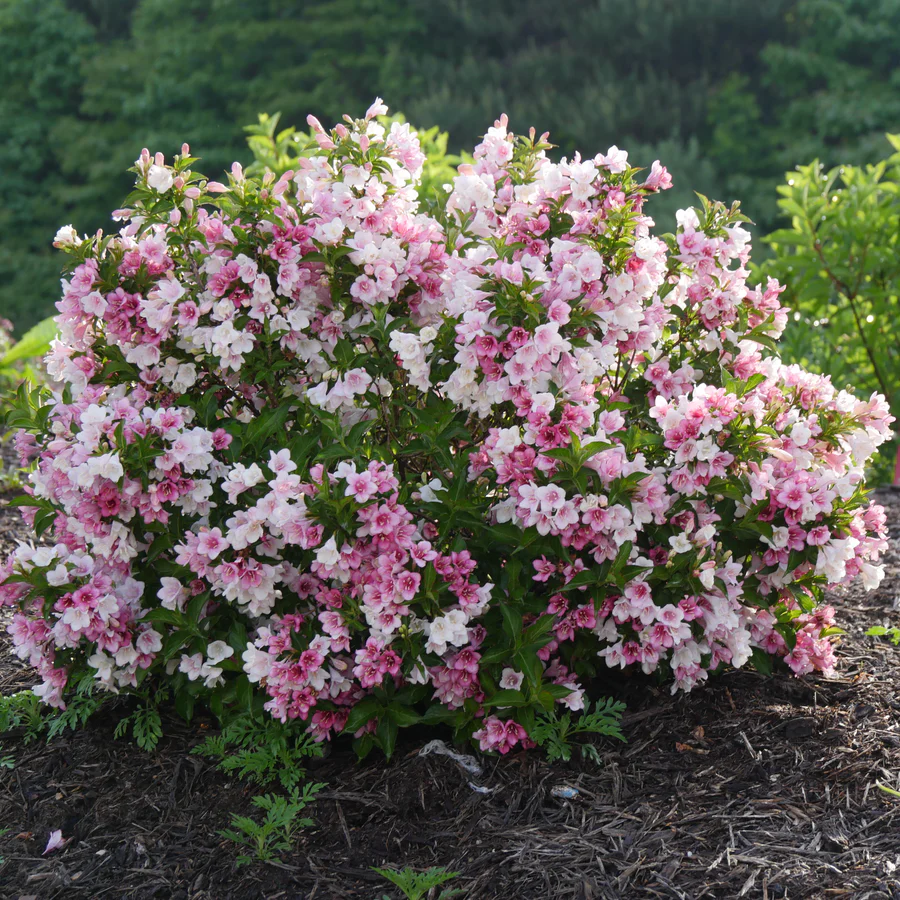
Weigela (botanical Weigela florida) is a vibrant, spring-blooming shrub prized for its trumpet-like flowers and pollinator appeal. Originating from East Asia, the genus includes more than a dozen species, with countless modern cultivars now available for gardens of all sizes. This comprehensive guide breaks down how to grow Weigela successfully, propagate new plants, explore popular varieties, and understand its practical landscape uses.
What Makes Weigela Special?
Weigela shrubs are beloved for:
- Long bloom windows (spring to mid-summer; some re-bloom in fall)
- Exceptional pollinator attraction, especially hummingbirds and bees
- Low maintenance
- Cold hardiness
- Broad cultivar diversity, including dwarf forms and colorful foliage
Hardiness typically ranges USDA Zones 4–9, depending on cultivar, making it suitable for temperate gardens.
Growing Weigela Successfully
Climate & Site
Weigela performs best in:
- Full sun: 6–8 hours daily for strongest flowering
- Moderate moisture: well-drained soil
- Neutral to slightly acidic pH: ~6.0–7.0
In warmer climates (Zone 8–9), light afternoon shade can reduce heat stress.
Planting Instructions
1. Timing
Plant in spring after frost or fall before freeze.
2. Spacing
Space plants 2–6ft apart, depending on mature cultivar size.
3. Soil Preparation
- Loosen soil 12–18 inches deep
- Incorporate compost for drainage & organic matter
- Avoid constantly wet or clay-heavy conditions
Watering & Feeding
- Water: Keep evenly moist during first growing season; drought tolerant once established.
- Fertilization: Apply slow-release balanced fertilizer in early spring. Overfeeding reduces blooms in favor of foliage growth.
Pruning for Form & Flowers
Weigela blooms on old wood. To maximize flowering:
- Prune immediately after blooming (late spring–early summer)
- Remove:
- Dead or weak branches
- Crossing wood
- ~1/3 oldest stems annually to rejuvenate
Avoid fall or spring pruning, which removes bloom buds.
Popular Weigela Varieties
Cultivar development has exploded in recent decades. Top categories include:
1. Dwarf Forms
Ideal for small gardens & containers:
- ‘My Monet’ — variegated foliage
- ‘Minuet’ — compact, pink blooms
- ‘Spilled Wine’ — dark wine-purple leaves
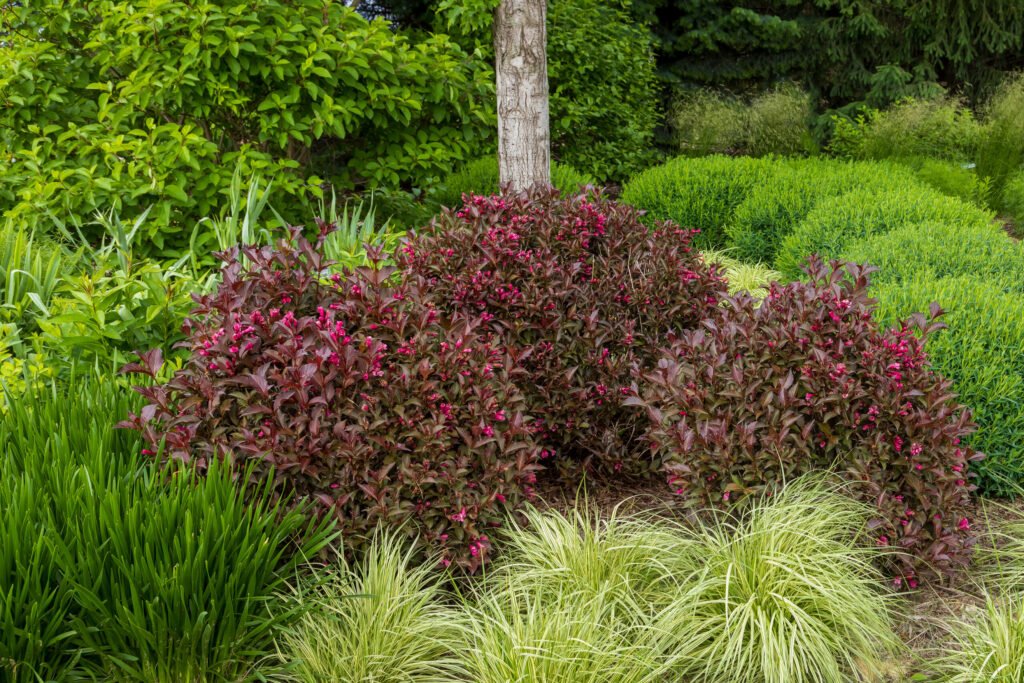
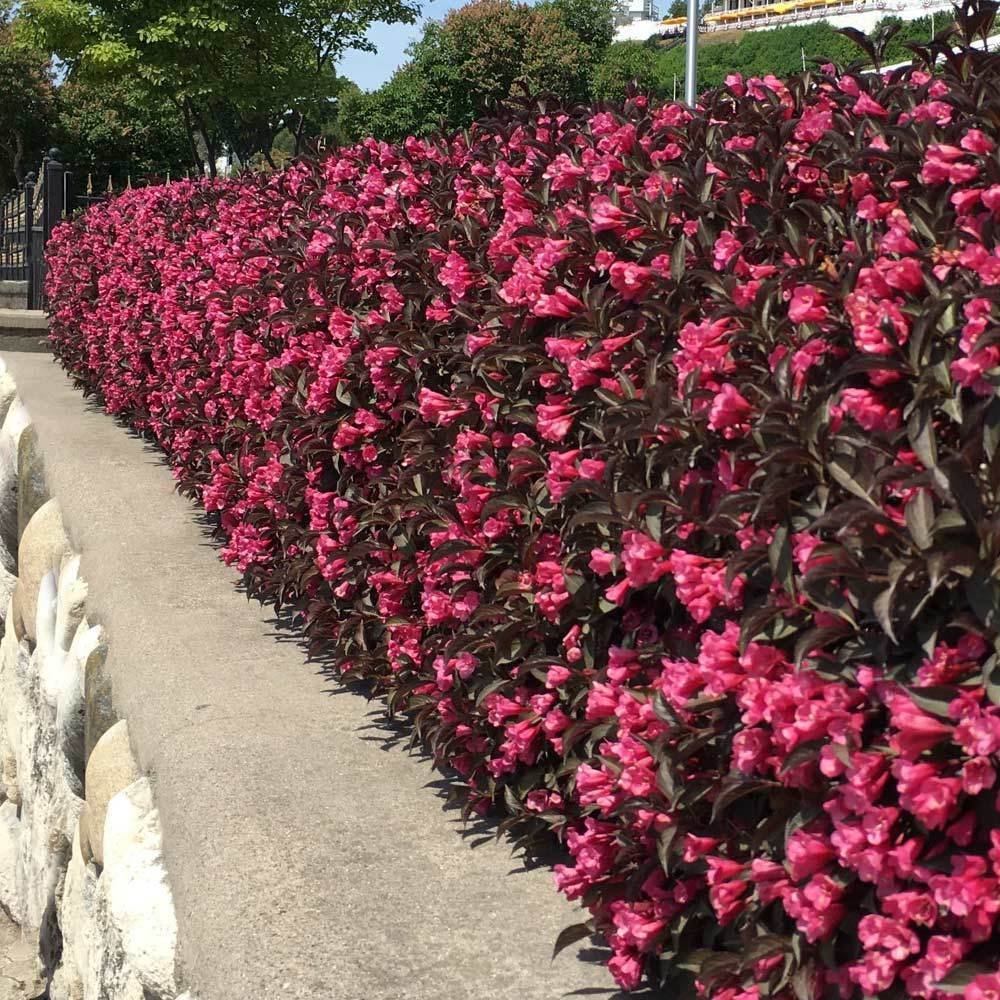
2. Dark Foliage Types
Provide dramatic contrast:
- ‘Wine & Roses’
- ‘Midnight Wine’
- ‘Dark Horse’
3. Re-blooming Cultivars
Offer extended color:
- ‘Sonic Bloom’ series — multiple flushes through summer
4. Classic Pink Bloomers
Traditional landscape shrubs:
- ‘Bristol Ruby’
- ‘Eva Rathke’
Propagation Techniques
Weigela reproduces reliably through cuttings and sometimes layering.
A. Softwood Cuttings (Most Common)
Timing: Late spring–early summer
Steps:
- Cut 4–6″ non-flowering soft stems
- Strip lower leaves
- Dip in rooting hormone (optional)
- Insert into moist propagation mix
- Maintain humidity until rooted (3–6 weeks)
B. Hardwood Cuttings
Timing: Late fall–winter after leaf drop
Useful for large batch propagation in nurseries.
C. Layering
Select a low branch, bend it to soil, wound the underside, pin & cover, wait for rooting, then detach.
Easiest for casual gardeners.
Harvesting Weigela
Unlike edible fruit shrubs, Weigela harvesting focuses on cut flowers.
Cut Flower Harvest Tips:
- Harvest when blooms just begin opening
- Cut early morning for best hydration
- Use clean tools
- Condition stems in cool water a few hours before arranging
Blooms can last several days in indoor bouquets.
Uses & Applications of Weigela
1. Ornamental Landscaping
Primary value lies in:
- Foundation planting
- Mixed borders
- Pollinator gardens
- Hedge & screening
- Container displays (dwarf types)
2. Pollinator Support
Trumpet flowers attract:
- Hummingbirds
- Bumblebees
- Solitary bees
- Butterflies
3. Erosion & Habitat
Dense, fibrous roots help stabilize slopes and support wildlife shelter.
Weigela Food Options & Edibility
Weigela is not considered edible, and there are no culinary uses for its flowers, stems, or foliage. It is best enjoyed ornamentally. Always avoid experimenting with unfamiliar ornamentals as food.
Pests & Disease
Generally resilient. Issues include:
- Aphids (leaf curling)
- Spider mites (leaf stippling)
- Scale (sap feeding)
- Powdery mildew (humid shade)
- Root rot (poor drainage)
Most problems are cultural and resolved with proper site selection and pruning for airflow.
Seasonal Care Calendar
| Season | Tasks |
|---|---|
| Spring | Fertilize, monitor pests, enjoy bloom |
| Summer | Deadhead, prune post-bloom, water |
| Fall | Mulch roots, avoid pruning |
| Winter | Propagate hardwood cuttings, structural pruning only in warm climates |
Final Thoughts
Weigela remains a timeless shrub for gardeners wanting maximum flower power with minimal effort. Its wide array of colors, foliage forms, and sizes ensures a perfect match for nearly any landscape. Though not edible, its ornamental value—paired with its wildlife benefits—makes it a standout choice for modern gardens.


&media=https://food-foresting.com/wp-content/uploads/2026/01/5260a.jpg)