
 paulius.mikoliunas1
| Common Name | Scarlet Haw, Scarlet hawthorn |
| Family | Rosaceae |
| USDA hardiness | 4-8 |
| Known Hazards | None known |
| Habitats | Self-sown in hedges and rough ground in south-eastern England. |
| Range | Northeastern N. America – Connecticut to Ontario, Illinois and Pennsylvania. Naturalized in Britain. |
| Edibility Rating |  (5 of 5) (5 of 5) |
| Other Uses |   (2 of 5) (2 of 5) |
| Weed Potential | No |
| Medicinal Rating |   (2 of 5) (2 of 5) |
| Care (info) |      |



How to Grow, Propagate, Use, and Harvest Scarlet Hawthorn (Crataegus pedicellata): A Complete Grower’s Guide
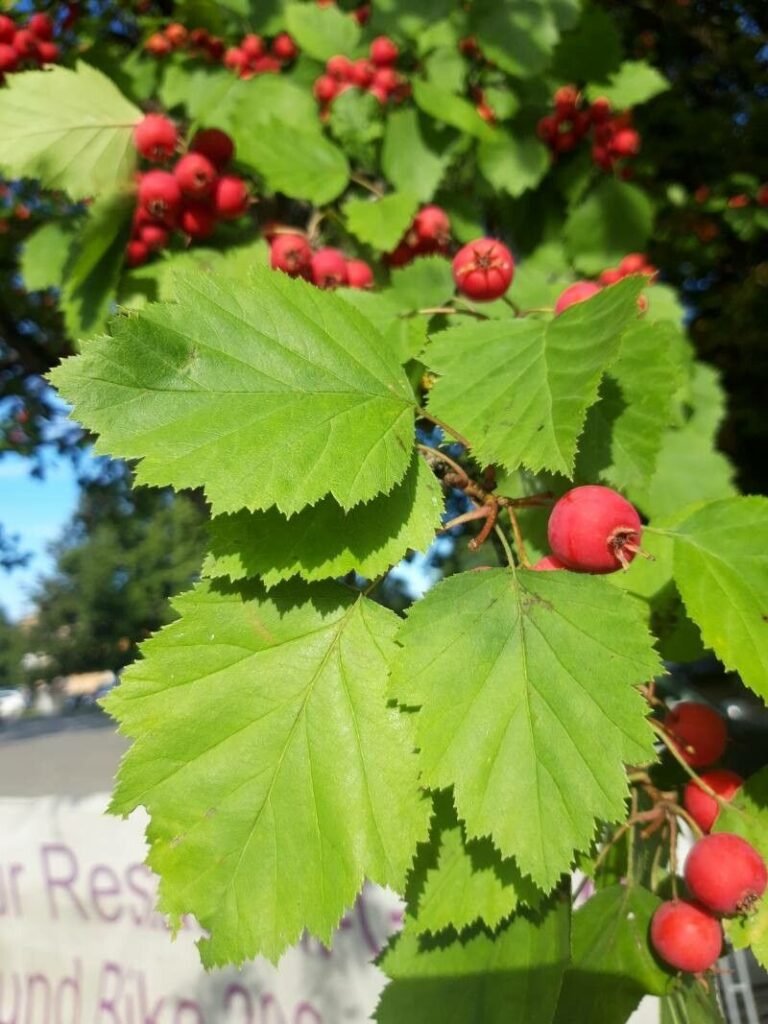
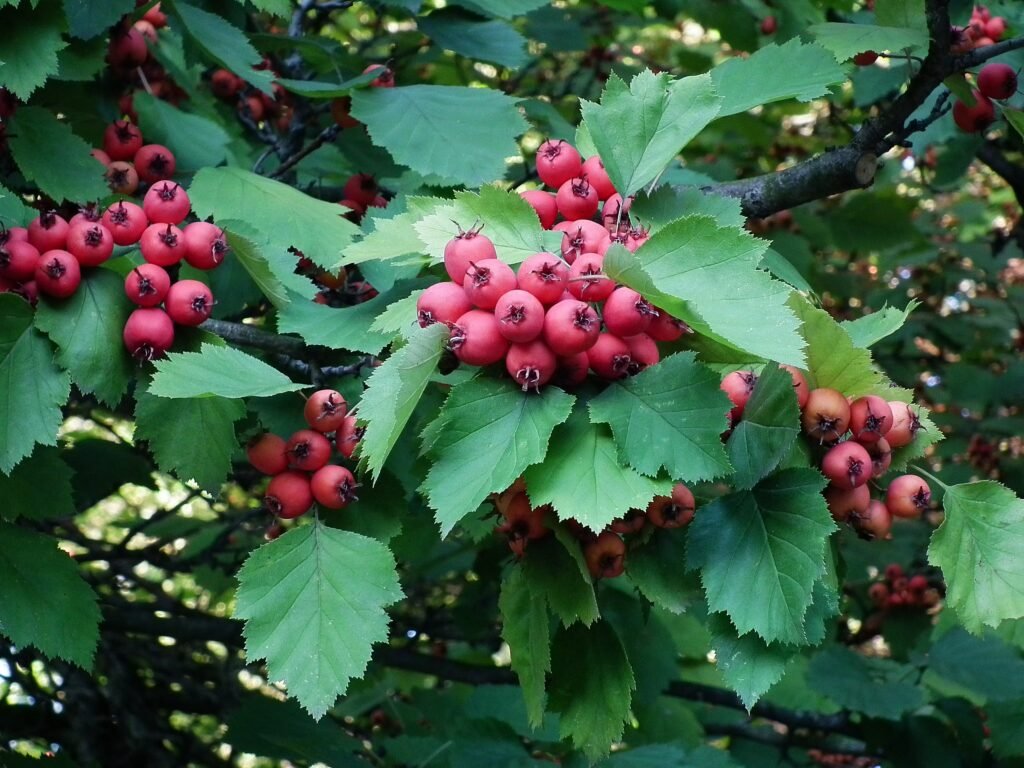
Scarlet hawthorn (Crataegus pedicellata) is a striking North American native tree known for its glossy foliage, vibrant red fruits, and exceptional wildlife value. Whether you’re a gardener seeking a hardy ornamental, a herbal enthusiast exploring traditional plant uses, or a homesteader wanting a pollinator-friendly landscape tree, Scarlet hawthorn offers impressive versatility.
This long-form guide covers everything you need to know—from growing and propagation to varieties, harvesting, and usage.
What Is Scarlet Hawthorn?
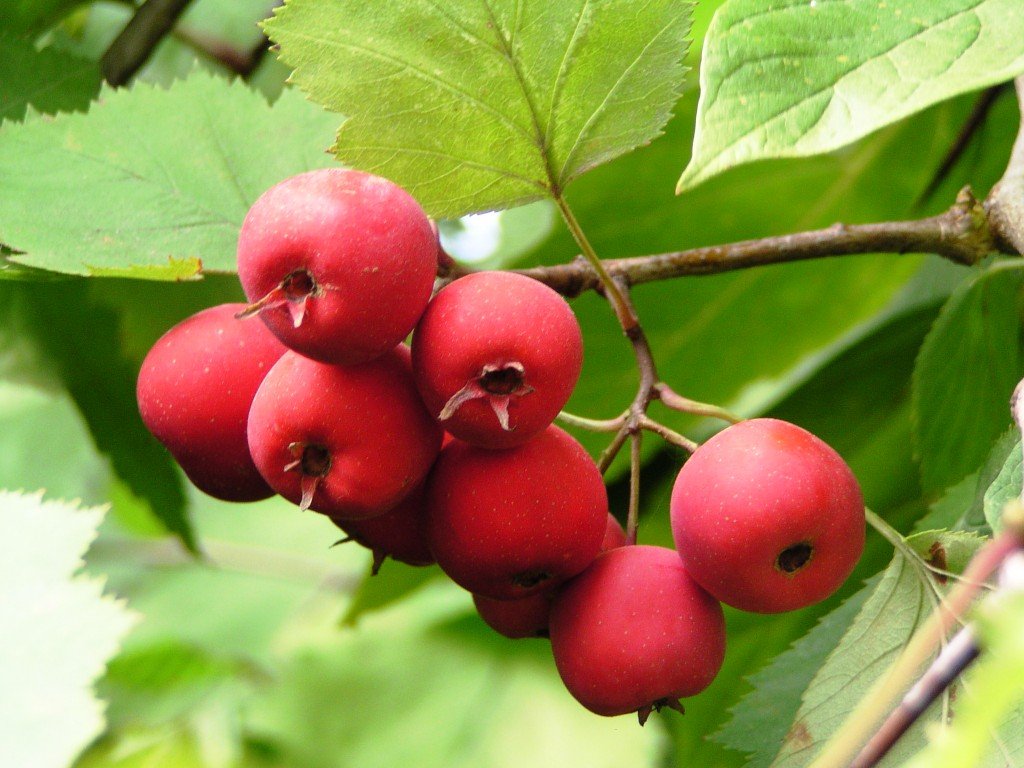
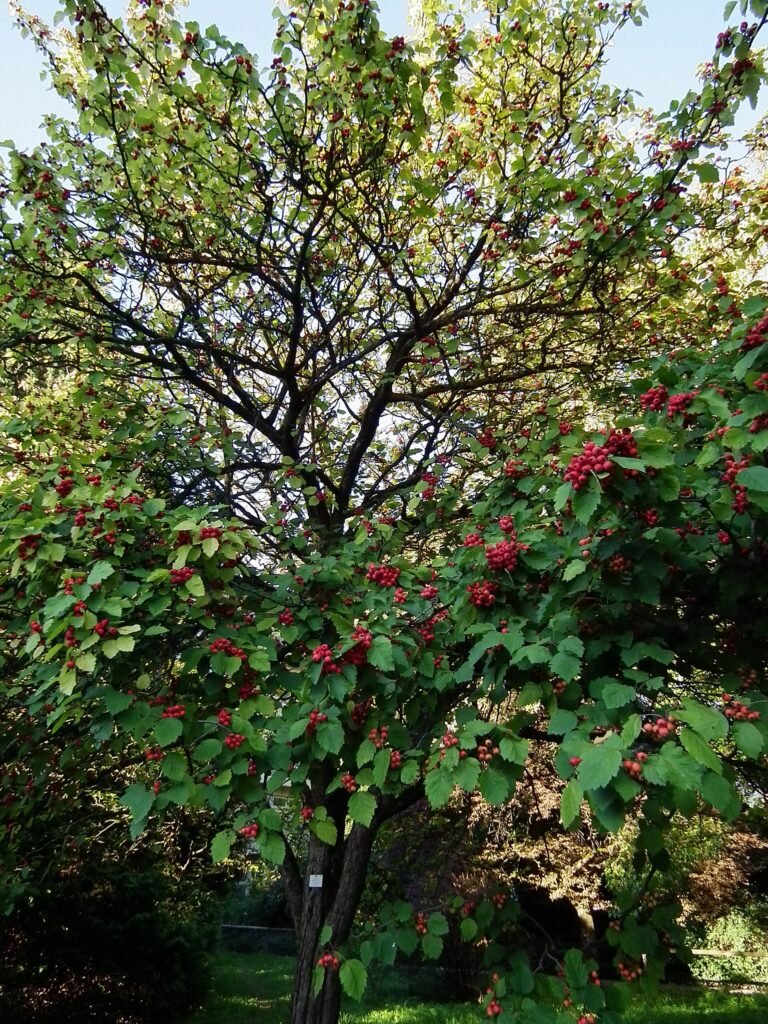
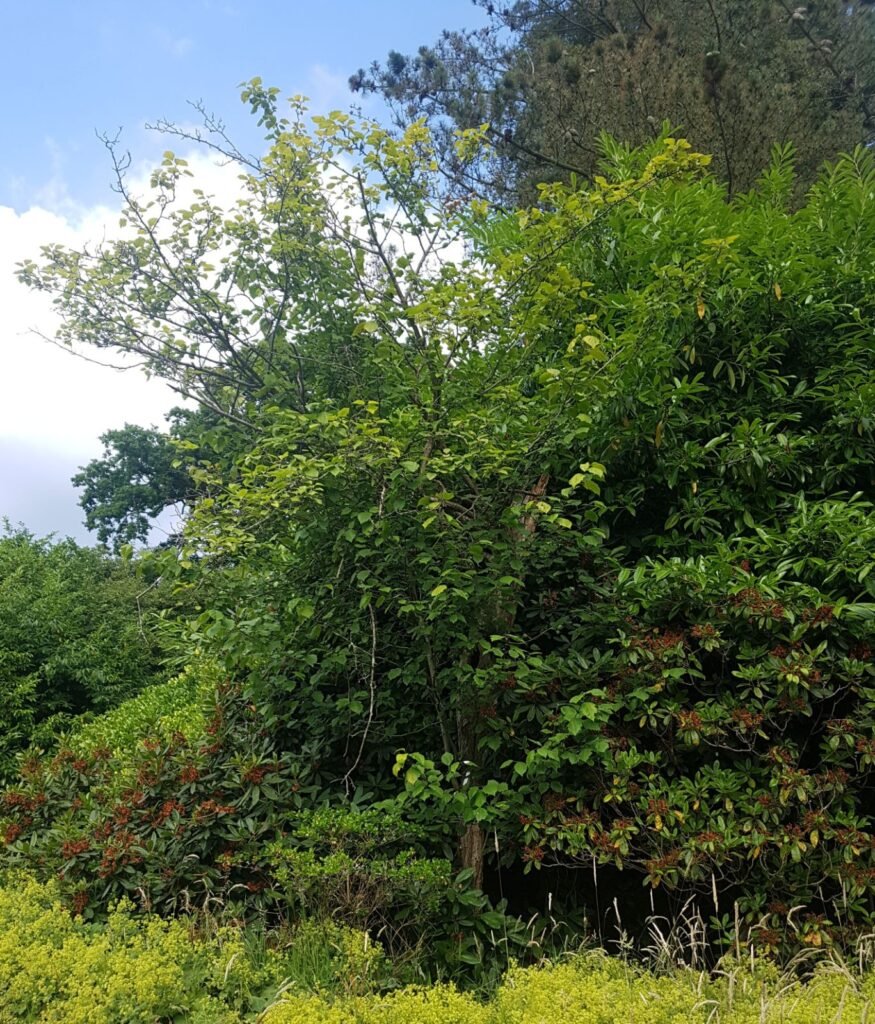
Scarlet hawthorn is a small deciduous tree or large shrub native to the eastern United States. It is appreciated for its:
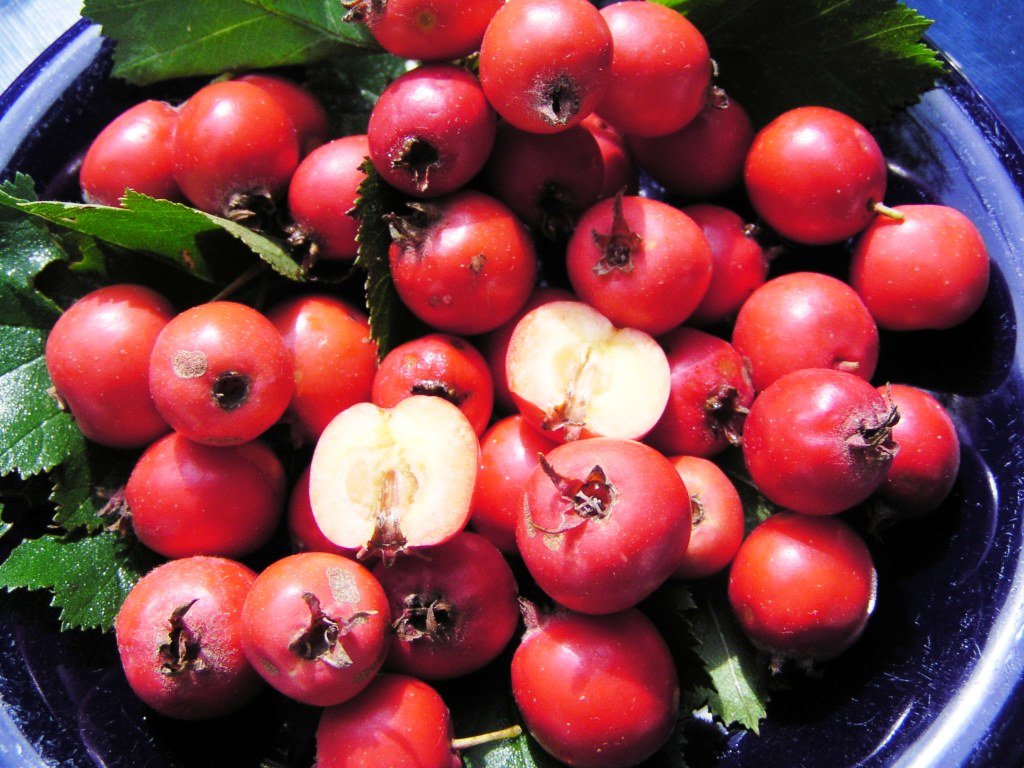
- Brilliant scarlet-red fruits (haws)
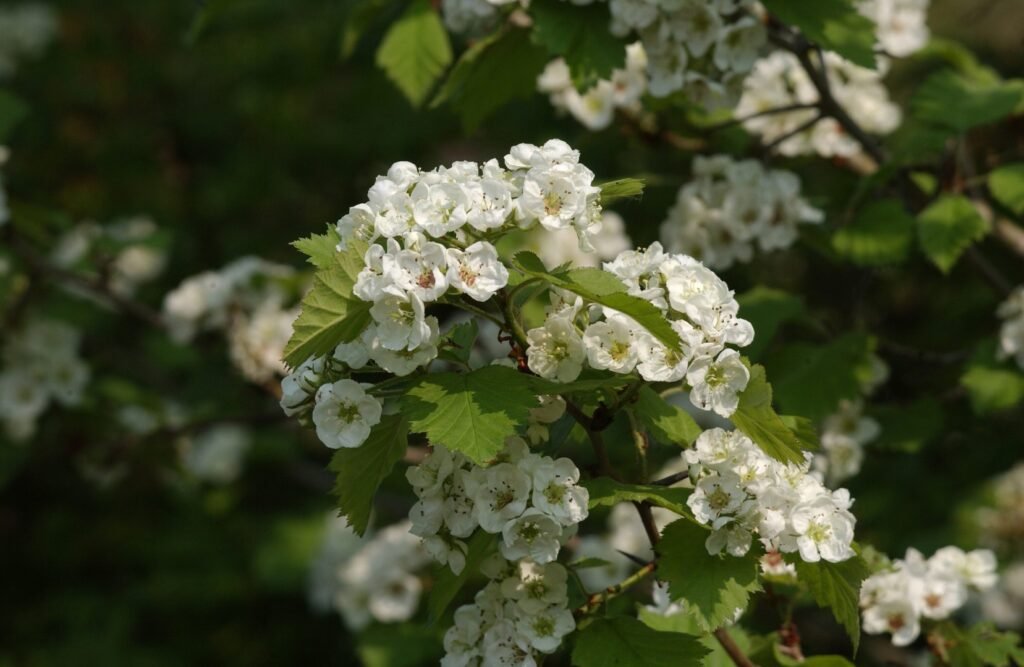
- Attractive white spring blossoms
- Dense branching and deeply lobed leaves
- High tolerance to poor soils and urban conditions
- Heavy wildlife attraction—birds, pollinators, and beneficial insects
Reaching 15–30 feet tall at maturity, it fits well in home gardens, hedgerows, and naturalized plantings.
Growing Scarlet Hawthorn (Crataegus pedicellata)
Climate and Hardiness
- USDA zones: 4–8
Scarlet hawthorn thrives in regions with cold winters and warm summers. It is more tolerant of humidity than many other hawthorn species.
Soil Requirements
Scarlet hawthorn is adaptable but performs best in:
- Moderately acidic to neutral soil (pH 5.5–7.0)
- Well-drained loamy or sandy soil
- Low to moderate fertility
It tolerates:
- Clay soil
- Drought
- Urban pollution
Avoid standing water, as poor drainage can encourage root or fungal issues.
Sunlight Needs
For optimal growth and fruiting:
- Full sun: 6–8 hours of direct sunlight daily
- Partial shade: Acceptable, but fruit production will be reduced
Planting Instructions
1. Site Preparation
- Clear weeds and grass.
- Amend soil with compost if extremely nutrient-poor.
- Ensure strong air circulation to reduce foliar disease pressure.
2. Planting Steps
- Dig a hole twice the width of the root ball.
- Place the tree so the root flare is slightly above soil level.
- Backfill without packing tightly.
- Water deeply to settle roots.
- Add mulch (2–3 inches), but keep it away from the trunk.
Watering
Scarlet hawthorn is drought-tolerant after establishment.
- First year: Water weekly during dry spells.
- Established trees: Water only during prolonged drought.
Fertilization
Generally unnecessary unless soil is extremely poor.
If needed:
- Apply a slow-release balanced fertilizer once in early spring.
Pruning
Pruning helps maintain shape and improve airflow.
- Prune in late winter while dormant.
- Remove:
- Crossing branches
- Dead or diseased wood
- Dense interior growth
- Wear gloves—thorns can be long and sharp.
Propagation of Scarlet Hawthorn
Scarlet hawthorn can be propagated through seeds, softwood cuttings, and graft methods, though some techniques are easier than others.
1. Propagation by Seed (Most Common)
Hawthorn seeds have tough dormancy mechanisms. To achieve germination:
Seed Collection
- Gather ripe red berries in early fall.
- Extract seeds by soaking fruits in warm water and removing pulp.
Cold Stratification
Scarlet hawthorn typically requires a 2-step stratification process:
- Warm stratification:
- 60–70°F for 3 months
- Keep seeds in moist sand or peat
- Cold stratification:
- 32–40°F for 3–4 months
Sowing
- Plant seeds in spring.
- Cover lightly with soil.
- Germination may take 6–18 months, depending on conditions.
2. Propagation by Softwood Cuttings
Though less common, this method is quicker than seed propagation.
Steps
- Take 4–6 inch cuttings from softwood tips in late spring.
- Remove lower leaves.
- Dip ends in rooting hormone.
- Insert into a mix of perlite and peat.
- Keep under high humidity (a propagator dome helps).
Rooting occurs in 6–12 weeks.
3. Grafting
Nurseries often graft hawthorn to ensure uniform growth and fruiting.
- Use whip-and-tongue or cleft grafting in early spring.
- Rootstock is often another hardy hawthorn species.
Varieties and Related Species
Scarlet hawthorn does not have many commercial cultivars, but gardeners often compare it with its close relatives:
Crataegus crus-galli (Cockspur Hawthorn)
- Fewer but larger thorns
- Wider branching habit
Crataegus mollis (Downy Hawthorn)
- Softer, hairy leaves
- Slightly shorter form
Crataegus viridis
- Known for disease resistance
Scarlet hawthorn stands out for:
- Rich fruit color
- Strong growth habit
- Impressive fall coloration
Uses of Scarlet Hawthorn
Scarlet hawthorn is valued in horticulture, wildlife biology, and traditional plant use.
1. Ornamental Landscape Use
Great for:
- Wildlife gardens
- Hedgerows
- Privacy borders
- Pollinator habitats
- Small urban yards
Its showy flowers and bright fruit provide 4 seasons of interest.
2. Wildlife and Ecological Benefits
Scarlet hawthorn fruits feed:
- Birds
- Squirrels
- Small mammals
Flowers attract:
- Bees
- Butterflies
- Predatory insects (natural pest control)
Its dense thorny branches create excellent nesting sites.
3. Culinary Uses
Hawthorn berries (haws) can be used for:
- Jellies
- Herbal teas
- Syrups
- Fermented beverages
- Fruit leather
Flavor is mildly tart with subtle sweetness.
4. Traditional and Herbal Uses
Hawthorns have a long history in herbal traditions.
Historically, the fruits and leaves have been used in extracts, teas, and tonics.
(Note: This is not medical advice—consult a qualified professional for health-related use.)
Harvesting Scarlet Hawthorn
When to Harvest
- Fruits ripen in late summer to early fall.
- They should be fully red, slightly soft, and detach easily.
How to Harvest
- Wear gloves (thorns are sharp).
- Gently twist clusters to remove.
- Avoid overly soft or shriveled fruits.
Post-Harvest Handling
- Rinse thoroughly.
- Use fresh or dry in a low-temperature dehydrator.
- Store dried berries in airtight containers away from sunlight.
Common Problems and How to Prevent Them
Scarlet hawthorn is tougher than many hawthorn species but can still encounter issues.
Pests
- Aphids
- Leaf miners
- Borers
- Scale insects
Prevention:
- Encourage beneficial insects.
- Use horticultural oil during early spring if pests persist.
Diseases
- Cedar-hawthorn rust
- Leaf spot
- Powdery mildew
Prevention:
- Plant in full sun
- Prune for airflow
- Avoid overhead watering
Final Thoughts
Scarlet hawthorn (Crataegus pedicellata) is a resilient, beautiful, versatile tree with significant ecological value. With the right care, it rewards gardeners with stunning blossoms, brilliant fruits, and abundant wildlife activity year after year.
Whether you’re planting for beauty, biodiversity, or traditional uses, this hardy native tree deserves a place in your landscape.




&media=https://food-foresting.com/wp-content/uploads/2025/11/16950_Crataegus_pedicellata_16.jpg)