
 paulius.mikoliunas1
| Common Name | Sycamore, Great Maple, Scottish Maple, Planetree Maple |
| Family | Aceraceae |
| USDA hardiness | 4-7 |
| Known Hazards | None known |
| Habitats | Found in woodland, hedgerows etc. in Britain, in all but very poor soils. |
| Range | Europe. Extensively naturalized in Britain. |
| Edibility Rating |   (2 of 5) (2 of 5) |
| Other Uses |   (4 of 5) (4 of 5) |
| Weed Potential | Yes |
| Medicinal Rating |   (1 of 5) (1 of 5) |
| Care (info) |     |
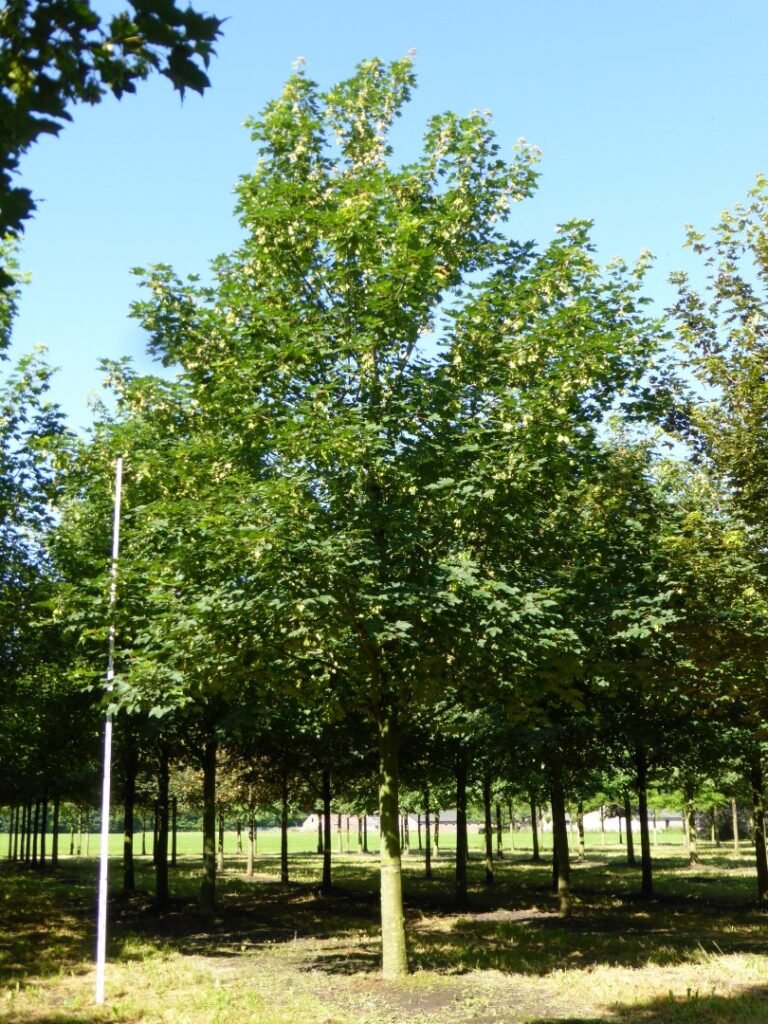
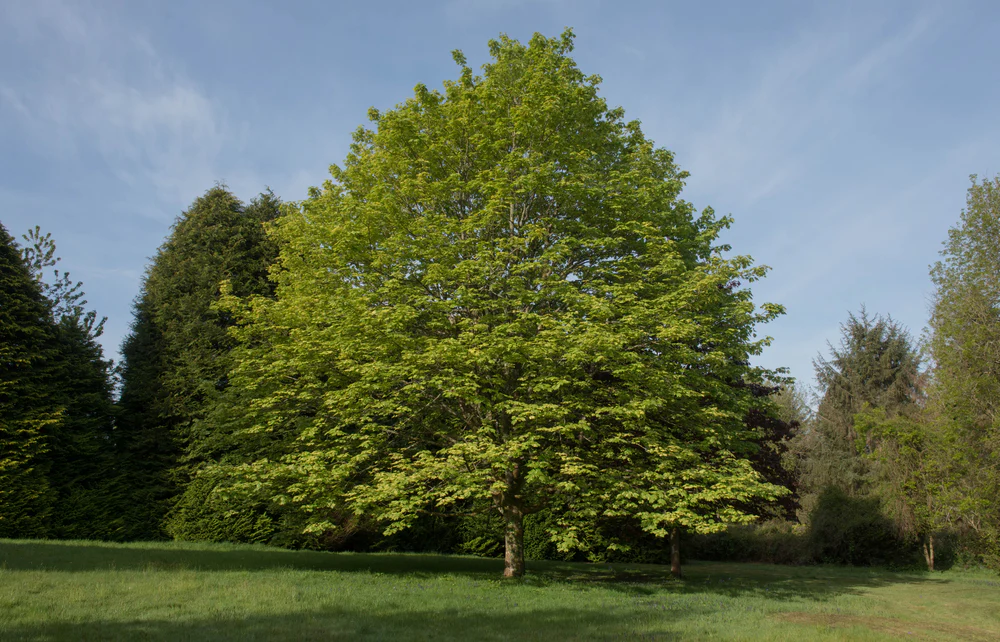
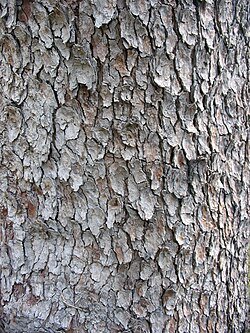
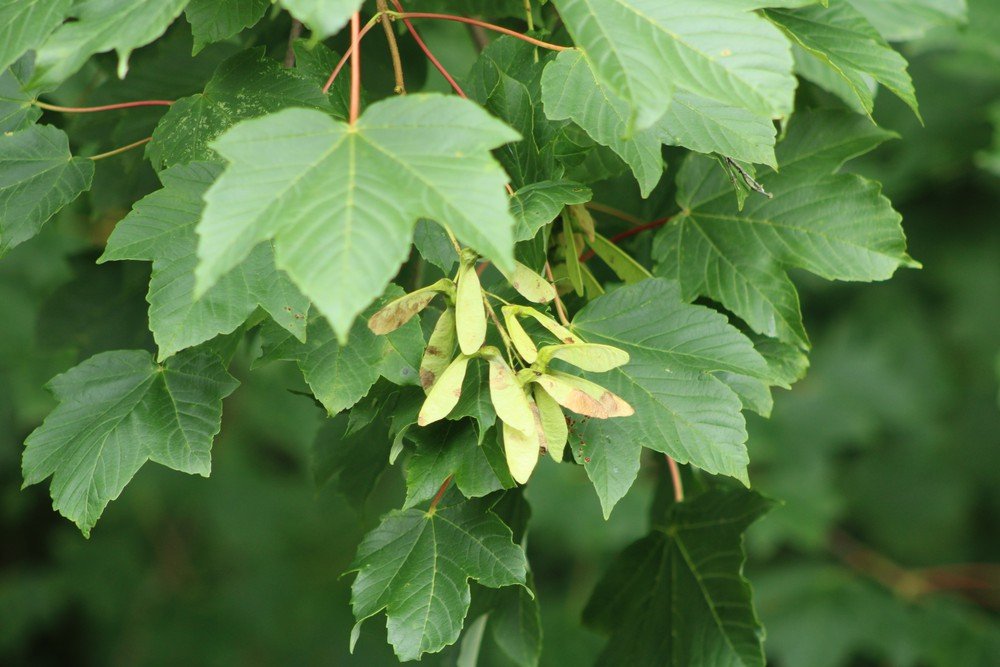
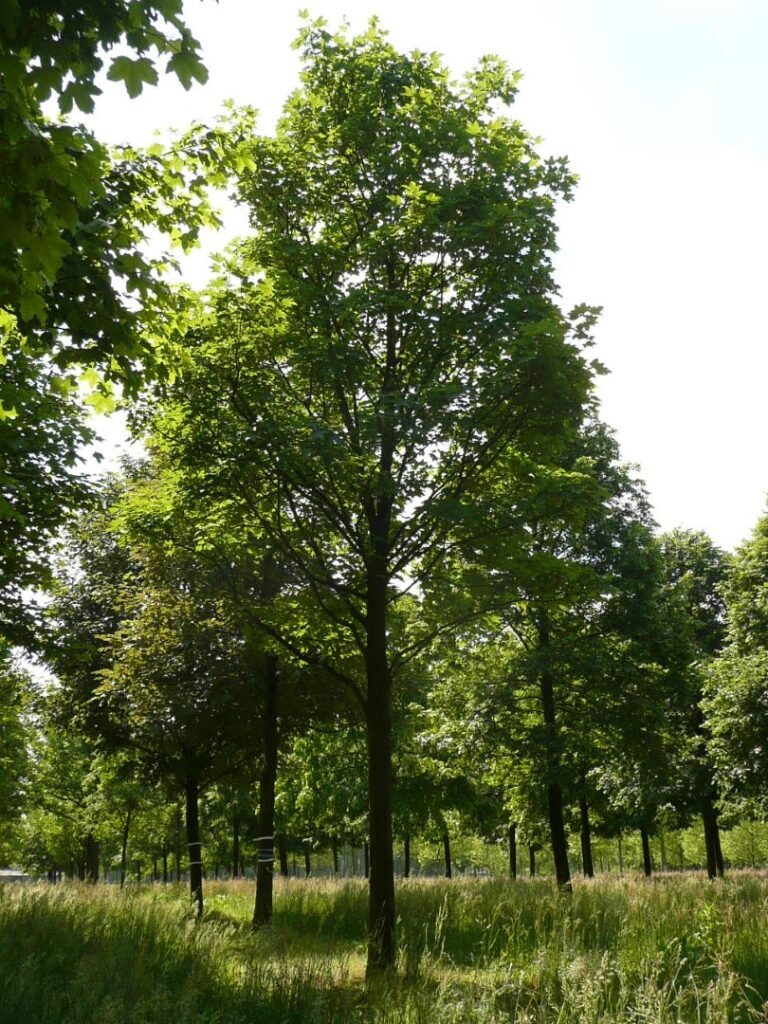
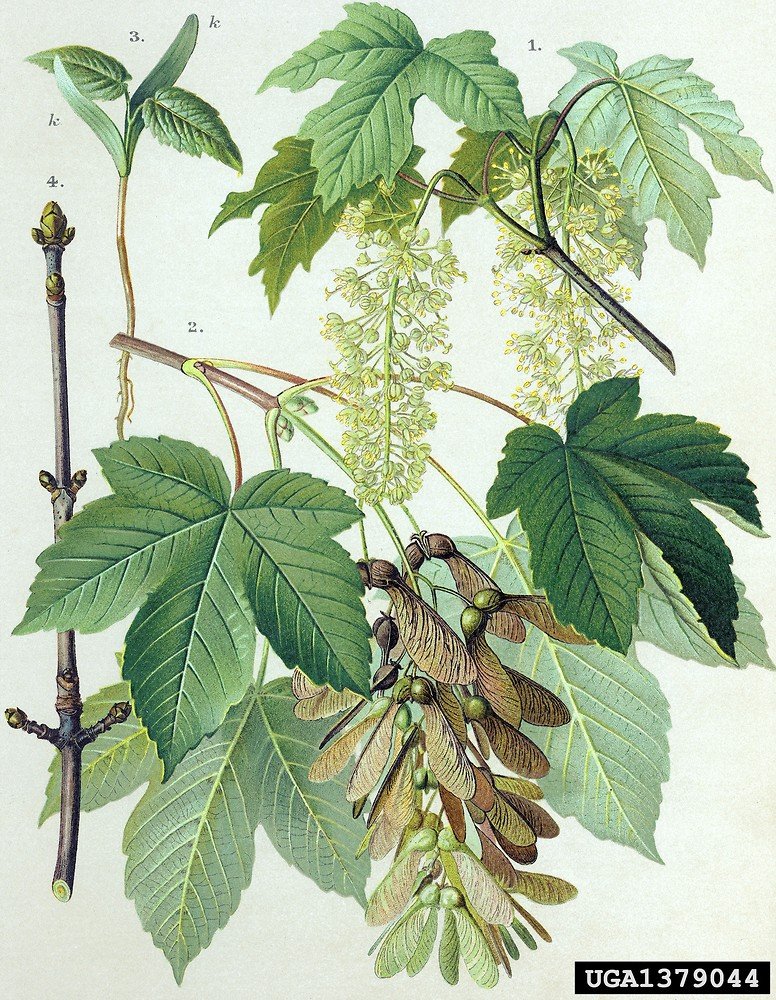
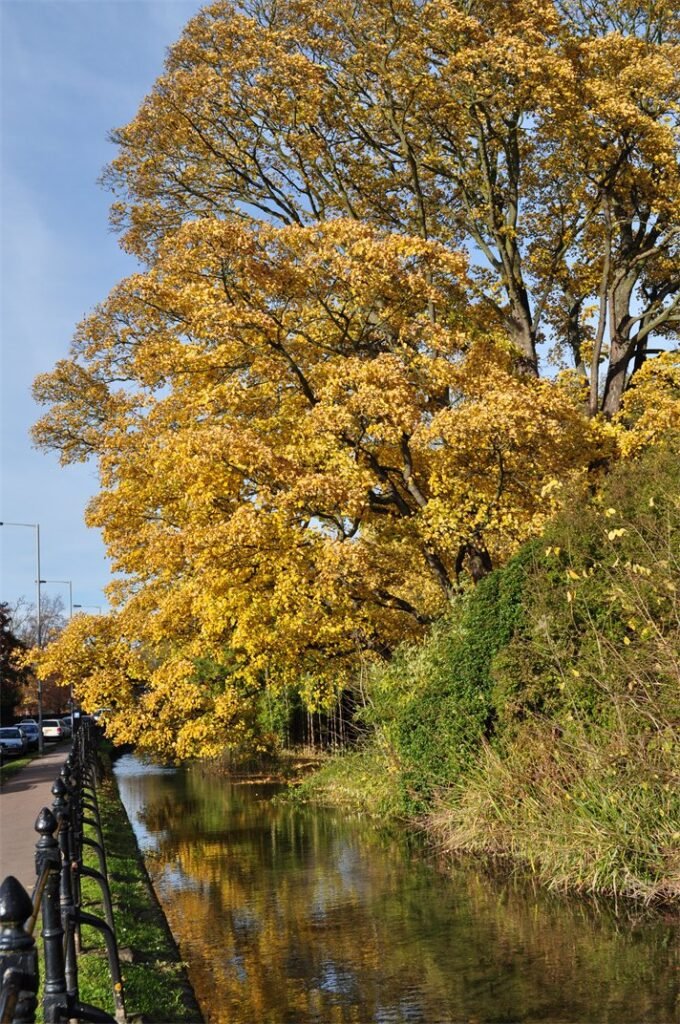
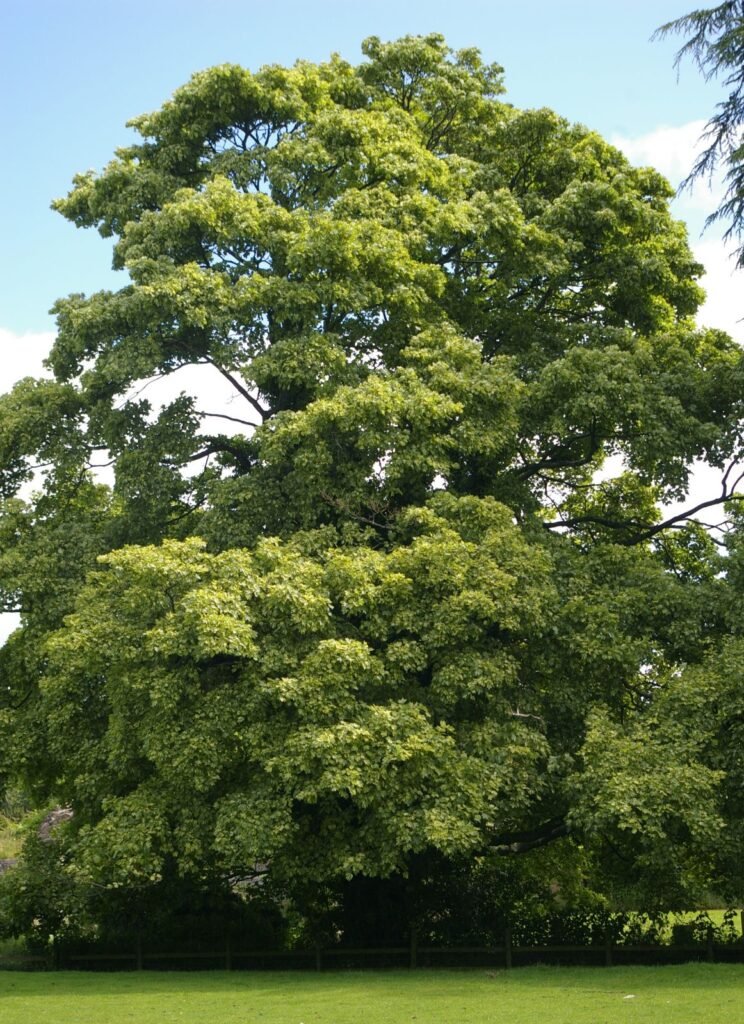
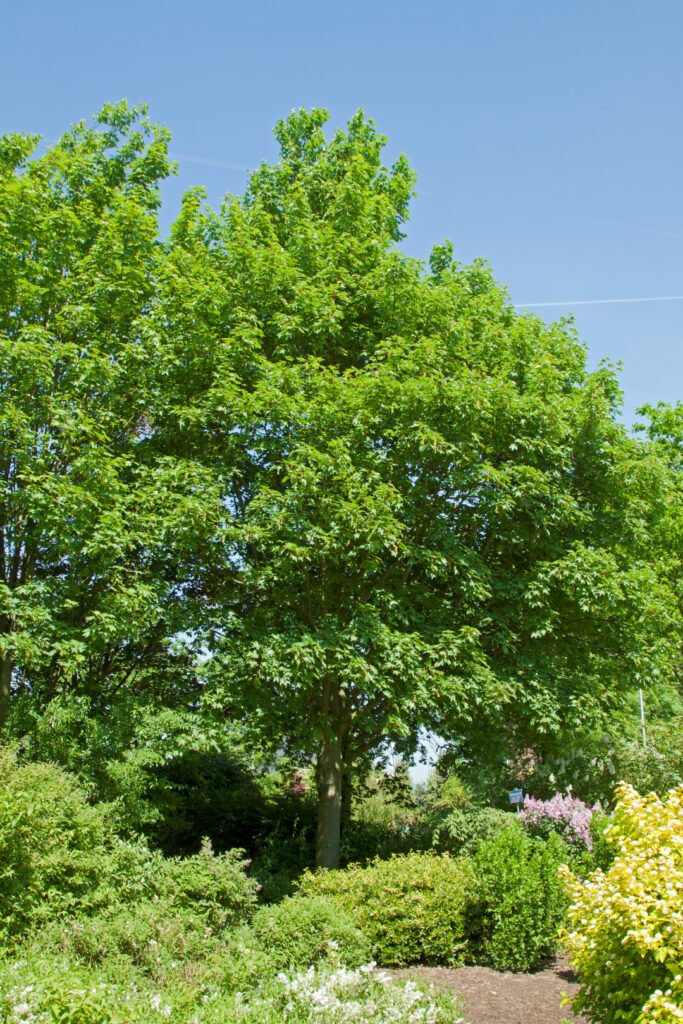
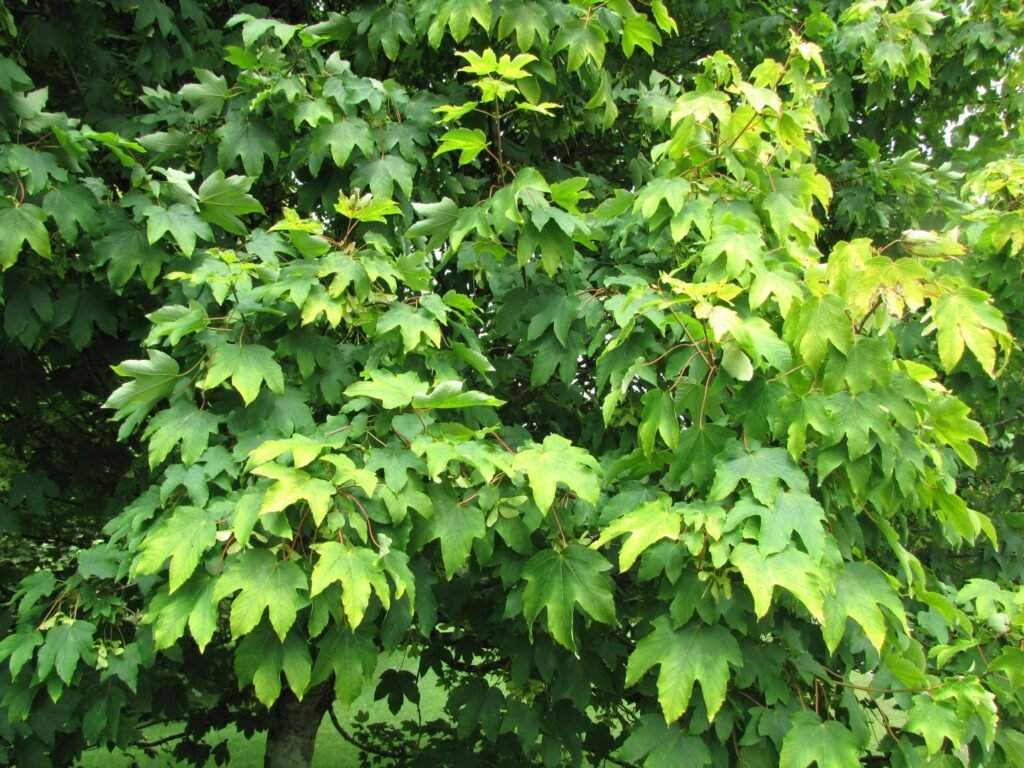
How to Grow, Propagate, Use, and Harvest Sycamore Maple (Acer pseudoplatanus): A Complete Guide
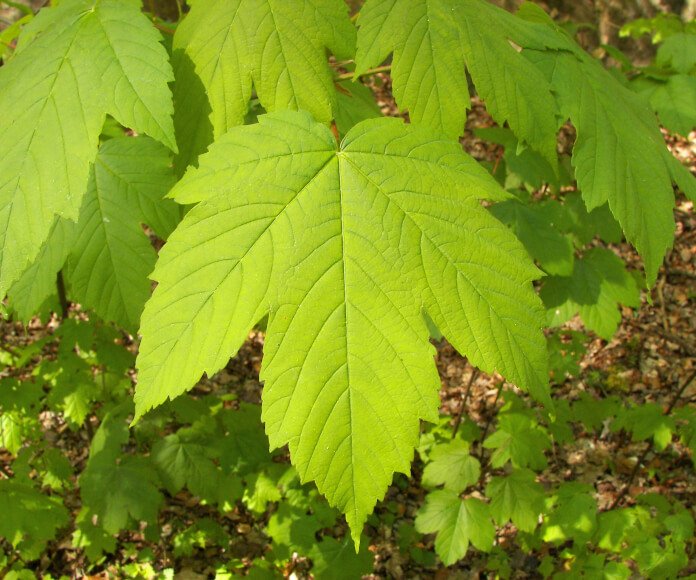
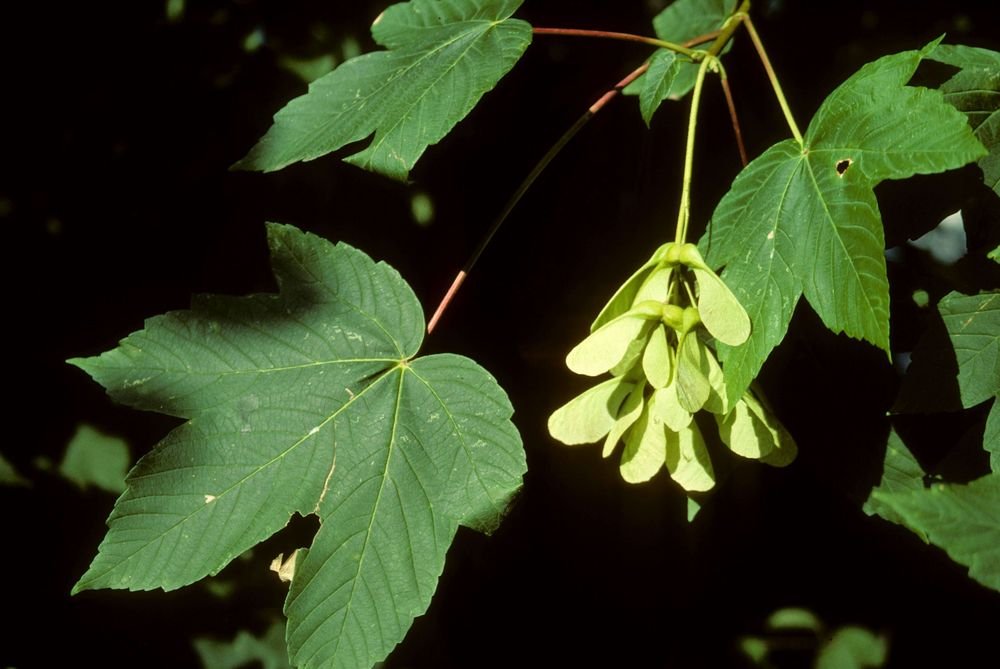
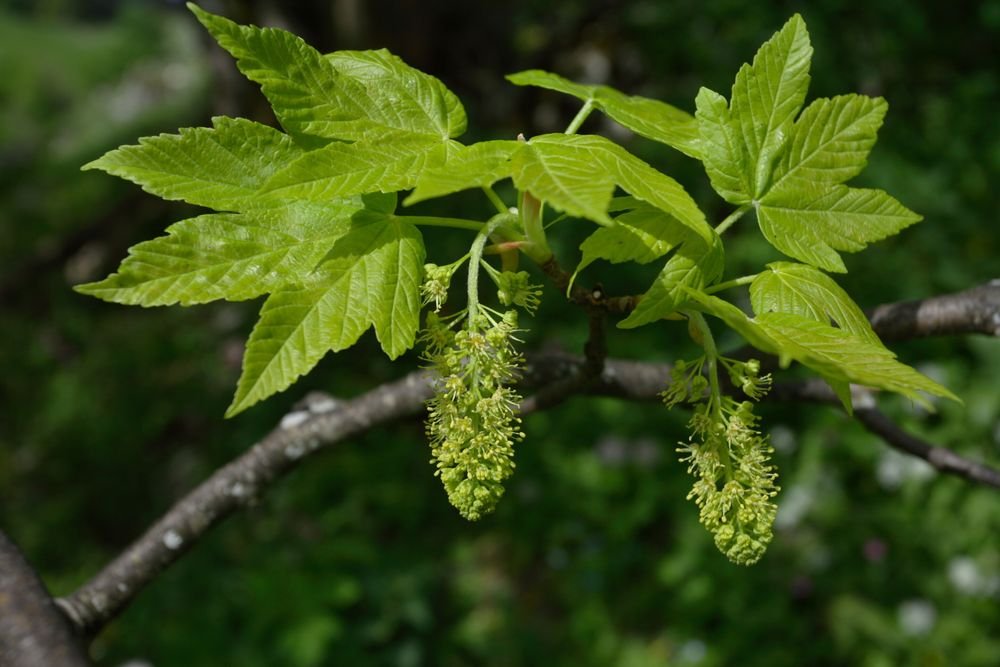
Sycamore Maple (Acer pseudoplatanus) is a resilient, fast-growing deciduous tree widely appreciated for its shade, adaptability, and ornamental beauty. Known for its mottled bark, winged seeds, and broad, five-lobed leaves, this hardy tree thrives across a range of climates and soil types. Whether you’re interested in cultivating it for landscaping, timber, food use, or ecological benefits, this guide covers everything you need to know.
What Is Sycamore Maple?
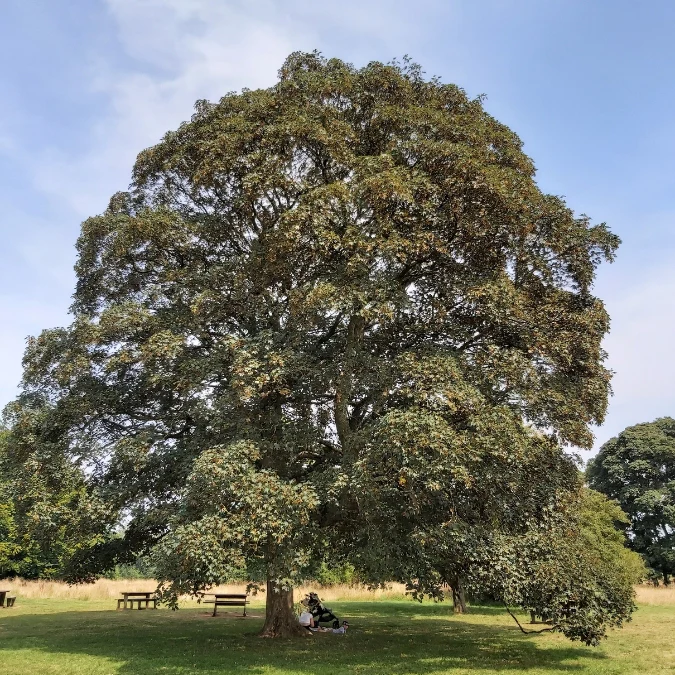
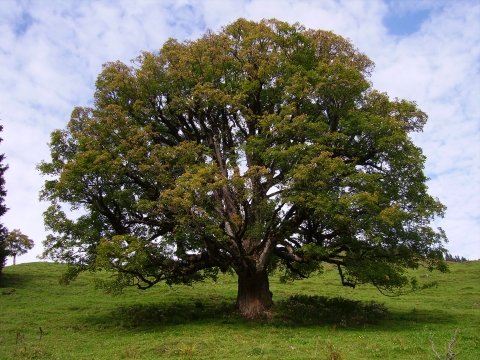
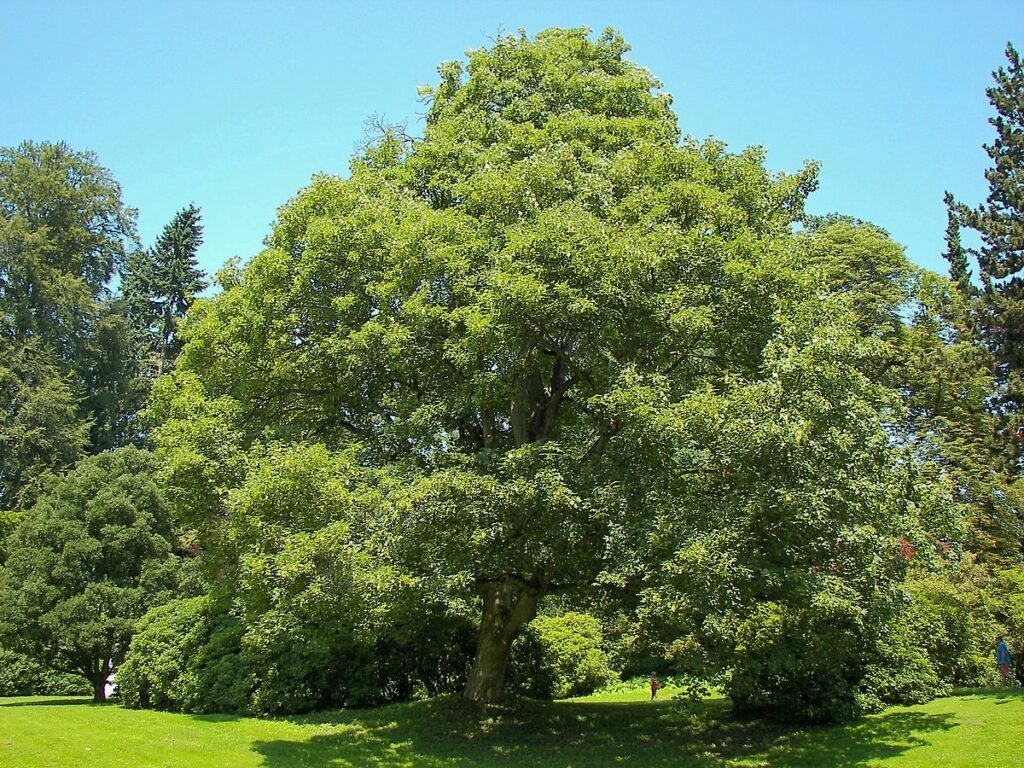
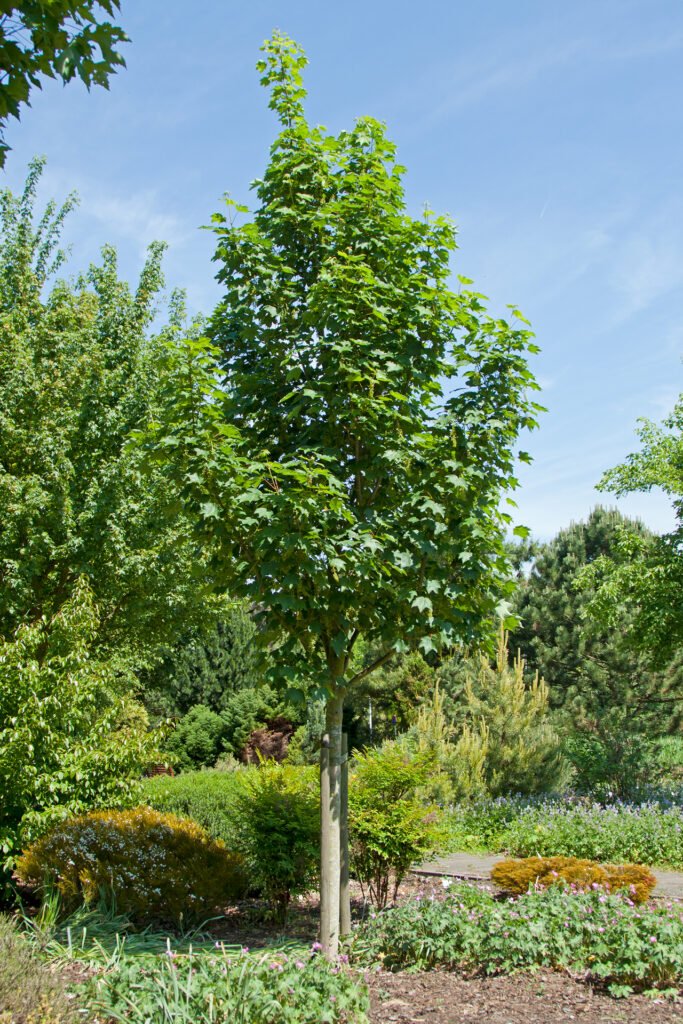
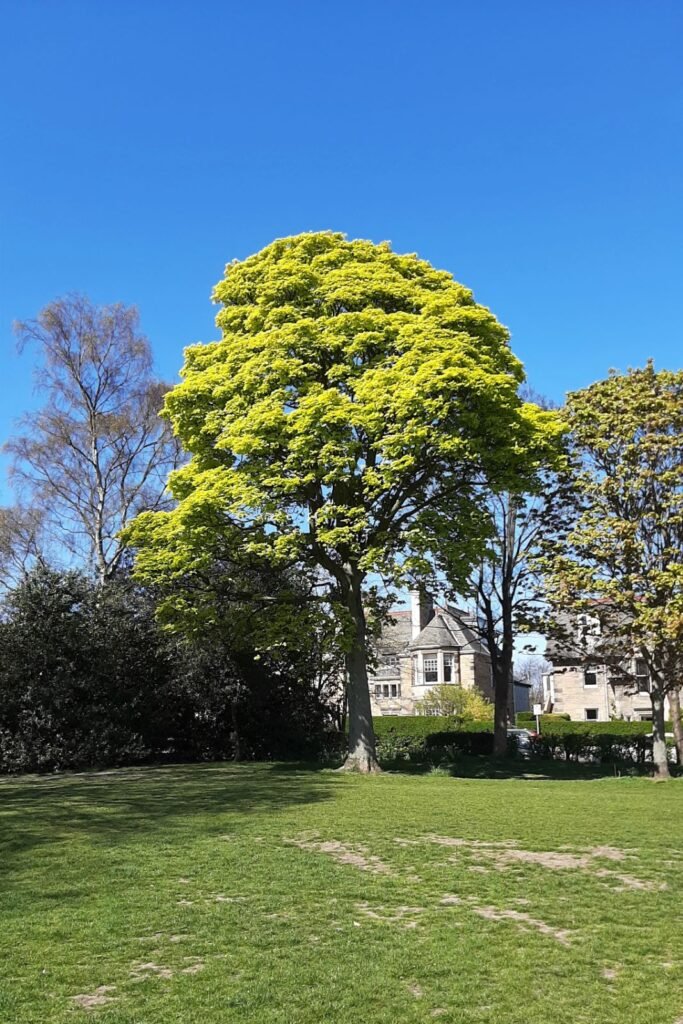
Sycamore Maple is a large tree native to Central and Southern Europe but now common throughout temperate regions. It grows vigorously, often reaching:
- Height: 20–35 meters (65–115 ft)
- Spread: 12–18 meters (40–60 ft)
- Growth Rate: Fast
- Lifespan: Several hundred years
Its durability and tolerance of pollution make it a popular urban tree, while its dense canopy provides excellent shade and wind protection.
How to Grow Sycamore Maple (Acer pseudoplatanus)
1. Best Growing Conditions
Climate
Sycamore Maple thrives in:
- Temperate climates
- USDA Zones 4–7
- Areas with moderate humidity
Sunlight
- Full sun to partial shade
- Tolerates shade but grows fastest with at least 6 hours of sun daily
Soil
This tree is not picky, but ideal conditions include:
- Moist, well-drained loam
- pH between 5.0–7.5
- High organic matter
It tolerates:
- Poor soils
- Salt spray
- Urban pollution
- Windy coastal areas
Watering
- Water young trees weekly
- Mature trees are drought-tolerant
- Avoid waterlogging
Fertilizing
Sycamore Maple rarely needs fertilizer. If growth is slow:
- Apply a balanced slow-release fertilizer in early spring
Planting Tips
- Dig a hole twice the width of the root ball
- Place tree at the same depth as nursery pot
- Backfill with native soil
- Mulch 5–8 cm (2–3 in) around the base
- Water deeply
Propagation of Sycamore Maple
Sycamore Maple can be propagated through seeds or cuttings, with seeds being the most common.
1. Propagating from Seed
The seeds (samaras) mature in late summer to early autumn.
Steps:
- Collect seeds once wings turn brown
- Remove debris and dry for several days
- Stratify by placing seeds in moist sand or peat for 90–120 days at 1–5°C (34–41°F)
- Sow in spring in trays or directly in the ground
- Cover lightly with soil
- Keep moist until germination
Germination rate improves with cold stratification because seeds are naturally dormant.
2. Propagating from Cuttings
More challenging but possible.
Procedure:
- Take softwood cuttings in late spring
- Dip in rooting hormone
- Plant in moist, sterile potting mix
- Place under humidity dome
- Roots usually form within 4–8 weeks
Popular Varieties of Sycamore Maple
Sycamore Maple has several cultivated varieties prized for ornamental value.
1. ‘Brilliantissimum’
- Compact size
- Pink spring foliage turning yellow-green
- Ideal for small gardens
2. ‘Leopoldii’
- Variegated yellow and pink leaves
- Slow growing
3. ‘Nizetii’
- Cream-variegated leaves
- Mottled bark
4. ‘Atropurpureum’
- Purple undersides of leaves
- Vigorous growth
5. ‘Esk Sunset’ (also listed as Acer pseudoplatanus ‘Eskimo Sunset’)
- Highly decorative leaves with cream, pink, bronze, and deep green mottling
- Shade-tolerant
Uses of Sycamore Maple
Sycamore Maple is one of the most versatile trees in Europe and beyond.
1. Landscaping & Shade
- Dense canopy for shade gardens
- Excellent windbreak
- Ideal as a street or park tree
2. Timber
The wood is:
- Fine-grained
- Pale cream to golden
- Easy to work
Used for:
- Musical instruments (violins, guitars)
- Furniture
- Flooring
- Carving
- Cutting boards
3. Wildlife Support
The tree provides:
- Nectar for pollinators
- Seeds for birds
- Habitat for insects and small mammals
4. Environmental Benefits
- Strong pollution tolerance
- Excellent carbon sequestration
- Soil stabilization on slopes
Food Uses: Are Sycamore Maples Edible?
Although Sycamore Maple is not widely known as a food tree, several parts have culinary potential.
1. Sycamore Maple Sap
The sap can be tapped like sugar maple, though it has:
- Lower sugar content
- A mild, slightly herbal sweetness
Uses:
- Syrup (requires more boiling time)
- Fermentation base for drinks
- Sweetener for baking
Best tapping time: Late winter to early spring.
2. Young Leaves
Young spring leaves are sometimes used:
- As a wrap for food
- Lightly cooked in soups
- In herbal infusions
(Always taste-test cautiously and avoid if allergic to tree saps.)
3. Seeds (Samaras)
The seeds are technically edible if:
- Collected young (green and soft)
- Peeled
- Cooked
They can be:
- Roasted
- Added to salads
- Ground into flour blends
4. Flowers
The mild-flavored flowers can be:
- Added to salads
- Dipped in batter and fried
- Fermented into light beverages
When and How to Harvest Parts of the Tree
1. Harvesting Sap
- Drill a small hole at chest height
- Insert a tap
- Collect sap during freezing nights and thawing days
- Stop when buds break
2. Harvesting Seeds
- Gather early in summer when seeds are still green and soft
- Use immediately or refrigerate
3. Harvesting Leaves
- Pick young leaves in spring
- Avoid those near roadsides due to pollution
4. Harvesting Timber
- Best in dormant season
- Older trees produce premium quality wood
Common Problems & How to Prevent Them
Sycamore Maple is generally hardy, but these issues may occur:
1. Leaf Spot Diseases
- Caused by fungi
- Remove fallen leaves
- Ensure good airflow
2. Sooty Mold
- Linked to aphid honeydew
- Natural predators usually resolve it
3. Cankers
- Prevent by avoiding bark injury
4. Invasive Potential
In some regions, Sycamore Maple spreads readily.
Control by:
- Removing seedlings
- Managing seed production in sensitive areas
Final Thoughts
Sycamore Maple (Acer pseudoplatanus) is a robust, adaptable tree suitable for urban and rural landscapes alike. Its ease of growth, ornamental varieties, and surprising culinary potential make it an excellent choice for gardeners, homesteaders, foresters, and nature lovers. Whether you want shade, syrup, timber, or ecological benefits, Sycamore Maple is a rewarding tree that thrives with minimal care.



&media=https://food-foresting.com/wp-content/uploads/2025/12/Acer_pseudoplatanus_005.jpg)