
 paulius.mikoliunas1
| Common Name | Sugar Maple, Florida Maple, Hard Maple, Rock Maple |
| Family | Aceraceae |
| USDA hardiness | 4-8 |
| Known Hazards | None known |
| Habitats | Found in a variety of soil types, doing best in deep rich well-drained soils from sea level to 1600 metres. Rich usually hilly woods. |
| Range | Eastern N. America – Newfoundland to Georgia, west to Texas and Minnesota. Europe, Lithuania |
| Edibility Rating |   (4 of 5) (4 of 5) |
| Other Uses |   (4 of 5) (4 of 5) |
| Weed Potential | No |
| Medicinal Rating |   (2 of 5) (2 of 5) |
| Care (info) |     |
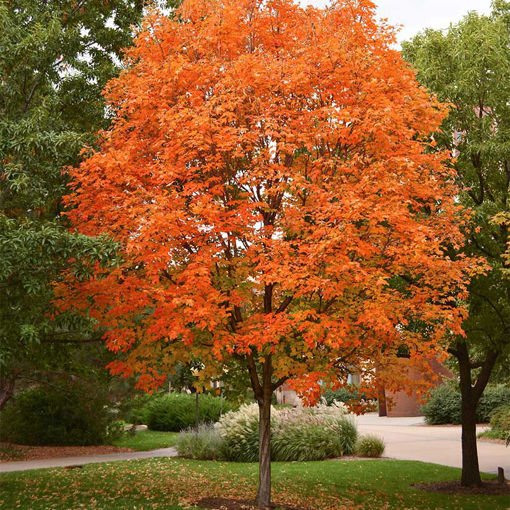
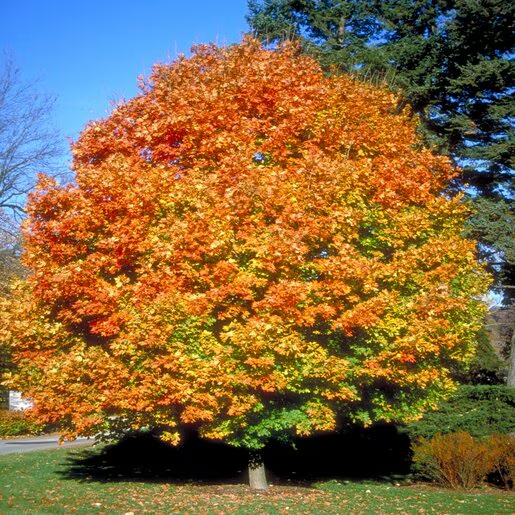


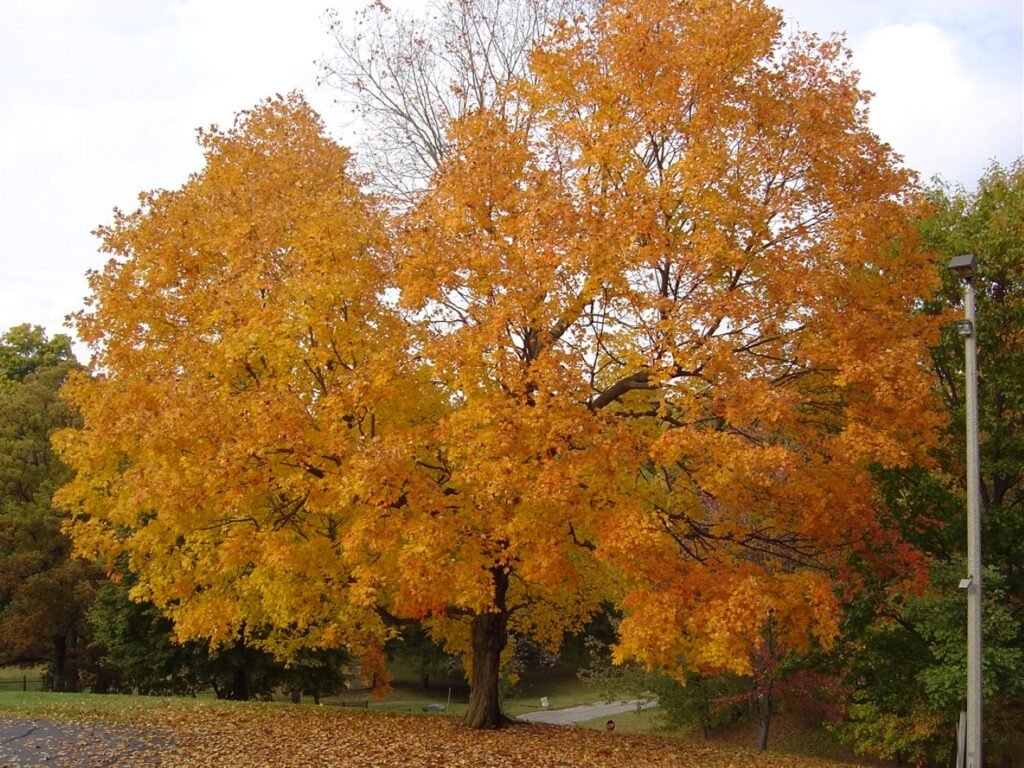
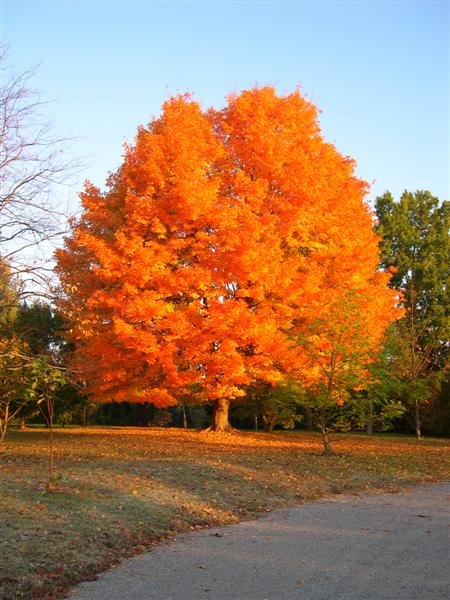
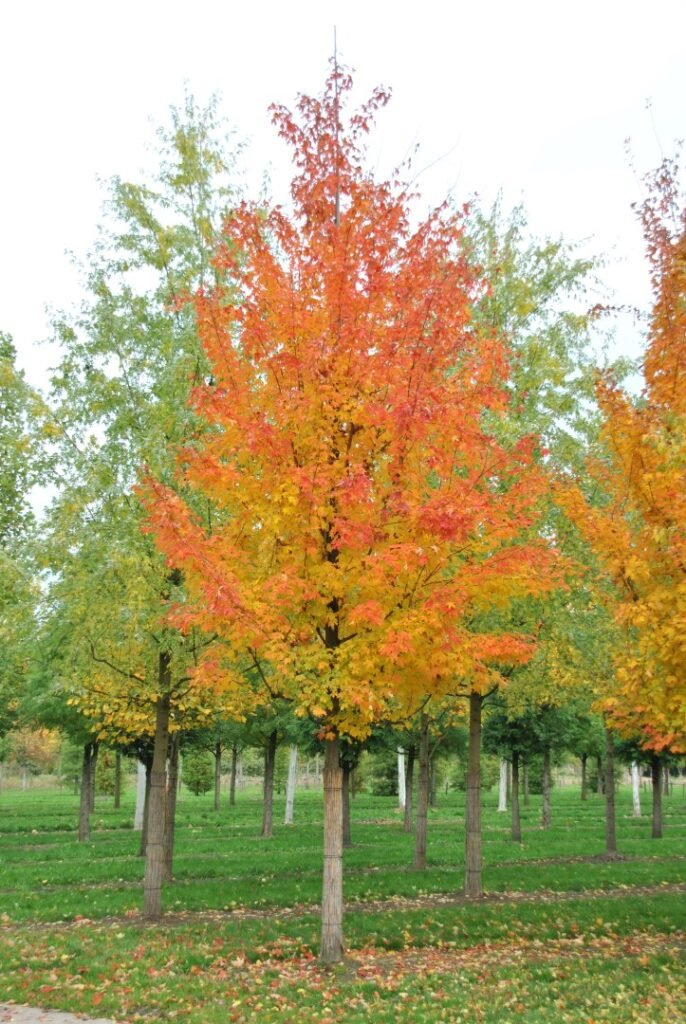
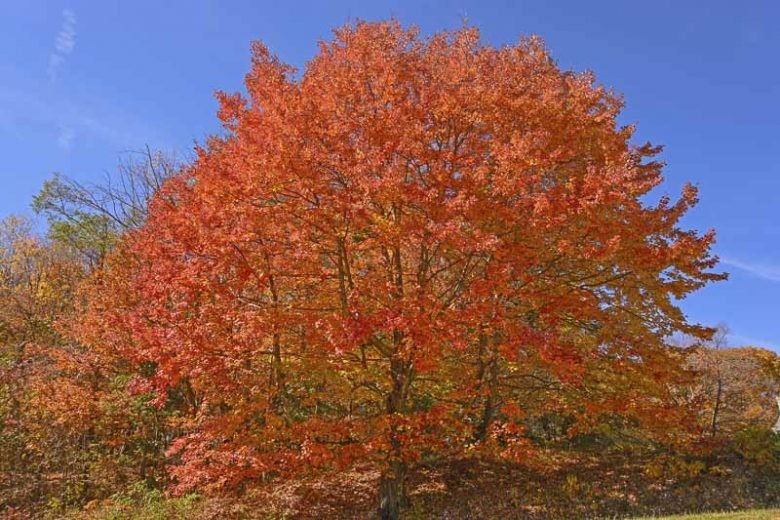

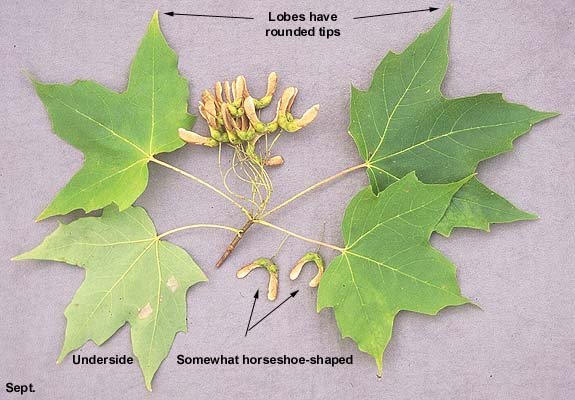

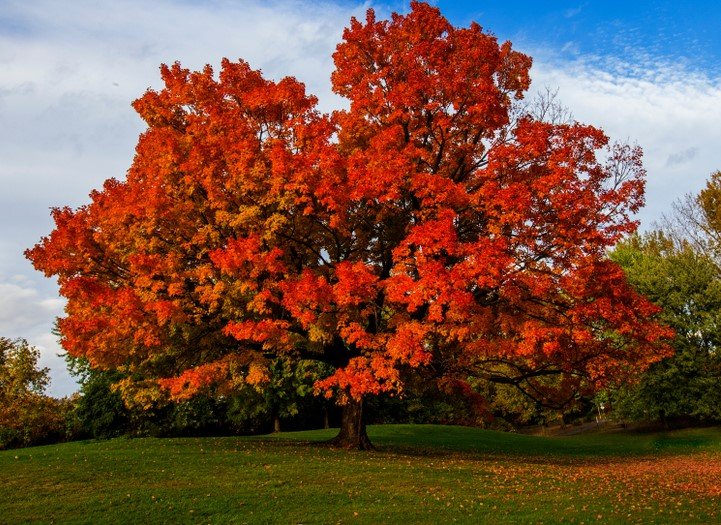
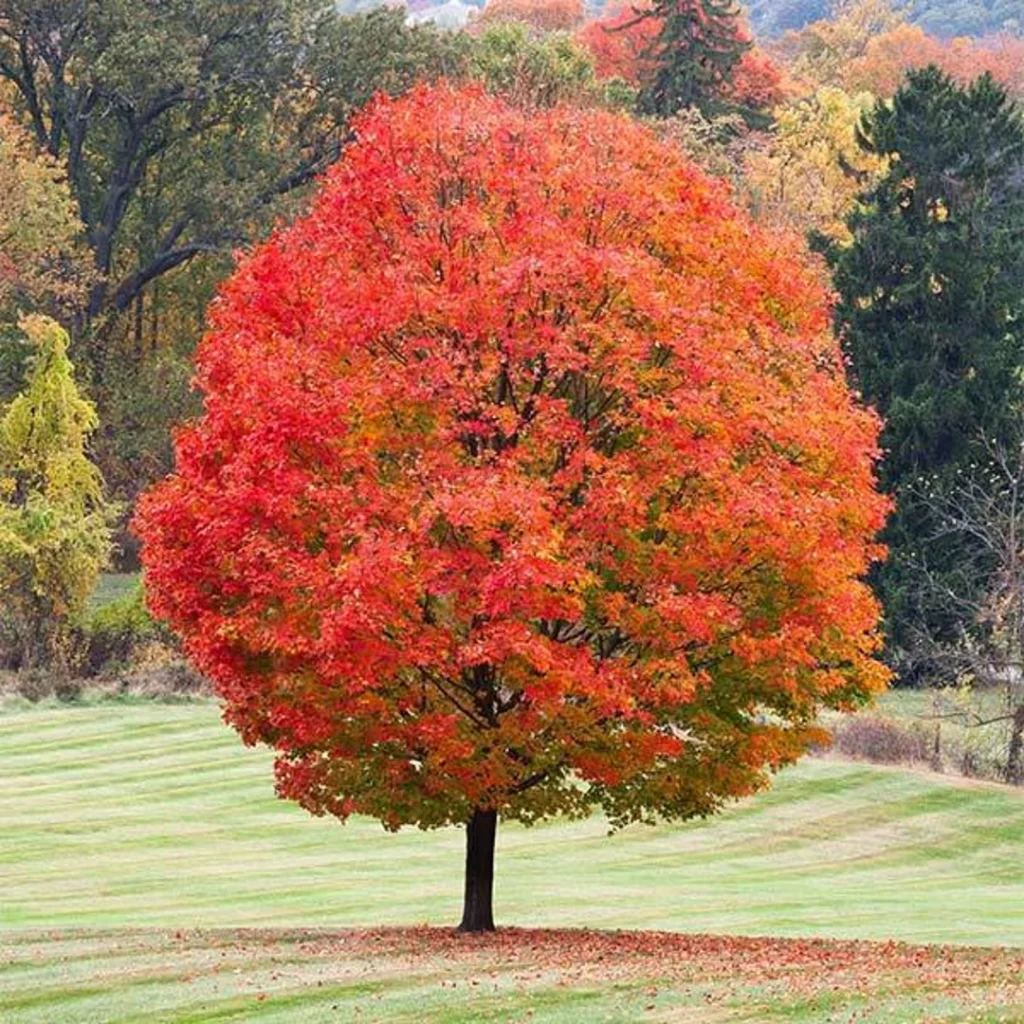

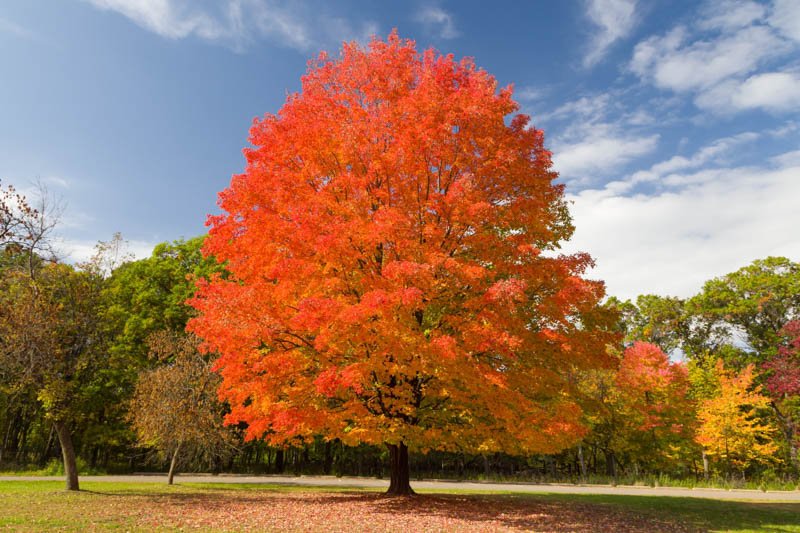
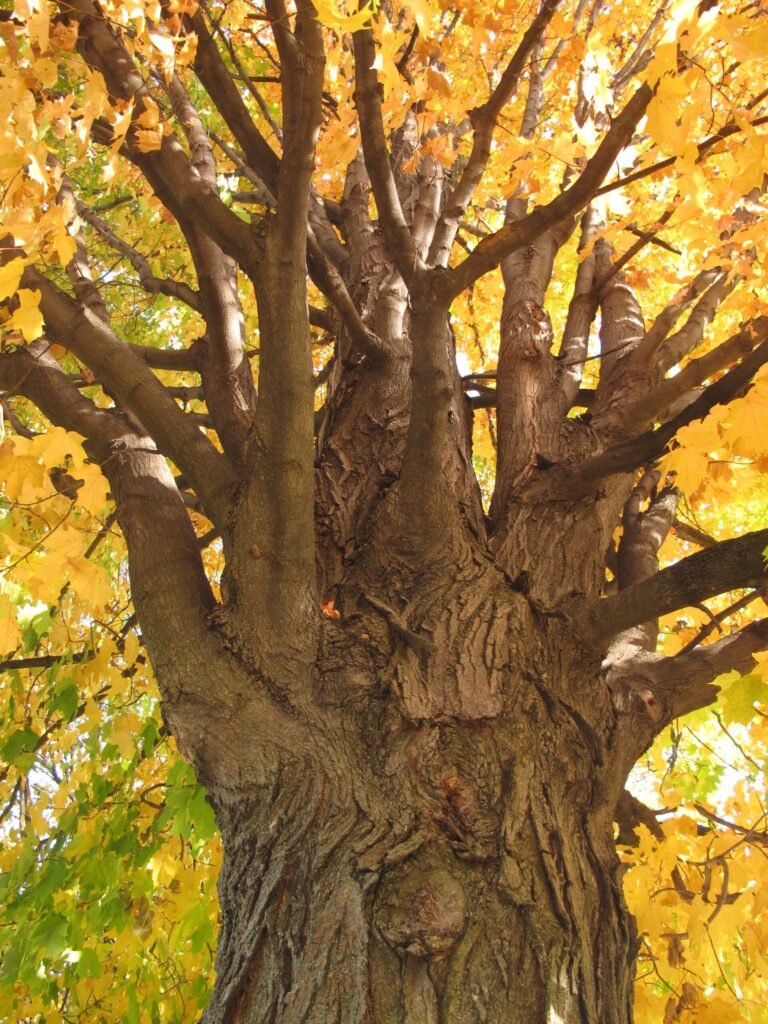
Sugar Maple (Acer saccharum): Complete Guide to Growing, Propagating, Using, and Harvesting This Iconic Tree
The Sugar Maple (Acer saccharum) is one of North America’s most celebrated trees—renowned for its stunning fall foliage, high-quality hardwood, and, most famously, its sweet sap used to produce maple syrup. Whether you’re a gardener, homesteader, or simply a nature enthusiast, cultivating Sugar Maples can be a rewarding long-term investment.
This comprehensive guide covers everything from growing conditions and care to propagation, popular varieties, uses, edible applications, and even how to harvest and process sap.
What Makes Sugar Maple Special?
Sugar Maple is a long-lived, stately tree known for:
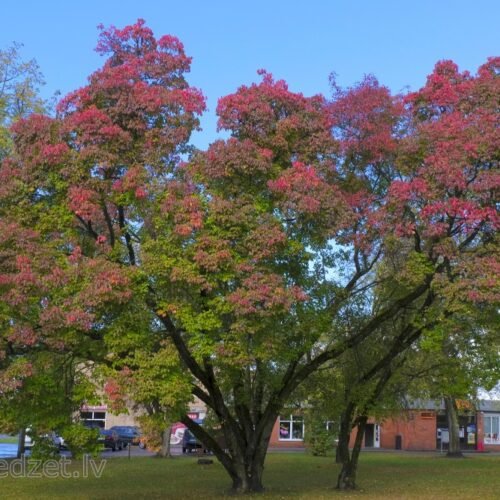
- Exceptional autumn colors (vibrant oranges, reds, and yellows)
- High-sugar sap ideal for syrup production
- Durable, fine-grained hardwood for furniture and flooring
- Environmental benefits including shade, wildlife habitat, and soil improvement
Its versatility and beauty make it a prized species in both natural forests and cultivated landscapes.
How to Grow Sugar Maple (Acer saccharum)
1. Ideal Growing Conditions
Climate
- Thrives in USDA Hardiness Zones 3–8
- Prefers regions with cold winters (necessary for sap production)
- Tolerates hot summers if soil moisture remains adequate
Sunlight
- Full sun to partial shade
- Optimal sap production requires at least 4–6 hours of sun
Soil Requirements
Sugar Maples prefer:
- Moist, well-drained soil
- Loamy or sandy-loam texture
- Slightly acidic to neutral pH (5.5–7.3)
- High organic matter
Avoid compacted or waterlogged sites—roots need room to spread.
2. Planting Sugar Maple
Best Time to Plant
- Early spring before bud break
or - Early fall when temperatures cool
Planting Steps
- Dig a hole twice as wide as the root ball.
- Loosen surrounding soil to help root spread.
- Place tree at the same depth it grew in the nursery.
- Backfill with native soil; avoid heavy fertilizer.
- Water deeply and mulch 2–4 inches around the base.
Spacing
- Space trees 30–40 feet apart to allow canopy spread.
3. Care and Maintenance
Watering
Young trees:
- Water weekly during the first 2–3 years.
- Increase frequency during drought.
Mature trees:
- Typically need supplemental watering only in extreme heat.
Fertilizing
- Avoid heavy nitrogen.
- Add compost each spring for slow nutrient release.
Pruning
- Best done in late winter.
- Remove crossed branches, deadwood, or narrow crotch angles.
Mulching
- Maintain a 2–4 inch mulch layer to retain moisture and protect roots.
How to Propagate Sugar Maple
1. Propagation from Seed
Seed propagation is the most common method.
Steps:
- Collect mature samaras (winged seeds) in fall.
- Stratify seeds for 90–120 days at 34–41°F.
- Sow seeds in spring in well-drained soil.
- Keep soil moist until seedlings establish.
Note: Seed-grown trees vary genetically—some may differ in fall color or sugar content.
2. Propagation from Cuttings
Sugar Maples can be propagated via softwood cuttings, though harder than seed propagation.
Cutting Method:
- Take softwood cuttings in early summer.
- Dip in rooting hormone.
- Place in a humid environment or misting chamber.
- Requires patience—success rate may be 30–50%.
3. Grafting
Used for specific cultivars to maintain uniform traits.
- Best done in late winter or early spring
- Whip, tongue, or cleft grafts are common techniques.
Popular Varieties of Sugar Maple (Acer saccharum)
1. ‘Green Mountain’
- Exceptional heat and drought tolerance
- Fast-growing canopy with brilliant fall color
2. ‘Legacy’
- Dense crown, glossy leaves
- Strong wood and upright growth
3. ‘Commemoration’
- Early and reliable fall color
- Attractive orange-red foliage
4. ‘Unity’
- Cold-hardy
- Symmetrical branches and good sugar content in sap
5. ‘Bonfire’
- Compact form for smaller spaces
- Outstanding fall colors
Uses of Sugar Maple
1. Maple Syrup Production
Sugar Maple sap is high in sucrose—2–3% sugar content, sometimes more in ideal conditions.
2. Hardwood Lumber
Used for:
- Flooring
- Cabinetry
- Musical instruments
- Furniture
- Bowling alleys (maple lanes)
3. Landscape and Shade Tree
Highly valued in parks and large gardens for its canopy and fall colors.
4. Wildlife Habitat
Provides shelter and food for:
- Squirrels
- Woodpeckers
- Songbirds
- Early-season pollinators
Edible and Culinary Uses of Sugar Maple
1. Maple Syrup
The most iconic use—boiled sap becomes:
- Maple syrup (finished at ~219°F)
- Maple cream
- Maple sugar
- Maple candy
2. Maple Sap (Drinkable)
Fresh sap can be consumed:
- Raw as a hydrating beverage
- As a base for tea, coffee, or fermented drinks
3. Maple Water Products
Used in:
- Bottled maple water beverages
- Smoothies
- Electrolyte drinks
4. Maple Flavoring
Used in:
- Baked goods
- Glazes
- Smoking meats (using maple wood)
Harvesting Sugar Maple Sap
When to Tap
- Late winter to early spring
- Usually when daytime temps rise above freezing, and nights fall below freezing
This freeze–thaw cycle builds pressure in the tree, causing sap to flow.
How to Tap a Sugar Maple
- Drill a 7/16″ or 5/16″ hole at a slight upward angle.
- Insert spout (spile).
- Hang bucket or attach tubing.
- Collect sap daily during peak flow.
A mature tree can produce 10–20 gallons of sap per season.
Processing Sap into Syrup
General Rule:
It takes ~40 gallons of sap to produce 1 gallon of syrup.
Steps:
- Filter raw sap.
- Boil until it reaches syrup density and temperature.
- Filter again for clarity.
- Bottle hot at 180–200°F.
Common Problems & Solutions
Leaf Scorch
- Caused by drought.
- Water deeply in hot weather.
Leaf Spots / Tar Spot
- Usually cosmetic
- Rake and remove fallen leaves
Pest Issues
- Aphids, borers, scale insects
- Encourage predators, use horticultural oil if needed
Soil Compaction
- Avoid heavy traffic near root zone
- Add mulch and compost to improve structure
Final Thoughts
Growing Sugar Maple (Acer saccharum) is a rewarding experience for gardeners, homesteaders, and tree enthusiasts. With proper care and patience, these trees offer decades—sometimes centuries—of beauty, shade, wildlife support, and delicious sap. Whether you’re planting a backyard specimen or establishing a small sugarbush, Sugar Maples bring timeless value and natural charm to any landscape.


&media=https://food-foresting.com/wp-content/uploads/2025/12/Hello-Hello-Plants-Nursery-Melbourne-Acer-saccharum-Sugar-Maple-autumn-colours.jpg)