
 paulius.mikoliunas1
| Common Name | Rose Of Sharon, Althaea, Shrub Althea, Hardy Hibiscus |
| Family | Malvaceae |
| USDA hardiness | 5-9 |
| Known Hazards | None known |
| Habitats | Found wild on mountain slopes, though the original habitat is obscure. |
| Range | E. Asia – China to India. Locally naturalized in S. Europe. |
| Edibility Rating |   (4 of 5) (4 of 5) |
| Other Uses |   (2 of 5) (2 of 5) |
| Weed Potential | Yes |
| Medicinal Rating |   (2 of 5) (2 of 5) |
| Care (info) |     |
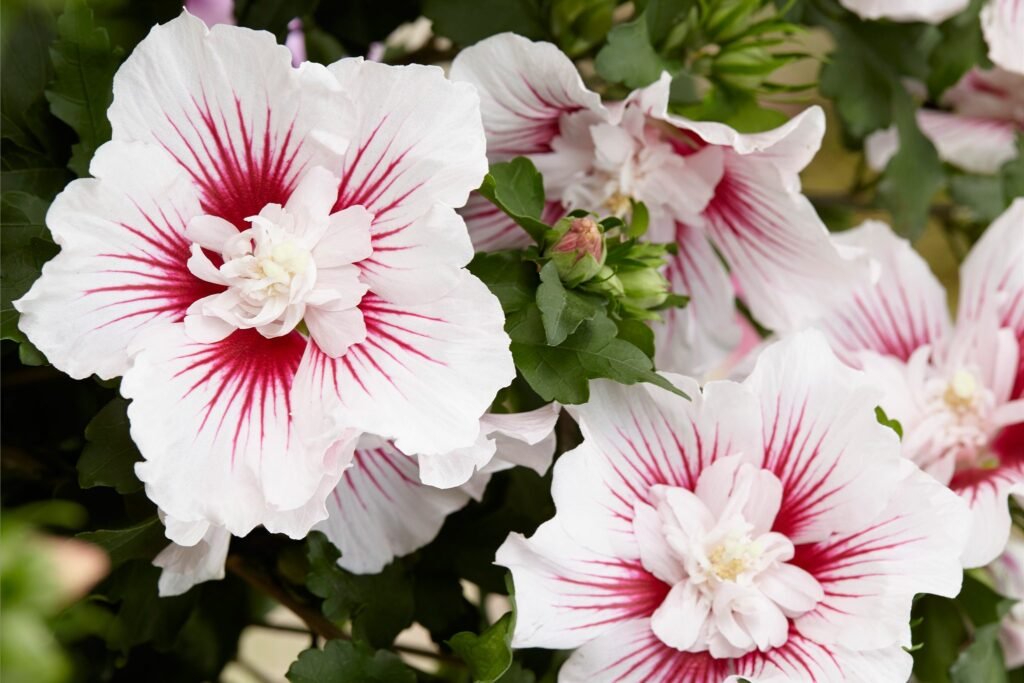
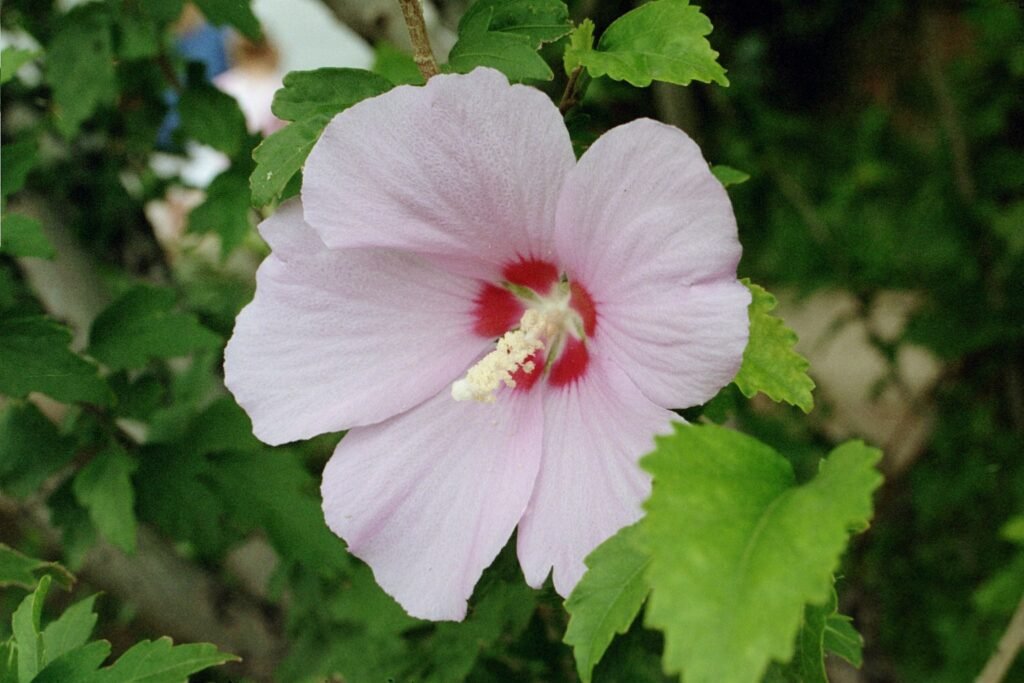
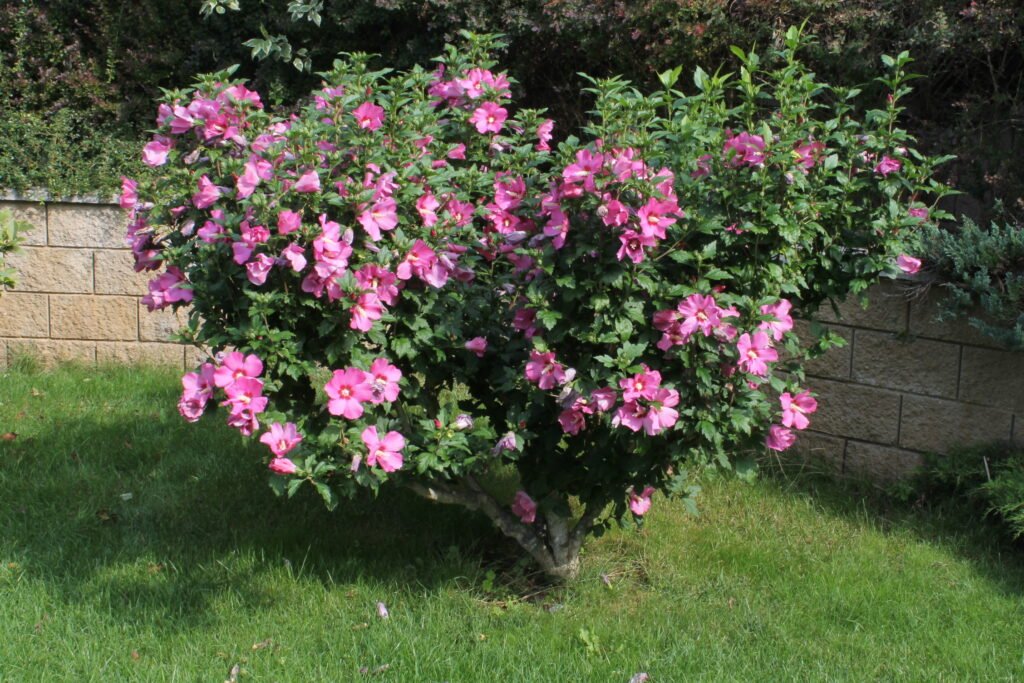
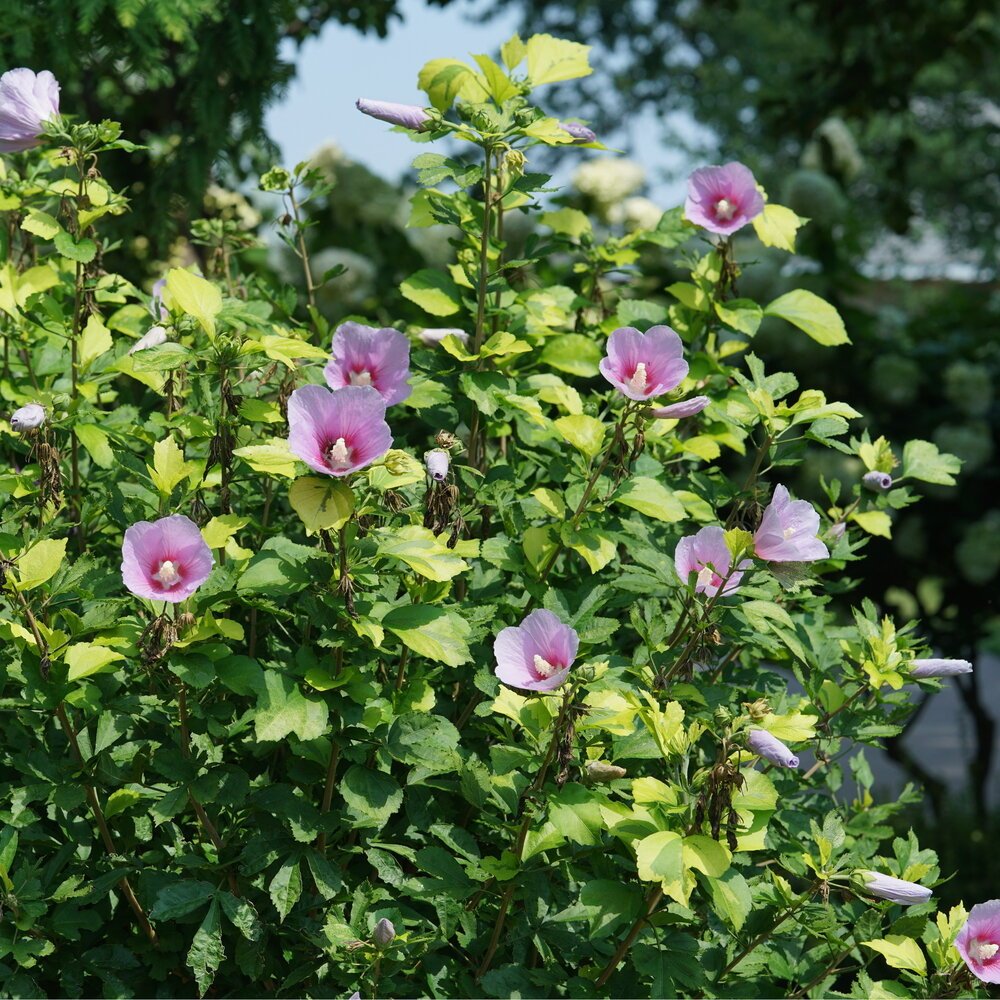
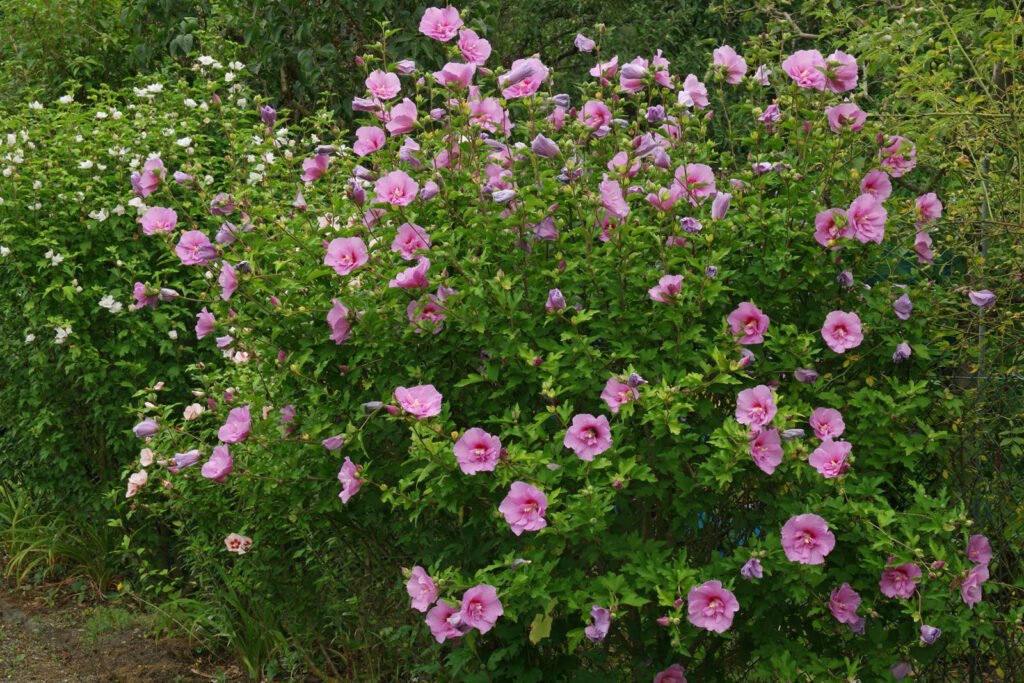
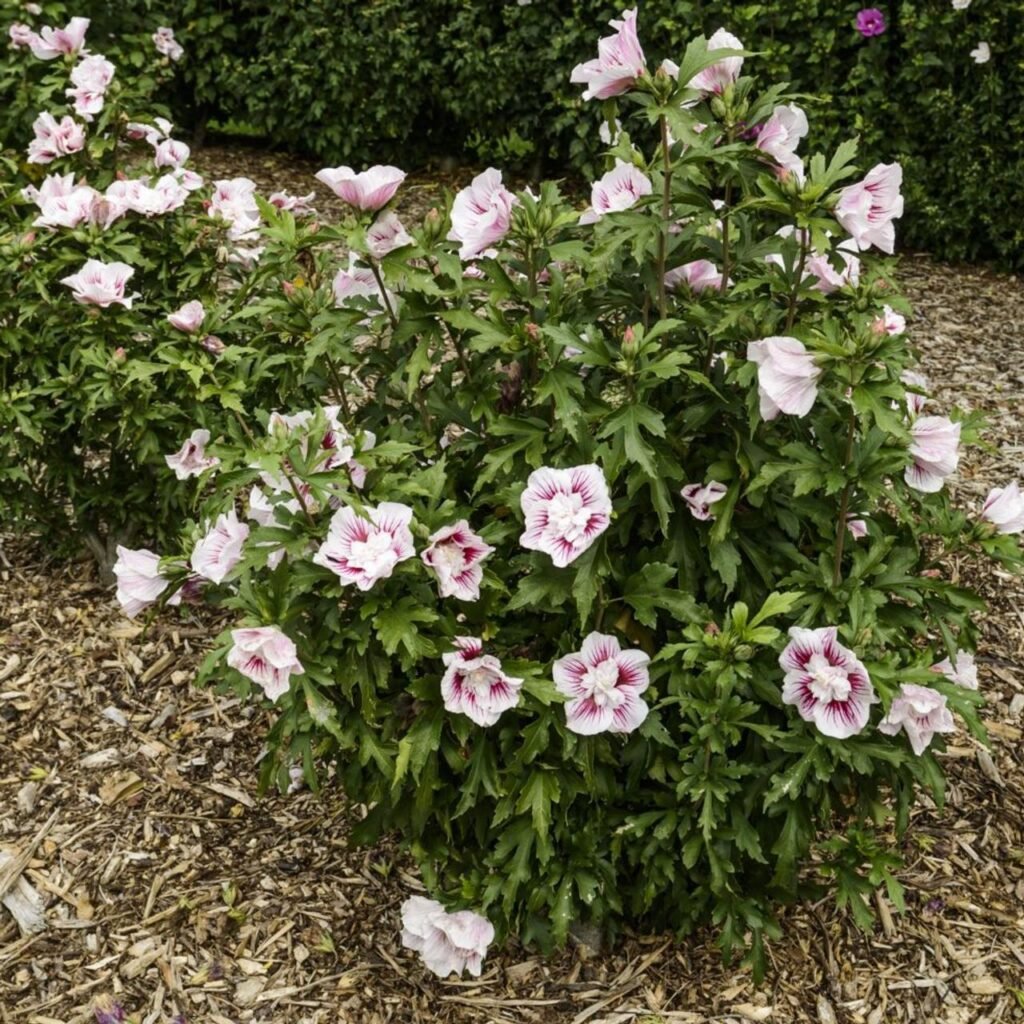
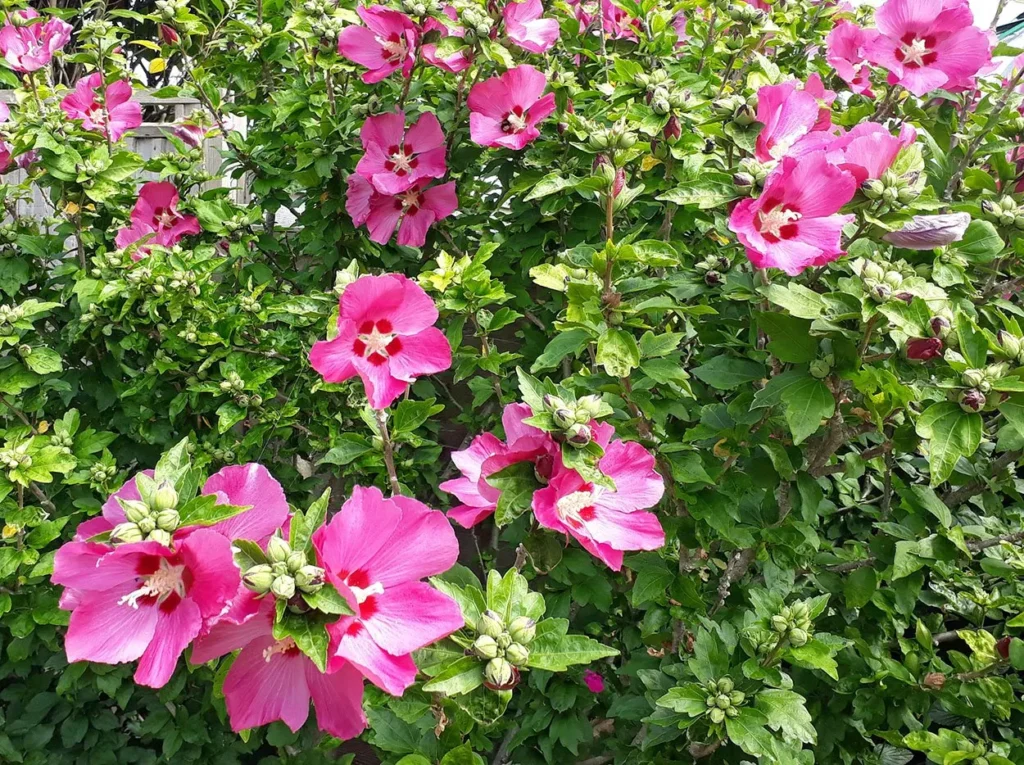
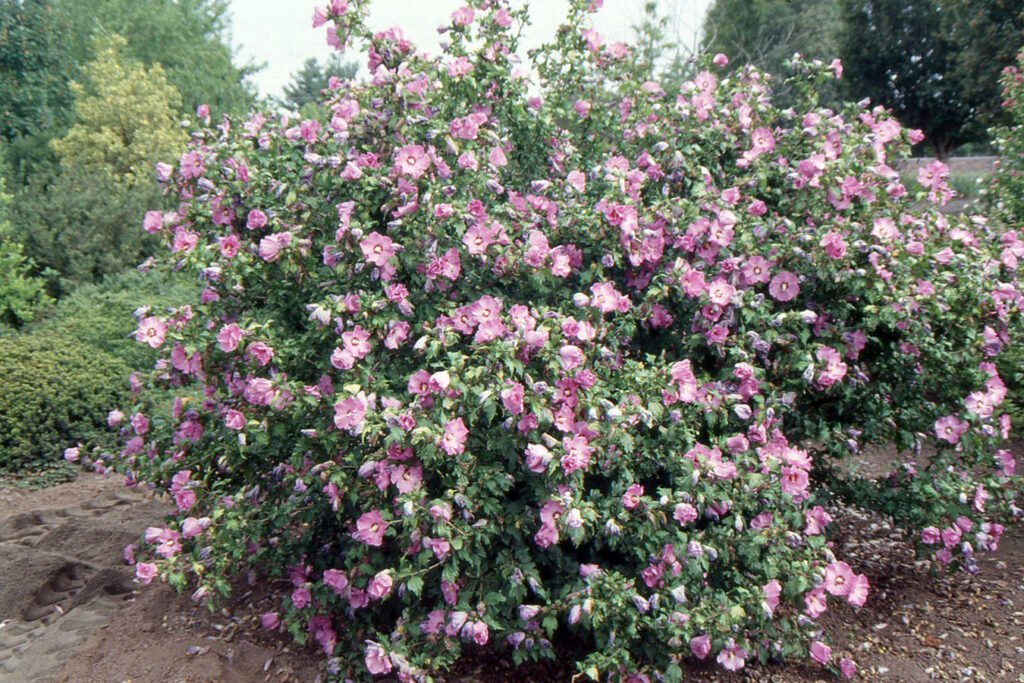
Rose of Sharon (Hibiscus syriacus): Complete Guide to Growing, Propagation, Varieties, Uses, Food Options, and Harvesting
The Rose of Sharon (Hibiscus syriacus) is a resilient, long-blooming flowering shrub that adds vibrant color and structure to gardens across many climates. Loved for its tropical-looking blooms and low-maintenance nature, this deciduous shrub is both ornamental and surprisingly useful.
In this comprehensive guide, you’ll learn how to grow Rose of Sharon successfully, the best propagation methods, popular varieties, practical uses, edible possibilities, and how to harvest seeds and flowers properly.
What Is Rose of Sharon?
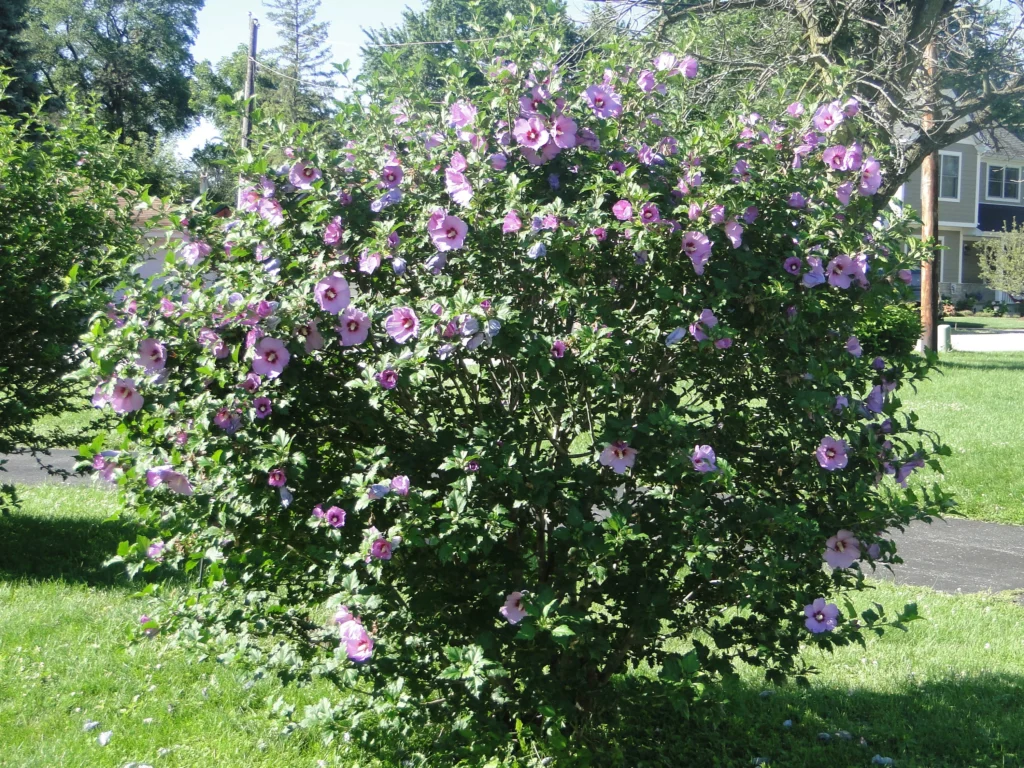
Rose of Sharon, botanically known as Hibiscus syriacus, is a woody hibiscus native to East Asia. Despite its name, it is not a rose but a member of the mallow family (Malvaceae).
Key Characteristics
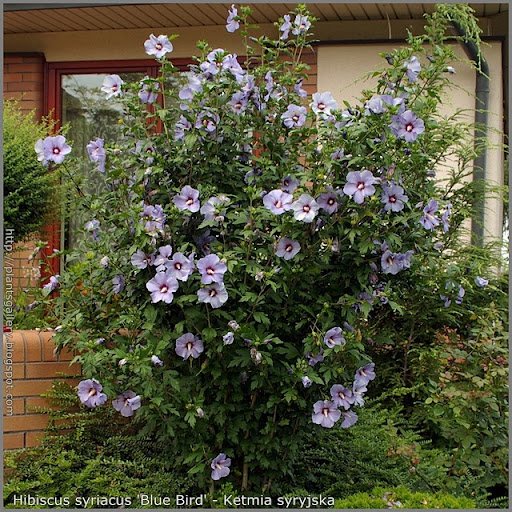
- Height: 8–12 feet tall
- Width: 6–10 feet
- Bloom time: Mid-summer to early fall
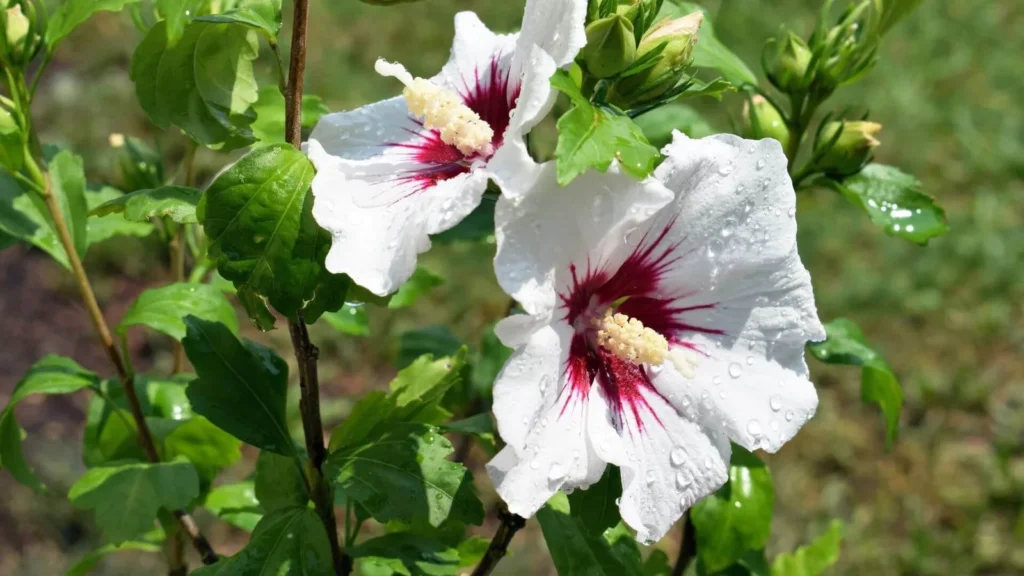
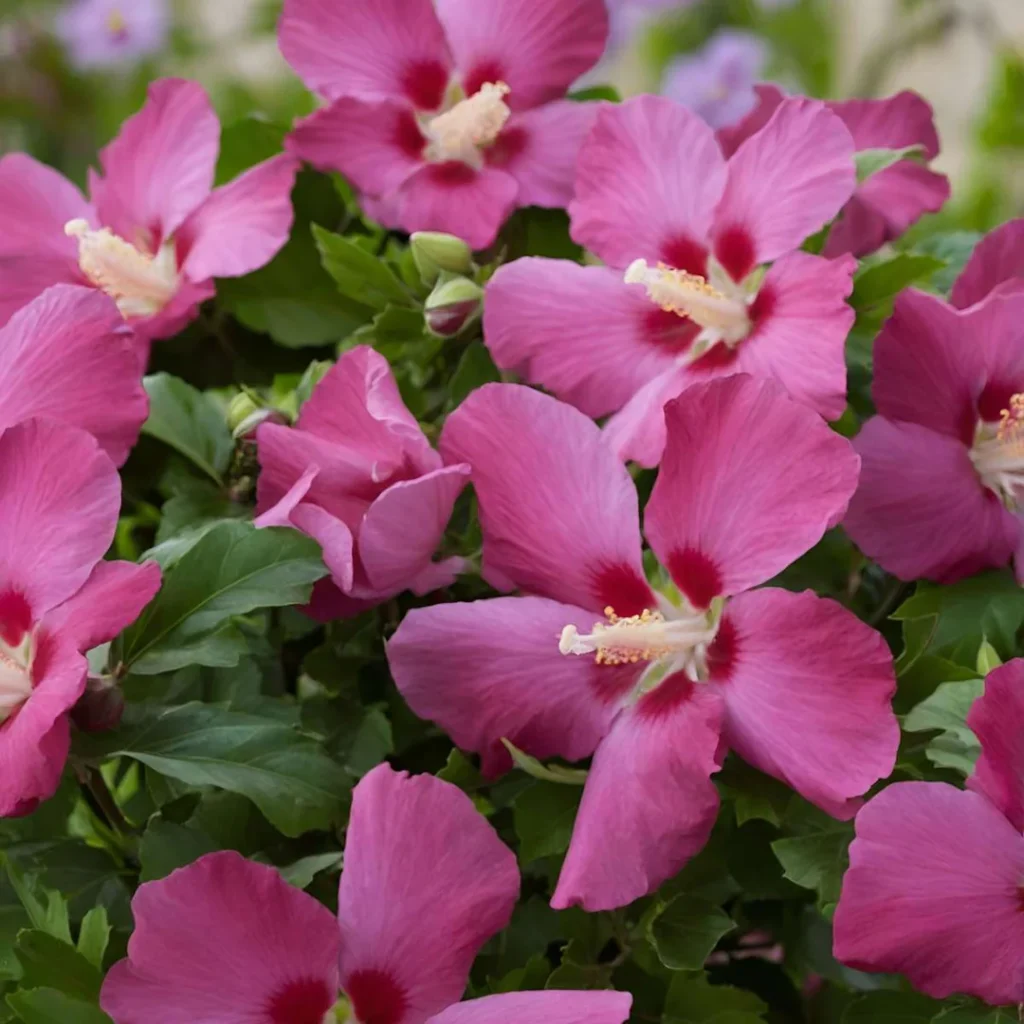
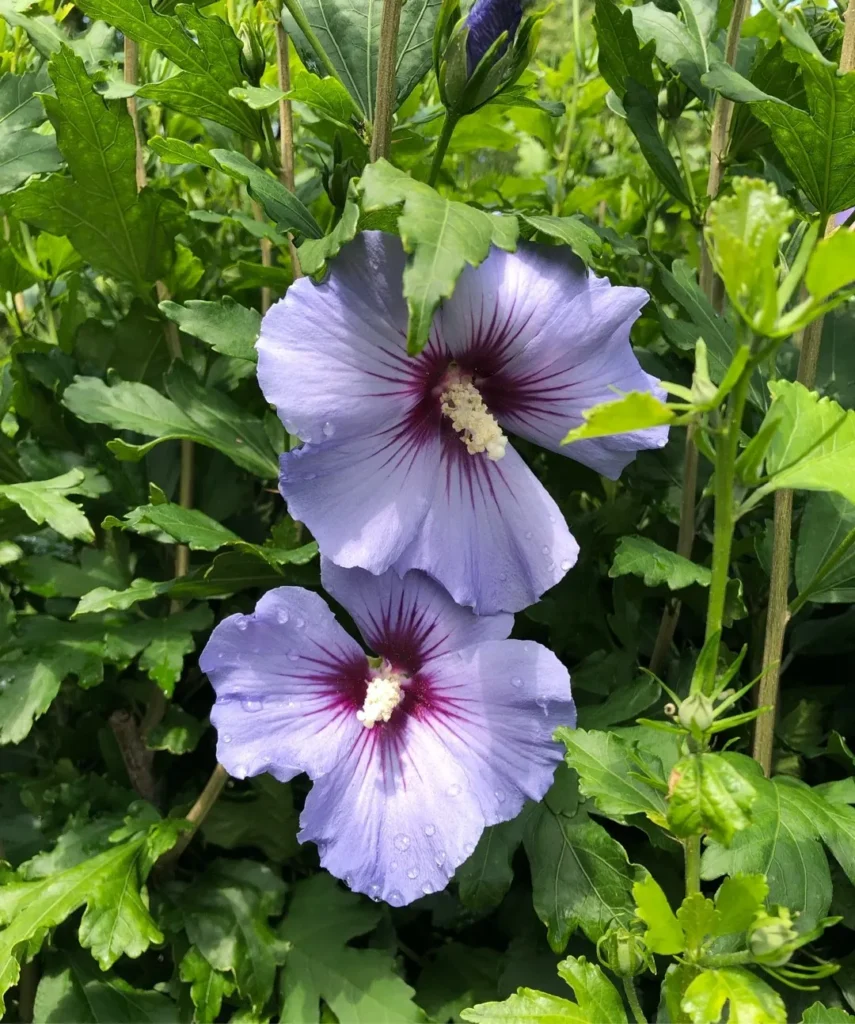
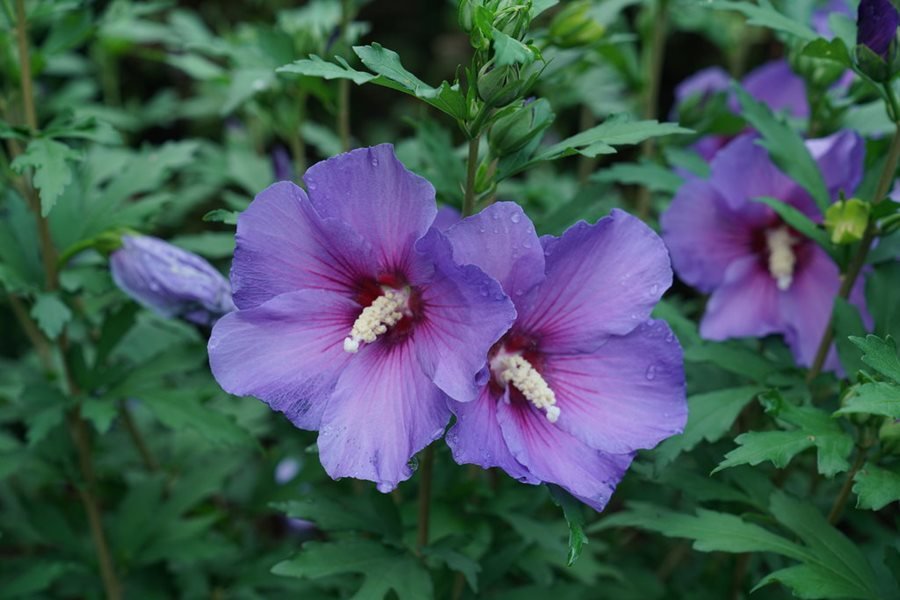
- Flower colors: White, pink, purple, lavender, blue, red
- Growth habit: Upright, multi-stem shrub or small tree
How to Grow Rose of Sharon Successfully
1. Ideal Climate and Hardiness
Rose of Sharon thrives in USDA zones 5–9, making it suitable for both temperate and warmer regions.
- Tolerates heat, humidity, and urban pollution
- Cold hardy once established
2. Sunlight Requirements
For maximum blooms:
- Full sun (6–8 hours daily) is ideal
- Partial shade is tolerated but reduces flowering
3. Soil Conditions
Rose of Sharon adapts to many soil types:
- Well-drained loam preferred
- Slightly acidic to neutral pH (6.0–7.5)
- Tolerates clay and poor soils once mature
4. Watering Needs
- Water regularly during the first year
- Once established, it is moderately drought-tolerant
- Avoid waterlogged soil
5. Fertilizing
- Apply a balanced slow-release fertilizer in spring
- Avoid excess nitrogen, which promotes leaves over flowers
6. Pruning Tips
- Prune in late winter or early spring
- Blooms on new wood, so pruning encourages more flowers
- Remove dead or crossing branches
How to Propagate Rose of Sharon
Rose of Sharon is easy to propagate using several methods.
1. Propagation from Seeds
- Collect seed pods in fall when dry
- Cold-stratify seeds for 6–8 weeks
- Sow indoors in early spring
⚠️ Note: Seed-grown plants may not match the parent variety.
2. Softwood Cuttings (Best Method)
- Take 4–6 inch cuttings in late spring or early summer
- Remove lower leaves
- Dip in rooting hormone
- Plant in moist, well-drained medium
3. Hardwood Cuttings
- Taken in late fall or winter
- Slower but reliable method
4. Self-Seeding
Many varieties self-seed easily, sometimes aggressively. Sterile cultivars help control spreading.
Popular Rose of Sharon Varieties
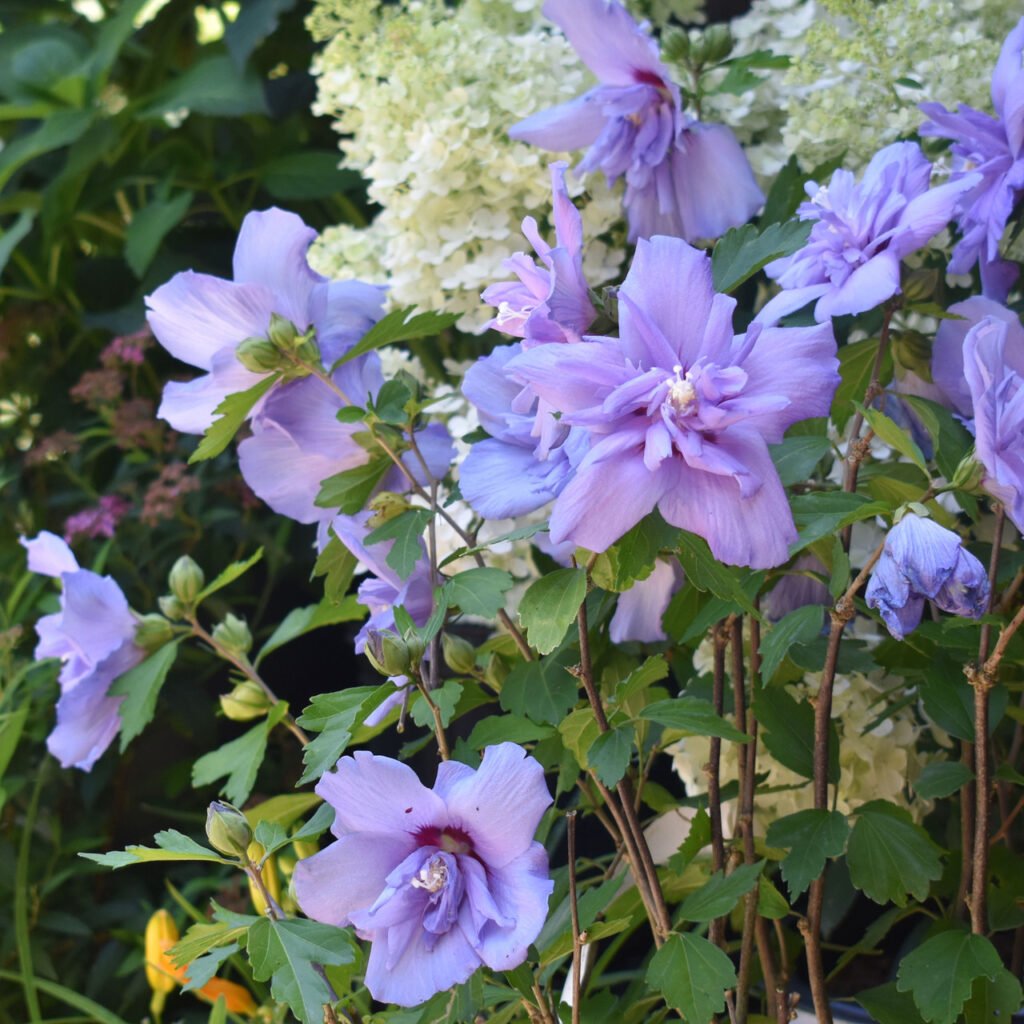
1. ‘Blue Chiffon’
- Soft blue-lavender blooms
- Semi-double flowers
- Non-invasive and low seed production
2. ‘Purple Pillar’
- Narrow, upright growth
- Deep purple flowers
- Ideal for small gardens
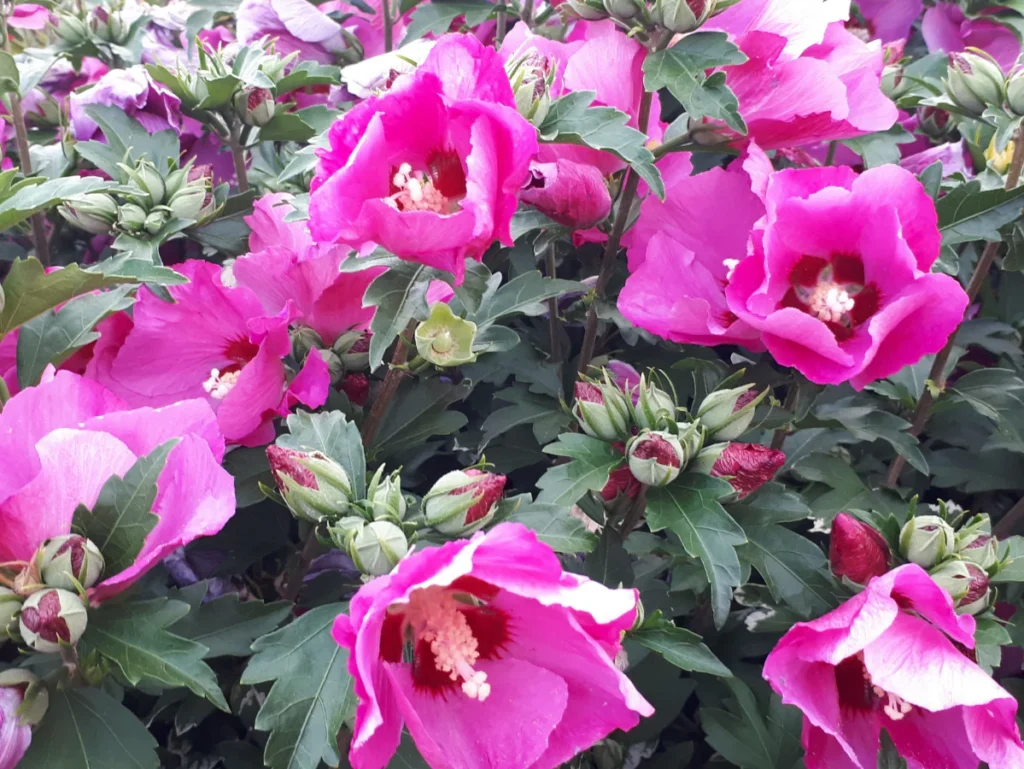
3. ‘Aphrodite’
- Large pink blooms with red centers
- Strong, upright habit
4. ‘White Chiffon’
- Elegant white double flowers
- Heat-tolerant and long-blooming
5. ‘Sugar Tip’
- Variegated foliage
- Pale pink blooms
- Excellent ornamental appeal
Landscaping and Practical Uses of Rose of Sharon
1. Ornamental Landscaping
- Specimen shrub
- Flowering hedge or privacy screen
- Small flowering tree when trained
2. Wildlife Attraction
- Attracts bees, butterflies, and hummingbirds
- Late-season blooms provide essential nectar
3. Urban and Coastal Use
- Tolerates pollution and salty air
- Ideal for city gardens
Edible and Food Uses of Rose of Sharon
While not widely used as a food plant, certain parts are edible when properly prepared.
Edible Parts
- Young leaves (mild flavor when cooked)
- Flower petals (used fresh or dried)
Culinary Uses
- Fresh petals in salads
- Herbal teas from dried flowers
- Decorative edible garnishes
- Mild thickening agent similar to okra
⚠️ Important: Only consume plants grown without chemical pesticides or fertilizers.
Medicinal and Traditional Uses
In traditional herbal practices:
- Flowers are used for soothing teas
- Leaves were historically used in poultices
- Known for mild anti-inflammatory properties
Always consult a professional before medicinal use.
How to Harvest Rose of Sharon
Harvesting Flowers
- Pick blooms early in the morning
- Use fully opened but fresh flowers
- Remove the central reproductive parts if drying
Harvesting Seeds
- Allow seed pods to dry on the plant
- Collect in late fall
- Store seeds in a cool, dry place
Harvesting Leaves
- Choose young, tender leaves
- Harvest sparingly to avoid stress
Common Problems and Solutions
Pests
- Aphids
- Japanese beetles
- Spider mites
Solution: Neem oil, strong water spray, or beneficial insects
Diseases
- Leaf spot
- Rust
- Powdery mildew
Solution: Good air circulation and proper spacing
Is Rose of Sharon Invasive?
Some older varieties self-seed aggressively. To prevent this:
- Choose sterile or low-seed cultivars
- Remove seed pods before maturity
Modern cultivars are far less invasive.
Frequently Asked Questions (FAQ)
How long does Rose of Sharon live?
With proper care, it can live 30–50 years.
When does Rose of Sharon bloom?
From mid-summer to early fall, when few shrubs are flowering.
Can Rose of Sharon grow in pots?
Yes, dwarf varieties do well in large containers.
Final Thoughts
The Rose of Sharon (Hibiscus syriacus) is a versatile, durable, and stunning shrub that offers beauty, ecological value, and even edible uses. Whether you’re growing it for ornamental impact, pollinator support, or curiosity about edible flowers, this plant rewards gardeners with minimal effort and maximum color.
By choosing the right variety, managing self-seeding, and following proper care techniques, Rose of Sharon can become a long-lasting highlight in any landscape.



&media=https://food-foresting.com/wp-content/uploads/2026/01/Hibiscus_syriacus_9961.jpg)