
 paulius.mikoliunas1
| Common Name | Hart’s Tongue Fern |
| Family | Polypodiaceae |
| USDA hardiness | 4-8 |
| Known Hazards |  Although we have found no reports of toxicity for this species, a number of ferns contain carcinogens so some caution is advisable. Many ferns also contain thiaminase, an enzyme that robs the body of its vitamin B complex. In small quantities this enzyme will do no harm to people eating an adequate diet that is rich in vitamin B, though large quantities can cause severe health problems. The enzyme is destroyed by heat or thorough drying, so cooking the plant will remove the thiaminase. Although we have found no reports of toxicity for this species, a number of ferns contain carcinogens so some caution is advisable. Many ferns also contain thiaminase, an enzyme that robs the body of its vitamin B complex. In small quantities this enzyme will do no harm to people eating an adequate diet that is rich in vitamin B, though large quantities can cause severe health problems. The enzyme is destroyed by heat or thorough drying, so cooking the plant will remove the thiaminase. |
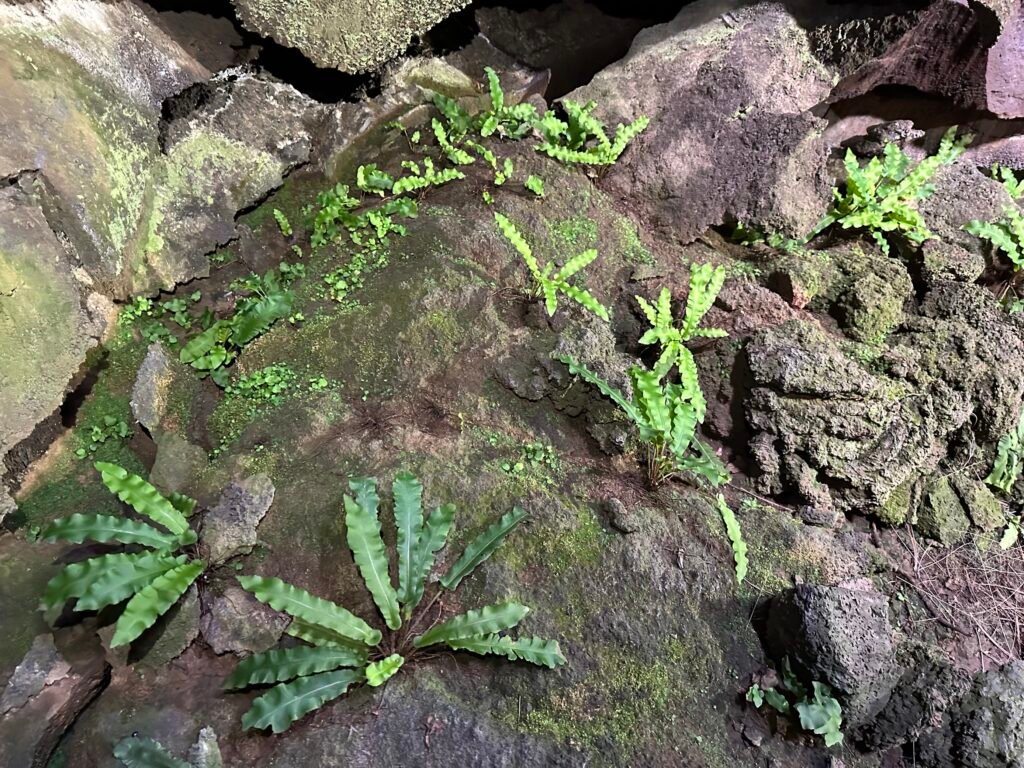
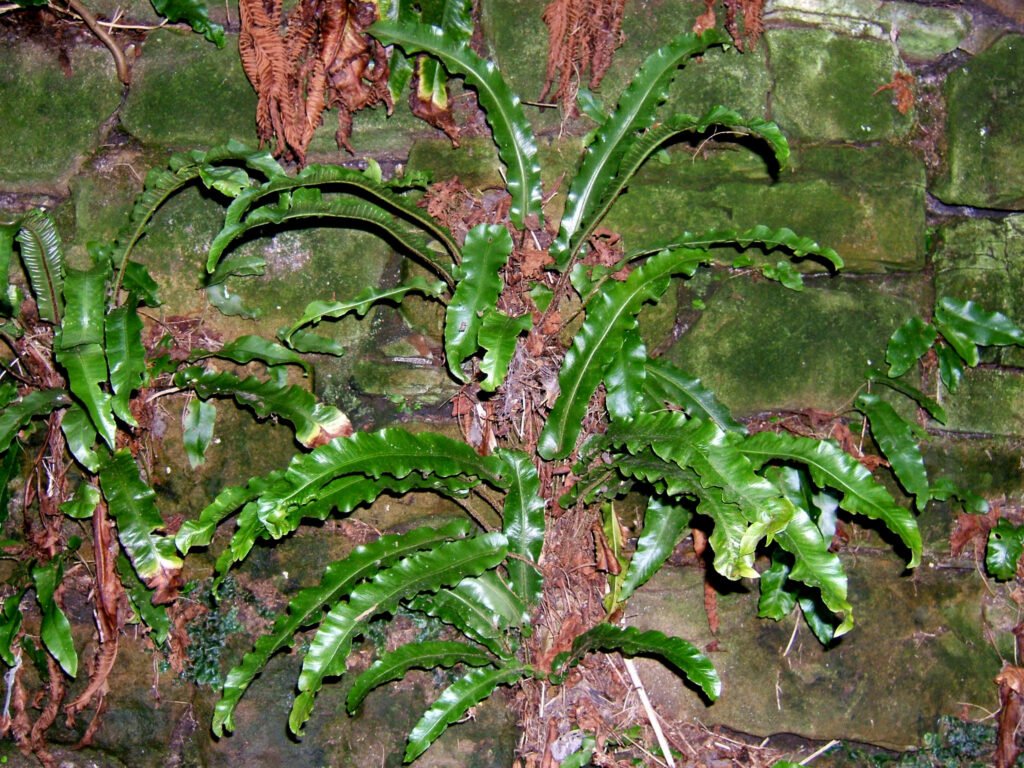
| Habitats | Moist banks and walls, rocks in damp shady places in woodlands, often on lime-rich soils. |
| Range | Central and southern Europe, including Britain, to N. Africa and eastwards to Japan. |
| Edibility Rating |  (0 of 5) (0 of 5) |
| Other Uses |   (3 of 5) (3 of 5) |
| Weed Potential | No |
| Medicinal Rating |   (2 of 5) (2 of 5) |
| Care (info) |      |

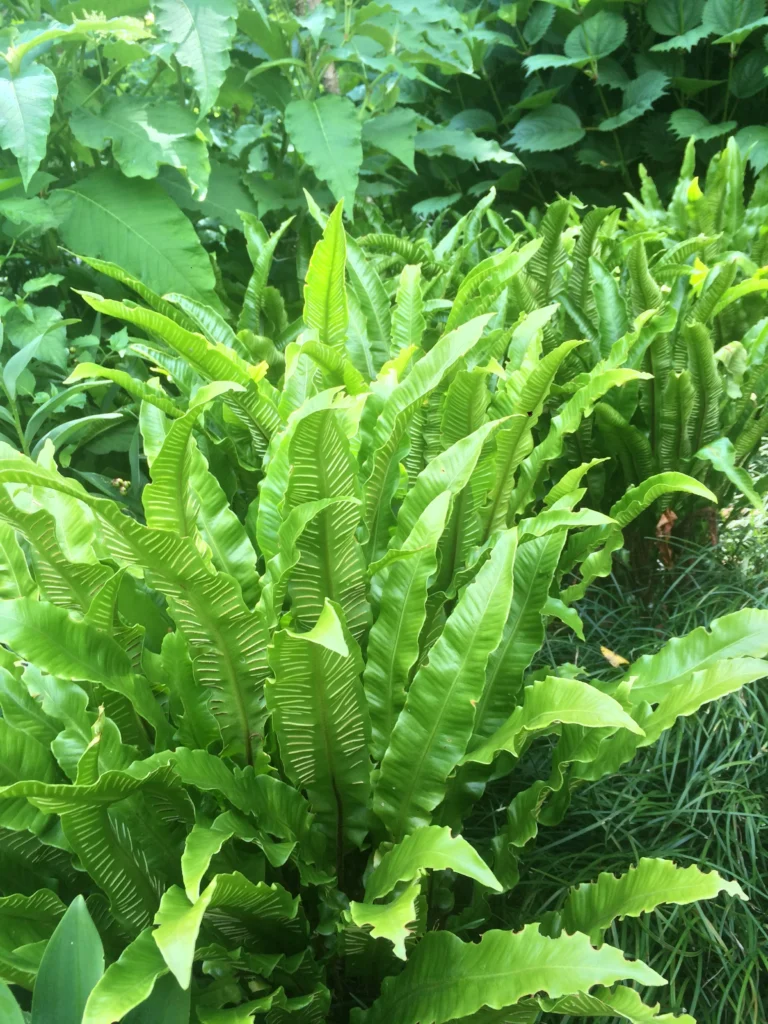
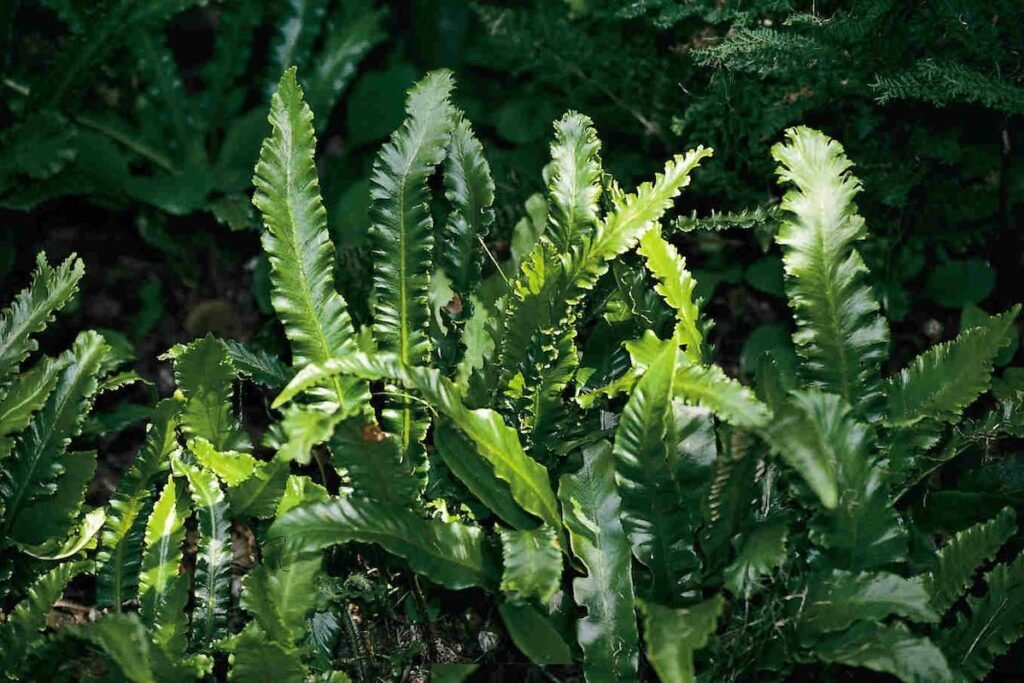
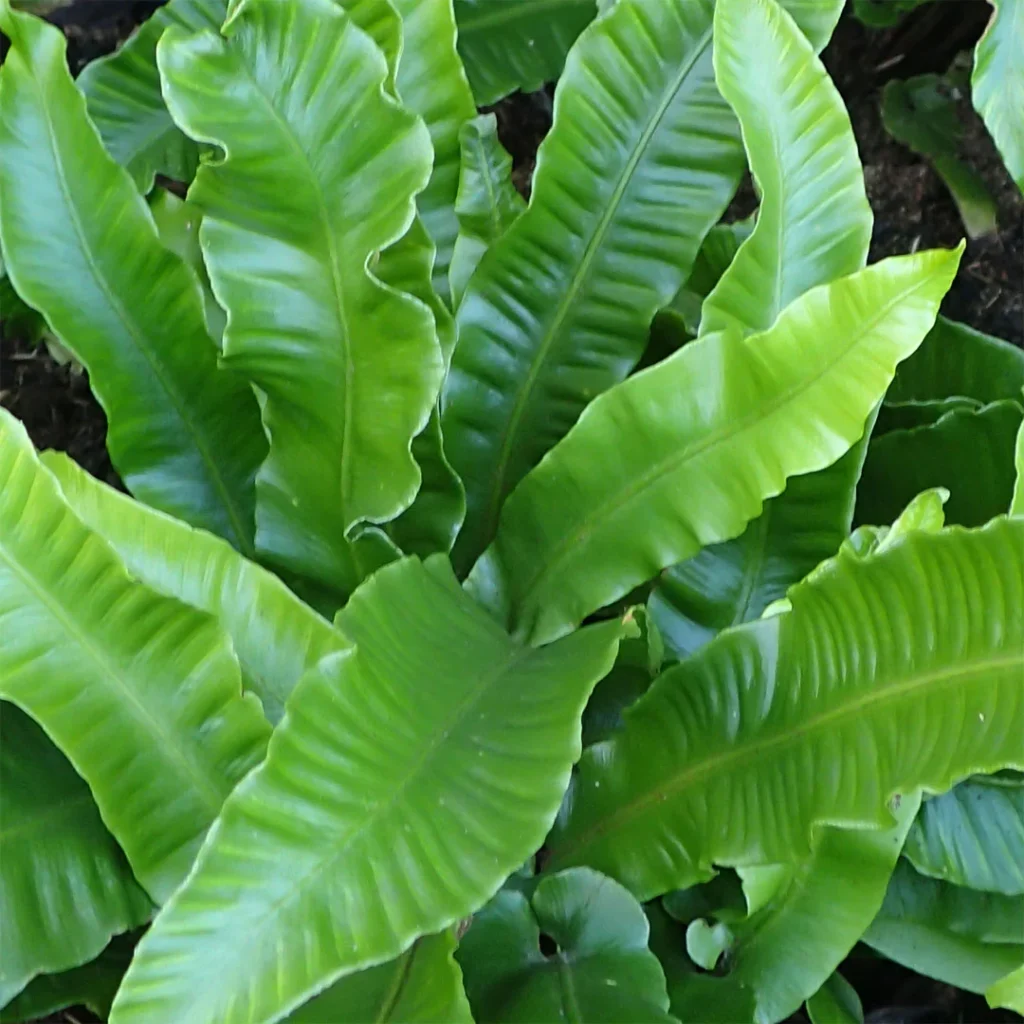
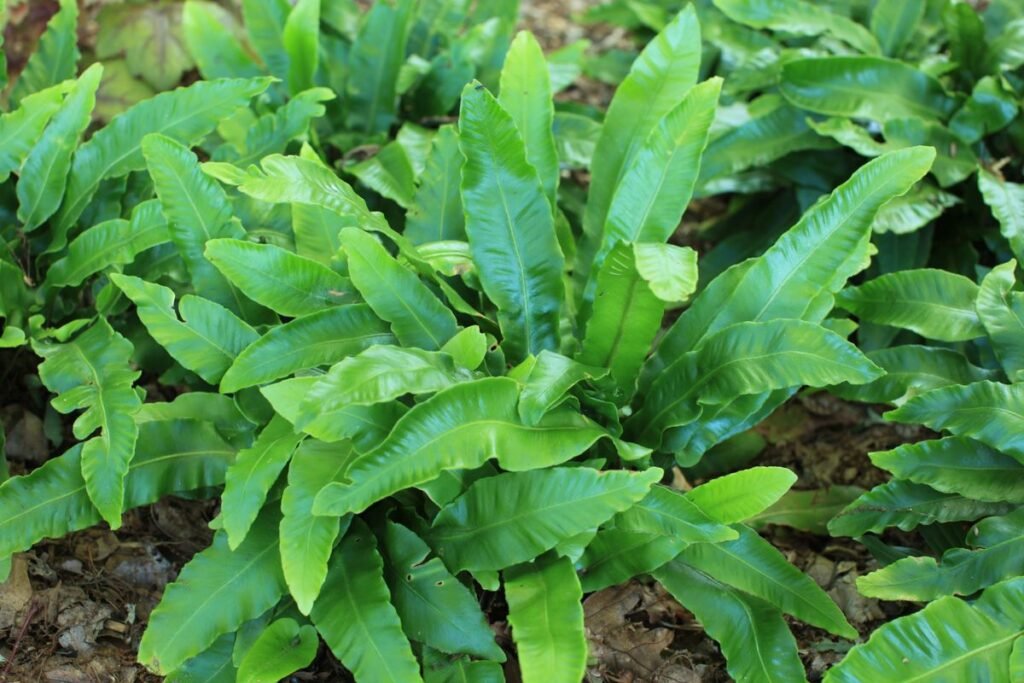
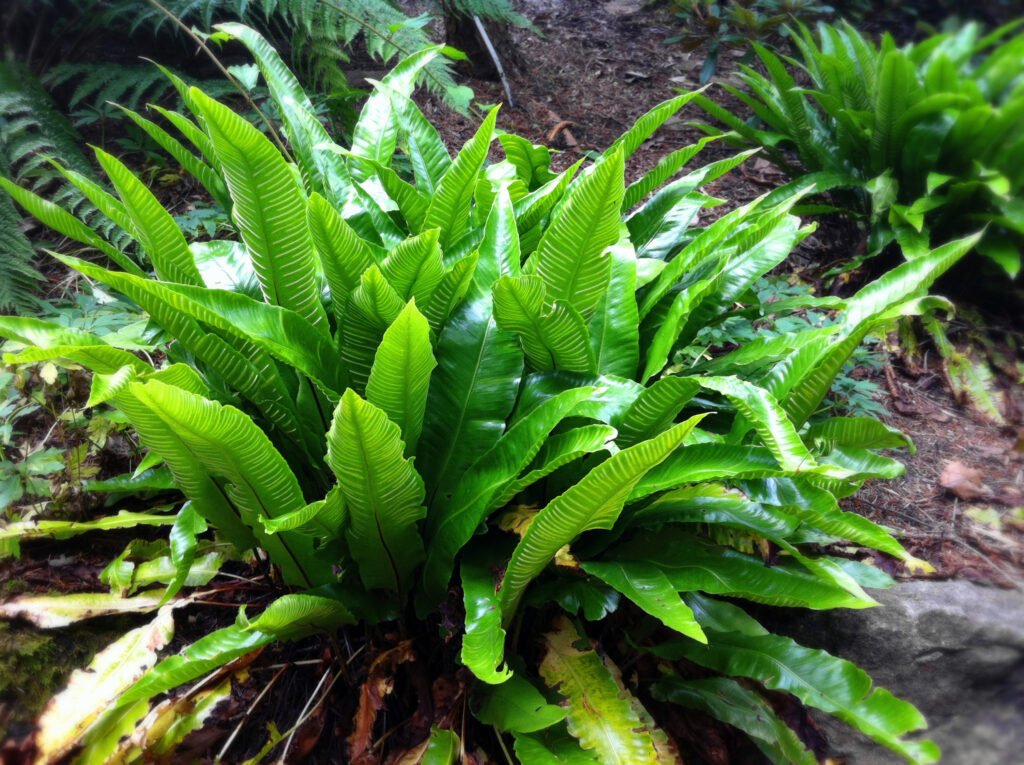
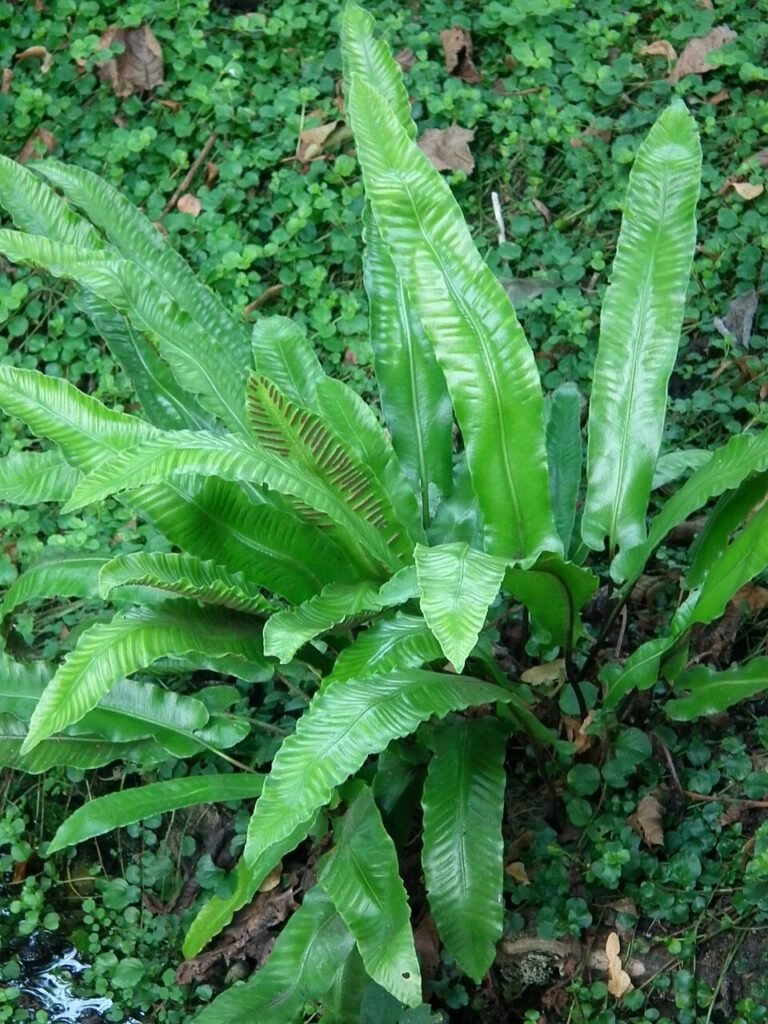
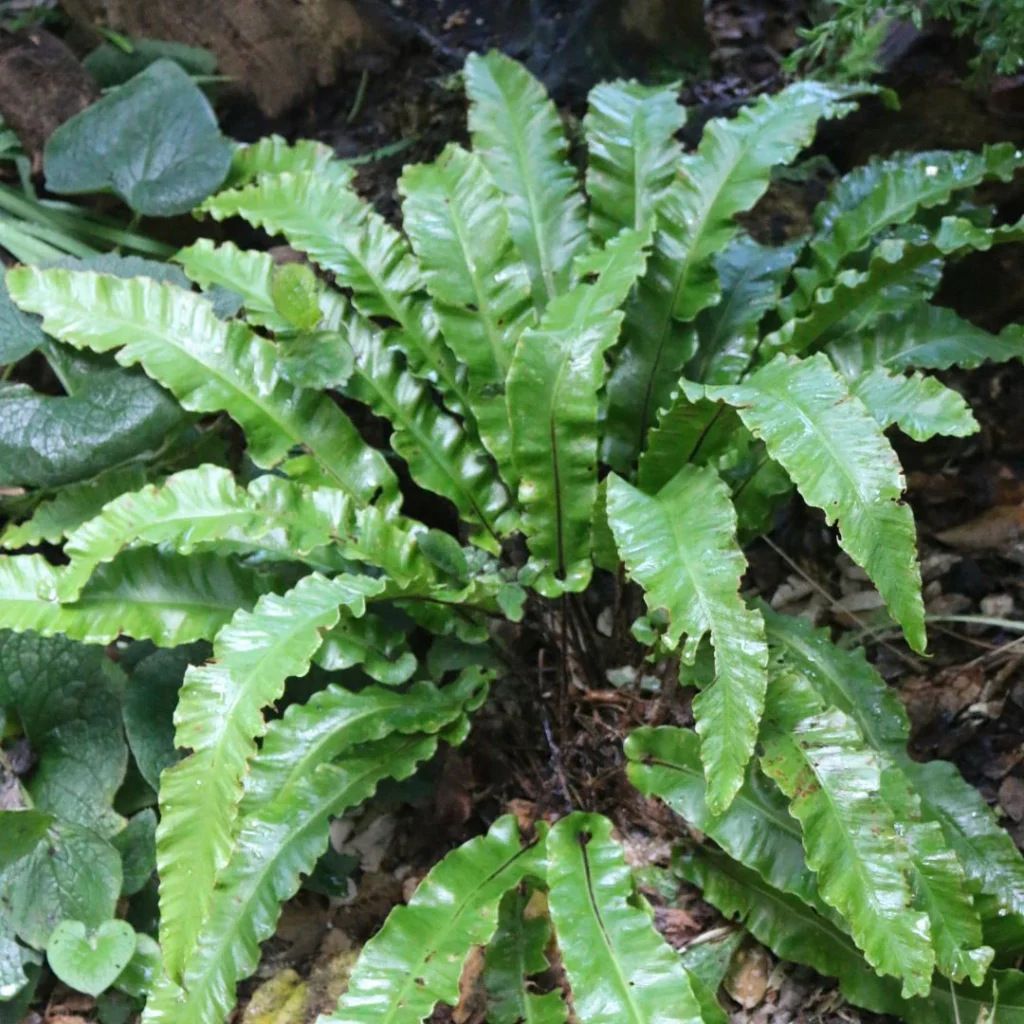
Hart’s Tongue Fern (Asplenium scolopendrium): Complete Growing, Propagation, Varieties, Uses, Food, and Harvesting Guide
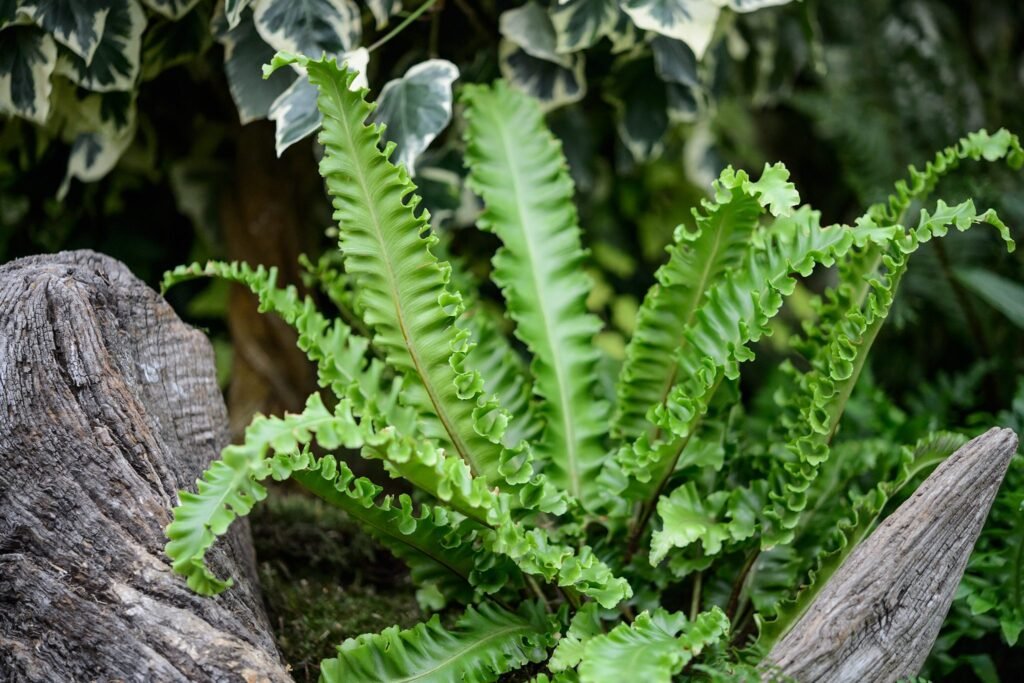
Hart’s Tongue Fern (Asplenium scolopendrium) is one of the most distinctive evergreen ferns, admired for its glossy, strap-shaped fronds and shade-loving nature. Unlike feathery ferns, its solid, tongue-like leaves make it a standout choice for woodland gardens, shaded borders, rock gardens, and naturalistic landscapes.
This in-depth guide covers how to grow Hart’s Tongue Fern, propagation methods, popular varieties, practical and ornamental uses, edible and food considerations, and harvesting guidelines, making it a complete resource for gardeners and plant enthusiasts.
What Is Hart’s Tongue Fern?
Hart’s Tongue Fern is a perennial evergreen fern native to Europe, North America, and parts of Asia. It naturally grows in shady woodlands, limestone crevices, and moist forest floors.
Key Characteristics
- Botanical name: Asplenium scolopendrium
- Common name: Hart’s Tongue Fern
- Plant type: Evergreen perennial fern
- Growth habit: Rosette-forming
- Mature height: 12–24 inches
- Spread: 12–18 inches
- Hardiness: USDA Zones 5–9
How to Grow Hart’s Tongue Fern Successfully
Light Requirements
Hart’s Tongue Fern thrives in partial to full shade. It prefers:
- Dappled woodland light
- North-facing walls or shaded patios
- Protection from harsh afternoon sun
Too much direct sunlight can scorch the fronds and reduce vigor.
Soil Preferences
Healthy growth depends on rich, well-draining soil.
Ideal soil conditions:
- Moist but not waterlogged
- High organic matter
- Neutral to slightly alkaline pH
- Loamy or chalky soil works best
Adding compost or leaf mold improves moisture retention and soil structure.
Watering Needs
- Keep soil consistently moist
- Avoid standing water
- Water more frequently during dry spells
- Reduce watering in winter, but do not let soil dry out completely
Mulching helps conserve moisture and protect roots.
Temperature and Humidity
Hart’s Tongue Fern is cold-tolerant and remains evergreen in mild winters. It prefers:
- Cool to moderate temperatures
- Moderate to high humidity
- Sheltered locations protected from strong winds
Fertilizing
This fern is a light feeder.
- Apply compost in spring
- Use diluted organic fertilizer once or twice during the growing season
- Avoid over-fertilizing, which can damage roots
How to Propagate Hart’s Tongue Fern
Propagation takes patience but is rewarding.
1. Spore Propagation (Traditional Method)
This is the most common method for ferns.
Steps:
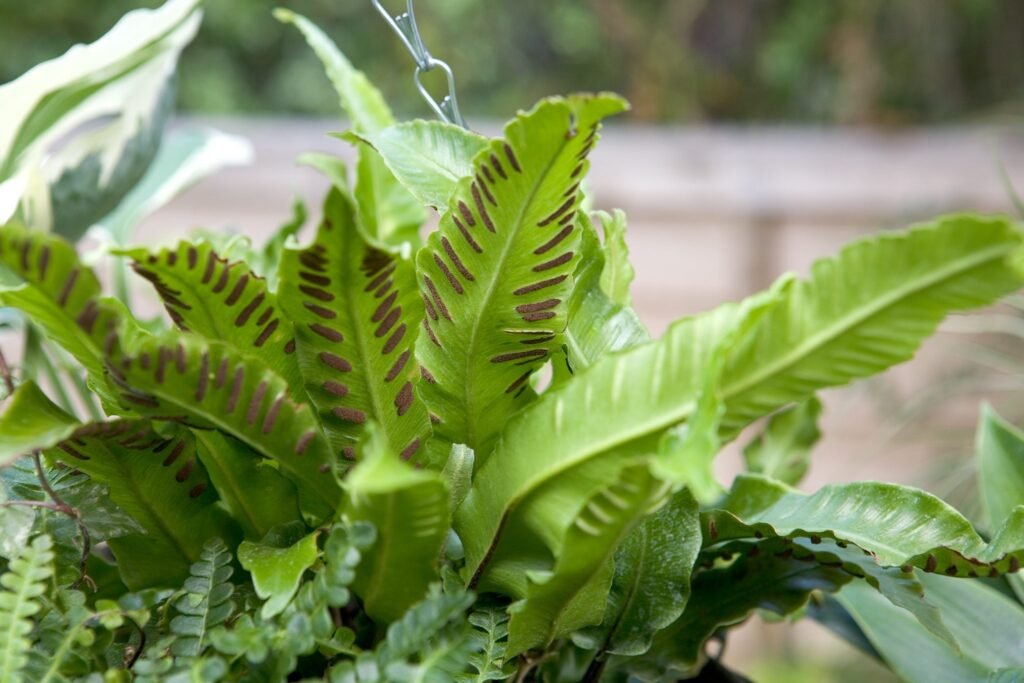
- Collect mature spores from the underside of fronds
- Sow spores on sterile, moist compost
- Cover lightly and maintain humidity
- Germination may take several weeks
- Transplant young plants once established
Spore propagation ensures genetic diversity but is slow.
2. Division (Limited Use)
Division is possible only for mature plants with multiple crowns.
- Best done in early spring
- Carefully separate root sections
- Replant immediately in prepared soil
Note: Hart’s Tongue Fern does not divide as easily as other ferns.
Popular Varieties of Hart’s Tongue Fern
Many cultivated varieties add texture and interest to gardens.
Common Cultivars
- ‘Cristatum’ – Crested and wavy frond tips
- ‘Undulatum’ – Elegantly rippled leaf margins
- ‘Angustatum’ – Narrow, elongated fronds
- ‘Marginatum’ – Slightly curled edges
- ‘Crispum’ – Compact with heavily crinkled foliage
Each variety retains the classic tongue shape while offering unique leaf forms.
Uses of Hart’s Tongue Fern
Ornamental Garden Use
- Shade gardens
- Woodland landscapes
- Rock gardens
- Borders and pathways
- Container gardening in shaded patios
Its evergreen foliage provides year-round structure.
Ecological Benefits
- Stabilizes soil in shaded areas
- Provides shelter for insects
- Enhances biodiversity in woodland gardens
Medicinal and Traditional Uses
Historically, Hart’s Tongue Fern was used in folk medicine for:
- Digestive support
- Respiratory remedies
- Wound poultices
These uses are historical and not recommended without professional guidance.
Is Hart’s Tongue Fern Edible?
Food and Culinary Considerations
Hart’s Tongue Fern has limited edible use and should be approached with caution.
- Young fronds were historically consumed in small quantities
- Cooking was essential to reduce bitterness
- Not commonly used in modern cuisine
- Overconsumption is not recommended
Unlike popular edible ferns, this species is mainly grown for ornamental and ecological value.
Harvesting Hart’s Tongue Fern
When to Harvest
- Harvest sparingly in spring
- Choose young, tender fronds if needed
- Avoid harvesting mature evergreen leaves
How to Harvest Responsibly
- Never remove more than 10–15% of the plant
- Use clean, sharp tools
- Avoid disturbing roots
- Allow plants to regenerate naturally
Sustainable harvesting ensures long-term plant health.
Common Problems and Solutions
Yellowing Fronds
- Caused by excessive sun or poor drainage
- Move to shadier location and improve soil
Brown Tips
- Low humidity or drought stress
- Increase watering and mulch
Slugs and Snails
- Remove manually
- Encourage natural predators
- Use organic deterrents if needed
Companion Plants for Hart’s Tongue Fern
Ideal companions include:
- Hostas
- Heuchera
- Woodland grasses
- Mosses
- Other shade-loving ferns
These plants share similar growing conditions and enhance visual appeal.
Why Grow Hart’s Tongue Fern?
Hart’s Tongue Fern is a low-maintenance, evergreen, shade-loving plant that adds texture, elegance, and ecological value to gardens. Its unique leaf shape, adaptability, and historical significance make it a favorite among fern enthusiasts and natural gardeners.
Whether grown for ornamental beauty, woodland landscaping, or botanical interest, Asplenium scolopendrium remains a timeless and rewarding plant.


&media=https://food-foresting.com/wp-content/uploads/2026/01/aspleniumscolopendriumscolopendrium-scaled.jpg)