
 paulius.mikoliunas1
| Common Name | Ivy, English ivy, Algerian ivy, Baltic Ivy, Common Ivy |
| Family | Araliaceae |
| USDA hardiness | 5-11 |
| Known Hazards |  The plant is said to be poisonous in large doses although the leaves are eaten with impunity by various mammals without any noticeable harmful affects. The leaves and fruits contain the saponic glycoside hederagenin which, if ingested, can cause breathing difficulties and coma. The sap can cause dermatitis with blistering and inflammation. This is apparently due to the presence of polyacetylene compounds. The plant is said to be poisonous in large doses although the leaves are eaten with impunity by various mammals without any noticeable harmful affects. The leaves and fruits contain the saponic glycoside hederagenin which, if ingested, can cause breathing difficulties and coma. The sap can cause dermatitis with blistering and inflammation. This is apparently due to the presence of polyacetylene compounds. |
| Habitats | Woodlands, hedges and shady places, climbing up trees, walls etc and clambering over the ground. Found on all types of soils. |
| Range | Europe, including Britain, south and east to the Mediterranean and Iran. |
| Edibility Rating |  (0 of 5) (0 of 5) |
| Other Uses |   (4 of 5) (4 of 5) |
| Weed Potential | Yes |
| Medicinal Rating |   (3 of 5) (3 of 5) |
| Care (info) |       |




How to Grow, Propagate, Harvest, and Use Ivy (Hedera helix): A Complete Guide
Ivy, scientifically known as Hedera helix, is one of the most versatile and recognizable evergreen plants in the world. Valued for its lush foliage, low maintenance needs, and adaptability, ivy has been used for centuries in gardens, landscaping, indoor décor, and even traditional practices. Whether you want to grow ivy as a ground cover, climb walls, propagate new plants, or understand its safe uses, this comprehensive guide will walk you through everything you need to know.
What Is Ivy (Hedera helix)?
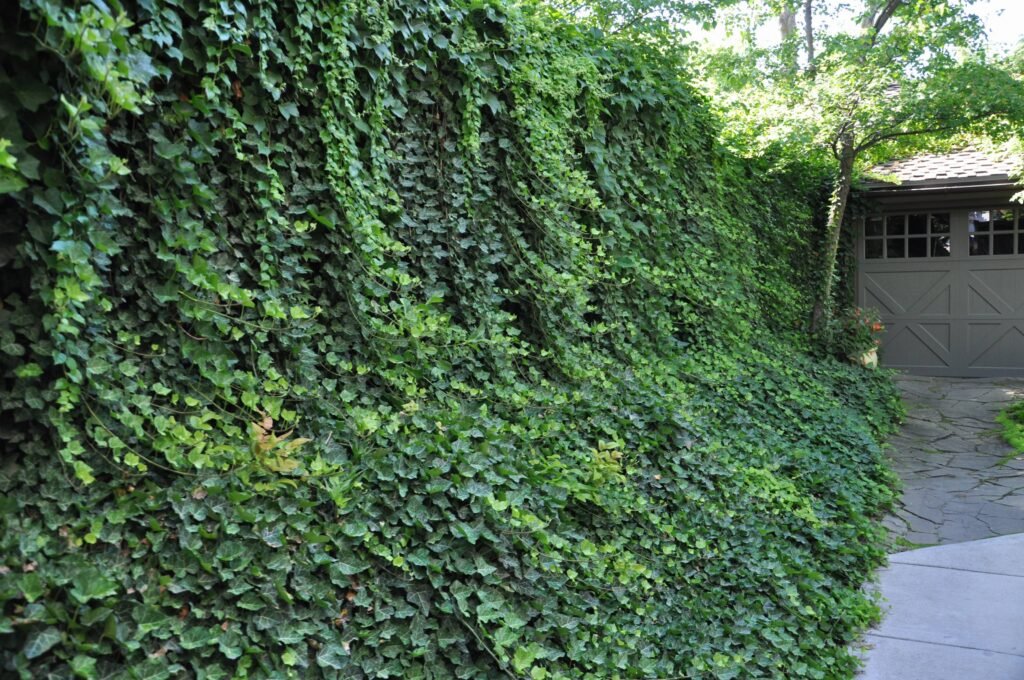
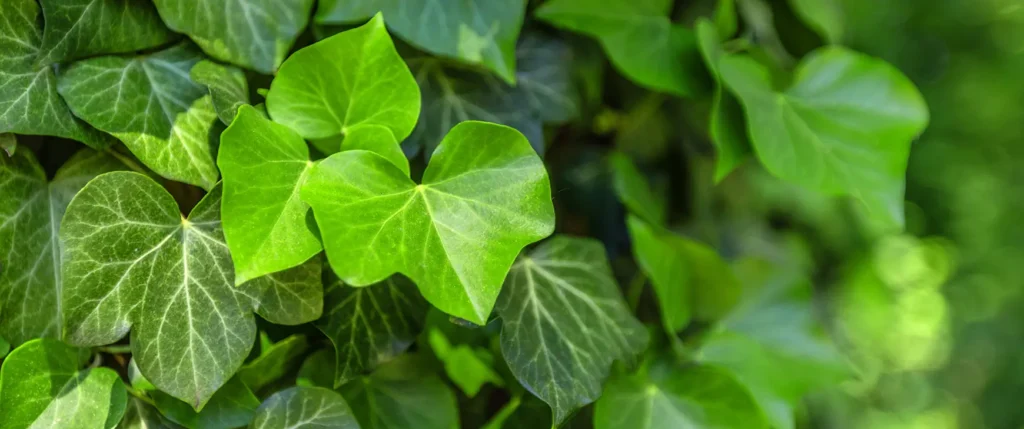
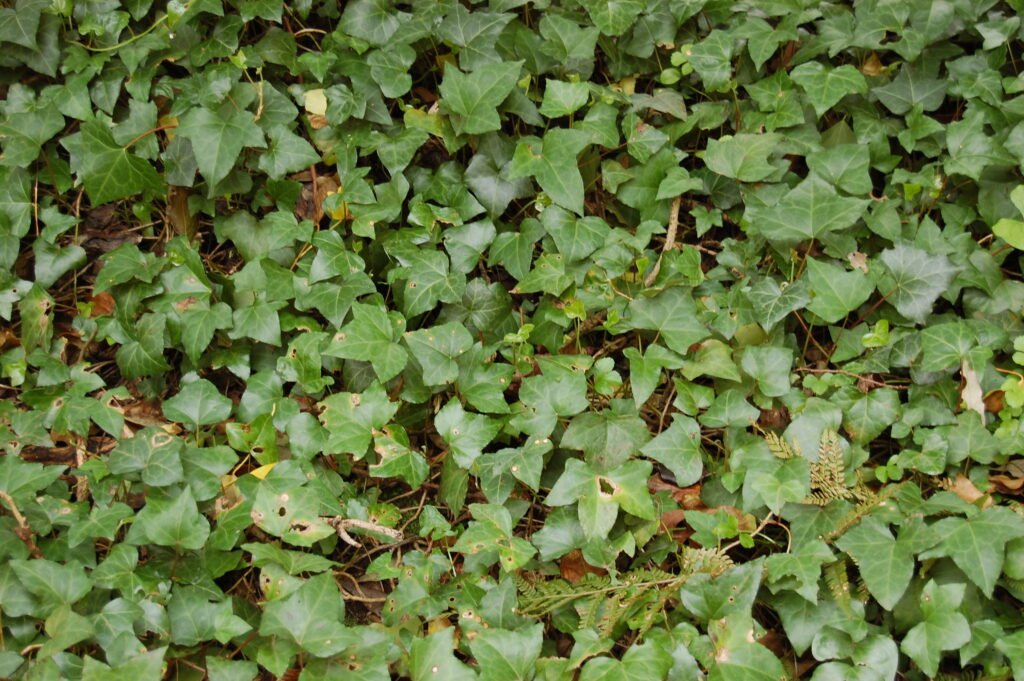
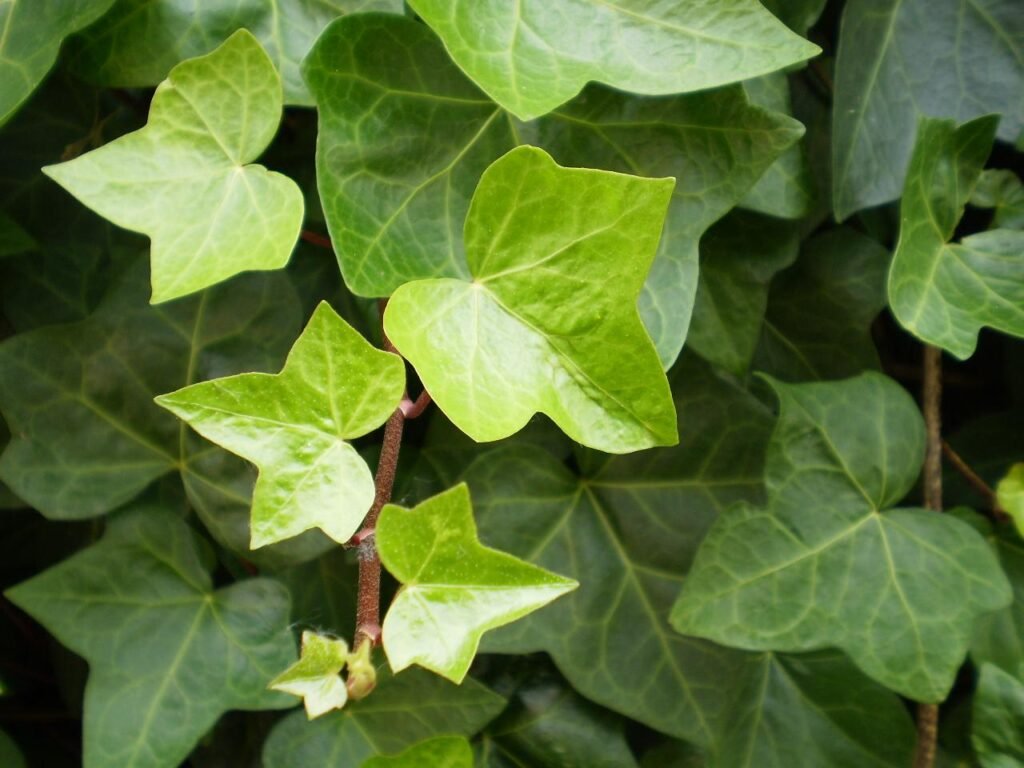
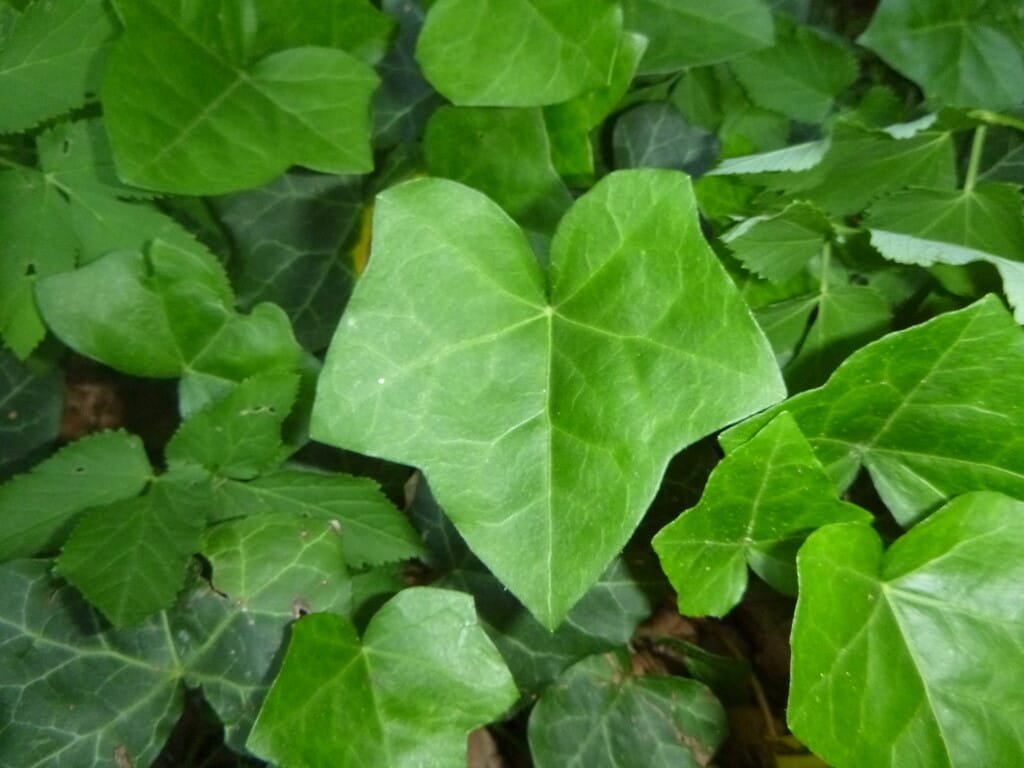
Hedera helix, commonly known as English Ivy, is a fast-growing evergreen climbing or trailing plant native to Europe and Western Asia. It thrives in a wide range of environments and is known for its glossy, lobed leaves and ability to cling to surfaces using aerial rootlets.
Ivy can grow:
- Along walls and fences
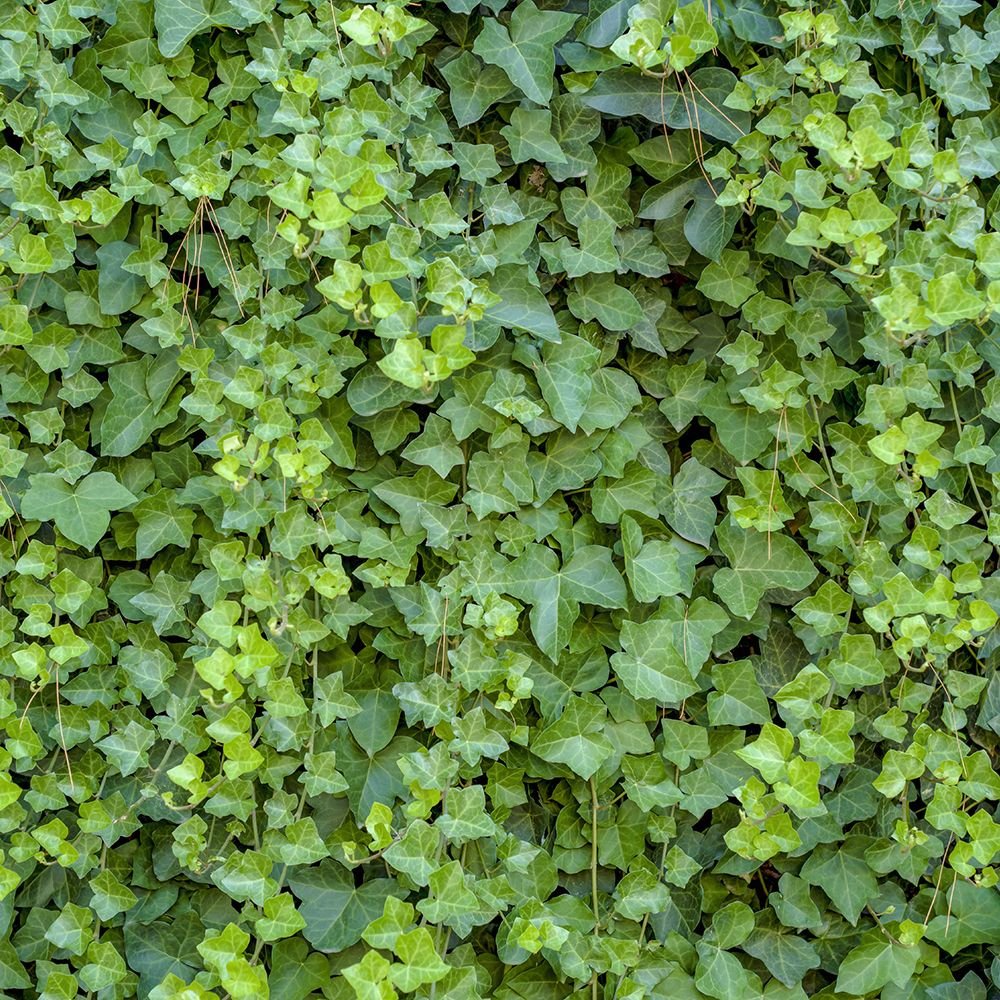
- As ground cover
- In hanging baskets
- Indoors as a houseplant
How to Grow Ivy Successfully
Climate and Light Requirements
Ivy is highly adaptable and grows well in:
- Temperate to mild climates
- Partial shade to full shade
- Bright indirect light indoors
While ivy tolerates full sun in cooler regions, excessive heat and direct sunlight can scorch the leaves.
Soil Conditions
For optimal growth:
- Use well-draining soil
- Slightly acidic to neutral pH works best
- Enrich soil with organic matter for stronger growth
Ivy tolerates poor soils but performs better in nutrient-rich environments.
Watering Needs
- Water regularly during the first growing season
- Once established, ivy becomes drought tolerant
- Avoid waterlogging, which can cause root rot
Indoor ivy prefers evenly moist soil but not soggy conditions.
Temperature and Humidity
- Ideal temperature range: cool to moderate
- Prefers moderate humidity
- Indoor ivy benefits from occasional misting
How to Propagate Ivy
Ivy propagation is simple and beginner-friendly, making it an excellent plant for home gardeners.
Propagation by Stem Cuttings
- Select a healthy vine with several leaves
- Cut a 4–6 inch section just below a leaf node
- Remove lower leaves
- Place the cutting in water or moist soil
- Roots develop within 2–4 weeks
Once rooted, transplant into a pot or garden bed.
Layering Method
- Pin a vine to the soil while still attached to the parent plant
- Roots form naturally at contact points
- Cut and replant once established
Popular Ivy Varieties
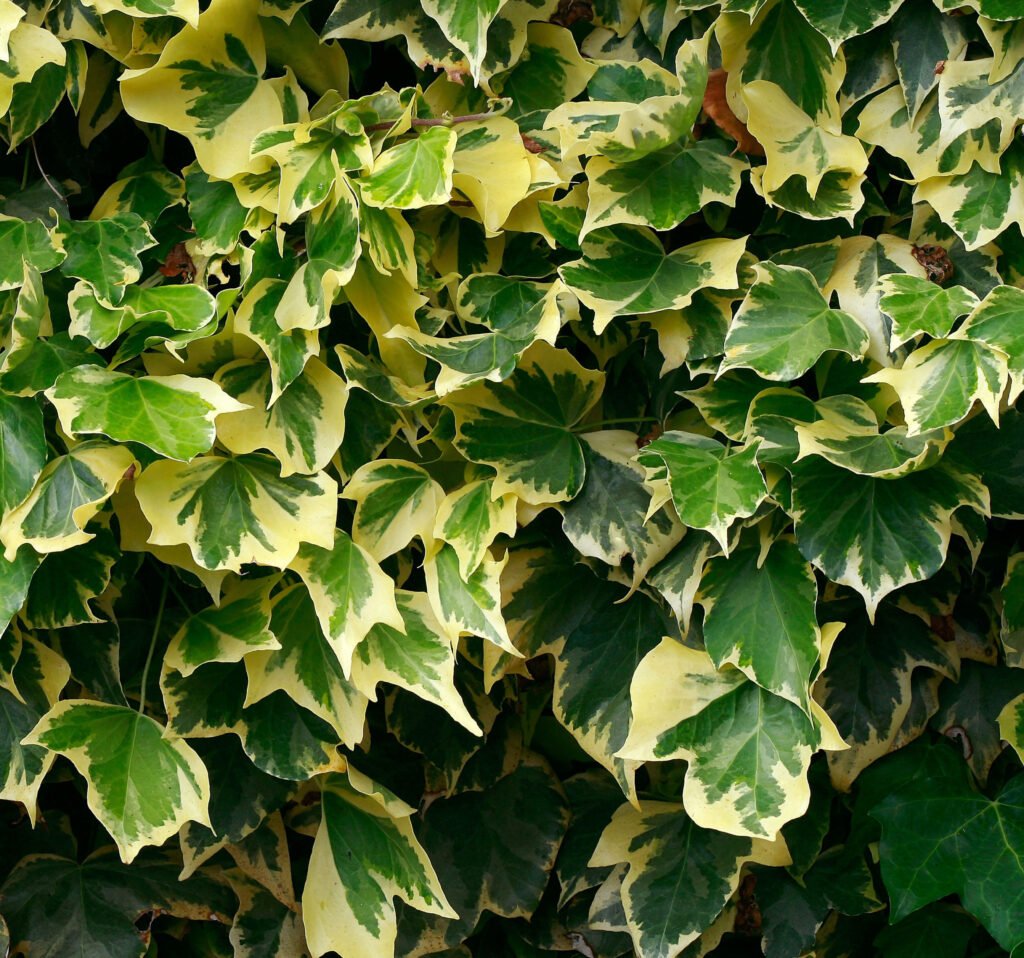
There are hundreds of ivy cultivars, each with unique leaf shapes and colors.
Common Ivy Varieties
- English Ivy (Hedera helix) – Classic dark green leaves
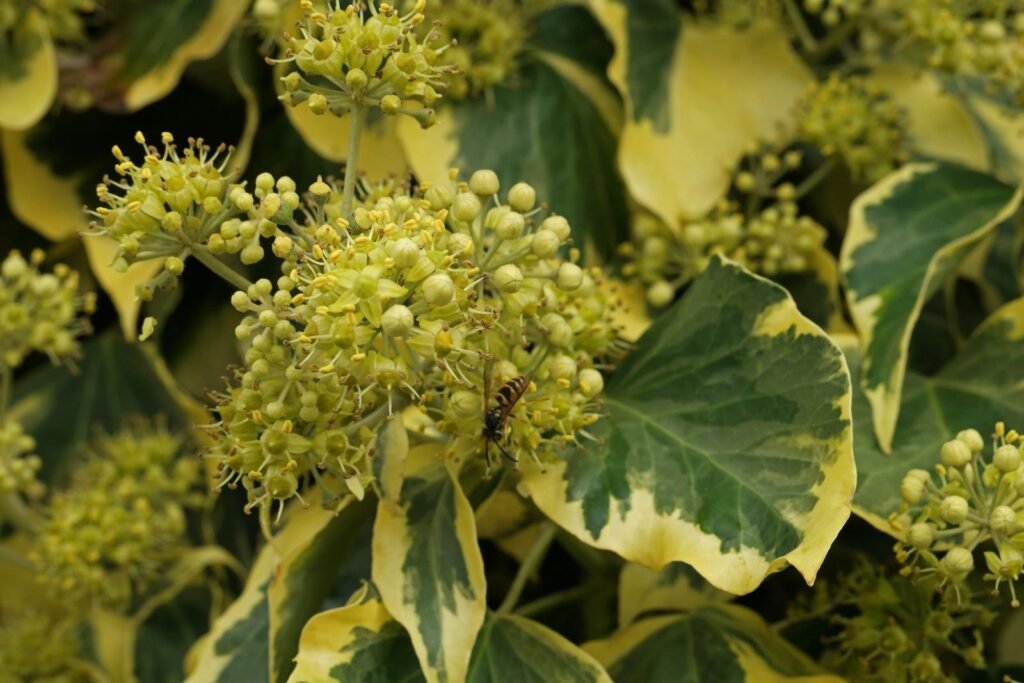
- Goldchild Ivy – Green leaves with golden margins
- Glacier Ivy – Silver-green foliage with white edges
- Needlepoint Ivy – Narrow, pointed leaves
- Baltic Ivy – Extremely cold-hardy variety
Each variety offers different visual appeal and growth habits, making ivy suitable for diverse landscaping styles.
Uses of Ivy Plants
Ornamental and Landscaping Uses
- Wall and fence coverage
- Ground cover for erosion control
- Hanging baskets and indoor décor
- Shade garden filler
Ivy adds year-round greenery and creates a lush, classic aesthetic.
Indoor Air Benefits
Ivy is commonly used indoors for:
- Decorative greenery
- Improving visual comfort
- Creating calming indoor spaces
Traditional and Cultural Uses
Historically, ivy has been associated with:
- Symbolism of fidelity and longevity
- Seasonal decorations
- Ancient herbal traditions (used cautiously)
Ivy as Food: What You Should Know
Is Ivy Edible?
Hedera helix is NOT considered edible for humans.
- Leaves and berries contain compounds that can be toxic if ingested
- Consumption may cause digestive discomfort or more serious reactions
Wildlife and Ivy
- Birds consume ivy berries safely
- Ivy provides shelter and nesting habitat
- Important winter food source for wildlife
Important: Ivy should never be used in cooking or food preparation for humans.
How to Harvest Ivy Safely
When to Harvest Ivy
- Best harvested during spring or early summer
- Choose healthy, mature vines
- Avoid stressed or diseased plants
How to Harvest
- Use clean, sharp pruning tools
- Cut vines selectively to avoid overgrowth
- Wear gloves to prevent skin irritation
What to Harvest For
- Decorative arrangements
- Propagation material
- Garden control and pruning
Maintenance and Pruning Tips
- Prune regularly to control aggressive growth
- Remove invasive runners near structures
- Trim indoor ivy to maintain shape
- Check for pests like spider mites indoors
Proper maintenance keeps ivy attractive and manageable.
Common Problems and Solutions
Yellowing Leaves
- Overwatering or poor drainage
- Nutrient deficiency
Pest Issues
- Spider mites
- Aphids
- Scale insects
Poor Growth
- Insufficient light
- Compacted soil
- Rootbound containers
Early intervention ensures healthy, vibrant plants.
Is Ivy Invasive?
In some regions, ivy can spread aggressively and outcompete native plants. Always:
- Monitor growth
- Avoid planting near natural forests
- Choose controlled planting areas
Responsible cultivation is key to enjoying ivy without ecological harm.
Final Thoughts
Ivy (Hedera helix) is a timeless, adaptable plant that offers beauty, coverage, and versatility for gardeners of all skill levels. While it is not suitable for human consumption, its ornamental value, ease of propagation, and year-round greenery make it a valuable addition to indoor and outdoor spaces.
With proper care, controlled growth, and responsible harvesting, ivy can enhance gardens, homes, and landscapes for years to come.


&media=https://food-foresting.com/wp-content/uploads/2026/01/1eb86701-c64a-4fe0-9dce-d162d469d4c6-a3b582d.jpg)