
 paulius.mikoliunas1
| Common Name | Olive, African olive, European olive |
| Family | Oleaceae |
| USDA hardiness | 8-10 |
| Known Hazards | None known |
| Habitats | Woods and scrub in dry rocky places. |
| Range | S. Europe – Mediterranean. |
| Edibility Rating |   (4 of 5) (4 of 5) |
| Other Uses |   (4 of 5) (4 of 5) |
| Weed Potential | Yes |
| Medicinal Rating |   (3 of 5) (3 of 5) |
| Care (info) |     |






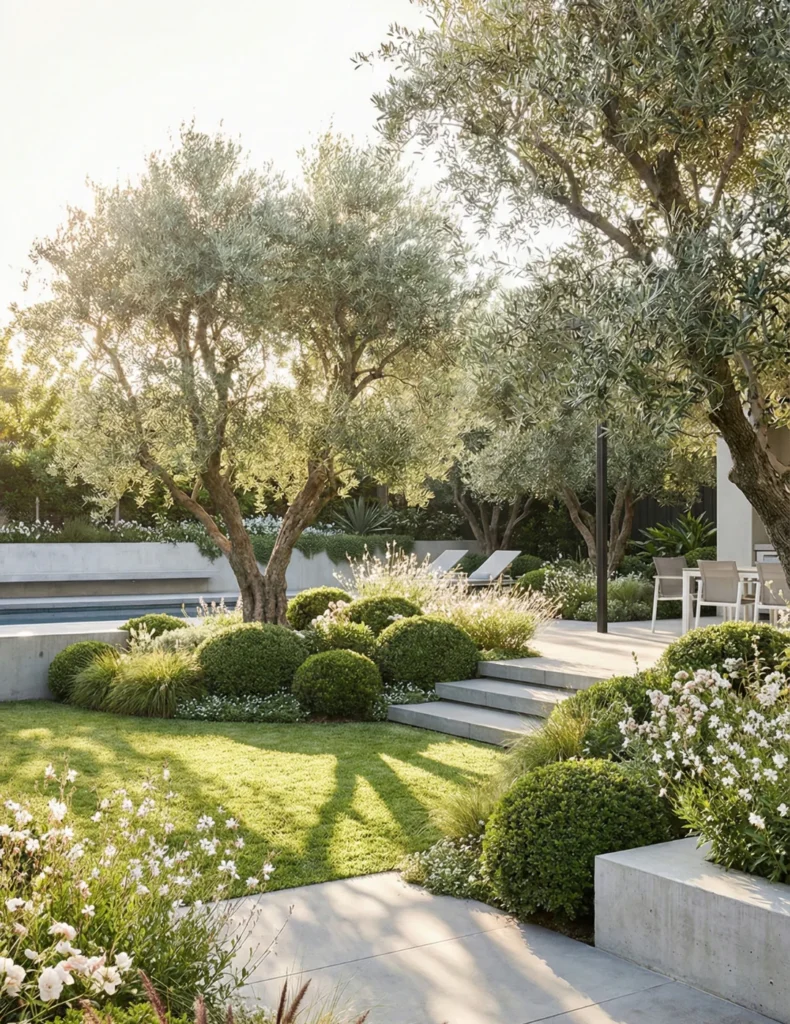


Growing & Harvesting European Olive (Olea europaea): Guide to Cultivation, Varieties, Uses & Food Applications
The European olive (Olea europaea) is one of humanity’s oldest cultivated fruits, celebrated across the Mediterranean for its resilience, versatility, and incomparable flavor profile. Beyond olive oil—its most famous product—the olive tree remains central to culinary traditions, landscaping, and sustainable agriculture.
If you’re considering growing olives at home, expanding an orchard, or simply curious about this iconic fruit, this comprehensive guide explains how to grow, propagate, choose the best cultivars, use olives in food, and time the perfect harvest.
1. Understanding the European Olive Tree
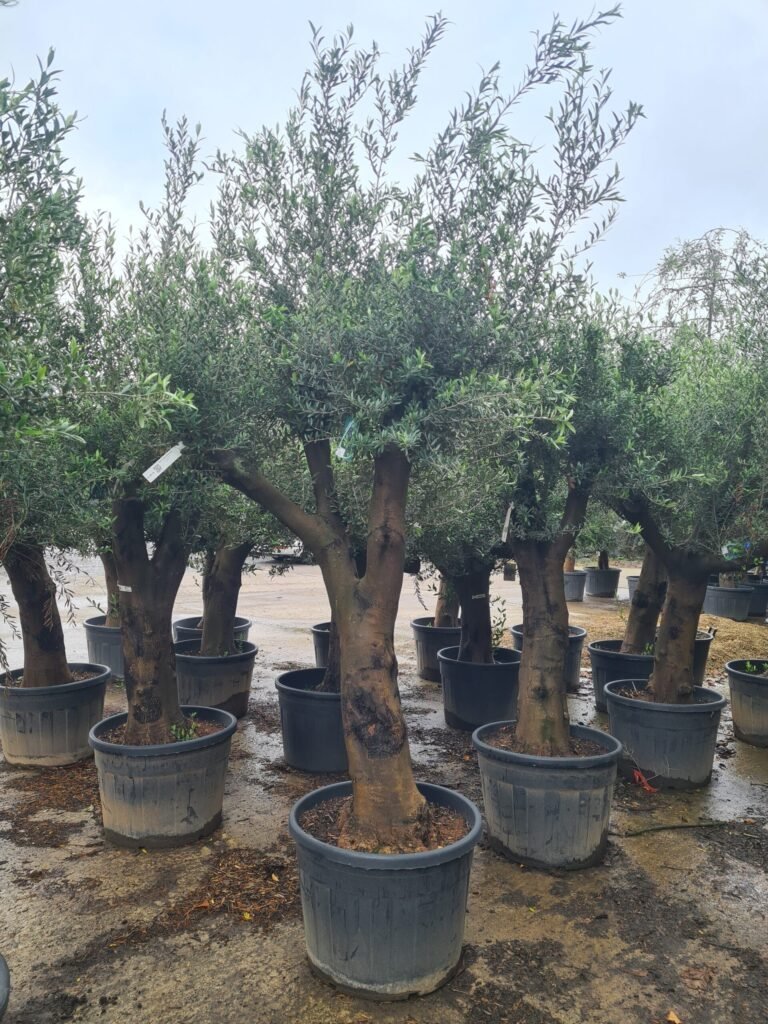
The olive tree is an evergreen perennial native to the Mediterranean basin. Key characteristics include:
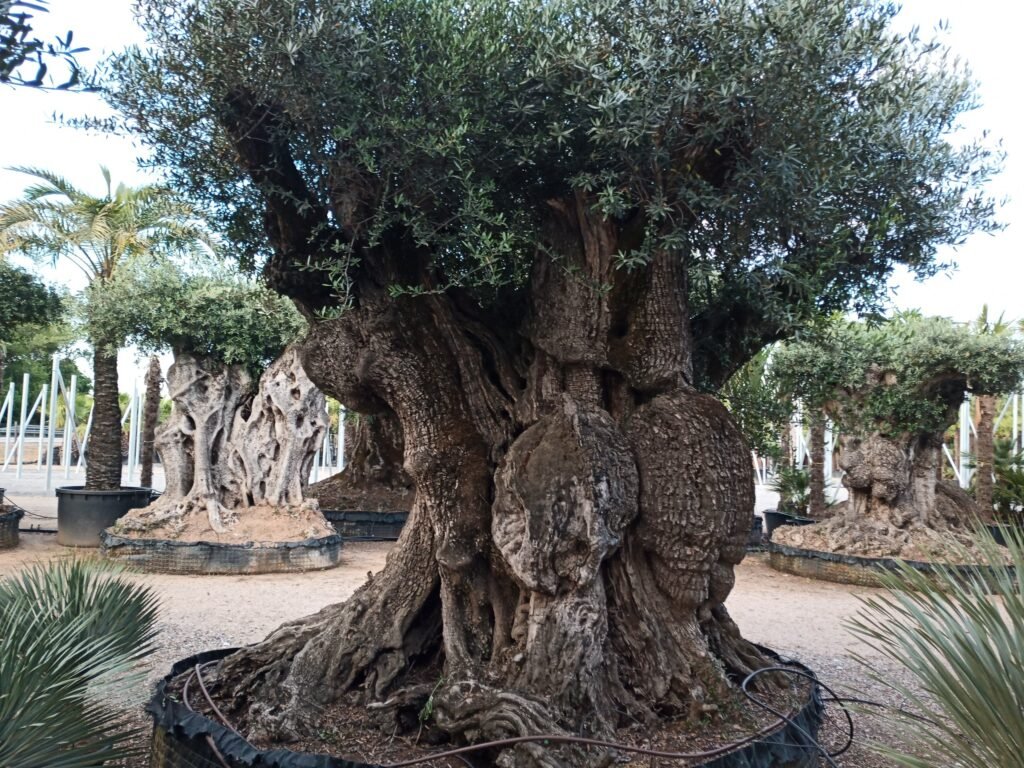
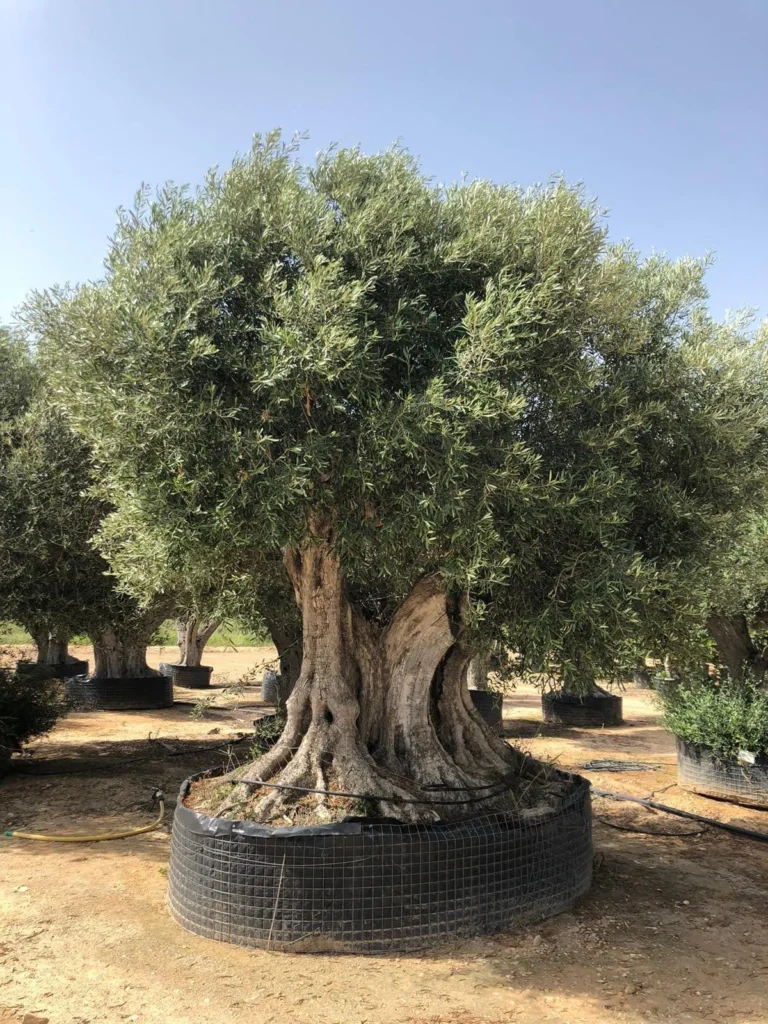
- Longevity: Many trees live several centuries; some exceed 2,000 years.
- Drought Resistance: Adapted to poor soils and dry climates.
- Productivity: High fruit yield relative to maintenance.
- Aesthetic Value: Silvery foliage and sculptural form enhance landscapes.
Optimal growing regions are zones with mild winters and long, hot summers, though hardy cultivars expand the range further north.
2. Climate & Soil Requirements
Although adaptable, olives thrive under specific conditions:
Ideal Climate
- Temperature: 10–40°C (50–104°F)
- Chilling hours: 200–600 winter hours improve flowering
- Frost sensitivity: Flowers and young fruits can be damaged below –2°C (28°F)
- Drought vs. water: Prefer dry summers but benefit from supplemental irrigation during fruit set
Soil Preferences
- Type: Well-draining sandy loam or limestone soils
- pH: Slightly alkaline (pH 7–8.5)
- Drainage: Essential for preventing root rot and fungal issues
3. Planting & Establishment
Planting Time
- Best planted in spring to allow establishment before heat stress.
Spacing
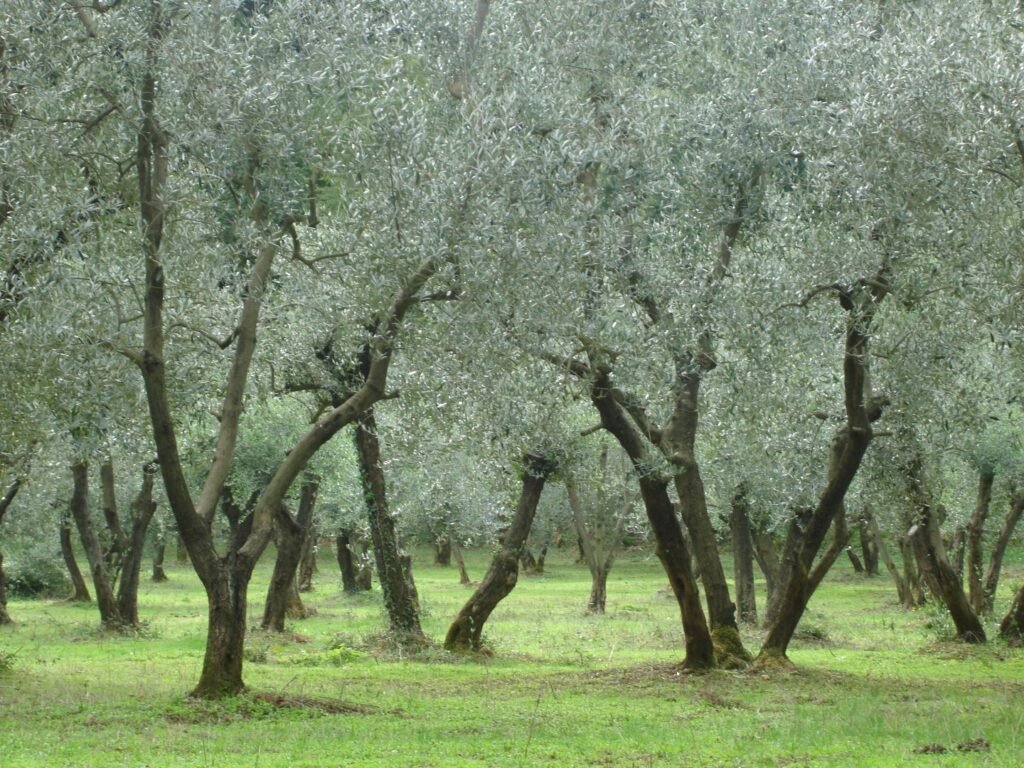
- Orchards: 15–25 ft (5–8 m)
- High-density systems: 6–12 ft (2–4 m) with regular pruning
Initial Care
- Irrigate deeply during first 1–2 years.
- Mulch to reduce soil evaporation but avoid trunk contact.
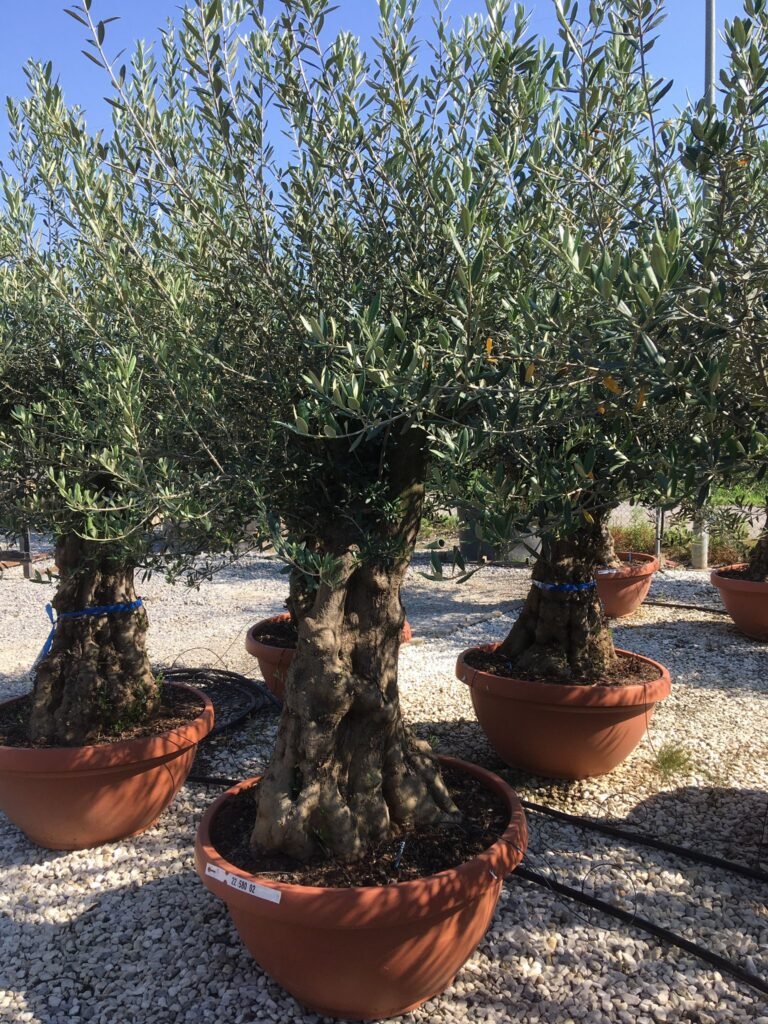
- Train young trees to develop a strong central leader or open vase structure.
4. Propagation Methods
Olives can be propagated via:
1) Cuttings
The most common nursery method.
- Semi-hardwood cuttings root best.
- Bottom heat and misting increase success.
2) Air Layering
Useful for heirloom landraces or preserving old genetics.
3) Seed
Possible but not recommended for production due to variability and long juvenility.
4) Grafting
- Improves cold tolerance and disease resistance.
- Used to convert orchards to new cultivars.
5. Varieties & Cultivars
Choosing the right cultivar depends on climate and intended use (oil, table fruit, or dual purpose). Well-known groups include:
Oil-Focused Varieties
- Arbequina: High oil content, mild and buttery; tolerant and compact.
- Picual: High polyphenols, robust and peppery; excellent storage stability.
- Koroneiki: Exceptional oil yield; thrives in hot, dry regions.
Table Olive Varieties
- Manzanilla: Classic Spanish table olive; plump, firm, and versatile.
- Kalamata: Almond-shaped, deep purple, best for brining and salads.
- Castelvetrano: Sweet, mild Sicilian variety prized for bright green flesh.
Dual-Purpose Varieties
- Picholine
- Mission
- Leccino
These cultivars deliver respectable oil and excellent table fruit, making them ideal for home growers.
6. Flowering, Pollination & Fruiting
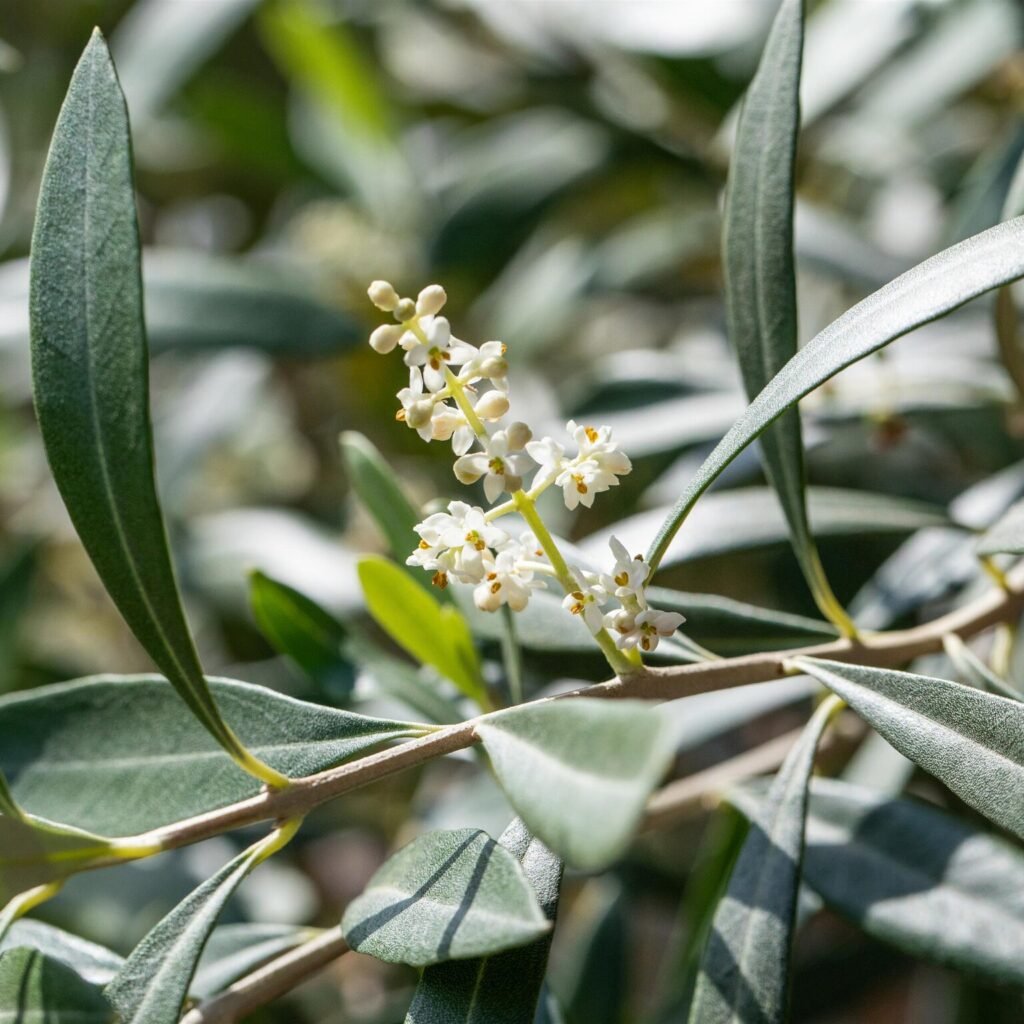
Olives are self-fertile, but cross-pollination increases yield and consistency. Wind pollination dominates; bees contribute secondarily.
Fructification follows:
- Flowering (spring)
- Fruit set
- Pit hardening (summer)
- Ripening (late summer to winter depending on cultivar)
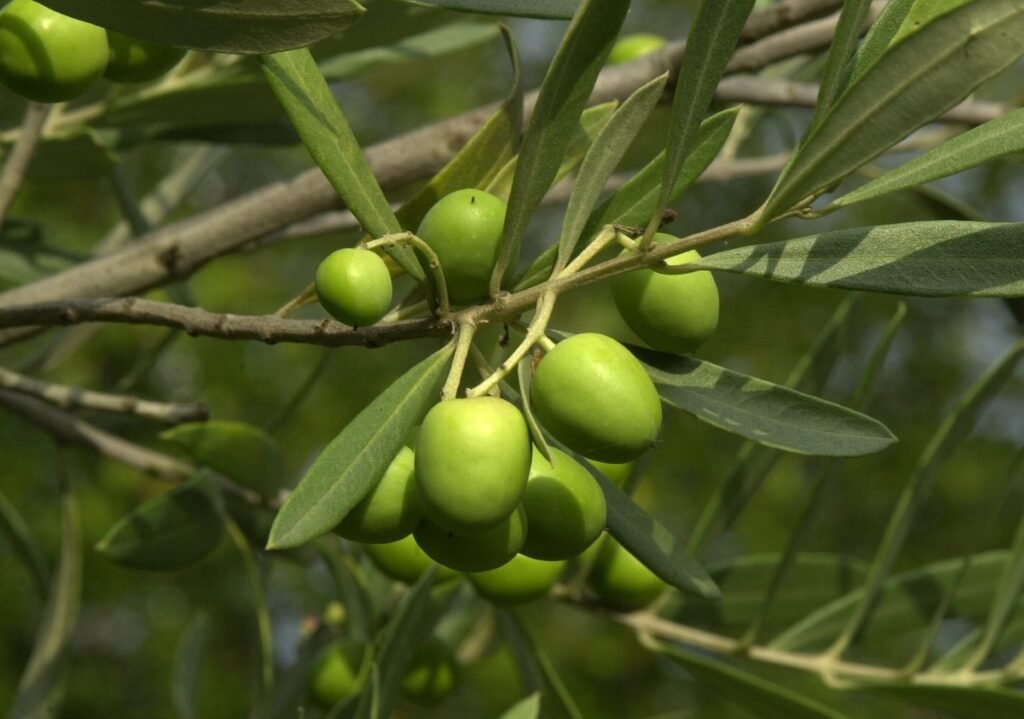
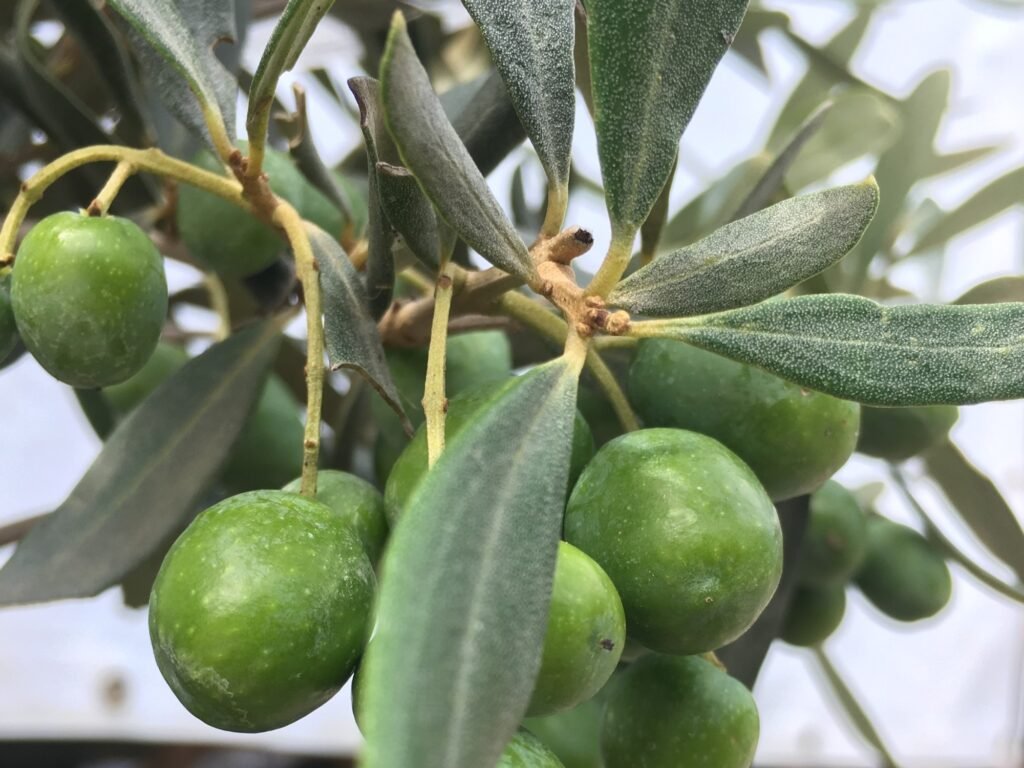
Color change from green → pinkish → purple → black indicates maturation, with oil accumulation peaking before full black stage.
7. Pruning & Orchard Management
Pruning Goals
- Increase sunlight penetration
- Balance vegetative vs. fruiting wood
- Control alternate bearing tendencies
Recommended techniques:
- Annual thinning
- Removing suckers
- Training open vase or modified central leader shape
Irrigation Strategy
During fruiting:
- Moderate irrigation boosts size and reduces bitterness.
During oil accumulation: - Slight stress increases oil concentration and polyphenols.
8. Pests & Diseases (Organic-Friendly Notes)
Common issues include:
- Olive fruit fly
- Peacock spot
- Scale insects
- Verticillium wilt
Beneficial predators, sanitation pruning, and pheromone traps support sustainable control without synthetic inputs.
9. Harvesting European Olives
Harvest timing dictates end-use:
- Green (Unripe): Firm texture, salty/briny flavor for table olives
- Turning Color: Optimal for balanced olive oil
- Black (Ripe): Softer texture, fruity and mild oil
Hand harvesting preserves quality; mechanical shakers improve efficiency in commercial groves.
Oil production generally follows immediate post-harvest processing to reduce oxidation and acidity.
10. Culinary & Food Uses
Few fruits offer such diversity. European olives contribute to:
Table Olives
Prepared via:
- Brining
- Water curing
- Dry curing
- Lye curing
- Fermentation-based methods
Olive Oil
Used for:
- Dressing and marinades
- Sautéing and frying
- Baking
- Preserving fish, vegetables, and herbs
Olive oil categories include extra virgin, virgin, and refined grades, based on extraction and chemical/organoleptic standards.
Other Food Applications
- Tapenade
- Stuffed olives
- Pizza, pasta, mezze plats
- Salads and grain bowls
- Charcuterie boards
- Pickled antipasti assortments
Pairings with seafood, lamb, garlic, tomatoes, and citrus are iconic in Mediterranean gastronomy.
11. Non-Food Uses
Olive byproducts serve:
- Cosmetics (soaps, lotions, hair care)
- Woodcraft (dense, beautifully patterned heartwood)
- Agriculture (pomace and pits for fuel or compost)
12. Health & Nutrition
European olives are rich in:
- Monounsaturated fats
- Polyphenols
- Vitamin E
- Antioxidants
Studies associate olive oil diets with cardiovascular longevity, anti-inflammatory benefits, and metabolic health.
Final Thoughts
Whether planted as a historical heirloom, a backyard table fruit source, or the foundation of an oil-growing venture, the European olive is unmatched in resilience and cultural significance. Its adaptability, culinary breadth, and longevity continue to make Olea europaea a cornerstone of Mediterranean and global agriculture.


&media=https://food-foresting.com/wp-content/uploads/2026/01/olea_europaea_2.jpg)