
 paulius.mikoliunas1
| Common Name | Guelder Rose, Cramp Bark, European cranberrybush, American cranberrybush, Crampbark, European Highb |
| Family | Adoxaceae |
| USDA hardiness | 3-8 |
| Known Hazards |  Large quantities of the fruit can cause vomiting and diarrhoea. The fruit is of very low or zero toxicity, it only causes mild upsets when eaten unripe or in large quantities. Large quantities of the fruit can cause vomiting and diarrhoea. The fruit is of very low or zero toxicity, it only causes mild upsets when eaten unripe or in large quantities. |
| Habitats | Hedges, scrub and woodland, usually on damp soils. |
| Range | Europe, including Britain, from Scandanavia south and east to Spain, north and west Asia. |
| Edibility Rating |   (3 of 5) (3 of 5) |
| Other Uses |   (3 of 5) (3 of 5) |
| Weed Potential | Yes |
| Medicinal Rating |   (3 of 5) (3 of 5) |
| Care (info) |      |





Guelder Rose (Viburnum opulus): Growing, Propagating, Varieties, Uses, Food Options & Harvesting Guide
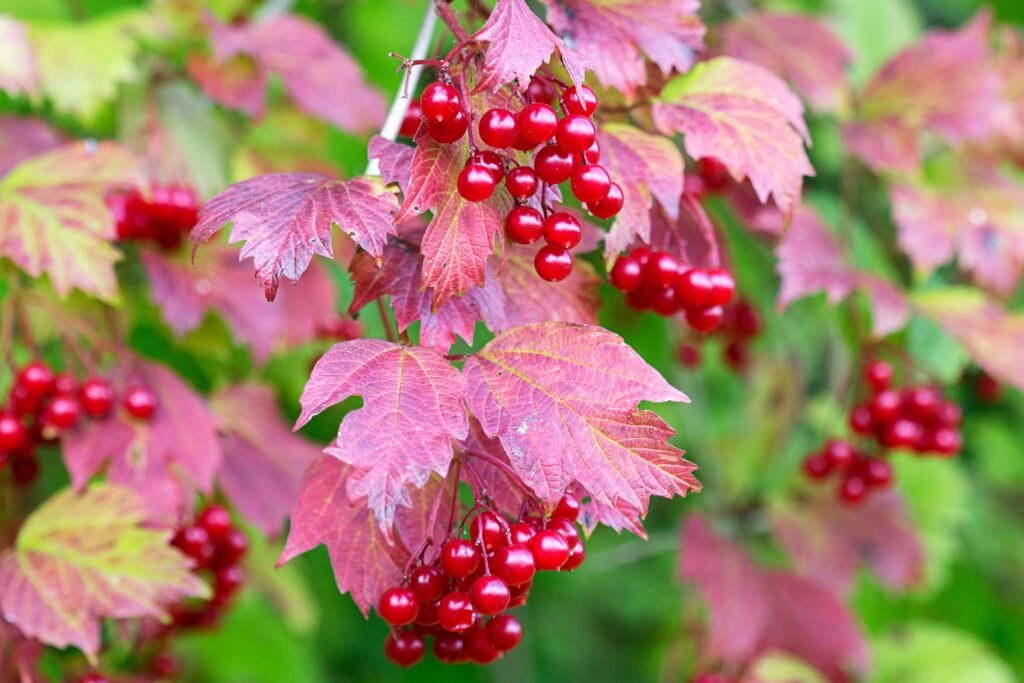
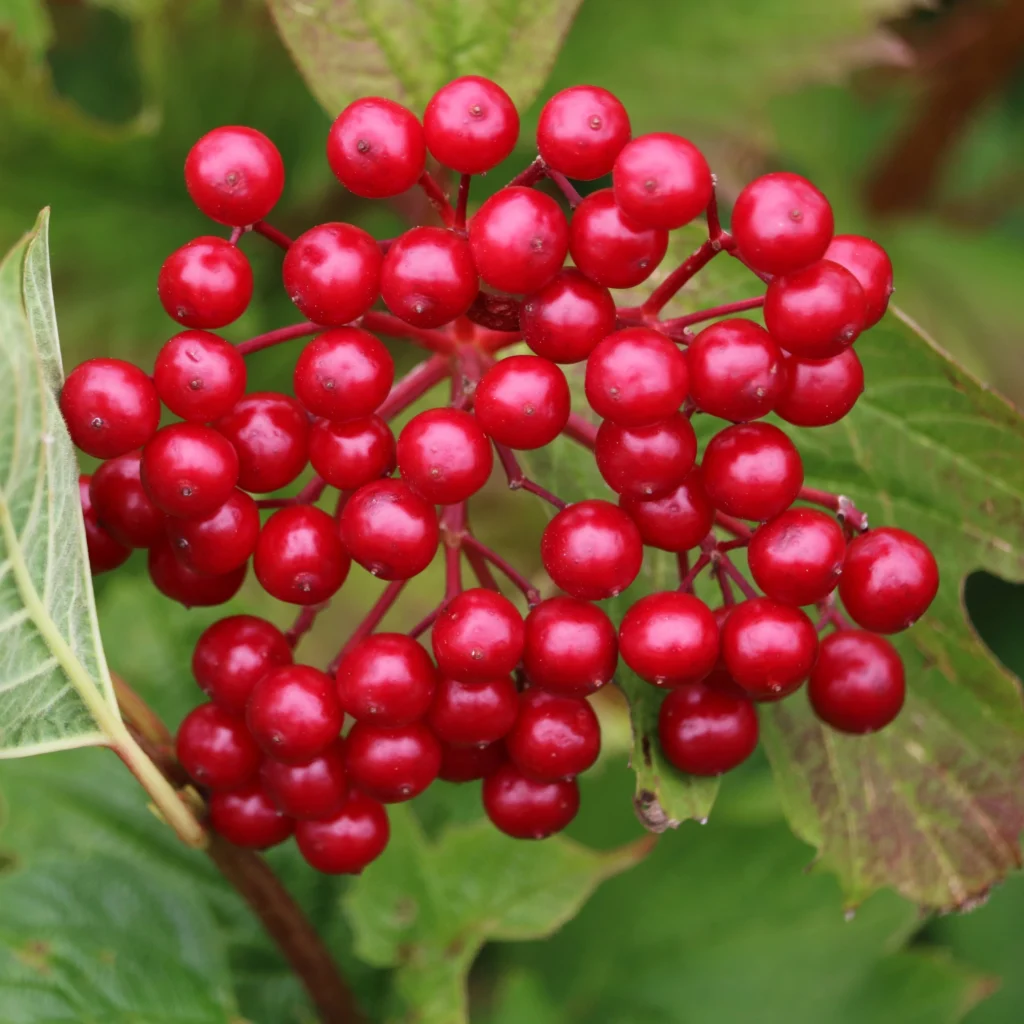
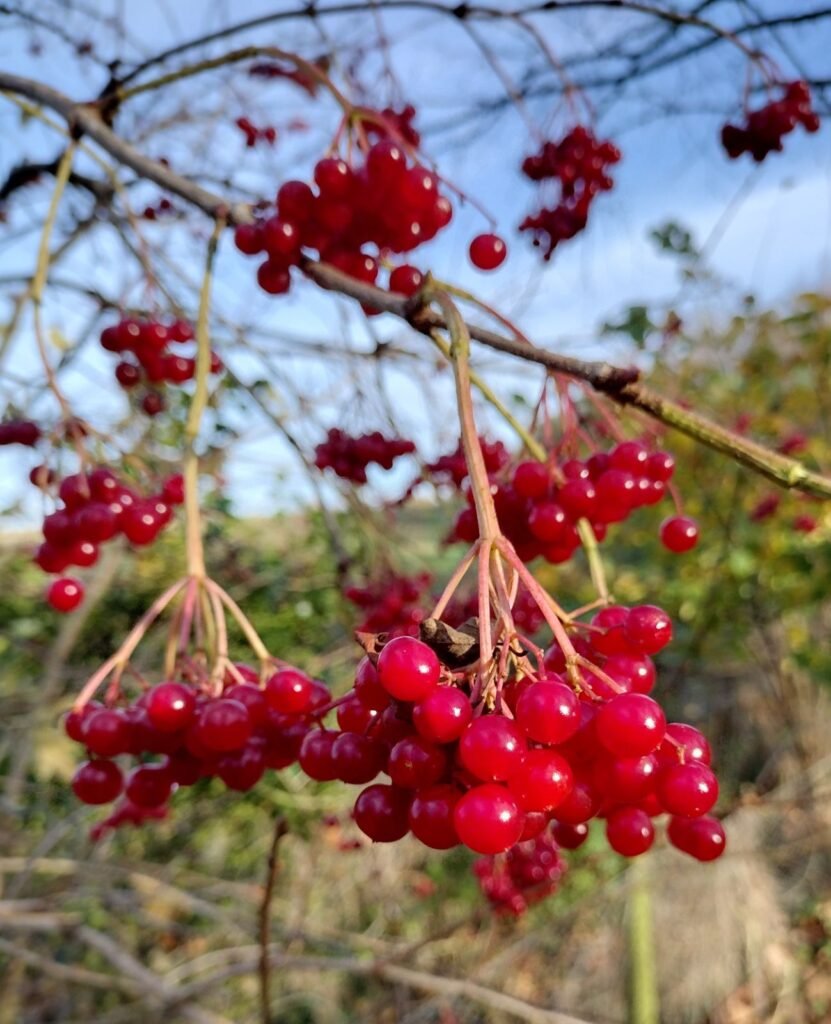
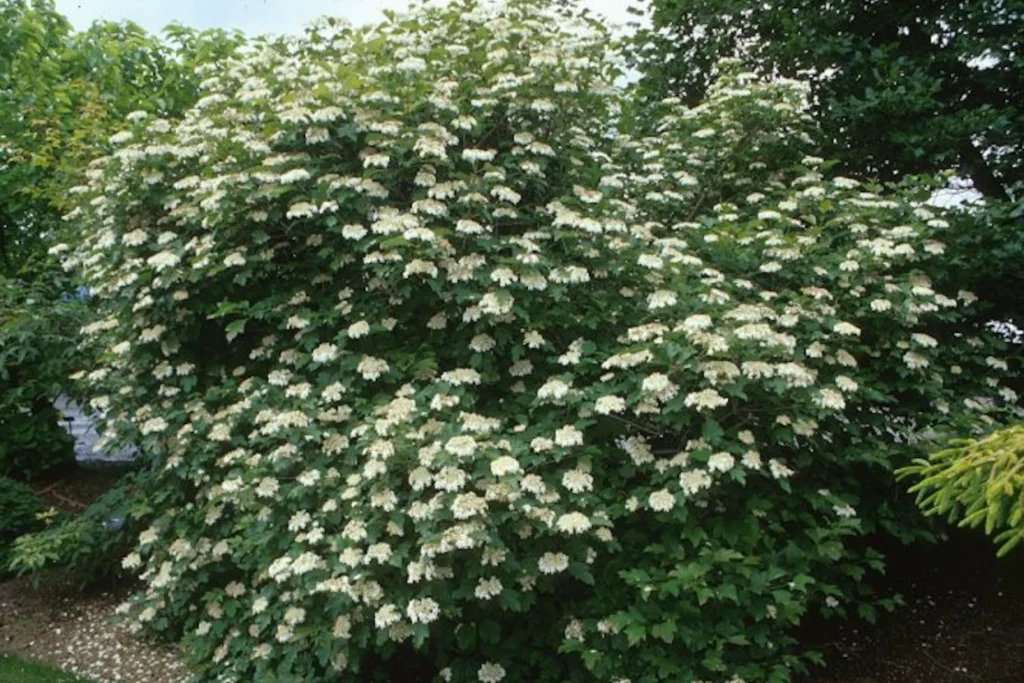
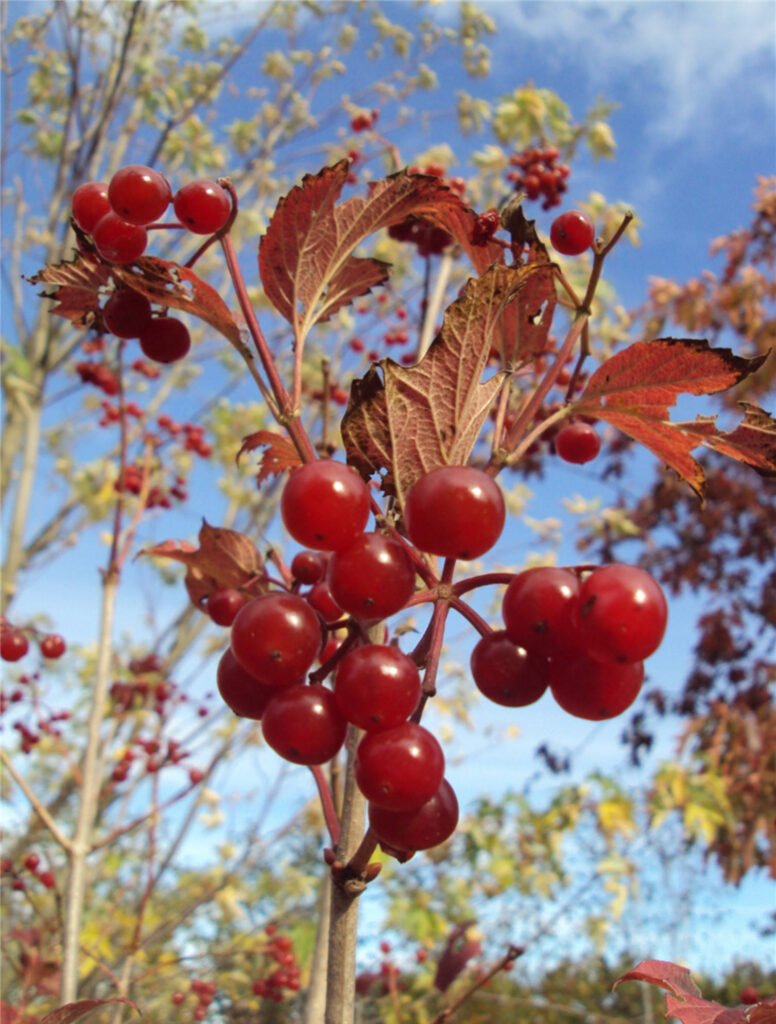
The Guelder Rose (Viburnum opulus) is an ornamental shrub celebrated for its elegant white blossoms, bright red berries, and deeply lobed foliage that ignites into vibrant autumn shades. Beyond its visual charm, it is also a plant rooted in culinary tradition and folk herbalism, with berries used in jams, sauces, and beverages across Europe and parts of Asia.
In this comprehensive guide, you’ll learn how to grow, propagate, and harvest Guelder Rose, explore key varieties, and discover both culinary and practical uses — ideal for gardeners, foragers, and plant enthusiasts.
Botanical Snapshot
- Common names: Guelder Rose, Highbush Cranberry, European Cranberry Bush, Snowball Bush (depending on cultivar)
- Latin name: Viburnum opulus
- Plant type: deciduous shrub
- Height: 2–4 meters (6–12 ft)
- Zones: 3–8 (cold-hardy)
- Bloom time: late spring to early summer
- Berry season: late summer to winter
- Native range: Europe, North Africa, Western & Northern Asia
1. How to Grow Guelder Rose
Climate & Hardiness
Guelder Rose thrives in cool to temperate climates and is notably winter-hardy. It can withstand harsh frosts and extended cold, making it suitable for northern regions.
Soil Requirements
For optimal growth:
- Texture: loamy, rich, fertile soil
- pH: slightly acidic to neutral (6.0–7.0)
- Drainage: consistent moisture with mild drainage; tolerates wet sites better than many shrubs
It naturally colonizes woodland edges, moist meadows, and riverbanks — a hint for successful placement in garden landscapes.
Light Needs
- Full sun encourages best flowering and berry set
- Partial shade is tolerated, though berries and fall color may be reduced
Watering
Young plants require consistent moisture until established. Mature shrubs are moderately drought tolerant but still perform best with supplemental water during dry spells.
Fertilization
While not heavy feeders, annual applications of compost or a balanced organic fertilizer support lush foliage and strong berry production.
Pests & Diseases
Guelder Rose is relatively resilient but may face:
- Aphids
- Viburnum beetles (depending on region)
- Leaf spot diseases
Good air circulation and avoiding overcrowding help minimize fungal issues.
2. Propagating Guelder Rose
Propagation by Cuttings
One of the most reliable methods:
- Take semi-hardwood cuttings in mid-summer or hardwood cuttings in late autumn.
- Trim to 15–20 cm segments with several nodes.
- Dip cut end in rooting hormone (optional).
- Plant in moist, free-draining propagation mix.
- Rooting occurs in 6–12 weeks depending on the season.
Propagation by Seed
Seed germination is slower and requires stratification:
- Best sown fresh in autumn
- Requires a cold period to break dormancy
- Seedlings emerge in spring
Layering
Low-growing branches can be pegged to the soil and rooted over several months — ideal for gardeners preferring a low-tech, high-success method.
3. Popular Varieties of Viburnum opulus
Several cultivars suit different ornamental and practical uses:
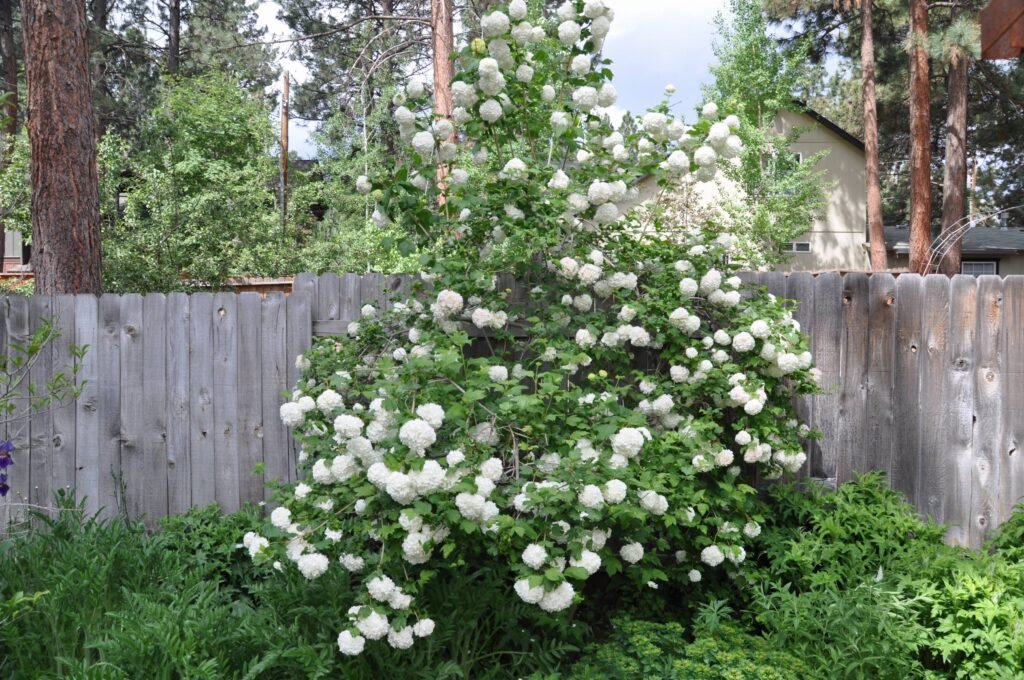
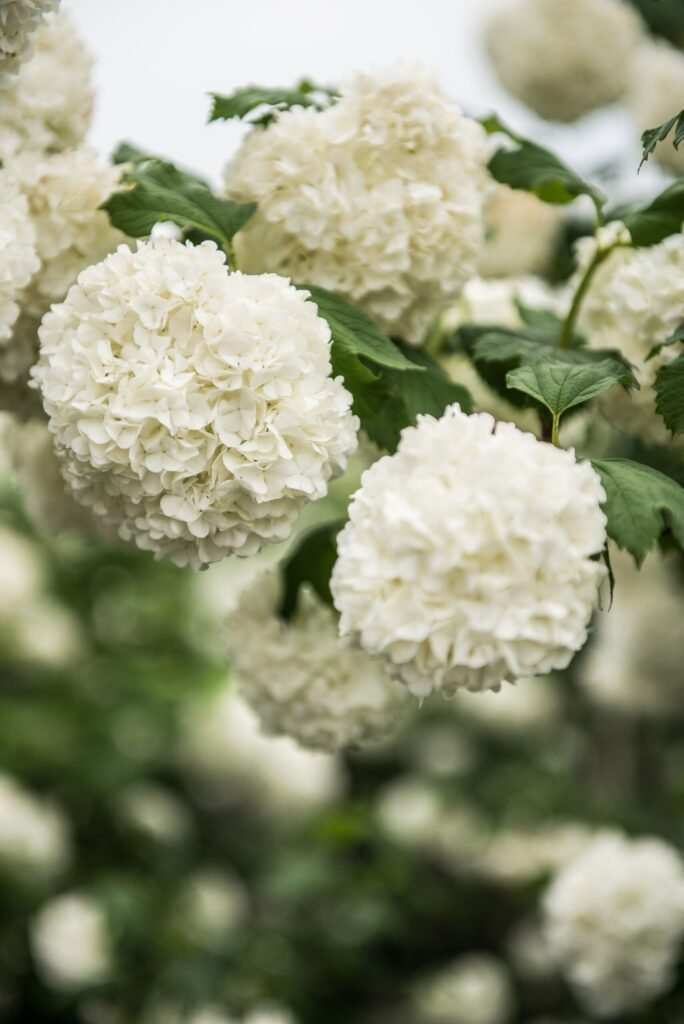
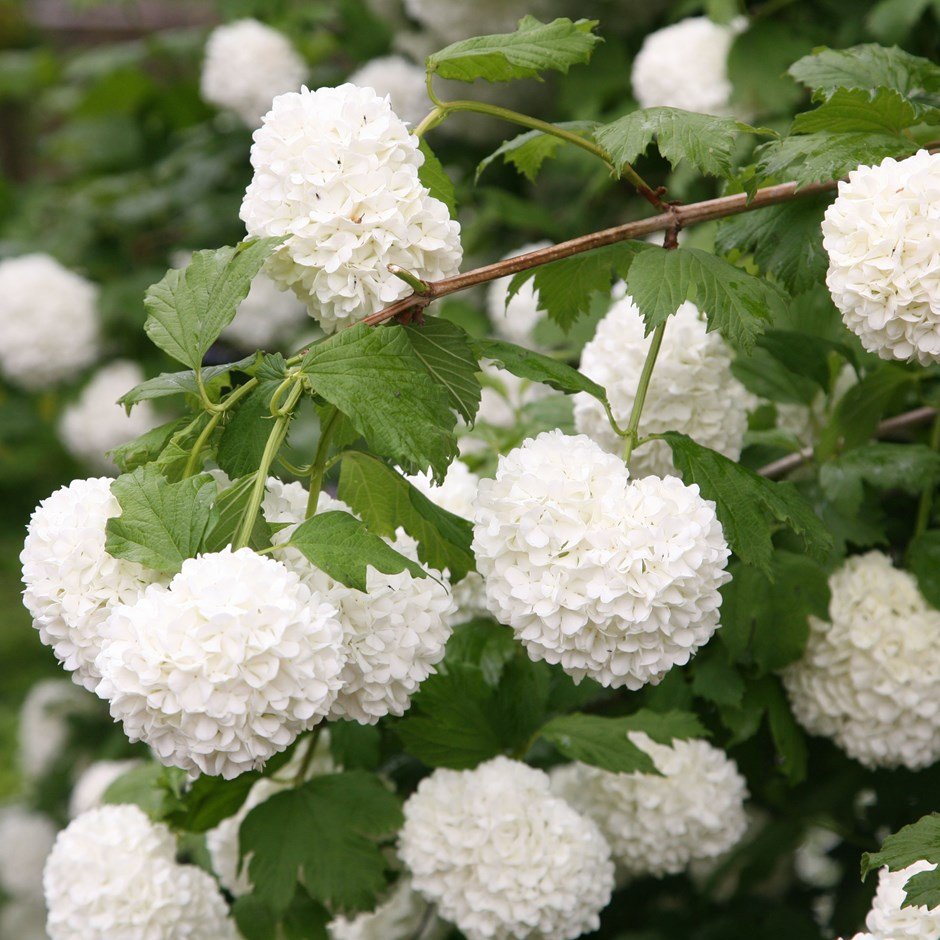
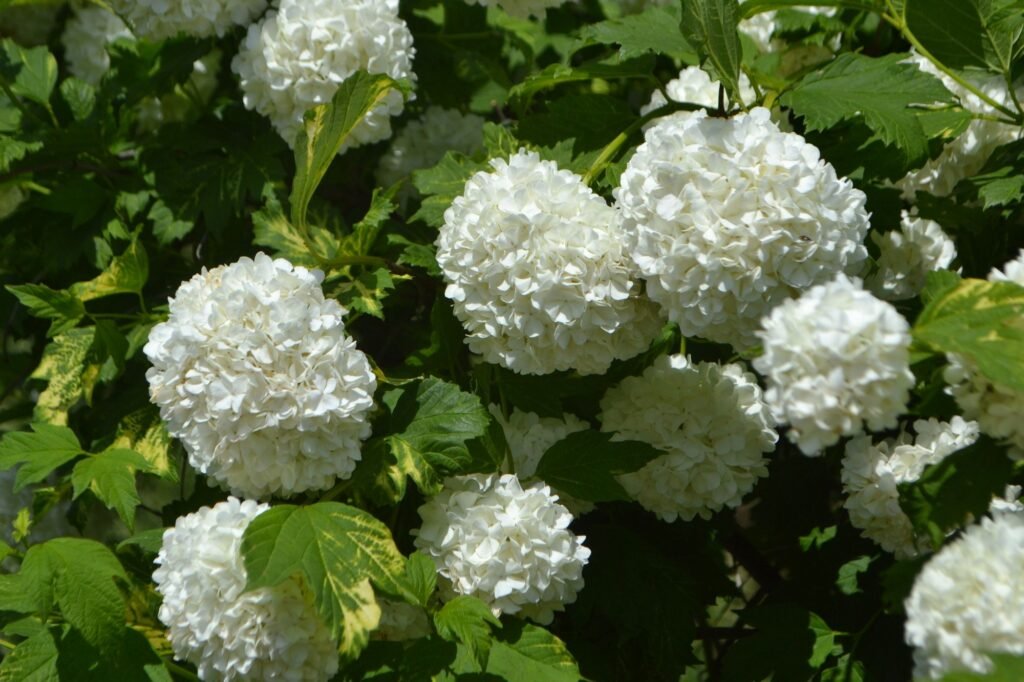
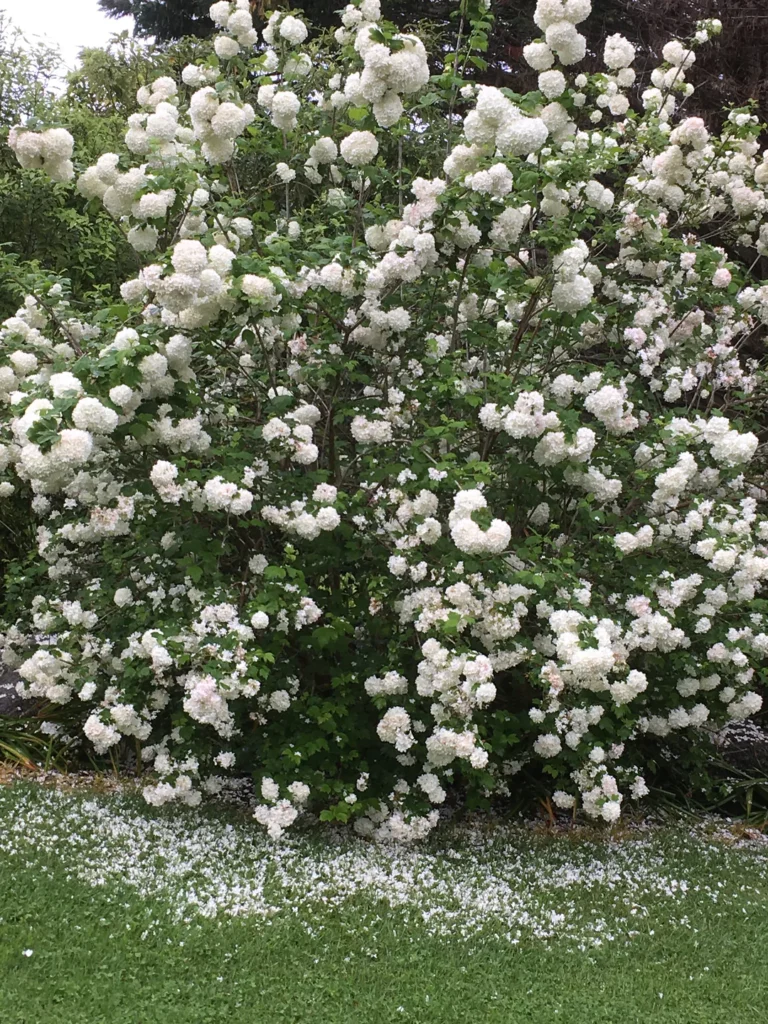
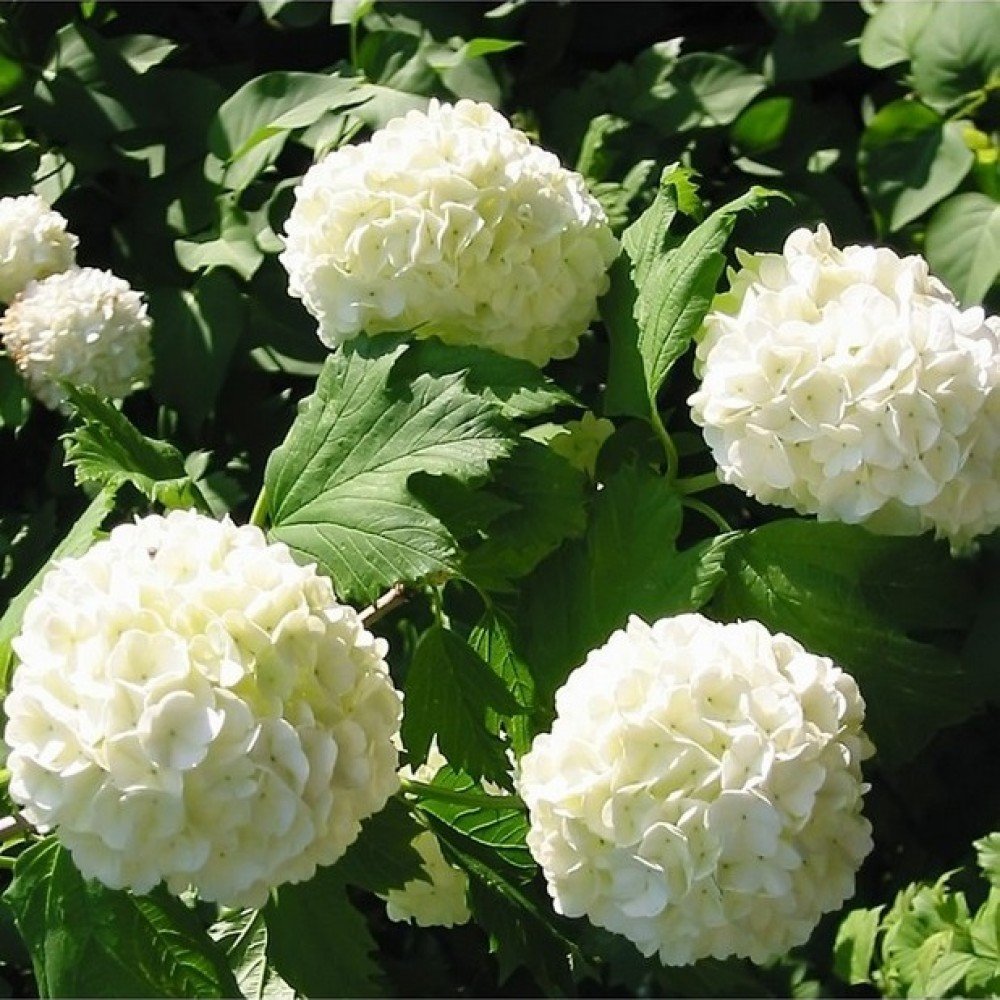
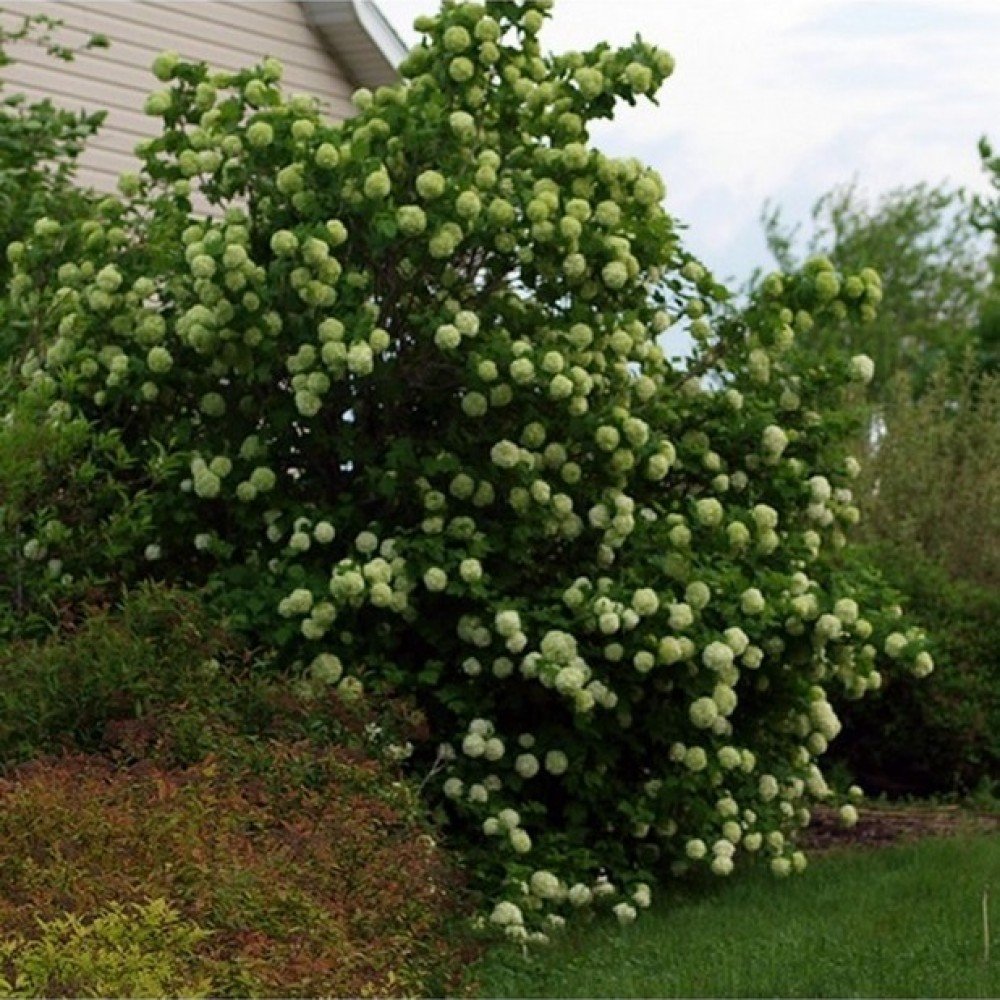
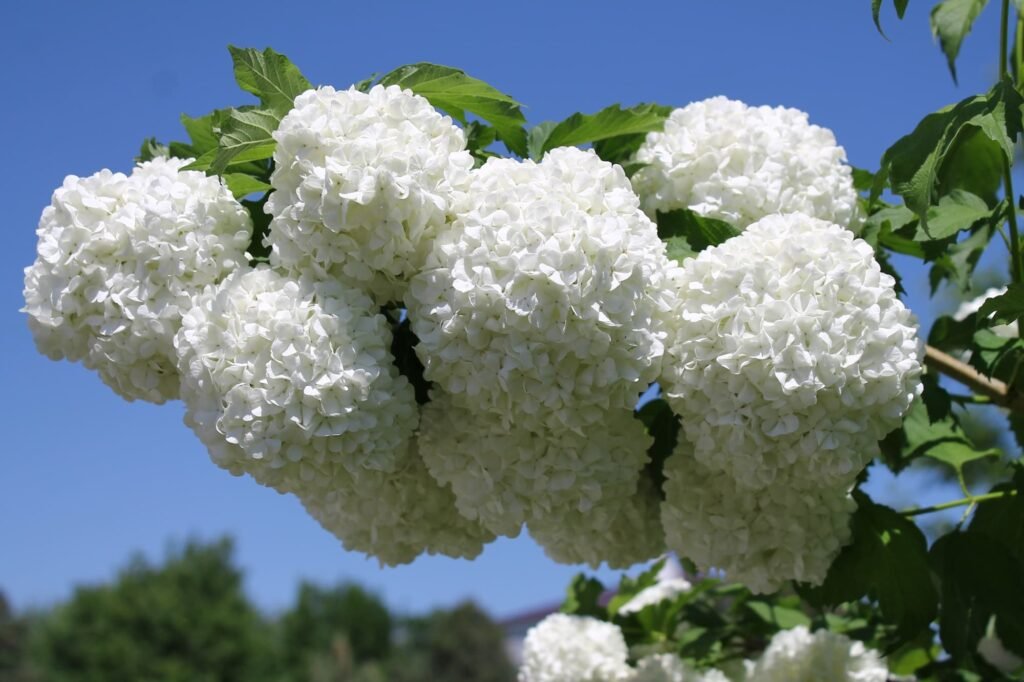
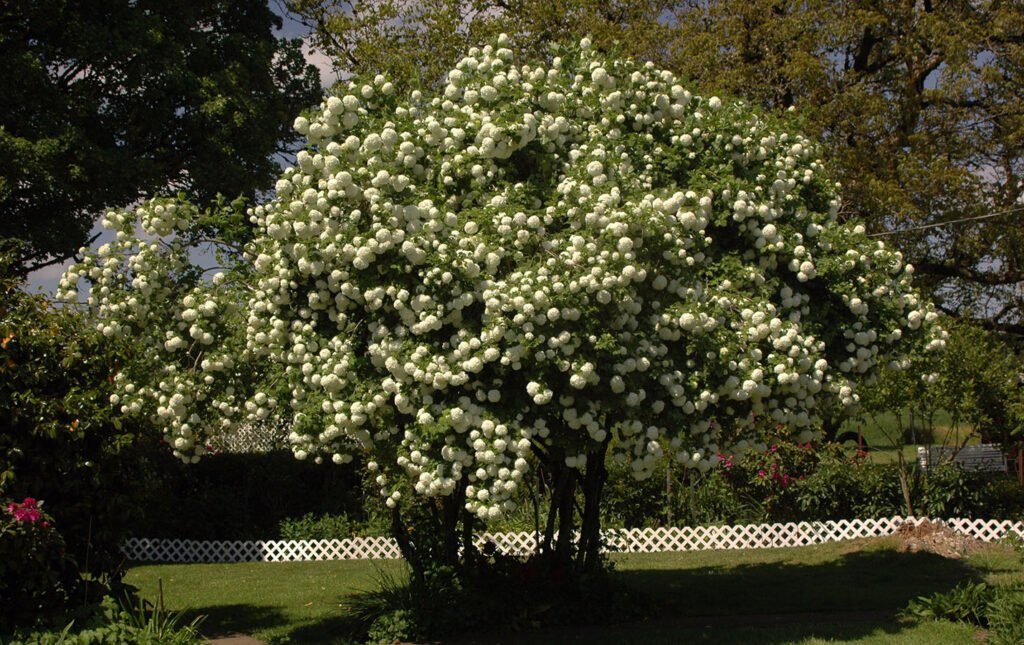
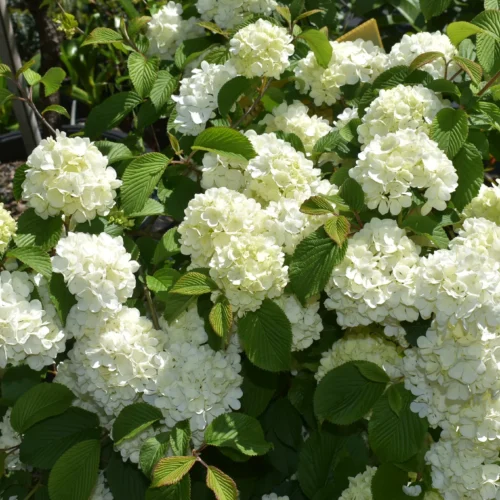
• V. opulus ‘Roseum’ (Snowball Bush)
- Large sterile white blooms forming pom-pom clusters
- Spectacular ornamental choice
- No edible berries (sterile)
• V. opulus var. opulus
- Typical type species
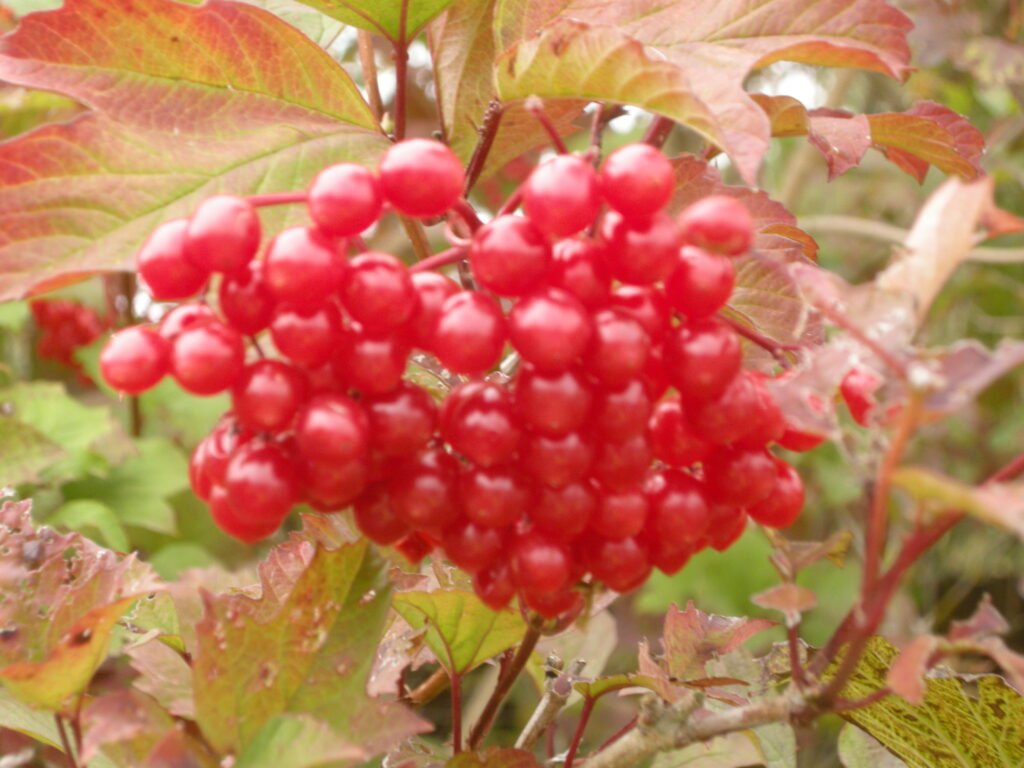
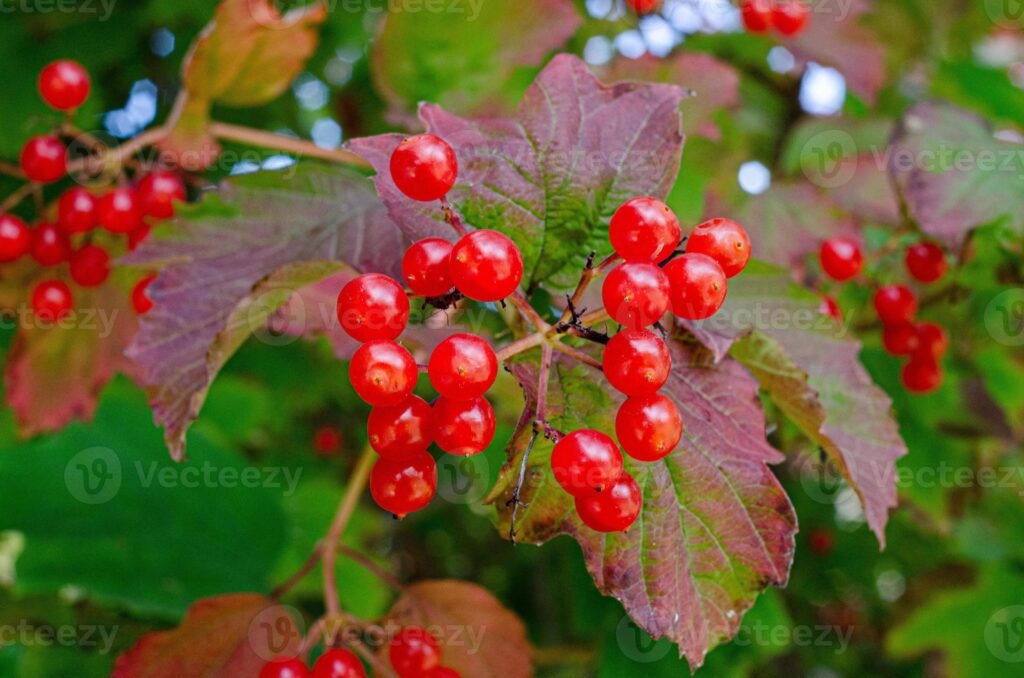
- Produces plentiful edible (though tart and bitter) berries
- Attractive to wildlife
• V. opulus var. americanum (American Highbush Cranberry)
- Similar to European type but milder berry flavor
- Often used in jams and sauces
• Compact Forms
Dwarf and patio-friendly varieties exist for small gardens though berry productivity may decline with size.
4. Culinary & Traditional Uses
Edible Potential
Though raw berries are sour and mildly bitter, they mellow when cooked or frozen. Historically, they appear in:
- Jellies
- Sauces
- Fermented beverages
- Fruit leathers
- Condiments served with poultry or game dishes
Freezing the berries naturally reduces bitterness and enhances flavor complexity.
Medicinal & Folk Uses
Traditional herbal applications include:
- Bark tinctures for tension and cramps
- Berry-based tonics for winter immunity
(Important note: These are folk uses; modern clinical validation varies. Always research safety and preparation before use.)
Ecological Benefits
The berries feed birds through winter, while flowers attract pollinators — making Guelder Rose valuable in wildlife gardens.
5. Food Options: What to Make with Guelder Rose Berries
Once harvested and softened (often after frost), berries can be transformed into flavorful dishes:
✔ Highbush Cranberry Jelly
A classic preserve pairing well with roasted meats.
✔ Fruit Compote or Coulis
Reduces bitterness and blends nicely with apple or rosehip.
✔ Fermented Beverage Syrups
Used historically in Eastern European beverages.
✔ Pâte de Fruit or Fruit Leather
Concentrates tartness into chewy treats.
✔ Chutneys & Savory Sauces
Balances fatty, rich foods.
If incorporating into recipes, simmer berries first to extract juice and remove seeds (which can be unpleasantly flavored).
6. Harvesting Viburnum opulus Berries
Season & Timing
- Peak harvest: late August to autumn
- Best flavor: after first frost
Frost or freezing breaks down compounds contributing to bitterness.
Picking & Processing
Cut berry clusters with pruners to avoid damage. A single shrub can yield multiple kilograms of fruit depending on age and care.
After harvesting:
- Rinse gently
- Remove stems & leaves
- Freeze, cook, or process as desired
Storage
- Fresh berries: refrigerate up to 1 week
- Frozen berries: up to 6–12 months
- Jellies & syrups: shelf-stable when properly canned
7. Landscape Uses & Aesthetic Value
In garden design, Guelder Rose works beautifully as:
- Hedging
- Windbreaks
- Wildlife habitat
- Woodland edge plantings
- Seasonal interest focal shrubs
Its bloom-to-berry cycle ensures multiple seasons of ornamental value.
8. Tips for SEO & Companion Planting (Garden Perspective)
Guelder Rose synergizes with plants sharing moist, fertile soils such as:
- Dogwoods
- Elderberry
- Hawthorn
- Willow
This combination enhances biodiversity, supports pollinators, and creates a layered native-style aesthetic.
Final Thoughts
Growing a Guelder Rose (Viburnum opulus) offers a stunning blend of beauty, biodiversity, and culinary possibility. Easy to cultivate and propagate, it rewards gardeners with blossoms in late spring and gleaming red berries into winter. Whether you’re designing a wildlife-friendly garden, experimenting with traditional preserves, or simply seeking seasonal visual drama, Guelder Rose proves a versatile and enduring choice.


&media=https://food-foresting.com/wp-content/uploads/2026/01/viburnum-opulus-berries-scaled.jpg)