
 paulius.mikoliunas1
| Common Name | Red Osier Dogwood, Western dogwood |
| Family | Cornaceae |
| USDA hardiness | 2-7 |
| Known Hazards | None known |
| Habitats | Shores and thickets[43]. Along streams, rivers and moist sites, 450 – 2700 metres. |
| Range | N. America – Newfoundland to New York, west to Alaska and California. Naturalized in Britain. |
| Edibility Rating |   (2 of 5) (2 of 5) |
| Other Uses |   (4 of 5) (4 of 5) |
| Weed Potential | No |
| Medicinal Rating |   (2 of 5) (2 of 5) |
| Care (info) |      |



The Complete Guide to Red Osier Dogwood (Cornus sericea): Growth, Propagation, Varieties, Uses, and Harvesting
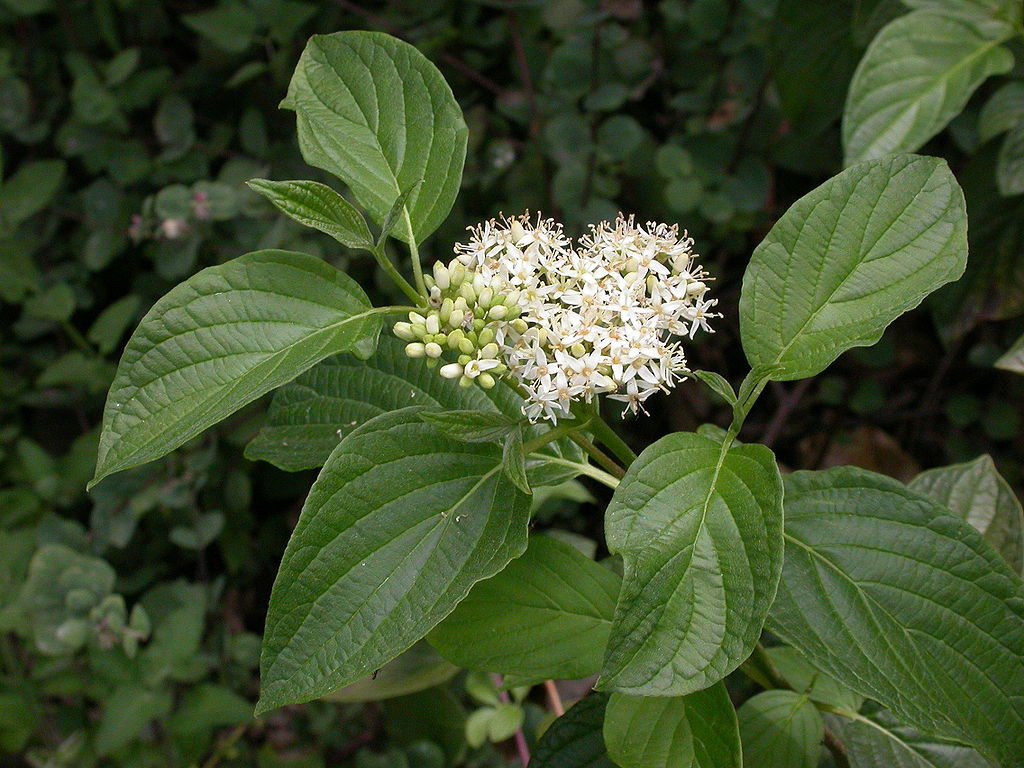
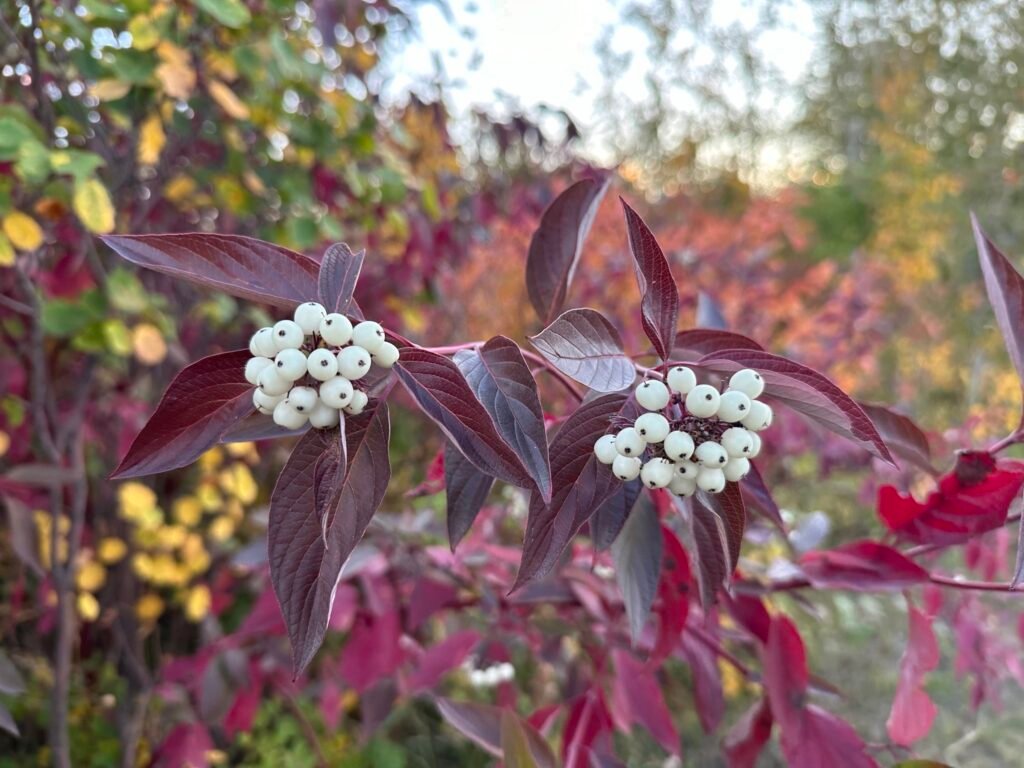
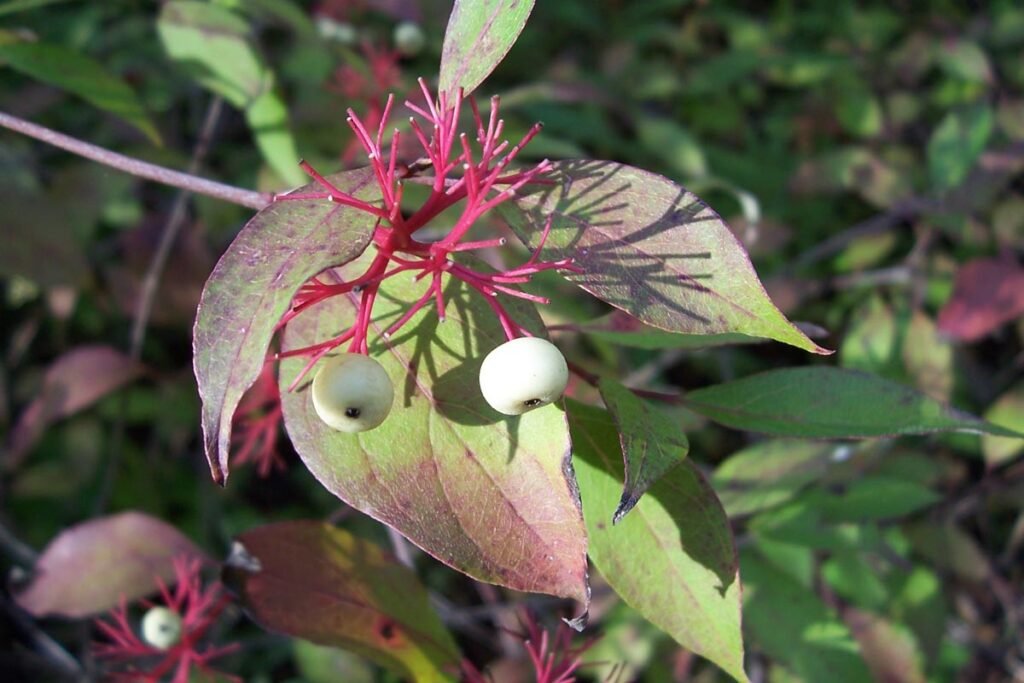
Red Osier Dogwood (Cornus sericea), also known as Red Twig Dogwood, is a versatile and striking shrub native to North America. Known for its vibrant red stems, white flowers, and clusters of white berries, this plant offers both aesthetic appeal and ecological benefits. In this guide, we’ll explore everything you need to know about growing, propagating, varieties, uses, food options, and harvesting Red Osier Dogwood.
Overview of Red Osier Dogwood
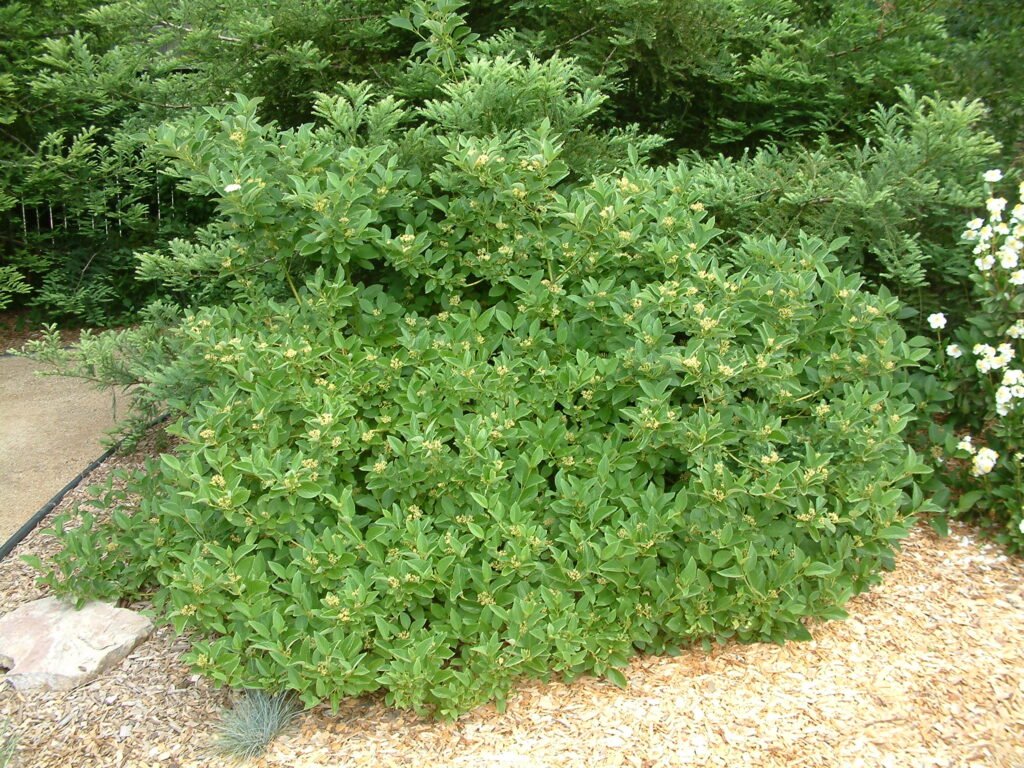
Red Osier Dogwood is a deciduous shrub that thrives in moist soils, often found along streams, wetlands, and forest edges. Its key characteristics include:
- Height: 6–12 feet
- Spread: 6–10 feet
- Leaves: Opposite, elliptical, dark green in summer, turning reddish-purple in fall
- Flowers: Small, white, clustered in flat-topped cymes
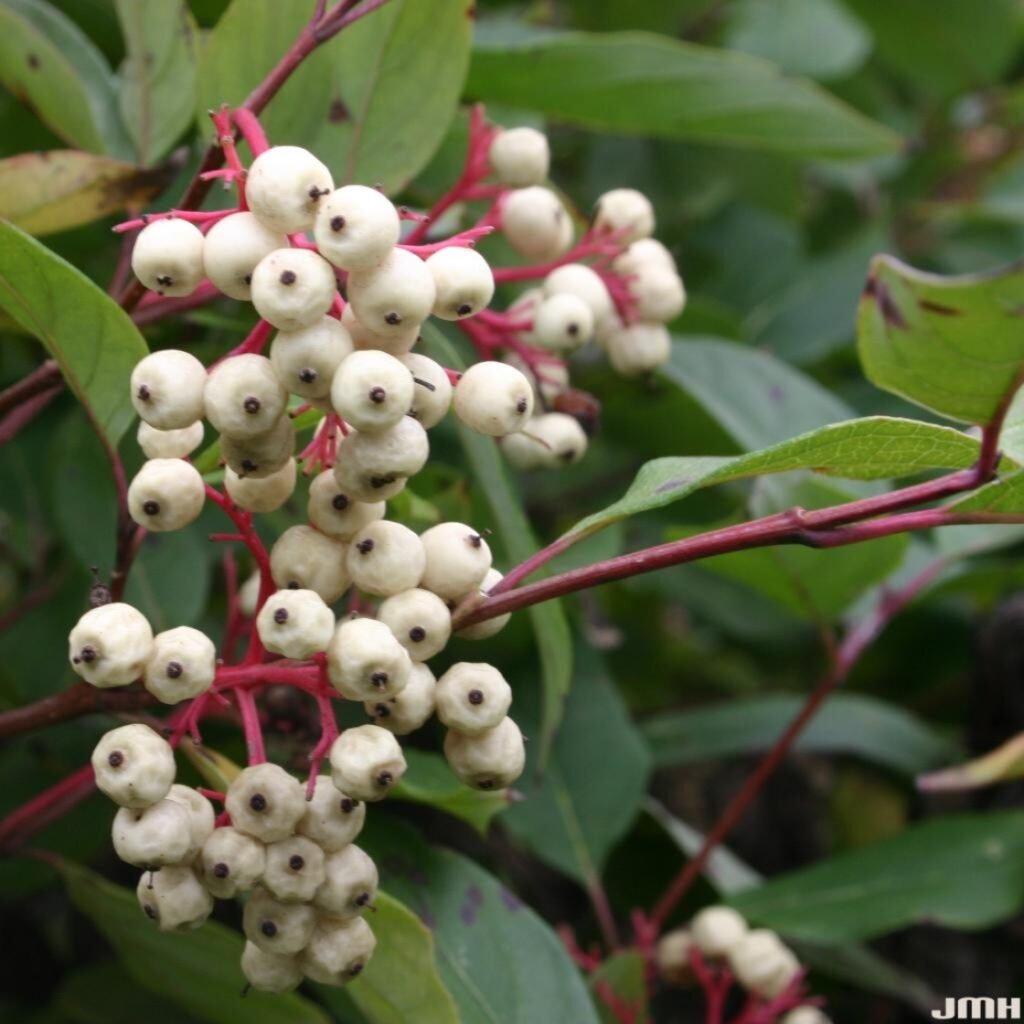
- Fruits: White berries attractive to birds and wildlife
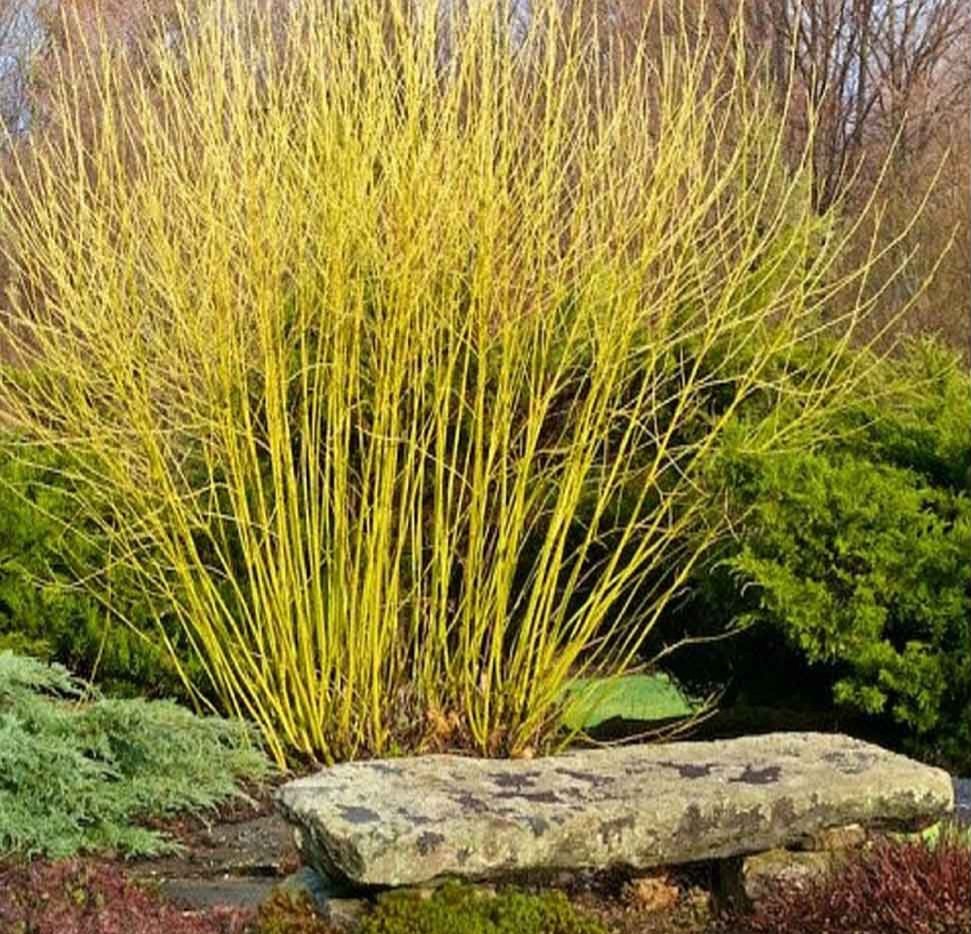
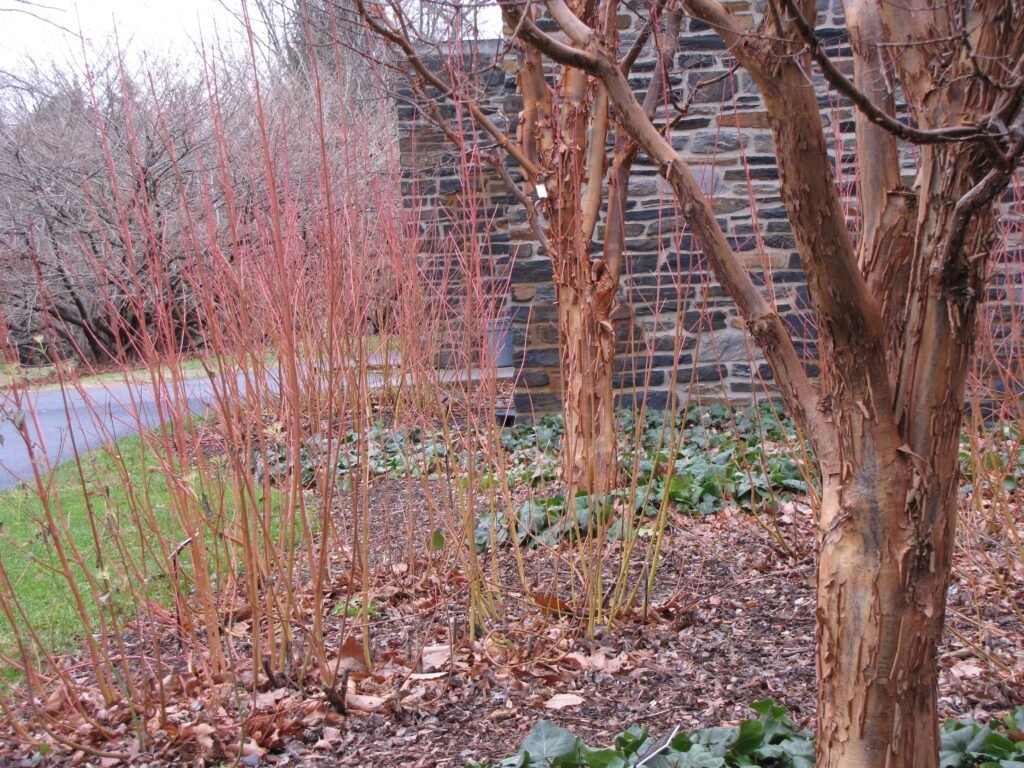
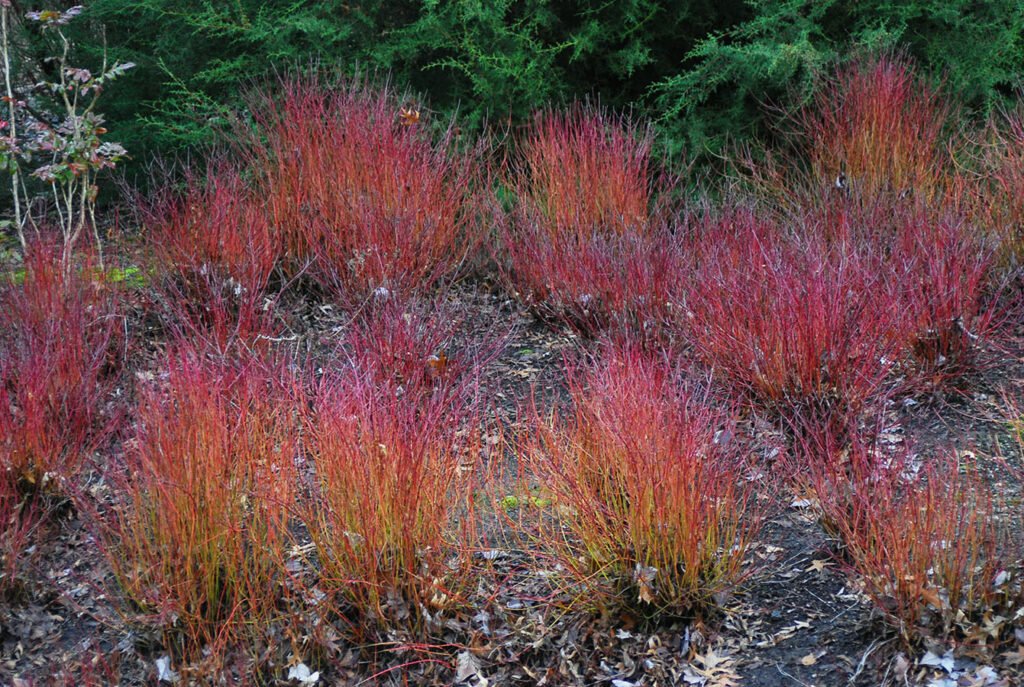
- Stems: Brilliant red, especially visible in winter
This shrub is valued for its ornamental beauty, wildlife support, erosion control, and even culinary uses.
How to Grow Red Osier Dogwood
Red Osier Dogwood is relatively easy to grow, making it suitable for gardens, hedges, and naturalized areas.
Soil and Sun Requirements
- Soil: Prefers moist, well-drained soil but tolerates wet and clay soils
- pH: Neutral to slightly acidic
- Sunlight: Thrives in full sun to partial shade; full sun enhances stem color
Planting Tips
- Site Selection: Choose a site with consistent moisture and adequate sunlight.
- Spacing: Plant shrubs 6–10 feet apart to allow for full growth.
- Planting Depth: Dig a hole twice the width of the root ball; keep the crown level with the soil surface.
- Watering: Water regularly, especially in the first two years.
Care and Maintenance
- Mulching: Apply a 2–3 inch layer of mulch to retain moisture and regulate soil temperature.
- Pruning: Remove old or damaged stems in late winter to promote vibrant red growth.
- Fertilization: Use a balanced fertilizer in early spring if growth appears slow.
Propagation of Red Osier Dogwood
Red Osier Dogwood can be propagated through both seeds and vegetative methods.
1. Propagation by Seeds
- Collect berries in late summer or early fall.
- Extract seeds and clean them thoroughly.
- Stratify seeds for 90–120 days in cold, moist conditions.
- Sow in a seed-starting mix and keep the soil moist until germination.
2. Propagation by Cuttings
- Take hardwood or softwood cuttings in late fall or early spring.
- Cut 6–12 inch stems and remove lower leaves.
- Dip in rooting hormone and plant in a moist, well-drained medium.
- Roots typically develop within 4–6 weeks.
3. Layering
- Bend a low-growing branch to the ground and cover a portion with soil.
- Keep it moist until roots form, then separate from the parent plant.
Varieties of Red Osier Dogwood
Several cultivars and varieties of Cornus sericea have been developed to suit different landscape needs:
- ‘Flaviramea’ (Yellow Twig Dogwood): Bright yellow stems for winter color
- ‘Baileyi’: Compact form with vibrant red stems
- ‘Cardinal’: Intensely red stems and dense growth
- ‘Isanti’: Cold-hardy, ideal for northern climates
Selecting the right variety depends on climate, aesthetic preferences, and garden design goals.
Uses of Red Osier Dogwood
Red Osier Dogwood is incredibly versatile:
1. Ornamental Use
- Adds winter color with red stems
- Provides fall foliage with rich red-purple leaves
- Excellent as a hedge, border, or foundation planting
2. Ecological Benefits
- Provides shelter and food for birds, deer, and pollinators
- Stabilizes soil along streams and wetlands
- Helps reduce erosion with dense root systems
3. Culinary and Food Uses
- White berries can be used to make jams, jellies, and sauces
- Leaves can be used for tea in some traditional preparations
- Important food source for wildlife during winter
4. Traditional and Medicinal Uses
- Native Americans historically used stems for weaving and tools
- Some cultures used bark and leaves for mild medicinal purposes
Harvesting Red Osier Dogwood
Berry Harvest
- Berries are ready in late summer to early fall
- Pick ripe, white berries carefully to avoid crushing
- Wash thoroughly before use in cooking or preserves
Stem Harvest
- Prune in late winter while the plant is dormant
- Select healthy, young stems for crafts or decorative purposes
- Cut 1–2 inches above the ground to encourage new growth
Storage Tips
- Berries: Refrigerate or freeze for long-term use
- Stems: Store in a cool, dry place for crafts or floral arrangements
Conclusion
Red Osier Dogwood (Cornus sericea) is more than just an ornamental shrub. Its stunning red stems, ecological benefits, and edible berries make it a valuable addition to any garden or natural landscape. By understanding its growth requirements, propagation methods, varieties, uses, and harvest techniques, gardeners can enjoy a thriving, multifunctional shrub for years to come.
Whether you’re enhancing winter landscapes, supporting wildlife, or exploring culinary options, Red Osier Dogwood offers beauty, utility, and sustainability in one vibrant package.


&media=https://food-foresting.com/wp-content/uploads/2026/01/cornus-sericea-3.jpeg)