
 paulius.mikoliunas1
| Common Name | Sweet Chestnut, European chestnut |
| Family | Fagaceae |
| USDA hardiness | 5-7 |
| Known Hazards | None known |
| Habitats | Woods in mountains. |
| Range | S. Europe. Long naturalized in Britain. |
| Edibility Rating |  (5 of 5) (5 of 5) |
| Other Uses |  (5 of 5) (5 of 5) |
| Weed Potential | No |
| Medicinal Rating |   (2 of 5) (2 of 5) |
| Care (info) |     |
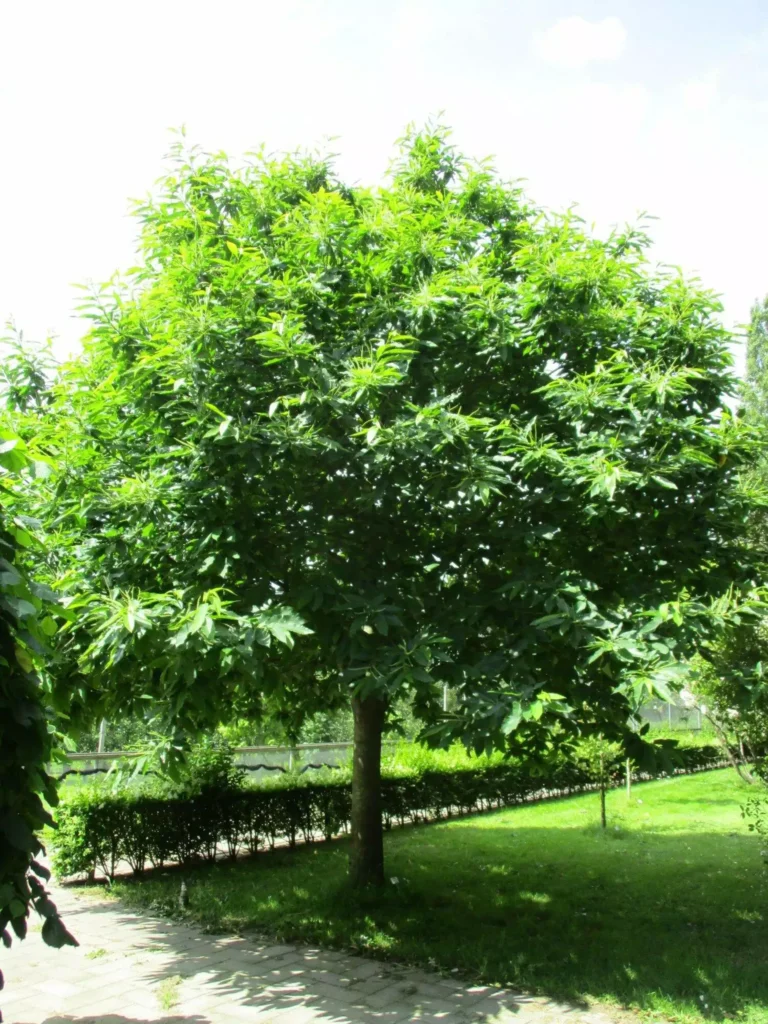
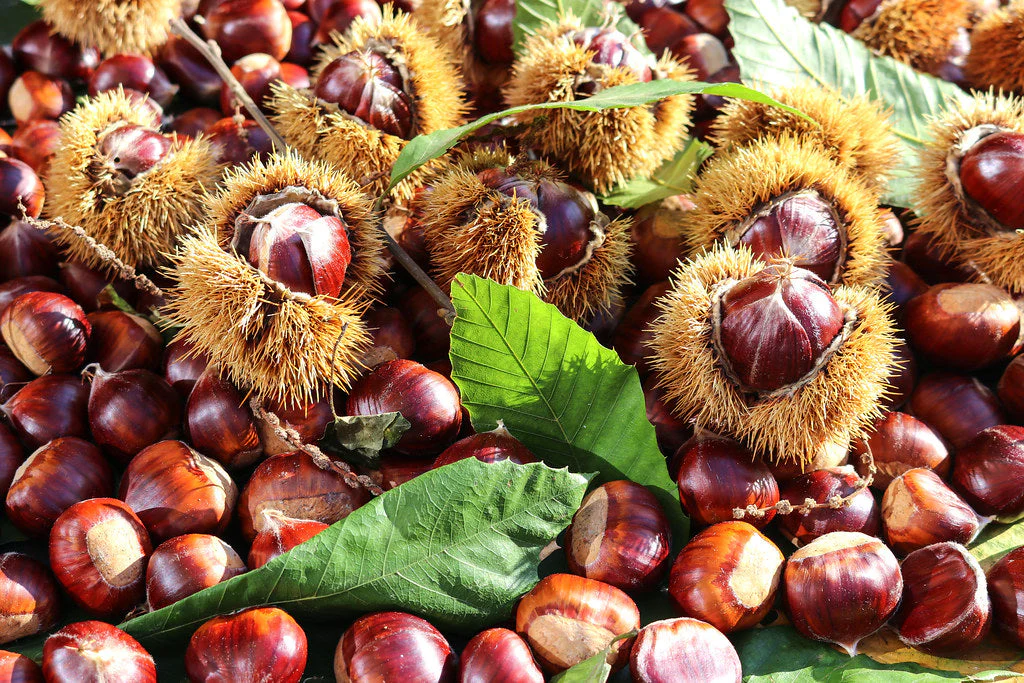

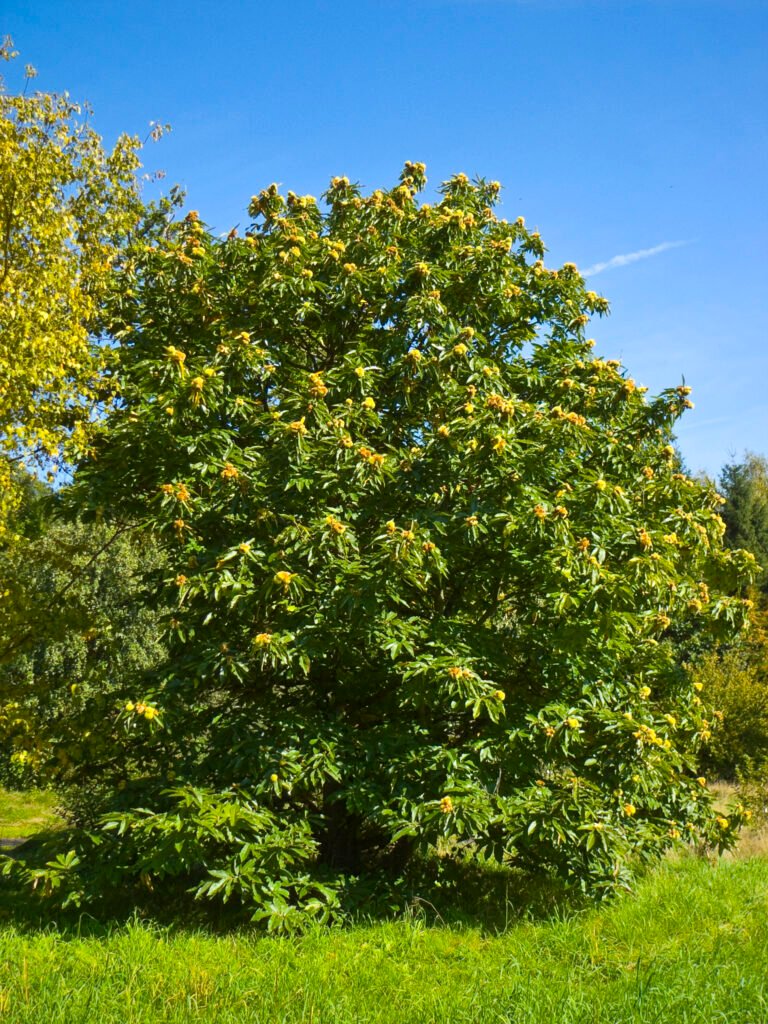

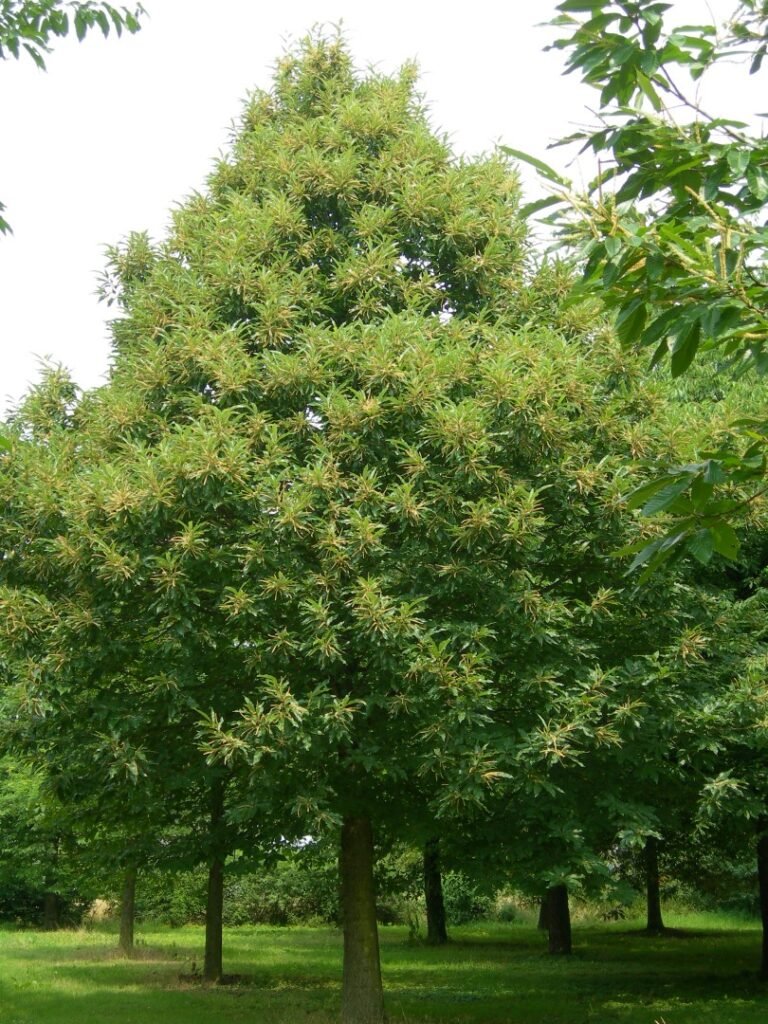



How to Grow Sweet Chestnut (Castanea sativa): Cultivation, Propagation, Varieties, Harvest & Culinary Uses
The Sweet Chestnut (Castanea sativa) has fed communities across Europe for centuries. Revered for its long lifespan, valuable timber, nutritious nuts, and stunning ornamental presence, it’s a tree worth knowing — and growing. Whether you’re a gardener, food enthusiast, or agroforestry beginner, Sweet Chestnut offers impressive ecological and culinary rewards.
What Is Sweet Chestnut?
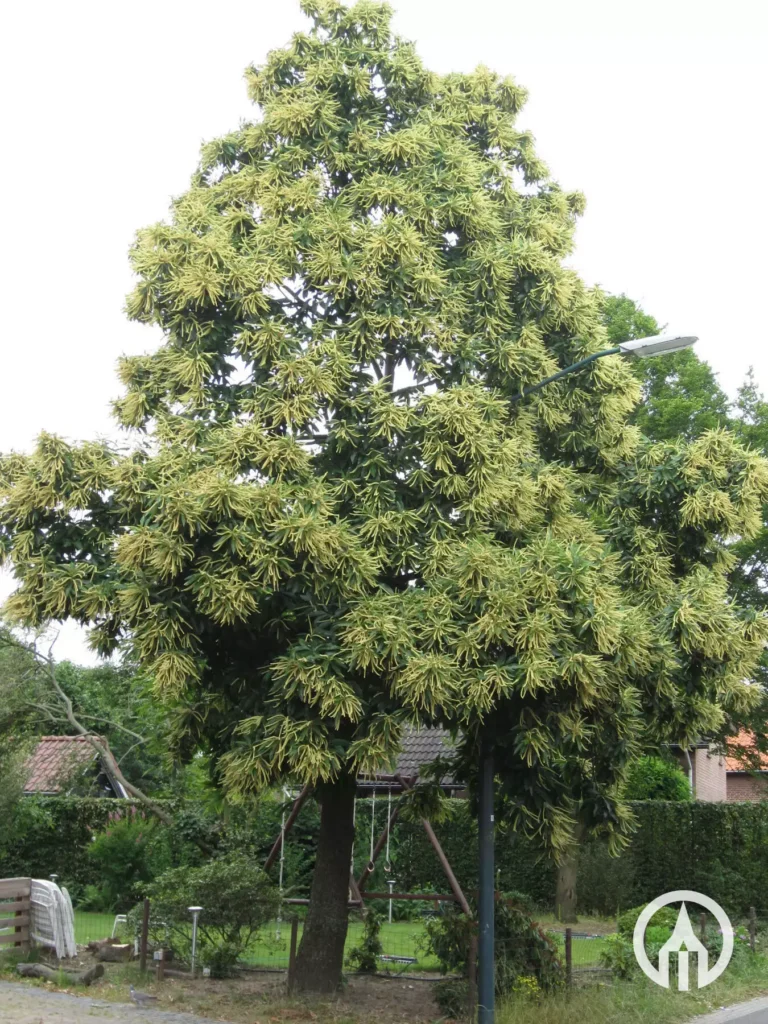
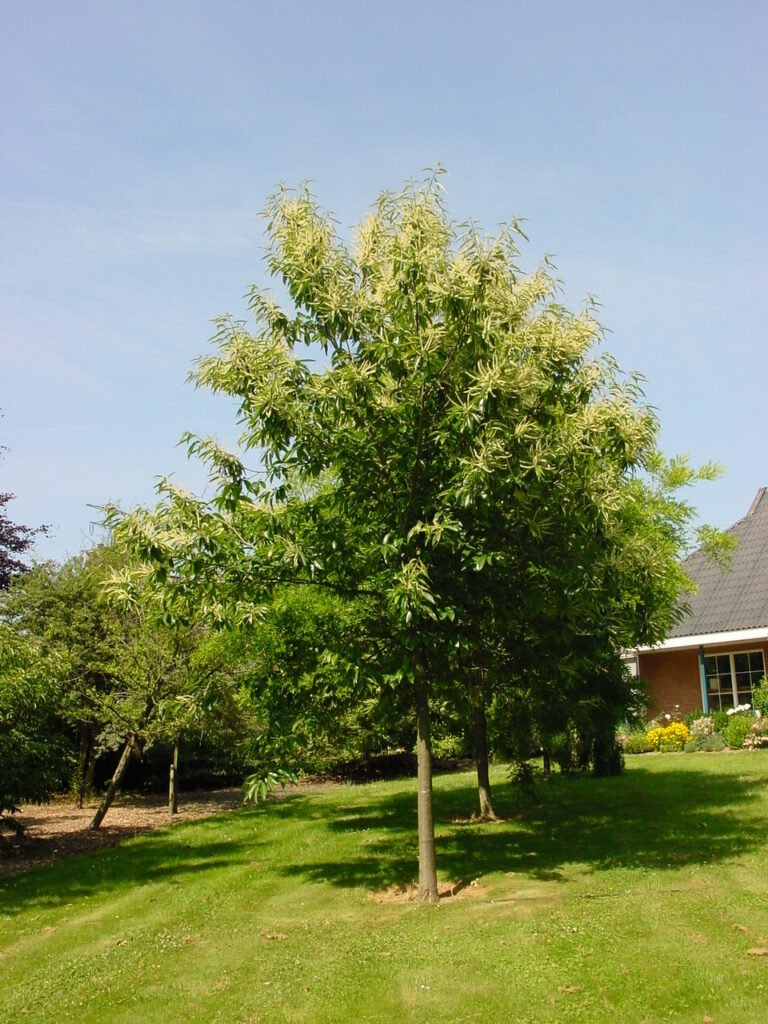
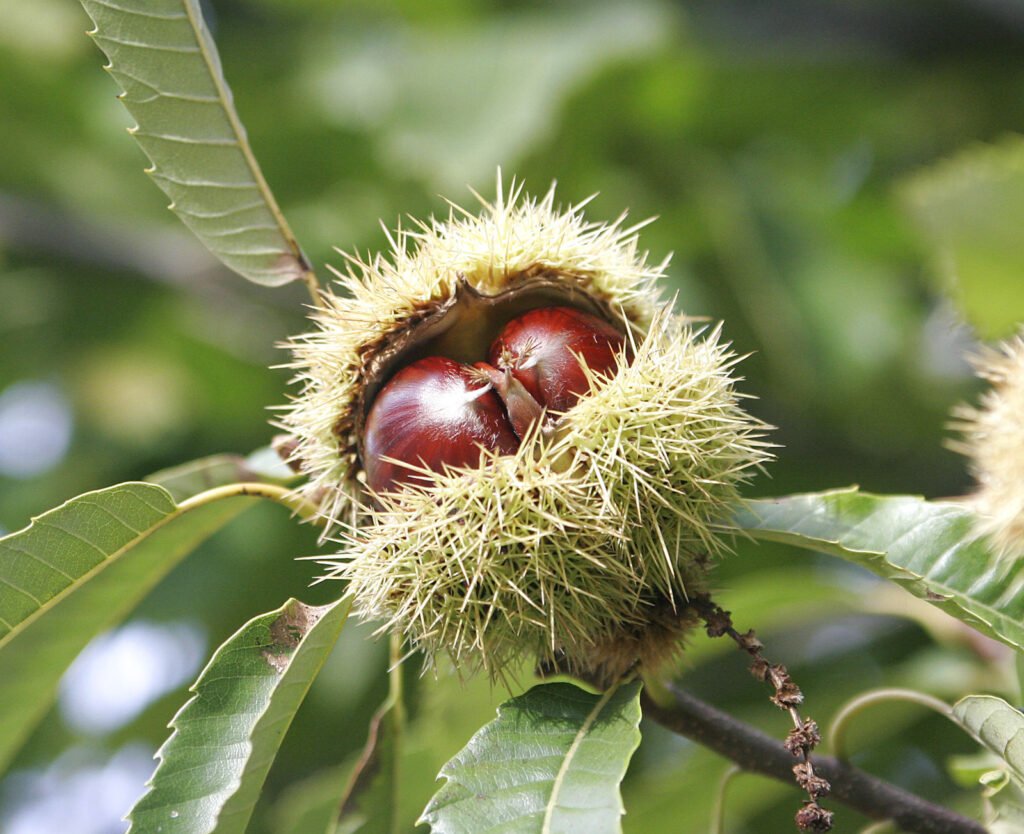
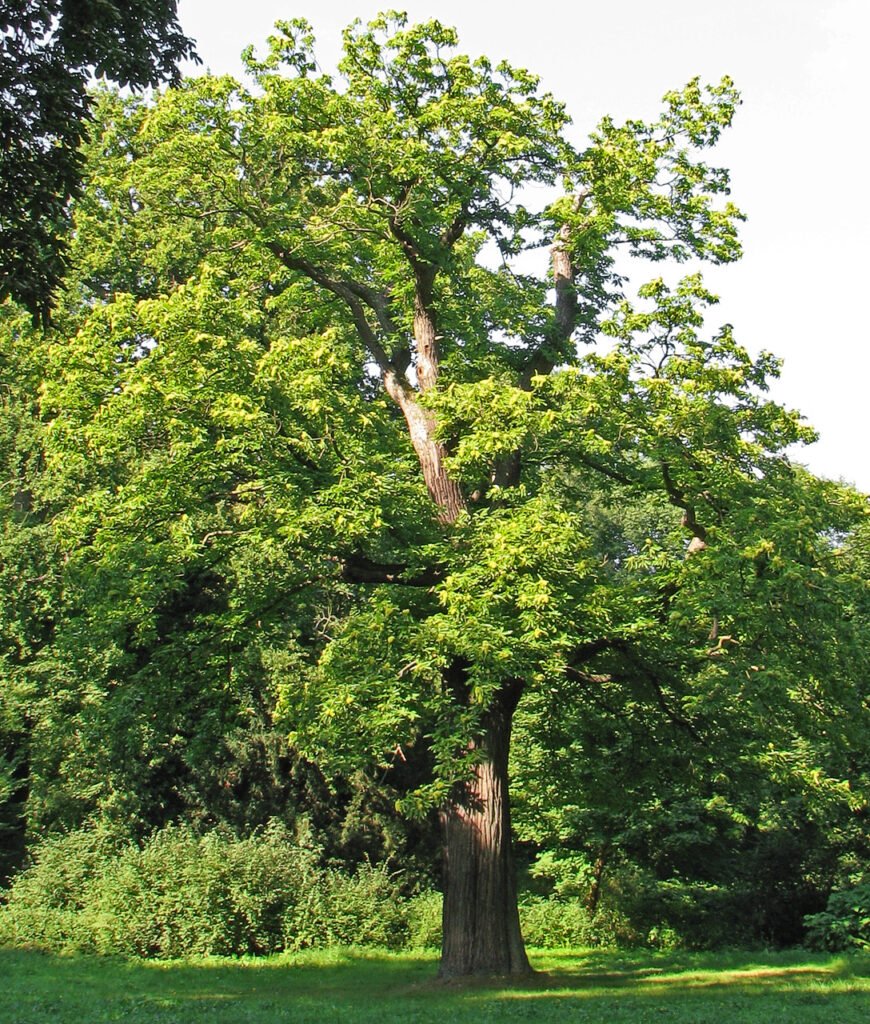
Sweet Chestnut is a deciduous, wind-pollinated, and monoecious tree native to Southern Europe and Asia Minor. Mature trees can live 1,000+ years, reach 35 m (115 ft) tall, and develop dramatic spiraled trunks that become iconic landscape features.
Key Characteristics
- Botanical name: Castanea sativa
- Family: Fagaceae
- Hardy zones: USDA 5–9
- Soil preference: Slightly acidic, well-drained, low-lime
- Growth rate: Medium to fast (especially in youth)
- Peak nut production: 25+ years
- Longevity: Extremely long lived
Growing Sweet Chestnut: Conditions & Cultivation
Growing Sweet Chestnut is surprisingly straightforward when provided the correct soil and spacing. The most common failure mode is alkaline or waterlogged soil, which restricts nutrient uptake.
1. Soil Requirements
Sweet Chestnut thrives in:
✔ slightly acidic pH 5.5–6.5
✔ deep, well-aerated soil
✔ low-lime levels
Avoid:
✘ heavy clay
✘ compacted soils
✘ standing water
2. Sun Exposure
Full sun ensures:
- higher nut yields
- stronger timber growth
- reduced fungal pressure
3. Spacing
For timber or agroforestry:
→ 8–10 m between trees
For orchard production:
→ 10–12 m spacing
4. Watering
Established chestnuts are drought tolerant, but young trees benefit from:
- steady watering during first 3 years
- surface mulching to conserve moisture
5. Feeding
Unlike fruit trees, chestnuts dislike nitrogen-heavy fertilizer. Instead, improve soil with:
- composted bark
- leaf mould
- woodchip mulch (fungal rich)
Propagation Methods
Sweet Chestnut can be propagated in three main ways:
A. Seed (Chestnuts)
Seed-grown trees show genetic variation, great for rewilding or timber.
Steps:
- Collect fresh autumn nuts
- Cold stratify 2–3 months
- Sow 5 cm deep in pots or nursery beds
- Prevent rodent theft (big issue!)
Seedlings develop a strong taproot early — use deep containers.
B. Grafting
Grafted cultivars ensure:
- consistent nut size
- sweeter flavor
- early productivity (5–7 years vs 20+ seedling)
Common grafting methods:
- whip-and-tongue
- veneer graft
- bark graft
C. Coppicing
Chestnut coppices beautifully. Cutting at ground level encourages multiple shoots ideal for:
- fence posts
- stakes
- rustic furniture
- carbon-sequestering rotations
Traditional coppice cycles: 10–20 years.
Pollination Requirements
Sweet Chestnut is self-sterile, so plant:
✔ at least two compatible cultivars
✔ or multiple seedlings for genetic diversity
Wind carries pollen, so orchards spaced even 50 m apart remain productive.
Varieties & Cultivars
There are hundreds of regional varieties. Some notable European cultivars include:
Italian Types
- Marrone — large, sweet, prized for roasting
- Napoletana — early ripening, flavorful kernel
French Types
- Marron de Lyon — excellent dessert nut
- Bouche de Bétizac — hybrid, disease resistant, large nuts
Spanish Types
- Parede — traditional local roasting chestnut
- Verdal — vigorous, excellent storage
Modern Hybrid Varieties
Hybrid programs have increased:
- canker resistance
- blight tolerance
- nut yield
Notable hybrids:
- Marigoule
- Marsol
- Precoce Migoule
Choosing the right cultivar depends on whether you seek:
✔ fresh eating
✔ processing
✔ timber
✔ ecosystem or agroforestry value
Harvesting Sweet Chestnuts
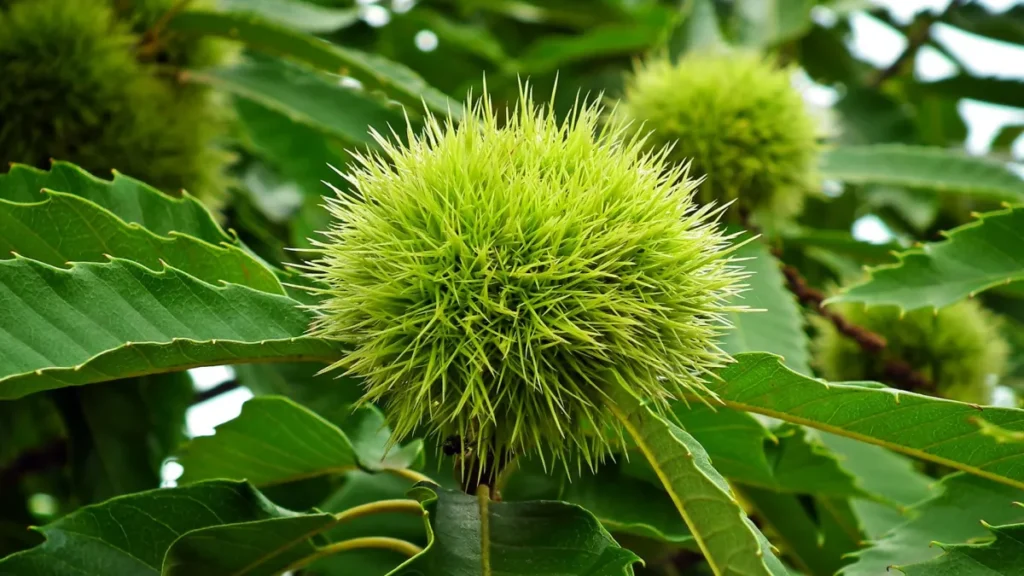
Chestnuts ripen in late autumn, enclosed in sharp green burrs that split when ready.
Harvest Indicators
✔ burrs fall naturally
✔ shells develop glossy sheen
✔ nus detach easily
Post-Harvest Curing
Chestnuts benefit from curing 7–10 days to convert starches into sugar — improving sweetness dramatically.
Storage
Fresh chestnuts store:
- 2–3 months refrigerated
- 6–12 months when dried
- years when processed into flour
Culinary & Food Uses
Chestnuts are unique among nuts: starch-rich, low fat, gluten-free, and mild tasting.
Traditional Uses
- roasted street snacks
- holiday stuffing
- chestnut puree
- candied chestnuts (marron glacé)
- chestnut beer & spirits
Modern Applications
- chestnut pasta
- gluten-free flour
- chestnut milk
- pâtisserie & chocolates
- soups & stews
- fermentations
Nutritional Benefits
Chestnuts provide:
✔ slow-release carbs
✔ vitamin C
✔ manganese
✔ dietary fiber
✔ antioxidants
Their low fat content sets them apart from almonds, hazels, and walnuts.
Non-Food Uses & Benefits
Sweet Chestnut excels as:
- timber tree (strong, rot-resistant, tannin-rich)
- coppice crop
- ornamental species
- pollinator support
- carbon sink
- soil improver
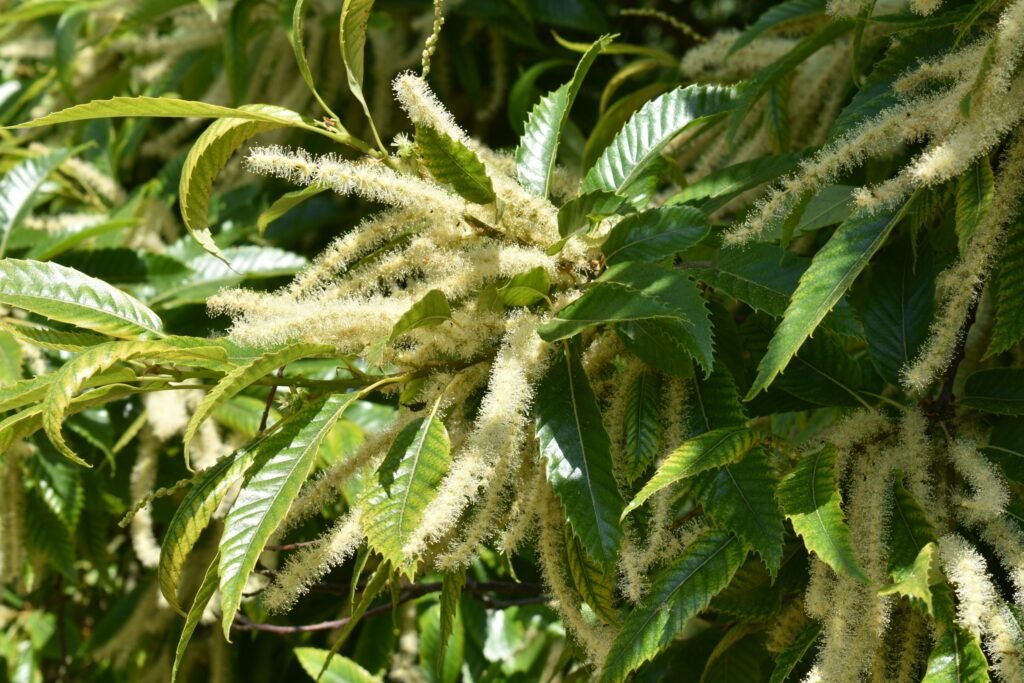
Bees especially value its summer flowers for nectar + pollen.
Pests & Diseases
The biggest threats worldwide:
- Chestnut blight (Cryphonectria parasitica)
- Ink disease (Phytophthora spp.)
Hybrid breeding programs have dramatically improved resilience in recent decades.
Agroforestry & Sustainable Farming Role
Chestnut orchards integrate beautifully into:
- mixed grazing systems
- silvopasture
- permaculture
- carbon farming
- rewilding projects
Chestnut pairs well with:
- sheep
- pigs
- mushrooms
- beehives
Historically, chestnut-fed pigs were a delicacy in Mediterranean cuisine.
Final Thoughts
Sweet Chestnut offers a rare combination of:
🌱 ease of cultivation
🌳 ancient longevity
🌰 outstanding food value
🐝 ecological benefit
📦 storage & processing versatility
Whether planted as a long-term legacy tree, productive orchard cultivar, or rewilding timber, Castanea sativa remains one of the most rewarding species for sustainable growers.


&media=https://food-foresting.com/wp-content/uploads/2026/01/658d8cf7dc24069d2452ca40.webp)