 paulius.mikoliunas1
| Common Name | Manchurian Walnut |
| Family | Juglandaceae |
| USDA hardiness | 4-8 |
| Known Hazards | None known |
| Habitats | Mixed woods in rich soils, also by mountain streams. Mixed forests on mountain slopes or in valleys at elevations of 500 – 2800 metres. |
| Range | E. Asia – Manchuria. |
| Edibility Rating |   (3 of 5) (3 of 5) |
| Other Uses |   (4 of 5) (4 of 5) |
| Weed Potential | No |
| Medicinal Rating |   (1 of 5) (1 of 5) |
| Care (info) |    |


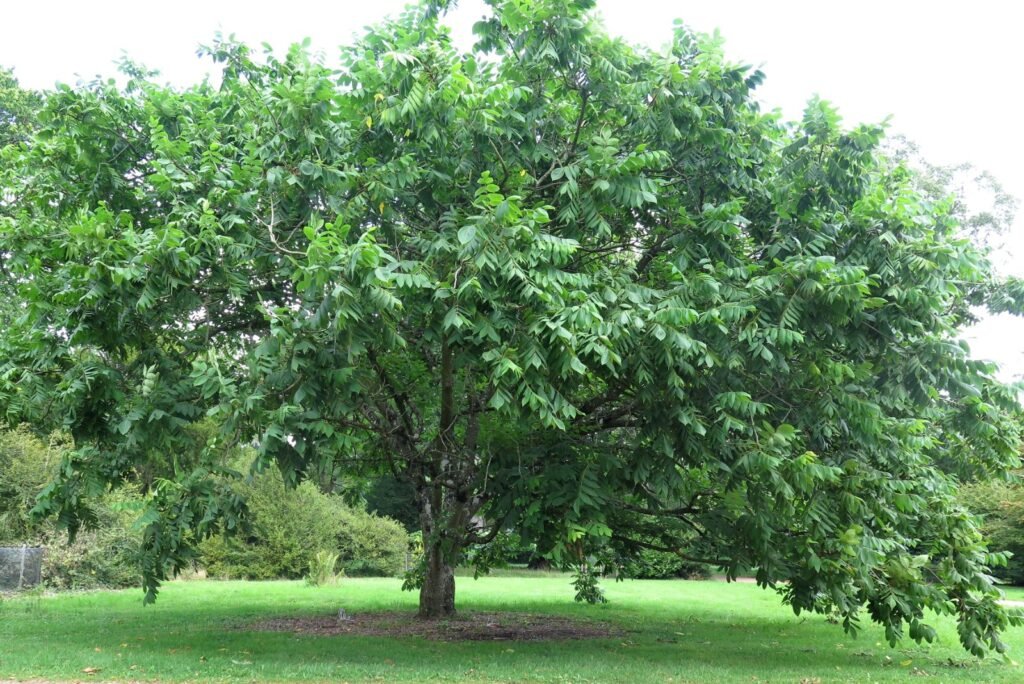
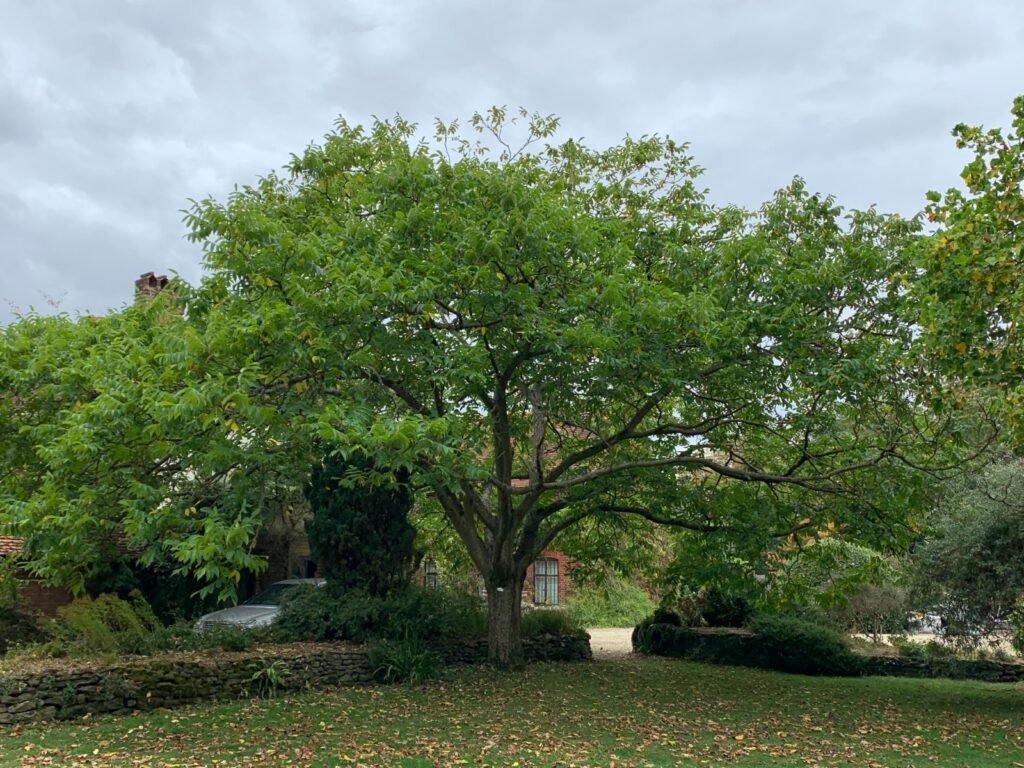


Manchurian Walnut (Juglans mandschurica): Cultivation, Propagation, Uses & Harvest Guide
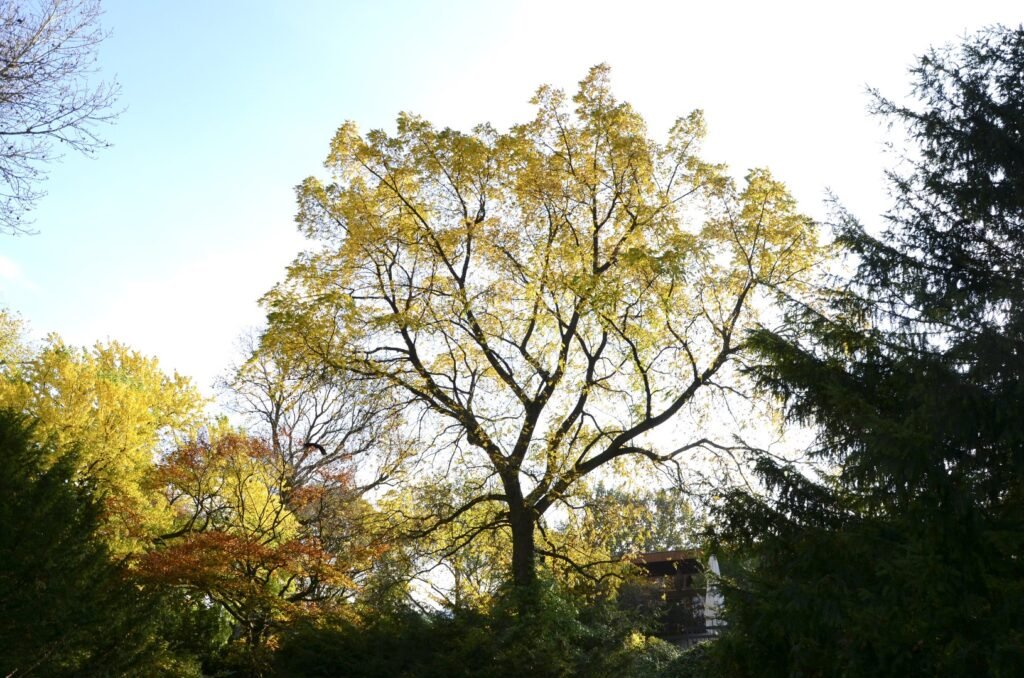
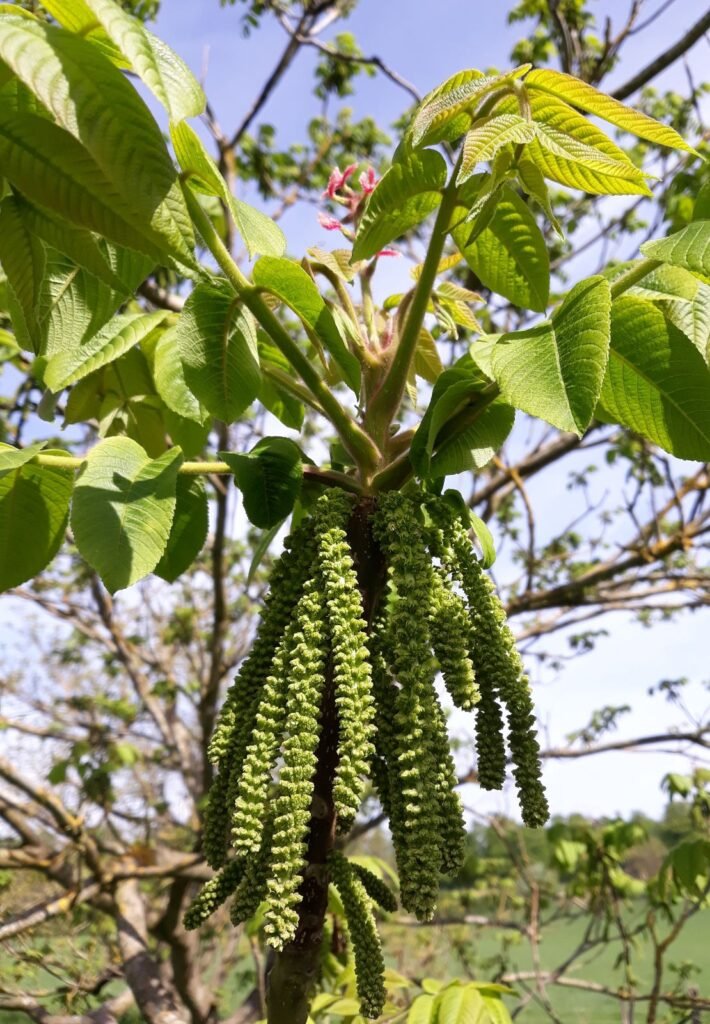
The Manchurian Walnut (Juglans mandschurica) is a fast-growing, cold-hardy deciduous tree native to Manchuria, Siberia, Korea, and northern China. Revered for its resilience, nutritional nuts, and attractive timber, it has become an exciting choice for gardeners, permaculturists, and nut-growers across temperate climates. Compared to other walnuts, it offers unique adaptability and ecological benefits—without sacrificing taste or utility.
Botanical Profile at a Glance
- Scientific Name: Juglans mandschurica
- Plant Type: Deciduous tree
- Mature Height: 20–30 meters (65–100 ft)
- Cold Hardiness: USDA Zones ~3–7
- Growth Rate: Fast
- Notable Traits: Cold tolerance, long trunk, attractive foliage, edible nuts
Growing Manchurian Walnut
Climate & Hardiness
Manchurian Walnut is among the most cold-tolerant walnut species, outperforming English (Persian) Walnut and Black Walnut in harsh winters. It handles:
✔ Temperatures down to ~−40°C (−40°F)
✔ Short growing seasons
✔ High humidity and frost
✔ Heavy soils common to northern climates
This makes it ideal for northern gardeners who struggle with other walnuts.
Soil Requirements
While adaptable, the tree prefers:
- Well-drained loams
- Slightly acidic to neutral pH (6.0–7.2)
- Moderate fertility
Deep soils support its taproot system and lead to superior timber form.
Sun Exposure
Full sun ensures strong nut production and rapid growth. Shading in early life is tolerated but reduces yield.
Planting & Establishment
Spacing
Manchurian Walnut is best spaced at:
- 8–12 m (25–40 ft) for nut orchards
- 3–5 m (10–15 ft) for forestry density
Deep roots and broad crowns require long-term planning.
Watering & Care
Seedlings need consistent moisture in their first 2–3 seasons. Mature trees become drought-tolerant but appreciate summer watering for better nut set.
Juglone Sensitivity
Like other walnuts, Manchurian Walnut produces juglone, a compound that inhibits some plants. It is less toxic than Juglans nigra (Black Walnut) but sensitive crops include:
- Tomatoes
- Potatoes
- Peppers
- Eggplant
Resistant companion plants include currants, elderberry, comfrey, and many grasses.
Propagation Methods
Manchurian Walnut can be propagated through:
(1) Seed
The most common and vigorous method.
Seed considerations:
- Requires cold stratification
- Germination rate ~50–80%
- Results in genetic diversity (useful for breeding)
(2) Grafting
Used for uniform orchard production. Compatible with:
- Manchurian Walnut rootstock
- Sometimes hybrid walnut rootstocks
Grafting is performed in late winter or early spring.
(3) Layering (Rare)
Branch layering is occasionally used but is slow and low-yield.
Varieties & Hybrids
While not as commercially standardized as English Walnut, notable selections and hybrids include:
Manjurian × Persian Hybrids
Bred to combine:
✔ Cold hardiness
✔ Thin shells
✔ Richer flavor
Manchurian × Black Walnut Hybrids
Focus on timber quality and disease resistance.
Breeders are increasingly interested in Manchurian genetics for cold climate nut agroforestry.
Usage & Applications
Culinary Uses
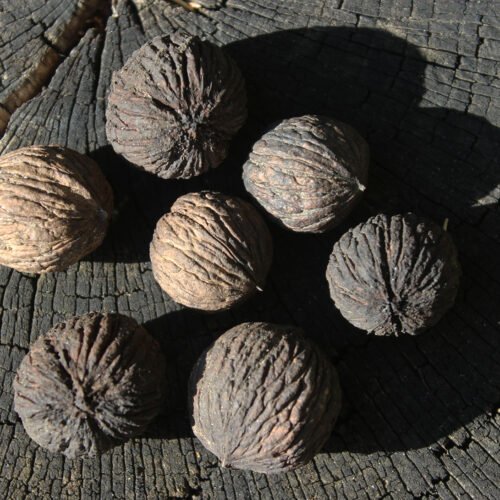
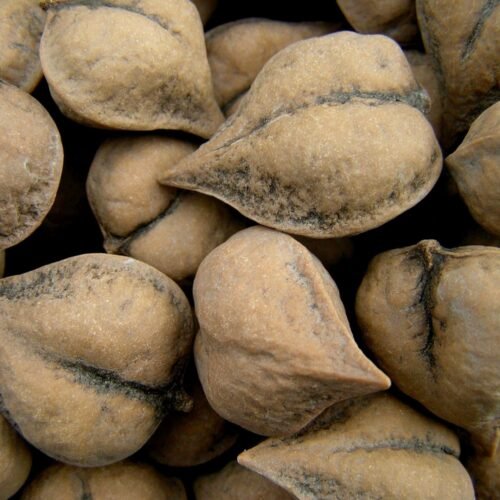
Although smaller and harder to crack than English walnuts, the kernels are:
- Pleasantly mild
- High in oils and protein
- Suitable for roasting, baking, and confectionery
Traditional food uses include:
✓ Candied walnuts
✓ Nut flours
✓ Walnut milk & nut butters
✓ Baked goods & pastries
Nutritional Benefits
Rich in:
- Omega-3 fatty acids
- Vitamin E
- Antioxidants
- Minerals (Mg, Cu, Mn)
Walnuts are linked to heart and brain health—making the Manchurian Walnut a functional food ingredient.
Non-Culinary Uses
Timber
Wood is prized for:
- Fine grain
- Stability
- Carving quality
Used in cabinetry, instrument-making, firearms stocks, and decorative woodworking.
Landscape & Shade
Fast growth + attractive tropical-like foliage makes it visually striking in large gardens.
Wildlife & Ecology
Benefits birds, squirrels, and soil organisms while forming part of cold-climate food webs.
Harvesting Nuts
Nut Production Timeline
- Seed-grown trees: 7–10 years
- Grafted trees: 3–5 years
Peak yields arrive around year 12+.
Harvest Indicators
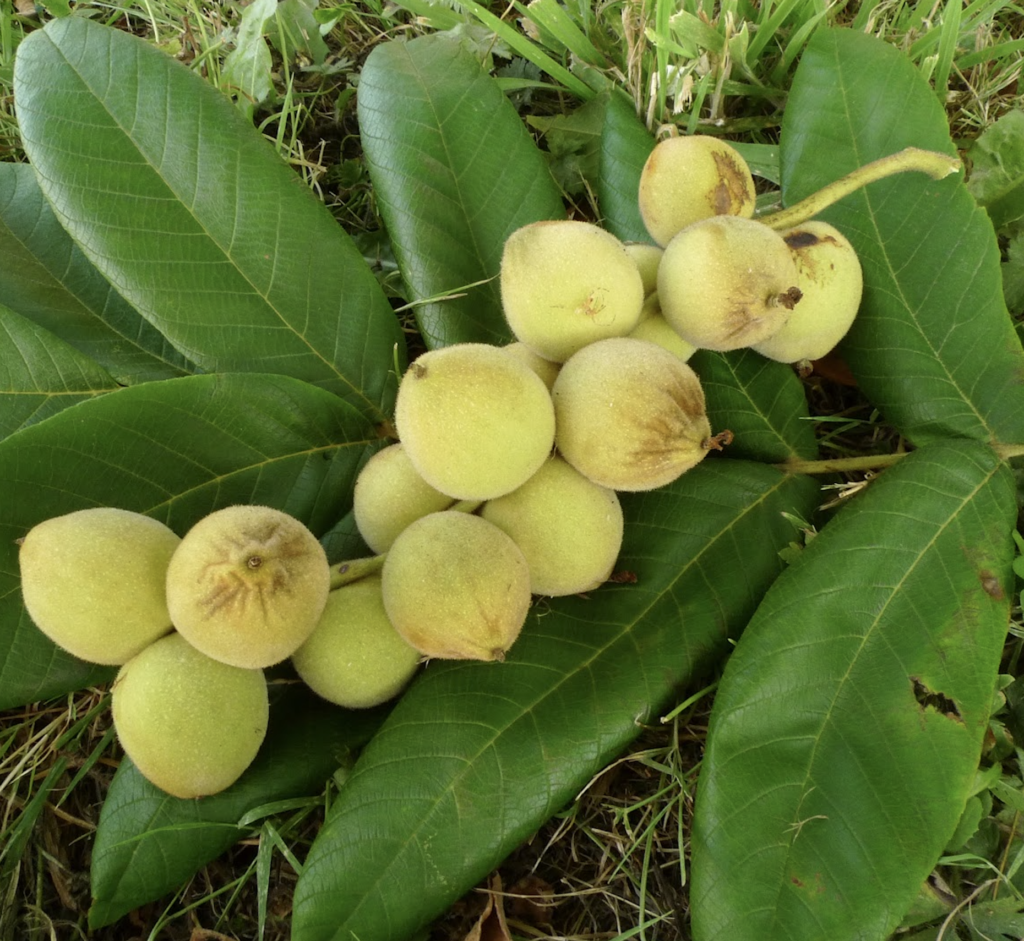
Nuts are ready when:
- Hulls split or soften
- Nuts drop naturally
Processing & Storage
Steps include:
- Dehulling
- Washing
- Curing (1–3 weeks)
- Storage in cool, dry conditions or freezers for long preservation
Manchurian Walnut in Food Culture
Although less commercialized, Manchurian Walnut features in:
Baked Goods
- Cakes
- Breads
- Walnut rolls
- Honey-nut pastries
Savory Dishes
Used to add crunch to:
- Stir-fries
- Noodles
- Dumpling fillings
- Meat glazes
Preserved Forms
Oil and syruped walnut preserves are common in northern Asian culinary traditions.
Pests & Disease Resistance
Manchurian Walnut has a relatively strong disease profile with good resistance to:
- Cankers
- Leaf spot fungi
- Root diseases
It also shows less susceptibility to walnut blight than Persian Walnut, which improves orchard viability in wet climates.
Advantages at a Glance
✔ Extreme cold hardiness
✔ Fast growth & timber value
✔ Adaptable to various soils
✔ Lower juglone toxicity than Black Walnut
✔ Wildlife-friendly
Challenges & Considerations
⚠ Harder shells than English Walnut
⚠ Less commercial kernel size
⚠ Juglone-sensitive companion plants
Yet for homestead growers, forestry, and permaculture systems, these drawbacks are minimal compared to resilience benefits.
Final Thoughts
The Manchurian Walnut offers a powerful combination of edible nuts, durable timber, ecological value, and cold tolerance rarely seen in nut trees. For northern growers seeking a reliable and multi-purpose species, it stands out as a top candidate—whether for food forests, small orchards, or landscape plantings.

&media=https://food-foresting.com/wp-content/uploads/2026/01/juglansmandshurica1.png)