
 paulius.mikoliunas1
| Common Name | Black Sapote, Chocolate Pudding Tree |
| Family | Ebenaceae |
| USDA hardiness | 10-12 |
| Known Hazards |  The unripe fruit is used as a fish poison. The unripe fruit is used as a fish poison. |
| Habitats | Dry or wet mixed forest usually around sea level. |
| Range | Northern S. America – Colombia, north through Central America to Guatemala. |
| Edibility Rating |   (4 of 5) (4 of 5) |
| Other Uses |   (2 of 5) (2 of 5) |
| Weed Potential | No |
| Medicinal Rating |   (1 of 5) (1 of 5) |
| Care (info) |     |



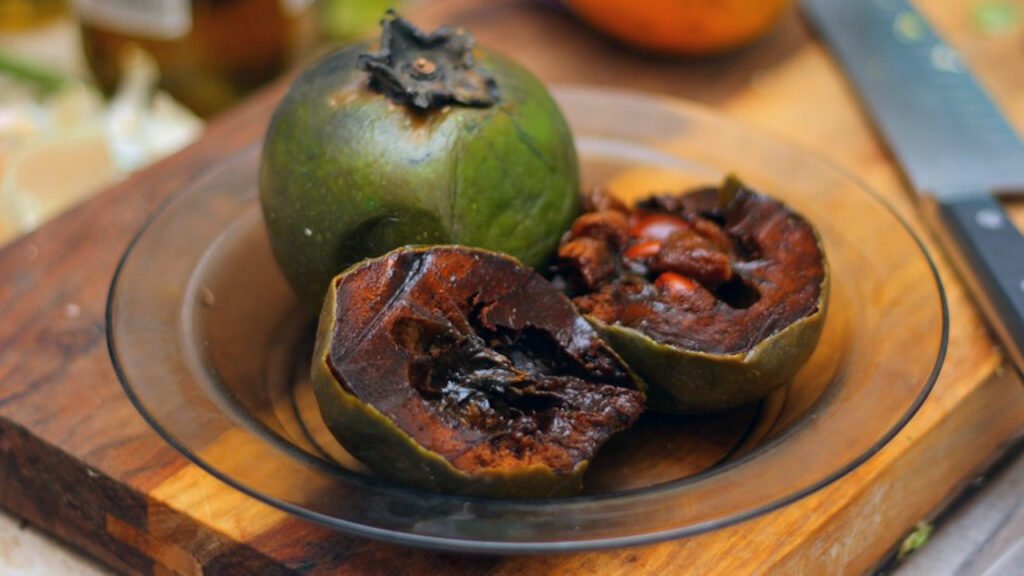

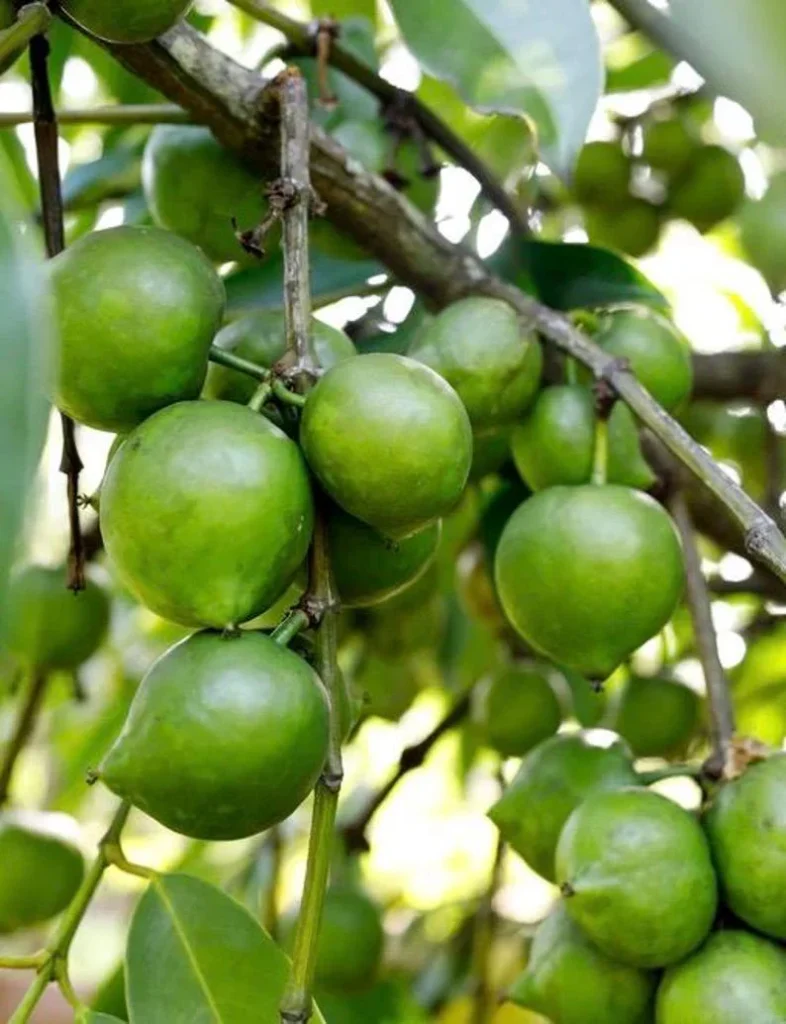
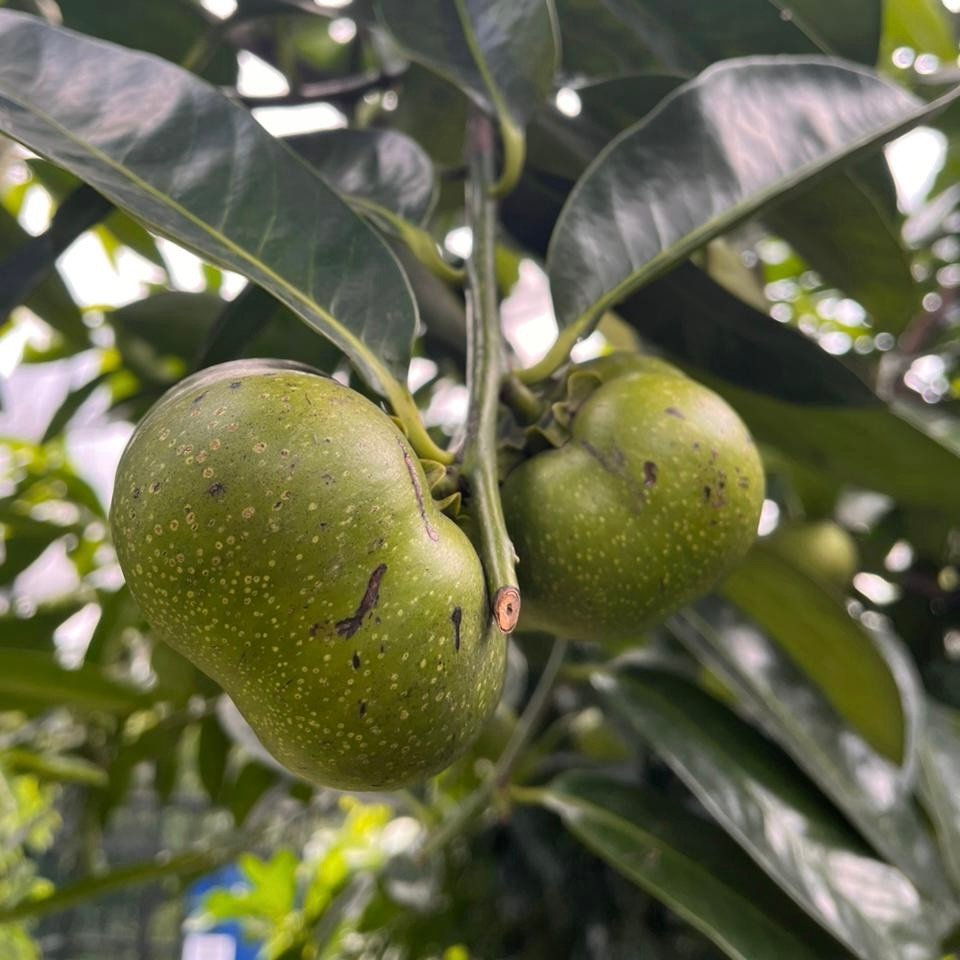
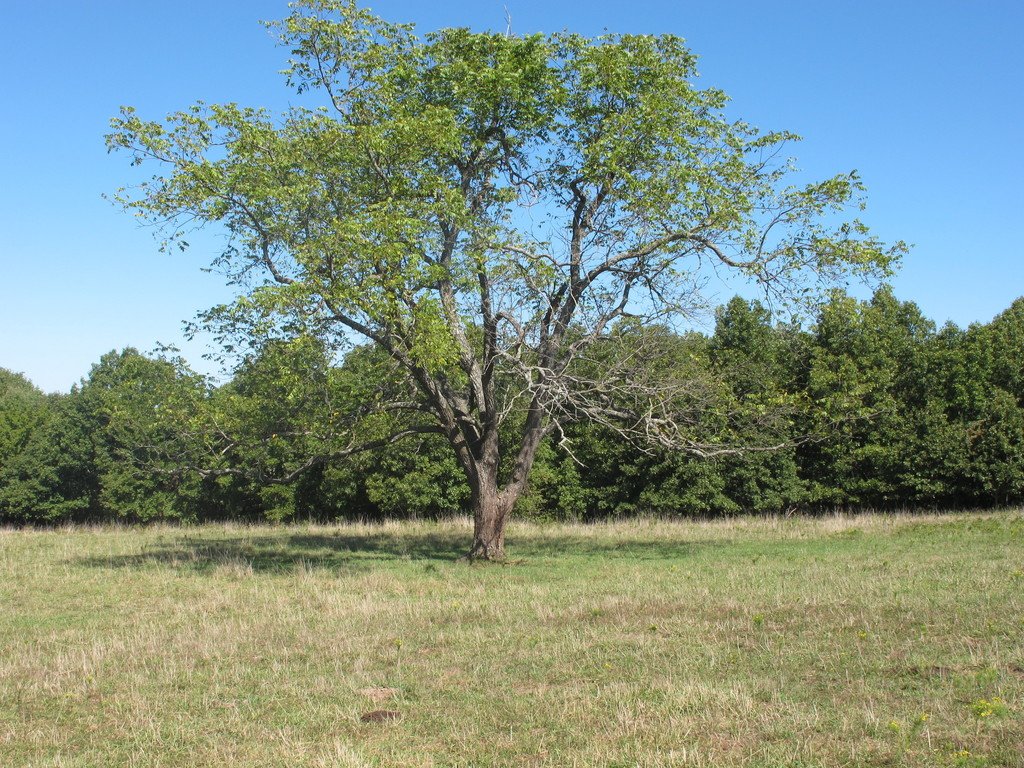
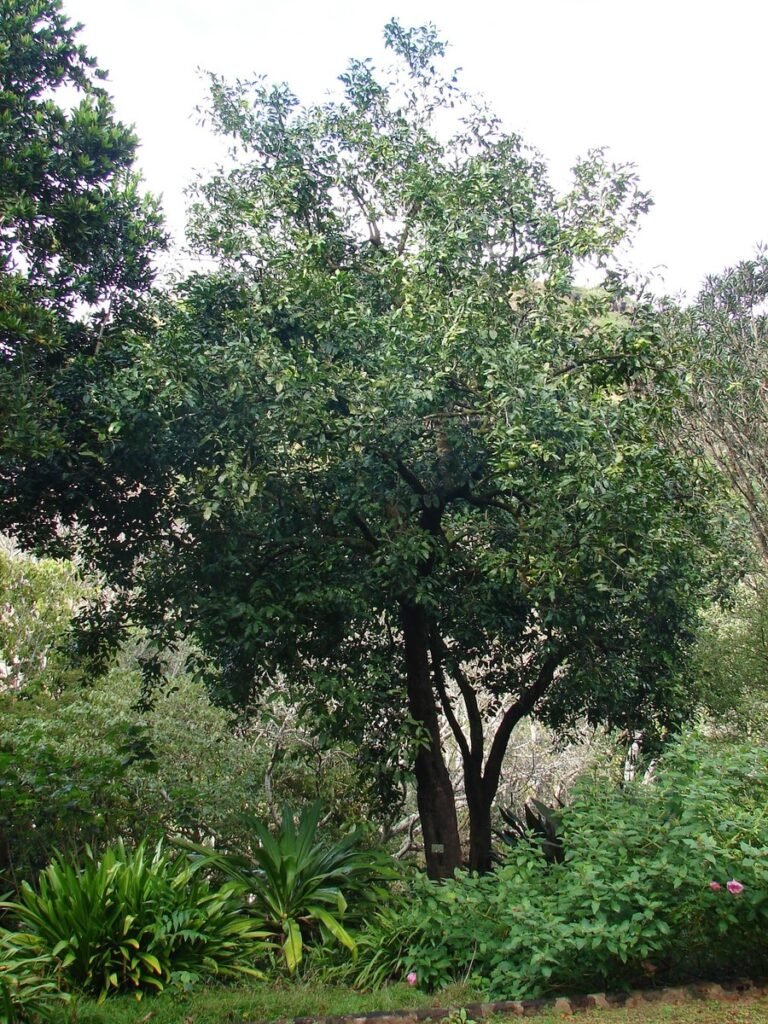
Black Sapote (Diospyros digyna): How to Grow, Propagate, Harvest & Enjoy the ‘Chocolate Pudding Fruit’
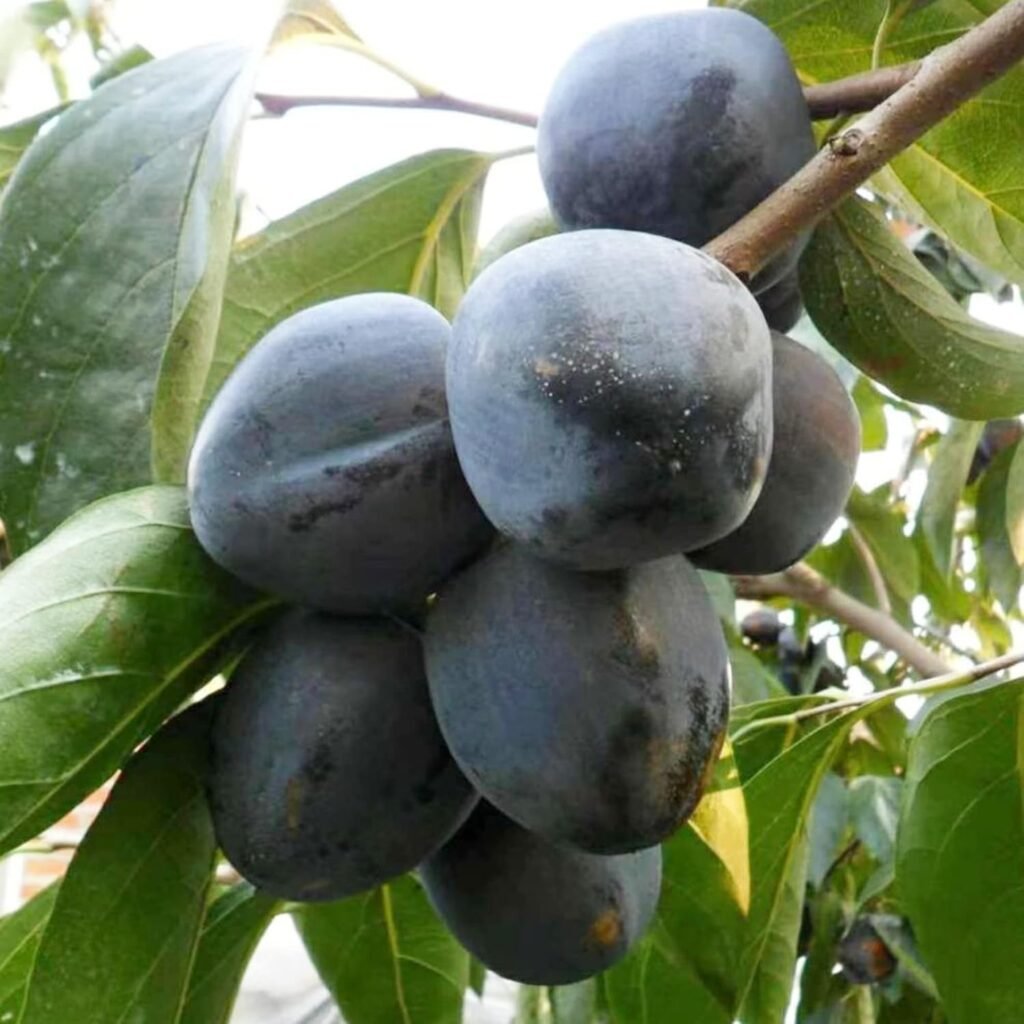
Black sapote (Diospyros digyna) has earned cult popularity among tropical fruit growers and adventurous eaters thanks to its rich, velvety pulp that resembles chocolate pudding. Native to Mexico and Central America, this evergreen fruit tree is both ornamental and surprisingly low-maintenance — making it a smart addition to edible landscapes, food forests, and backyard orchards.
If you’re curious about how to grow black sapote, how to propagate it, what varieties exist, how to harvest it, or how to cook with it, this guide breaks it all down.
What is Black Sapote?
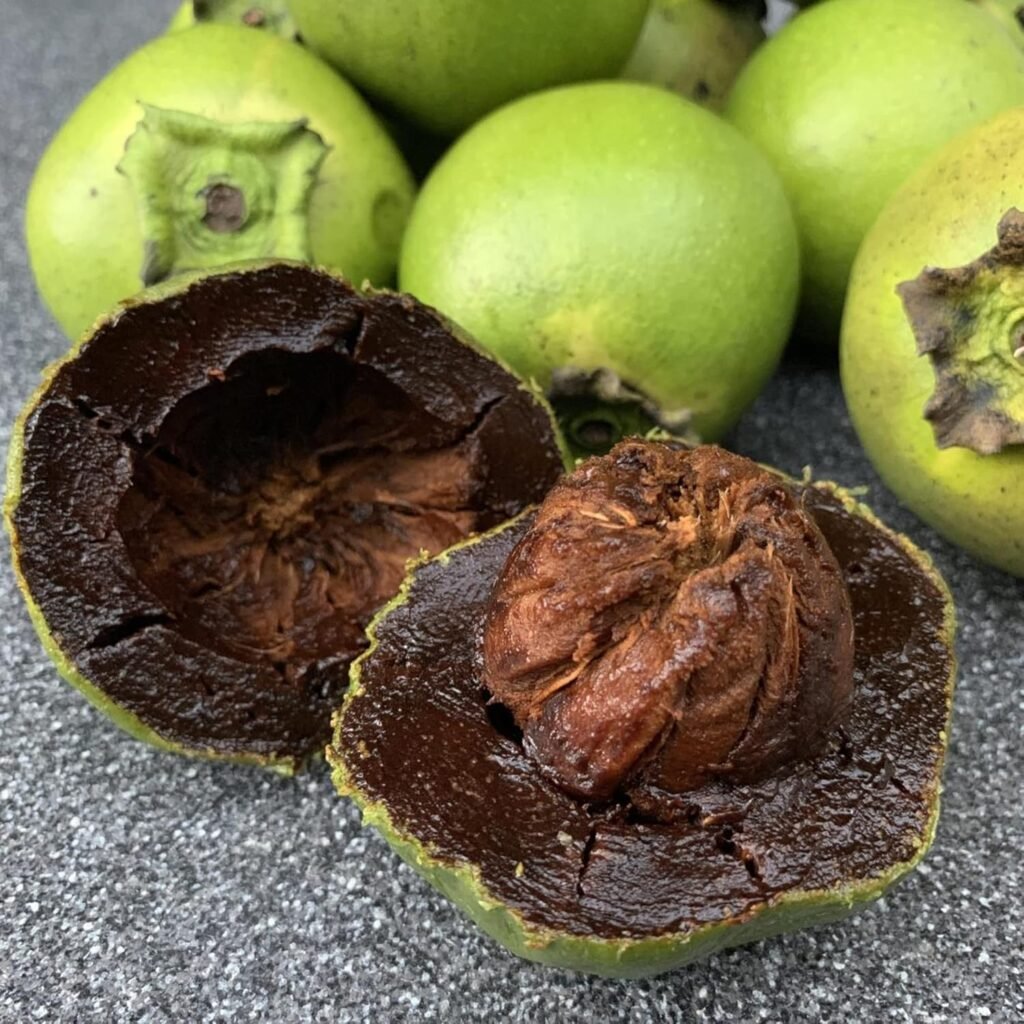
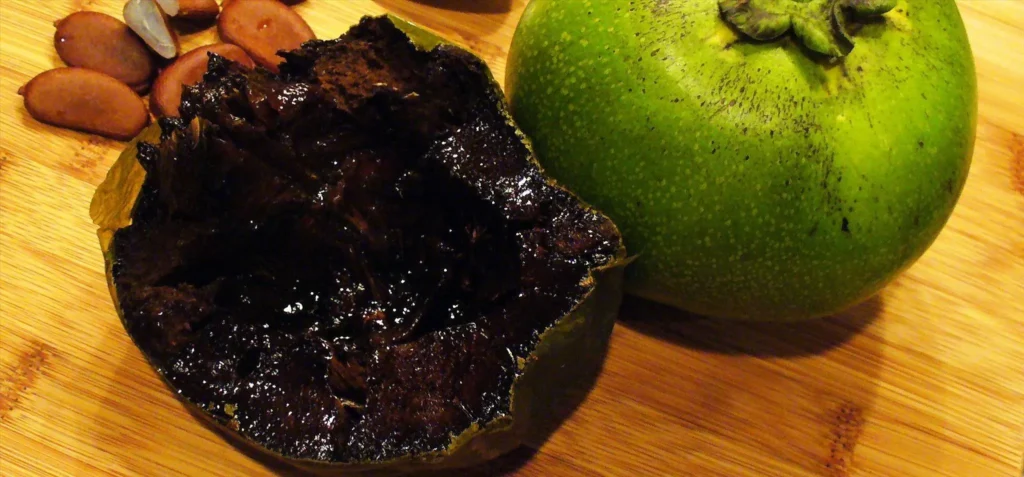
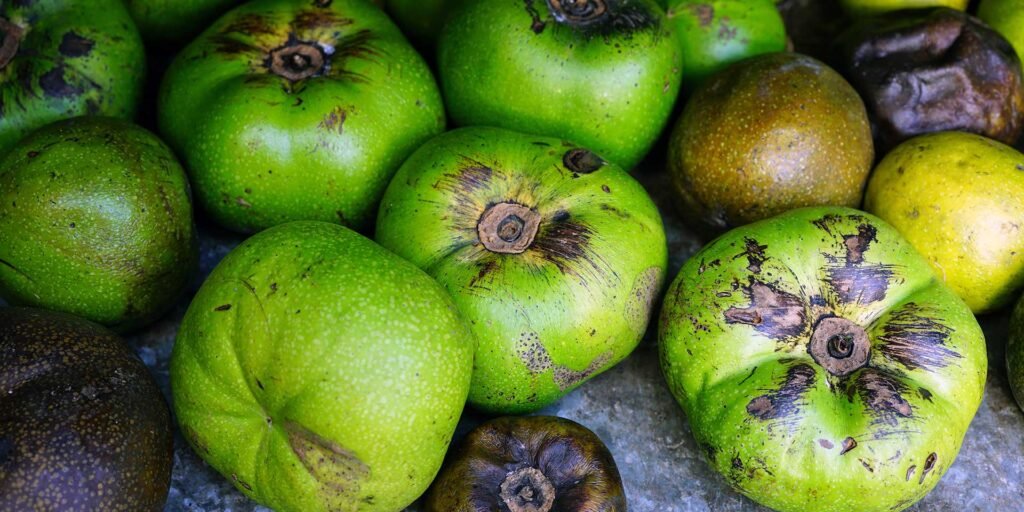
Black sapote belongs to the persimmon family (Ebenaceae) and shares many traits with the Asian persimmon. Its fruits start off bright green and hard, gradually softening and turning olive-to-dark brown as they ripen internally. When ready to eat, the pulp develops a custard-like texture and a mellow sweetness, often compared to chocolate pudding, dates, or caramelized banana.
Growing Black Sapote
Climate & Hardiness
Black sapote thrives in:
- Tropical and subtropical climates
- USDA Zones: approximately 9b–11
- Frost-sensitive when young, but older trees withstand brief chills.
Sunlight Needs
Full sun is ideal for vigorous growth and fruit production. In hot, dry inland regions, light afternoon shade reduces leaf scorch.
Soil Requirements
Black sapote tolerates a range of soils but prefers:
- Well-drained sandy loam
- Slightly acidic to neutral pH
- Organic matter enrichment for best productivity
Avoid waterlogging — long-term wet roots can reduce yields.
Watering
Young trees need consistent moisture during establishment (first 1–2 years). Once mature, they develop moderate drought tolerance, though irrigation during flowering and fruit formation significantly boosts fruit size and quality.
Fertilization
Feed twice to three times annually using:
- Balanced citrus/fruit fertilizer
- Organic compost
- Mulch for moisture retention and soil biology
Tree Size & Spacing
- Height: 20–50 feet depending on environment and pruning
- Spacing: 15–20 feet in orchards or agroforestry systems
Black sapote can be topped and shaped to maintain manageable height for harvesting.
Propagation Methods
Black sapote can be propagated via:
1. Seeds
- Fast germination (3–6 weeks)
- Good for rootstock and genetic diversity
- Seed-grown trees may take 4–7 years to bear fruit
2. Grafting & Budding
- Preferred for fruiting reliability and true-to-type results
- Grafted trees typically produce in 2–3 years
- Common techniques: cleft grafting, veneer grafting, chip budding
3. Air-Layering
Works but less common compared to grafting. Produces clones with faster maturation but root systems may be weaker than seedlings.
Varieties & Cultivars
While seedling diversity is wide, a few named cultivars stand out for flavor, yield, and flesh texture:
- ‘Reineke’ — smooth texture, large fruits
- ‘Merida’ — sweeter flavor, higher production
- ‘Mossman’ — Australian selection known for quality pulp
- ‘Black Beauty’ — smaller tree, heavy bearing, rich flavor
- ‘Bernicker’ — prolific mid-season type
Cultivar availability varies regionally, and many growers rely on improved seedlings.
Flowering & Fruit Set
Black sapote is typically dioecious, meaning male and female flowers may occur on separate trees. However, some cultivars produce perfect or mixed flowers, improving fruiting consistency.
For orchard settings, planting more than one tree increases pollination and yields.
Harvesting Black Sapote
When to Harvest
- Fruits are harvested when still green and firm, not when already soft.
- A slight dullness of color or faint yellowish-green tipping indicates maturity.
After picking, fruits ripen off the tree, softening and darkening internally over several days.
Ripeness Indicators
A ripe black sapote will:
- Yield to gentle thumb pressure
- Display dark chocolate-colored flesh
- Have a mild, sweet aroma
- Spoon out like custard
Once ripe, store refrigerated for up to a week.
Culinary Usage & Food Ideas
Black sapote’s flavor is subtle, not saccharine — meaning it pairs beautifully with bold ingredients.
Popular Uses
- Smoothies
- Pies & custards
- Ice cream
- Energy bars
- Crepes & pancakes
- Plant-based desserts
- Fermented beverages
Superfood Qualities
Black sapote is rich in:
- Vitamin C
- Potassium
- Fiber
- Antioxidants
- Low fat
‘Chocolate Pudding’ Substitution
When mixed with:
- Vanilla
- Banana
- Cocoa powder
- Coconut cream
- Espresso
…the pulp creates an indulgent chocolatey mousse alternative with far less sugar and fat than traditional desserts.
Landscaping & Edible Garden Benefits
Black sapote functions as:
- Shade tree
- Evergreen ornamental
- Food forest canopy layer
- Wildlife-supporting tree (flowers attract pollinators)
The dark glossy foliage adds visual appeal, while deep roots improve soil structure in mixed plantings.
Common Pests & Problems
Generally a low-pest species but can encounter:
- Scale insects
- Leaf miners
- Whiteflies
- Fruit drop from water stress
- Nutrient deficiency (yellowing leaves from iron or zinc shortage)
Mulching and balanced fertility address most issues.
Post-Harvest & Storage Tips
To handle harvested fruit:
- Ripen at room temperature
- Refrigerate after softening
- Freeze pulp for smoothies or desserts
Frozen pulp retains flavor and texture remarkably well.
Black Sapote in Food Culture
In its native range, black sapote has long been enjoyed fresh or mashed with:
- Vanilla or milk
- Citrus
- Sugarcane molasses
- Rum
Contemporary chefs have adapted it for:
- Vegan desserts
- Pastry fillings
- Savory sauces (paired with chili & lime)
- Gourmet plating in fine dining
Its novelty and versatility make it a sleeper fruit poised for culinary trendiness.
Final Thoughts
Black sapote is more than a curiosity — it’s a resilient tropical fruit tree that rewards growers with unique harvests and creative culinary potential. With proper variety selection, thoughtful irrigation, and simple propagation techniques, you can enjoy homegrown “chocolate pudding fruit” for decades.


&media=https://food-foresting.com/wp-content/uploads/2026/01/635646947275251020_b66dd71dbb.webp)