 paulius.mikoliunas1
| Common Name | Apple |
| Family | Rosaceae |
| USDA hardiness | 3-8 |
| Known Hazards |  All members of this genus contain the toxin hydrogen cyanide in their seeds and possibly also in their leaves, but not in their fruits. Hydrogen cyanide is the substance that gives almonds their characteristic taste but it should only be consumed in very small quantities. Apple seeds do not normally contain very high quantities of hydrogen cyanide but, even so, should not be consumed in very large quantities. In small quantities, hydrogen cyanide has been shown to stimulate respiration and improve digestion, it is also claimed to be of benefit in the treatment of cancer. In excess, however, it can cause respiratory failure and even death. All members of this genus contain the toxin hydrogen cyanide in their seeds and possibly also in their leaves, but not in their fruits. Hydrogen cyanide is the substance that gives almonds their characteristic taste but it should only be consumed in very small quantities. Apple seeds do not normally contain very high quantities of hydrogen cyanide but, even so, should not be consumed in very large quantities. In small quantities, hydrogen cyanide has been shown to stimulate respiration and improve digestion, it is also claimed to be of benefit in the treatment of cancer. In excess, however, it can cause respiratory failure and even death. |
| Habitats | Not known in a truly wild situation. |
| Range | A hybrid of garden origin, mainly involving M. sylvestris and M. pumila |
| Edibility Rating |  (5 of 5) (5 of 5) |
| Other Uses |   (4 of 5) (4 of 5) |
| Weed Potential | No |
| Medicinal Rating |   (2 of 5) (2 of 5) |
| Care (info) |     |
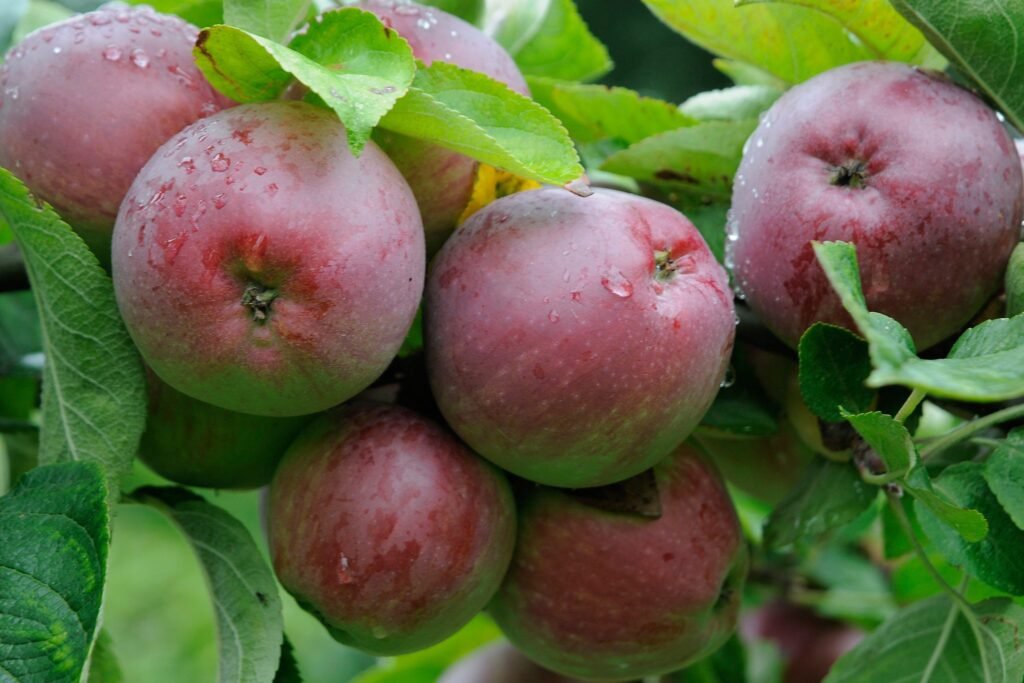
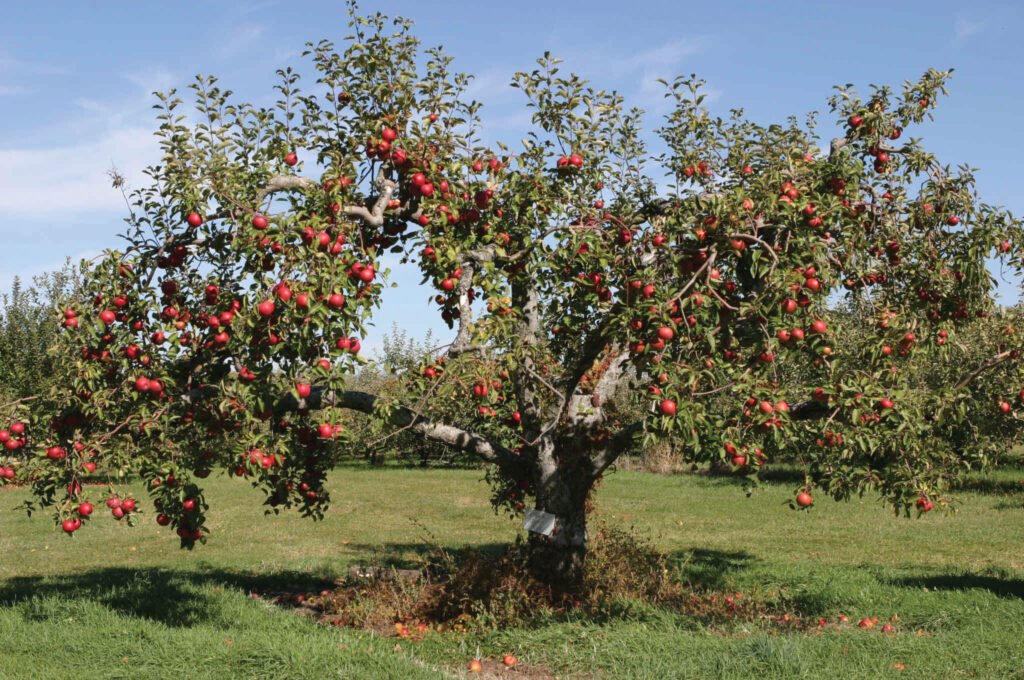
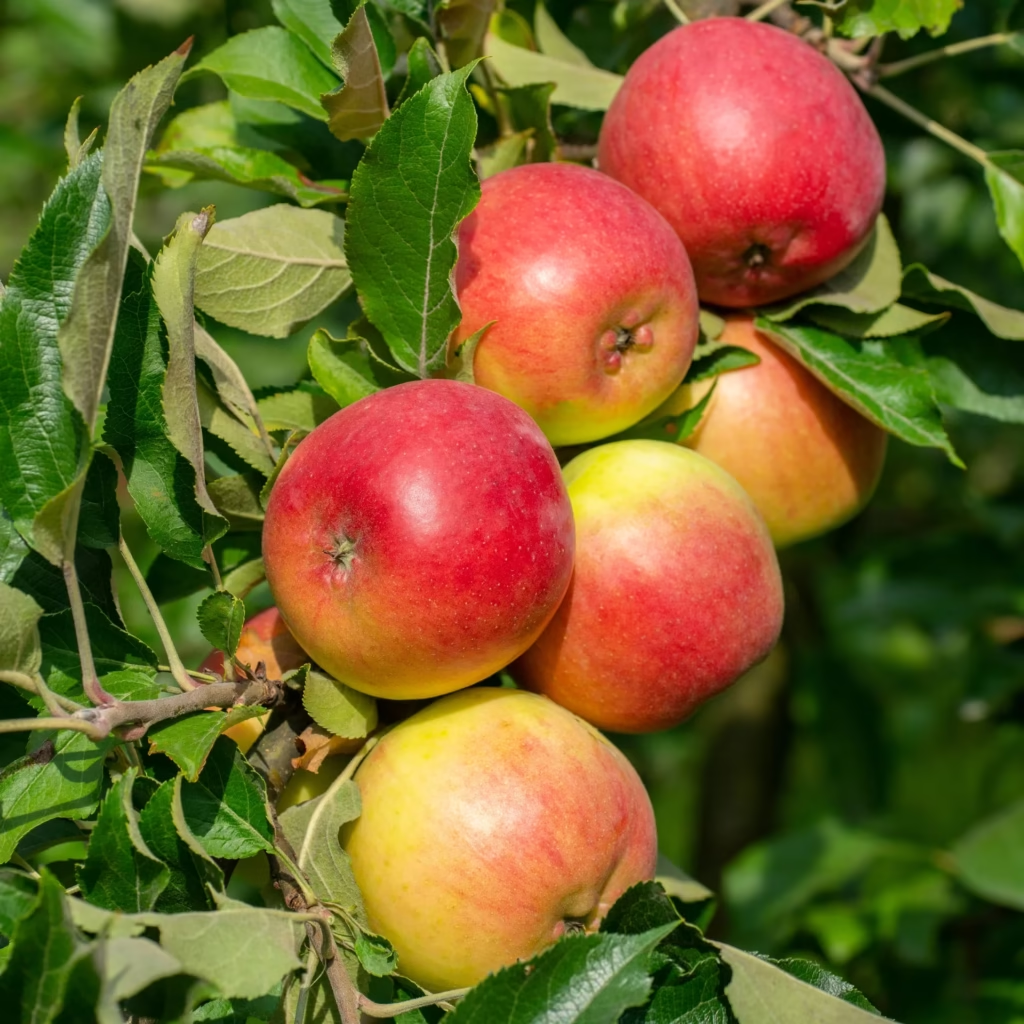
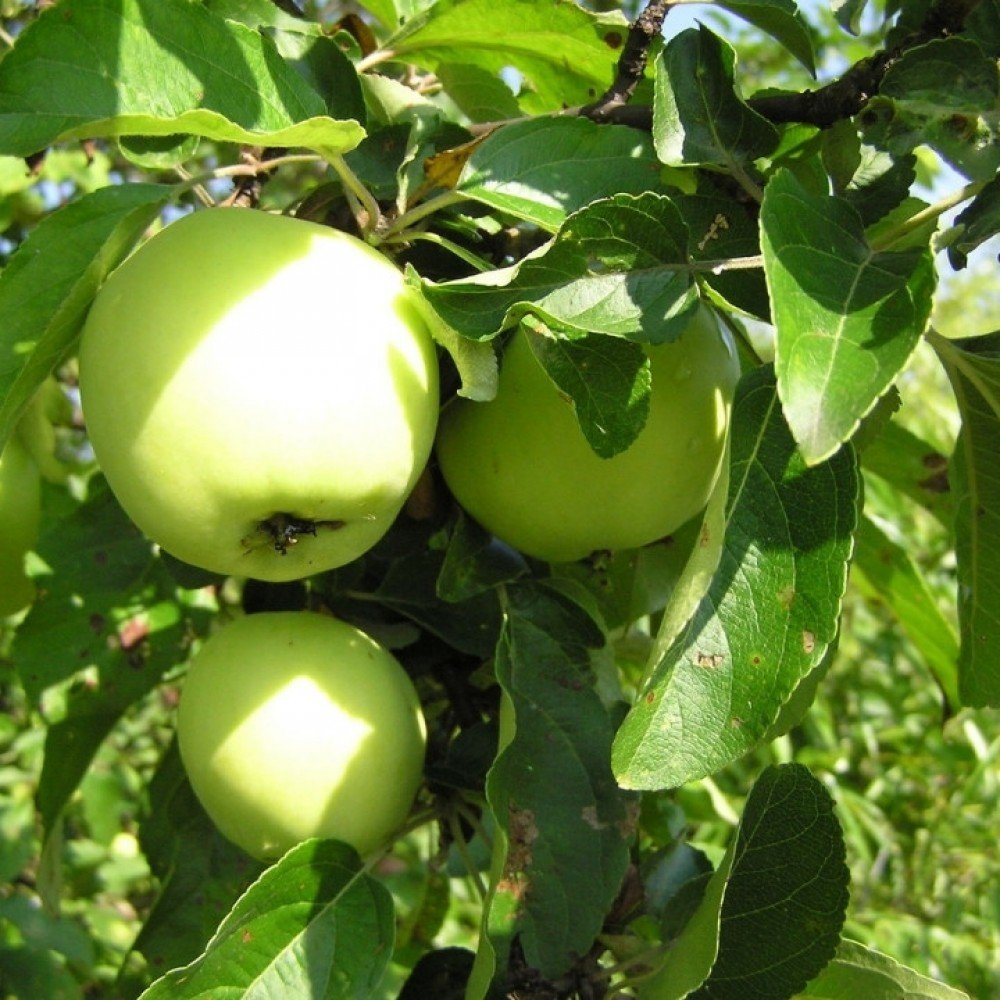
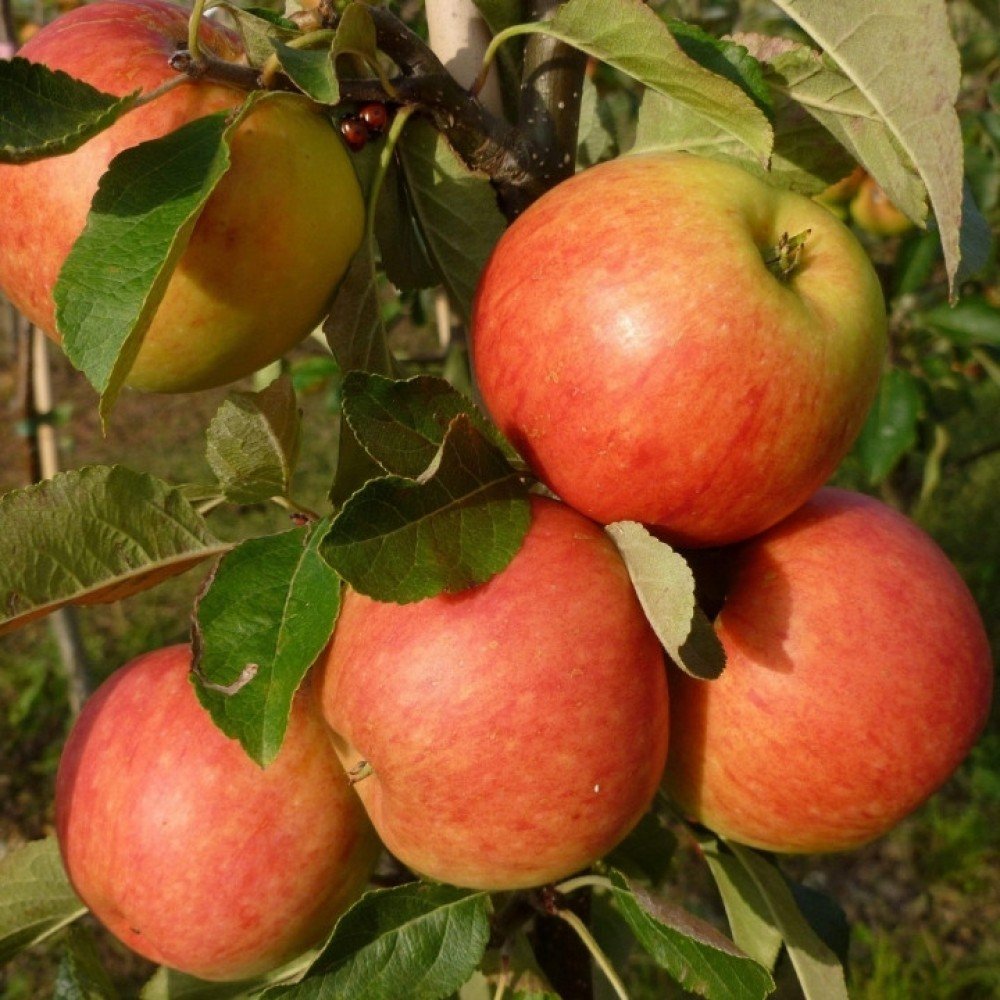
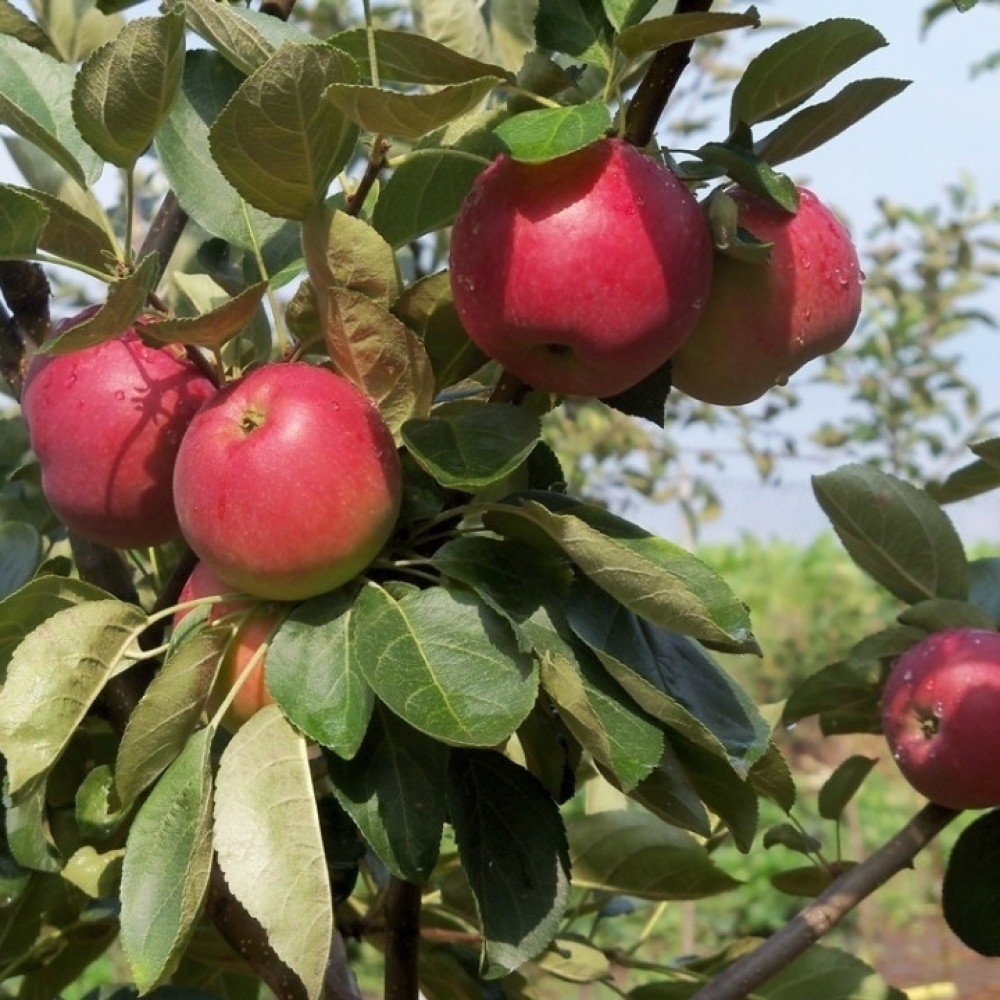
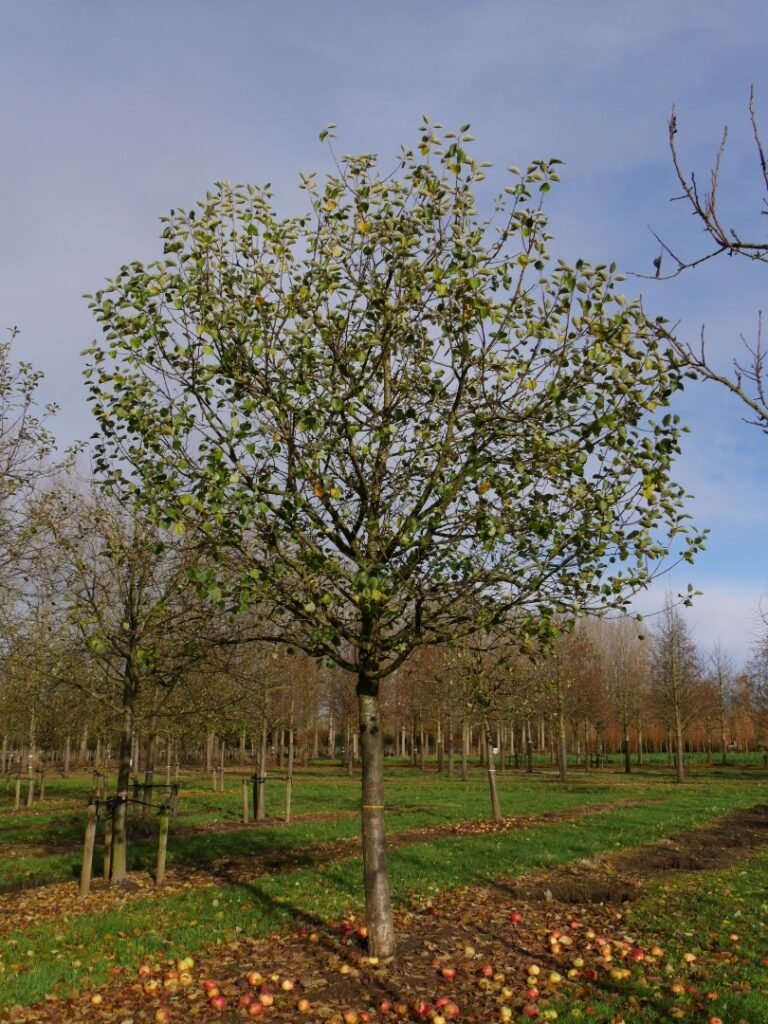
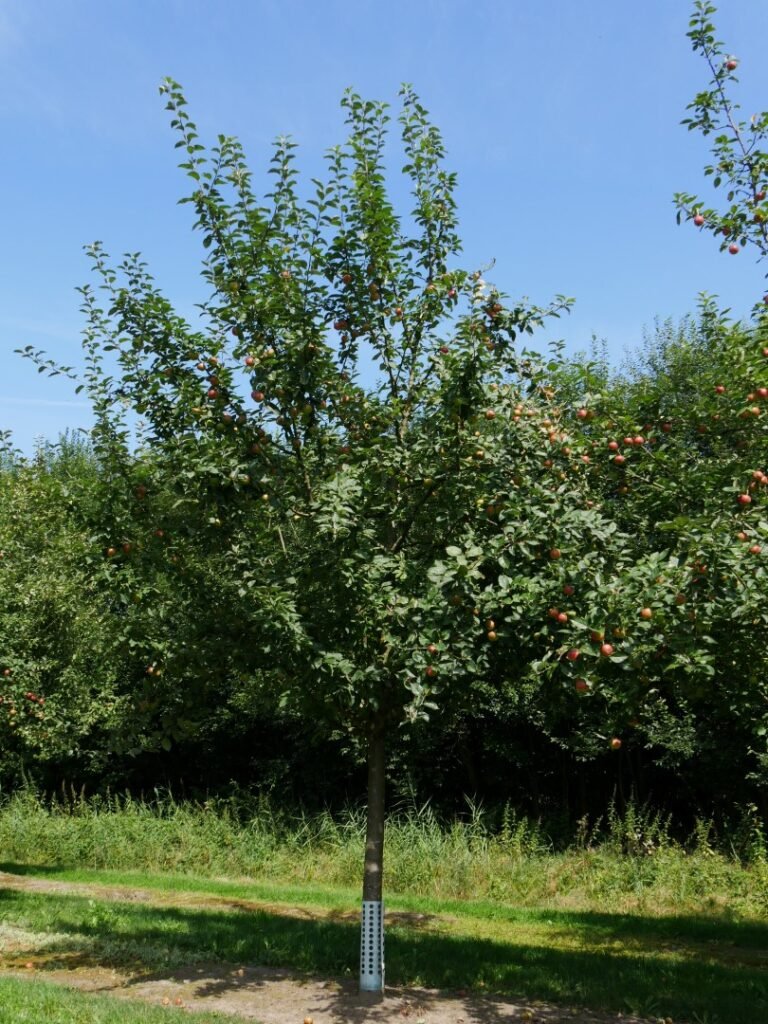
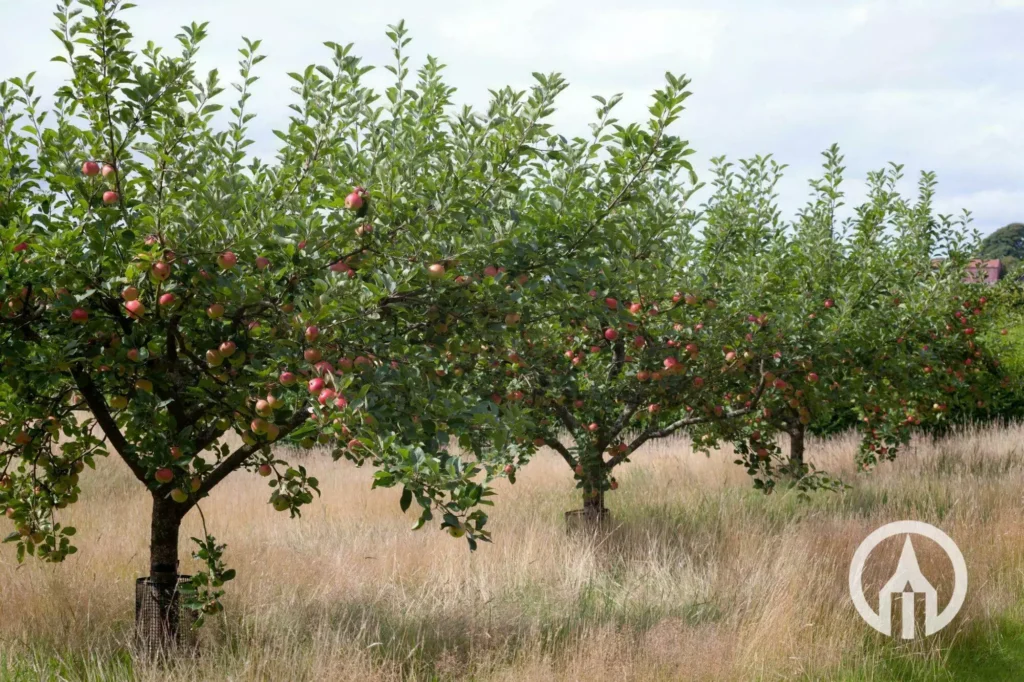
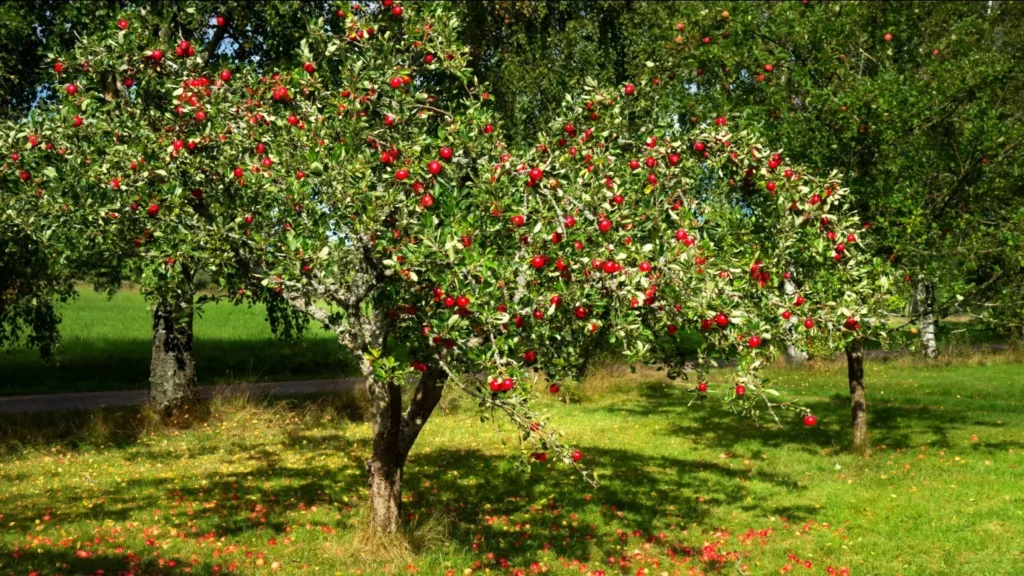
🍎 How to Grow & Harvest Apple (Malus domestica): Cultivation, Propagation, Varieties, Uses & Culinary Ideas
The apple tree (Malus domestica) is one of the world’s most recognizable fruit-bearing trees, prized for its versatility, flavor, and nutritional value. From backyard homesteads to vast orchards, apples serve as staples for preserves, pies, and fresh eating—while also offering exceptional ornamental value. Learning how to grow, propagate, and harvest apples successfully can transform even a modest garden into a year-round food resource.
This comprehensive guide explores everything you need to know—including planting, popular varieties, propagation techniques, culinary uses, and harvesting strategies.
🌱 Growing Apple Trees: Planting & Site Requirements
Climate & Hardiness
Most cultivated apples grow well in temperate climates, requiring a period of winter chilling to initiate fruit bud development. Apple hardiness varies widely among cultivars, making it possible to grow apples from colder northern regions to mild coastal zones.
Sun & Soil
- Full sun (minimum 6–8 hours daily)
- Well-drained loamy soil
- pH slightly acidic to neutral (approx. 6.0–7.0)
- Avoid soggy, clay-heavy soil to minimize root rot
Spacing & Pollination
Apple trees typically require cross-pollination from compatible cultivars, though some modern types are partially self-fertile.
- Standard trees: 15–25 feet apart
- Semi-dwarf: 12–15 feet
- Dwarf: 6–10 feet
Bees and other pollinators play a vital role in fruit set, so avoid heavy pesticide use during flowering.
Irrigation & Feeding
- Deep watering encourages strong root development
- During fruiting season, soil moisture should be consistent
- Organic compost or balanced fertilizer benefits growth
- Annual pruning and thinning improve fruit size and quality
✂️ Propagation Techniques for Apple Trees
While apples can grow from seed, seedlings rarely produce fruit identical to the parent. For reliable flavor and yield, vegetative propagation is preferred.
1. Grafting (Most Common Method)
Grafting joins a scion (fruiting variety) to a rootstock (controls size & vigor).
- Dwarf rootstocks produce smaller trees ideal for home gardens
- Standard rootstocks offer longer lifespan and deeper roots
2. Budding
T-budding and chip budding are used by professionals for mass propagation.
3. Layering
Air layering and ground layering are less common but useful for specialty cultivars.
Seeds (For Experimentation)
Seed-grown apples vary genetically, making them ideal for breeding or educational projects, not commercial fruiting orchards.
🌳 Popular Apple Varieties & Their Characteristics
Modern cultivars range from crisp dessert types to aromatic cider and cooking apples. A non-exhaustive sample includes:
- Honeycrisp – Juicy, crisp, excellent for fresh eating
- Granny Smith – Tart, long storage life, ideal for baking
- Fuji – Very sweet, extended shelf life
- Gala – Aromatic, mild, versatile for salads & snacks
- Braeburn – Balanced sweet-tart flavor, great for cooking
- McIntosh – Soft flesh, good for applesauce
- Pink Lady (Cripps Pink) – Late season, firm texture, sweet-tart flavor
- Cider Types – Bittersharp and bittersweet apples for fermentation
Choosing multiple varieties with staggered maturity extends harvest season from late summer into early winter.
🍽️ Culinary Uses & Food Options with Apples
Apples shine as one of the most versatile fruits in kitchens worldwide.
Fresh & Snack Use
- Fruit salads
- Cheese boards
- Lunch snacks
- Sliced with nut spreads
Cooking & Baking
- Pies, crisps & cobblers
- Dumplings & turnovers
- Muffins & cakes
- Roasted with meats (especially pork)
Preserving & Storage
- Applesauce & apple butter
- Dried apple chips
- Jams & chutneys
- Fermented cider or vinegar
Nutritional Benefits
Apples are rich in:
- Dietary fiber (pectin)
- Vitamin C
- Antioxidants
- Polyphenols
Low in calories and highly satiating, apples remain a staple of healthy eating patterns.
🌼 Garden & Ornamental Value
Beyond food, apple trees contribute:
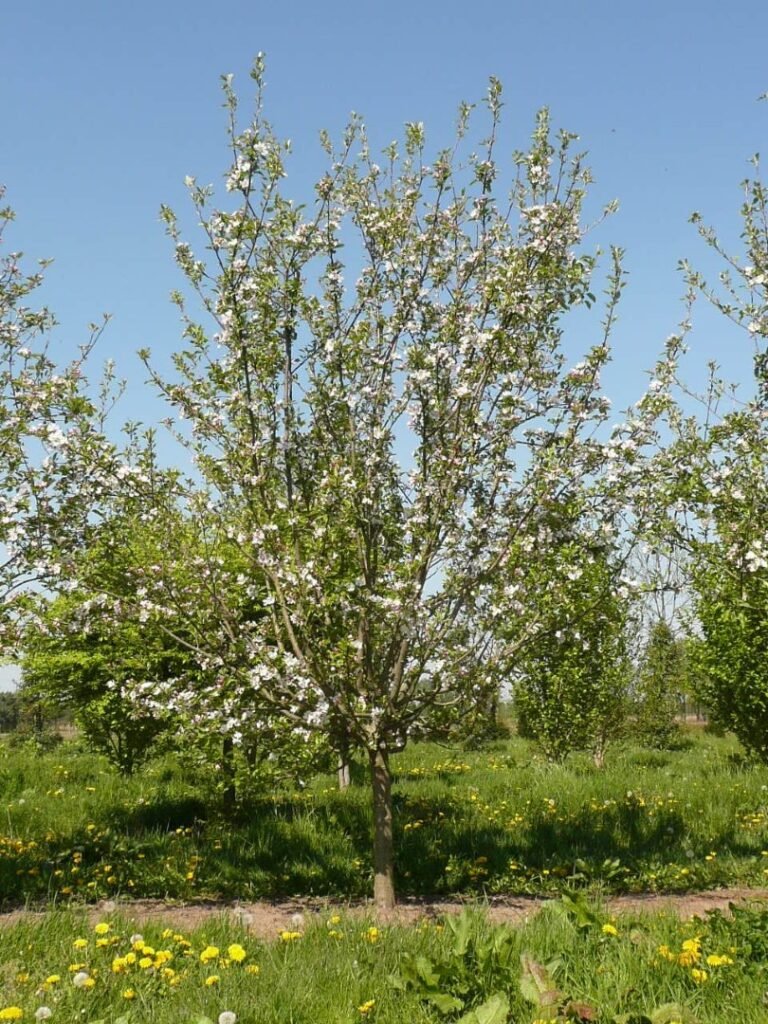
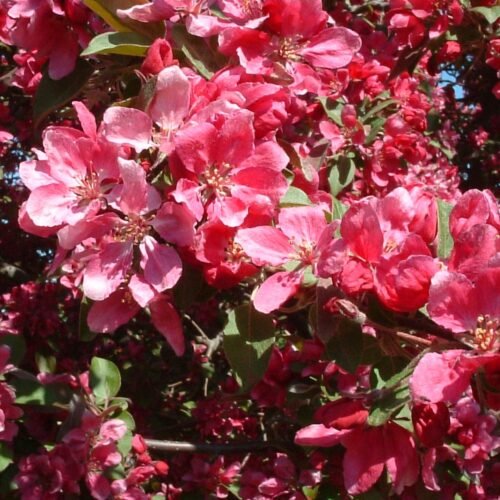
- Spring blossoms (pink to white)
- Bee forage
- Fall color
- Wildlife habitat
Their compact form complements cottage gardens, orchards, and edible landscapes.
🧺 Harvesting & Storage Tips
When to Harvest
Maturity depends on variety, but general signs include:
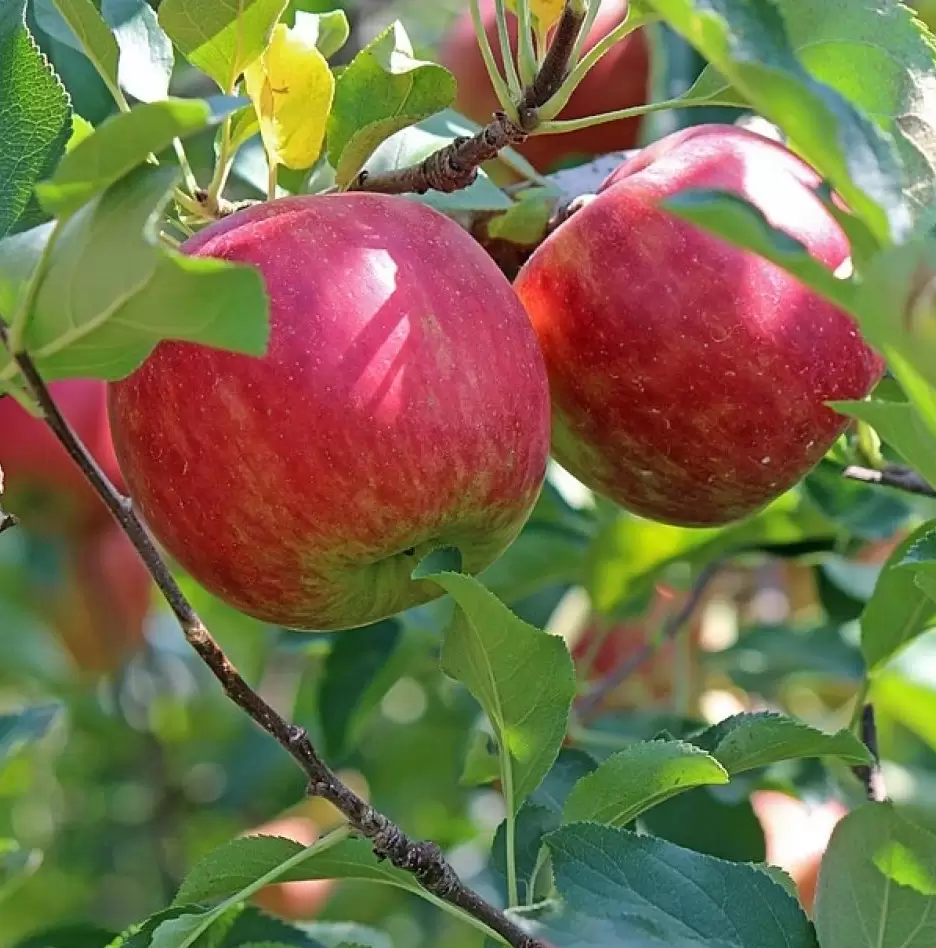
- Background skin color changing from green to yellowish
- Seeds turning brown
- Fruit easily detaches with upward twist
Post-Harvest Handling
- Avoid bruising (affects storage life)
- Store in cool, humid environments
- Do not store apples near vegetables (they release ethylene)
Storage lifespan varies by cultivar:
- Short keepers: 2–4 weeks
- Long keepers: Up to 6 months or more (e.g., Fuji, Granny Smith)
🌾 Common Pests & Diseases
Apple trees are susceptible to:
- Apple scab
- Fire blight
- Powdery mildew
- Codling moth & apple maggot
Integrated pest management (IPM), resistant varieties, and proper pruning significantly reduce disease pressure.
🌍 Final Thoughts: Why Grow Apples?
Growing apples blends botany, food culture, sustainability, and seasonal enjoyment. Whether you’re cultivating a single dwarf tree or planning an entire orchard, apples reward patience with years—if not decades—of delicious harvests and ornamental beauty.


&media=https://food-foresting.com/wp-content/uploads/2026/01/Tree-with-red-apples.jpg.webp)