 paulius.mikoliunas1
| Common Name | Japanese Crab, Japanese flowering crab apple |
| Family | Rosaceae |
| USDA hardiness | 4-7 |
| Known Hazards |  All members of this genus contain the toxin hydrogen cyanide in their seeds and possibly also in their leaves, but not in their fruits. Hydrogen cyanide is the substance that gives almonds their characteristic taste but it should only be consumed in very small quantities. Apple seeds do not normally contain very high quantities of hydrogen cyanide but, even so, should not be consumed in very large quantities. In small quantities, hydrogen cyanide has been shown to stimulate respiration and improve digestion, it is also claimed to be of benefit in the treatment of cancer. In excess, however, it can cause respiratory failure and even death. All members of this genus contain the toxin hydrogen cyanide in their seeds and possibly also in their leaves, but not in their fruits. Hydrogen cyanide is the substance that gives almonds their characteristic taste but it should only be consumed in very small quantities. Apple seeds do not normally contain very high quantities of hydrogen cyanide but, even so, should not be consumed in very large quantities. In small quantities, hydrogen cyanide has been shown to stimulate respiration and improve digestion, it is also claimed to be of benefit in the treatment of cancer. In excess, however, it can cause respiratory failure and even death. |
| Habitats | Not known in the wild. |
| Range | E. Asia – Japan? Probably not a truly wild species but a hybrid M. sieboldii x M. baccata or M. prun |
| Edibility Rating |   (3 of 5) (3 of 5) |
| Other Uses |  (0 of 5) (0 of 5) |
| Weed Potential | No |
| Medicinal Rating |  (0 of 5) (0 of 5) |
| Care (info) |     |
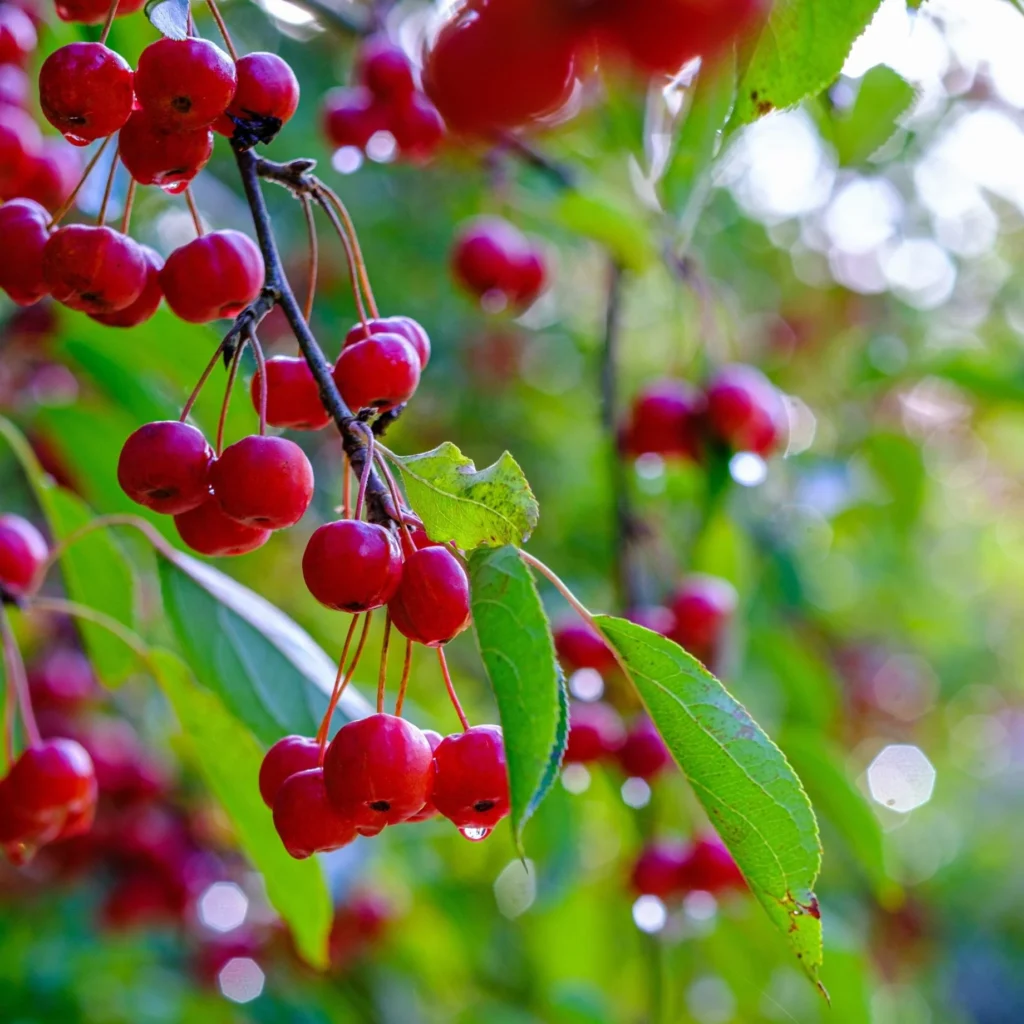
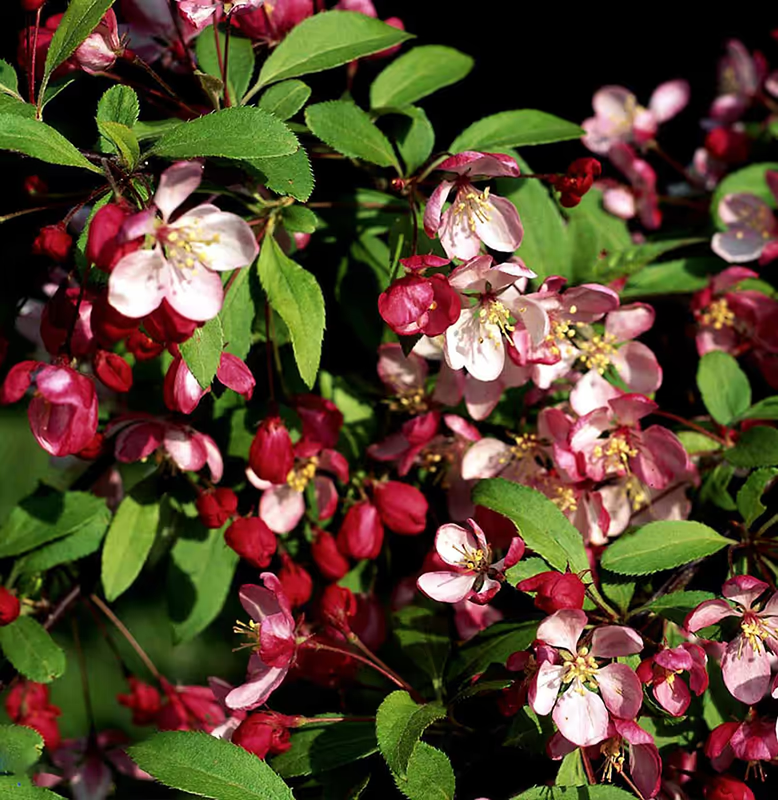
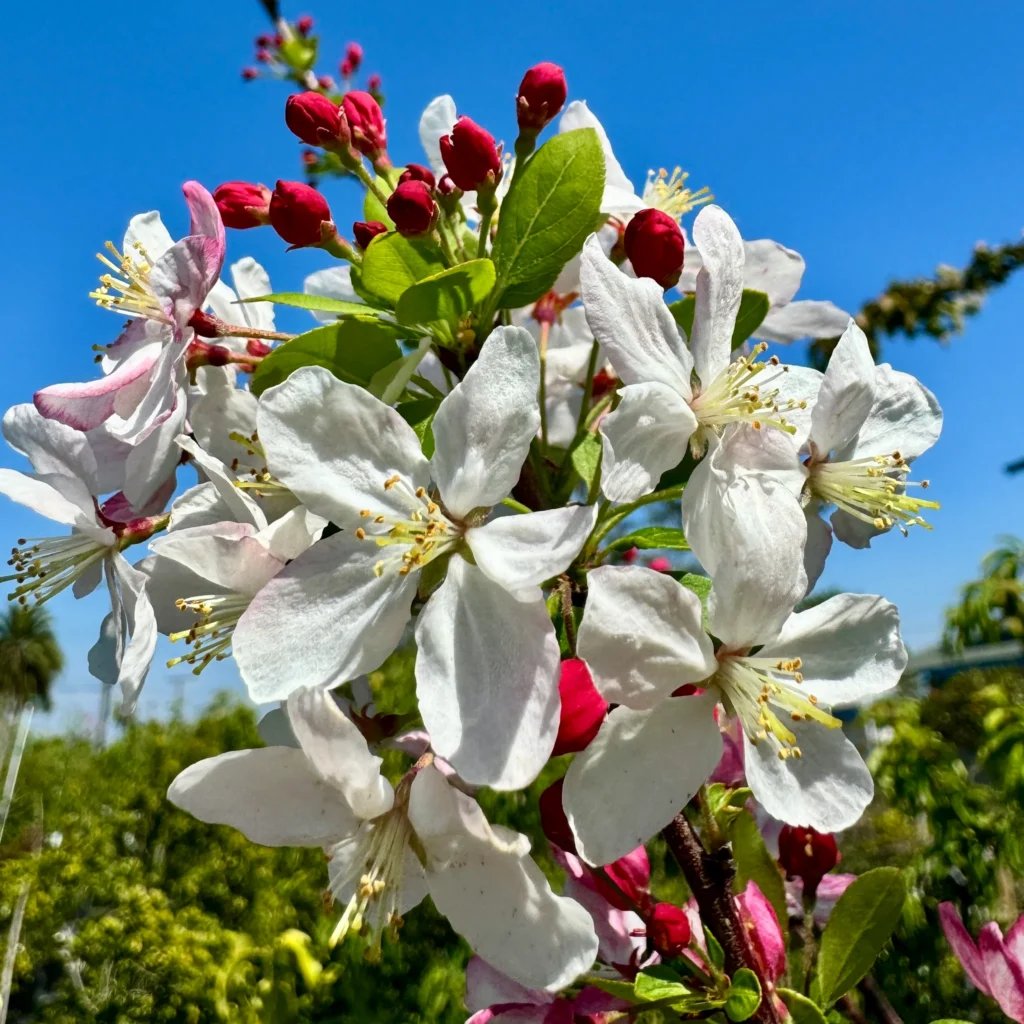
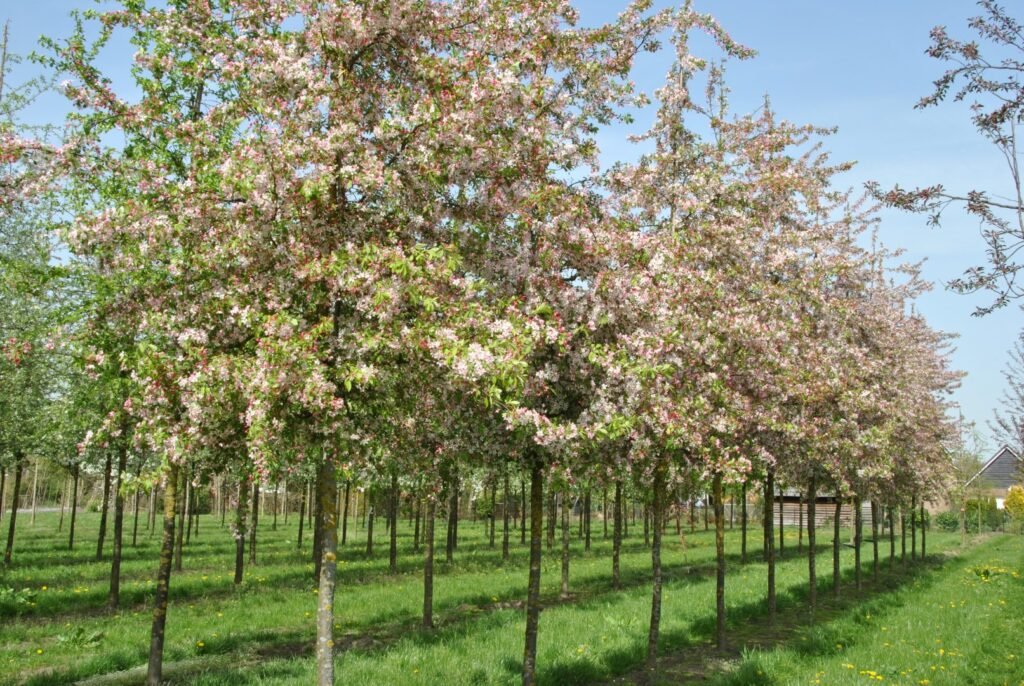
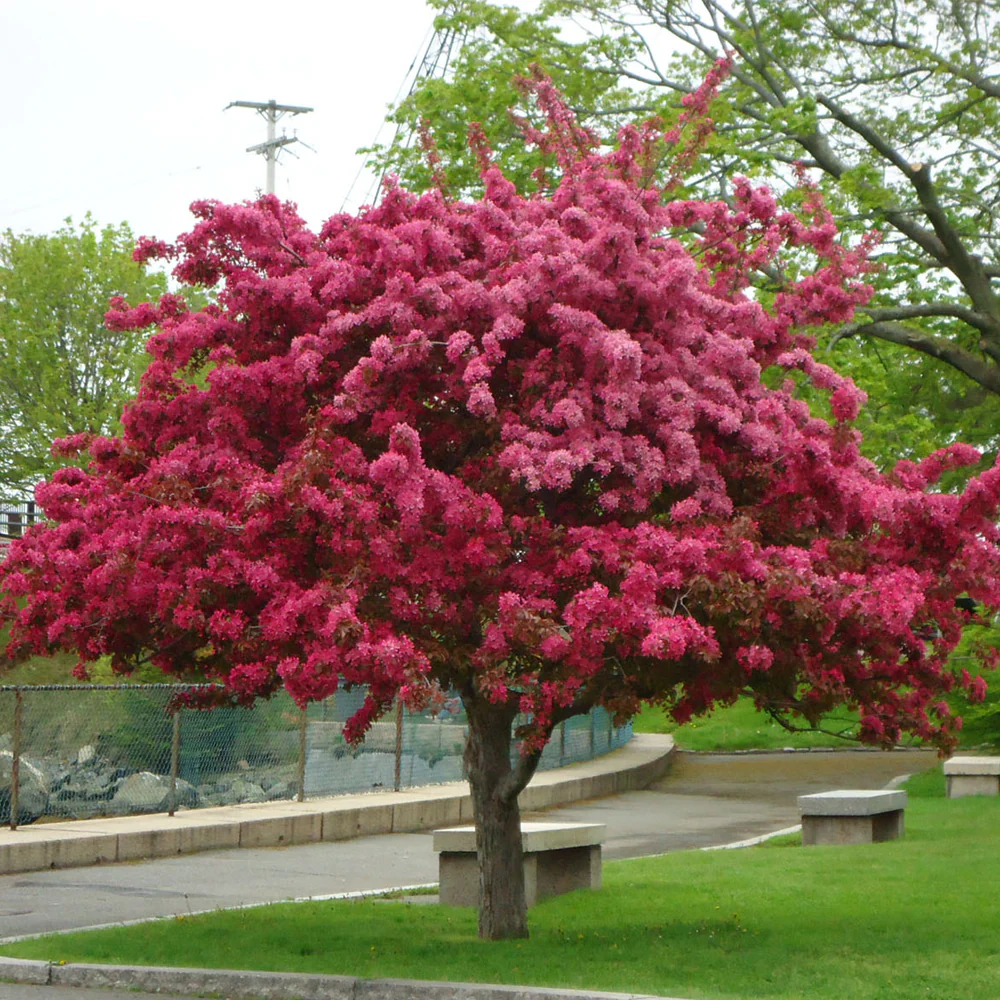
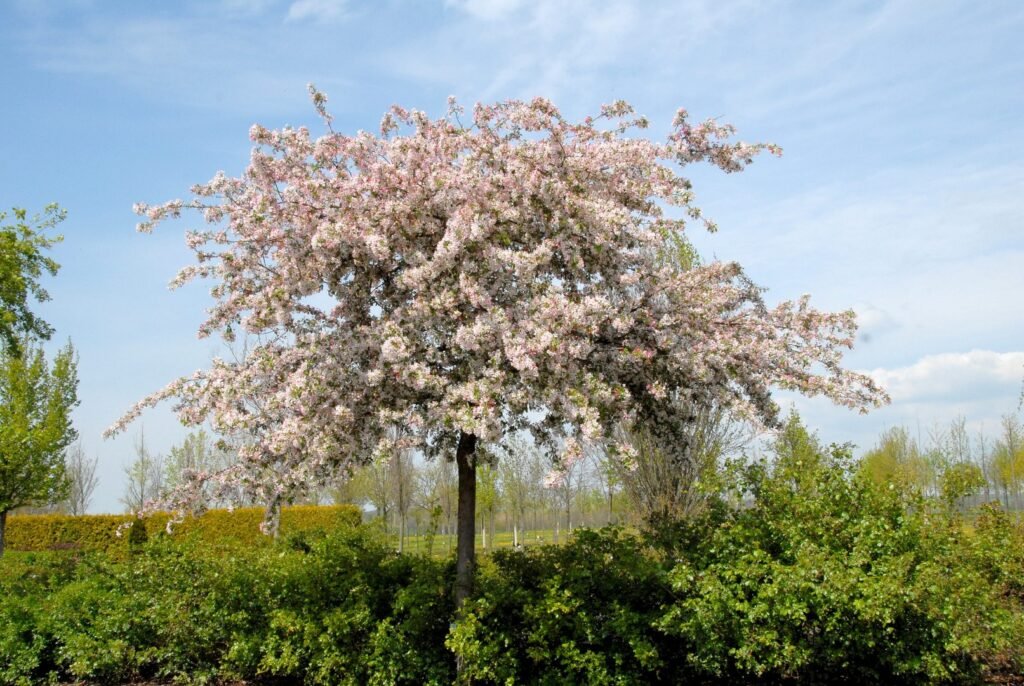
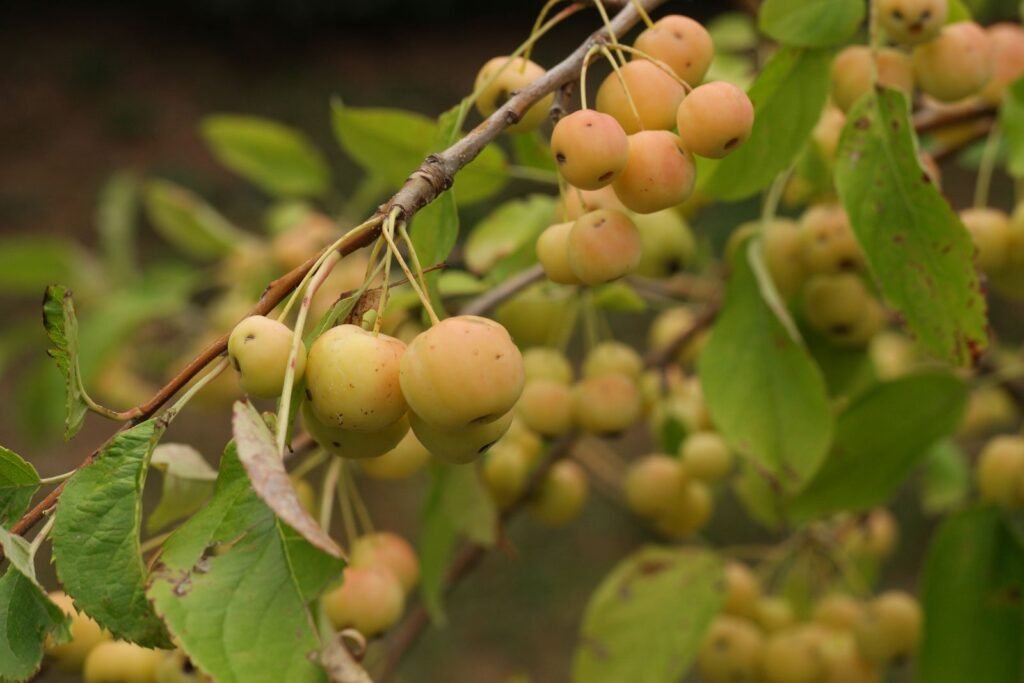
How to Grow and Use Japanese Flowering Crab Apple (Malus floribunda): Cultivation, Propagation, Varieties & Harvest Guide
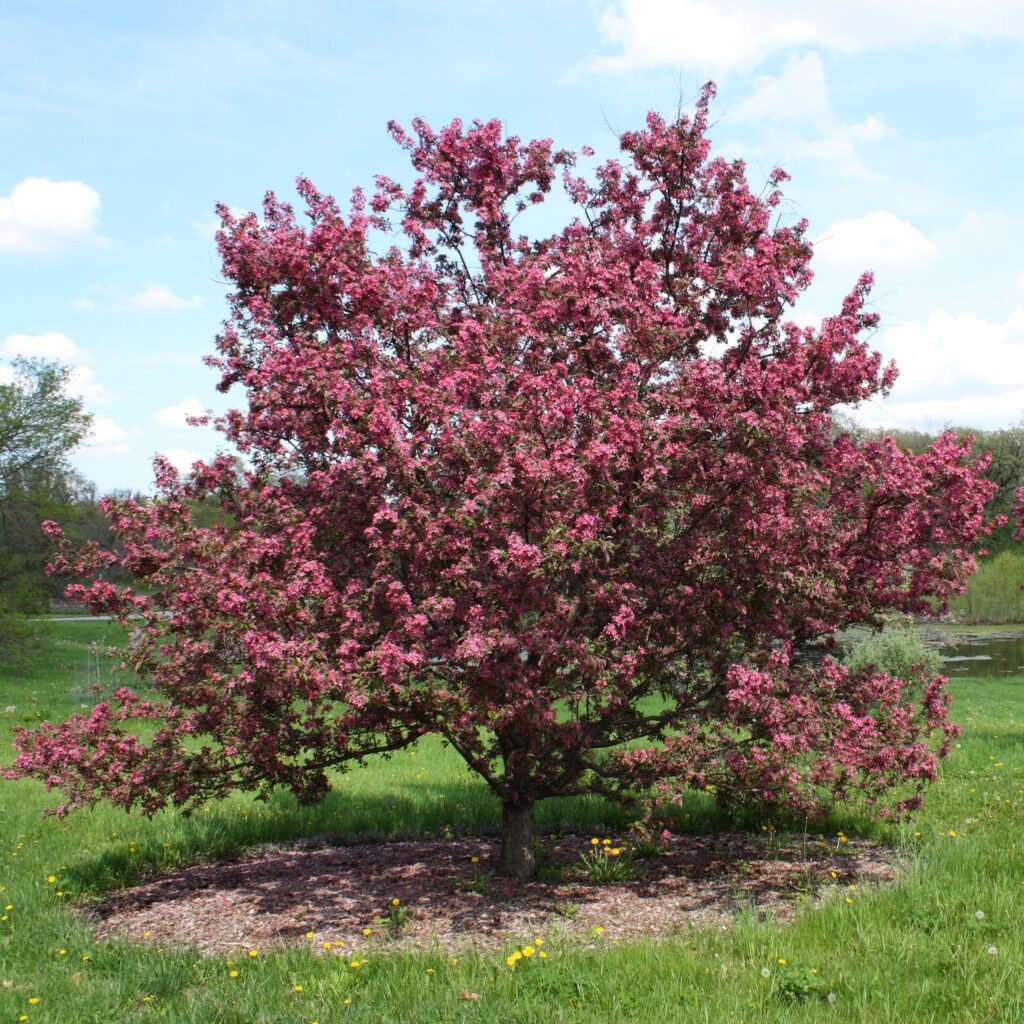
The Japanese flowering crab apple, scientifically known as Malus floribunda, is a stunning ornamental tree valued for its lavish spring blossoms, compact fruit, and ecological benefits. While often admired for landscaping, this crab apple species also offers surprising culinary and craft uses, making it a versatile addition to home gardens.
Below is a comprehensive guide for enthusiasts interested in planting, propagating, harvesting, and utilizing Malus floribunda.
🌿 What Makes Malus floribunda Unique?
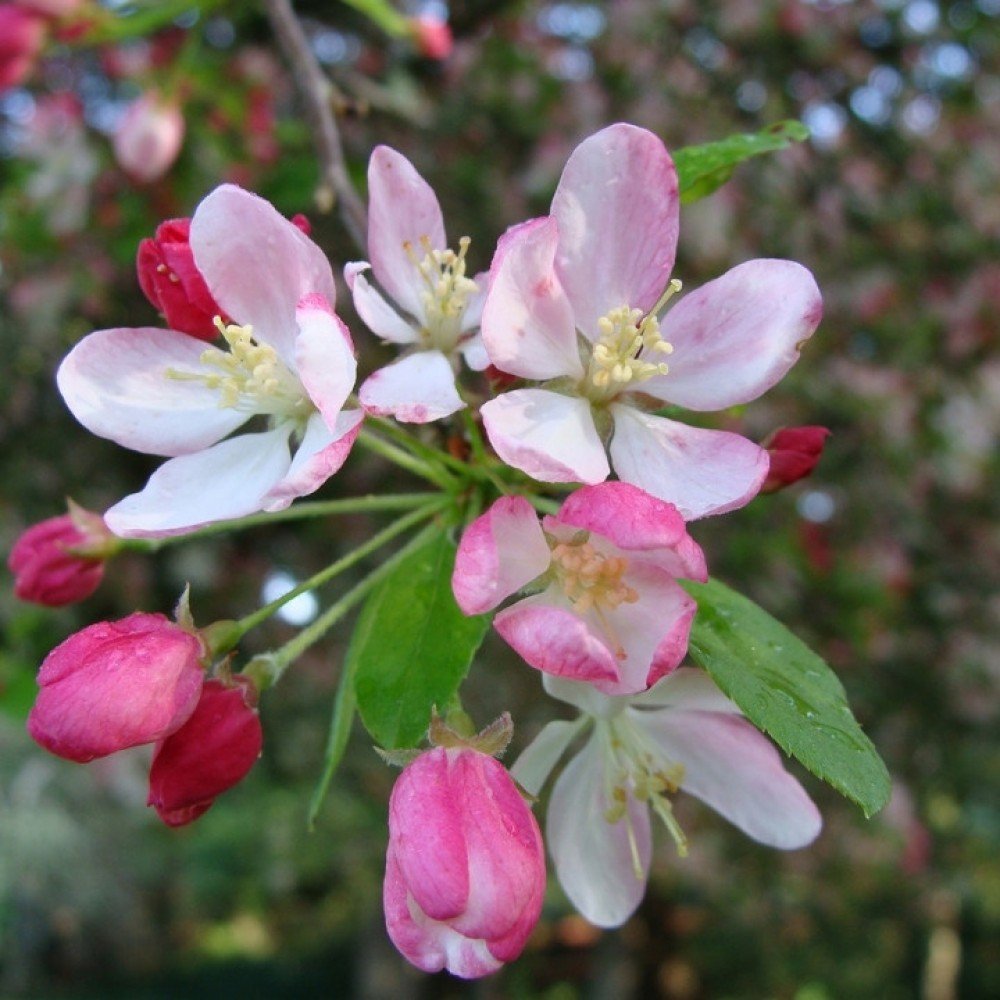
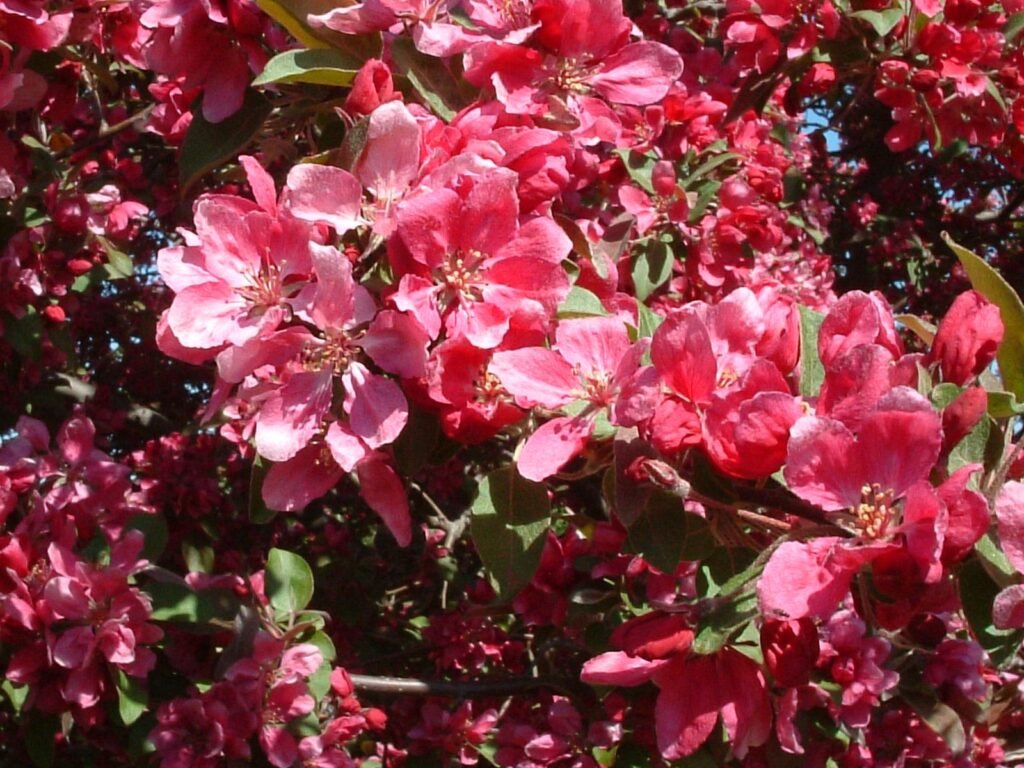
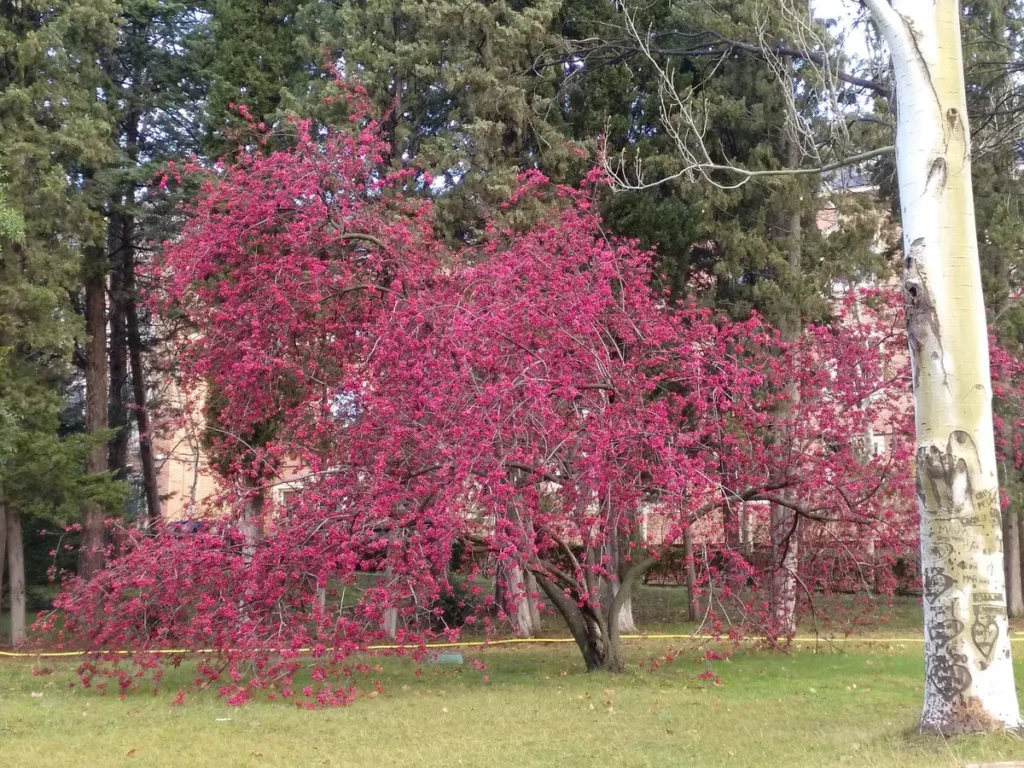
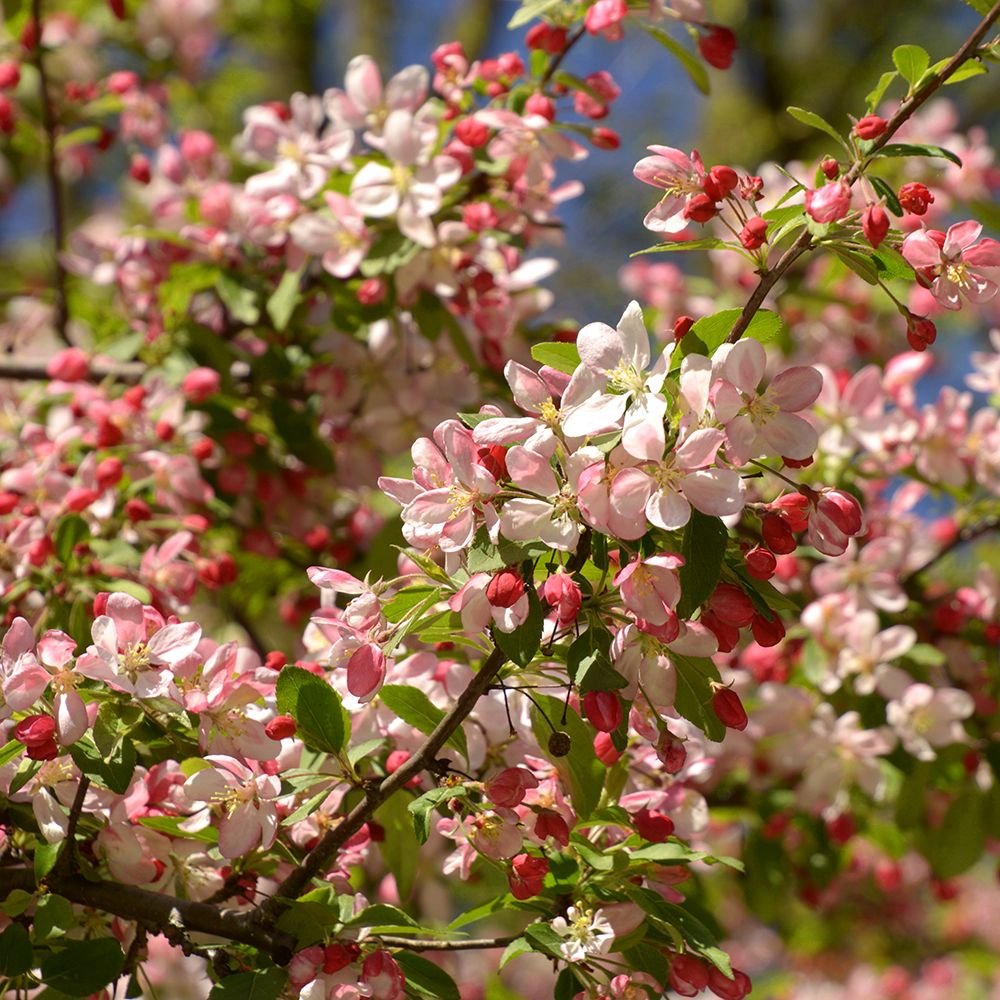
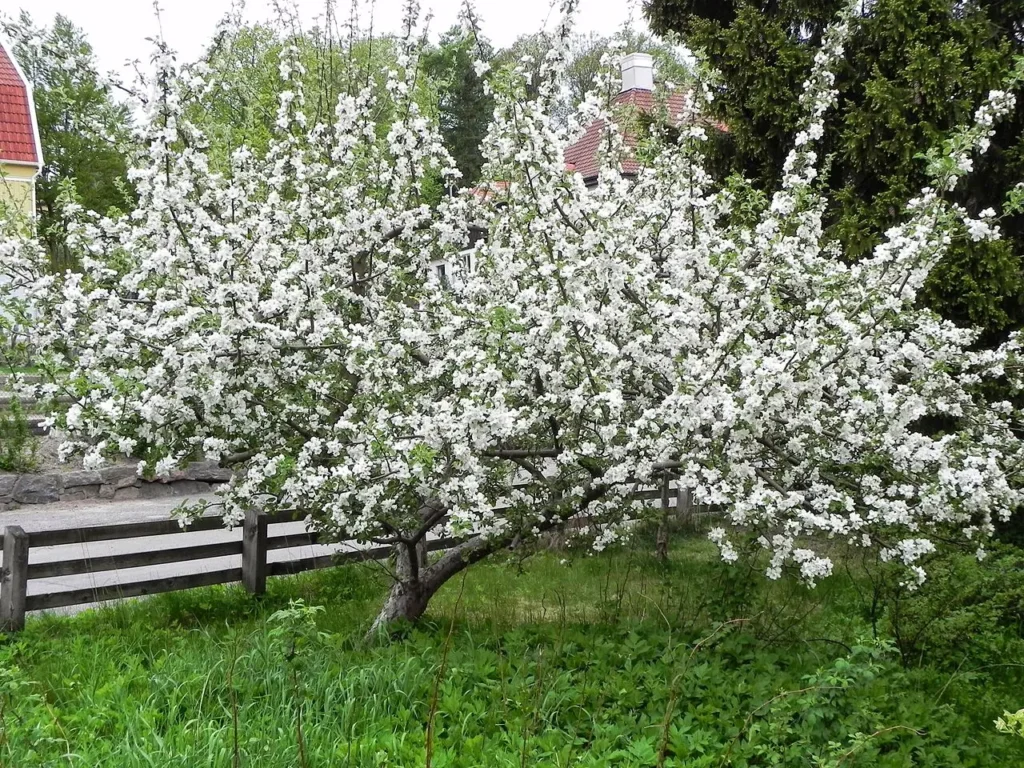
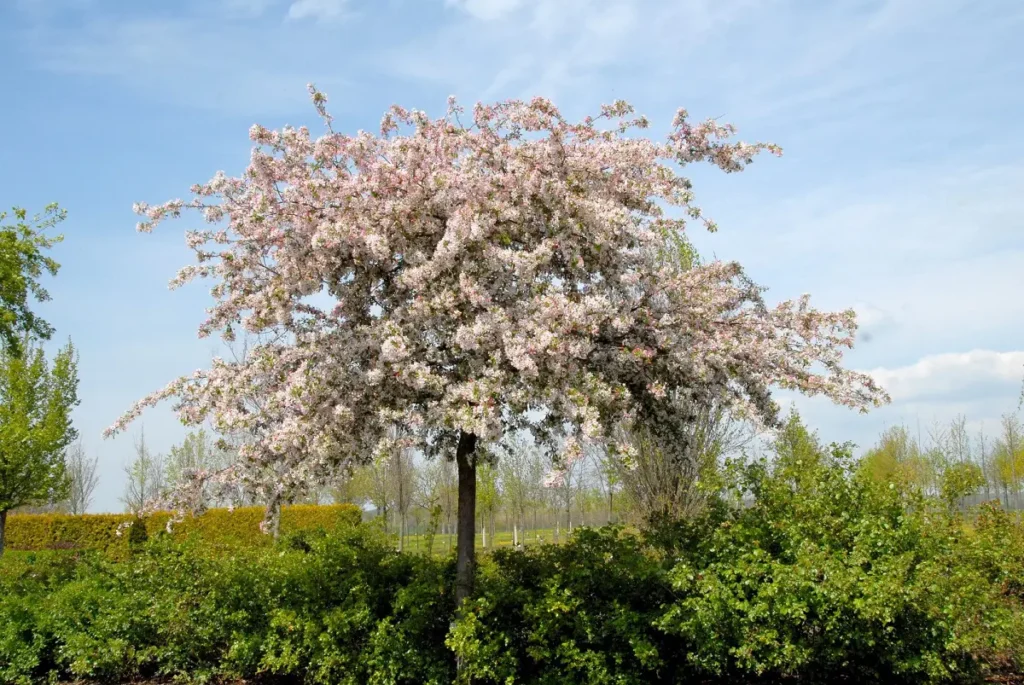
- Exceptional Blossom Display: Dense clusters of pink-to-white flowers in spring.
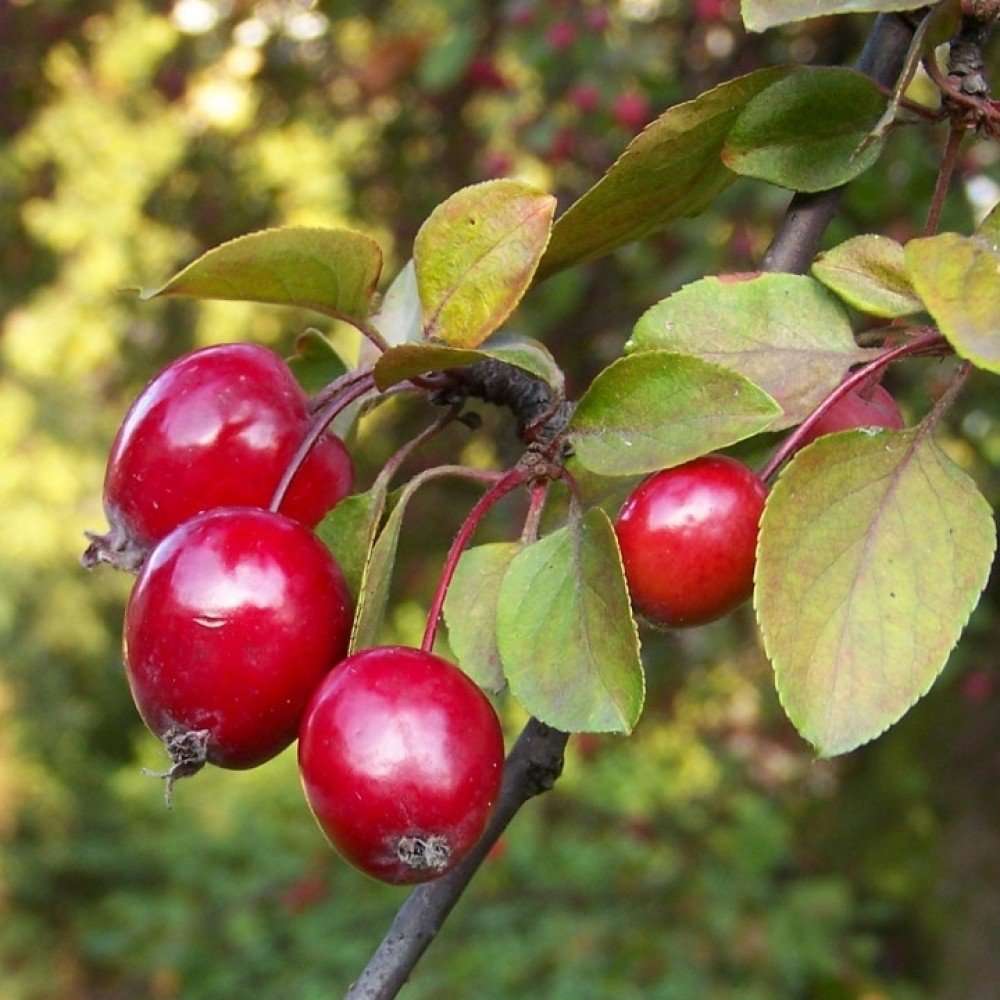
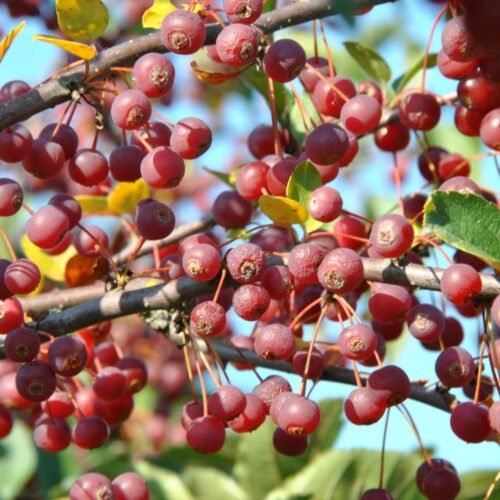
- Compact, Colorful Fruit: Small yellow-to-red pomes in late summer–fall.
- Wildlife Magnet: Pollinators, birds, and beneficial insects thrive around it.
- High Ornamental Value: Popular in parks, gardens, and bonsai culture.
- Disease Resistance: Useful as breeding stock for modern apple cultivars.
🌱 How to Grow Japanese Flowering Crab Apple
Climate & Hardiness
- Thrives in temperate climates
- Hardy in USDA zones 4–8
- Tolerates frost and mild drought once established
Soil Requirements
- Prefers well-drained loam
- pH range: slightly acidic to neutral (6.0–7.2)
- Avoid prolonged waterlogging
Sunlight Needs
- Full sun (6+ hours/day) produces best blossom formation and fruiting
Planting Tips
- Dig a hole twice the root ball width
- Amend with compost (avoid fresh manure)
- Water deeply on planting day
- Mulch to retain moisture
Irrigation
- Young trees: weekly watering
- Mature trees: water during extended droughts
Fertilization
Apply a slow-release fertilizer in early spring to support flowering and leaf growth.
Pruning & Maintenance
- Late winter–early spring pruning prevents disease
- Remove:
- crossing branches
- suckers
- dead wood
- Shape for airflow + balanced canopy
🌸 Propagation Methods
Though commonly purchased as nursery stock, Malus floribunda can be propagated through multiple approaches:
1. Seed Propagation (Stratification Needed)
- Seeds require cold stratification (90–120 days)
- Genetic variability makes seeds ideal for rootstock or breeding
2. Grafting
- Most reliable method for controlling growth habit
- Common techniques: whip & tongue, cleft grafting, chip budding
3. Softwood Cuttings
- Take cuttings in late spring
- Dip in rooting hormone for quicker establishment
4. Layering
- Bending and rooting live branches works well for hobbyists
🌳 Popular Varieties & Related Forms
While Malus floribunda refers specifically to the species, numerous cultivars exist for ornamental or horticultural purposes:
- ‘Royalty’ — deep red foliage & purple blossoms
- ‘Prairifire’ — disease-resistant, heavy flowering
- ‘Molten Lava’ — weeping habit, profuse blooms
- ‘Tina’ — dwarf form suitable for bonsai & patio gardens
Some are also used as rootstock for edible apple trees due to disease resistance traits.
🍎 Uses of Japanese Flowering Crab Apple
1. Ornamental Landscaping
- Garden accents, park trees, street planting, container culture
2. Wildlife & Ecology
- Pollinators feed on nectar + pollen
- Birds feed on fruit
- Offers shelter and nesting habitat
3. Culinary & Food Uses (Often Overlooked!)
Though the fruit is small and tart, it’s highly functional in cooking:
- Jellies & Preserves
- Chutneys
- Cider Blends
- Pickled Crab Apples
- Fruit Vinegars
- Apple Butter
- Ferments
Their natural pectin content makes them perfect for thickening jams.
4. Medicinal & Craft Uses
- Traditional remedies use the fruit for digestion
- Flowers used for teas and aromatic blends
- Wood suitable for small crafts & tool handles
⏳ Harvesting Crab Apples
When to Harvest
- Typically late summer to mid-fall
- Ripe fruit transitions from yellow-red and softens slightly
Flavor Profile
- Tart to mildly sweet
- Best for cooking rather than fresh eating
Storage
- Refrigeration extends shelf life up to 2–3 weeks
- Can be processed or frozen for long-term use
🐝 Pests & Diseases
Malus floribunda shows better resistance than many ornamental apples but may encounter:
- Aphids
- Leafrollers
- Fire blight (low susceptibility in many cultivars)
- Apple scab (varies by cultivar)
- Powdery mildew
Prevention includes:
- pruning for airflow
- avoiding overhead watering
- selecting modern disease-resistant cultivars
🌻 Companion Planting Ideas
Pairs well with:
- Lavender
- Hyssop
- Spring bulbs (crocus, daffodil, tulip)
- Creeping thyme
- Hardy herbs
These improve pollinator visitation and enhance landscape color.
🎯 Final Thoughts
The Japanese flowering crab apple is far more than a decorative spring tree — it is a pollinator hub, edible fruit source, and low-maintenance ornamental with propagation flexibility and culinary potential.
For gardeners seeking:
✔ year-round interest
✔ ecological benefit
✔ manageable size
✔ unique kitchen uses
Malus floribunda is a rewarding choice.

&media=https://food-foresting.com/wp-content/uploads/2026/01/Malus_floribunda.jpg)