 paulius.mikoliunas1
| Common Name | Crab Apple, European crab apple |
| Family | Rosaceae |
| USDA hardiness | 4-8 |
| Known Hazards |  All members of this genus contain the toxin hydrogen cyanide in their seeds and possibly also in their leaves, but not in their fruits. Hydrogen cyanide is the substance that gives almonds their characteristic taste but it should only be consumed in very small quantities. Apple seeds do not normally contain very high quantities of hydrogen cyanide but, even so, should not be consumed in very large quantities. In small quantities, hydrogen cyanide has been shown to stimulate respiration and improve digestion, it is also claimed to be of benefit in the treatment of cancer. In excess, however, it can cause respiratory failure and even death. All members of this genus contain the toxin hydrogen cyanide in their seeds and possibly also in their leaves, but not in their fruits. Hydrogen cyanide is the substance that gives almonds their characteristic taste but it should only be consumed in very small quantities. Apple seeds do not normally contain very high quantities of hydrogen cyanide but, even so, should not be consumed in very large quantities. In small quantities, hydrogen cyanide has been shown to stimulate respiration and improve digestion, it is also claimed to be of benefit in the treatment of cancer. In excess, however, it can cause respiratory failure and even death. |
| Habitats | Woods, scrub and hedges, especially in oak woods, on neutral to calcareous soils. |
| Range | Europe, including Britain, from Scandanavia south and east to Spain, Greece and S.W. Asia. |
| Edibility Rating |   (3 of 5) (3 of 5) |
| Other Uses |   (2 of 5) (2 of 5) |
| Weed Potential | No |
| Medicinal Rating |   (2 of 5) (2 of 5) |
| Care (info) |     |
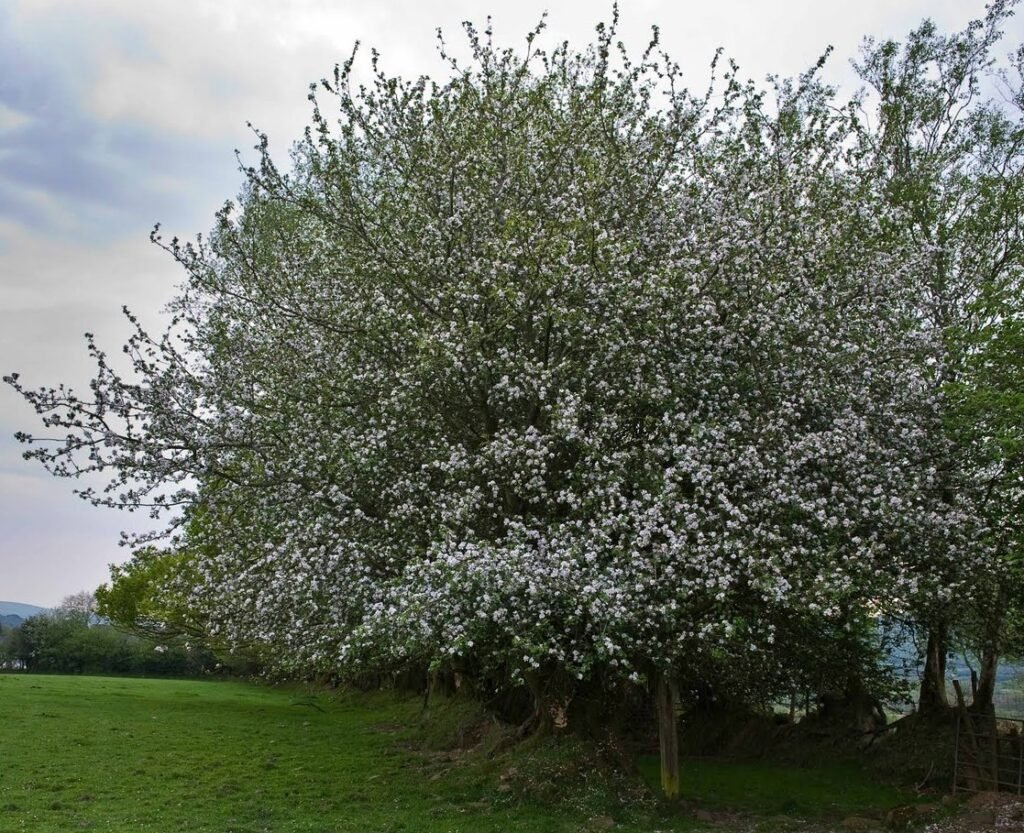
European Crab Apple (Malus sylvestris): Growth, Propagation, Varieties & Culinary Uses
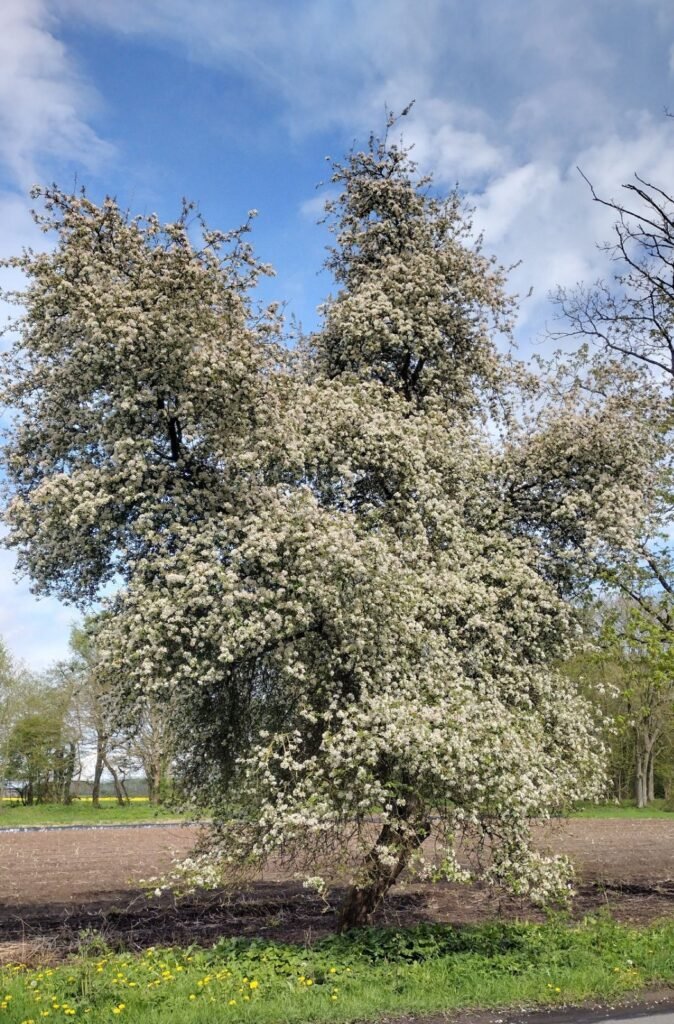
The European crab apple (Malus sylvestris) holds a special place in orchards, hedgerows, and medieval culinary traditions. Revered for its tart flavor, dense nutritional profile, and ecological value, this wild apple species is experiencing a resurgence among permaculture gardeners, foragers, and craft cider makers. This guide explores how to grow, propagate, harvest, and use European crab apples, plus noteworthy varieties and food applications.
What Makes Malus sylvestris Unique?
Unlike large cultivated apples, crab apples contain higher acidity, tannins, antioxidants, and natural pectins, making them ideal for preserves, cider blends, and natural setting agents in jams. The compact tree structure and ornamental blossoms also enhance garden biodiversity, supporting pollinators, birds, and beneficial insects.
Key characteristics:
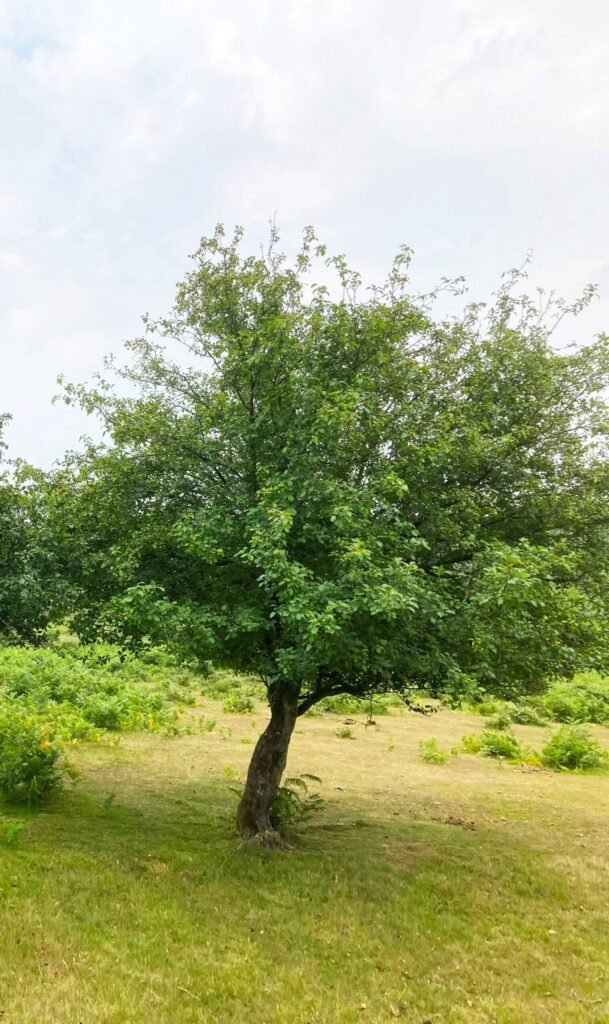
- Height: 5–12 meters at maturity
- Hardy in temperate climates
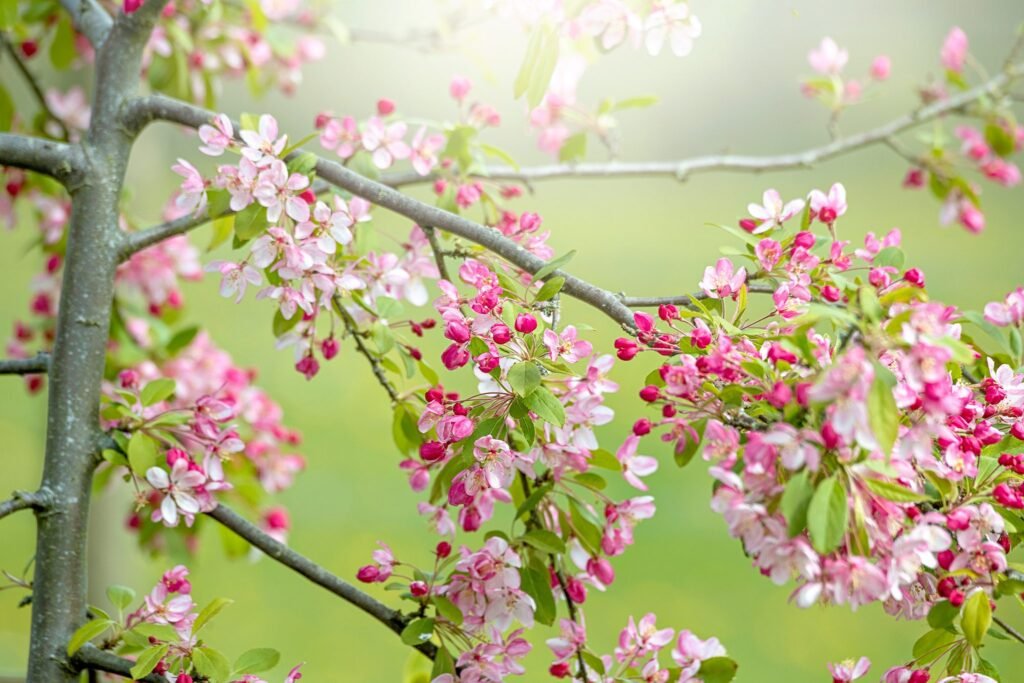
- Heavy blossom in spring (excellent pollinator attractant)
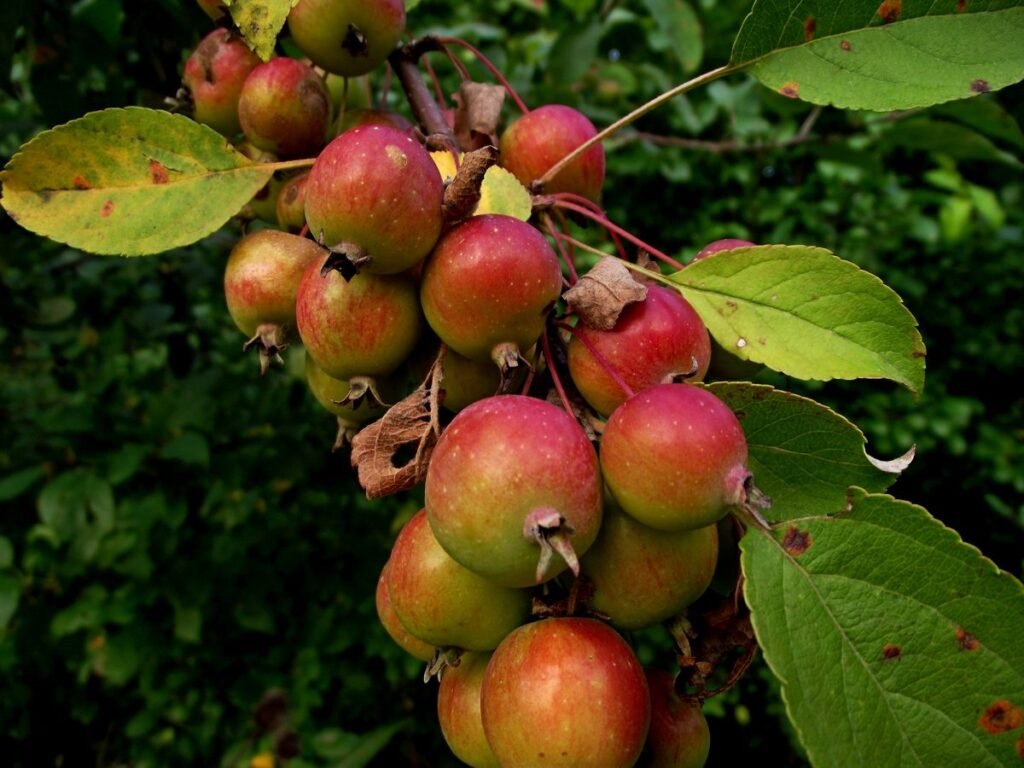
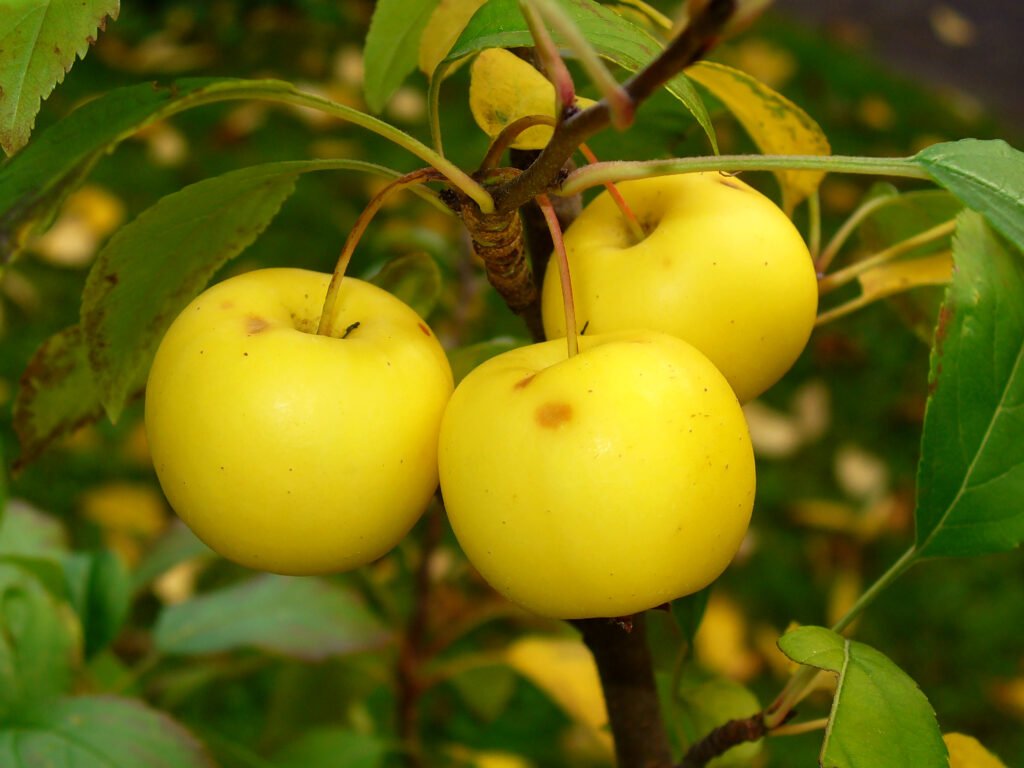
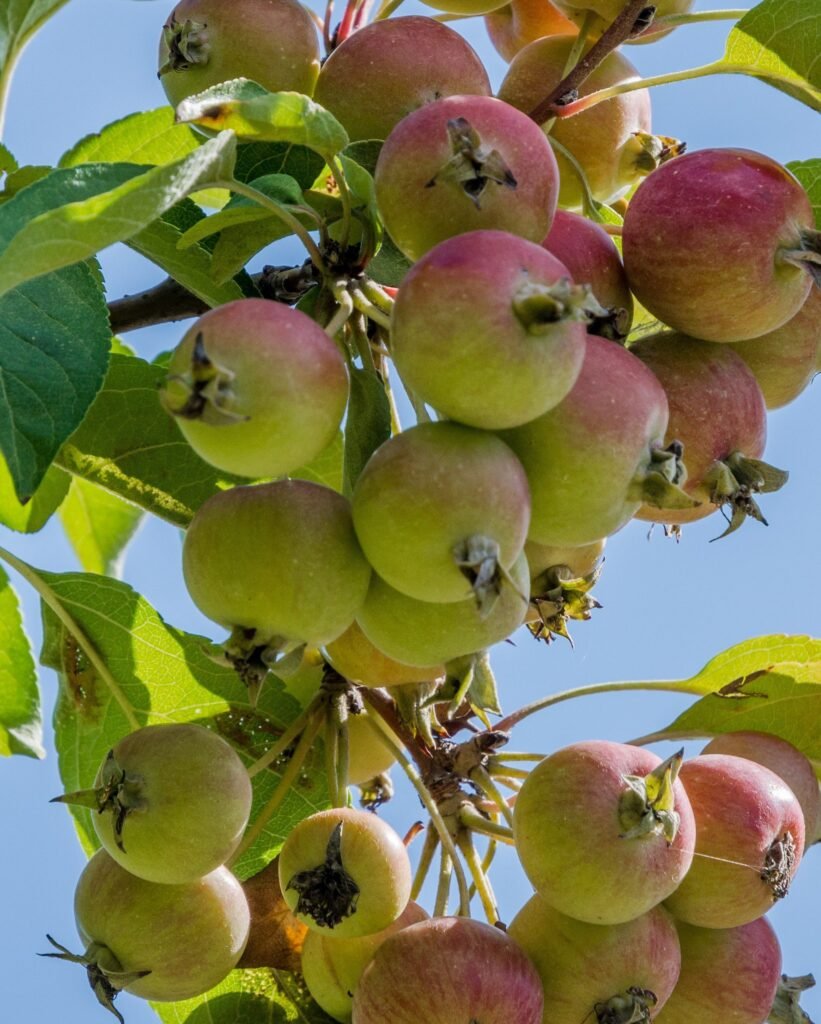
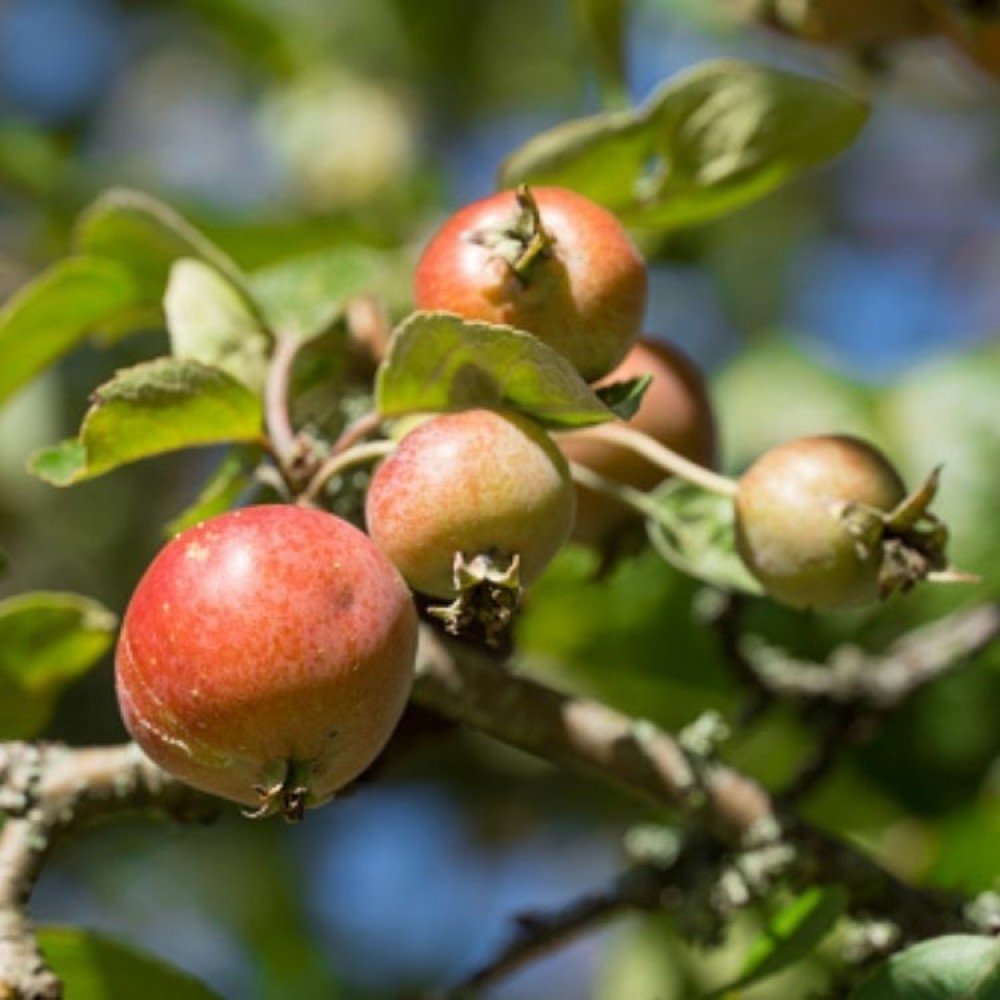
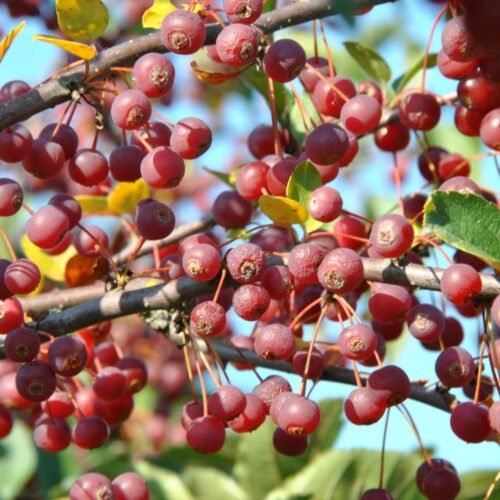
- Small fruit (2–3.5 cm diameter)
- High acid + tannin profile (ideal for cider and preserves)
Growing European Crab Apple: Soil, Climate & Care
Site & Soil
European crab apples thrive in:
- Loamy or clay-loam soils
- Moderate pH (6.0–7.5)
- Full sun to light partial shade
They tolerate poorer soils better than domestic apples and show strong wind resistance, making them suitable for shelterbelts or hedgerows.
Watering
During establishment (first 2 years):
- Keep soil moist, not waterlogged
- Apply mulch to retain moisture and suppress weeds
Once established, they become notably drought-hardy compared to cultivated orchard apples.
Fertilization
Crab apples rarely require heavy fertilization. A light spring feeding with compost or balanced organic fertilizer promotes bloom and fruit set.
Pruning
Annual pruning improves fruit quality and air circulation:
- Remove dead or crossing branches
- Thin crowded canopy areas
- Maintain open structure for sunlight penetration
Propagation: Seed, Grafting & Natural Suckers
Propagation method depends on whether you prioritize genetic diversity or true-to-type traits.
Seed Propagation (Genetic Diversity)
Growing from seed creates variability, beneficial for wildlife orchards or rewilding projects. Seeds require:
- Cold stratification (8–12 weeks)
- Moist but airy sowing medium
Grafting (True-to-Variety)
For consistent fruit character—especially for cider orchards or culinary use—varieties are frequently grafted onto:
- M. sylvestris rootstock (wild vigor)
- Dwarfing M9/M26 rootstocks (compact orchards)
Root Suckers (Low-effort Method)
Older trees often produce sucker shoots, which can be:
- Dug in late winter
- Cut with roots intact
- Replanted or potted
This is ideal for hedgerows or permaculture windbreaks.
European Crab Apple Varieties & Foraging Types
While Malus sylvestris is often encountered as wild populations, certain selections are favored:
- Traditional woodland types: small, intensely tannic fruit; high pectin
- Cider selections: aromatic, acidic, strong fermentation character
- Ornamental types: showy blossoms; wildlife attraction; varied colors
Due to natural hybridization with cultivated apples (Malus domestica), wild stands may show subtle flavor and shape variation, offering exciting opportunities for foragers and cider blenders.
Harvesting Crab Apples
When to Harvest
Optimal harvest is late summer through early autumn, depending on region.
Harvest signs include:
- Color turning from green to yellow-green or flushed red
- Fruit softening slightly
- Elevated aroma
Tip: Frost exposure mellows acidity and improves flavor for culinary use.
Storage
Crab apples store exceptionally well:
- Cool, ventilated cellar or refrigerator
- Up to several months for certain wild selections
- Perfect for slow-fermentation cider projects
Culinary Uses & Food Applications
Due to their natural pectin concentration, crab apples excel in:
- Jellies
- Jams
- Fruit butters
- Syrups
Boiling releases pectin-rich cores, reducing the need for commercial setting agents.
Cider & Fermentation
Crab apples are prized in cider making for:
- Tannin structure
- Acidity
- Aroma complexity
Often blended with sweeter apple cultivars to balance flavor and sugar content.
Savory & Traditional Uses
Traditional recipes include:
- Roast meat garnishes
- Pickled crab apples
- Spiced chutneys
- Foraged vinegar blends
Raw Eating?
Fresh crab apples are edible but intense, typically very sour and astringent. They shine in processed form.
Health & Nutritional Highlights
Crab apples provide:
- Vitamin C
- Polyphenols
- Antioxidants
- Dietary fiber
Wild apple phytochemicals have been historically linked to digestive and immune benefits in traditional herbalism.
Ecological Value & Wildlife Benefits
European crab apples are cornerstone species for wildlife:
- Spring blossoms feed pollinators
- Autumn fruit supports birds and mammals
- Dense canopy offers nesting habitat
Their presence increases ecosystem resilience and orchard pollination success.
Final Thoughts
The European crab apple (Malus sylvestris) is more than a sour fruit on an odd roadside tree — it’s a heritage food crop, a fermentation ally, a pollinator magnet, and a biodiversity powerhouse. Whether you’re planting for a wildlife garden, exploring heirloom cider blends, or experimenting in the kitchen, crab apples offer tremendous versatility and ecological return.

&media=https://food-foresting.com/wp-content/uploads/2026/01/2048X1365-Malus-sylvestris-SEO-GettyImages-1368743774-c92b29d-1.jpg)