
 paulius.mikoliunas1
| Common Name | Goji, Box Thorn, Matrimony vine |
| Family | Solanaceae |
| USDA hardiness | 6-9 |
| Known Hazards |  Although no records of toxicity have been seen, some caution should be exercised with this species, particularly with regard to its edible leaves, since it belongs to a family that often contains toxins. However, use of the leaves is well documented and fairly widespread in some areas. The unripe fruit might also be suspect though the ripe fruit is wholesome. Although no records of toxicity have been seen, some caution should be exercised with this species, particularly with regard to its edible leaves, since it belongs to a family that often contains toxins. However, use of the leaves is well documented and fairly widespread in some areas. The unripe fruit might also be suspect though the ripe fruit is wholesome. |
| Habitats | Hedges, on walls and waste ground. |
| Range | Original habitat is obscure but probably S.E. Europe to S.W. Asia. Naturalized in Britain. |
| Edibility Rating |   (4 of 5) (4 of 5) |
| Other Uses |   (3 of 5) (3 of 5) |
| Weed Potential | Yes |
| Medicinal Rating |   (3 of 5) (3 of 5) |
| Care (info) |     |
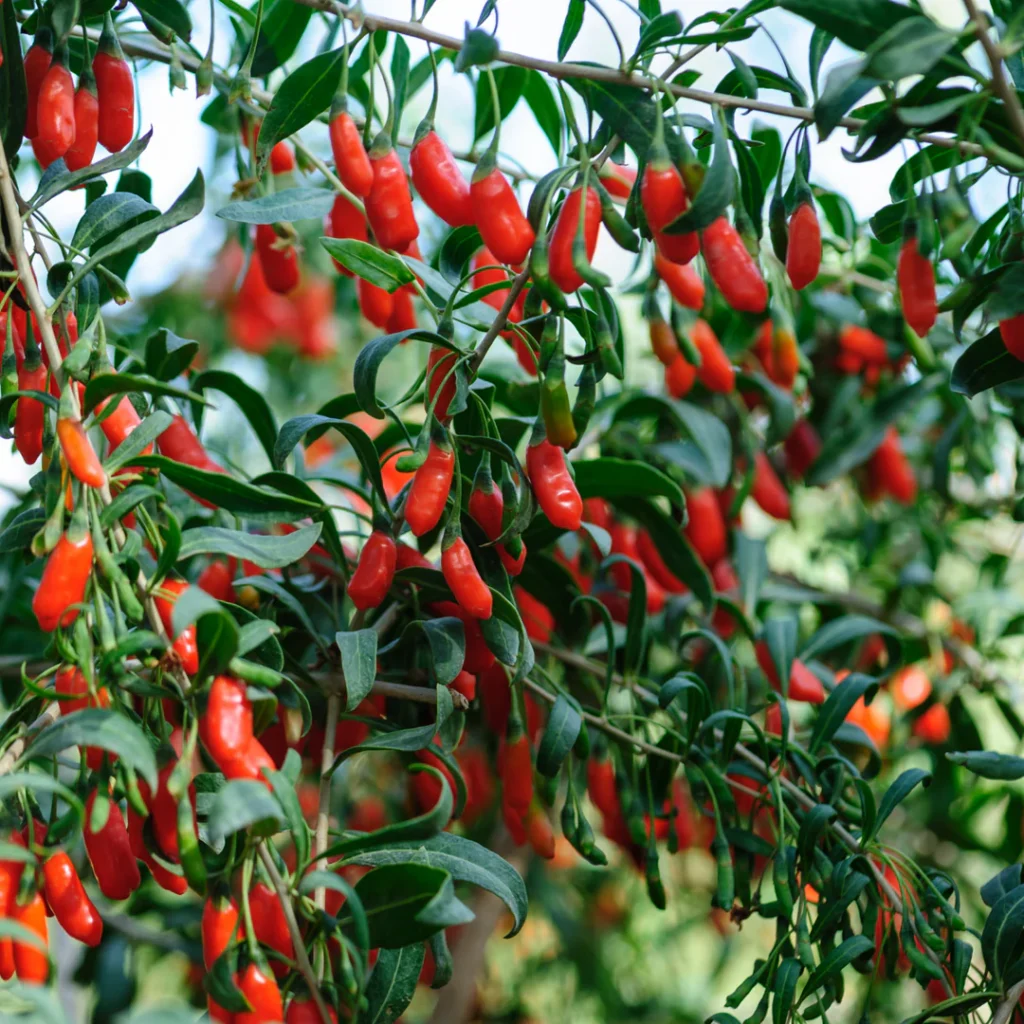
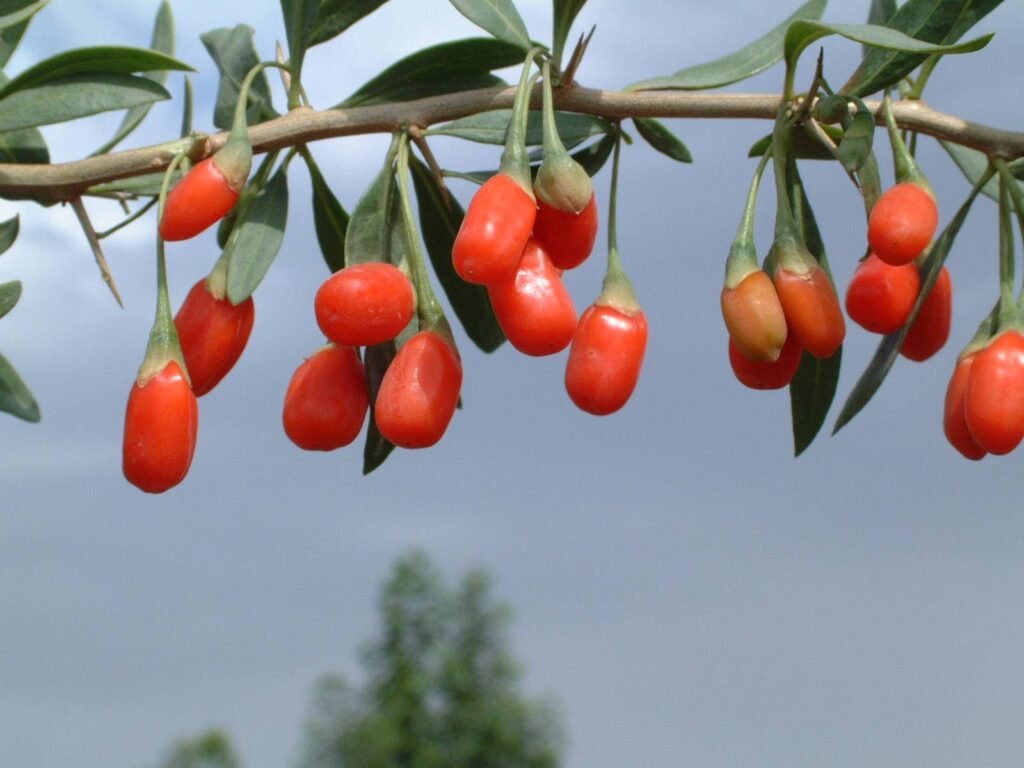
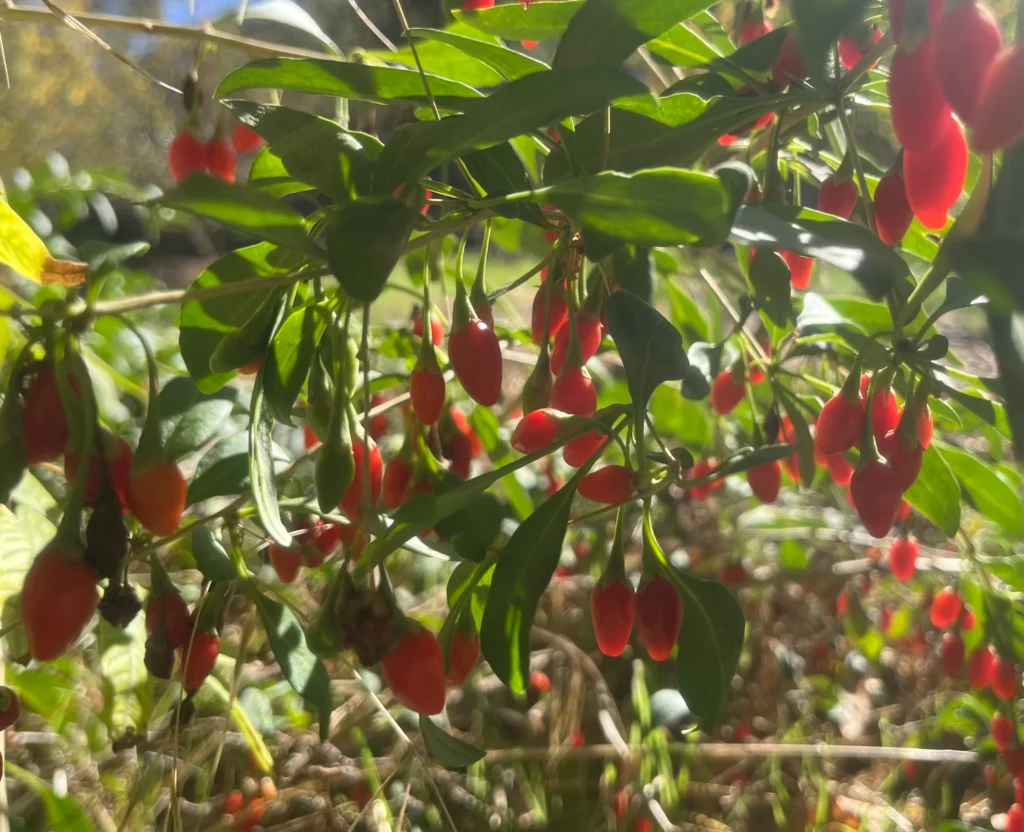
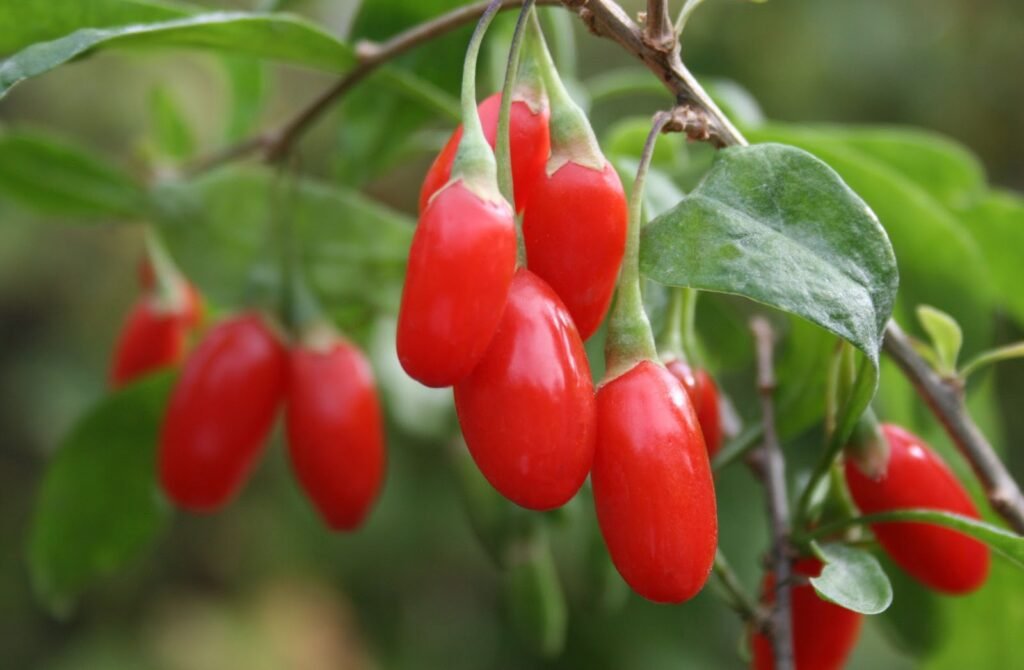
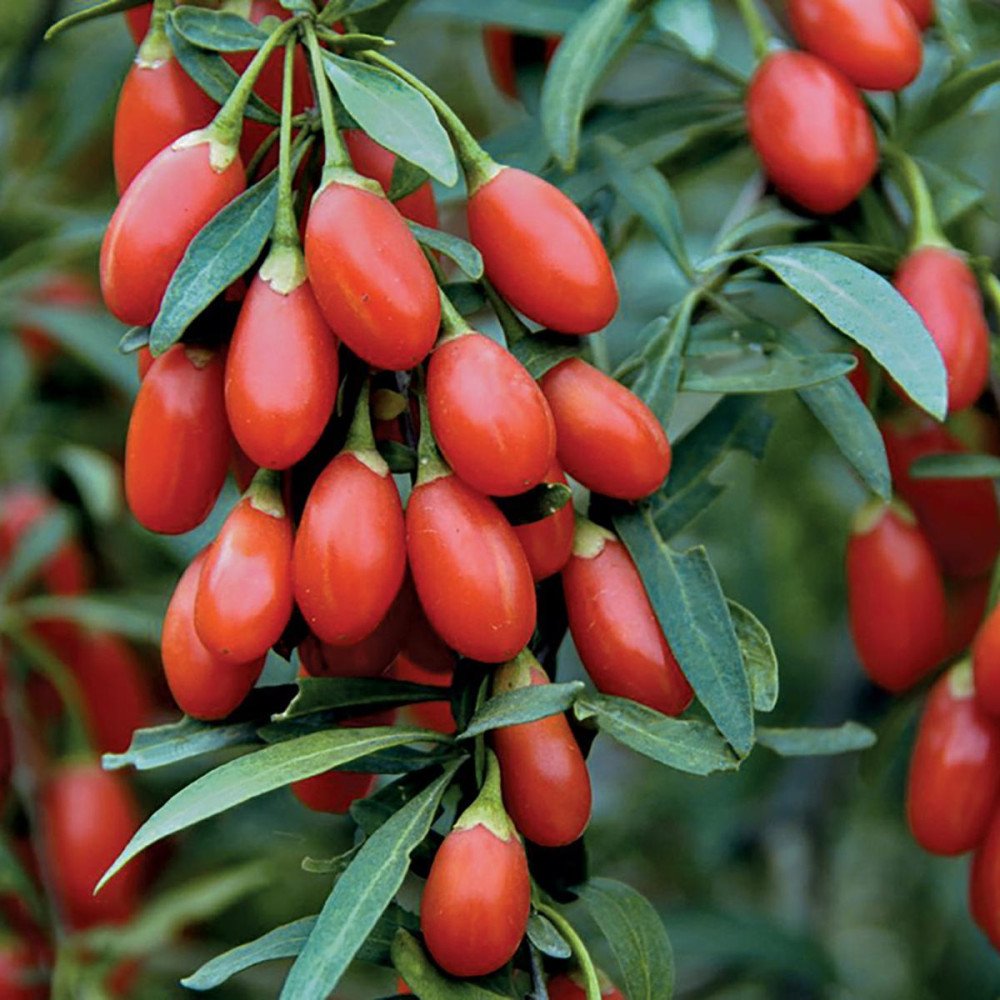
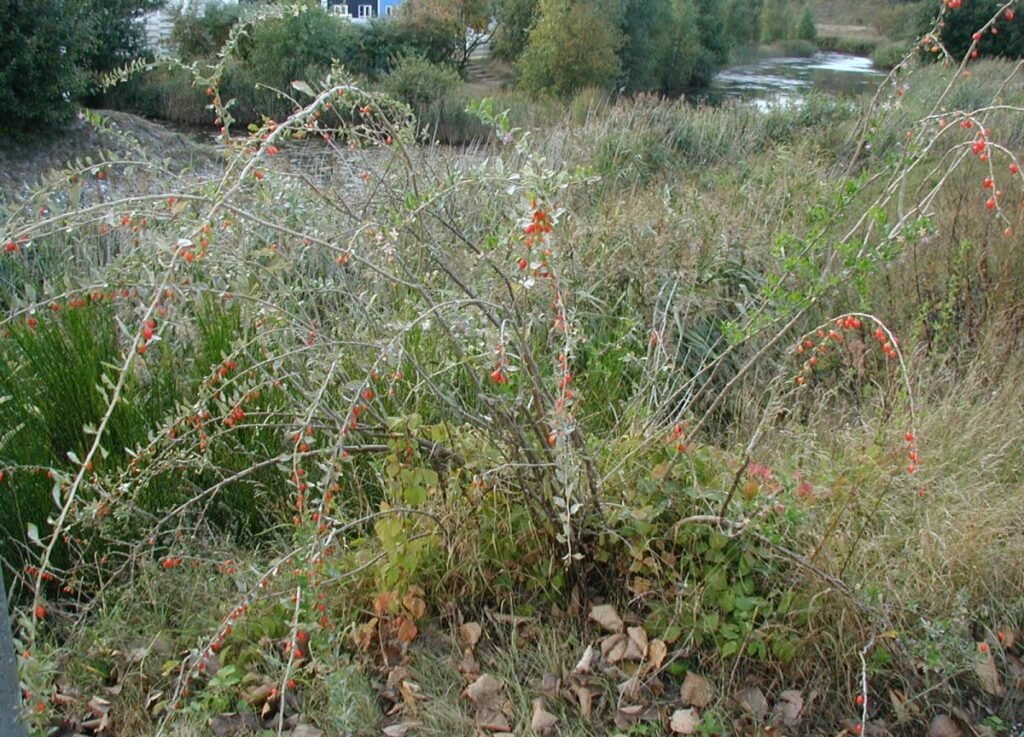
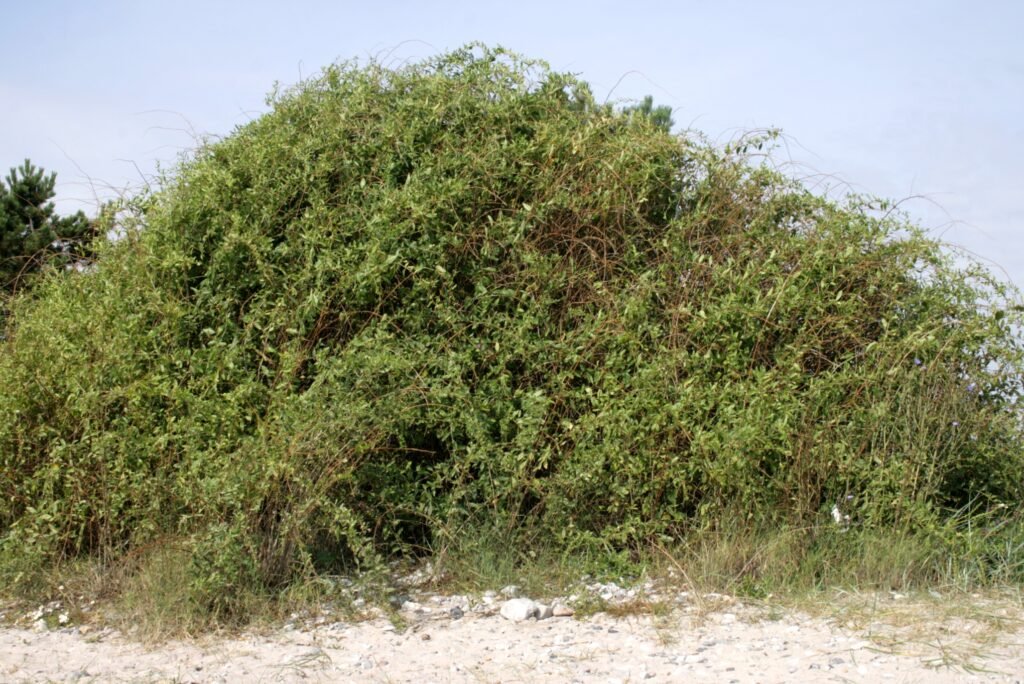
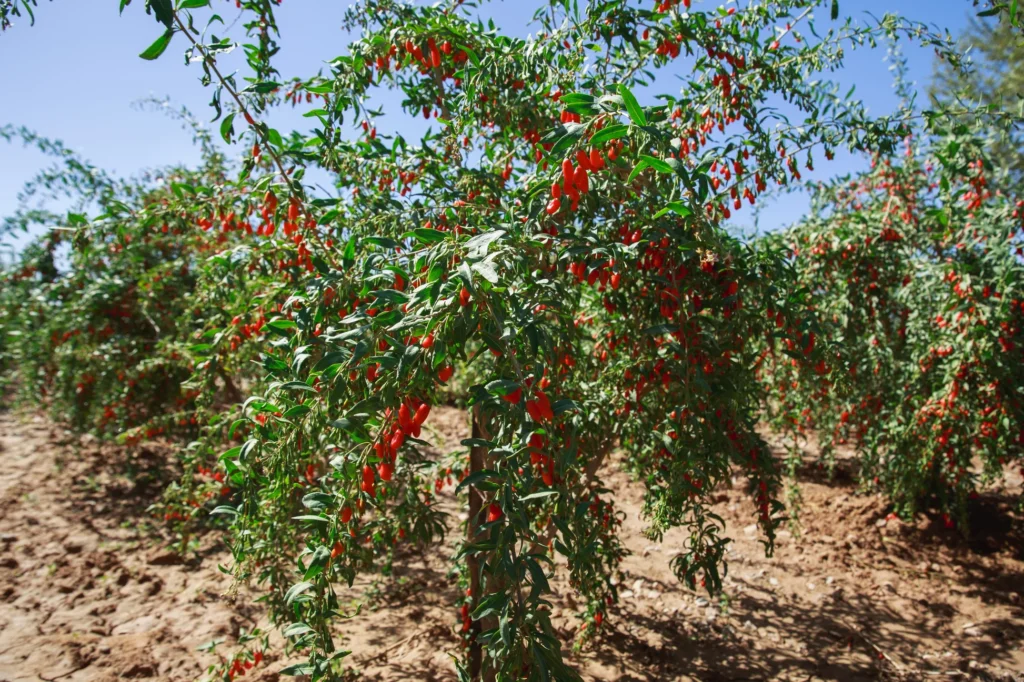
Goji Berry (Lycium barbarum): The Complete Guide to Growing, Propagating, Harvesting, and Using This Superfruit
Goji berries, scientifically known as Lycium barbarum, have earned global recognition as a powerful superfood. Native to Asia and cultivated for centuries, these bright red berries are valued not only for their nutritional benefits but also for their adaptability in home gardens. Whether you want to grow goji berries for personal use, culinary creativity, or small-scale farming, this comprehensive guide covers everything you need to know.
What Is Goji Berry (Lycium barbarum)?
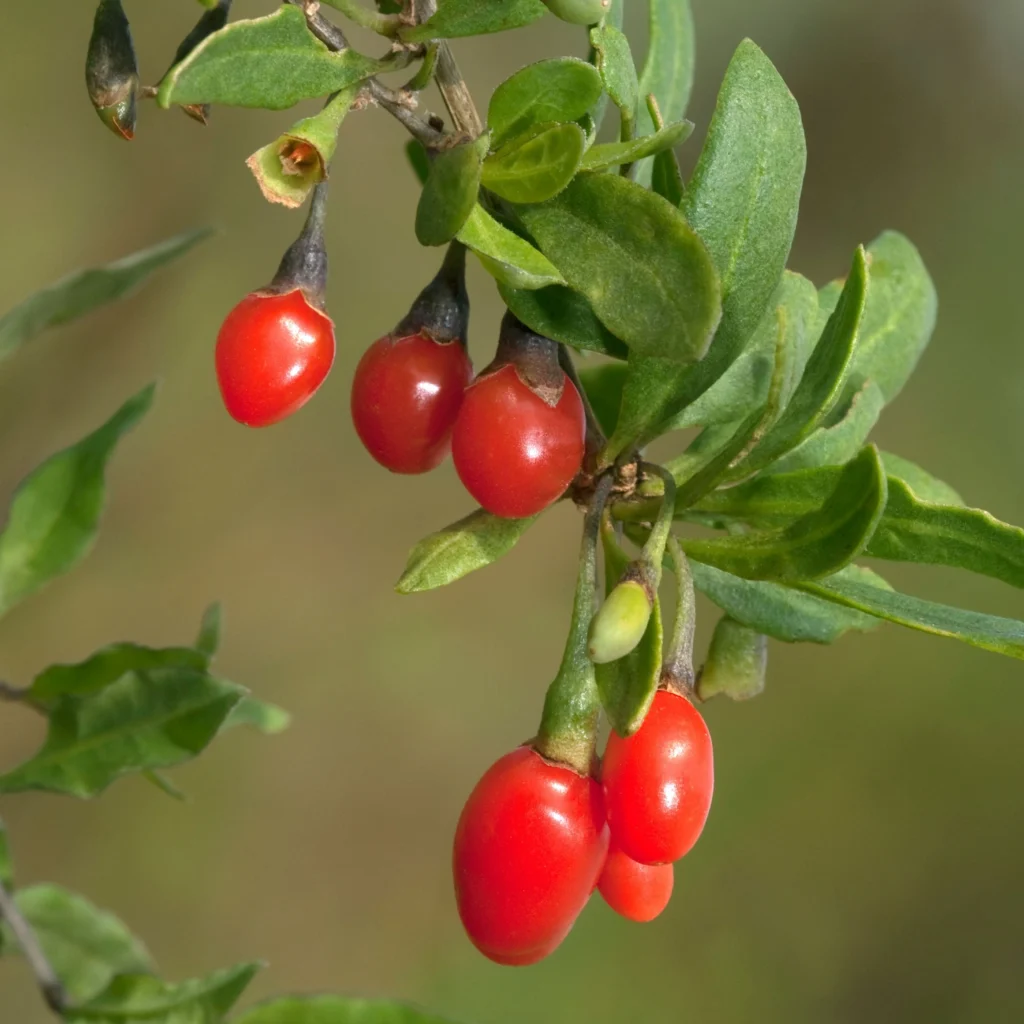
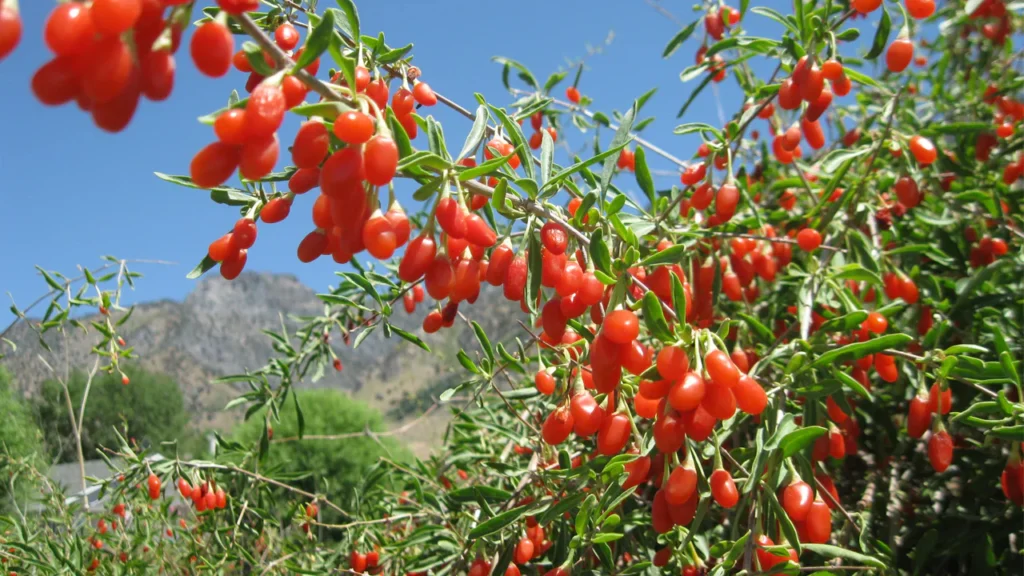
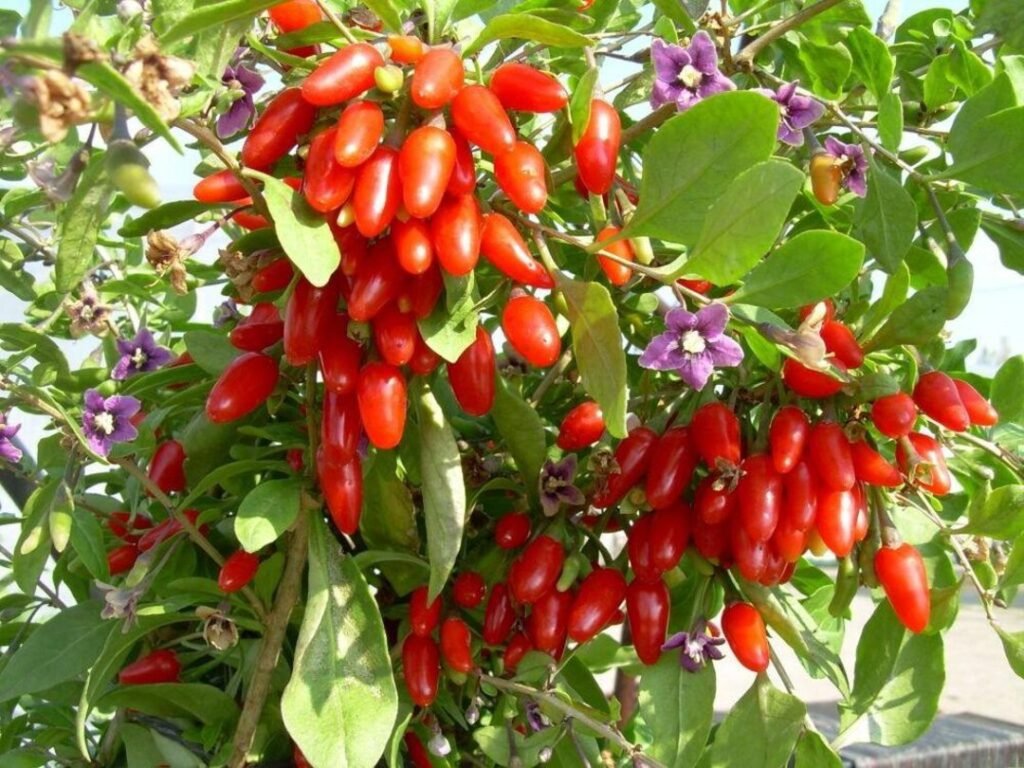
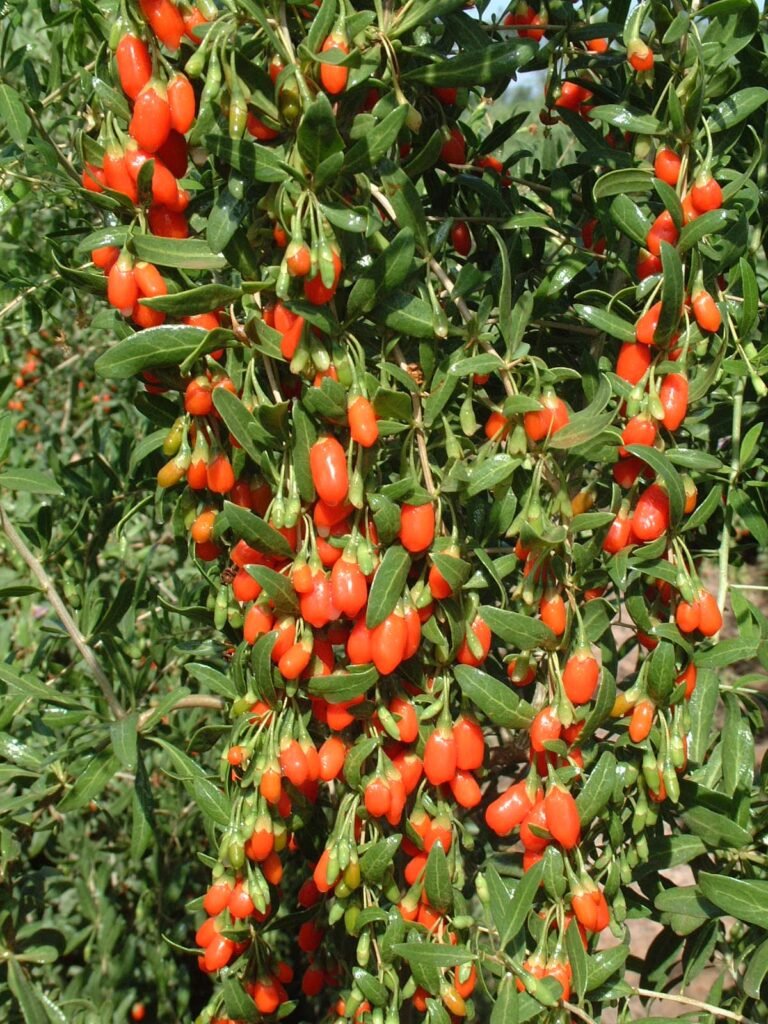
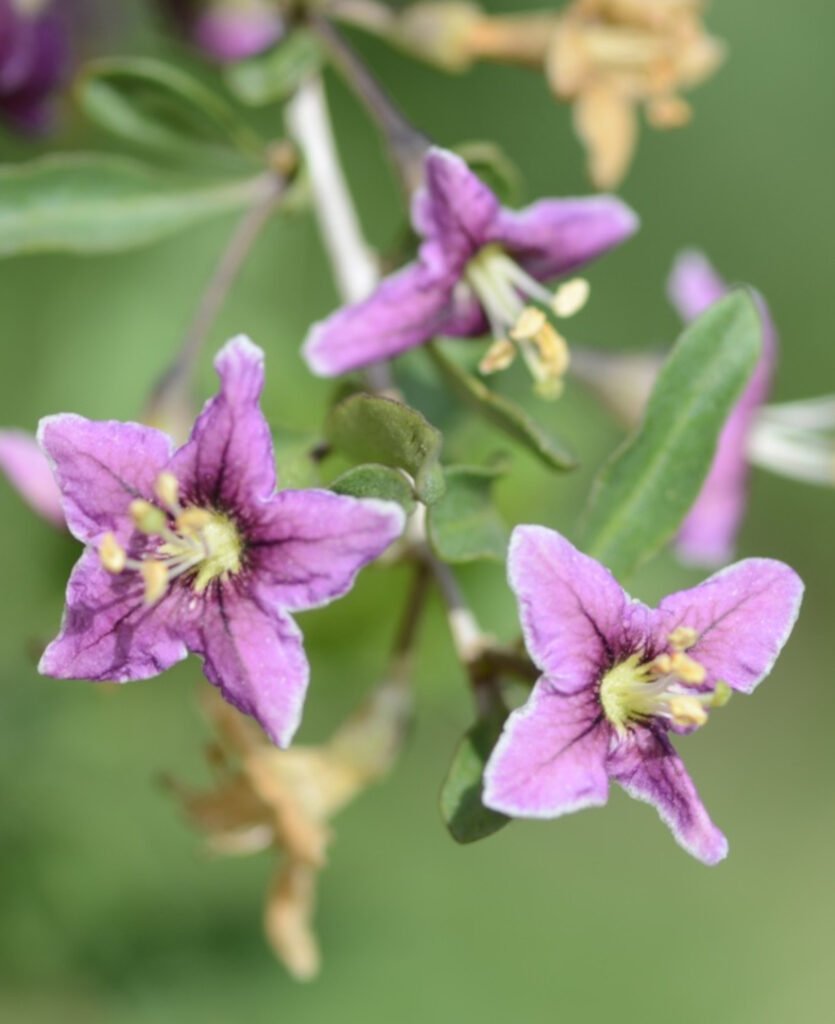
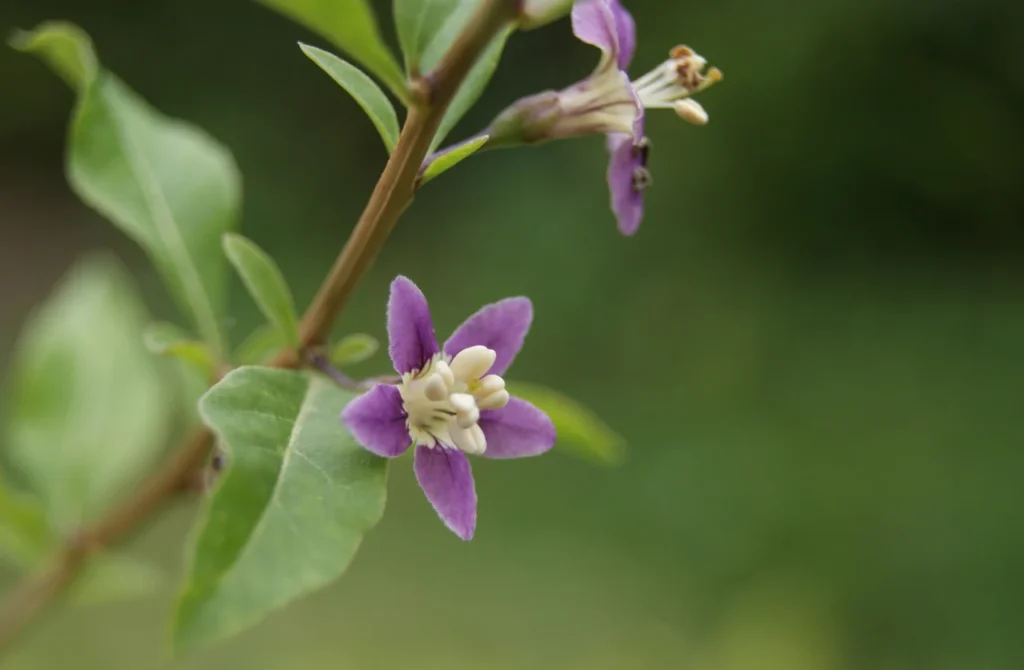
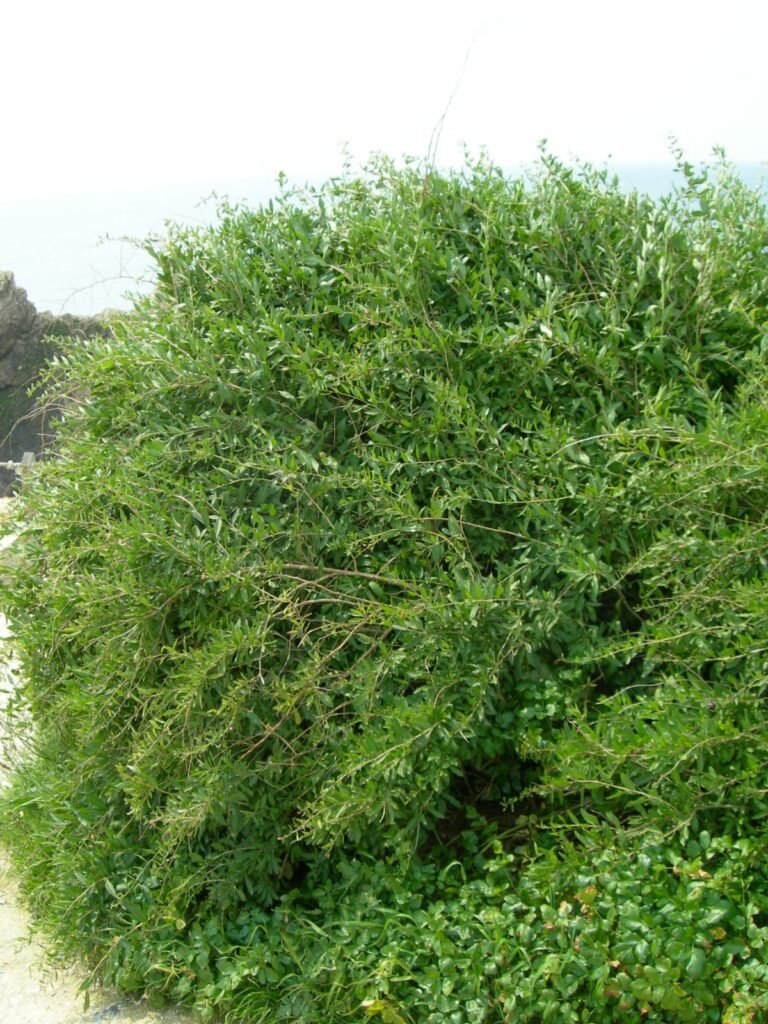
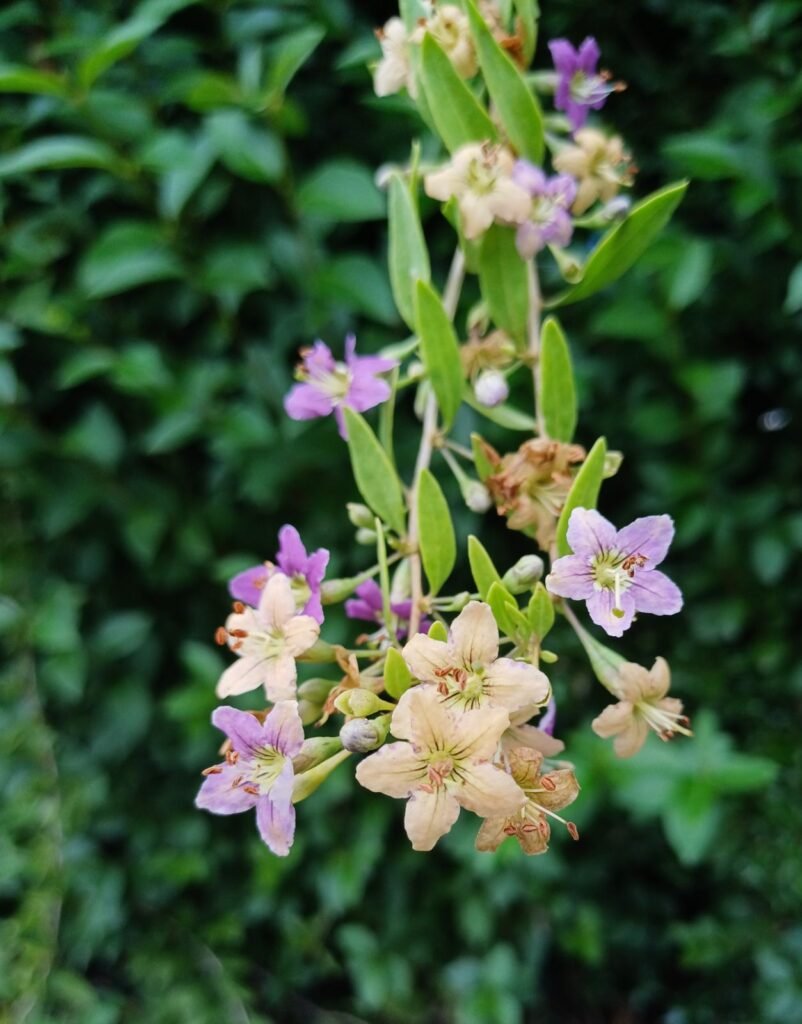
Goji berry is a deciduous, woody perennial shrub belonging to the nightshade family. The plant produces narrow green leaves, delicate purple flowers, and vibrant red berries. It thrives in a wide range of climates and is surprisingly easy to maintain once established.
How to Grow Goji Berry Successfully
Climate and Growing Conditions
Goji berry plants are highly adaptable and can grow in temperate, subtropical, and semi-arid regions.
Ideal conditions include:
- Full sun (6–8 hours daily)
- Well-draining soil
- Moderate rainfall or controlled irrigation
- Tolerance to cold temperatures down to –15°C (5°F)
Soil Requirements
Goji berries prefer slightly alkaline soil with good drainage. Heavy clay soils should be amended with organic matter or sand to prevent waterlogging.
Optimal soil pH: 6.5–8.0
Planting Goji Berry
- Plant seedlings in early spring or fall
- Space plants 3–5 feet apart
- Dig holes twice the size of the root ball
- Water deeply after planting
Watering and Fertilization
- Water regularly during the first year
- Once established, goji plants are drought-tolerant
- Use compost or balanced organic fertilizer during the growing season
- Avoid excessive nitrogen to prevent leafy growth at the expense of berries
Pruning and Maintenance
Pruning encourages better airflow and higher fruit yield.
- Prune in late winter or early spring
- Remove weak, crossing, or dead branches
- Maintain an open center structure
Goji Berry Propagation Methods
Propagation from Seeds
- Extract seeds from ripe berries
- Soak seeds overnight
- Sow in seed trays with light soil
- Germination occurs within 10–14 days
- Transplant seedlings when 6–8 inches tall
Propagation from Cuttings (Best Method)
- Take 6–8 inch semi-hardwood cuttings
- Remove lower leaves
- Dip in rooting hormone (optional)
- Plant in moist growing medium
- Roots form within 3–4 weeks
Propagation by Layering
- Bend a low branch to the ground
- Cover part of the stem with soil
- Keep moist until roots develop
- Separate and transplant once established
Popular Goji Berry Varieties
Lycium barbarum ‘Ningxia’
- Most commercially cultivated variety
- High antioxidant content
- Sweet-tart flavor
- Large berry size
Lycium barbarum ‘Crimson Star’
- Ideal for home gardens
- Heavy fruit producer
- Upright growth habit
Lycium chinense
- Smaller berries
- More ornamental
- Slightly more bitter taste
- Often used in traditional medicine
Harvesting Goji Berries
When to Harvest
Goji berries ripen from mid-summer through early fall. Harvest when berries are:
- Fully red
- Soft to the touch
- Easily detached from the stem
Harvesting Method
- Hand-pick gently to avoid bruising
- Avoid shaking branches as berries are delicate
- Harvest every 5–7 days during peak season
Post-Harvest Handling
- Consume fresh or dry immediately
- Store fresh berries in the refrigerator for up to one week
- Dry berries in shade or low-temperature dehydrators
Uses of Goji Berry
Nutritional and Health Uses
Goji berries are rich in:
- Vitamin C
- Vitamin A
- Iron
- Fiber
- Antioxidants
They are traditionally associated with immune support, eye health, and energy enhancement.
Ornamental Use
- Attractive purple flowers
- Bright red berries add landscape appeal
- Suitable for hedges and trellises
Medicinal and Traditional Uses
- Used in herbal teas and tonics
- Often combined with other herbs
- Popular in traditional wellness practices
Goji Berry Food Options and Recipes
Fresh Goji Berries
- Eat raw as a snack
- Add to salads and smoothies
Dried Goji Berries
- Most common form
- Used in trail mixes and cereals
- Long shelf life
Goji Berry Tea
- Steep dried berries in hot water
- Mildly sweet, earthy flavor
Goji Berry Powder
- Made from dried berries
- Added to juices, yogurt, and baked goods
Cooking with Goji Berries
- Soups and broths
- Rice and grain dishes
- Energy bars and desserts
- Jams and syrups
Common Growing Problems and Solutions
Pests: Aphids, spider mites
Solution: Neem oil or insecticidal soap
Diseases: Powdery mildew in humid conditions
Solution: Proper spacing and pruning
Poor Fruit Set: Excess nitrogen or lack of sunlight
Solution: Reduce fertilizer and ensure full sun
Why Grow Goji Berry at Home?
- Low maintenance
- Long-lived perennial plant
- High nutritional value
- Suitable for containers or ground planting
- Sustainable source of superfood
Final Thoughts
Growing Goji berry (Lycium barbarum) is a rewarding experience for gardeners, health enthusiasts, and food lovers alike. With proper care, a single plant can produce berries for decades, making it a valuable addition to any garden. From propagation to harvest and culinary use, goji berries offer exceptional versatility and long-term benefits.




&media=https://food-foresting.com/wp-content/uploads/2026/02/goji-lead-1280x720_1280x_97f67dc7-5c8e-4b47-8aec-9fa58a3850b0_1445x.webp)