
 paulius.mikoliunas1
| Common Name | Buffalo Berry, Silver Buffaloberry, |
| Family | Elaeagnaceae |
| USDA hardiness | 3-9 |
| Known Hazards |  The fruit contains low concentrations of saponins. Although toxic, these substances are very poorly absorbed by the body and so tend to pass through without causing harm. They are also broken down by thorough cooking. Saponins are found in many plants, including several that are often used for food, such as certain beans. It is advisable not to eat large quantities of food that contain saponins. Saponins are much more toxic to some creatures, such as fish, and hunting tribes have traditionally put large quantities of them in streams, lakes etc in order to stupefy or kill the fish. The fruit contains low concentrations of saponins. Although toxic, these substances are very poorly absorbed by the body and so tend to pass through without causing harm. They are also broken down by thorough cooking. Saponins are found in many plants, including several that are often used for food, such as certain beans. It is advisable not to eat large quantities of food that contain saponins. Saponins are much more toxic to some creatures, such as fish, and hunting tribes have traditionally put large quantities of them in streams, lakes etc in order to stupefy or kill the fish. |
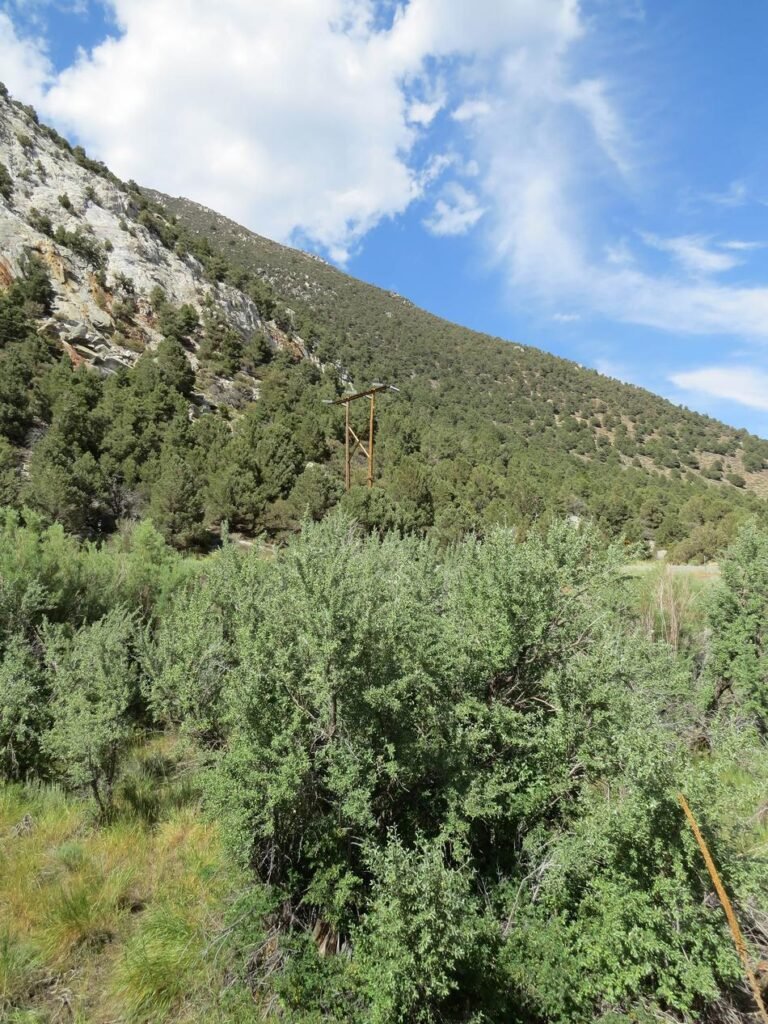
| Habitats | Banks of streams and open wooded areas, often on limestone and on sandy soils. |
| Range | Central N. America – Manitoba to New Mexico. |
| Edibility Rating |   (3 of 5) (3 of 5) |
| Other Uses |   (4 of 5) (4 of 5) |
| Weed Potential | No |
| Medicinal Rating |   (1 of 5) (1 of 5) |
| Care (info) |      |
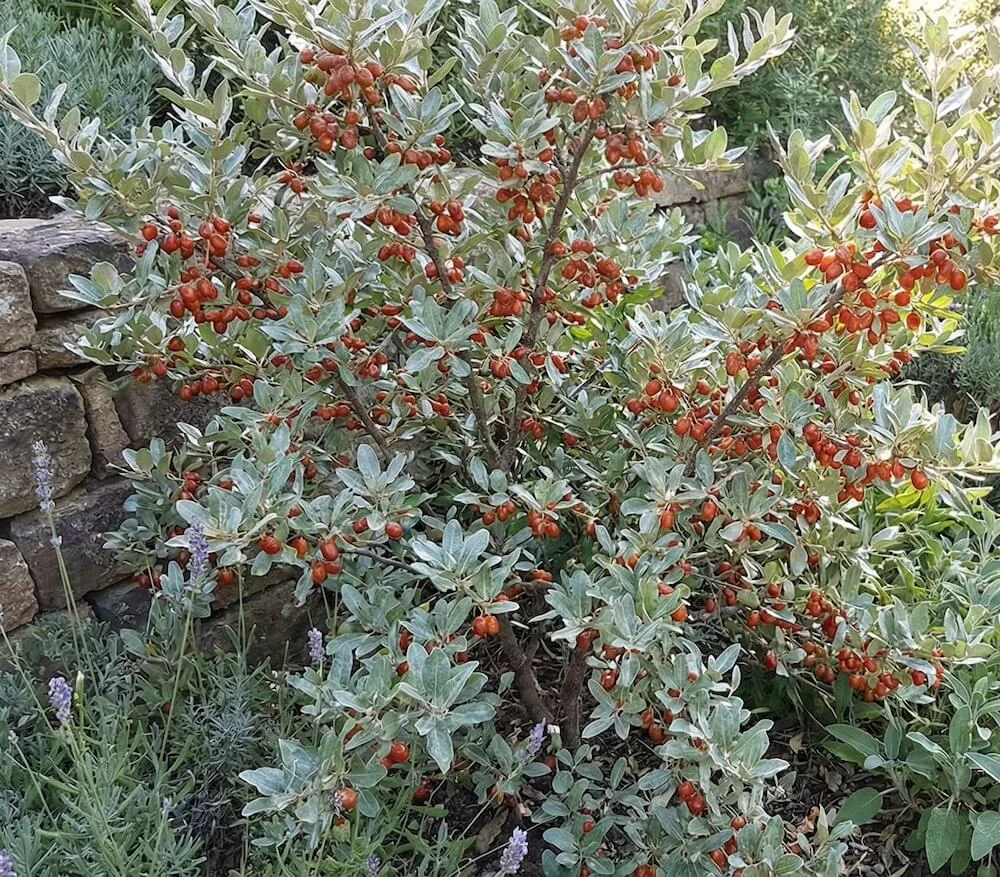
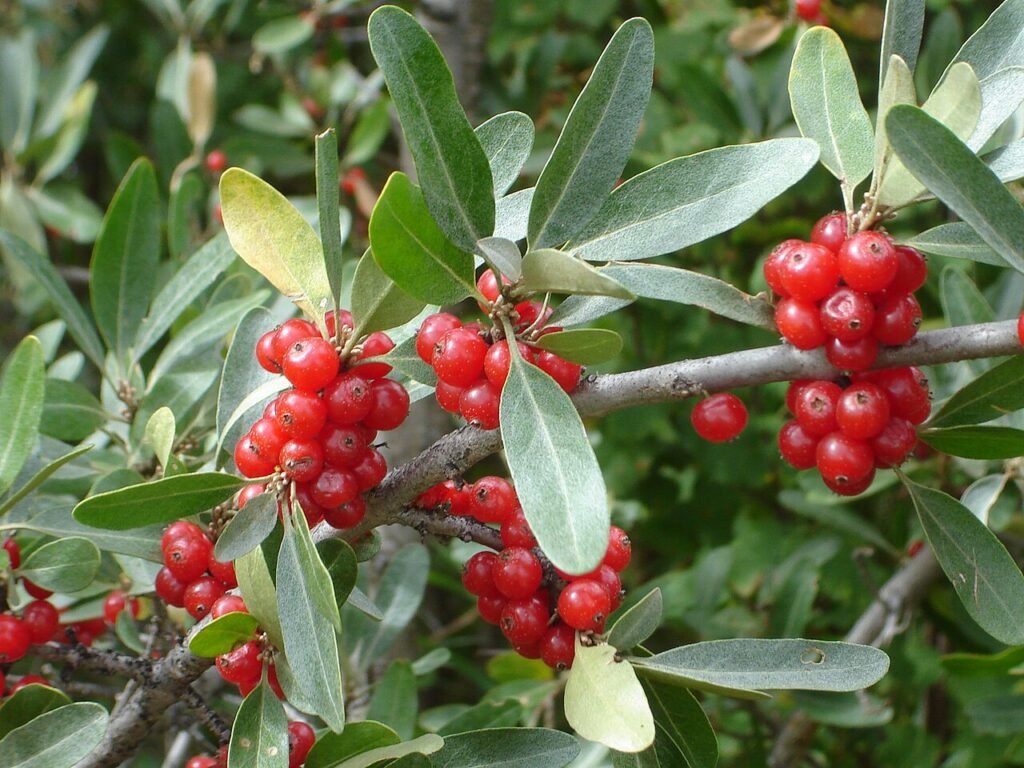
Buffalo Berry (Shepherdia argentea): How to Grow, Propagate, Harvest, and Use This Hardy Native Superfruit
Buffalo Berry, scientifically known as Shepherdia argentea, is one of North America’s most underrated native shrubs. Tough, productive, wildlife-friendly, and surprisingly versatile in the kitchen, this silvery-leaved plant deserves a place in more gardens, homesteads, and restoration landscapes.
Whether you’re interested in edible landscaping, permaculture, or growing resilient food crops in harsh climates, Buffalo Berry checks all the boxes. In this complete guide, you’ll learn how to grow Buffalo Berry successfully, propagate it, identify varieties, harvest the fruit, and use it for food and traditional purposes.
What Is Buffalo Berry?
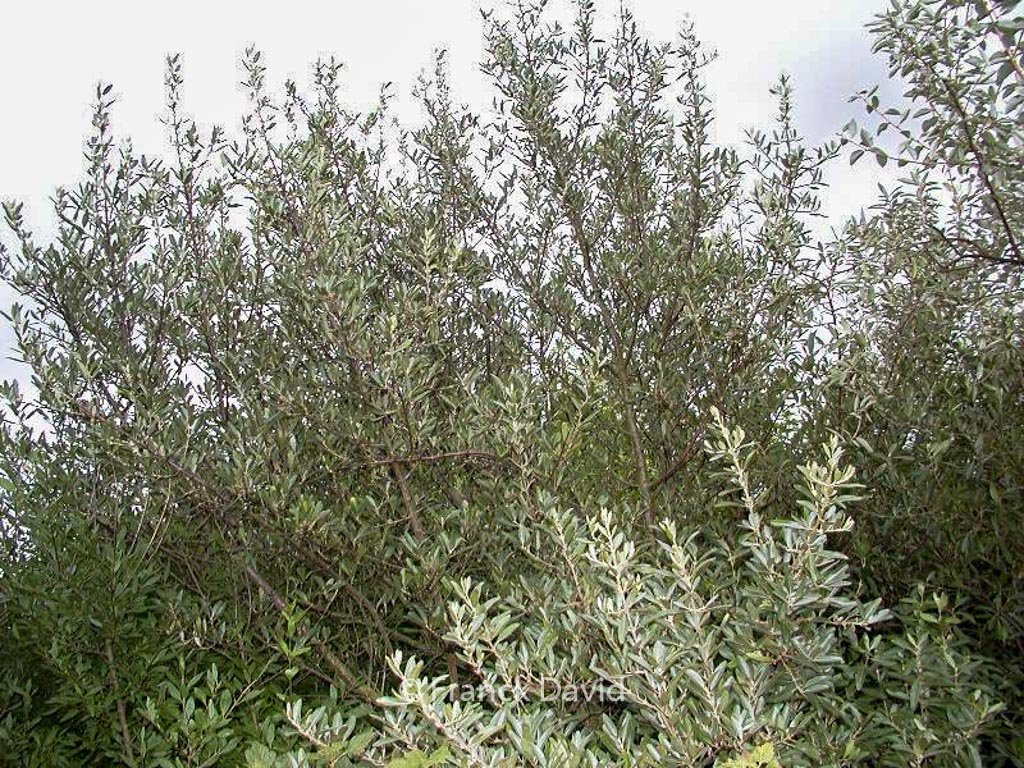
Buffalo Berry is a deciduous, thorny shrub native to the Great Plains and western regions of North America. It thrives in poor soils, tolerates drought and cold, and produces bright red berries rich in nutrients.
Key characteristics:
- Height: 6–15 feet tall
- Spread: 6–12 feet
- Lifespan: Several decades
- Growth habit: Dense, suckering shrub
- Nitrogen-fixing roots
Because it fixes nitrogen, Buffalo Berry improves soil fertility, making it an excellent companion plant in sustainable gardens.
How to Grow Buffalo Berry
Climate and Hardiness
Buffalo Berry is extremely cold-hardy and performs well in challenging environments.
- USDA hardiness zones: 2–7
- Cold tolerance: Down to -40°F
- Heat tolerance: Excellent in dry, hot summers
It’s especially valuable in regions where many fruiting plants struggle to survive.
Sun Requirements
- Full sun is ideal for maximum fruit production
- Partial shade is tolerated but may reduce berry yield
More sun generally means more flowers and better fruit set.
Soil Preferences
Buffalo Berry is not picky about soil.
- Thrives in sandy, rocky, or gravelly soils
- Tolerates alkaline soils
- Handles poor and low-nutrient conditions
- Requires good drainage
Avoid waterlogged or consistently soggy soil, which can cause root issues.
Watering Needs
Once established, Buffalo Berry is highly drought-tolerant.
- Young plants: Water regularly during the first year
- Mature plants: Minimal supplemental watering needed
Overwatering is more harmful than underwatering.
Planting Tips
- Dig a hole twice as wide as the root ball
- Plant at the same depth as in the nursery container
- Backfill with native soil (no heavy amendments needed)
- Water deeply after planting
- Mulch lightly, keeping mulch away from the stem
Male and Female Plants: A Critical Detail
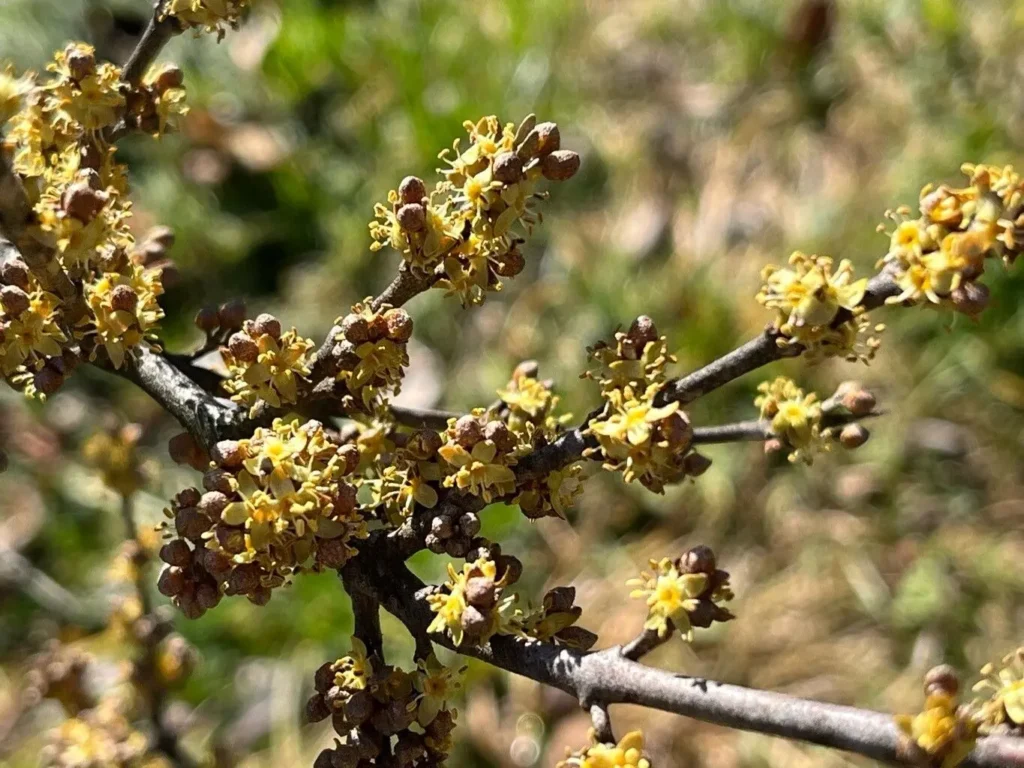
Buffalo Berry is dioecious, meaning male and female flowers grow on separate plants.
- Only female plants produce berries
- One male plant can pollinate 6–8 female plants
- Wind is the primary pollination method
For fruit production, always plant at least one male shrub nearby.
How to Propagate Buffalo Berry
Propagation from Seed
Growing Buffalo Berry from seed is slow but rewarding.
Steps:
- Collect ripe berries in late summer or early fall
- Remove pulp and clean seeds
- Cold stratify seeds for 90–120 days
- Sow in containers or outdoors in early spring
Seed-grown plants may take 4–6 years to fruit and sex is not identifiable until maturity.
Propagation from Cuttings
Cuttings are the fastest and most reliable method.
- Take semi-hardwood cuttings in late summer
- Length: 4–6 inches
- Use rooting hormone for better success
- Plant in well-draining medium
- Keep consistently moist until rooted
Cuttings ensure you know whether the plant is male or female.
Propagation by Suckers
Buffalo Berry naturally produces suckers from the base.
- Dig and separate suckers in early spring
- Replant immediately
- Water well until established
This is one of the easiest propagation methods.
Buffalo Berry Varieties and Related Species
While Shepherdia argentea is the most common edible species, there are a few notable relatives:
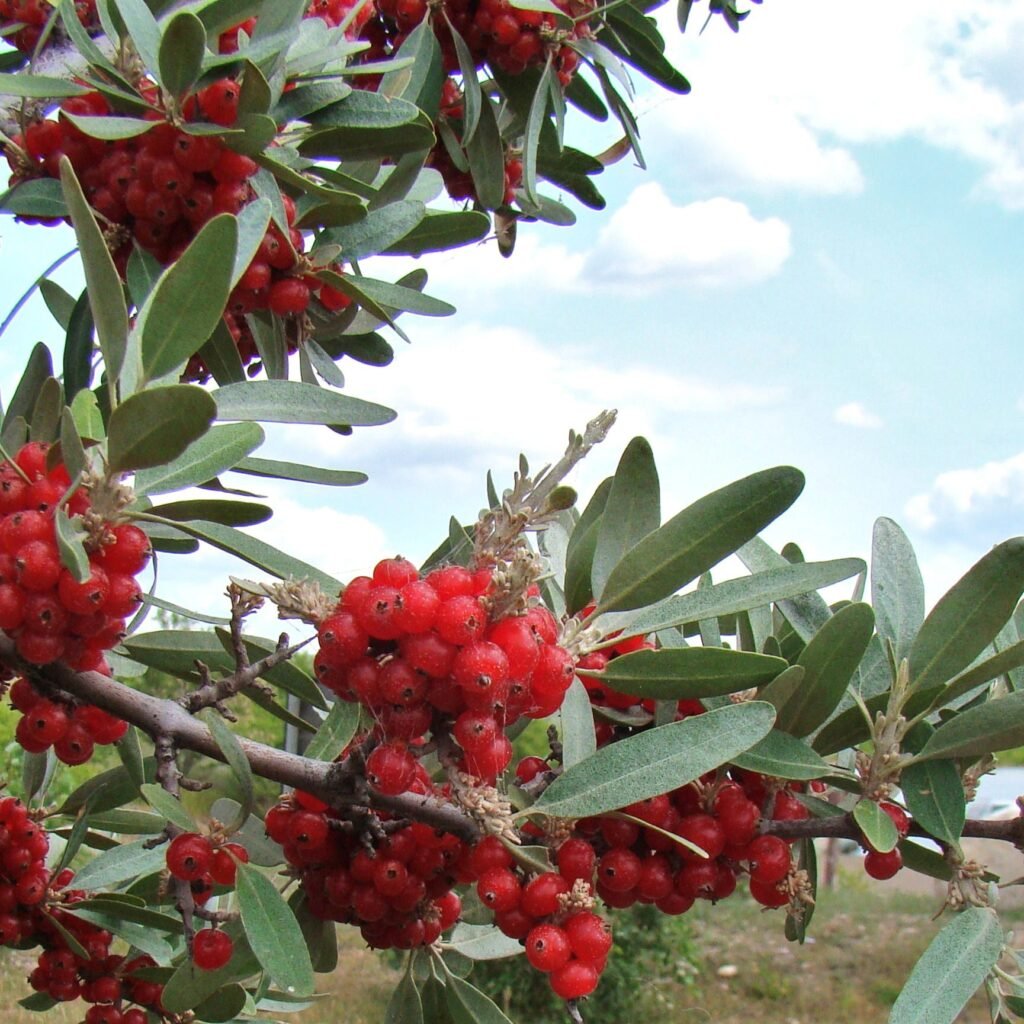
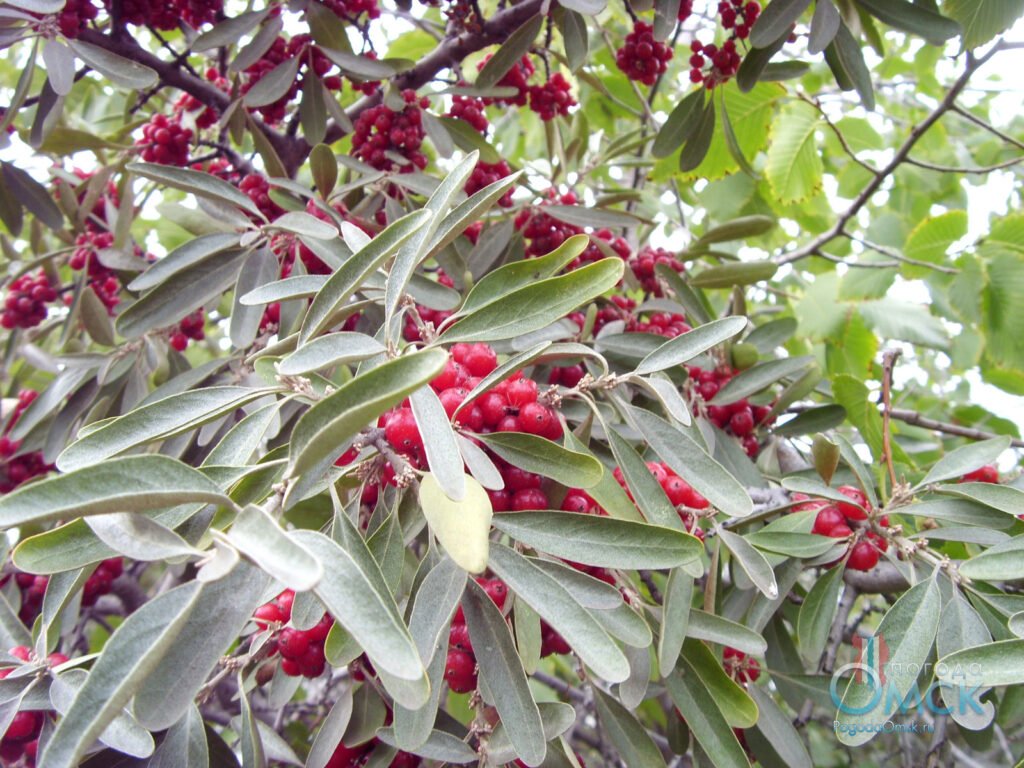
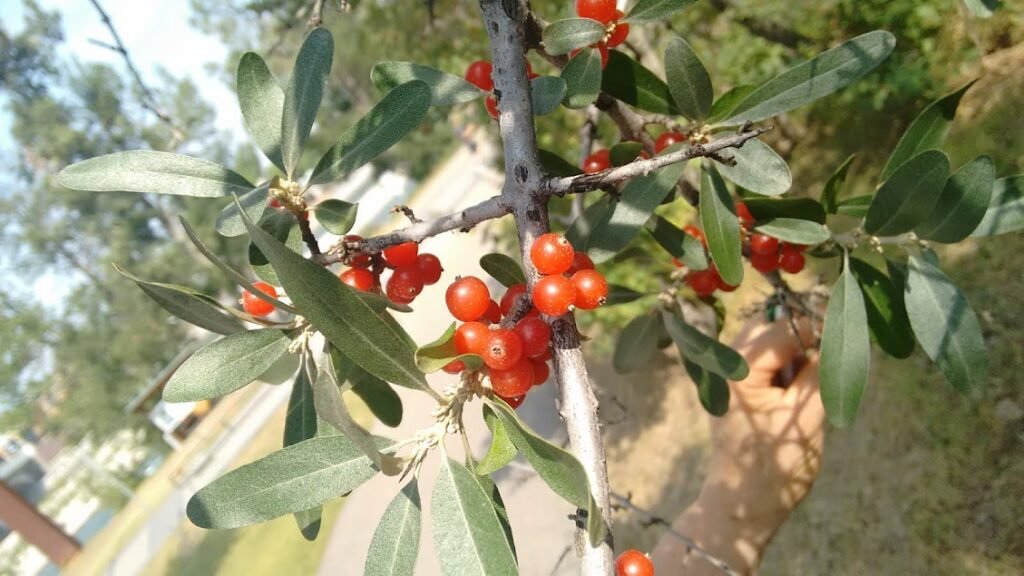
Silver Buffalo Berry (Shepherdia argentea)
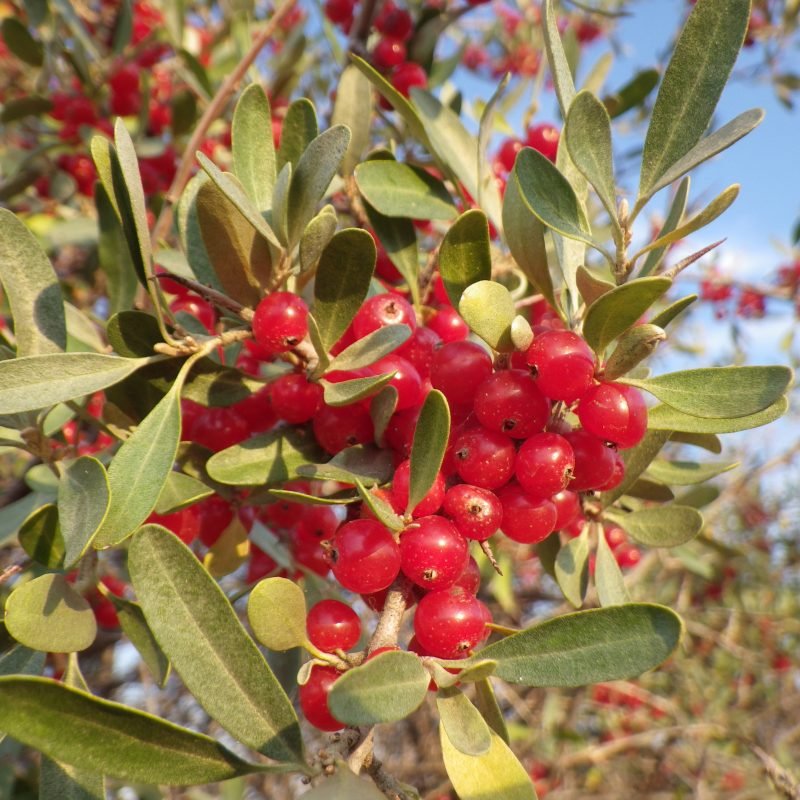
- Bright red berries
- Silvery-gray foliage
- Most commonly used for food
Canada Buffalo Berry (Shepherdia canadensis)
- Smaller shrub
- More shade-tolerant
- Berries often more bitter
Russet Buffalo Berry (Shepherdia rotundifolia)
- Native to the southwestern US
- Primarily ornamental
- Limited edible use
Named cultivars are rare, so most plants are grown from wild or nursery-propagated stock.
Harvesting Buffalo Berries
When to Harvest
- Late summer to early fall
- Berries turn bright red when ripe
- Flavor improves after the first frost
Frost reduces bitterness and enhances sweetness.
How to Harvest
- Wear gloves (branches are thorny)
- Hand-pick berries or shake branches onto a tarp
- Harvest gently to avoid damaging branches
Birds love Buffalo Berries, so timing is important.
Taste Profile and Nutritional Value
Fresh Buffalo Berries have a tart, astringent flavor, similar to cranberries with a slightly bitter edge.
Nutritional highlights:
- High in vitamin C
- Rich in antioxidants
- Contains saponins (responsible for foaming when whipped)
Traditionally, Indigenous peoples valued the berry for both food and medicine.
Food Uses and Culinary Options
Buffalo Berry becomes far more enjoyable when processed.
Popular Food Uses
- Jellies and jams
- Syrups and sauces
- Fruit leather
- Juice blends
- Fermented beverages
Traditional “Indian Ice Cream”
Buffalo Berries are famous for their natural foaming ability.
- Berries are whipped with water
- Sweetened with honey or sugar
- Creates a light, pink foam dessert
This unique property comes from naturally occurring saponins.
Cooking Tips
- Always cook or sweeten berries to reduce bitterness
- Combine with sweeter fruits like apples or pears
- Strain seeds for smoother textures
Avoid eating large quantities raw due to saponin content.
Other Uses of Buffalo Berry
Landscaping and Shelterbelts
- Excellent windbreak plant
- Erosion control on slopes
- Wildlife habitat and food source
Ecological Benefits
- Nitrogen-fixing improves soil
- Supports pollinators and birds
- Native plant for restoration projects
Traditional Uses
Historically used for:
- Digestive support
- Cold and flu remedies
- Skin applications
Pruning and Maintenance
Buffalo Berry requires minimal care.
- Prune in late winter or early spring
- Remove dead, damaged, or crossing branches
- Control suckers if needed
Heavy pruning is rarely necessary.
Common Problems and Pests
Buffalo Berry is remarkably trouble-free.
- Rarely affected by insects
- Highly disease-resistant
- Occasional browsing by deer
Its toughness makes it ideal for low-maintenance gardens.
Is Buffalo Berry Worth Growing?
If you want a plant that:
- Thrives in poor soil
- Requires little water
- Produces edible fruit
- Supports wildlife
- Survives extreme cold
Then Buffalo Berry is an outstanding choice.
It may not be a grocery-store fruit, but its resilience, ecological value, and unique culinary uses make it a hidden gem for gardeners willing to explore native food plants.




&media=https://food-foresting.com/wp-content/uploads/2026/02/SilverBuffaloberry-SK.jpg)