
 paulius.mikoliunas1
| Common Name | Low Sweet Blueberry, Lowbush blueberry |
| Family | Ericaceae |
| USDA hardiness | 2-6 |
| Known Hazards | None known |
| Habitats | Dry open barrens, peats and rocks. |
| Range | North-eastern N. America – Newfoundland to Maryland, west to Iowa and Minnesota. |
| Edibility Rating |   (3 of 5) (3 of 5) |
| Other Uses |  (0 of 5) (0 of 5) |
| Weed Potential | No |
| Medicinal Rating |   (1 of 5) (1 of 5) |
| Care (info) |      |
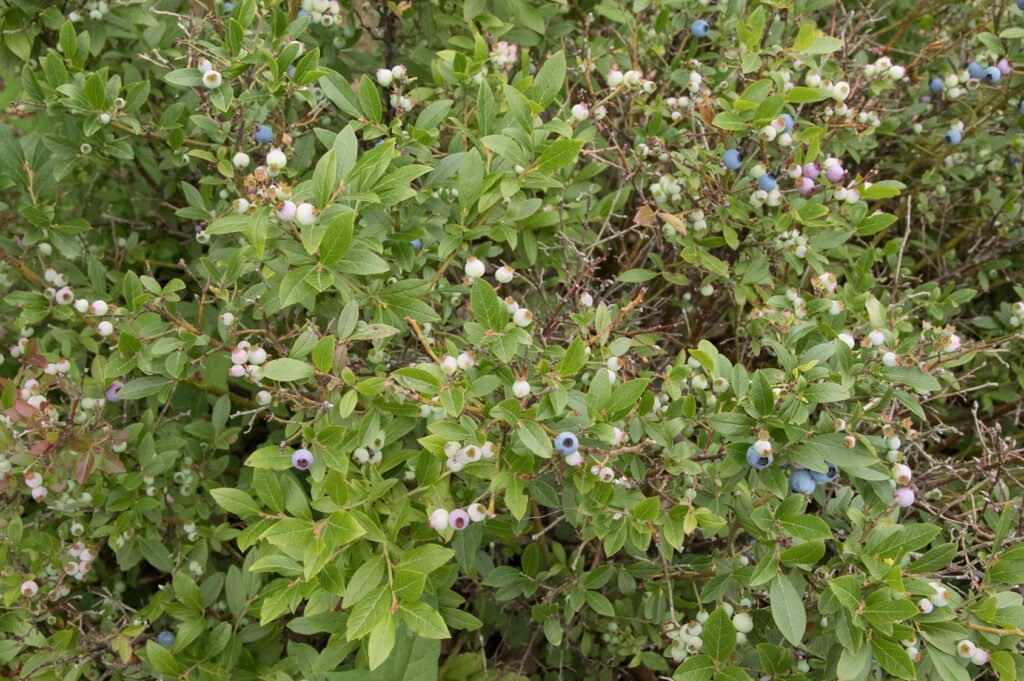
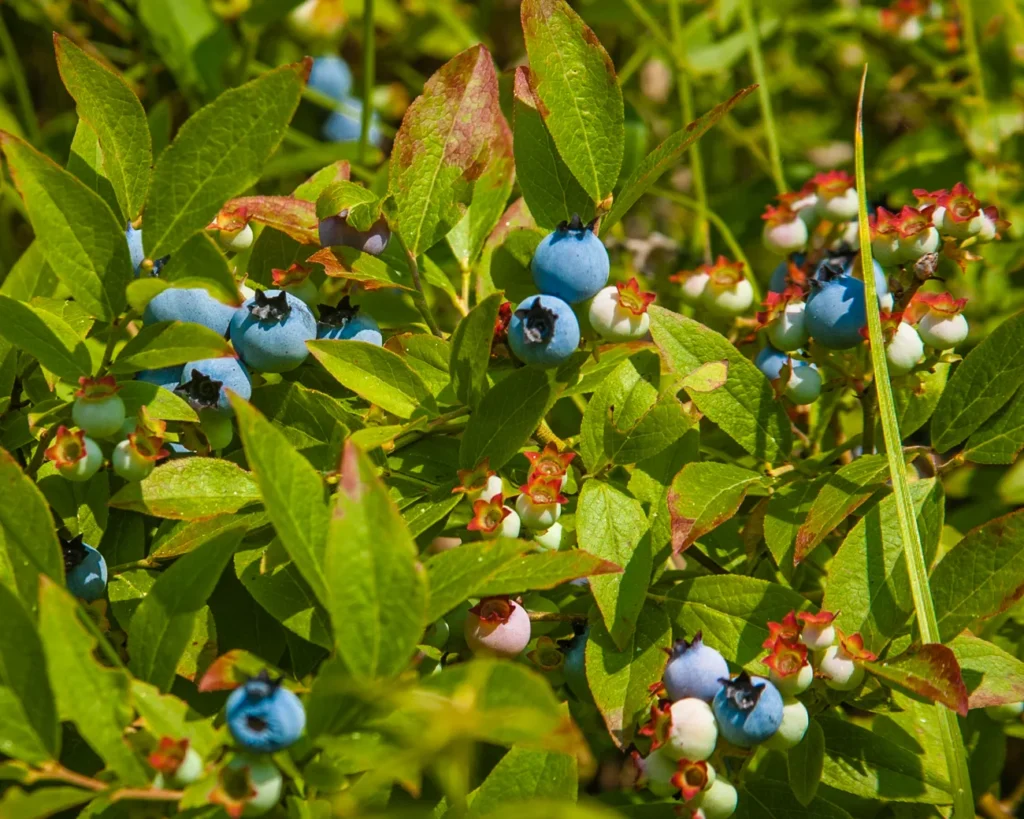
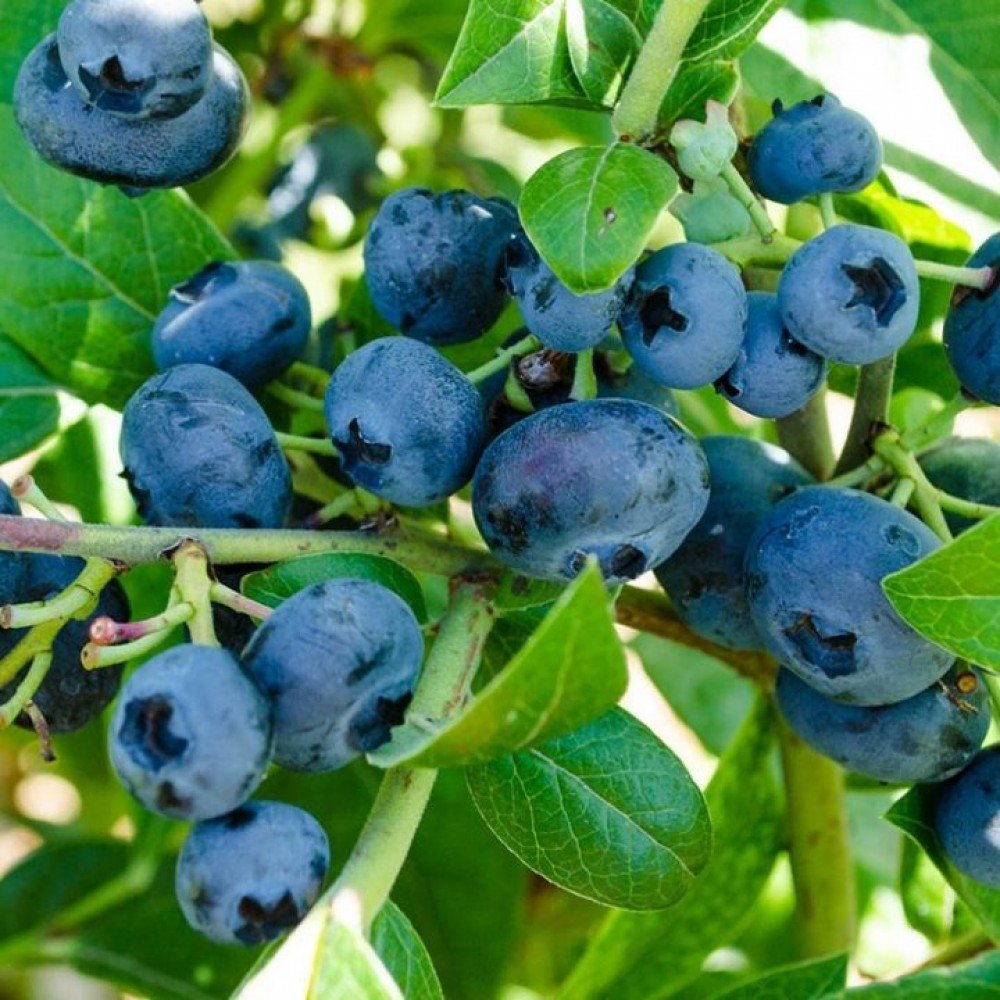
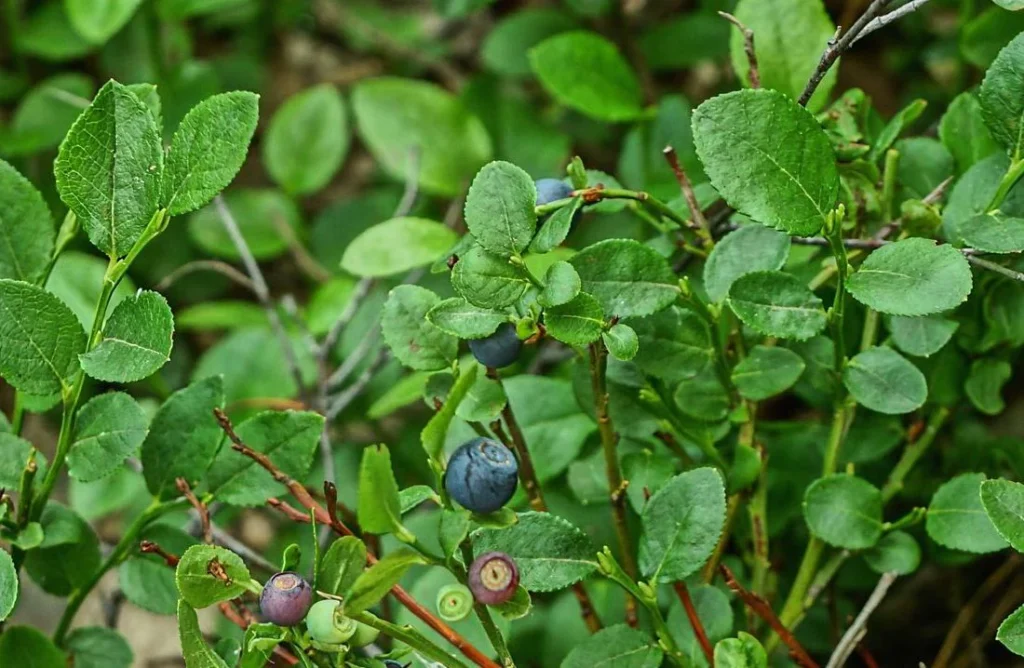
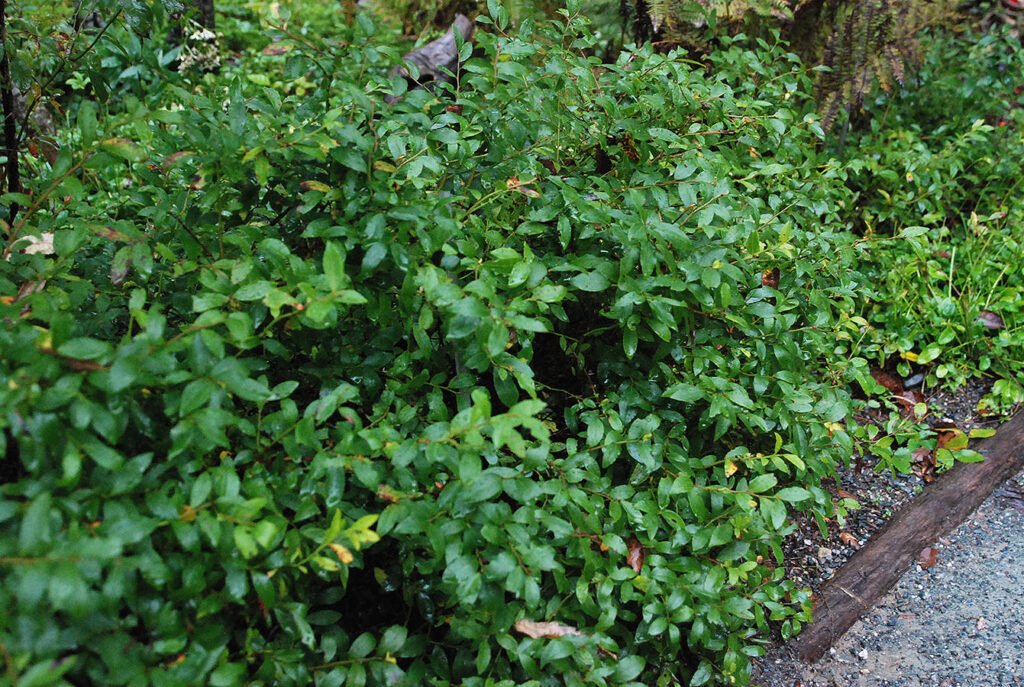
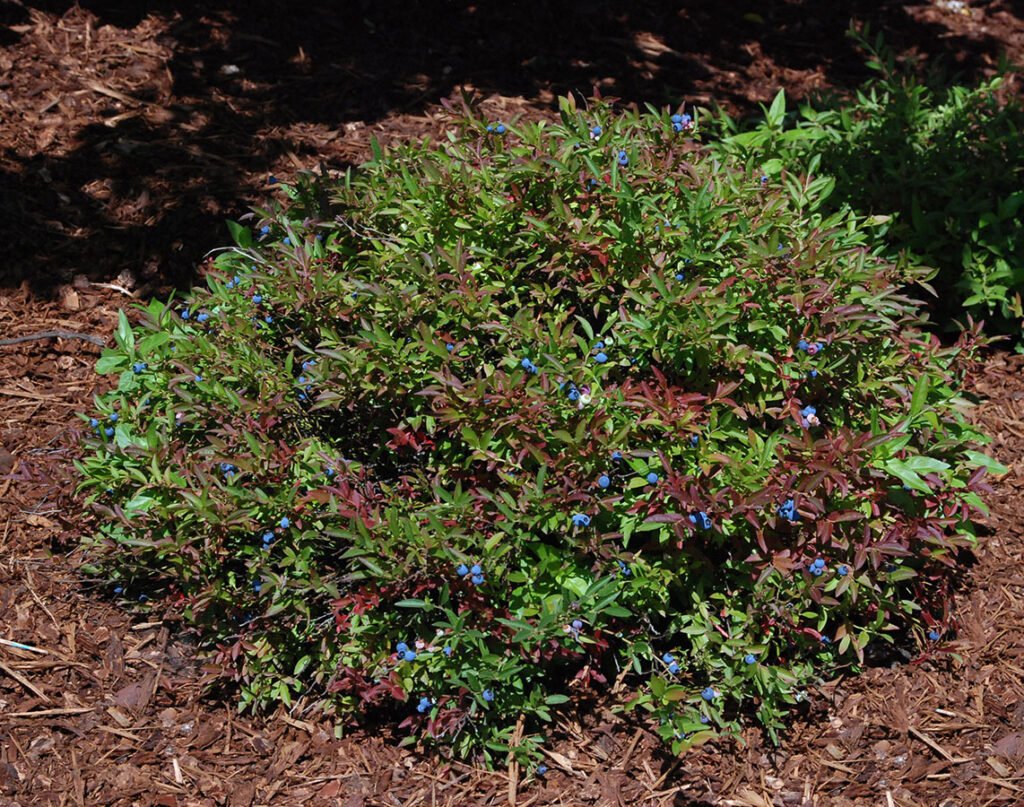
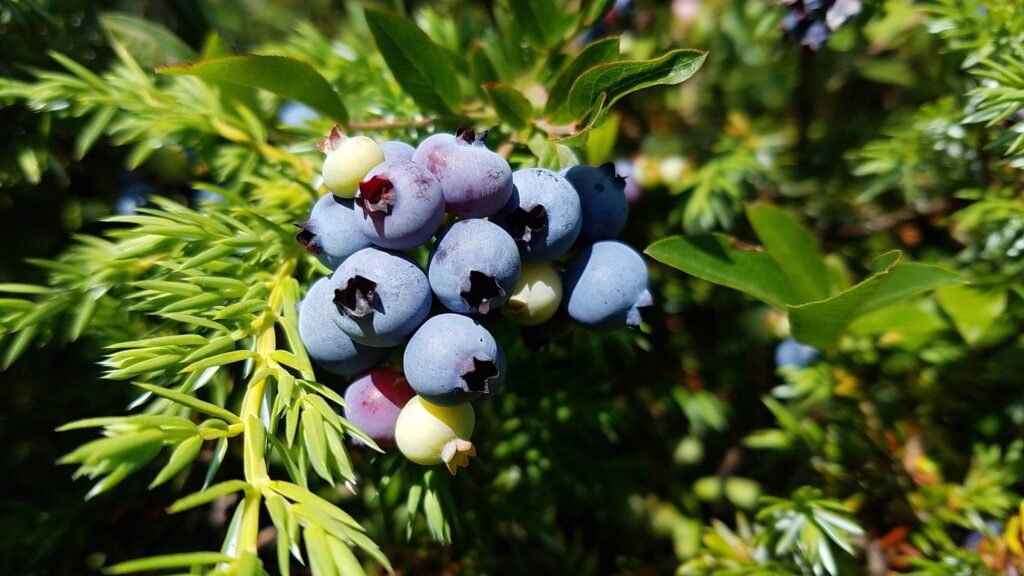
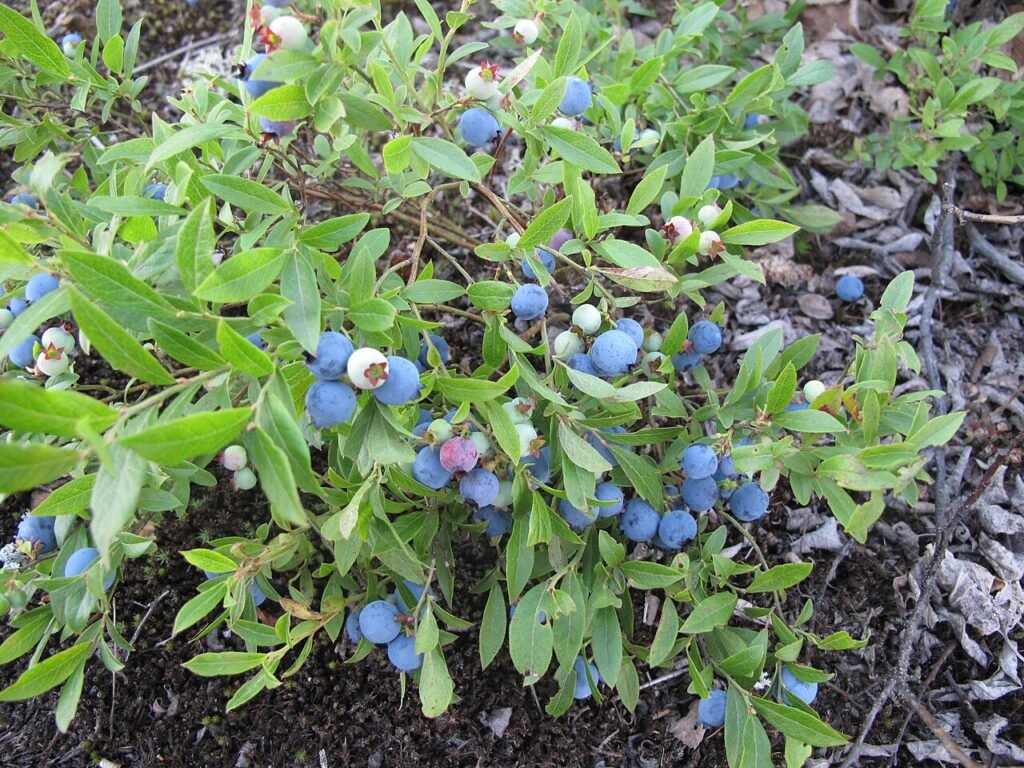
Low Sweet Blueberry (Vaccinium angustifolium): Complete Growing, Propagation, Harvesting & Culinary Guide
Low Sweet Blueberry, scientifically known as Vaccinium angustifolium, is one of the most beloved wild blueberries in North America. Often called lowbush blueberry or wild blueberry, this hardy plant produces intensely flavored, nutrient-rich berries that are smaller but sweeter and more aromatic than many cultivated varieties.
These berries thrive in cold climates and poor soils where many fruit plants struggle. Because of their resilience and high antioxidant content, low sweet blueberries are widely grown by gardeners, small farmers, and foragers alike.
This comprehensive guide explains how to grow, propagate, care for, harvest, and use low sweet blueberries, along with the best varieties and culinary ideas.
What is Low Sweet Blueberry?
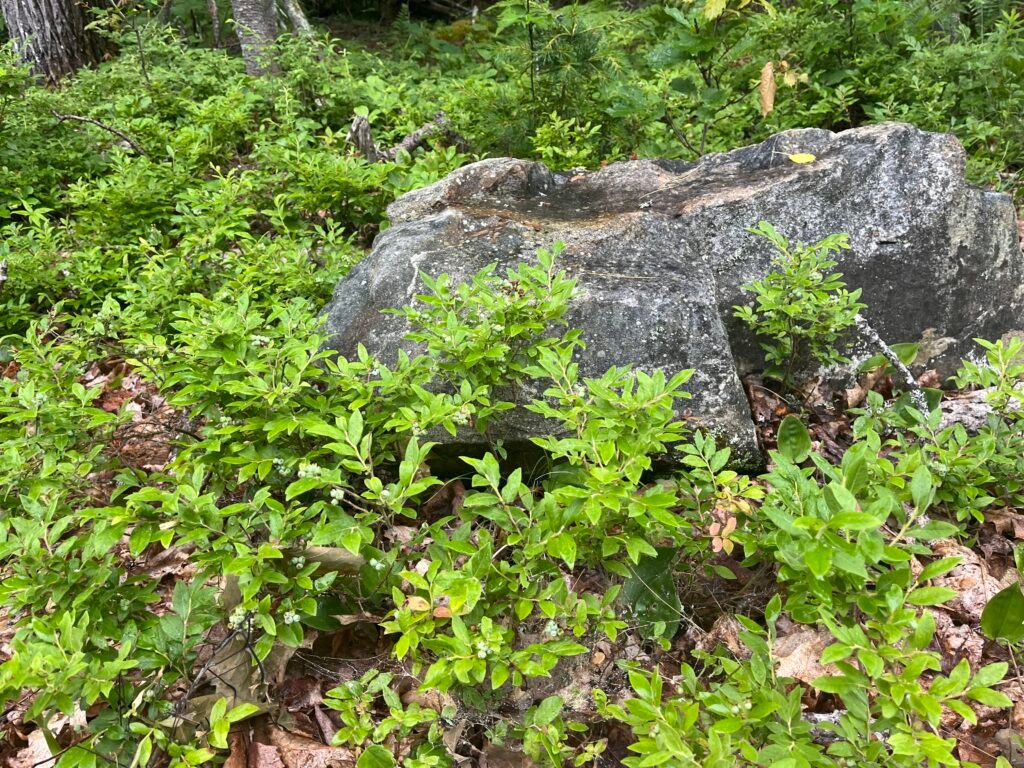
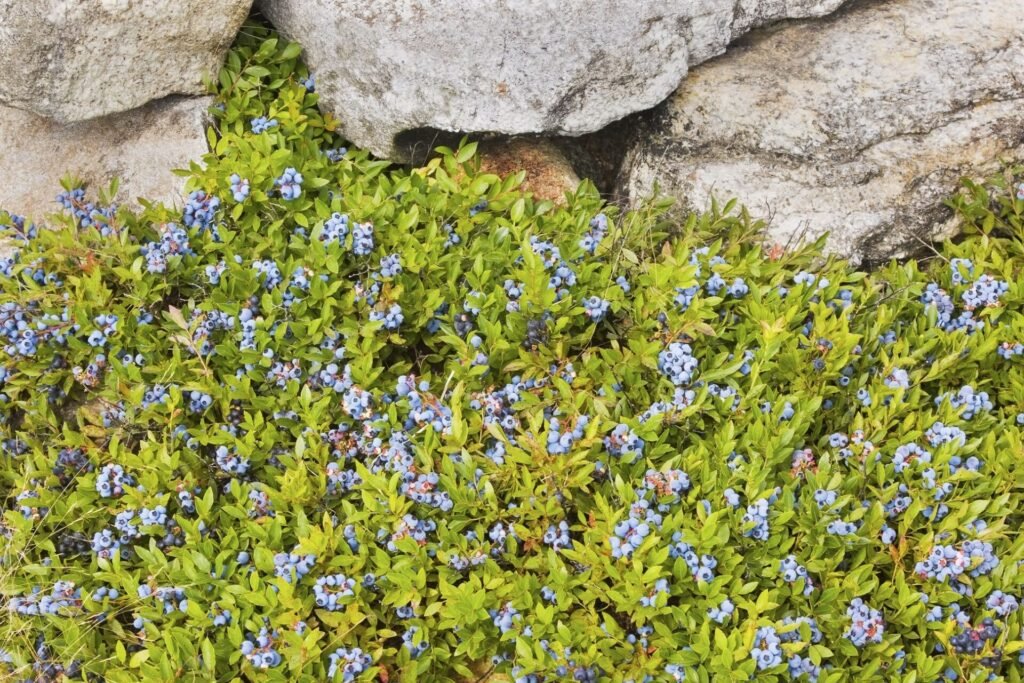
Vaccinium angustifolium is a low-growing perennial shrub belonging to the heath family (Ericaceae). Unlike tall cultivated blueberries, it grows close to the ground and spreads naturally through underground rhizomes.
Key Characteristics
- Plant height: 10–60 cm (4–24 inches)
- Growth habit: Spreading low shrub
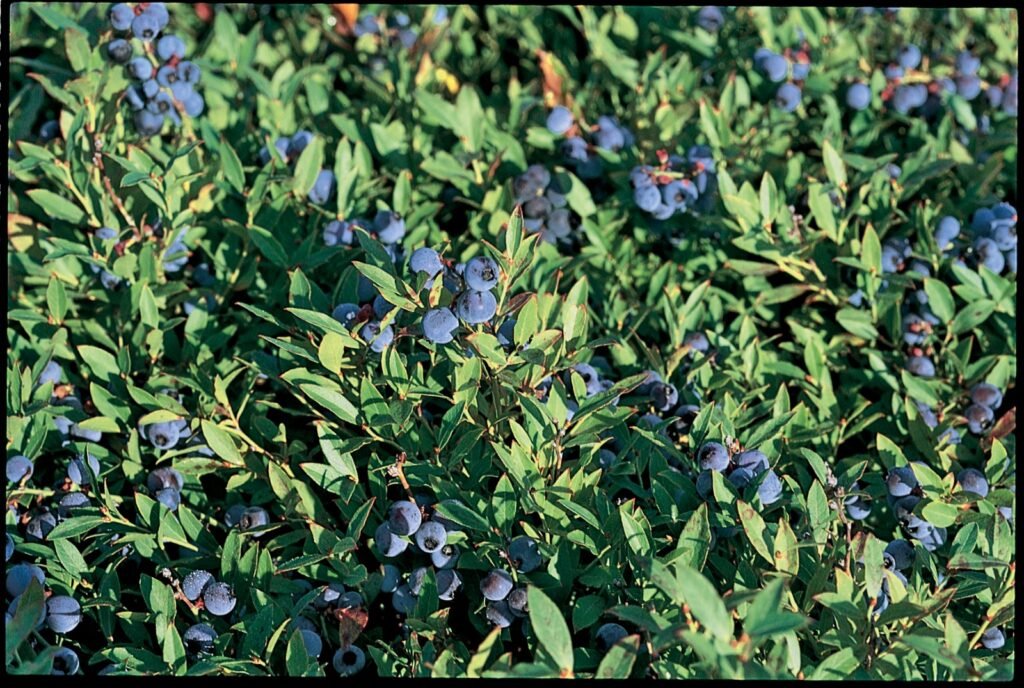
- Fruit size: Small but very flavorful berries
- Flavor profile: Sweet with concentrated blueberry aroma
- Hardiness: Extremely cold tolerant (USDA zones 2–7)
- Lifespan: Perennial, productive for decades
Wild lowbush blueberries form dense colonies in forests, barrens, and open fields, especially in regions with acidic soil.
How to Grow Low Sweet Blueberry
Growing low sweet blueberries successfully requires recreating the acidic, well-drained conditions they naturally prefer.
Climate Requirements
Lowbush blueberries thrive in:
- Cool temperate climates
- Regions with cold winters
- Areas with moderate rainfall
They tolerate extreme cold better than most blueberry species.
Ideal Conditions
| Factor | Ideal Range |
|---|---|
| Temperature | 15–25°C growing season |
| Winter tolerance | Down to −35°C |
| Sunlight | Full sun to partial shade |
| Rainfall | Moderate moisture |
Plants grown in full sun produce larger and sweeter berries.
Soil Requirements
The most important factor when growing Vaccinium angustifolium is soil acidity.
Ideal Soil Conditions
- pH: 4.0 – 5.5
- Type: Sandy, loamy, well-drained
- Organic matter: High
- Moisture: Consistently moist but not waterlogged
Soil Preparation Tips
To prepare suitable soil:
- Mix peat moss or pine bark into the planting area
- Avoid limestone or alkaline fertilizers
- Add sulfur if soil pH is too high
- Mulch with pine needles or wood chips
Acidic soil allows roots to absorb nutrients properly.
Planting Low Sweet Blueberries
Proper planting helps establish healthy plants quickly.
Best Time to Plant
- Early spring
- Late autumn in mild climates
Spacing
- Space plants 30–60 cm apart
- Leave 90–120 cm between rows
This spacing allows the plants to spread naturally and form a dense berry patch.
Planting Steps
- Dig a hole twice the width of the root ball.
- Mix acidic organic matter into the soil.
- Place the plant at the same depth it grew previously.
- Water thoroughly after planting.
- Apply mulch to retain moisture.
Mulching also suppresses weeds and improves soil health.
Watering and Fertilizing
Watering
Low sweet blueberries require consistent moisture.
Recommended watering:
- 2–4 cm of water weekly
- Increase during fruit development
- Reduce watering in late autumn
Avoid waterlogged soil to prevent root rot.
Fertilization
Use fertilizers designed for acid-loving plants.
Best options include:
- Ammonium sulfate
- Organic berry fertilizer
- Compost mixed with pine needles
Fertilize lightly in early spring and again after flowering.
Propagation Methods
Low sweet blueberries spread naturally, making propagation relatively easy.
1. Rhizome Division
This is the most reliable method.
Steps:
- Dig around established plants.
- Separate sections of rhizomes with roots attached.
- Replant immediately in prepared soil.
New plants usually establish within one growing season.
2. Stem Cuttings
Propagation from cuttings also works well.
Process
- Take 10–15 cm softwood cuttings in spring.
- Remove lower leaves.
- Dip in rooting hormone.
- Plant in acidic growing medium.
- Maintain humidity until roots form.
Rooting normally occurs within 6–8 weeks.
3. Growing from Seeds
Seed propagation is slower but useful for breeding.
Steps:
- Extract seeds from ripe berries.
- Cold-stratify seeds for 90 days.
- Sow in acidic soil mix.
- Keep warm and moist.
Seed-grown plants may take 2–3 years to fruit.
Popular Low Sweet Blueberry Varieties
While many lowbush blueberries are wild selections, several cultivated varieties exist.
1. Brunswick
- Medium-sized berries
- Strong sweetness
- Excellent for fresh eating
2. Burgundy
- Dark, flavorful fruit
- Attractive red fall foliage
3. Blomidon
- High-yielding variety
- Large berries for a lowbush type
4. Cumberland
- Very cold hardy
- Reliable crop producer
Many growers combine several varieties to improve pollination and harvest size.
Pollination and Flowering
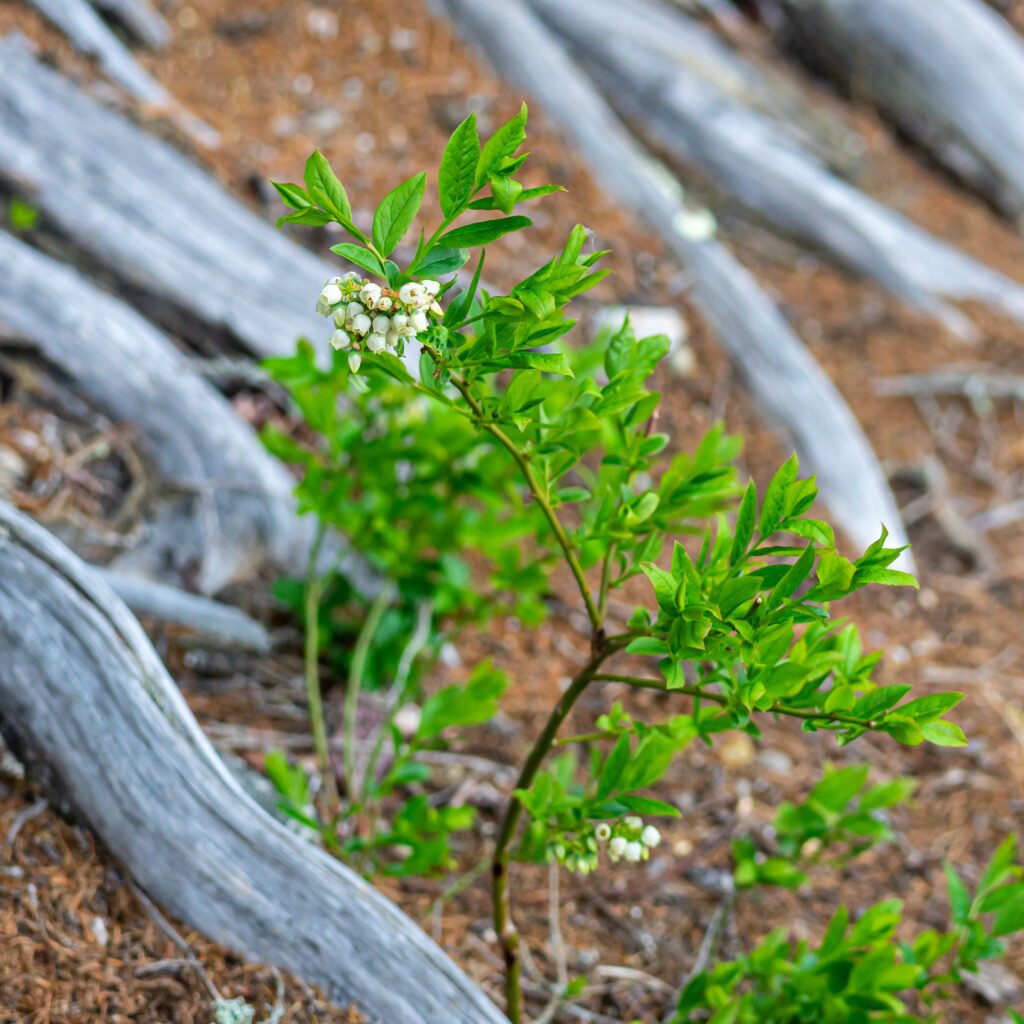
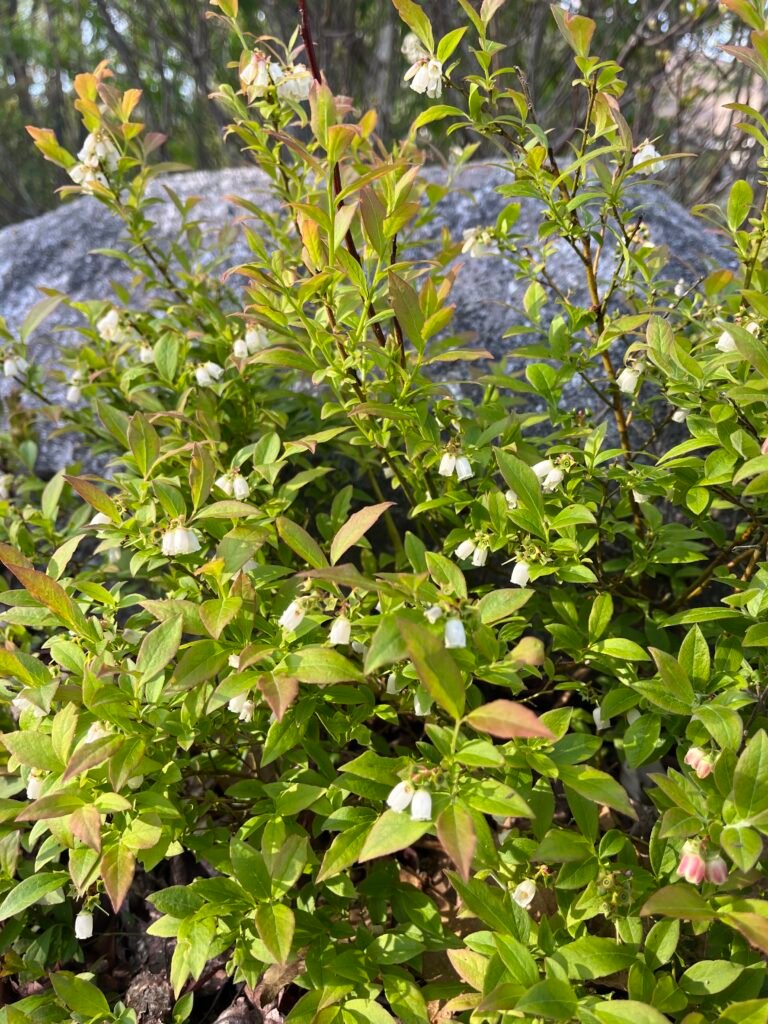
Vaccinium angustifolium produces small white or pink bell-shaped flowers in spring.
Pollinators
The main pollinators include:
- Native bees
- Bumblebees
- Honeybees
Planting multiple varieties improves fruit set and berry size.
Common Pests and Diseases
Lowbush blueberries are relatively resistant but can still face problems.
Common Pests
- Blueberry maggot
- Aphids
- Fruit worms
- Birds
Birds are often the biggest threat during ripening.
Protection Tips
- Install bird netting
- Encourage beneficial insects
- Use organic pest controls if necessary
Harvesting Low Sweet Blueberries
Low sweet blueberries typically ripen mid to late summer.
Signs of Ripeness
- Deep blue color
- Slight softness
- Easy detachment from stem
Harvesting Method
Because plants grow low, berries are usually:
- Hand-picked
- Raked using special berry combs
Harvest season can last 3–6 weeks depending on climate.
Storage and Preservation
Fresh berries store well when handled properly.
Short-Term Storage
- Refrigerate immediately after harvest
- Store in breathable containers
- Shelf life: 1–2 weeks
Long-Term Storage
Low sweet blueberries freeze exceptionally well.
Preservation methods:
- Freezing
- Drying
- Jam making
- Syrup production
Frozen berries retain most nutrients and flavor.
Nutritional Benefits
Low sweet blueberries are considered a superfood.
Nutritional Highlights
They contain:
- Vitamin C
- Vitamin K
- Fiber
- Manganese
- Powerful antioxidants
These compounds support:
- Heart health
- Brain function
- Immune system strength
Their deep blue color comes from anthocyanins, potent antioxidant compounds.
Culinary Uses and Food Ideas
Low sweet blueberries are extremely versatile in the kitchen.
Fresh Eating
Their intense flavor makes them perfect for:
- Fruit salads
- Smoothies
- Yogurt toppings
- Breakfast bowls
Baking
They are widely used in baked goods such as:
- Blueberry muffins
- Pancakes
- Scones
- Pies
- Cobblers
Because they are small, they distribute evenly in batters.
Preserves and Condiments
Popular preserved foods include:
- Blueberry jam
- Wild blueberry syrup
- Blueberry chutney
- Compotes
These products capture the berry’s rich flavor for year-round enjoyment.
Savory Dishes
Low sweet blueberries also complement savory meals.
They work well in:
- Wild game sauces
- Salad dressings
- Cheese platters
- Roasted meat glazes
Their sweetness balances rich or salty foods.
Landscape and Garden Uses
Lowbush blueberries serve multiple purposes in landscaping.
Garden Benefits
They function as:
- Edible ground cover
- Pollinator-friendly plants
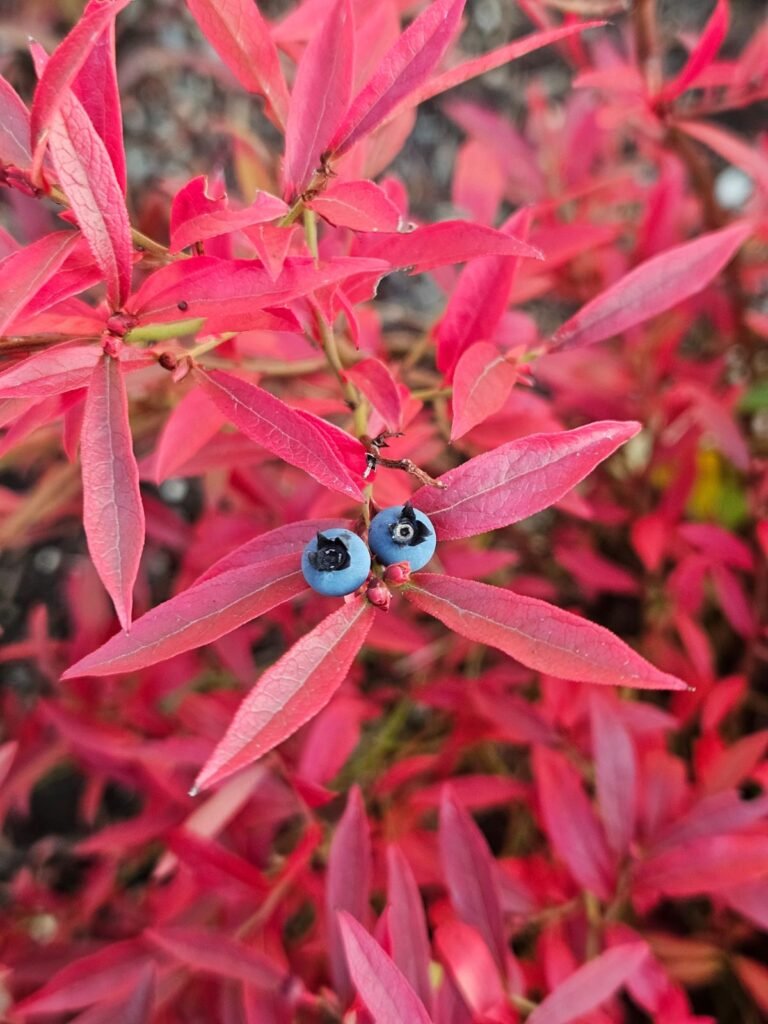
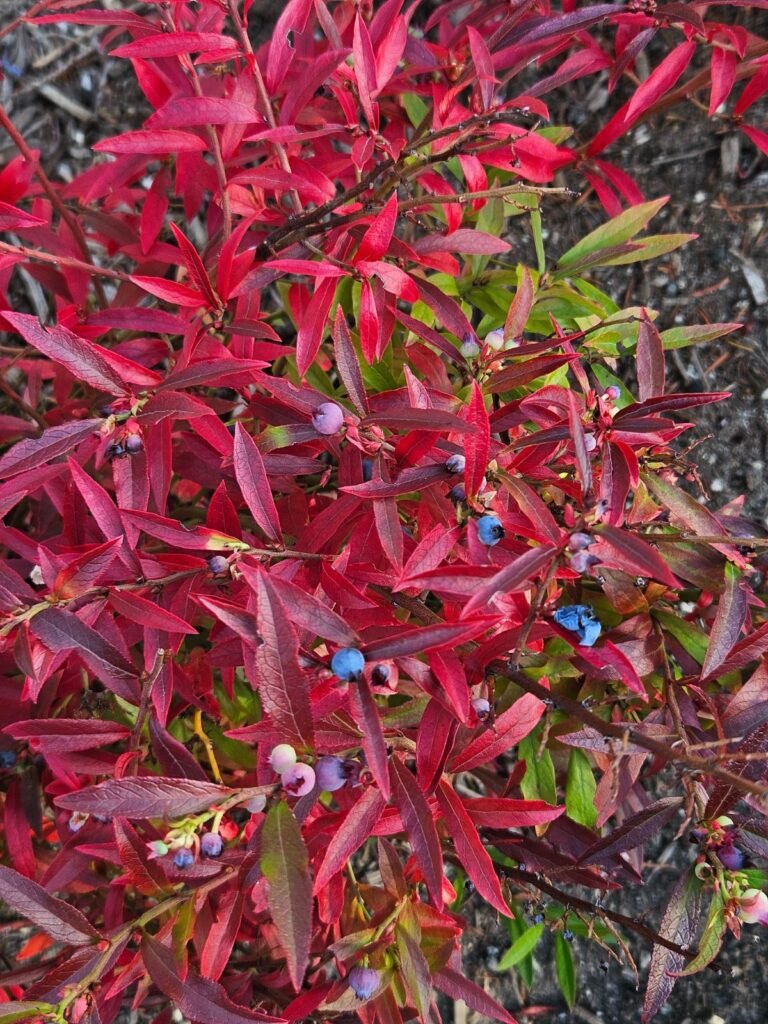
- Ornamental shrubs with fall color
- Soil stabilizers
In autumn, foliage often turns brilliant red, adding visual interest.
Tips for Maximum Berry Production
To achieve the best harvest:
- Maintain acidic soil conditions
- Prune older stems every few years
- Ensure good pollination
- Keep soil consistently moist
- Protect berries from birds
Some growers also practice periodic pruning or mowing to stimulate vigorous new growth.
Conclusion
Vaccinium angustifolium is one of the most rewarding berry plants for gardeners seeking a hardy, flavorful, and nutrient-dense fruit crop. Its ability to thrive in cold climates and poor soils makes it uniquely adaptable, while its small but intensely sweet berries are prized for fresh eating, baking, and preservation.
With proper soil preparation, careful watering, and occasional pruning, low sweet blueberries can produce abundant harvests for decades. Whether grown in a garden patch or allowed to naturalize as a ground cover, this remarkable plant offers both culinary and ecological benefits.


&media=https://food-foresting.com/wp-content/uploads/2026/03/vac_ang_fruit.jpg)