
 paulius.mikoliunas1
| Common Name | Japanese Dogwood |
| Family | Cornaceae |
| USDA hardiness | 5-8 |
| Known Hazards | None known |
| Habitats | Thickets, 1200 – 2200 metres. |
| Range | E. Asia – China. |
| Edibility Rating |  (5 of 5) (5 of 5) |
| Other Uses |   (2 of 5) (2 of 5) |
| Weed Potential | No |
| Medicinal Rating |  (0 of 5) (0 of 5) |
| Care (info) |     |
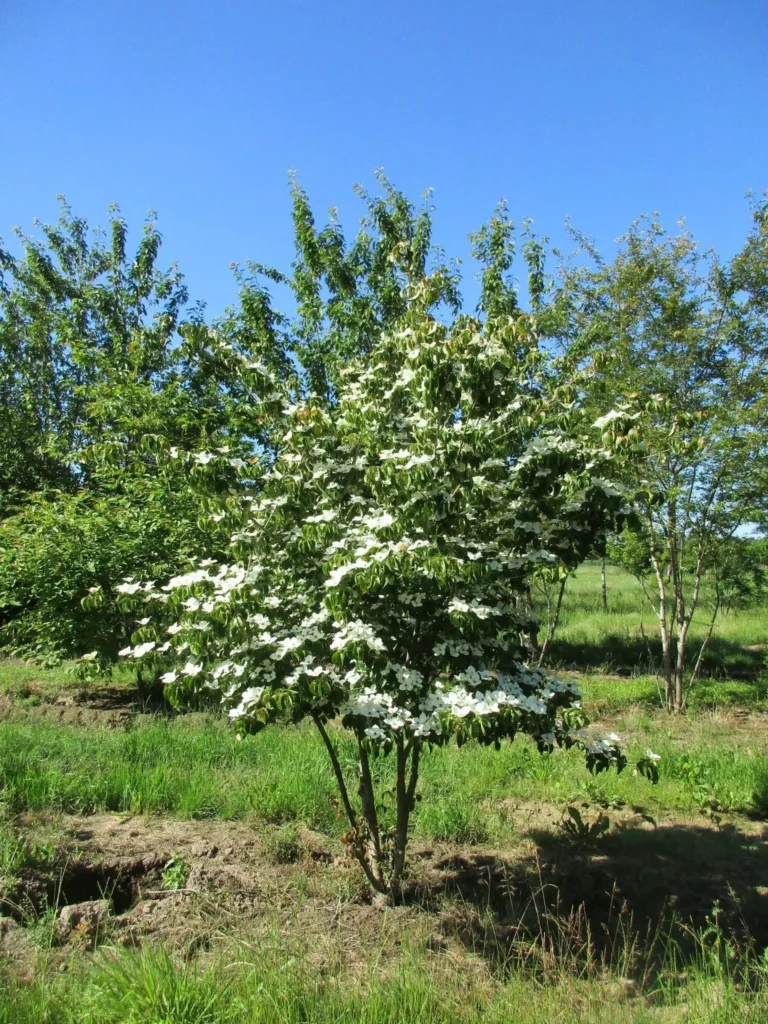

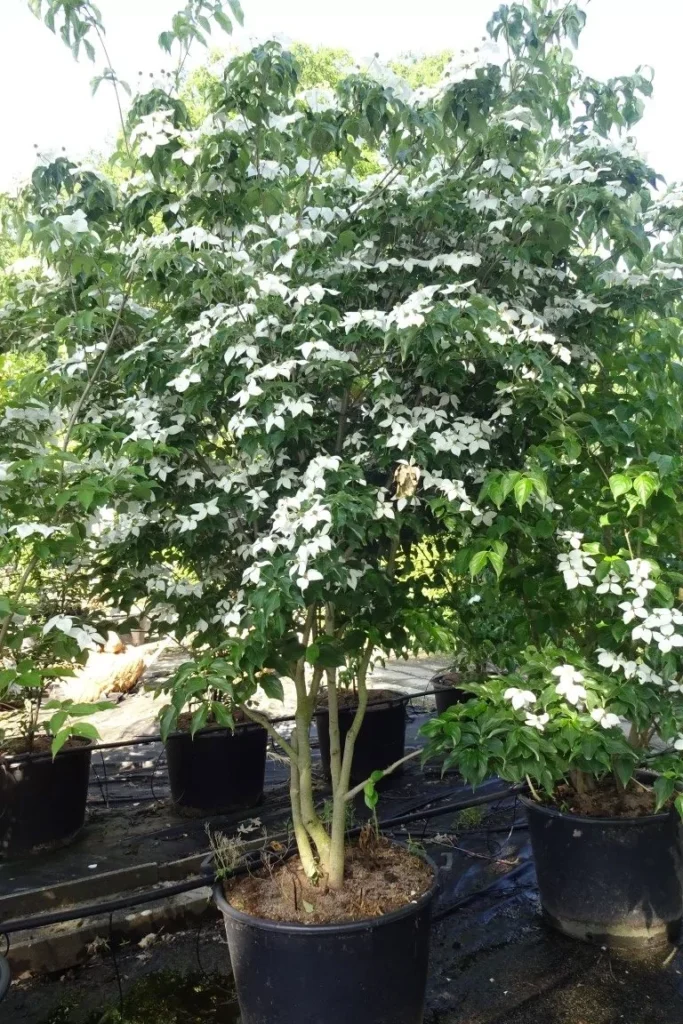
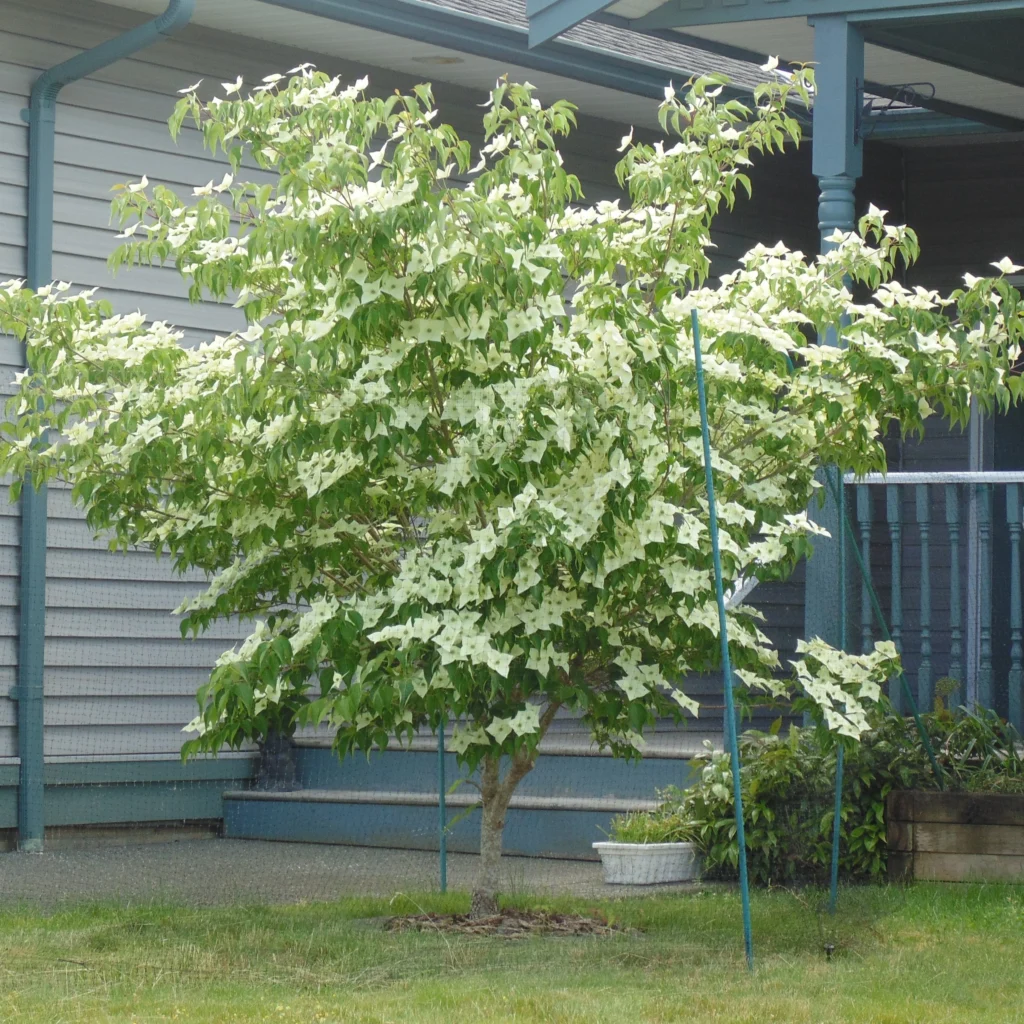



Chinese Dogwood (Cornus kousa chinensis): How to Grow, Propagate, Use, and Harvest This Ornamental Edible Beauty
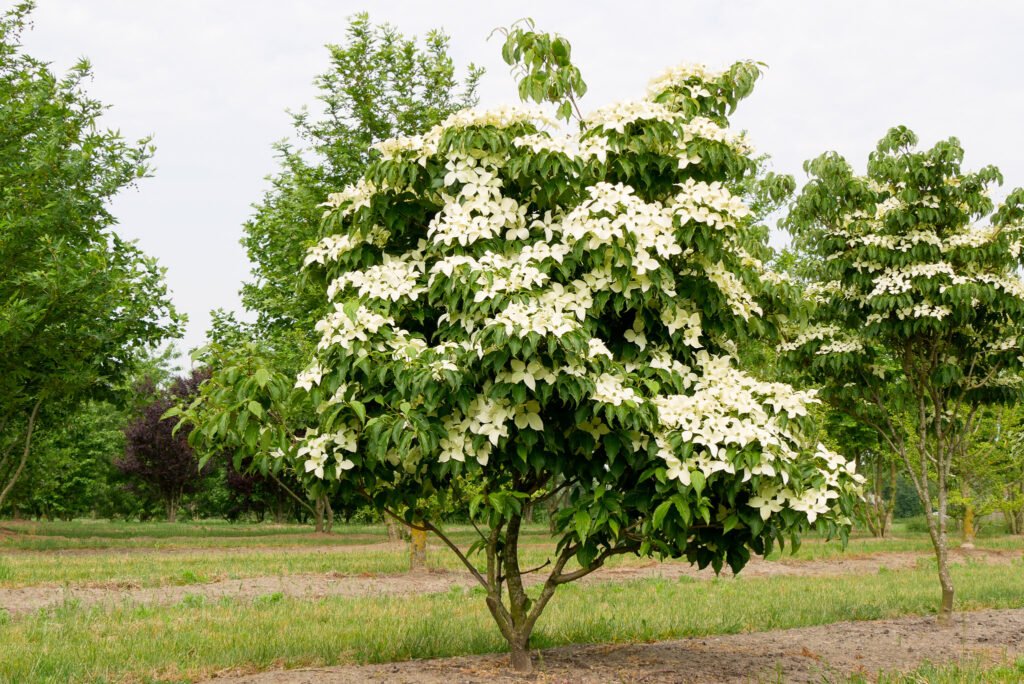
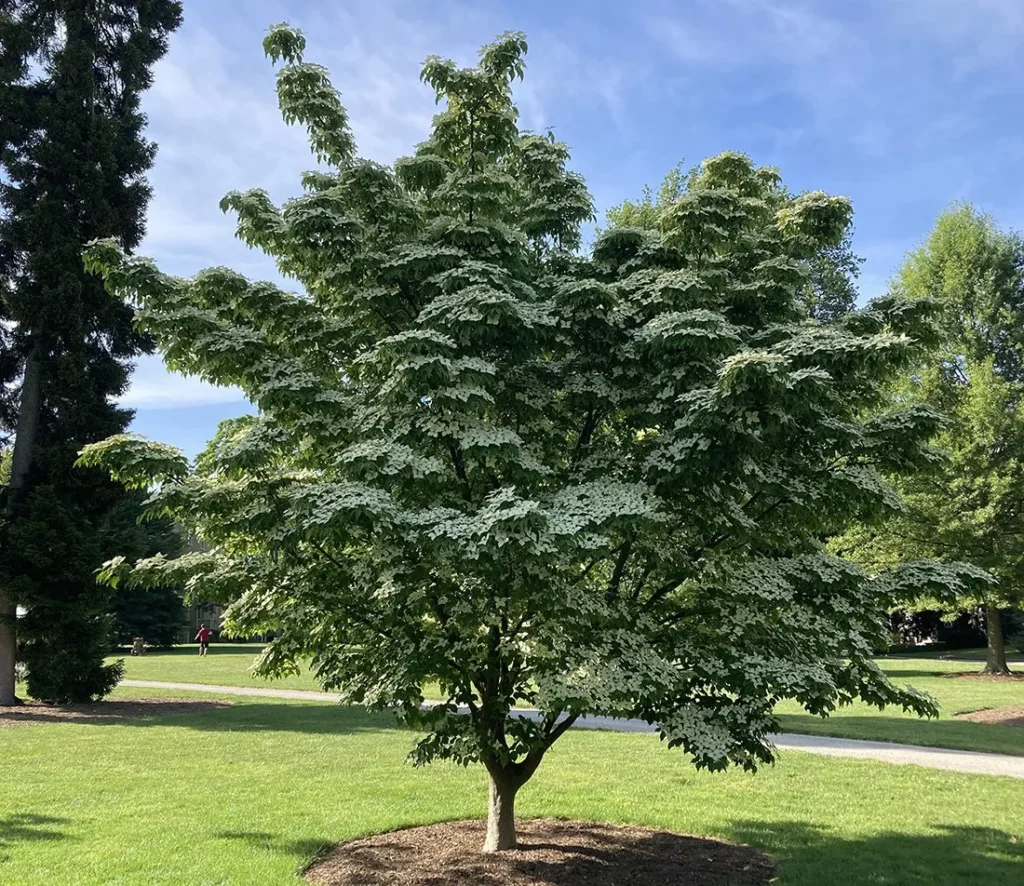
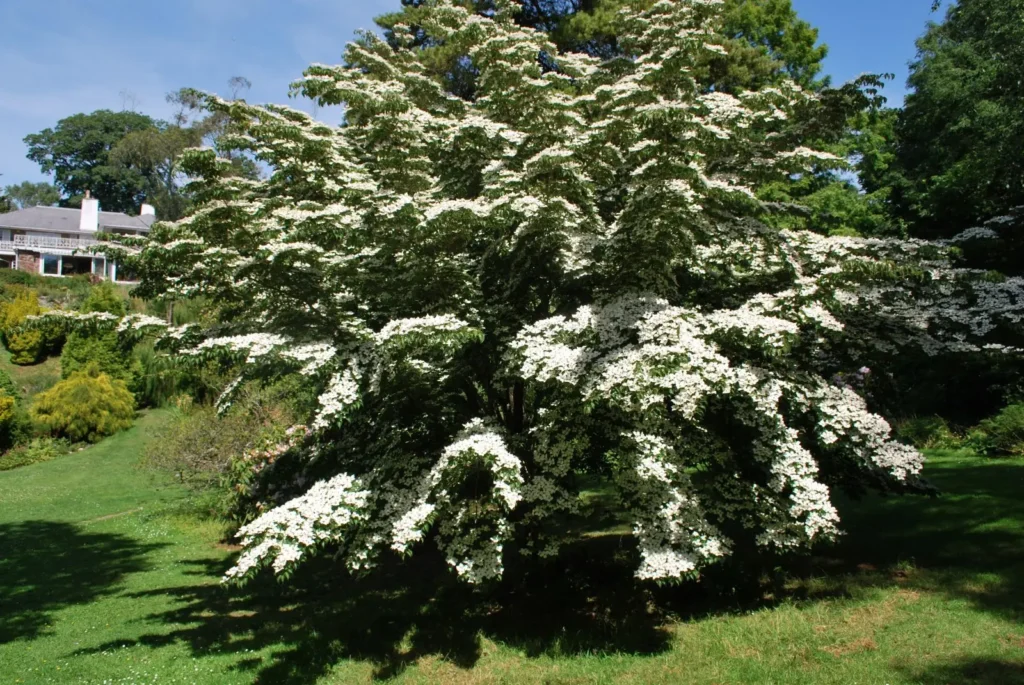
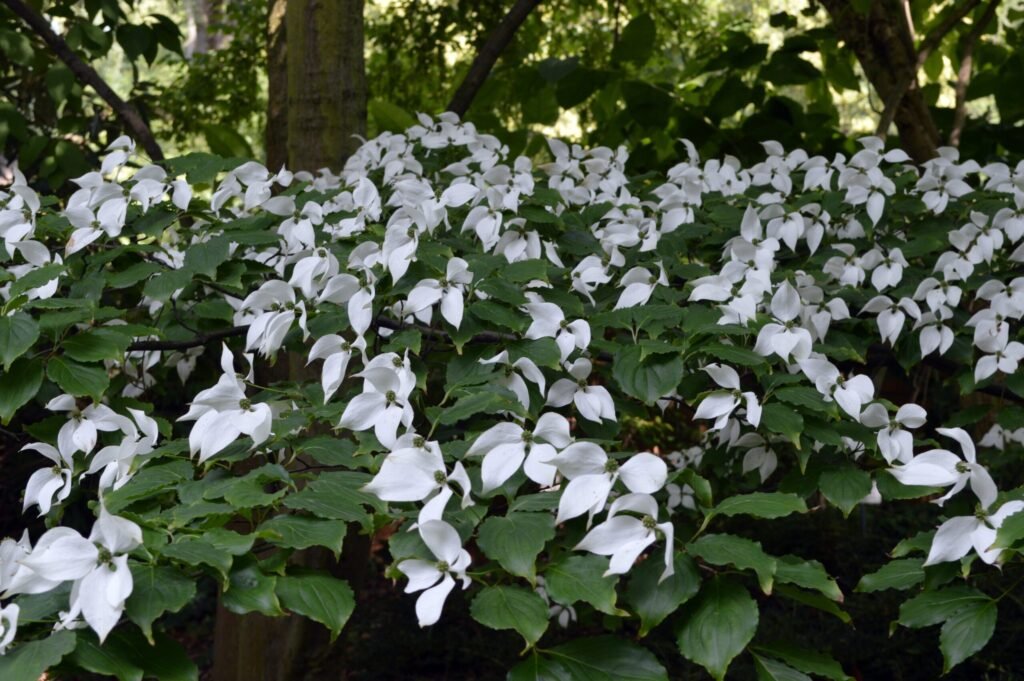
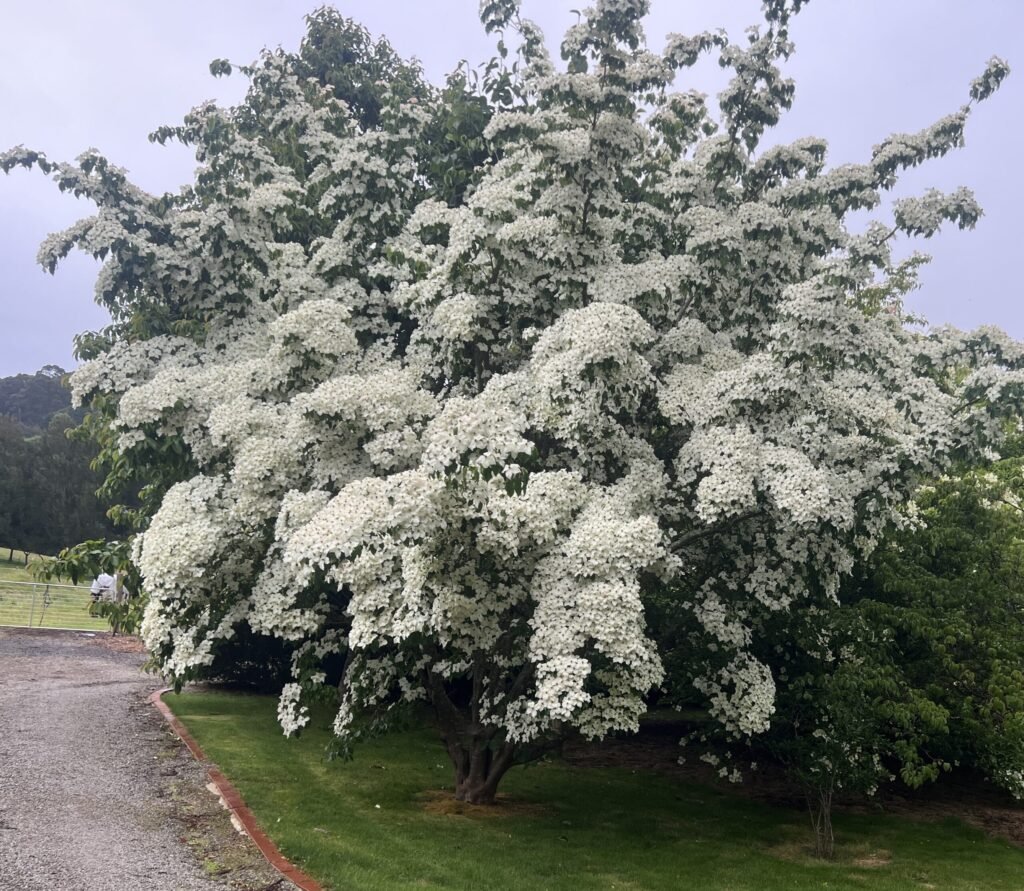
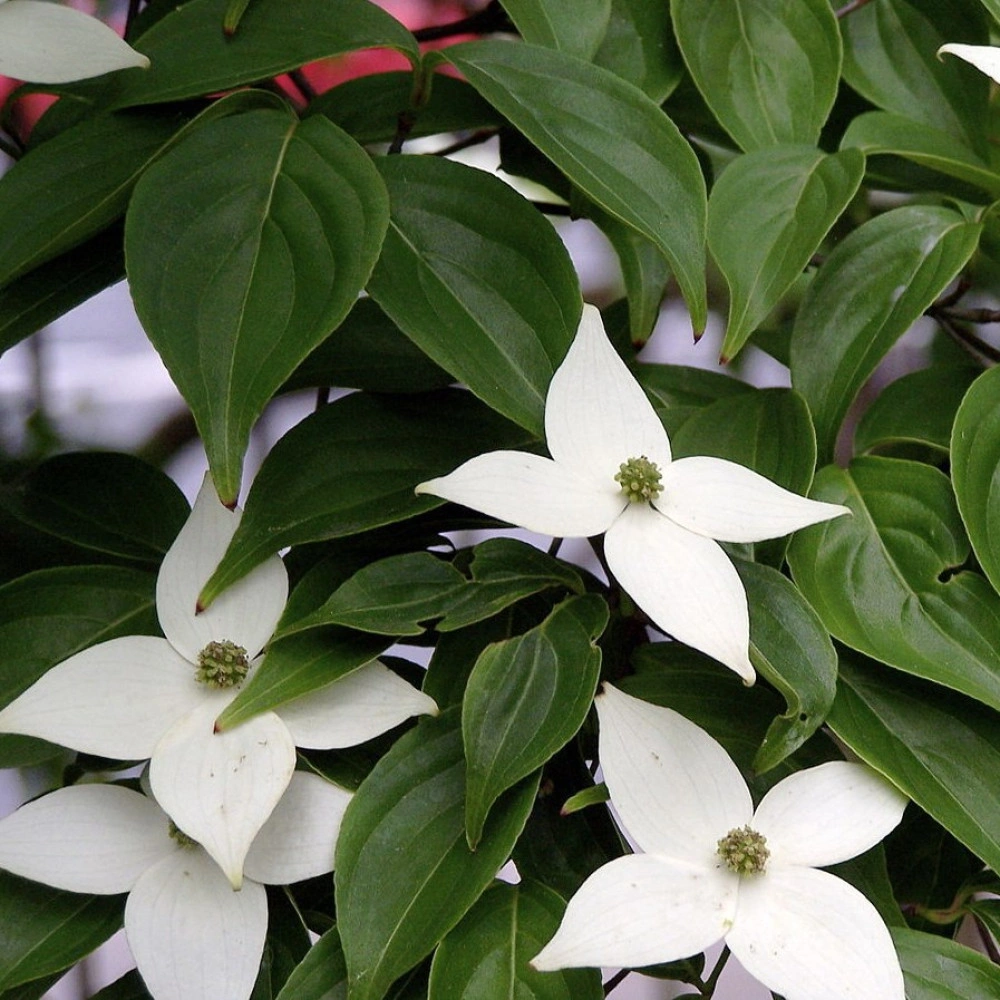
Chinese dogwood (Cornus kousa chinensis) is a standout flowering tree known for its layered white bracts, ornamental red fruits, and exceptional year-round interest. Beyond its landscape appeal, this Asian species offers delicious edible berries, medicinal value, wildlife benefits, and multiple propagation opportunities for home gardeners.
Below is a complete guide on how to grow, propagate, choose varieties, harvest fruit, and integrate Chinese dogwood into food and landscape design.
What Makes Chinese Dogwood Unique?
Cornus kousa chinensis is valued for:
- Late spring blooms that extend the flowering season
- Attractive peeling bark and winter silhouette
- Vigorous habit compared to Japanese kousa dogwood
- Better disease resistance (especially to dogwood anthracnose)
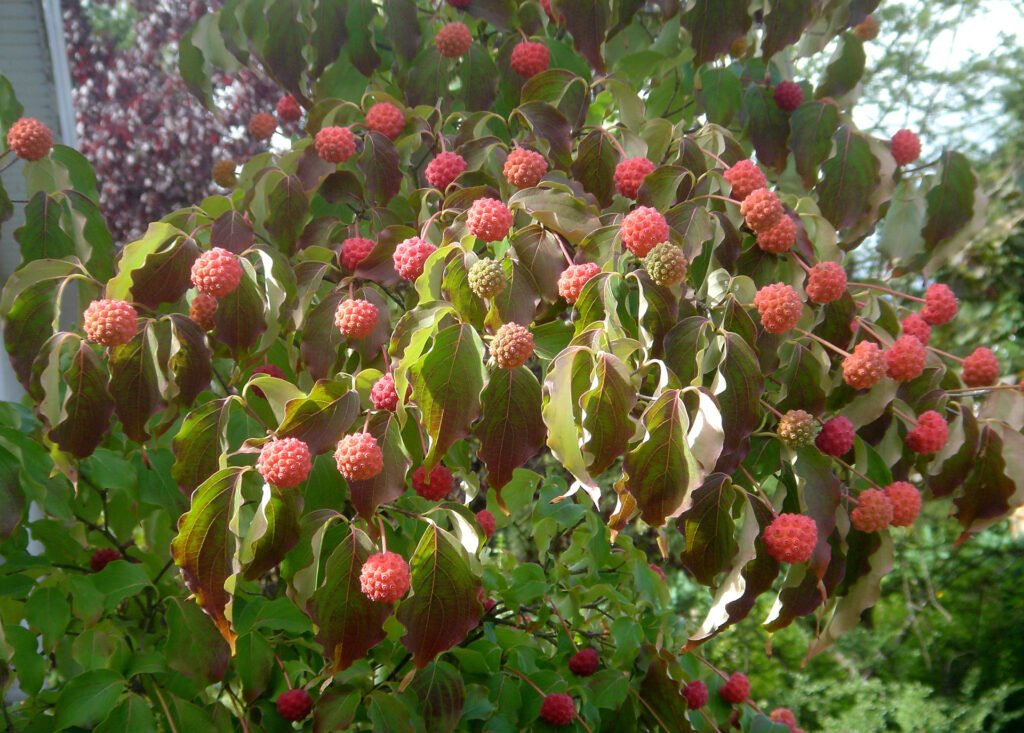
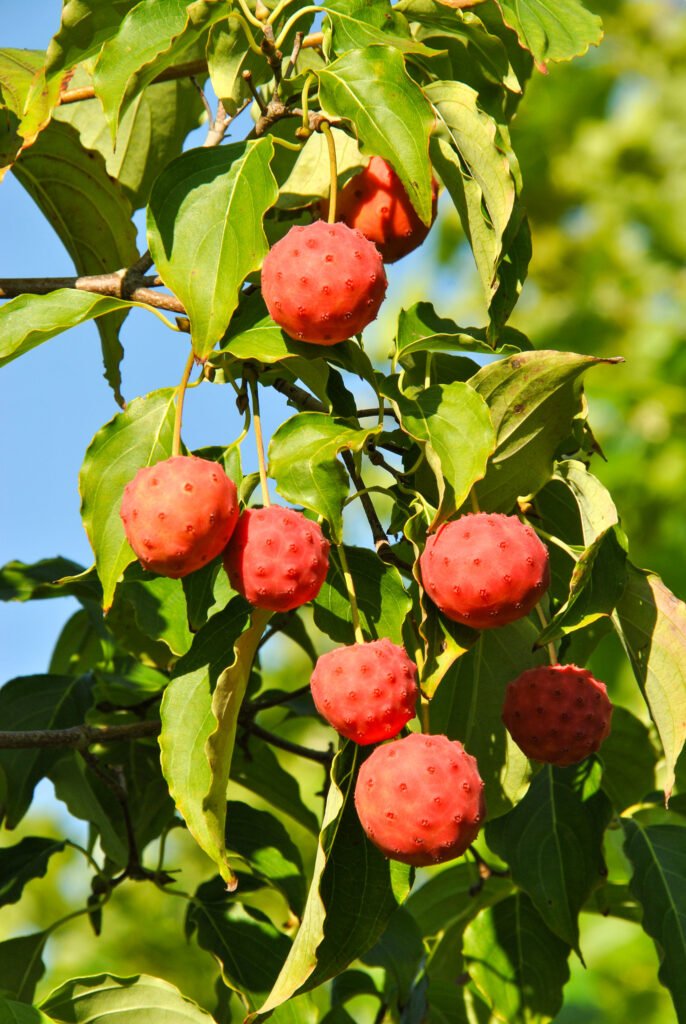
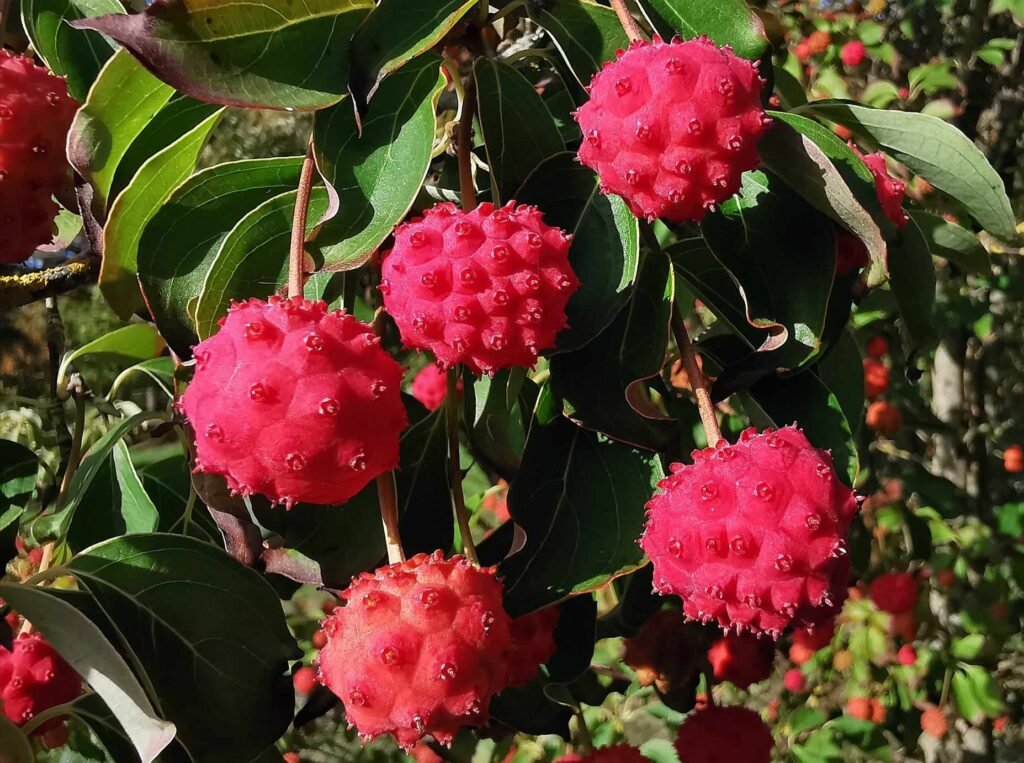
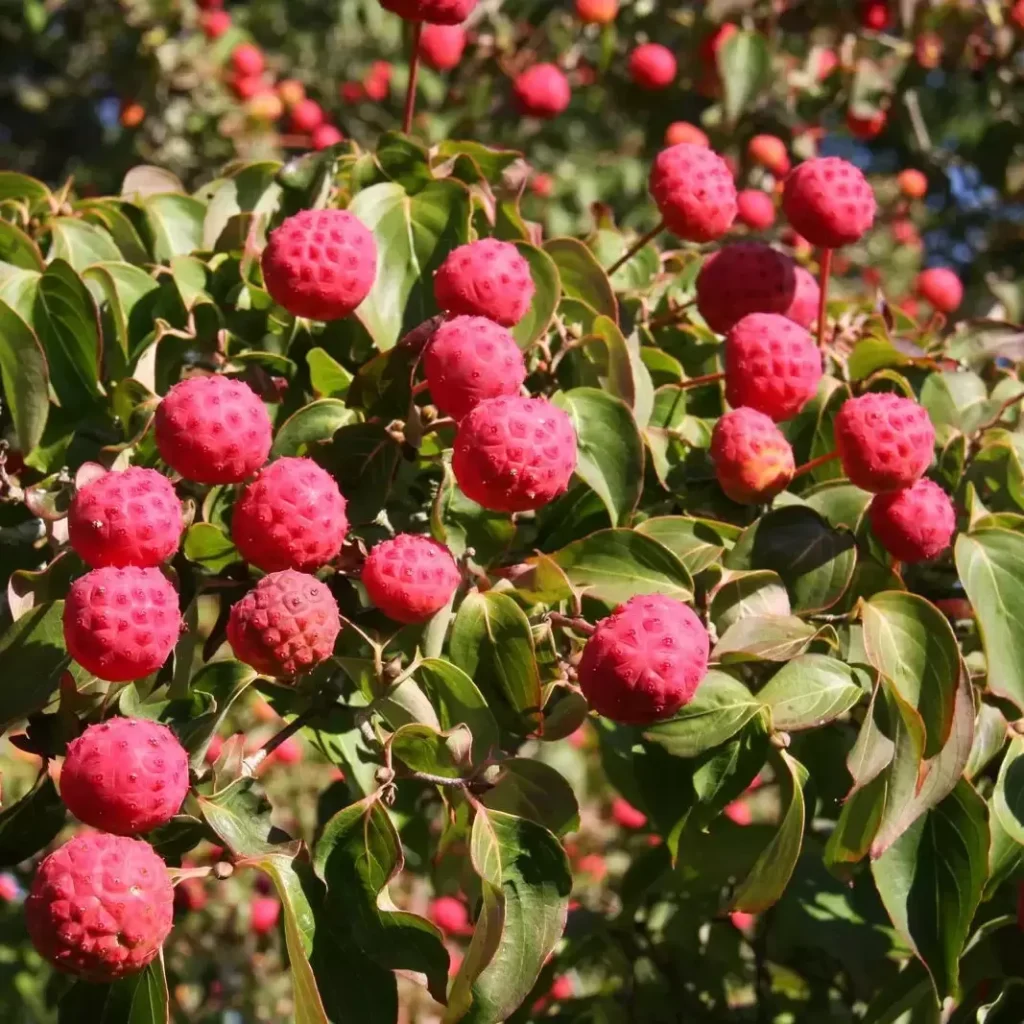
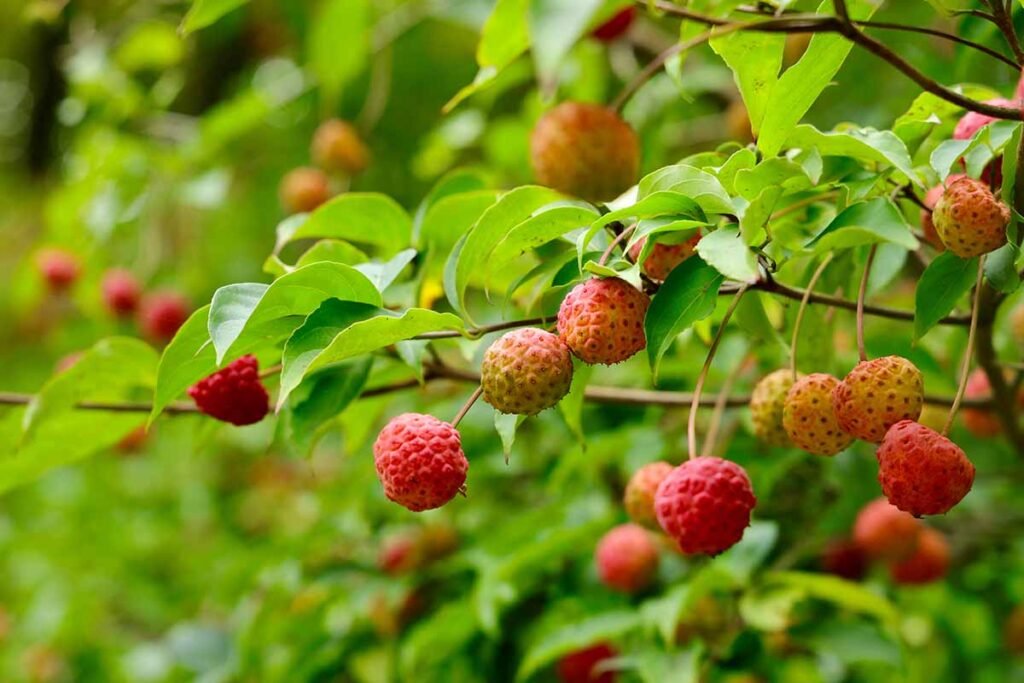
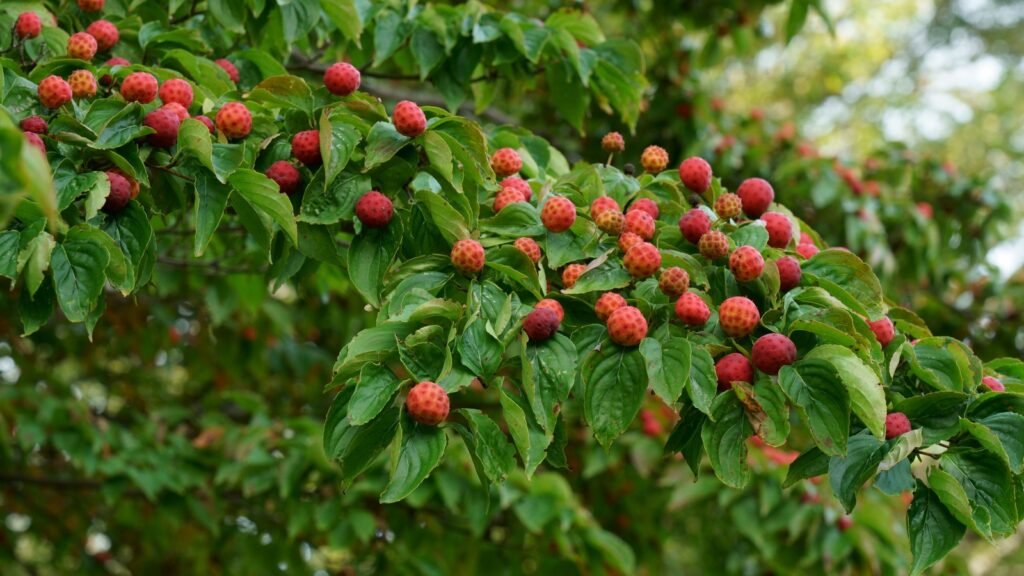
- Edible raspberry-like fruit with a tropical strawberry-banana flavor
It’s increasingly chosen for small gardens, pollinator landscapes, and edible yards.
🌱 How to Grow Chinese Dogwood
Ideal Climate
- Best for USDA Zones 5–8
- Thrives in regions with cool winters and mild summers
Light Requirements
- Prefers full sun to partial shade
- More sun increases blossom and fruit production
Soil Preferences
Chinese dogwood favors:
- Slightly acidic soil (pH 5.5–6.5)
- Loamy, well-drained soil
- High organic matter
Avoid heavy clay or waterlogged sites.
Planting Tips
- Plant in autumn or early spring
- Dig a hole twice as wide as the root ball
- Mulch with shredded bark to maintain acidity and moisture
Watering & Care
- Moderate watering during establishment (1–2 years)
- Mature trees become light drought-tolerant
- Minimal pruning required—prune after flowering if shaping is desired
Pests & Diseases
Chinese dogwood shows notable resistance to:
- Anthracnose
- Powdery mildew
- Leaf spot
Wildlife pests are limited—birds and squirrels may snack on fruits.
🌿 How to Propagate Chinese Dogwood
There are several reliable propagation methods:
1. Seed Propagation
- Seeds require cold stratification (60–90 days)
- Germination is slow but yields strong, genetic variety
- Best for breeders or collectors seeking variation
2. Softwood Cuttings
- Taken in late spring to early summer
- Dip in rooting hormone for success
- Produces clones true to the parent
3. Hardwood Cuttings
- Cut in dormancy (winter)
- Rooting time is longer, but maintenance is low
4. Grafting
- Common in nurseries to introduce superior flowering and fruiting traits
🌸 Popular Varieties of Chinese Dogwood (Cornus kousa chinensis)
Here are standout cultivars:
‘China Girl’
- Heavy bloomer
- Dense, layered bracts
‘Milky Way’
- Exceptional fruit set
- Excellent landscape specimen
‘Satomi’ (pink bracts)
- Adds rare color contrast
- Very showy in bloom
‘Summer Gold’
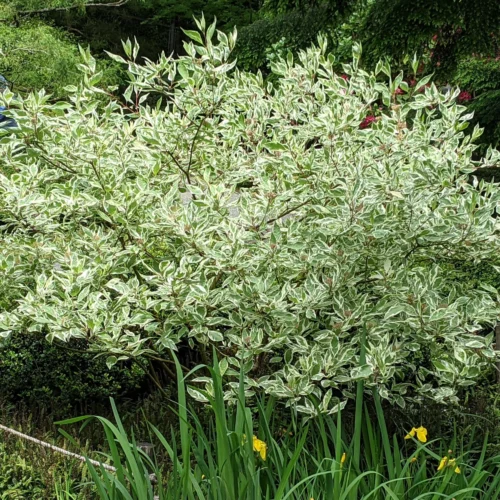
- Variegated foliage with yellow margins
- Highly decorative even off-season
‘Galilean’
- Compact growth and large fruit
- Great for smaller gardens
🍒 Fruit, Flavor & Culinary Uses
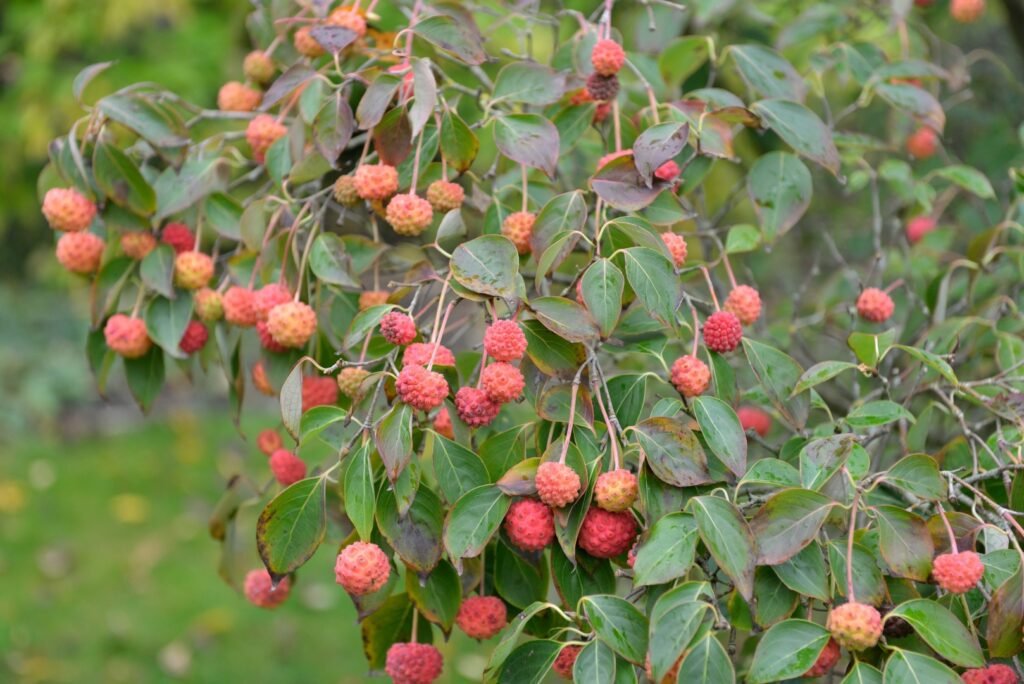
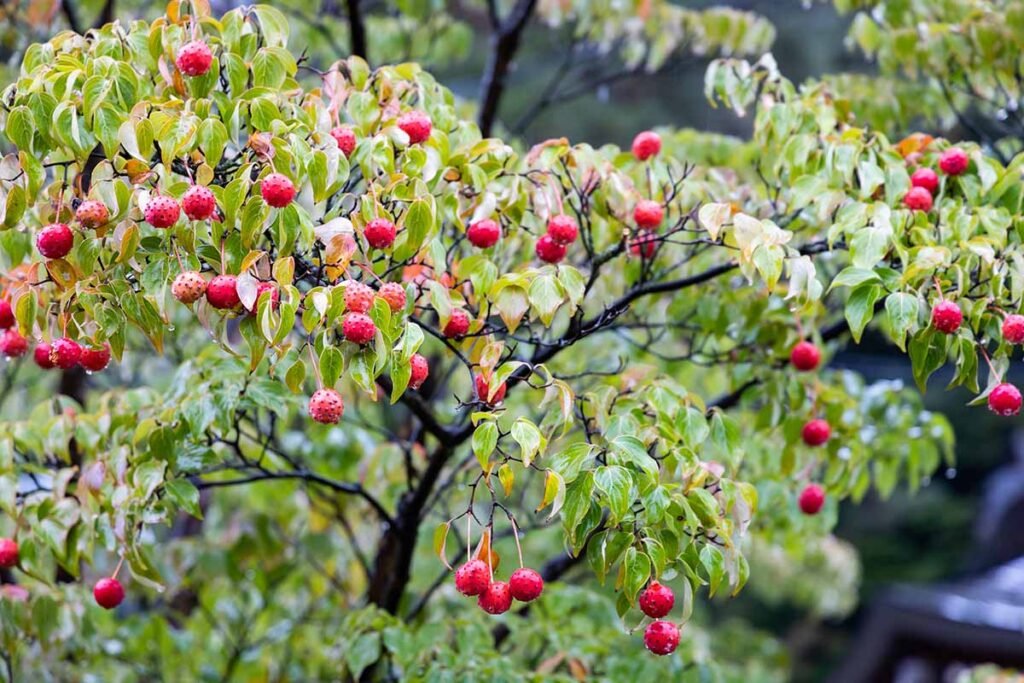
Chinese dogwood produces spectacular red fruits in late summer to fall. The taste is often compared to:
- lychee
- pawpaw
- strawberry
- banana
Texture is creamy and custardlike. While the skin is tough and mildly tannic, the pulp is delicious.
Edible Uses
Common ways to enjoy kousa fruits include:
- Fresh eating (suck out pulp)
- Smoothies or juice blends
- Jelly or jam
- Wine or liqueur
- Ice cream or sorbet base
- Fermented beverages
The seeds are generally discarded.
🍽️ Recipe Ideas & Food Options
Fresh Eating
Simply tear or bite open and extract the creamy pulp.
Kousa Fruit Jam (Quick Concept)
- Pulp
- Sugar or honey
- Lemon juice
- Optional pectin
Simmer → strain → jar.
Fermented Kousa Wine
Craft winemakers prize the fruit for:
- Aroma
- High sugar content
- Low acidity
Dessert Pairings
The mild tropical notes complement:
- Vanilla
- Citrus
- Coconut
- Almond
- White chocolate
🐦 Wildlife & Ecological Benefits
Chinese dogwood supports:
- Pollinators (when flowering)
- Birds (fruit source)
- Beneficial insects
- Biodiversity in urban yards
Its berries extend food availability into autumn.
🧺 When & How to Harvest Chinese Dogwood Fruit
Timing
Harvest when fruits turn:
- Deep red to crimson
- Slightly soft to the touch
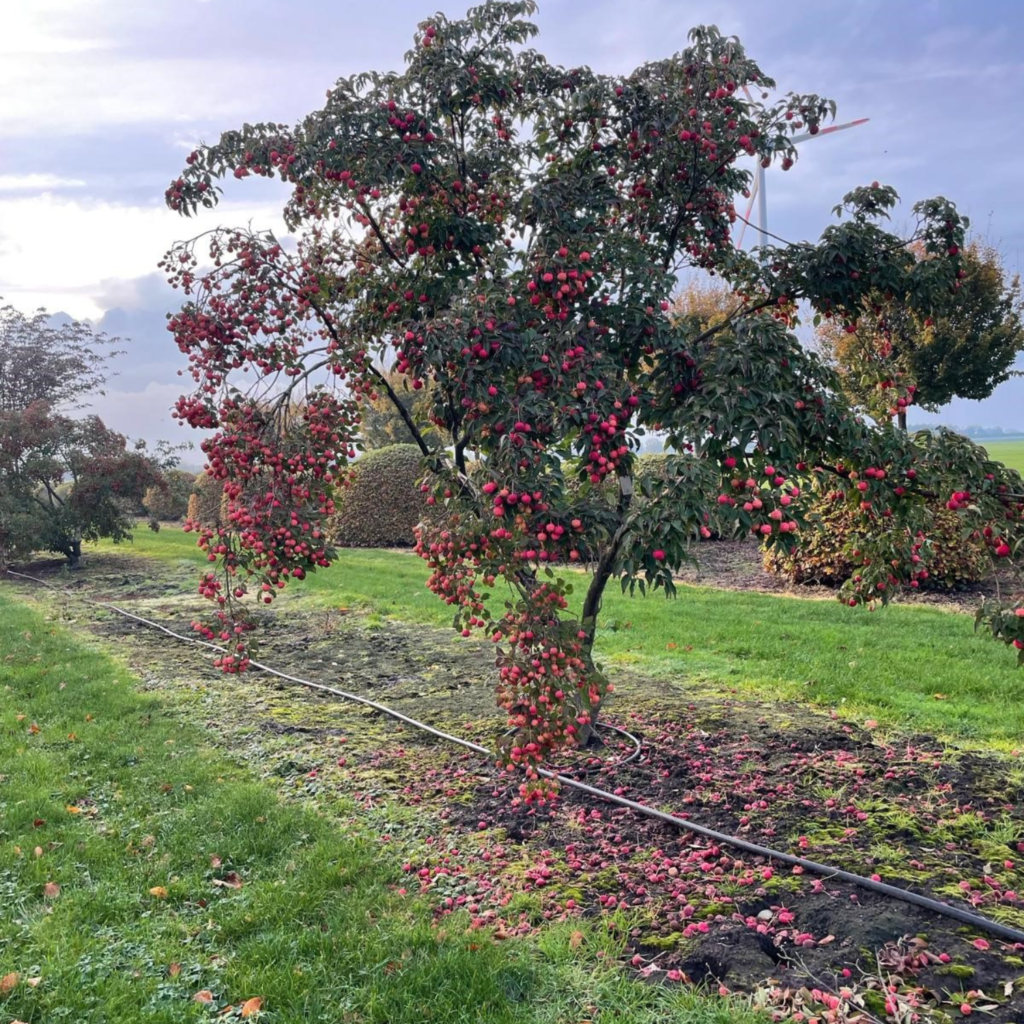
Peak season: late August to mid-October
Picking Tips
- Gently twist to avoid bruising
- Shake onto a tarp for bulk harvest
- Handle carefully; fruits are soft when ripe
Storage
- Refrigerate for up to 1 week
- Freeze pulp for long-term use
- Dry skins for craft or compost
🏡 Landscape Uses & Design Ideas
Chinese dogwood thrives in:
- Small urban yards
- Woodland gardens
- Asian or zen landscapes
- Wildlife-friendly gardens
- Edible food forests
Its four-season interest (flower → fruit → color → bark) provides consistent value.
Final Thoughts
Cornus kousa chinensis is a dual-purpose gem: elegant in bloom, productive in fruit, resilient in care, and adaptable for a range of gardens. Whether you’re looking for ornamental beauty, edible novelty, or ecological benefit, the Chinese dogwood remains one of the most rewarding species for both beginner and expert gardeners.


&media=https://food-foresting.com/wp-content/uploads/2026/01/l-intro-1720454319.jpg)