
 paulius.mikoliunas1
| Common Name | Sand Pear, Chinese pear |
| Family | Rosaceae |
| USDA hardiness | 5-9 |
| Known Hazards | None known |
| Habitats | Warm rainy regions at elevations of 100 – 1400 metres in China[266]. Naturalized in low mountains and around villages in C. and S. Japan. |
| Range | E. Asia – China. |
| Edibility Rating |   (4 of 5) (4 of 5) |
| Other Uses |  (0 of 5) (0 of 5) |
| Weed Potential | No |
| Medicinal Rating |   (1 of 5) (1 of 5) |
| Care (info) |     |
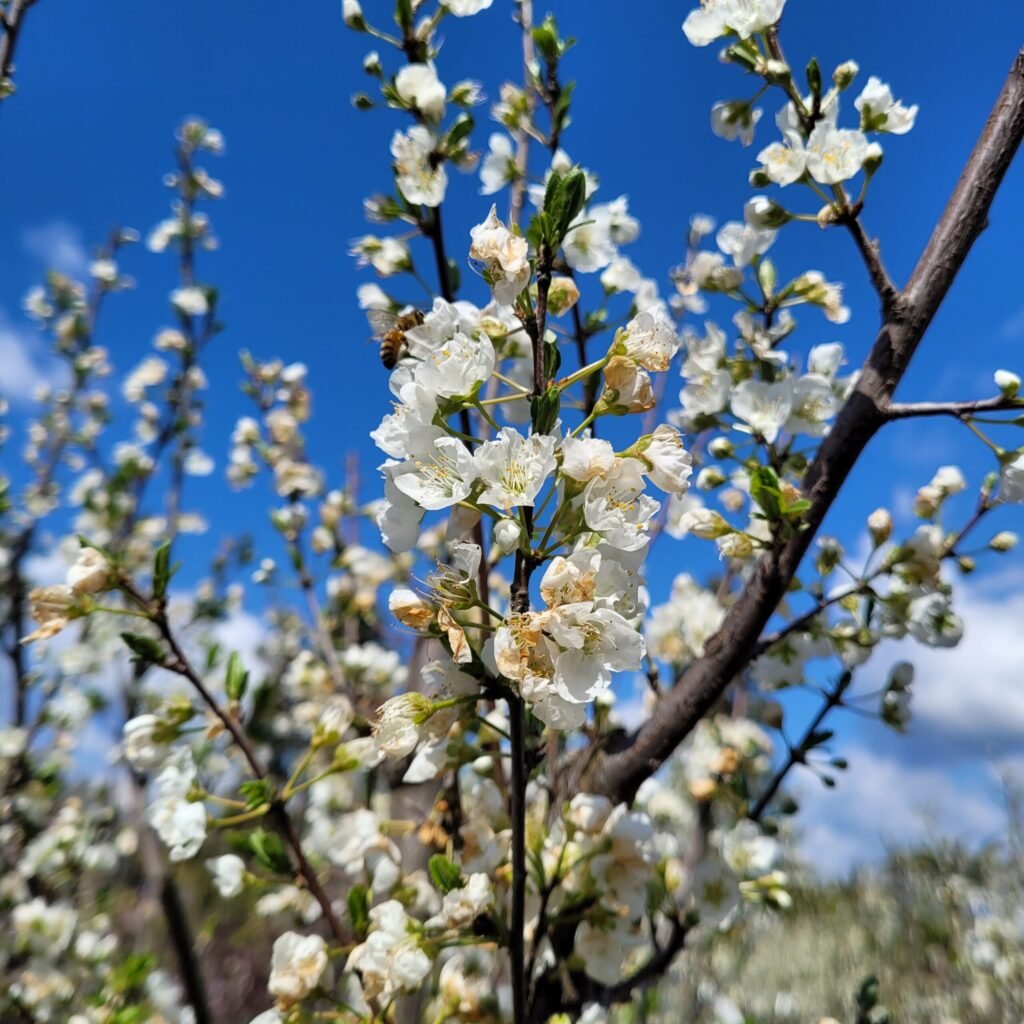
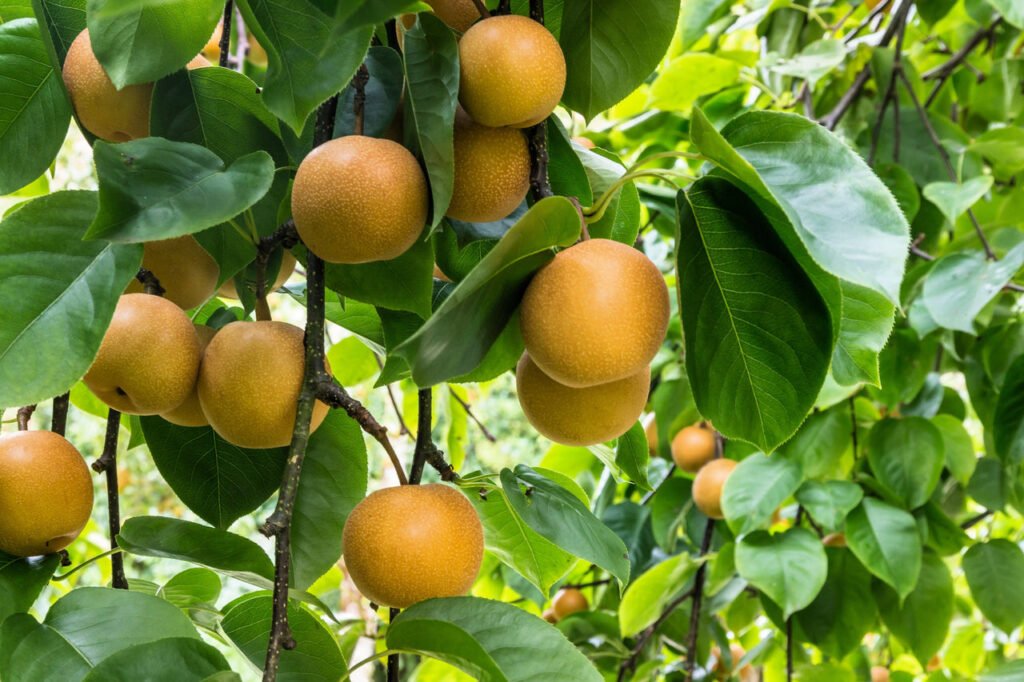
How to Grow, Propagate, Use, and Harvest Chinese Pear (Pyrus pyrifolia): A Complete Guide
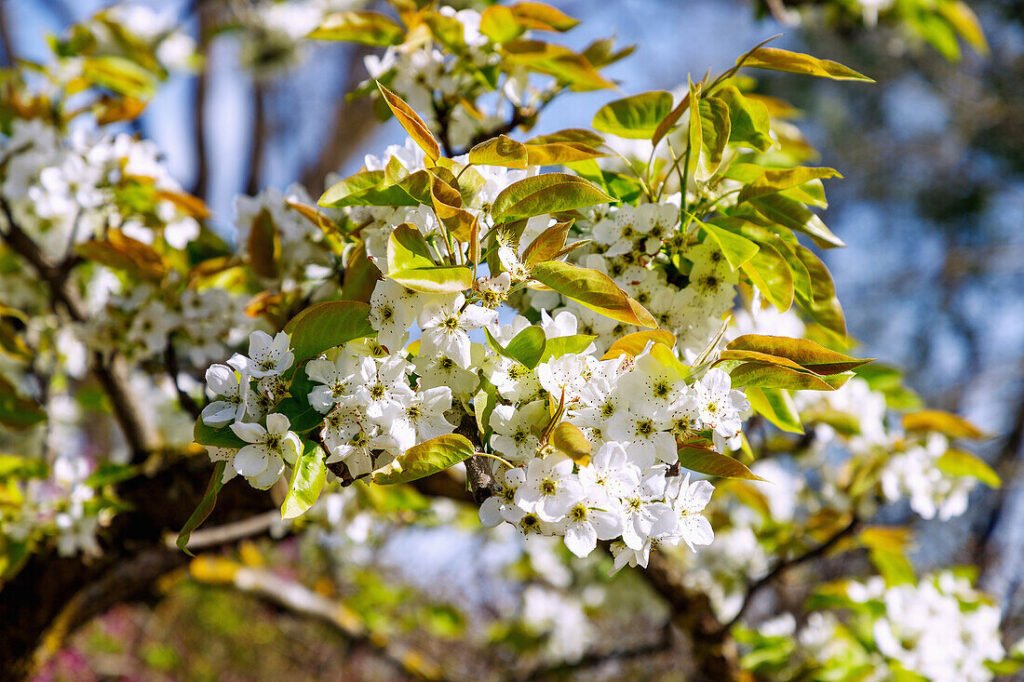
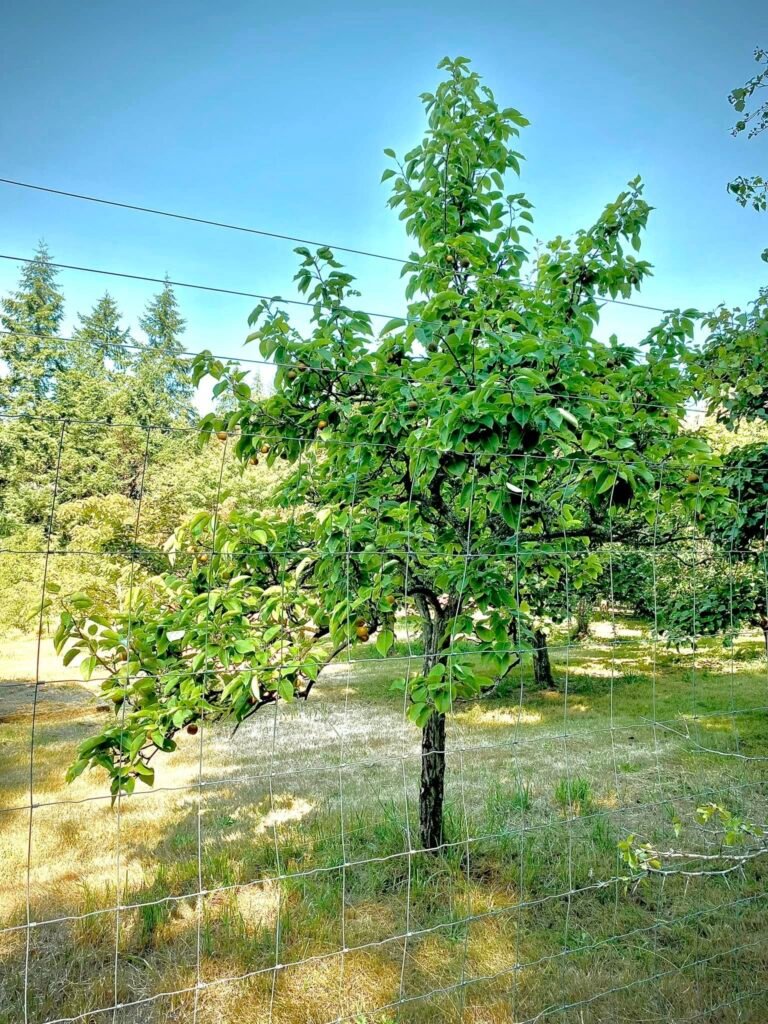
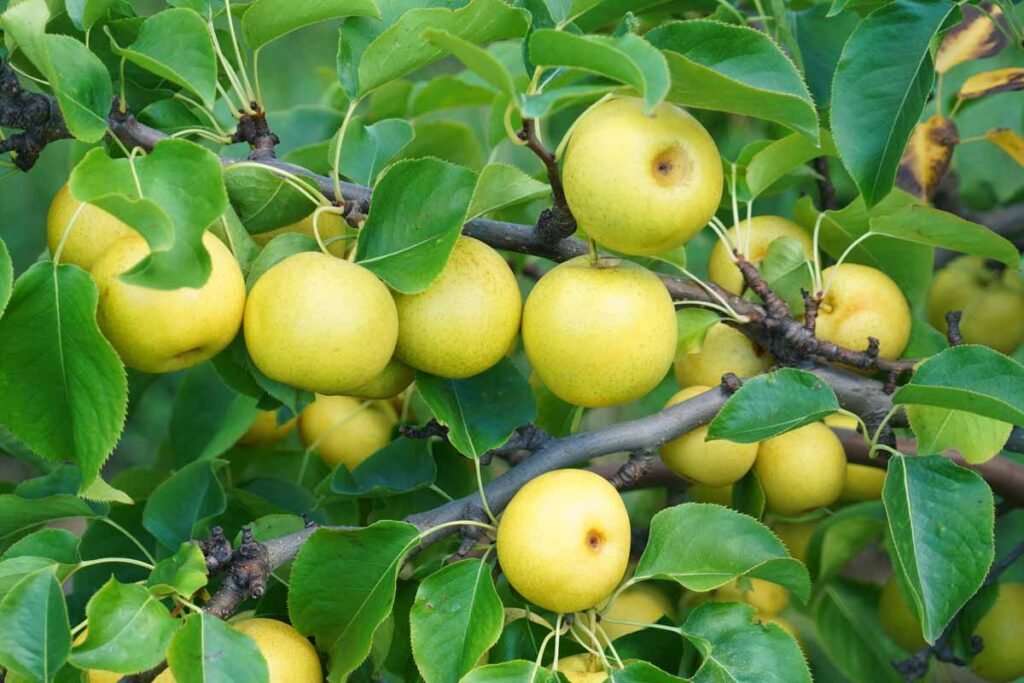
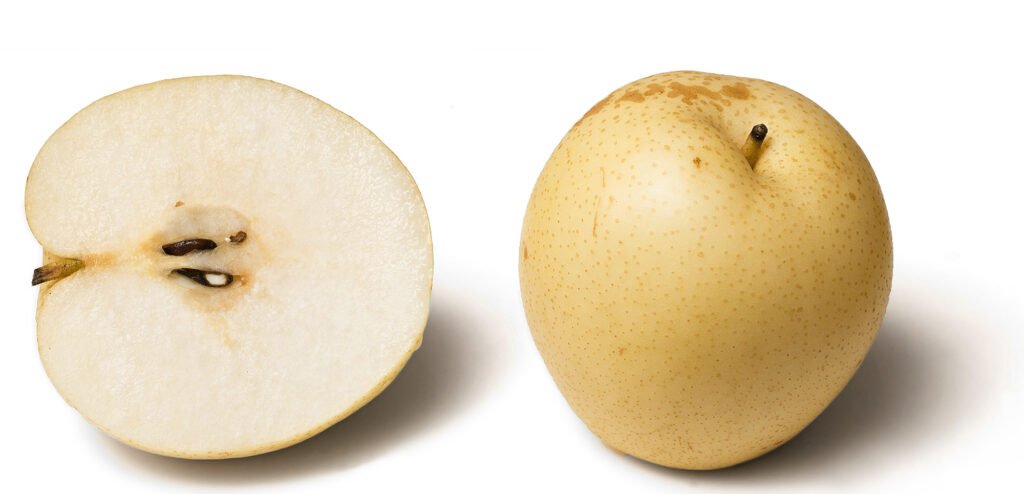
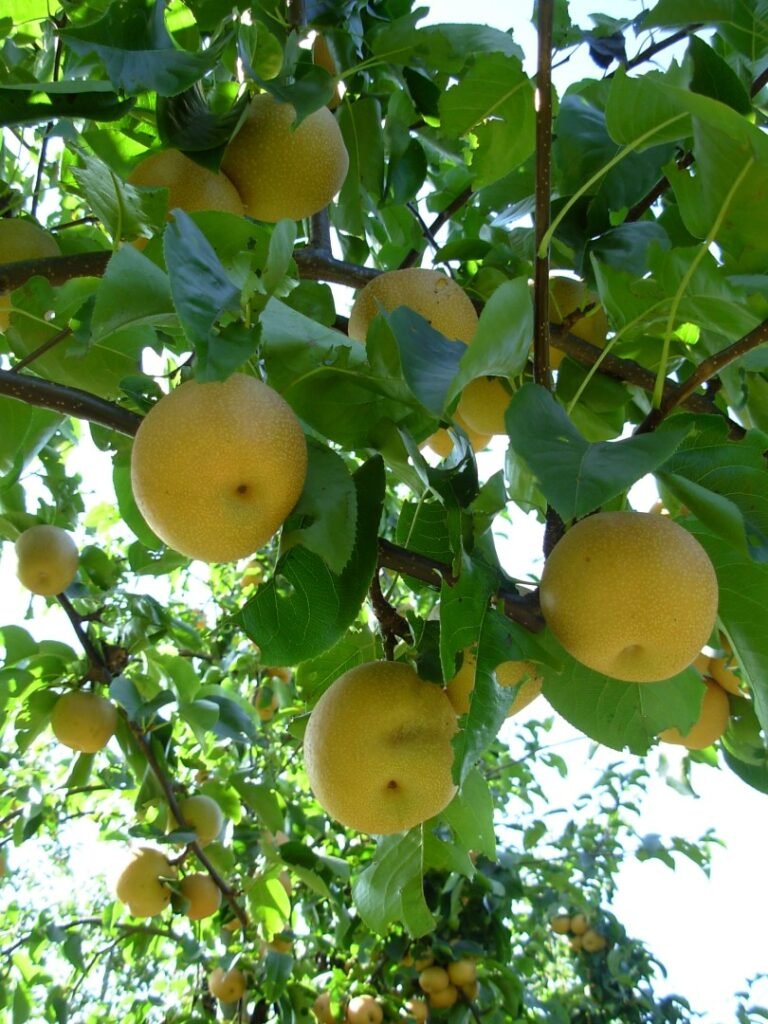
Chinese pear (Pyrus pyrifolia), often called Asian pear, Nashi pear, or sand pear, is a beloved fruit tree prized for its crisp texture, honey-sweet flavor, and long shelf life. Unlike European pears that soften as they ripen, Chinese pears stay firm and juicy, offering a refreshing crunch similar to apples. Beyond the orchard, this fruit holds cultural significance across East Asia and is gaining popularity among home gardeners, chefs, and nutrition-focused consumers worldwide.
This comprehensive guide covers everything you need to know about cultivating, propagating, choosing varieties, using the fruit in meals, and harvesting Chinese pears successfully.
What Makes Chinese Pear Unique?
Chinese pears are known for:
- Crisp, juicy texture
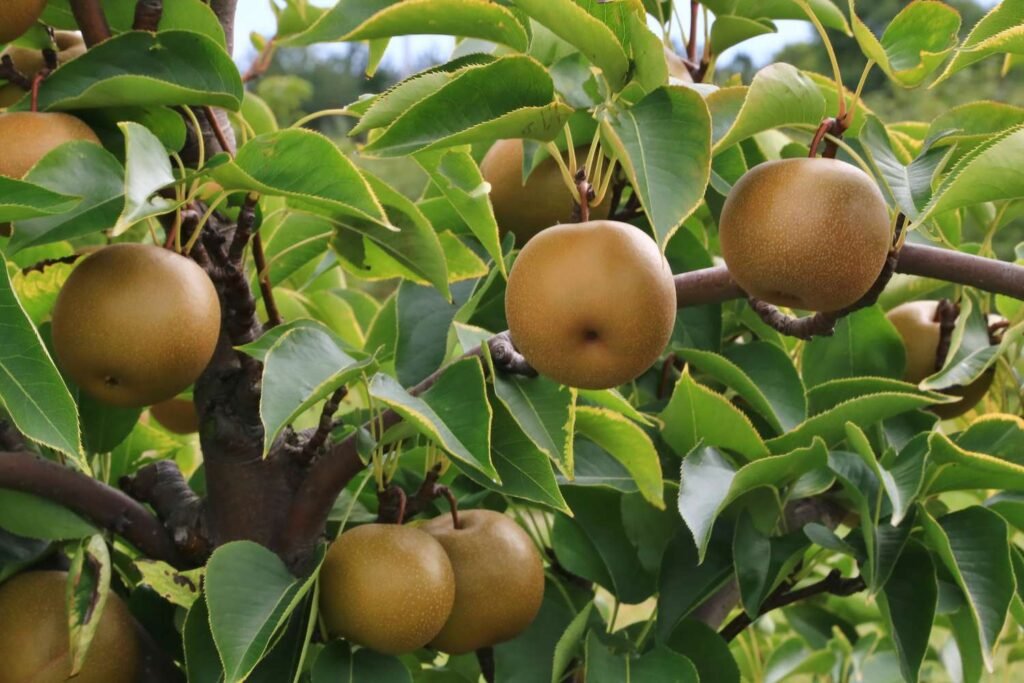
- Round, apple-like shape
- Aromatic sweetness and mild tartness
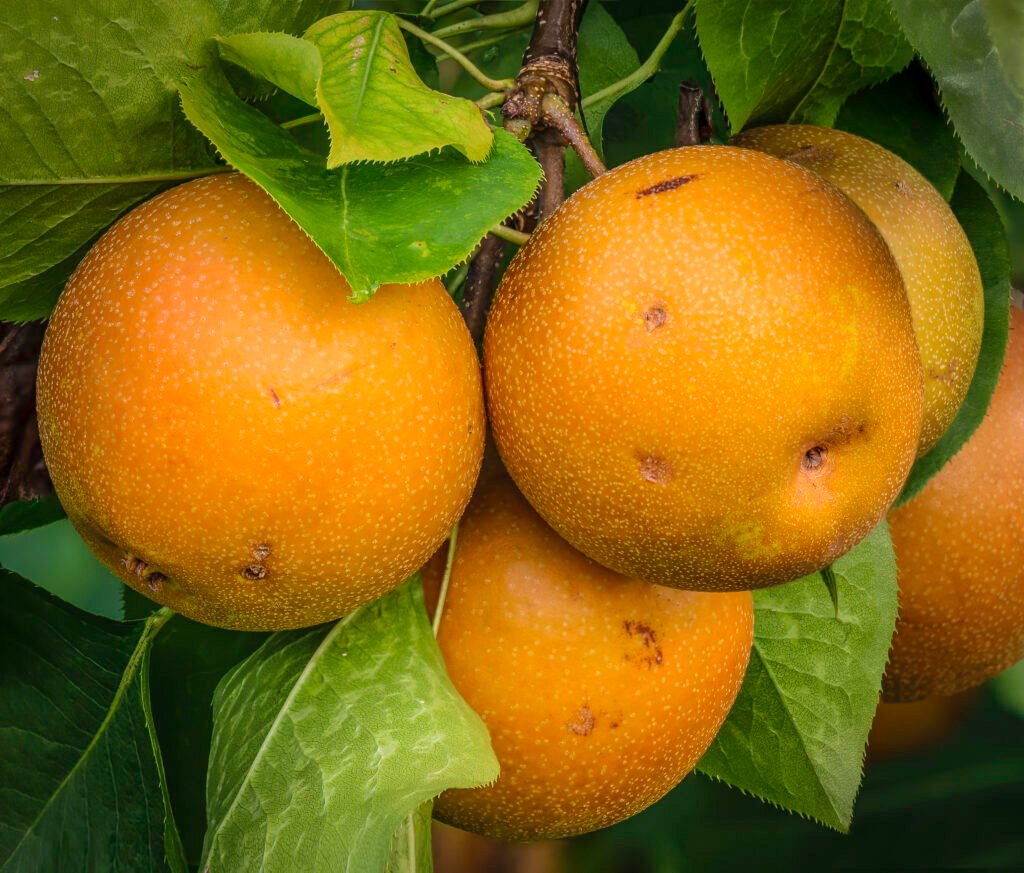
- Thin, russet-colored or yellow-green skin
- Excellent storage ability (up to months)
The fruits are rich in dietary fiber, vitamin C, potassium, and antioxidant compounds, making them a hydrating and nutrient-dense snack.
How to Grow Chinese Pear (Pyrus pyrifolia)
Climate & Growing Conditions
Chinese pears thrive in:
- Temperate climates
- Full sun (6+ hours/day)
- Moderate winters with chilling hours (300–600 hrs depending on cultivar)
- Well-drained loamy soil
- pH 6.0–7.0
Although tolerant of cold spells, the trees dislike waterlogging and excessively hot, dry summers unless irrigated.
Soil Preparation
For optimal growth:
- Loosen soil to 12–18 inches deep.
- Add compost or aged manure.
- Improve drainage with coarse sand if necessary.
- Mulch to retain moisture and suppress weeds.
Planting Instructions
- Bare-root trees: plant in winter or early spring (before bud break)
- Potted trees: plant any time except peak summer heat
- Spacing: 12–18 ft between trees to ensure airflow and sunlight
- Pollination: most varieties require cross-pollination, so plant at least two compatible cultivars
Watering & Fertilization
- Young trees: water weekly during dry seasons
- Mature trees: deep irrigation every 10–14 days
- Avoid over-fertilization, which encourages leaf growth over fruiting.
A balanced fertilizer in early spring can boost vigor, while potassium supports fruit quality.
Pruning & Training
To maintain productivity:
- Train into open-center or modified central leader structure.
- Remove crossing branches and water sprouts.
- Thin fruit clusters to 1–2 fruits for better size and sweetness.
Propagation Methods for Chinese Pear
Chinese pear can be propagated by:
1. Grafting (Most Common)
Because seedlings don’t reliably produce true-to-type fruit, cultivars are typically grafted onto:
- Pyrus betulifolia (vigorous, drought-tolerant)
- Pyrus communis
- Quince rootstocks (controls size)
2. Budding
Chip budding or T-budding is widely used in nurseries.
3. Seeds
Seed propagation is mainly for breeding or rootstock, not fruit.
4. Cuttings
Hardwood cuttings may root but success varies.
Varieties of Chinese Pear
Popular cultivars include:
• ‘Hosui’
- Bronze russet skin
- Juicy, aromatic, and slightly spicy flavor
• ‘Kosui’
- Golden brown skin
- Exceptionally sweet and fine-grained flesh
• ‘Shinseiki’
- Yellow-green skin
- Crisp and mildly flavored
- Productive and easy for home growers
• ‘Ya Li’
- Elongated pear shape
- Mild sweetness and firm texture
- Excellent storage
• ‘Nijisseiki’ (20th Century)
- Pale yellow skin
- Balanced sweetness and acidity
Culinary Uses & Food Ideas
Chinese pears shine raw, but their crispness and mild flavor make them versatile.
Eating Fresh
- Hydrating snack
- Fruit platters
- Bento and lunch boxes
Traditional Uses
- Used in East Asian broths, stews, and marinades
- Common in natural remedies for cough and lung health
- Poached with rock sugar or spices
Modern Culinary Ideas
Try using Chinese pear in:
- Salads (pairs well with fennel, nuts, and soft cheeses)
- Salsas and slaws
- Smoothies and juices
- Fresh desserts (tarts, galettes, or compotes)
- Cocktails and mocktails
- Dehydrated chips
- Fermented beverages (pear wine or cider)
Pairing Notes
Chinese pear complements:
- Ginger, cinnamon, star anise
- Prosciutto, brie, goat cheese
- Walnut, almond, hazelnut
- Citrus and berries
Harvesting Chinese Pear
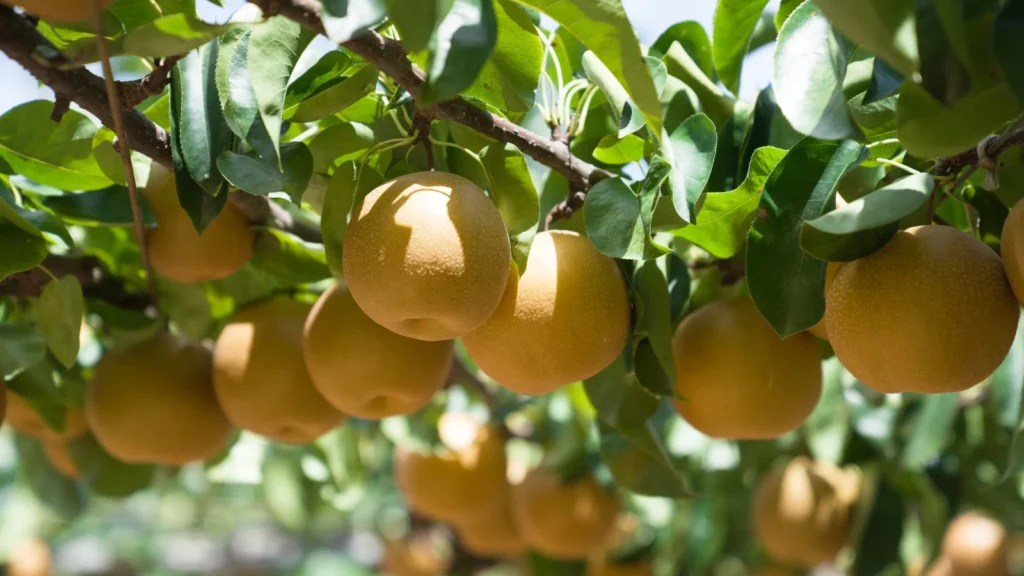
Unlike European pears, Chinese pears ripen on the tree, making harvest timing crucial.
Signs of Ripeness
- Skin turns golden yellow or bronzy russet
- Aroma intensifies
- Flesh yields slightly to gentle pressure
- Seeds turn dark brown
Harvest Tips
- Clip stems instead of pulling
- Handle gently to avoid bruising
- Sort and store undamaged fruit first
Storage
Chinese pears are famous for longevity:
- Keep in cool, humid storage
- Shelf life: 1–3 months depending on variety
- Refrigeration extends freshness further
Nutritional & Health Benefits
Chinese pears offer:
- High water content (85%+)
- Dietary fiber for digestion
- Vitamin C for immunity
- Potassium for heart health
- Antioxidants for inflammation
Their crisp, hydrating nature makes them a summertime favorite.
Final Thoughts
The Chinese pear is more than a fruit—it’s a cultural staple and a horticultural gem. From crisp salads and desserts to home orchards and farmers’ markets, its versatility and sweetness continue to win fans around the world. With proper care, the trees are productive, long-lived, and rewarding for gardeners of many climates.


&media=https://food-foresting.com/wp-content/uploads/2026/01/Cluster-of-Pyrus-pyrifolia-Fruits.webp)