
 paulius.mikoliunas1
| Common Name | Cowberry, Lingonberry, Northern mountain cranberry, Cranberry |
| Family | Ericaceae |
| USDA hardiness | 3-8 |
| Known Hazards |  Tea should not be drunk on a regular basis because it contains the toxin ‘arbutin’ Tea should not be drunk on a regular basis because it contains the toxin ‘arbutin’ |
| Habitats | Sunny mountain meadows, peat moors and pine woods, on acid soils. |
| Range | Europe, including Britain, from Iceland south and east to the Pyrenees, Macedonia, N. Asia to Japan |
| Edibility Rating |   (3 of 5) (3 of 5) |
| Other Uses |   (3 of 5) (3 of 5) |
| Weed Potential | No |
| Medicinal Rating |   (2 of 5) (2 of 5) |
| Care (info) |     |

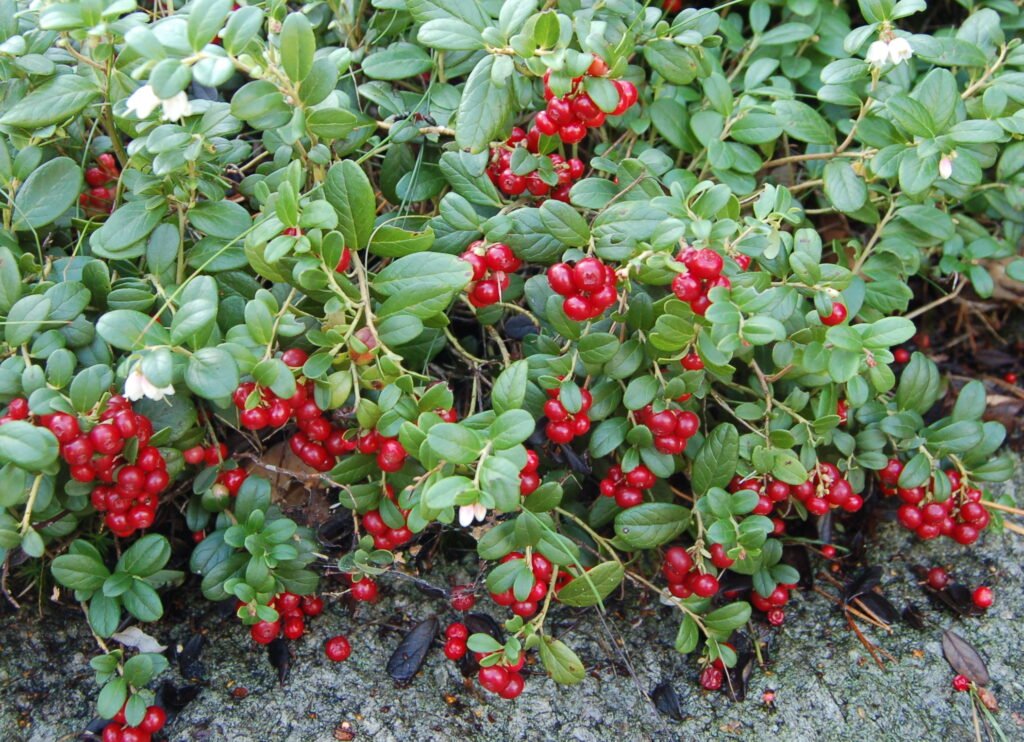
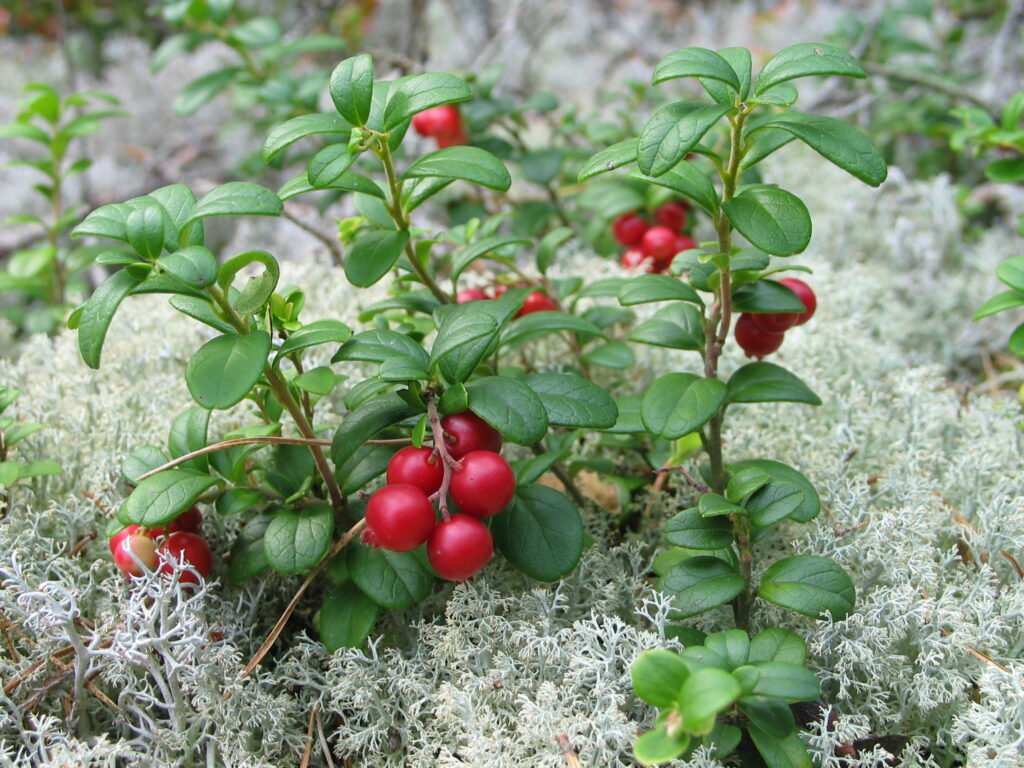
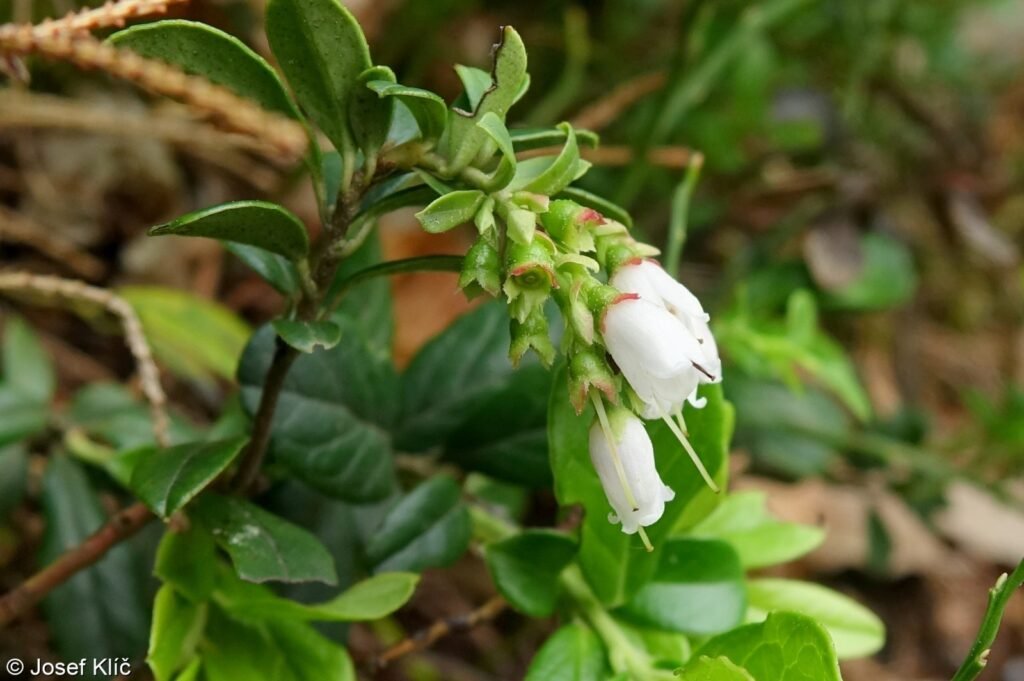
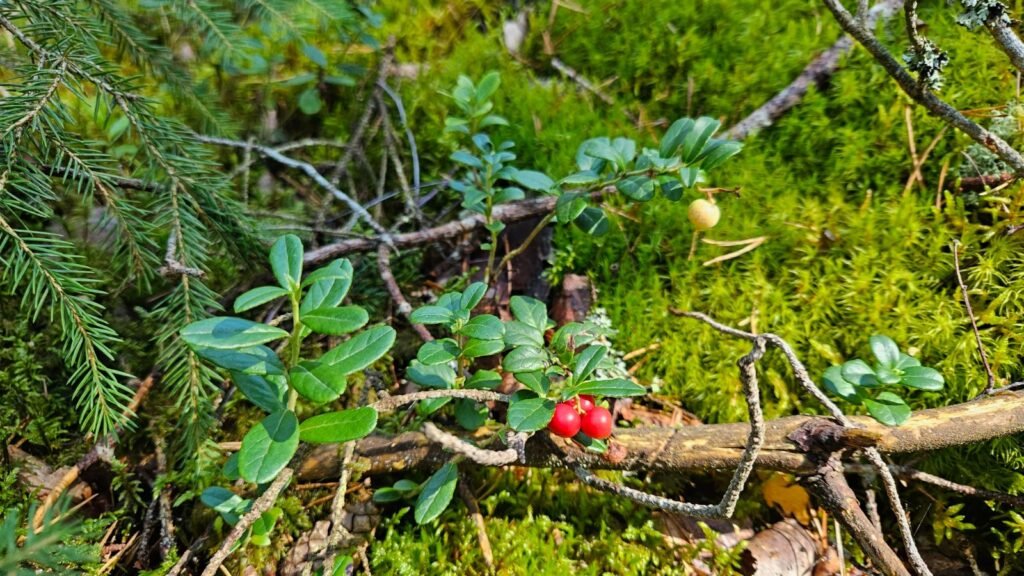
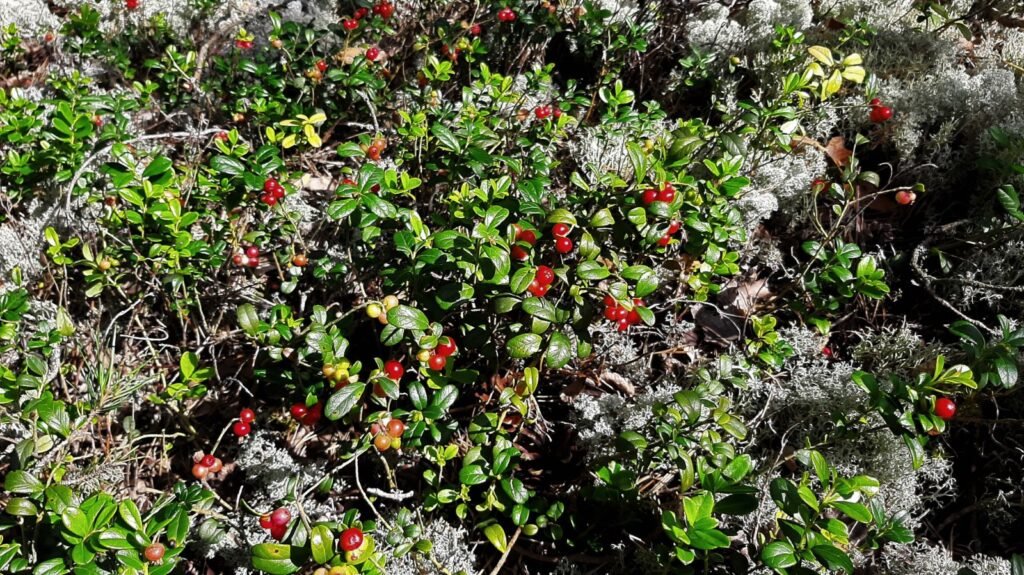
Cowberry (Vaccinium vitis-idaea): How to Grow, Propagate, Harvest & Use This Nordic Superberry
Cowberry—also commonly called lingonberry—is a small, evergreen berry native to cooler northern climates. Revered across Scandinavia, Russia, and parts of North America, cowberry has long been celebrated for its tangy flavor, impressive antioxidant content, and flexibility in the kitchen. With interest growing in home food forests, shade gardens, and perennial edibles, cowberry is rapidly earning a place beside blueberries and cranberries as a must-grow superfruit.
In this guide, we’ll explore everything from soil and planting to propagation, varieties, harvesting, and creative culinary uses.
What Makes Cowberry Special?
Cowberry belongs to the Vaccinium family, making it a close cousin to blueberries, cranberries, bilberries, and huckleberries. Its natural toughness means it thrives in cold environments, acidic soils, and marginal conditions where other fruiting plants may fail.
Key features:
- Evergreen groundcover shrub
- Tart red berries
- Extremely cold hardy
- Excellent for wildlife and pollinators
- Perennial and low-maintenance once established
From an ecological standpoint, cowberry provides habitat and winter food for birds and small mammals. For humans, it delivers high vitamin C, polyphenols, and antioxidants, contributing to its “superberry” reputation.
How to Grow Cowberry Successfully
Site & Climate
Cowberry thrives best in cool climates, typically USDA Zones 2–6. It appreciates partial sun to light shade, mimicking its native woodland environment. In warmer regions, afternoon shade is essential to prevent heat stress.
Soil Requirements
Cowberries demand acidic, well-drained soil with a pH of 4.5–6.0. If you already grow blueberries, you’re in luck—conditions for both are similar.
Ideal soil amendments:
- Pine needles
- Peat moss (sparingly; alternatives include coco fiber + sulfur)
- Leaf mold
- Composted conifer bark
- Elemental sulfur (to lower pH)
Avoid heavy clay or waterlogged sites, as cowberry roots dislike “wet feet.”
Planting
Space plants 10–16 inches apart for groundcover, or wider for ornamental berry shrubs. Mulch heavily using pine straw, bark, or wood chips to conserve moisture and maintain acidity.
Watering & Maintenance
Cowberries prefer moist (not soggy) soil during establishment. Once mature, they exhibit moderate drought tolerance.
Maintenance checklist:
✔ Mulch annually
✔ Monitor pH every 1–2 years
✔ Prune lightly to encourage bushy growth
✔ Remove competing weeds, especially grasses
Propagation: How to Multiply Cowberry Plants
Cowberry propagates through several methods, making expansion easy for gardeners.
1. Division
Cowberries spread via underground rhizomes. Simply dig and divide small sections in spring or fall.
Best for: fastest establishment, identical clones
2. Cuttings
Softwood or semi-hardwood cuttings root well in acidic media.
Tips for rooting success:
- Maintain high humidity
- Keep medium moist
- Provide indirect light
3. Seeds
Growing from seed is slower and less predictable but valuable for biodiversity.
Seed propagation steps:
- Stratify seeds in refrigeration for 3–4 months
- Sow in acidic seed mix
- Maintain cool, humid conditions
4. Layering
Naturally-occurring runners root readily when pinned to soil.
Cowberry Varieties Worth Growing
Several cultivated varieties produce larger berries, heavier yields, or compact growth:
Popular cultivated types:
- ‘Koralle’ — high berries, compact, ornamental
- ‘Ida’ — vigorous with reliable fruiting
- ‘Red Pearl’ — abundant medium-sized berries
- ‘Sussi’ — cold tolerant, productive
- ‘Linnea’ — rich flavor and consistent yields
Wild ecotypes across northern Europe, Canada, and Siberia provide genetic diversity and unique flavor nuances.
Flowering & Pollination
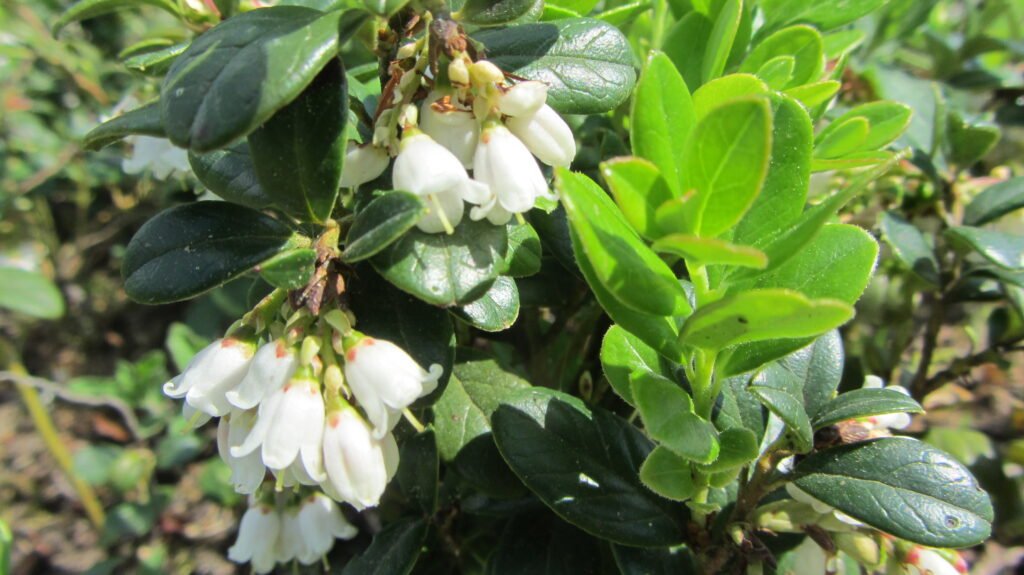
Cowberry flowers in late spring and often again mid-summer, leading to two harvest windows in many climates. Pollinated primarily by bees, the additional bloom provides a late-season food source for pollinators and wildlife.
Harvesting & Storage
When to Harvest
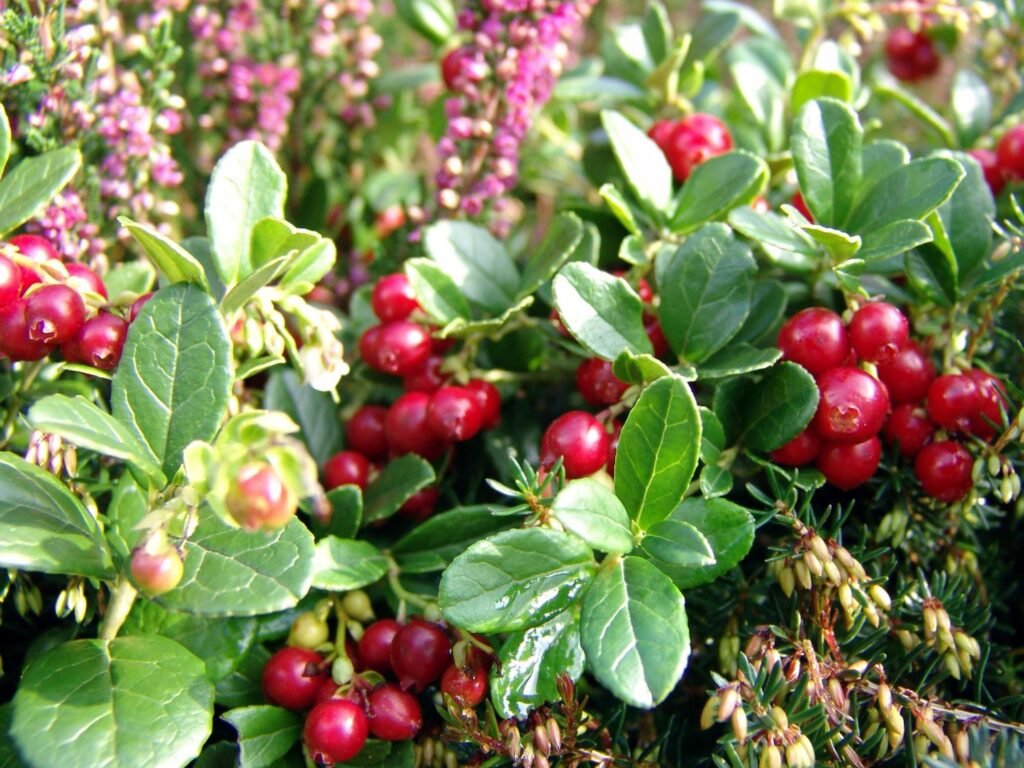
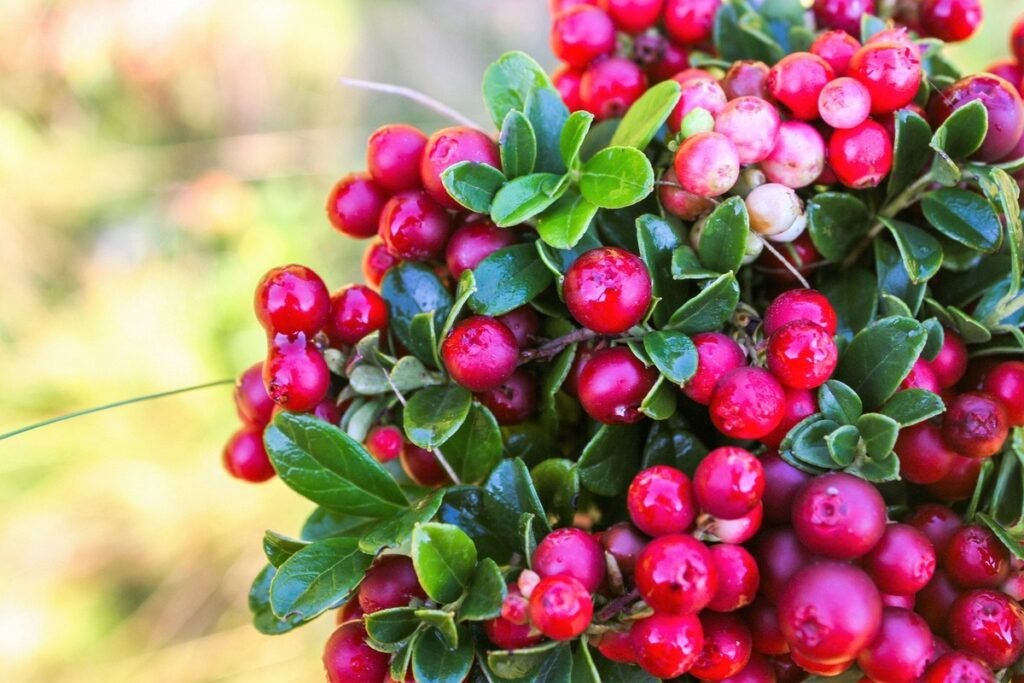
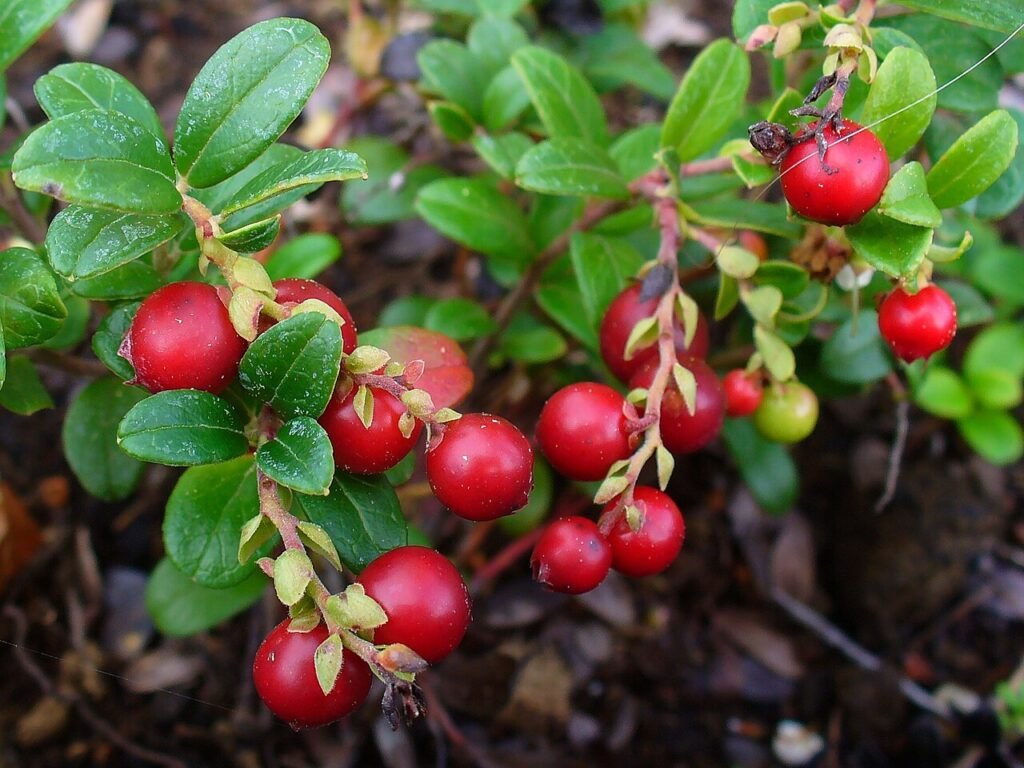
Berries ripen to a deep glossy red. Flavor improves slightly after the first light frost, reducing tartness.
Yield Expectations
Mature clumps can produce ½–1 pound of berries per year, depending on variety and growing conditions.
Storage Methods:
- Fresh: refrigerate up to 3–5 weeks (they store exceptionally well)
- Freezing: best method for long-term preservation
- Dehydrating: for teas, trail mixes, baking
- Fermenting: traditional Nordic preparation
- Jam & preserves: retain tart flavor wonderfully
Cowberries contain natural benzoic acid, contributing to their long storage life without heavy processing.
Culinary Uses & Recipe Ideas
Cowberries are prized for their tart, cranberry-like flavor that pairs beautifully with savory dishes.
Traditional Uses
- Lingonberry jam with meats (especially game)
- Sauces with potatoes and mushrooms
- Sweetened fruit syrups
- Fermented lingon preparations
- Mixed berry preserves
Modern & Gourmet Uses
- Cowberry vinaigrette over greens
- Tart compotes with cheese boards
- Smoothies for antioxidant boost
- Baked goods: tarts, muffins, scones
- Lingon sorbet or gelato
- Glazes for poultry, pork, or salmon
Nutritional & Medicinal Profile
Cowberries are incredibly nutrient-dense:
Notable components:
- Vitamin C
- Manganese
- Quercetin
- Anthocyanins
- Benzoic acid (natural preservative)
- Dietary fiber
Research suggests cowberries may support:
- Cardiovascular health
- Blood sugar regulation
- Anti-inflammatory pathways
- Immune support
Though not a substitute for medical care, cowberries complement a balanced diet and functional wellness approach.
Using Cowberry in Edible Landscaping
Cowberries serve dual roles as ornamental plants and food crops. Their evergreen foliage, red fruits, and low growth habit make them excellent for:
✔ Wildlife gardens
✔ Pollinator borders
✔ Forest gardens
✔ Container growing
✔ Rock gardens
✔ Cold-climate permaculture
Understory planting with conifers or birch works particularly well.
Challenges & Common Problems
While hardy, cowberries may face:
- Heat stress in warm climates
- Low fruiting in alkaline soil
- Competition from grasses
- Overwatering or poor drainage
Adjusting soil pH and providing shade in hot regions are the most important fixes.
Conclusion: A Superberry Worth Growing
Cowberry combines resilience, nutrition, and culinary versatility with perennial productivity. Whether you’re interested in sustainable foraging, homestead fruit crops, permaculture design, or Nordic cooking traditions, this evergreen shrub offers abundant rewards.
With proper soil acidity, cool conditions, and minimal maintenance, cowberry can thrive for decades, feeding both humans and wildlife along the way.


&media=https://food-foresting.com/wp-content/uploads/2026/01/Vaccinium_vitis-idaea_004.jpg)