
 paulius.mikoliunas1
| Common Name | Elaeagnus, Ebbing’s Silverberry |
| Family | Elaeagnaceae |
| USDA hardiness | 5-9 |
| Known Hazards | None known |
| Habitats | Not known in the wild. |
| Range | A garden hybrid, E. macrophylla x E. pungens or E. x. reflexa. |
| Edibility Rating |  (5 of 5) (5 of 5) |
| Other Uses |   (4 of 5) (4 of 5) |
| Weed Potential | No |
| Medicinal Rating |   (2 of 5) (2 of 5) |
| Care (info) |       |
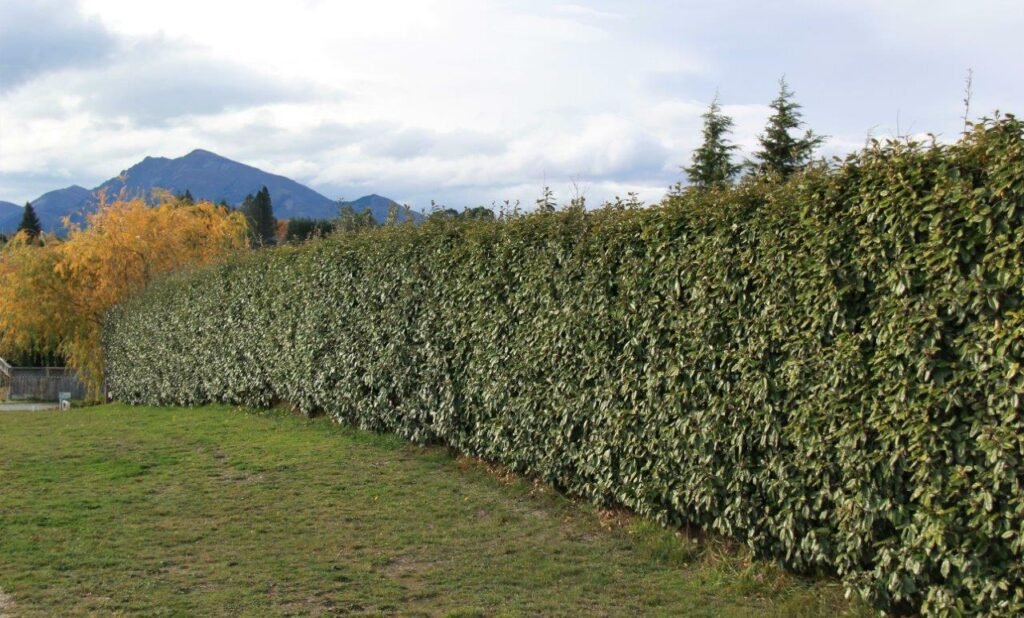
Elaeagnus × Ebbingei: How to Grow, Propagate, Harvest, and Use This Hardy Evergreen Shrub
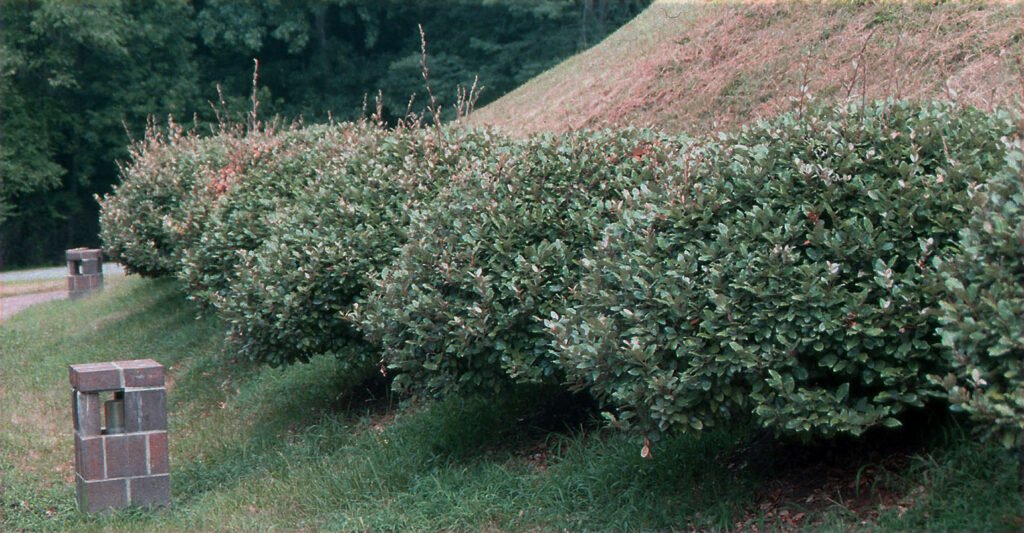
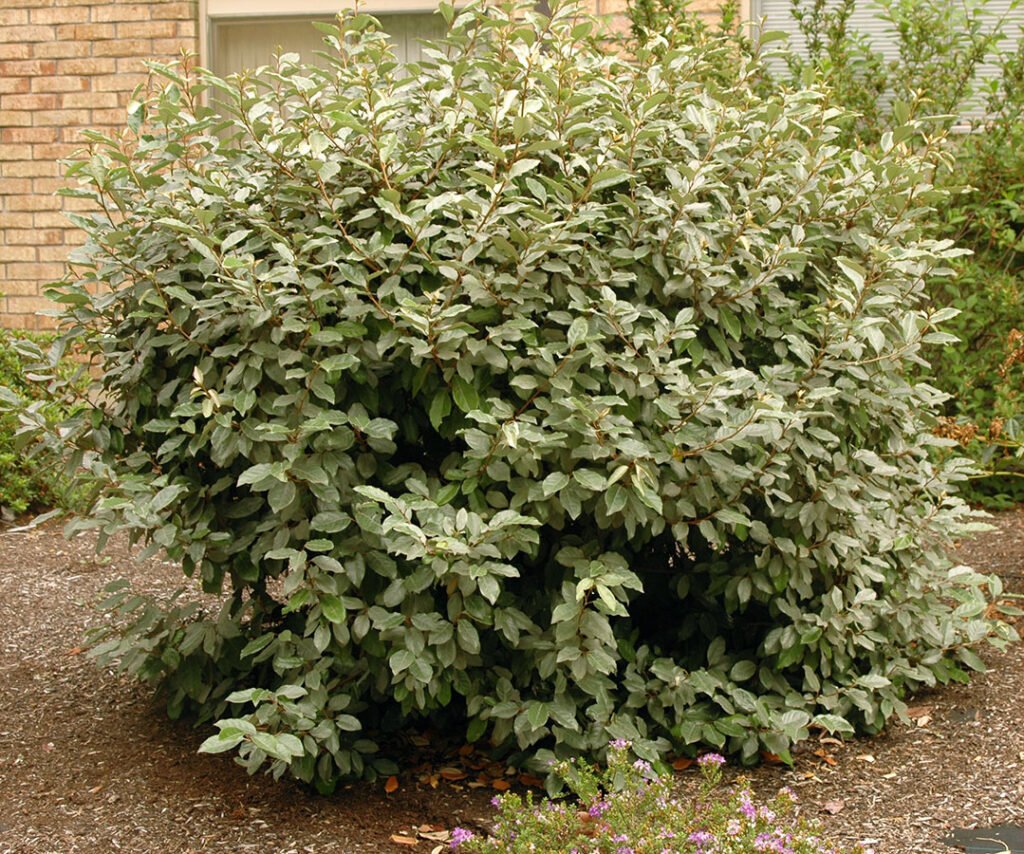
Elaeagnus × ebbingei, commonly known as Ebbing’s silverberry, is a tough, evergreen shrub prized for its glossy foliage, fragrant flowers, edible fruits, and exceptional adaptability. Whether you’re a home gardener, permaculture enthusiast, or landscape designer, this versatile plant deserves a closer look.
In this complete guide, you’ll learn how to grow Elaeagnus × ebbingei successfully, explore propagation methods, discover popular varieties, understand its landscape and culinary uses, and master the art of harvesting its fruit.
What Is Elaeagnus × Ebbingei?
Elaeagnus × ebbingei is a hybrid evergreen shrub resulting from a cross between Elaeagnus macrophylla and Elaeagnus pungens. Native to East Asia, it has become widely cultivated across temperate regions due to its resilience and ornamental appeal.
Key Characteristics
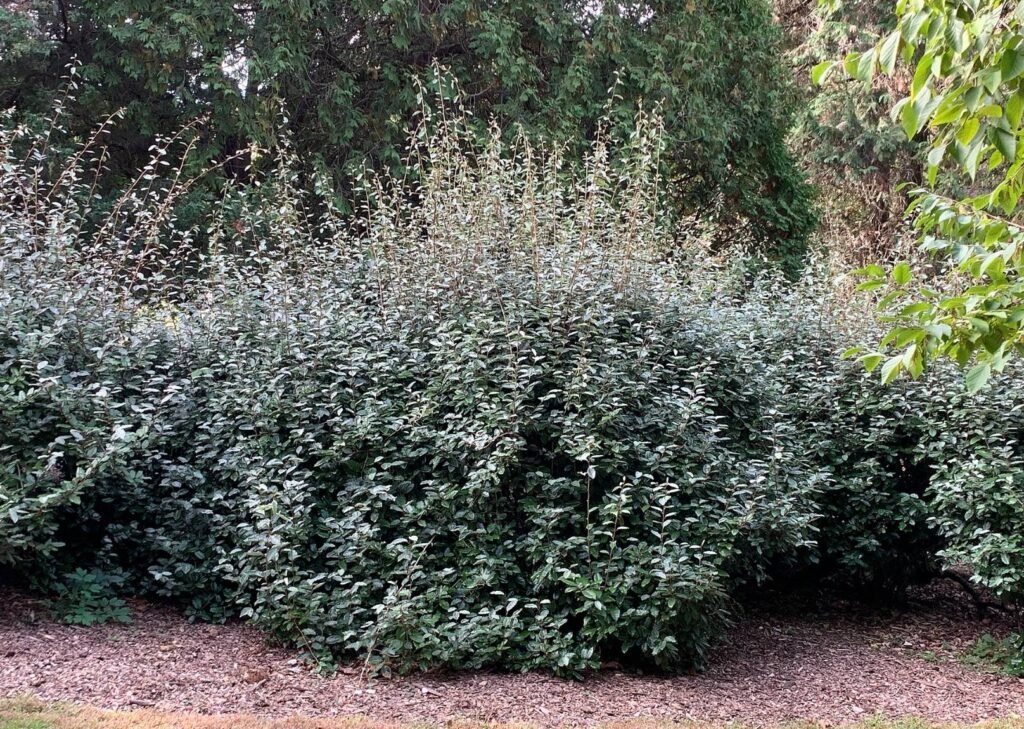
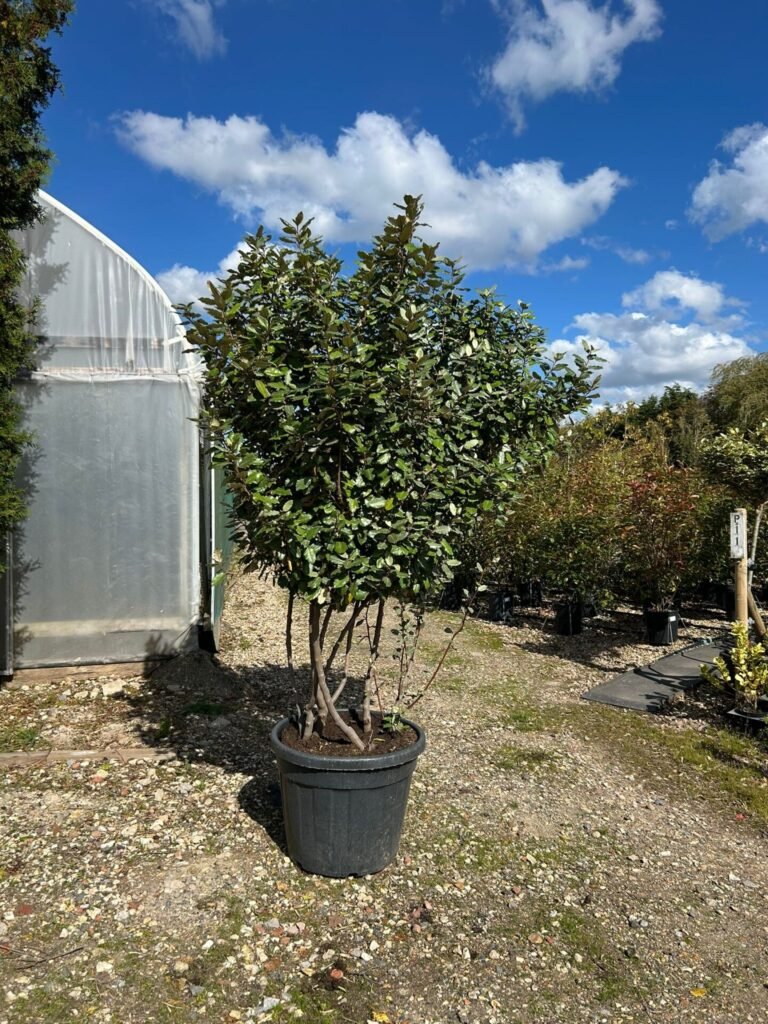
- Evergreen shrub or small tree
- Height: 3–5 meters (can be kept smaller with pruning)
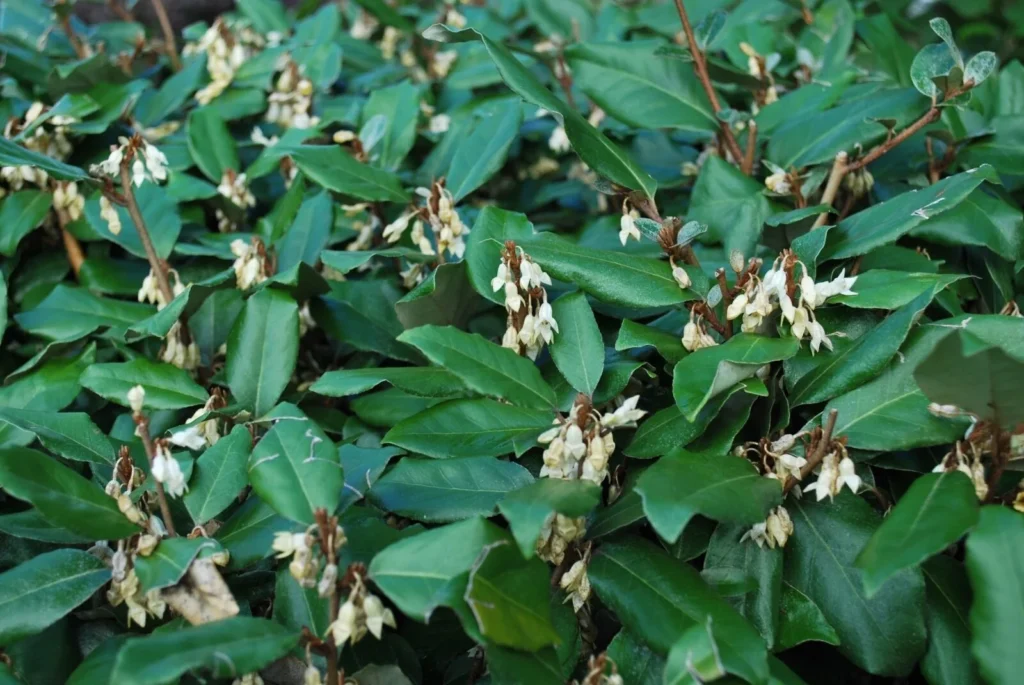
- Silvery undersides on leaves
- Highly fragrant autumn flowers
- Nitrogen-fixing roots
- Drought and salt tolerant
How to Grow Elaeagnus × Ebbingei Successfully
Climate and Hardiness
Elaeagnus × ebbingei thrives in USDA zones 7–10. It tolerates coastal winds, pollution, drought, and moderate frost, making it ideal for urban and seaside gardens.
Sunlight Requirements
- Best growth: Full sun to partial shade
- More sun = denser growth and better flowering
- Tolerates shade but may become leggy
Soil Preferences
This shrub is remarkably adaptable:
- Grows in sandy, loamy, or clay soils
- Handles poor, dry soils well
- Prefers well-draining soil
- Tolerates alkaline conditions
Thanks to its nitrogen-fixing ability, Elaeagnus improves soil fertility over time.
Watering Needs
- Young plants: Regular watering until established
- Mature plants: Highly drought tolerant
- Avoid waterlogged conditions
Fertilization
Minimal feeding required:
- Usually no fertilizer needed
- Compost mulch in spring is sufficient
- Avoid high-nitrogen fertilizers
Pruning and Maintenance
Elaeagnus × ebbingei responds exceptionally well to pruning.
When to Prune
- Light pruning: After flowering (late autumn or winter)
- Heavy pruning: Early spring
Pruning Tips
- Can be shaped into hedges, screens, or standards
- Suitable for topiary
- Tolerates hard rejuvenation pruning
How to Propagate Elaeagnus × Ebbingei
Propagation from Cuttings (Most Reliable)
- Take semi-hardwood cuttings in late summer
- Cut 10–15 cm sections
- Remove lower leaves
- Dip in rooting hormone
- Plant in free-draining medium
- Keep warm and lightly moist
Roots typically form within 6–8 weeks.
Propagation from Seeds
- Less common due to hybrid nature
- Seeds require cold stratification
- Seedlings may not be true to parent
Layering
Low branches can be pegged into soil and rooted naturally over several months.
Popular Varieties of Elaeagnus × Ebbingei
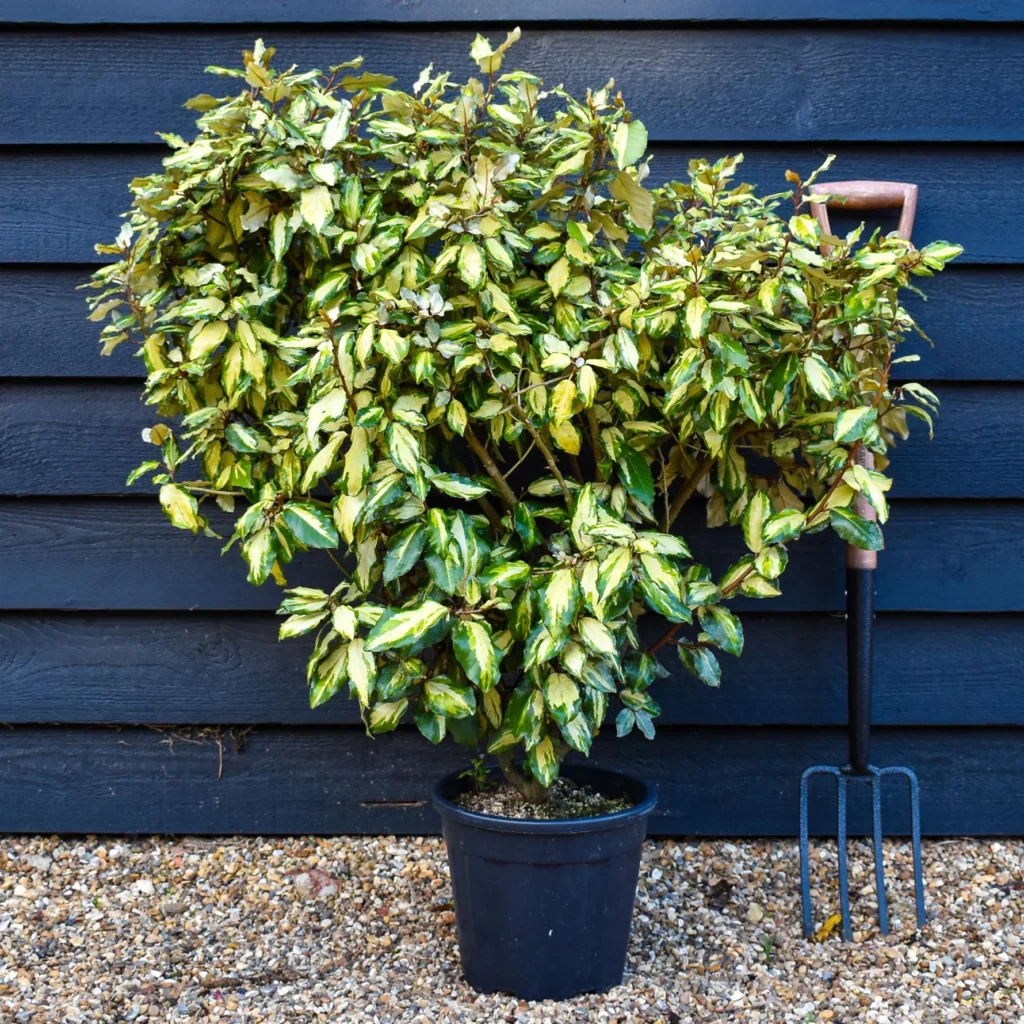
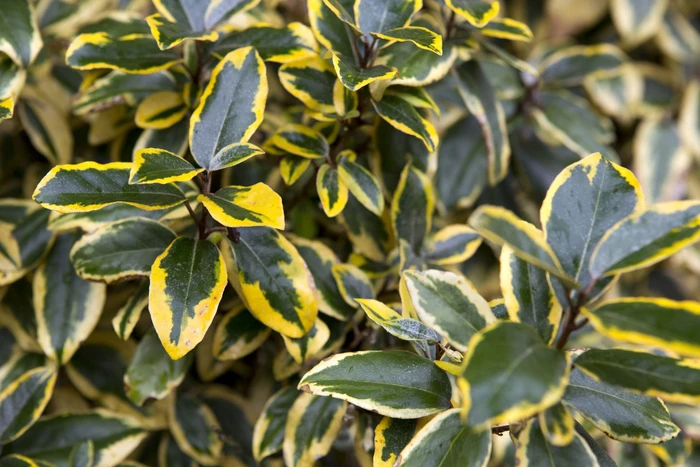
‘Limelight’
- Variegated leaves with golden centers
- Excellent ornamental value
- Brightens shady gardens
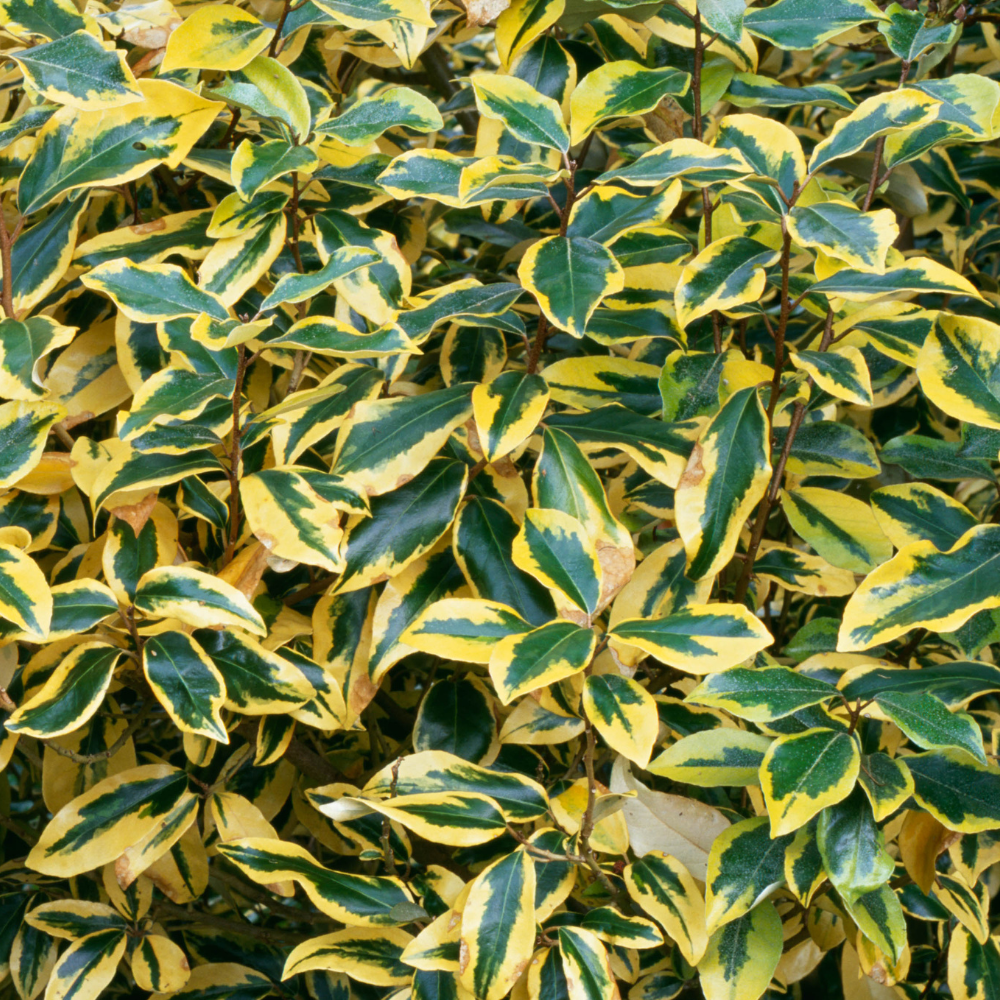
‘Gilt Edge’
- Green leaves with yellow margins
- Compact growth
- Ideal for hedges
‘Compacta’
- Slower growth
- Smaller leaves
- Perfect for smaller gardens
Landscape and Practical Uses
Garden Uses
- Evergreen hedge or privacy screen
- Windbreak
- Coastal planting
- Wildlife shelter
- Urban pollution buffer
Ecological Benefits
- Nitrogen fixation improves soil health
- Flowers attract pollinators
- Fruits feed birds and small mammals
Edible Uses and Food Options
One of the most overlooked features of Elaeagnus × ebbingei is its edible fruit.
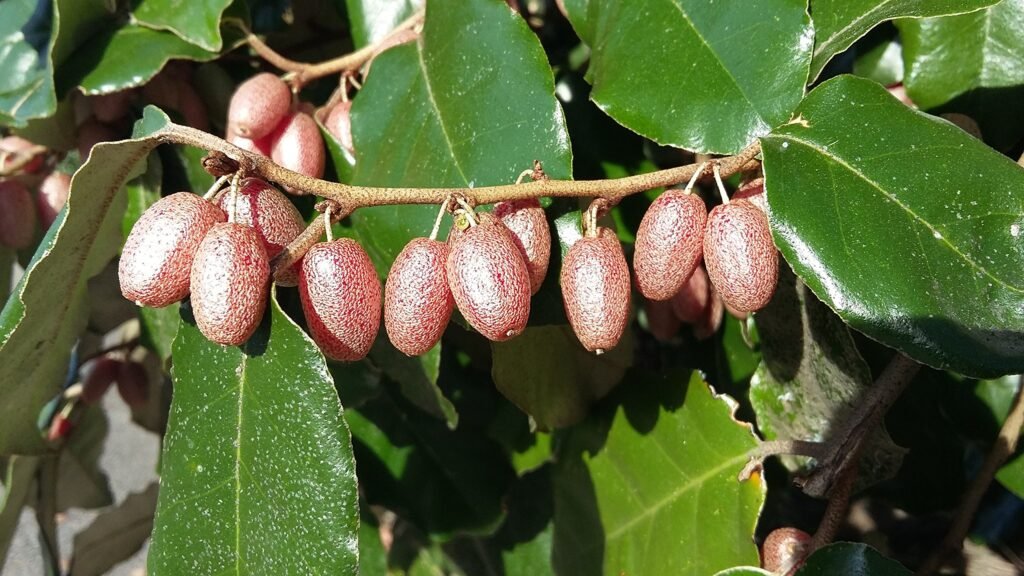
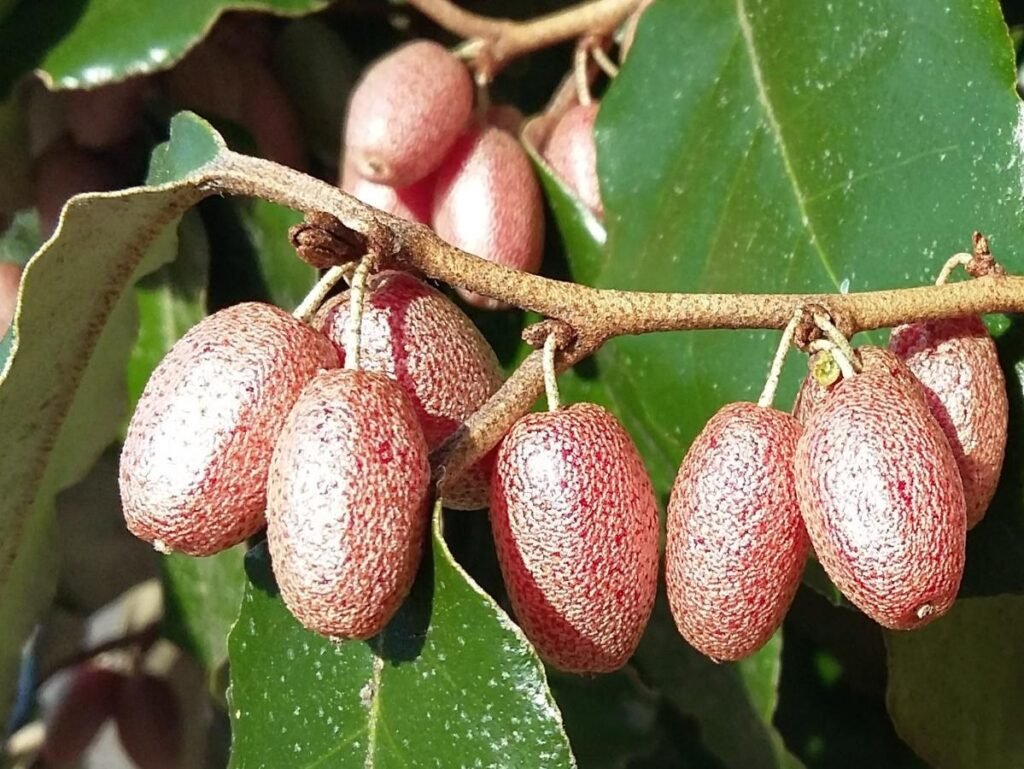
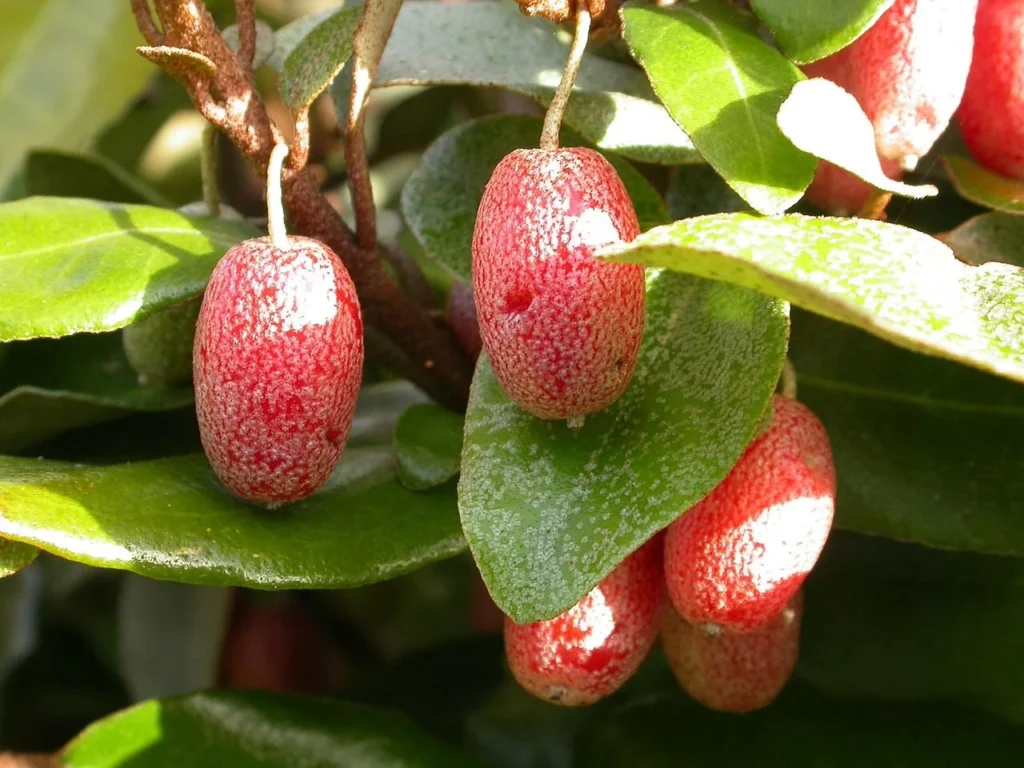
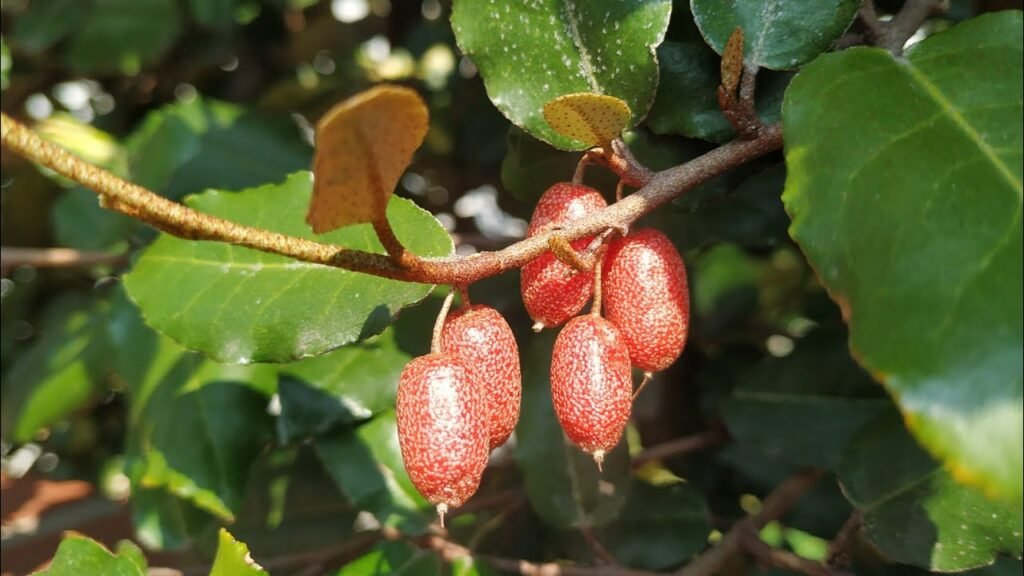
The Fruit
- Ripens in late winter to early spring
- Oval, speckled berries
- Tart to mildly sweet when fully ripe
Culinary Uses
- Fresh eating (best after frost)
- Jams and jellies
- Fruit leather
- Sauces
- Fermented drinks
The berries are rich in vitamin C, antioxidants, and lycopene, making them nutritionally valuable.
Flavor Tip
Allow fruits to soften fully on the plant for maximum sweetness.
How and When to Harvest Elaeagnus Fruit
Harvest Timing
- Late winter to early spring
- Fruit changes color and softens
- Frost improves flavor
Harvest Method
- Hand-pick ripe berries
- Shake branches gently over a cloth
- Avoid unripe, hard fruits
Storage
- Fresh: Refrigerate up to one week
- Long-term: Freeze or process immediately
Common Problems and Pests
Elaeagnus × ebbingei is largely pest-free.
Potential Issues
- Leaf spot in poorly ventilated conditions
- Root rot in waterlogged soils
- Occasional scale insects
Proper spacing, drainage, and airflow prevent most issues.
Is Elaeagnus × Ebbingei Right for You?
Choose Elaeagnus × ebbingei if you want:
- A low-maintenance evergreen
- Edible landscaping
- Fast-growing privacy hedge
- Soil-improving plant
- Coastal-tolerant shrub
It’s a powerhouse plant that blends beauty, function, and resilience.
Final Thoughts
Elaeagnus × ebbingei is more than just a hedge — it’s a multifunctional evergreen shrub that feeds the soil, supports wildlife, and produces nutritious fruit with minimal care. Whether you grow it for privacy, food, or ornamental value, this hardy hybrid delivers year-round benefits.
If you’re looking to future-proof your garden with a plant that thrives where others struggle, Elaeagnus × ebbingei is an excellent choice.




&media=https://food-foresting.com/wp-content/uploads/2026/02/Elaeagnusxebbingei_ad58dbee-eb16-45b5-933f-f7a7afb22517_2048x.jpg)