
 paulius.mikoliunas1
| Common Name | Holly Olive, Holly osmanthus, Chinese Holly, Holly Tea Olive, False Holly |
| Family | Oleaceae |
| USDA hardiness | 6-9 |
| Known Hazards | None known |
| Habitats | In evergreen forests from the lowlands to elevations of 600 metres. |
| Range | E. Asia – Japan, Taiwan. |
| Edibility Rating |  (0 of 5) (0 of 5) |
| Other Uses |   (3 of 5) (3 of 5) |
| Weed Potential | No |
| Medicinal Rating |  (0 of 5) (0 of 5) |
| Care (info) |     |
Holly Olive (Osmanthus heterophyllus): Growing, Propagation, Varieties, Uses & Harvesting Guide
Holly Olive, also known as False Holly or Osmanthus heterophyllus, is a prized evergreen shrub known for its glossy, holly-like foliage and powerfully fragrant flowers. Native to East Asia, it has become a favorite among gardeners for its resilience, ornamental value, and multipurpose applications in landscapes, perfumery, and—even for select species—culinary use.
If you’re looking to cultivate this plant in your garden or explore its uses, this guide covers everything you need to know.
What is Holly Olive (Osmanthus heterophyllus)?
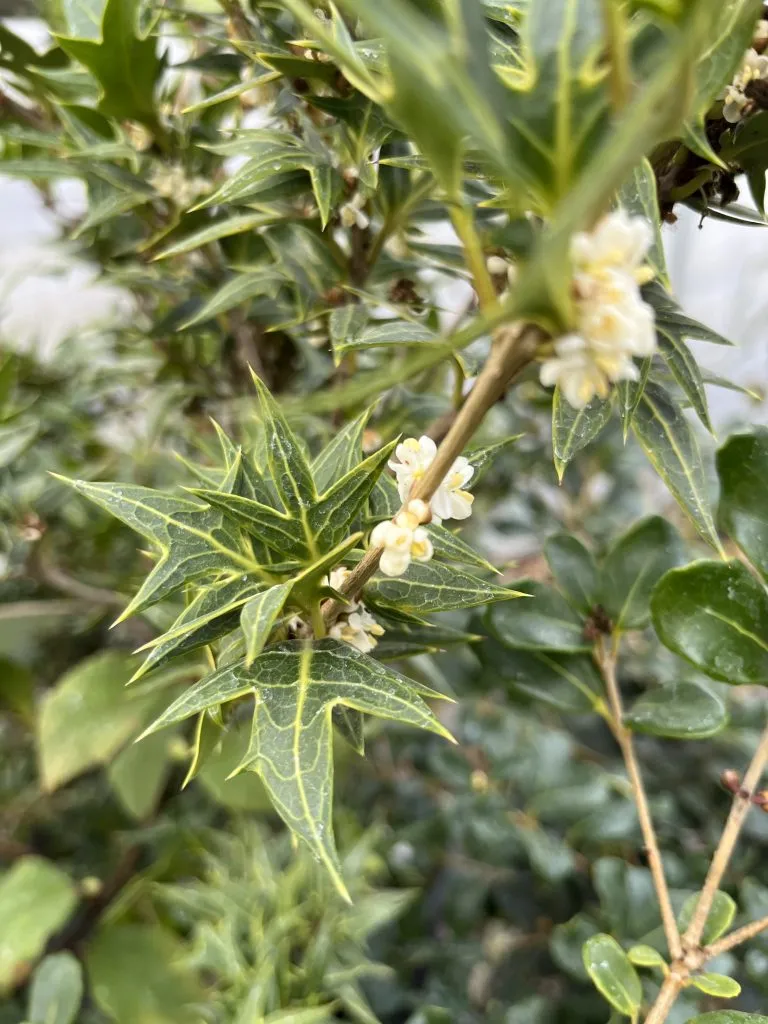
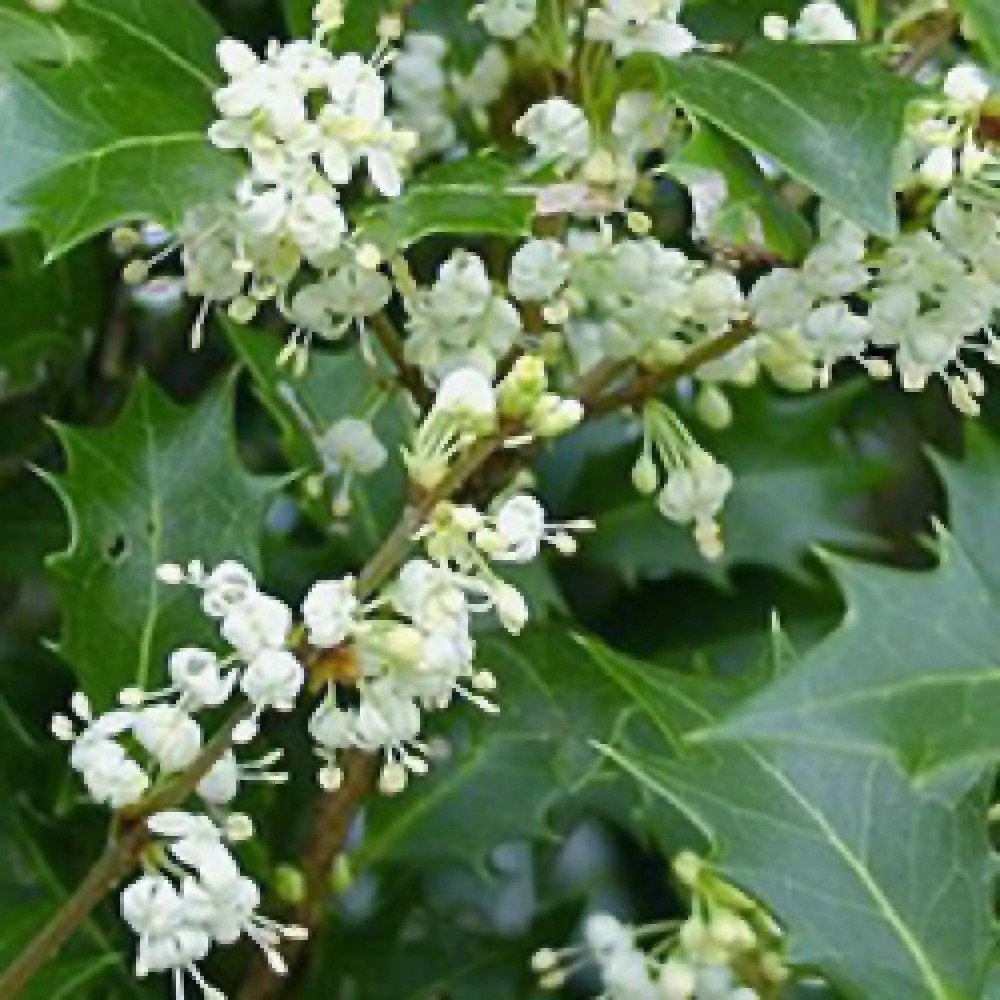
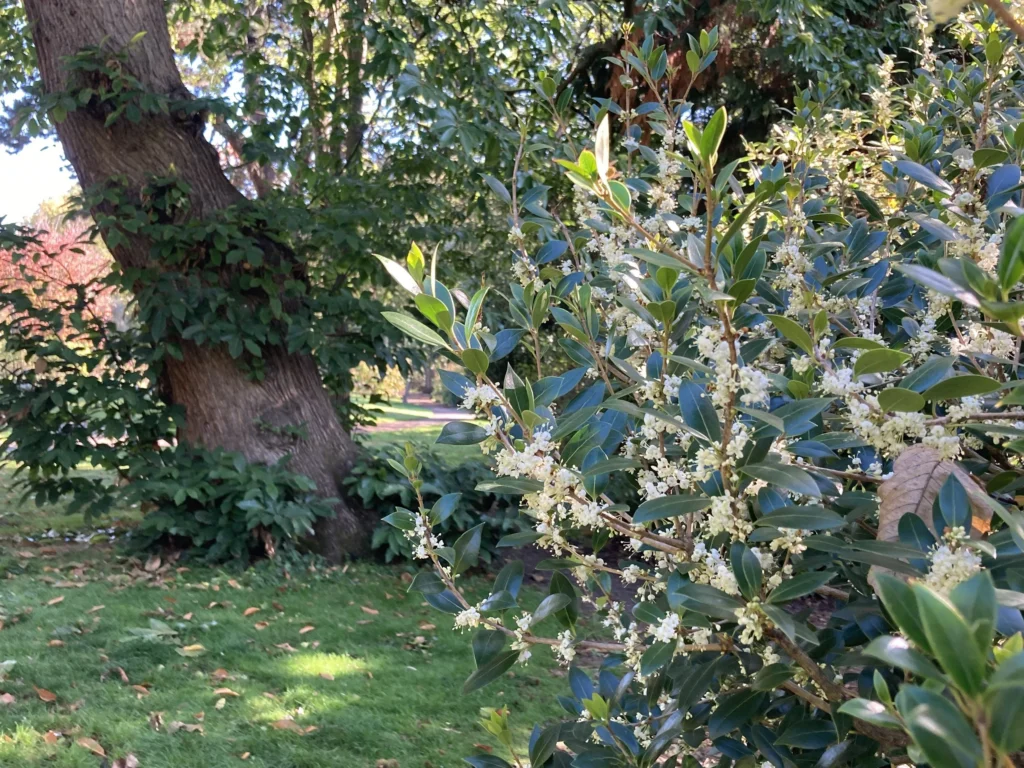
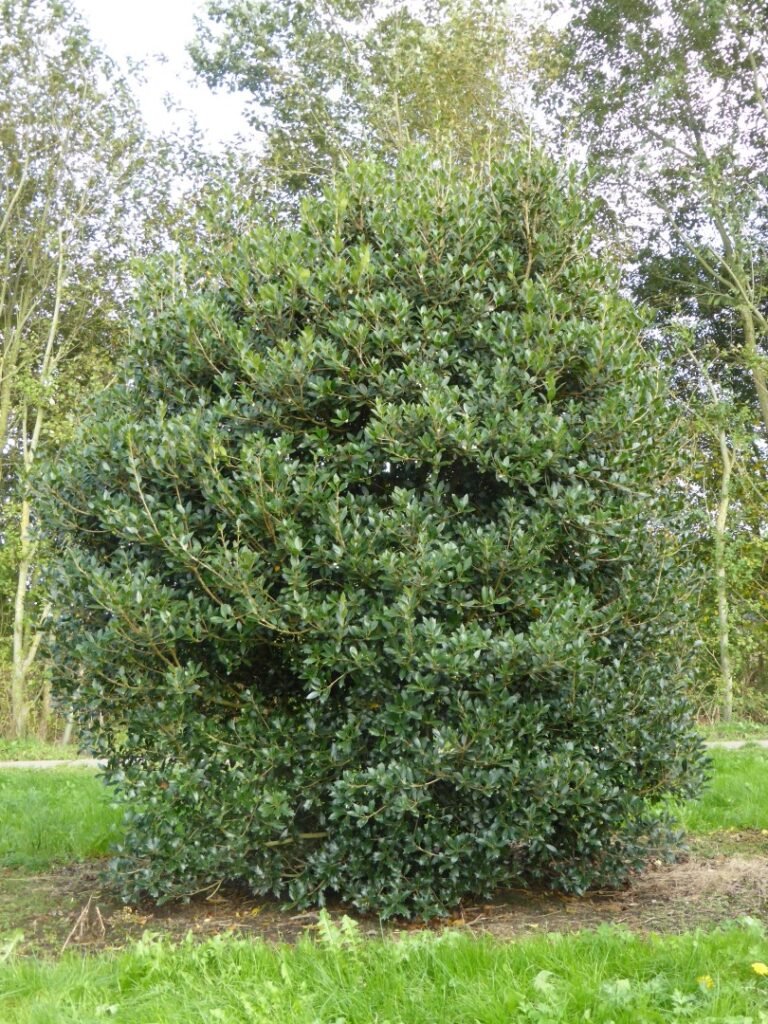
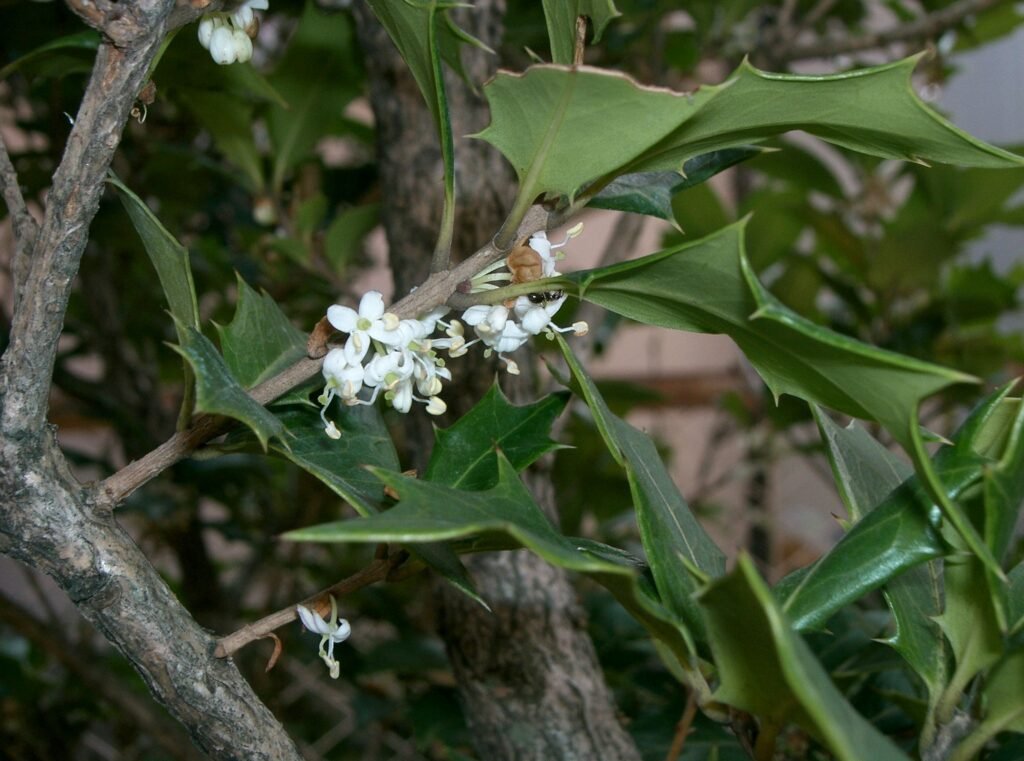
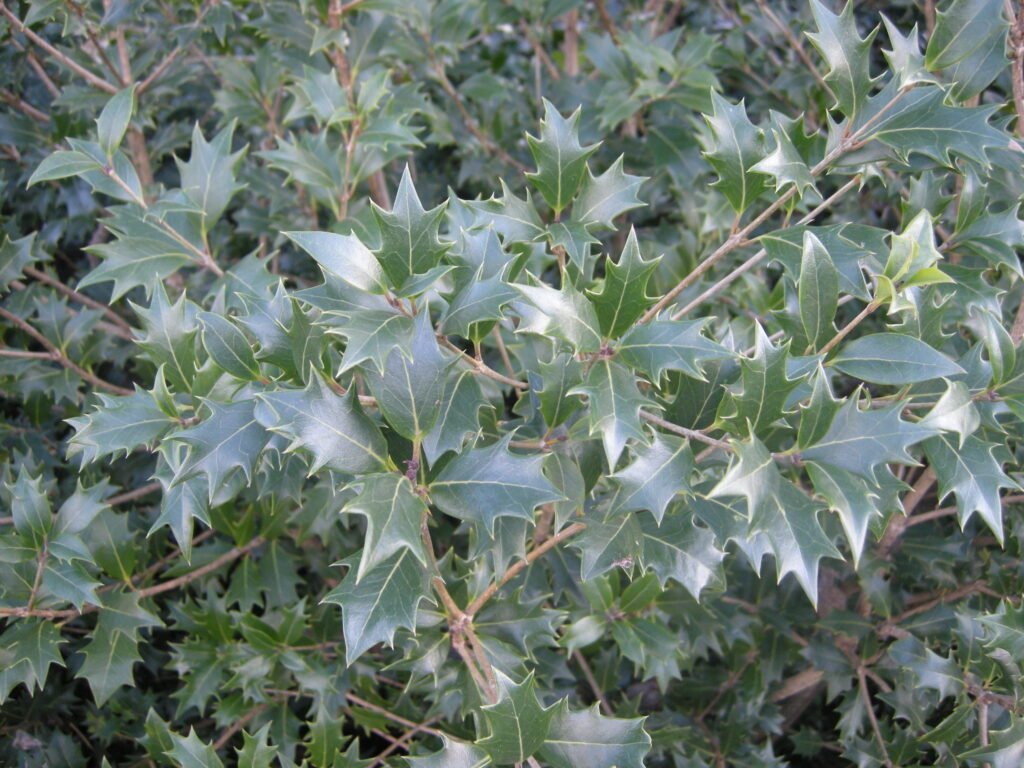
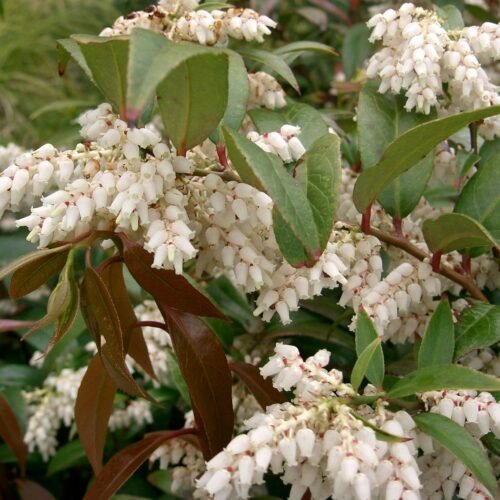
Osmanthus heterophyllus is an evergreen shrub within the Oleaceae family. It grows densely, reaching 3–5 meters at maturity, though it can be kept compact with pruning. Unlike true hollies, its flowers are small, white, and intensely fragrant, often blooming in late autumn to early winter, providing seasonal perfume when the garden is otherwise quiet.
How to Grow Holly Olive
1. Ideal Climate & Hardiness
- USDA Zones: 6–9
- Tolerance: Heat, air pollution, and light drought
- Best performance: Mild, temperate climates with moist well-draining soil
2. Soil Requirements
- Slightly acidic to neutral
- Loamy, fertile soils preferred
- Avoid prolonged waterlogging
A mulch layer encourages soil moisture retention and supports root health, especially during establishment.
3. Light Conditions
Holly Olive grows well in:
- Full sun (strongest growth & best flowering)
- Partial shade (ideal for warmer climates)
Too much shade reduces flowering density and fragrance output.
4. Watering & Feeding
- Moderate watering, especially during first growing season
- Once established, drought resistant
- Light feeding with an organic slow-release fertilizer in spring improves vigor
5. Pruning & Maintenance
Pruning is optional but beneficial for shaping hedges or screens.
Prune:
- After flowering (late winter / early spring)
- To remove damaged or crossing branches
- To encourage dense growth
Propagation Methods
Osmanthus heterophyllus propagates reliably through:
1. Semi-Hardwood Cuttings
Most common method
Steps:
- Take cuttings mid-summer to early autumn
- Use 8–10 cm stems with 2–3 leaf nodes
- Remove lower leaves & dip end in rooting hormone
- Place in well-draining substrate and keep humid
Rooting usually takes 6–12 weeks.
2. Air Layering
Useful for older shrubs when cuttings underperform.
3. Seeds
Possible, but slow and variable, often taking years to reach maturity and inconsistent in traits.
Popular Cultivars & Varieties
Holly Olive boasts several stunning cultivars that suit different garden styles:
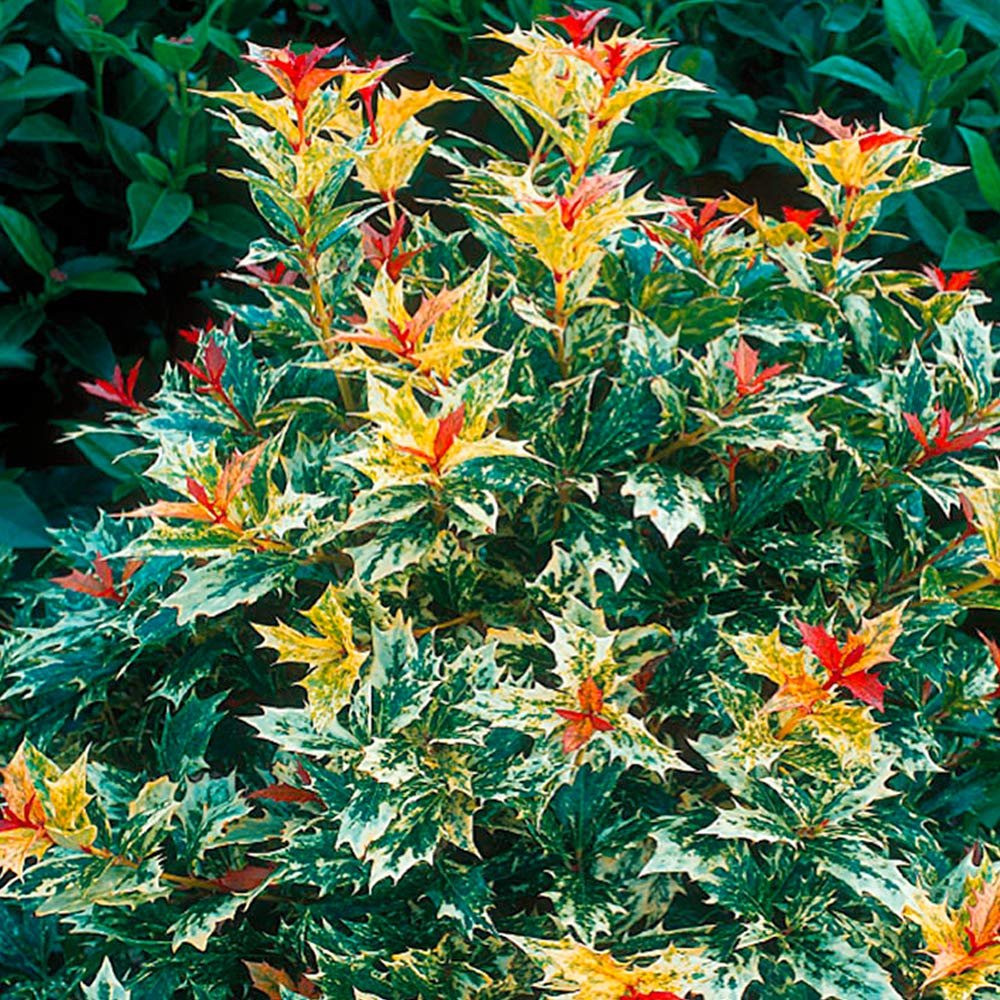
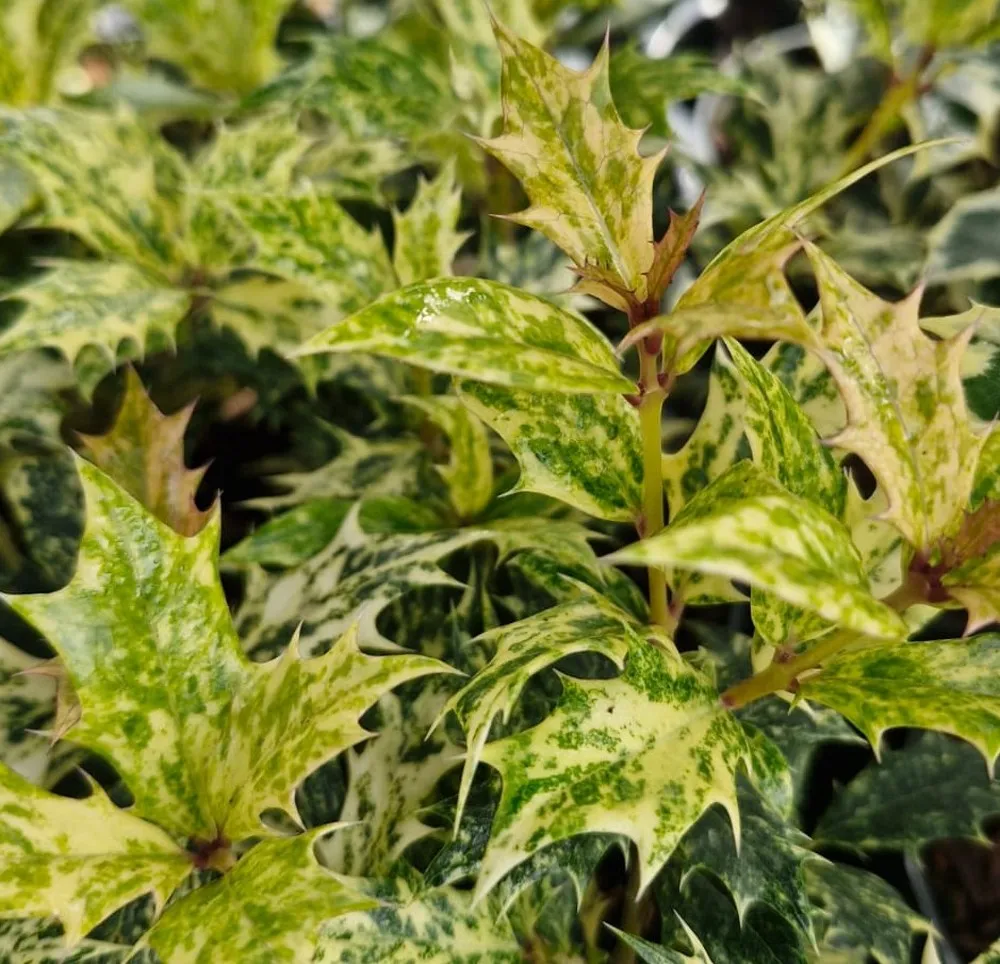
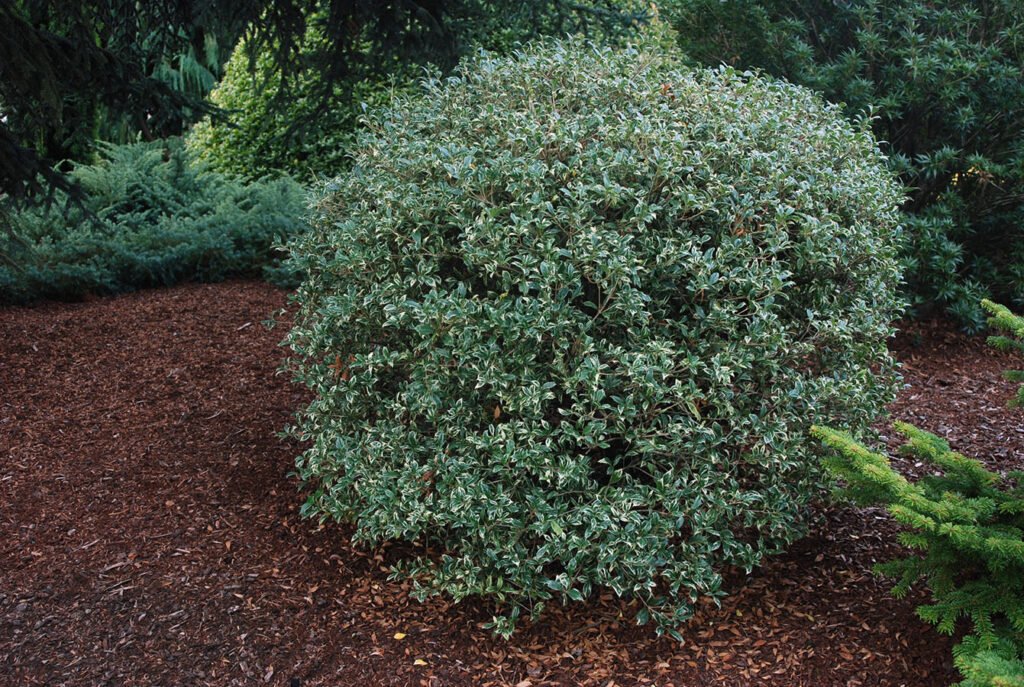
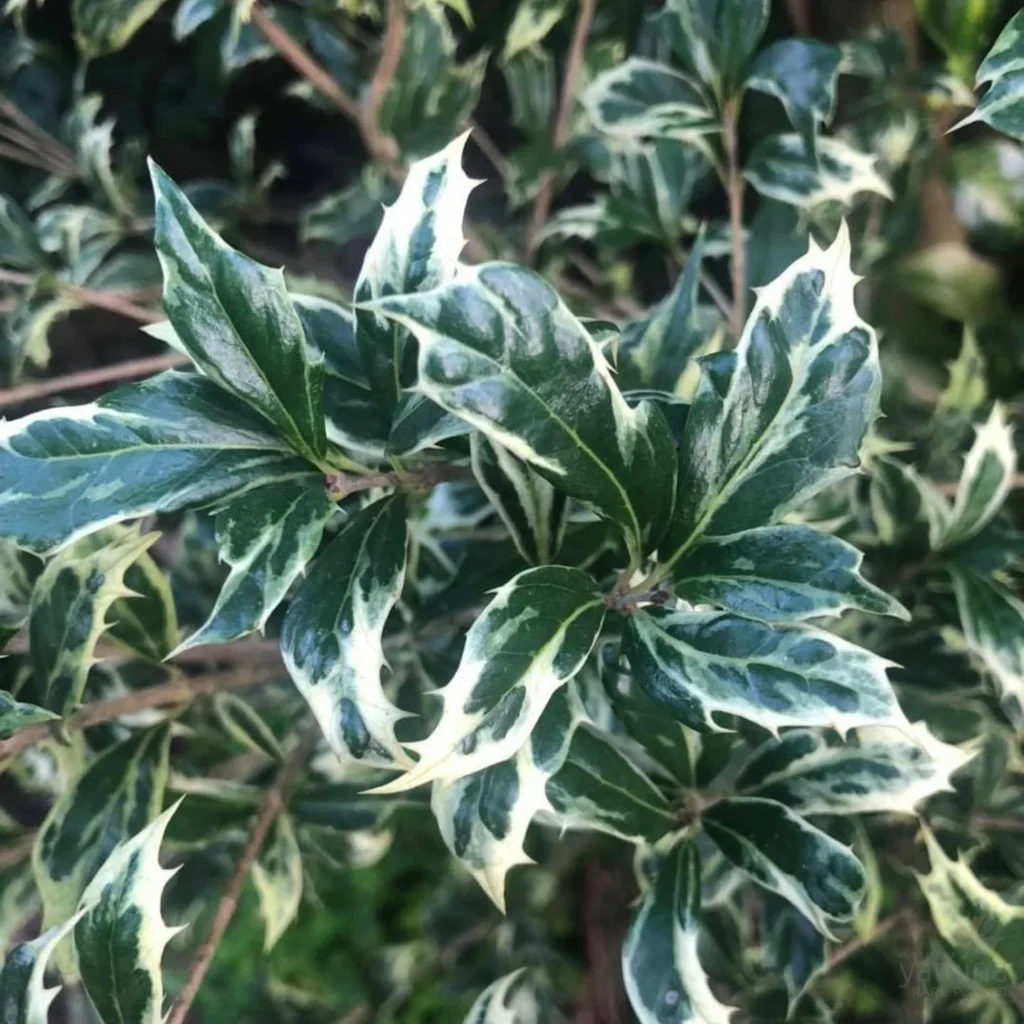
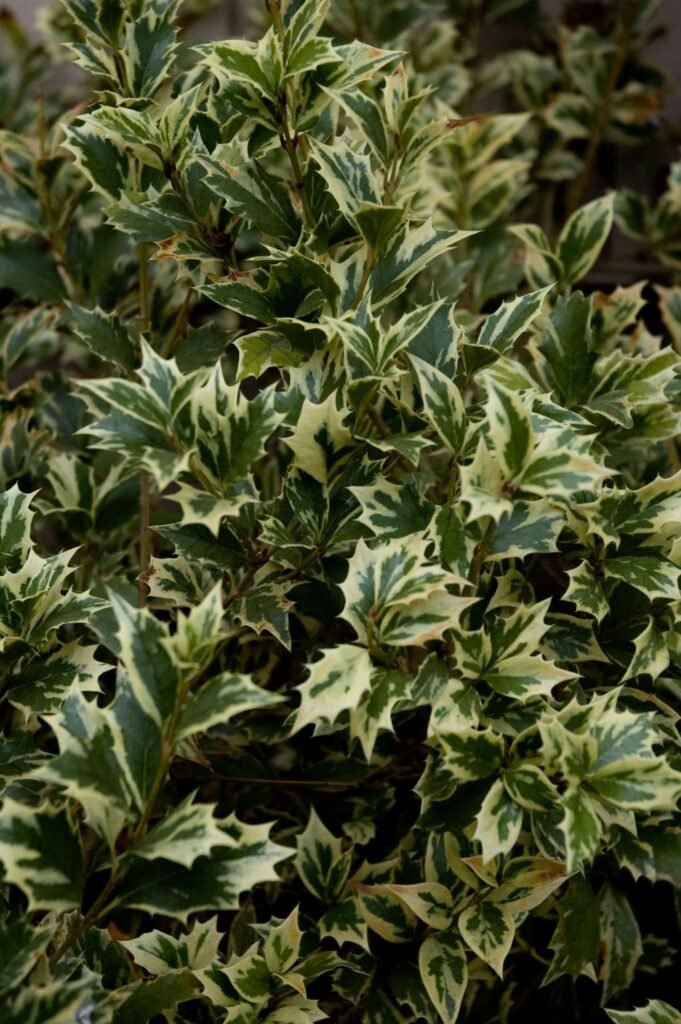
• Osmanthus heterophyllus ‘Goshiki’
- Gold, cream & lime variegated leaves
- Compact habit, excellent hedge or container choice
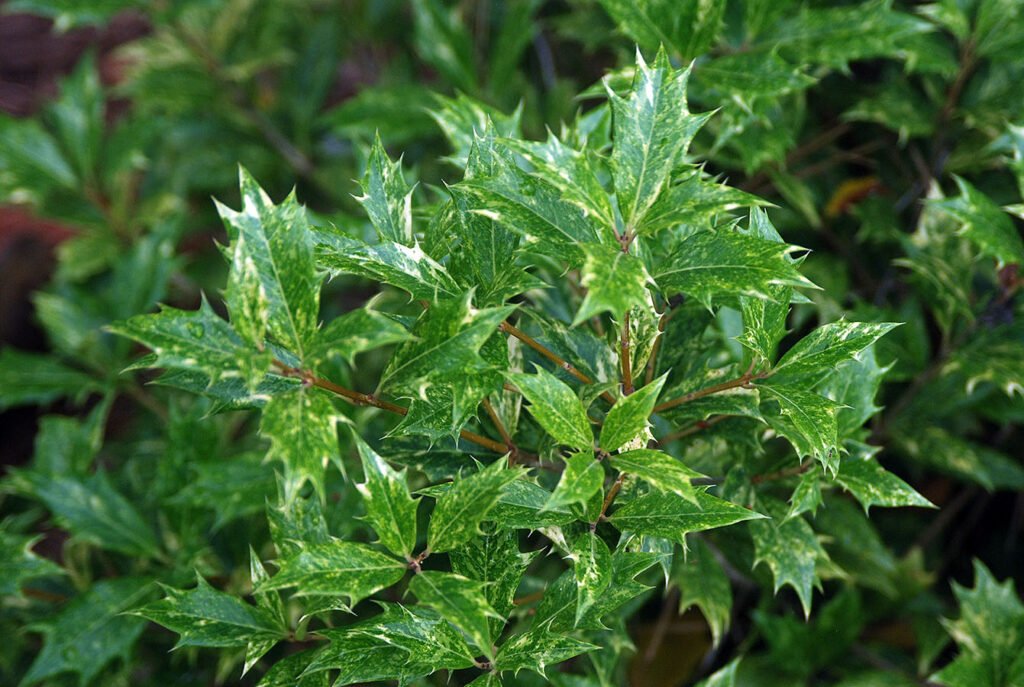
• O. heterophyllus ‘Variegatus’
- White variegation
- Slightly softer foliage
• O. heterophyllus ‘Purpureus’
- Purple to bronze young leaves
- Adds dynamic color contrast
• O. x burkwoodii (Hybrid)
- Heavier fragrance
- More abundant flowers
These cultivars are favorites for ornamental hedging, privacy walls, and foundation plantings.
Landscape & Decorative Uses
Holly Olive is a multifunctional shrub used for:
✔ Hedges & Screens — dense evergreen foliage
✔ Topiary & Formed Shapes — responds well to pruning
✔ Foundation Plantings — evergreen structure year-round
✔ Fragrance Gardens — late-season scent
✔ Urban & Pollution-Tolerant Sites — robust in cities
Its spiny leaves also deter unwanted foot traffic and garden pests when used in barriers.
Fragrance & Aromatic Uses
Osmanthus flowers are prized for their:
- Sweet apricot-like aroma
- High essential oil value
- Long history in perfumery and cosmetics
Osmanthus oil is used in:
- Luxury perfumes
- Aromatherapy blends
- Scented teas and syrups (select species)
While Osmanthus heterophyllus is more ornamental, related species such as Osmanthus fragrans are strongly associated with culinary fragrance traditions.
Food & Culinary Options
Although Osmanthus heterophyllus is not typically harvested for edible purposes, its close relatives (notably O. fragrans) are used to make:
- Osmanthus tea
- Osmanthus syrup
- Traditional pastries
- Jellies and liqueurs
The scent notes resemble:
apricot + peach + floral honey
Important note: Osmanthus heterophyllus is generally considered non-toxic but not commonly consumed; for culinary use, Osmanthus fragrans remains the preferred species.
Harvesting Flowers
For fragrance or ceremonial use:
- Harvest during peak bloom in autumn
- Collect early morning for strongest aroma
- Use fresh or dry in dehydrator at low temps
Flowers can be stored for potpourri or sachets to perfume drawers and clothing.
Common Pests & Problems
Holly Olive is generally resilient, though you may encounter:
- Scale insects
- Spider mites (in hot, dry climates)
- Leaf scorch (in intense afternoon sun)
- Soil sogginess issues (yellowing leaves)
Integrated plant care practices minimize stress and maximize longevity.
Benefits of Growing Osmanthus heterophyllus
✓ Evergreen year-round structure
✓ Fragrance in cool seasons
✓ Low maintenance
✓ Durable hedge plant
✓ Long lifespan
✓ Urban-friendly & tolerant of pollution
✓ Adds biodiversity support for pollinators in autumn
Final Thoughts
Holly Olive (Osmanthus heterophyllus) is more than an ornamental; it’s a versatile, fragrant, resilient shrub that enhances landscapes with structure and perfume when many plants are dormant. Whether shaped into hedges, showcased as a specimen, or cultivated for its aromatic flowers, it’s a valuable addition to temperate gardens.


&media=https://food-foresting.com/wp-content/uploads/2026/01/osheg4425A.jpg)