
 paulius.mikoliunas1
| Common Name | Hou Po |
| Family | Magnoliaceae |
| USDA hardiness | 7-10 |
| Known Hazards | None known |
| Habitats | Alpine and hilly areas. Forests at elevations of 300 – 1500 metres. |
| Range | E. Asia – W. China. |
| Edibility Rating |  (0 of 5) (0 of 5) |
| Other Uses |   (2 of 5) (2 of 5) |
| Weed Potential | No |
| Medicinal Rating |   (3 of 5) (3 of 5) |
| Care (info) |     |



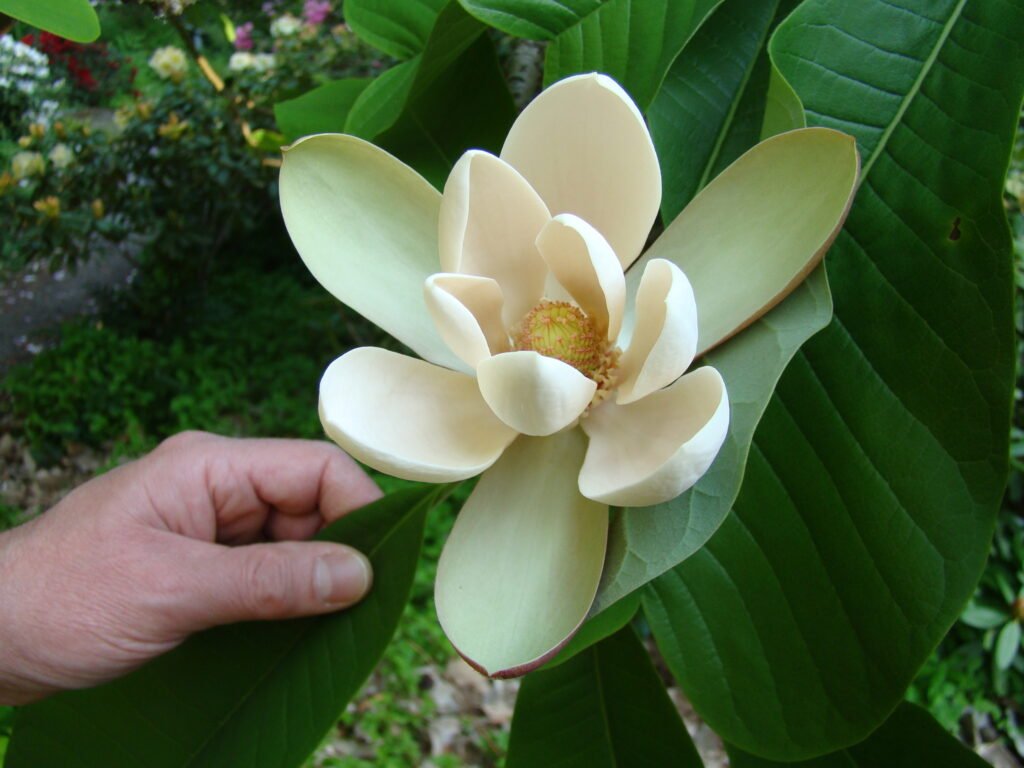
Hou Po (Magnolia officinalis) — Cultivation, Propagation, Varieties, Uses, Culinary Options & Harvest Guide
Hou Po, the bark of Magnolia officinalis, has been used for centuries in traditional Asian medicine and is slowly gaining recognition among herbal growers, permaculturists, and culinary experimenters. Known for its fragrant blooms, therapeutic compounds, and unique culinary profile, Hou Po offers both botanical beauty and practical functionality.
Below is a deep dive into growing, caring for, harvesting, and using this uncommon magnolia species.
What is Hou Po (Magnolia officinalis)?
Magnolia officinalis is a deciduous tree native to mountainous forests. It features:
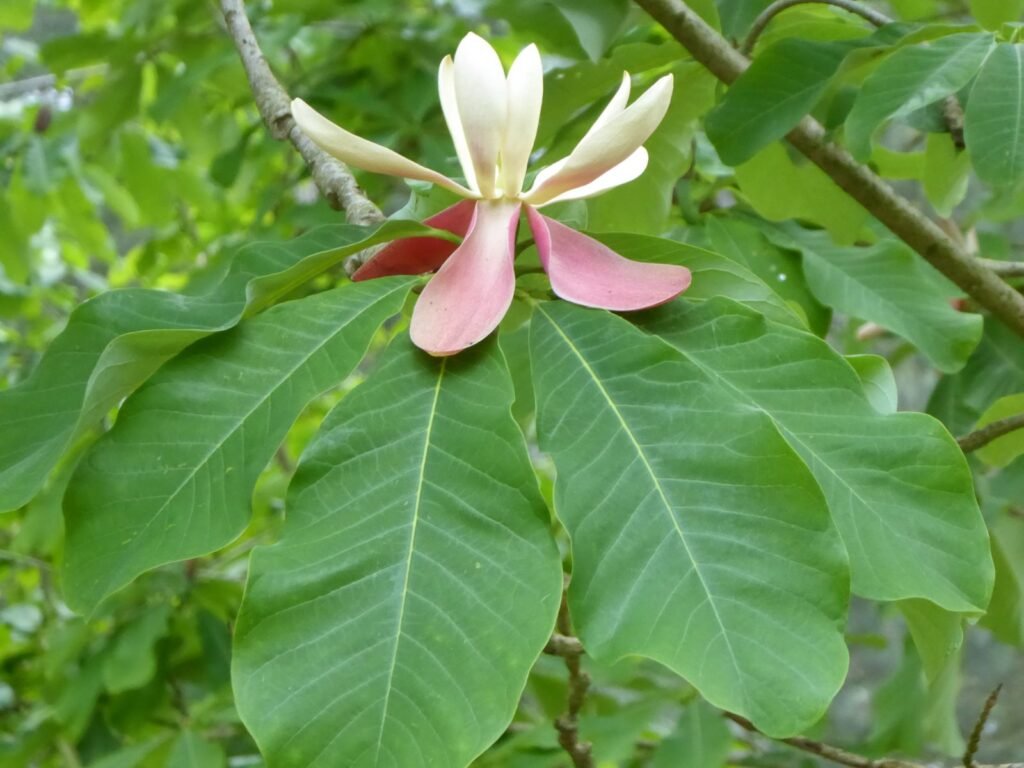
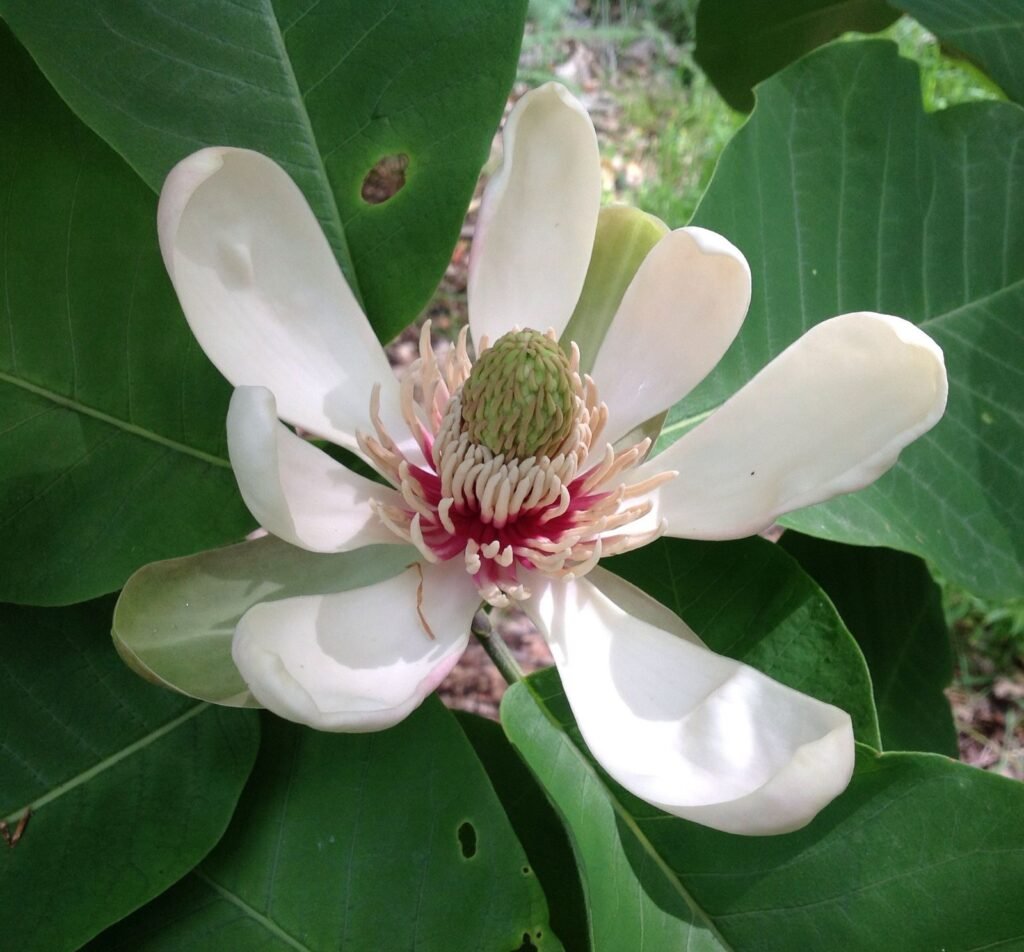
- Large oblong leaves
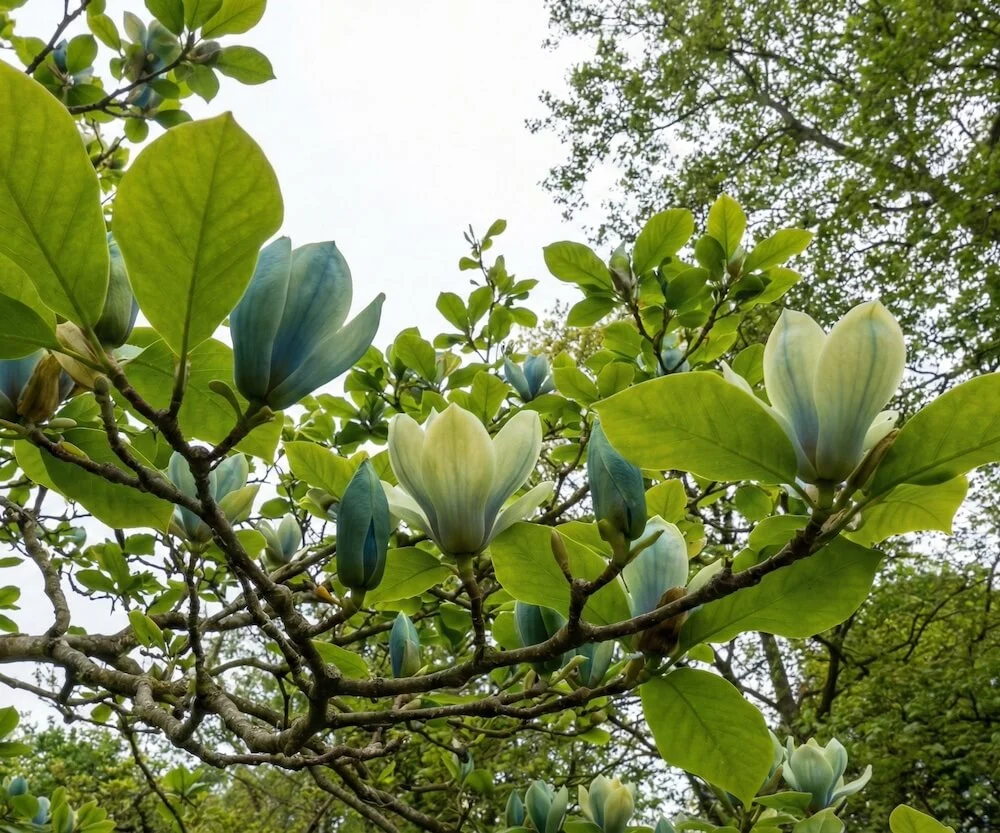
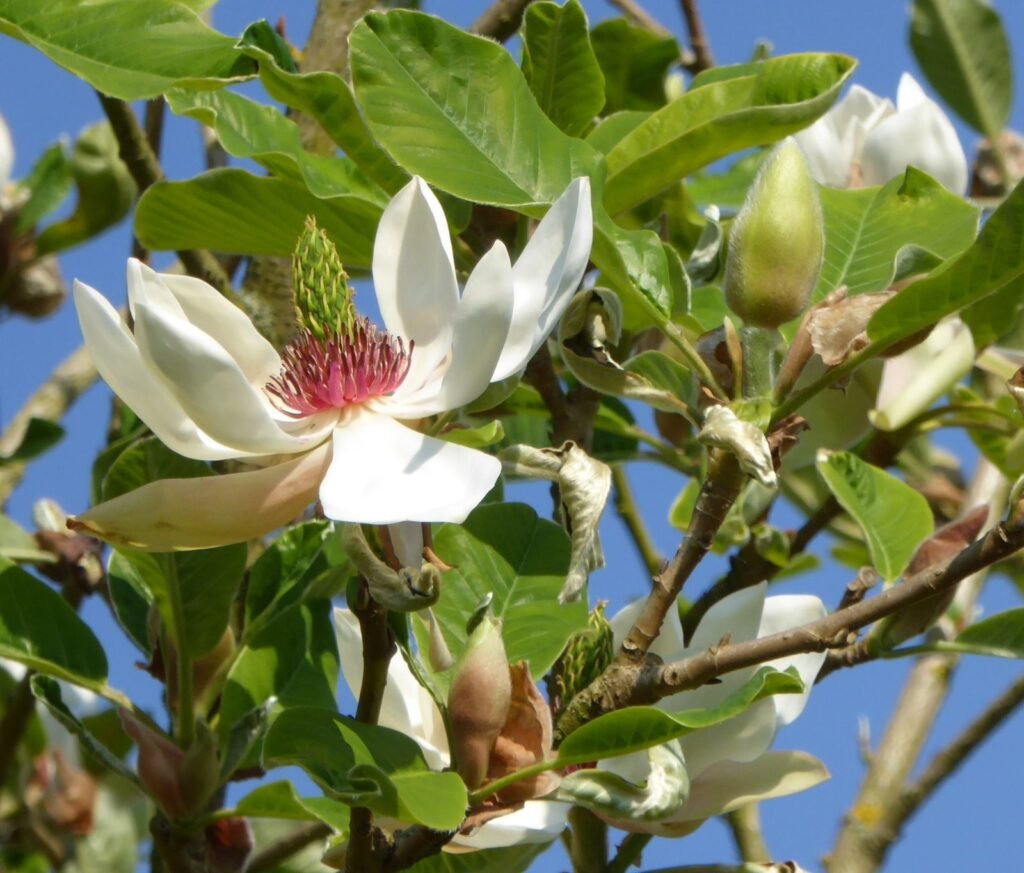
- Creamy, fragrant spring flowers
- Smooth gray bark rich in magnolol and honokiol
- A mature height of 20–30 meters
- A long life span with moderate growth rate
Its bark is the prized portion used traditionally for digestion, stress relief, bloating, and respiratory support.
Climate & Growing Requirements
Hou Po thrives in:
- Hardiness Zones: 6–9
- Temperature Range: 2°C–30°C
- Humidity: Prefers humid to semi-humid
- Sun Exposure: Partial shade to full sun
- Soil pH: Neutral to slightly acidic (6.0–6.8)
- Drainage: High to moderate
Ideal Planting Conditions:
- Forest garden edges
- Moist but well-drained soil
- Mild winters and cool springs
- Protection from strong, drying winds
How to Grow Hou Po From Seed or Cuttings
1. Growing from Seed
Seeds require stratification to germinate. Key steps:
- Remove fleshy coating
- Cold stratify 60–90 days
- Sow in moist compost & sand mixture
- Maintain humidity but avoid waterlogging
- Germination occurs in spring
Seed-grown trees are slow to mature and involve genetic variability.
2. Growing from Cuttings
Semi-hardwood cuttings yield faster and more reliable results:
- Take 10–15 cm cuttings
- Dip in rooting hormone
- Root in sterile, well-draining medium
- Maintain in a misting environment
- Transplant after root establishment
3. Growing from Layering
Air layering is another successful approach for home growers.
Propagation Challenges
Growers often encounter:
- Slow initial growth
- Sensitivity to overwatering
- Need for climatic consistency
- Root establishment delays
Mulching and soil biodiversity can drastically improve survival rates.
Hou Po Tree Varieties & Hybrids
Though not commonly hybridized as heavily as ornamental magnolias, known varieties include:
- M. officinalis var. biloba — Split leaf form
- M. officinalis var. officinalis — Standard medicinal type
Related magnolia species sometimes substituted for herbal bark include:
- Magnolia grandiflora
- Magnolia biondii
- Magnolia bark hybrids
However, medicinal potency varies.
Medicinal & Therapeutic Uses
Hou Po bark is used for:
- Bloating & gas relief
- Digestive stimulation
- Nervous tension & anxiety
- Respiratory congestion
- Mild antimicrobial effects
Key Active Compounds:
- Magnolol
- Honokiol
- Essential oils & polysaccharides
It’s traditionally processed through steaming & drying for proper potency.
Food & Culinary Uses
Though less common in Western cuisine, Hou Po is used in:
Herbal Teas & Decoctions
Provides warming, aromatic, slightly bitter flavor.
Soup & Broth Infusions
Enhances depth while adding digestive benefits.
Steamed Rice & Grain Sachets
Used similarly to bay leaf for aroma.
Bitters & Digestive Tonics
Excellent companion for citrus peels and liquor bases.
Use sparingly due to bitterness.
Harvesting & Processing Hou Po
Harvest Season: Late spring–early autumn
How to Harvest
- Cut bark sections carefully to avoid ring-barking
- Best harvested from branches, not trunk
- Use clean tools to reduce tree stress
- Allow bark to dry fully before storage
Post-Harvest Processing
- Steam briefly to activate compounds
- Dry in warm shaded area
- Store in sealed, low-humidity containers
Pests & Diseases
Common issues include:
- Scale insects
- Aphids
- Powdery mildew
- Leaf miners
Organic management options:
- Neem oil sprays
- Beneficial insects (ladybugs, lacewings)
- Pruning to increase airflow
- Mycorrhizal soil amendments
Landscape & Ecological Benefits
Hou Po offers:
- High ornamental value
- Pollinator attraction during bloom
- Shade & canopy structure
- Soil microbial improvement
- Habitat value in woodland guilds
Excellent in permaculture agroforestry designs.
Sustainability & Ethical Sourcing Concerns
Due to overharvesting in some regions, cultivation helps ensure botanical preservation. Domestic or small-scale cultivation supports sustainable herbalism.
Final Thoughts
Hou Po (Magnolia officinalis) is more than just a medicinal bark tree—it’s a multi-purpose botanical with horticultural, ecological, medicinal, and culinary value. Whether grown for herbalism, landscape interest, or experimental cooking, it offers rewards to patient growers willing to cultivate it with respect.



&media=https://food-foresting.com/wp-content/uploads/2026/01/magnolia-3451721_1280.jpg)