
 paulius.mikoliunas1
| Common Name | Kiwi |
| Family | Actinidiaceae |
| USDA hardiness | 3-8 |
| Known Hazards | None known |
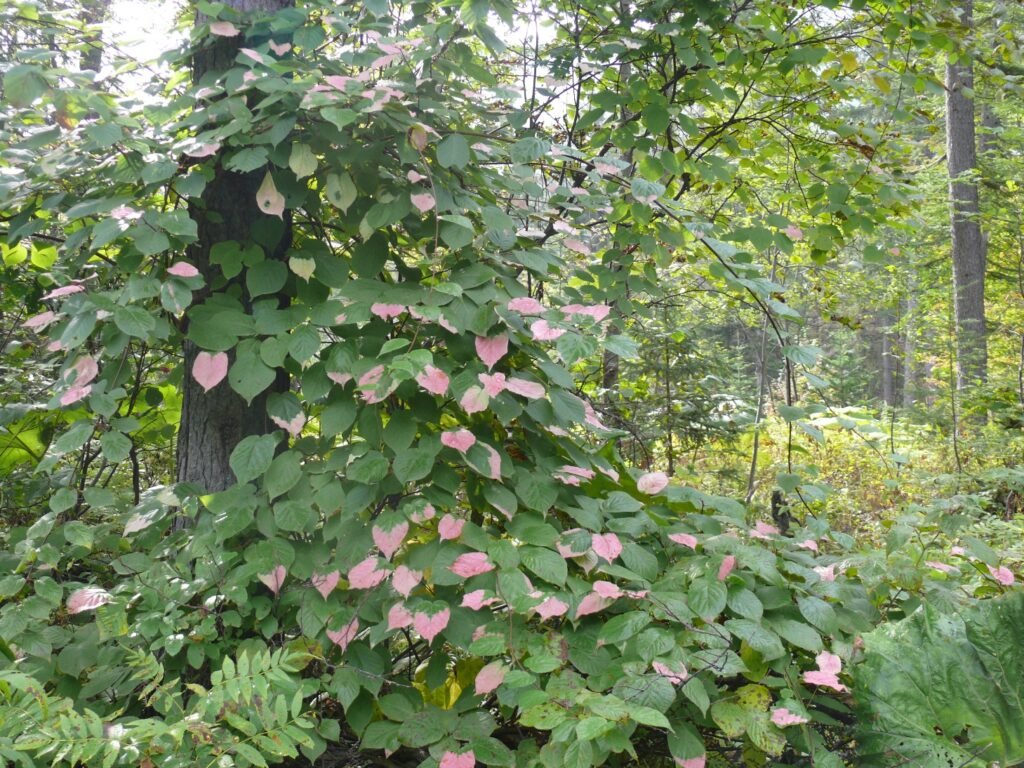
| Habitats | Coniferous woodlands and hedges in mountains throughout Japan. Mountain mixed forests in open places at elevations of 1600 – 2900 metres in China. |
| Range | E. Asia – China, Japan, E. Siberia. |
| Edibility Rating |   (4 of 5) (4 of 5) |
| Other Uses |  (0 of 5) (0 of 5) |
| Weed Potential | No |
| Medicinal Rating |  (0 of 5) (0 of 5) |
| Care (info) |     |
Kiwi Fruit (Actinidia kolomikta): Complete Guide to Growing, Propagation, Varieties, Uses, Food Ideas, and Harvesting
Kiwi fruit is no longer just a tropical curiosity. One of the most fascinating and cold-hardy kiwi species, Actinidia kolomikta, is gaining popularity among home gardeners, permaculture enthusiasts, and small-scale farmers. Often called Arctic kiwi or hardy kiwi, this vigorous vine produces aromatic, nutrient-dense fruits while also serving as a stunning ornamental plant.
In this in-depth guide, you’ll learn how to grow, propagate, harvest, and use Actinidia kolomikta, explore its varieties, and discover delicious food options made from this unique fruit.
What Is Actinidia kolomikta?
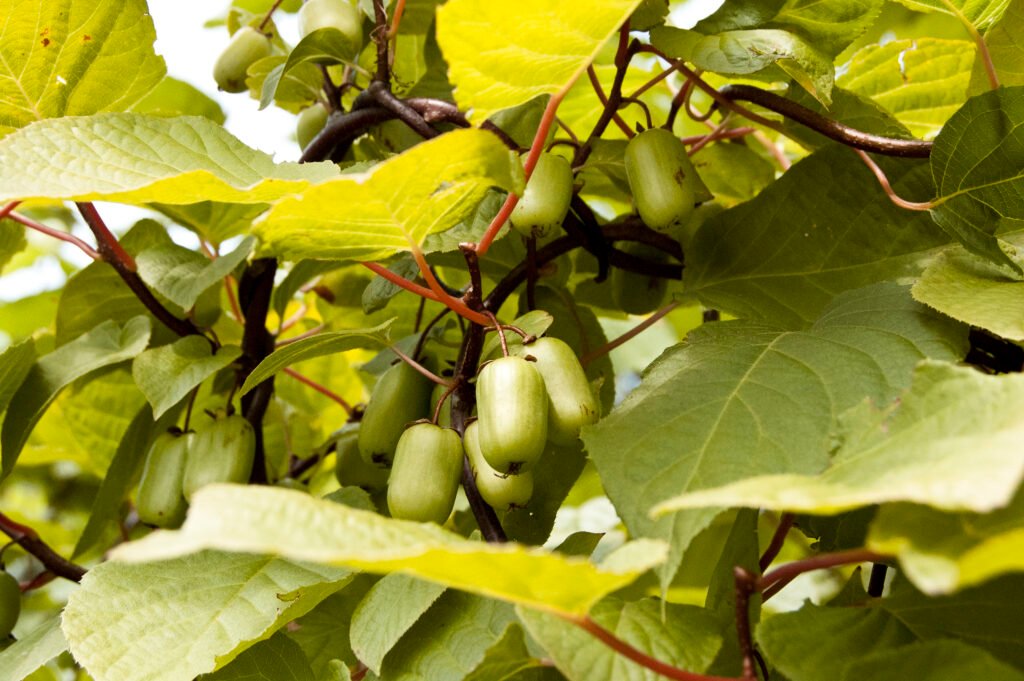
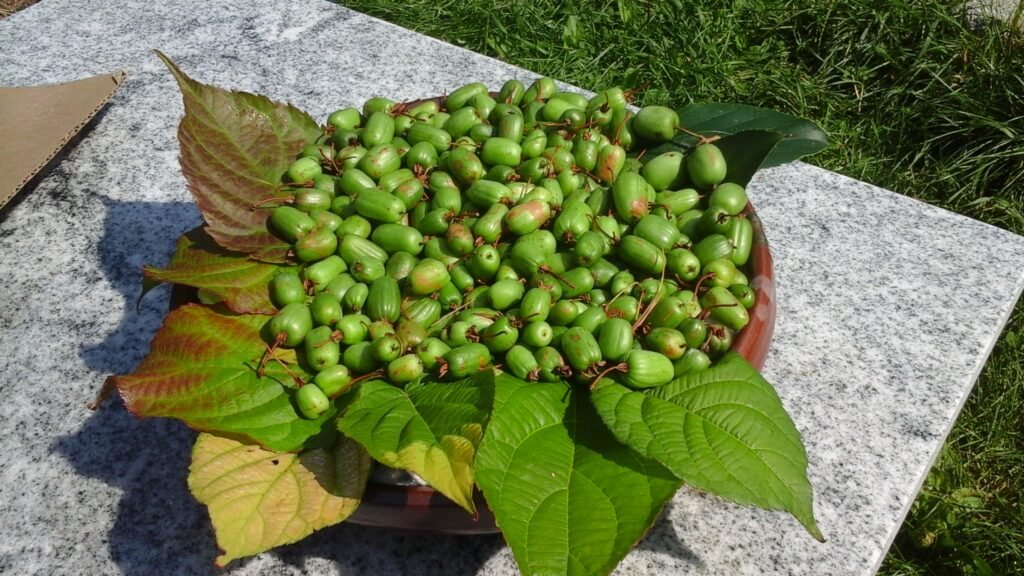
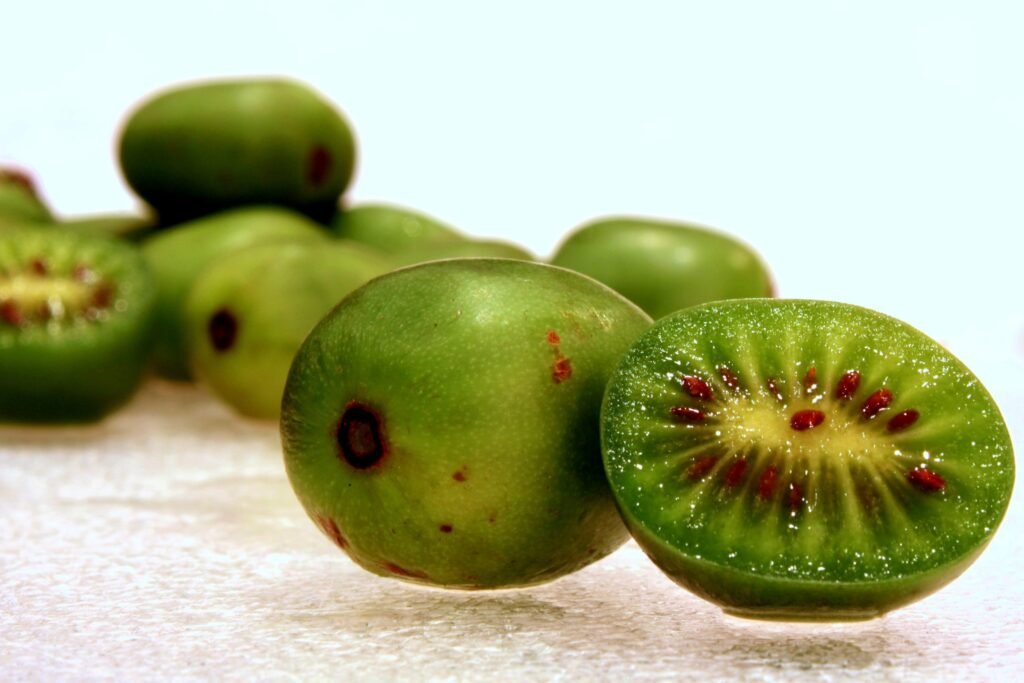
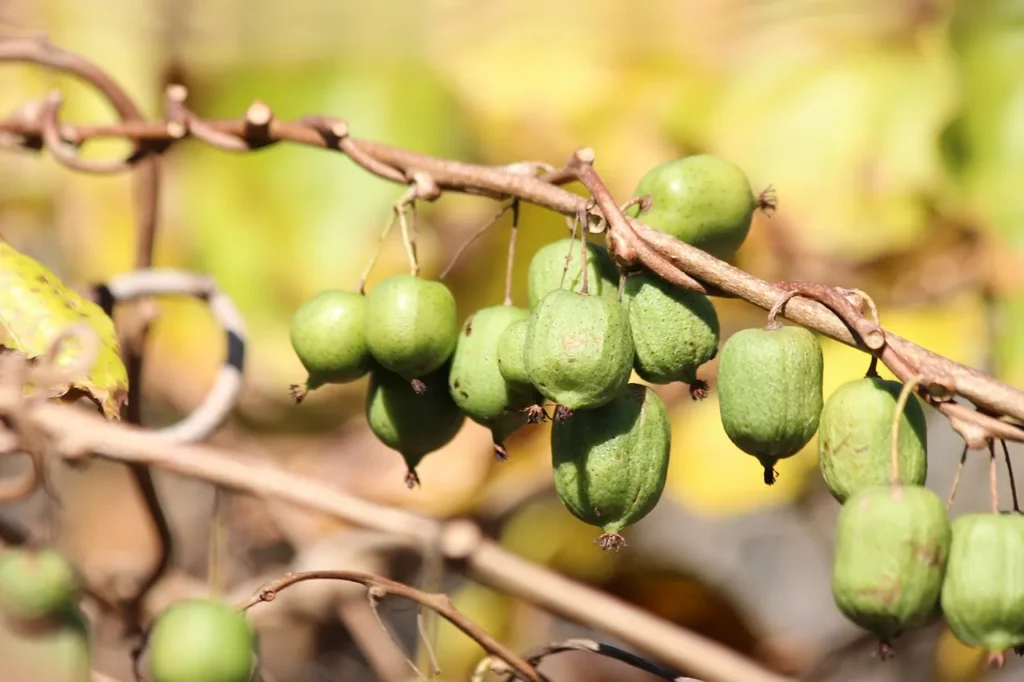
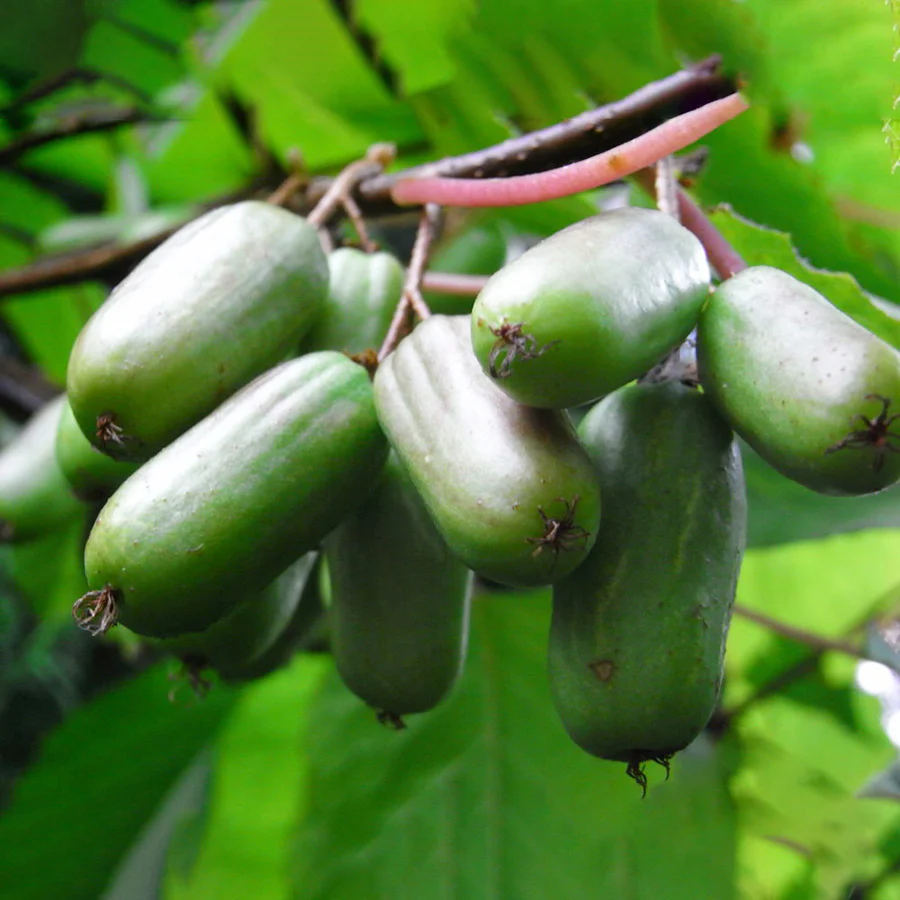
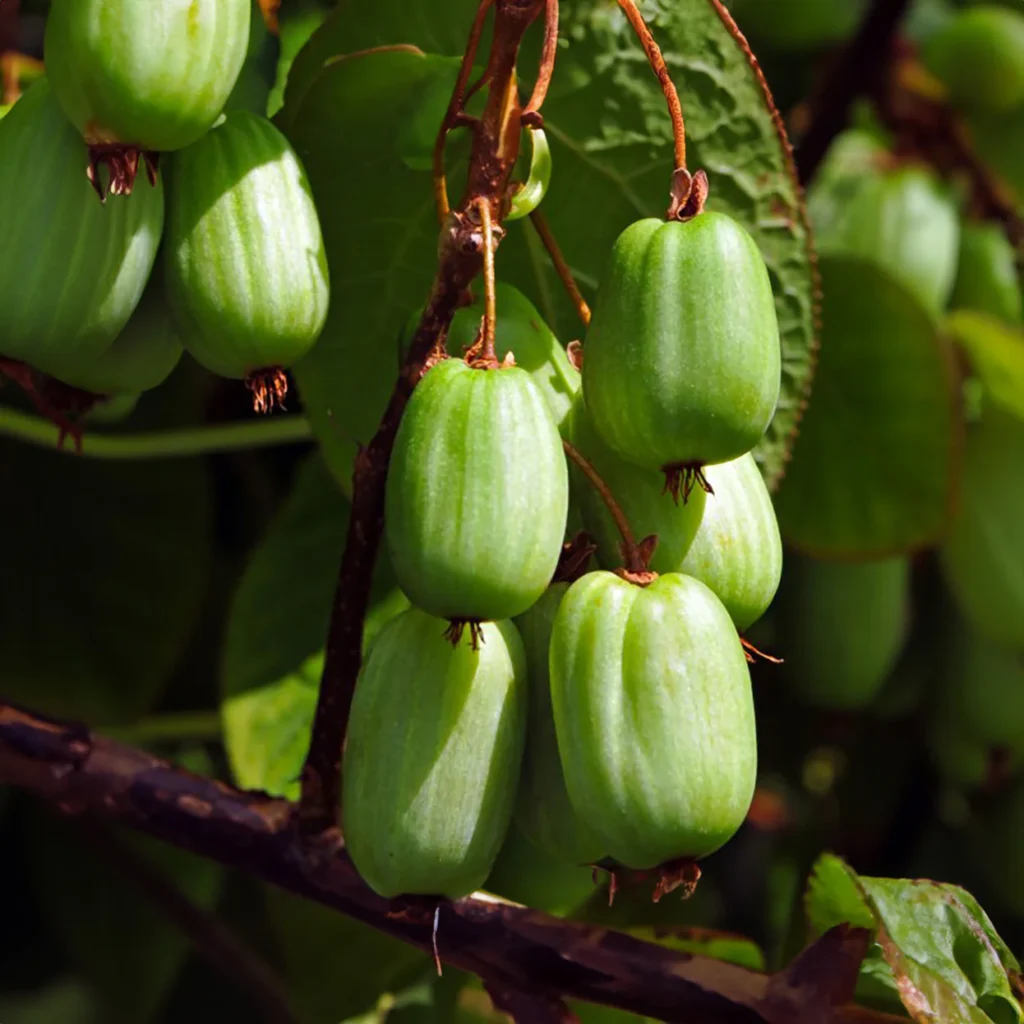
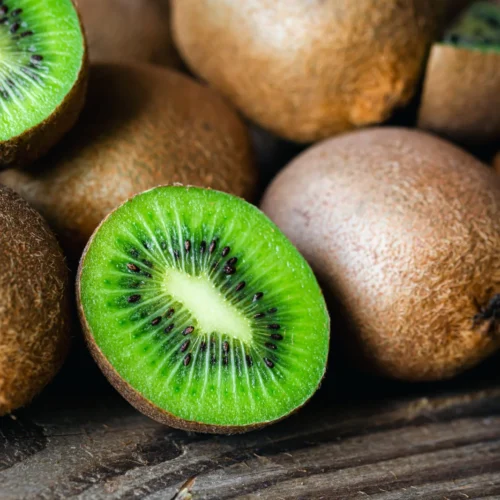
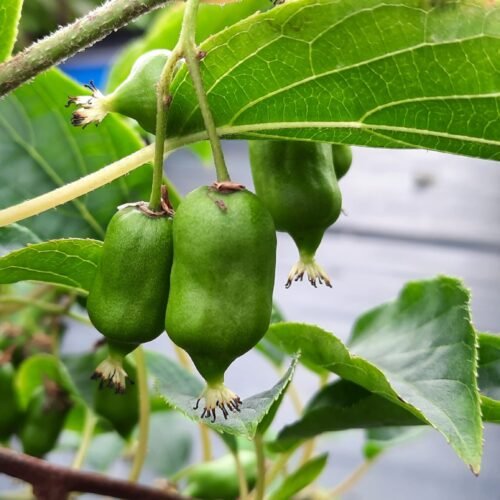
Actinidia kolomikta is a deciduous climbing vine native to East Asia. Unlike the fuzzy supermarket kiwi, its fruit is smooth-skinned, smaller, and sweeter, often eaten whole without peeling.
Key Characteristics
- Extremely cold hardy (down to –40°C / –40°F)
- Fast-growing climbing vine
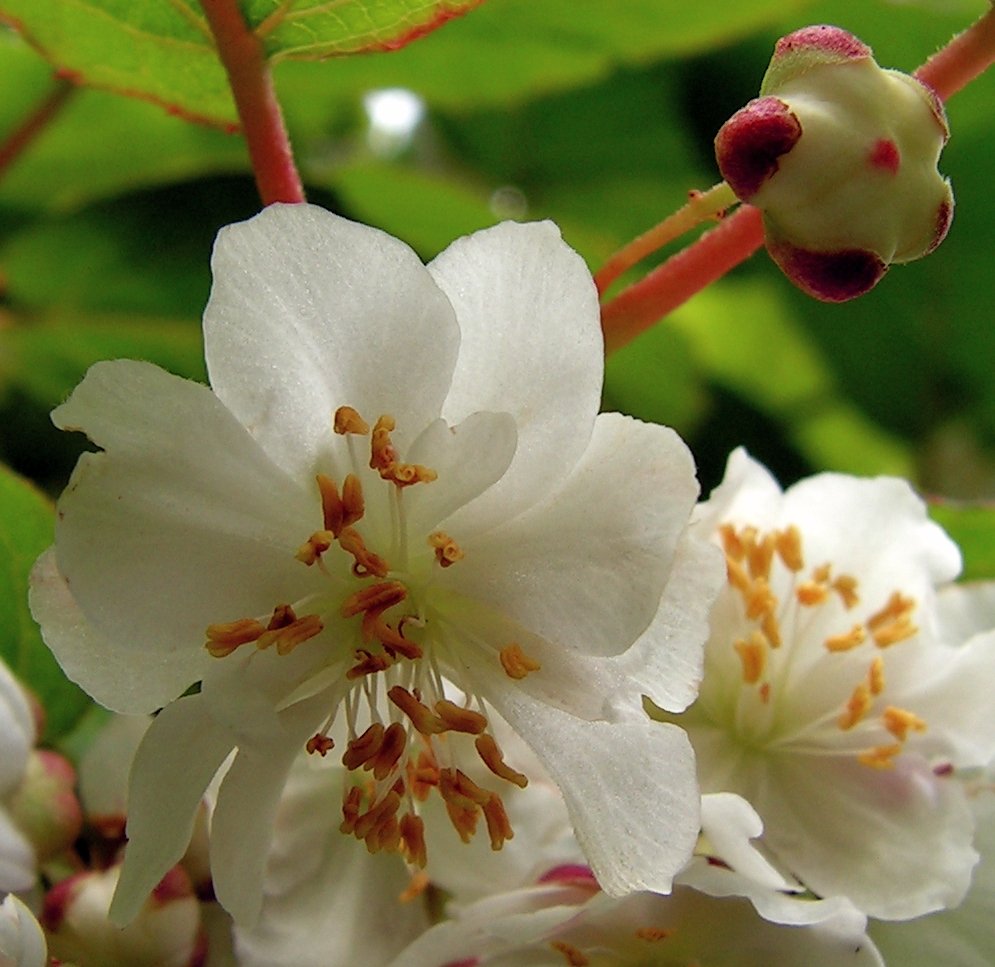
- Fragrant white flowers
- Edible berries rich in vitamin C
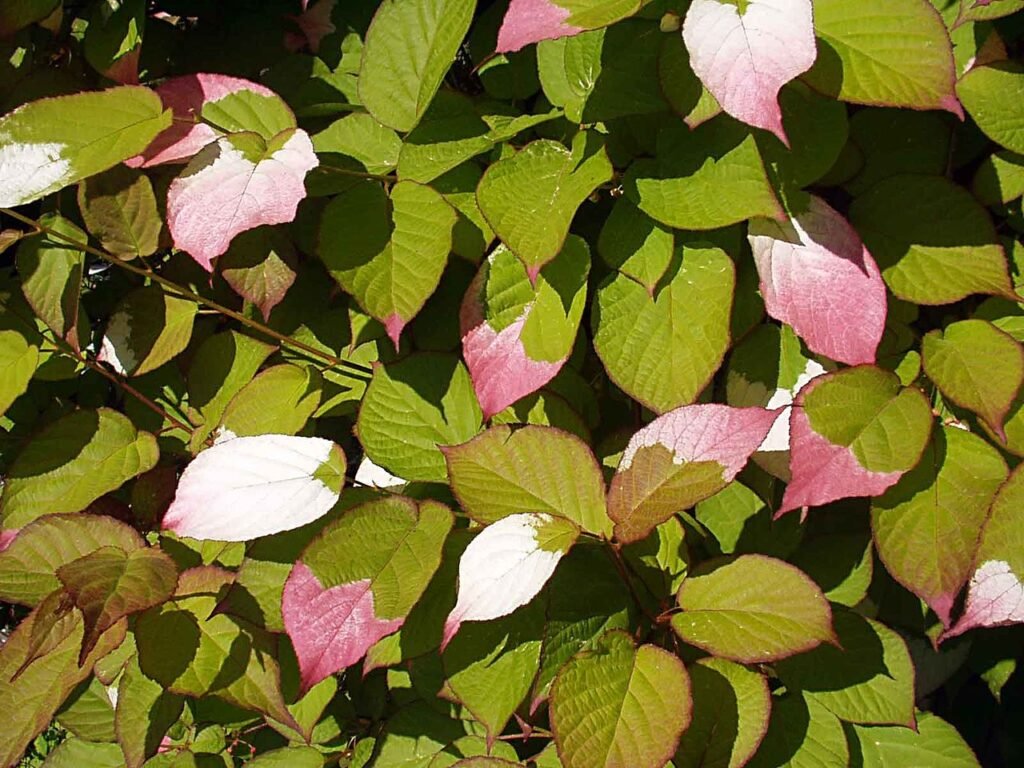
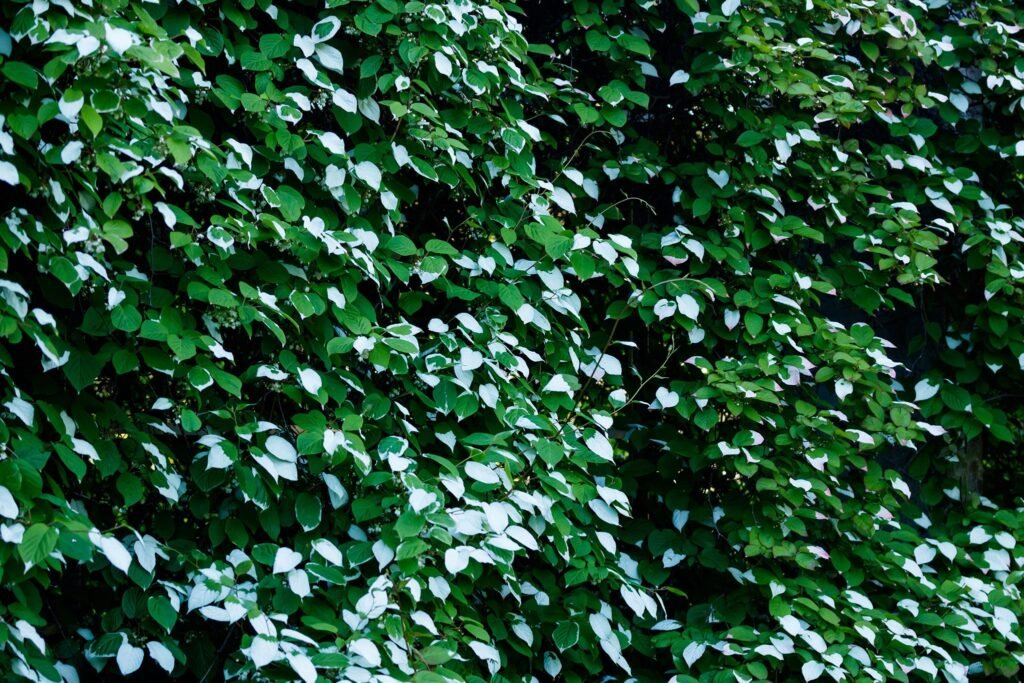
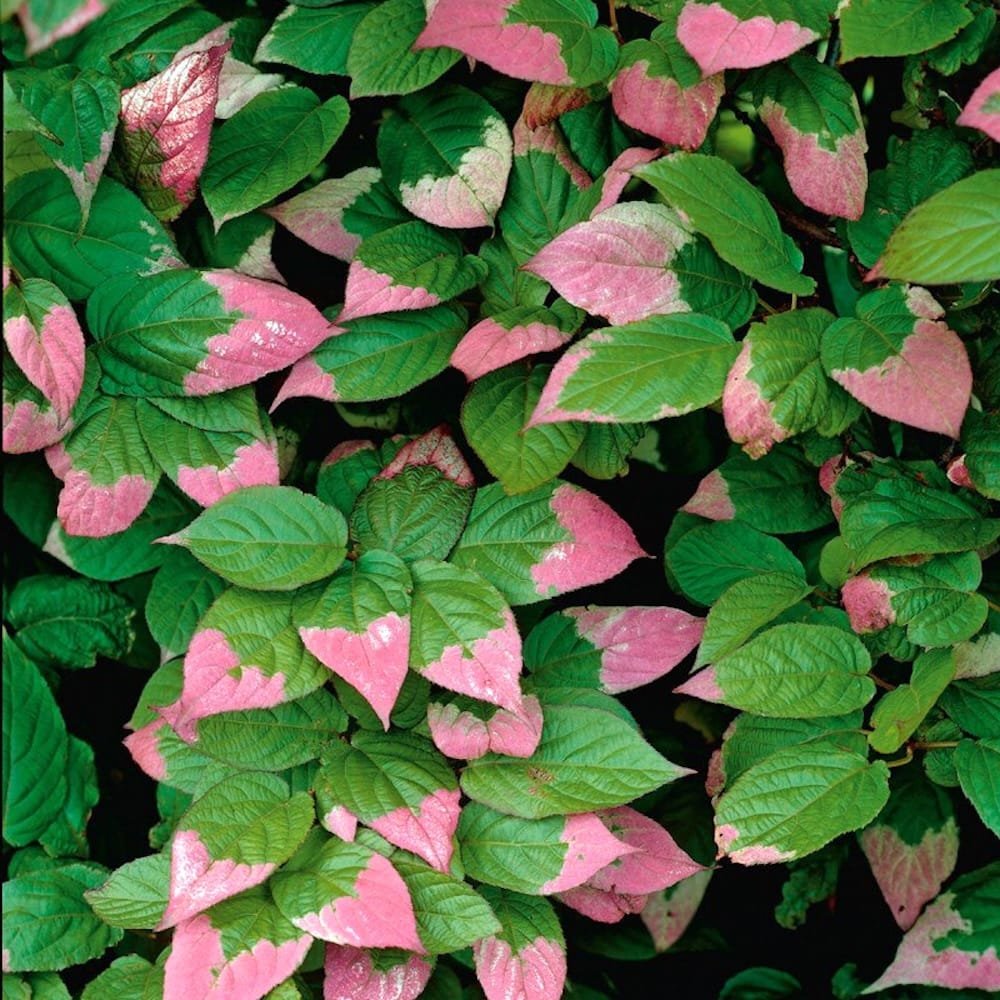
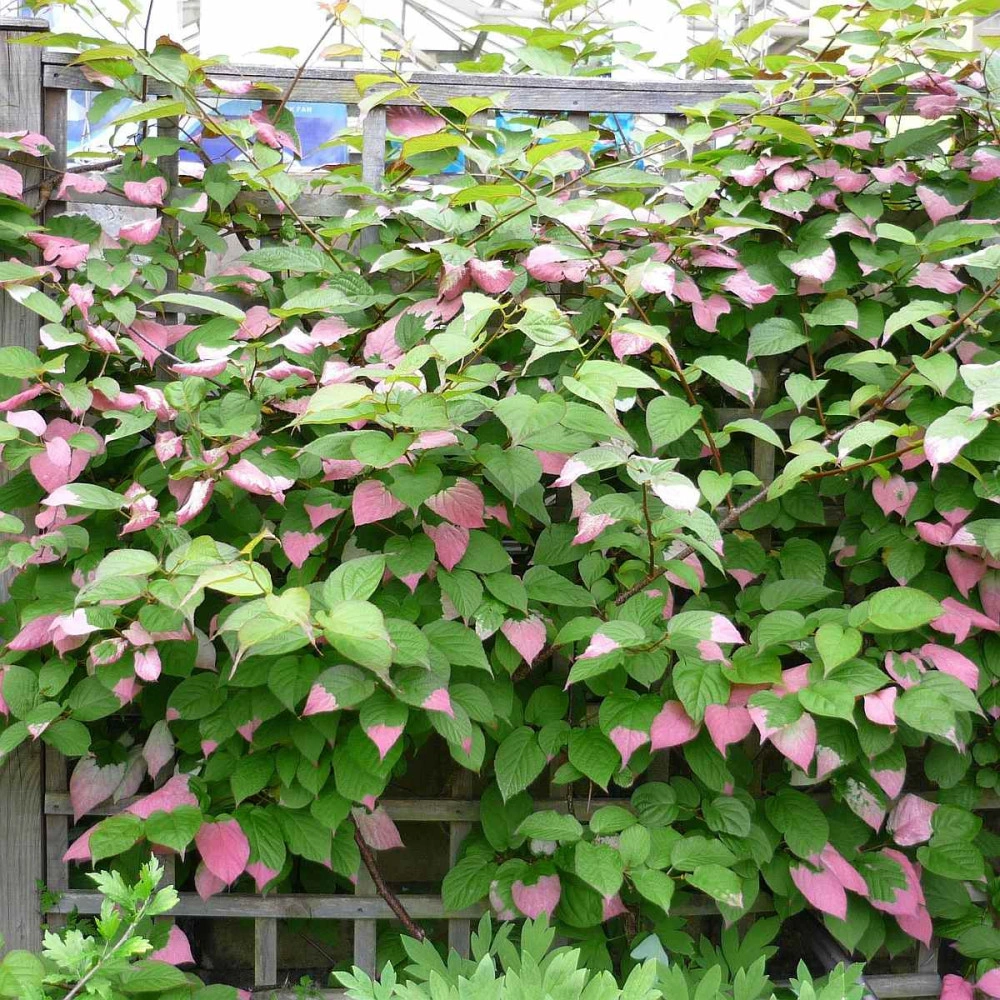
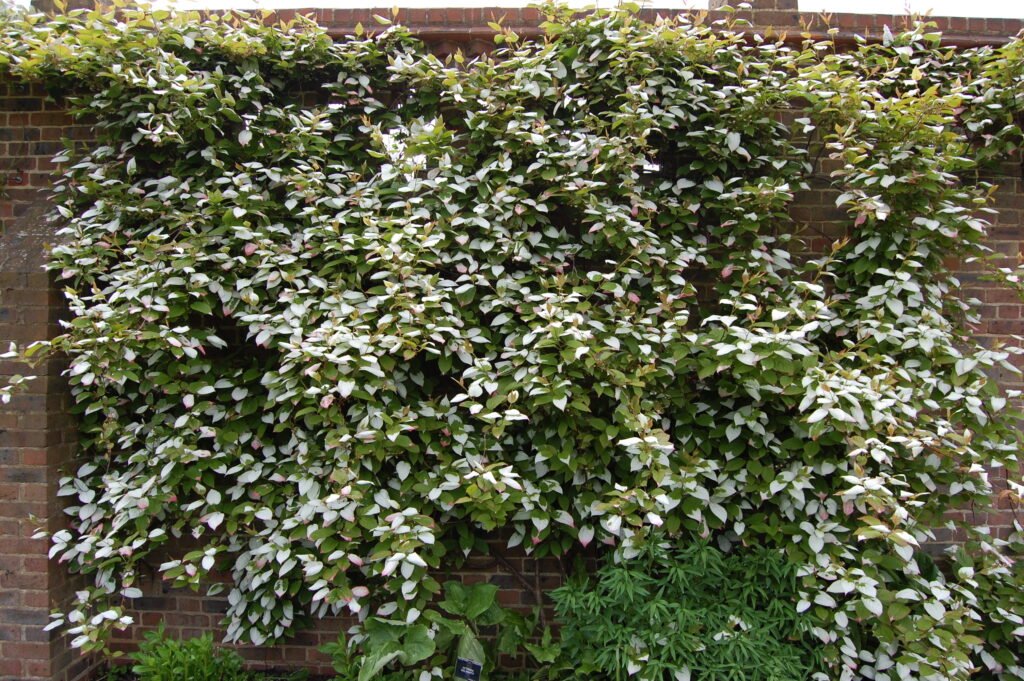
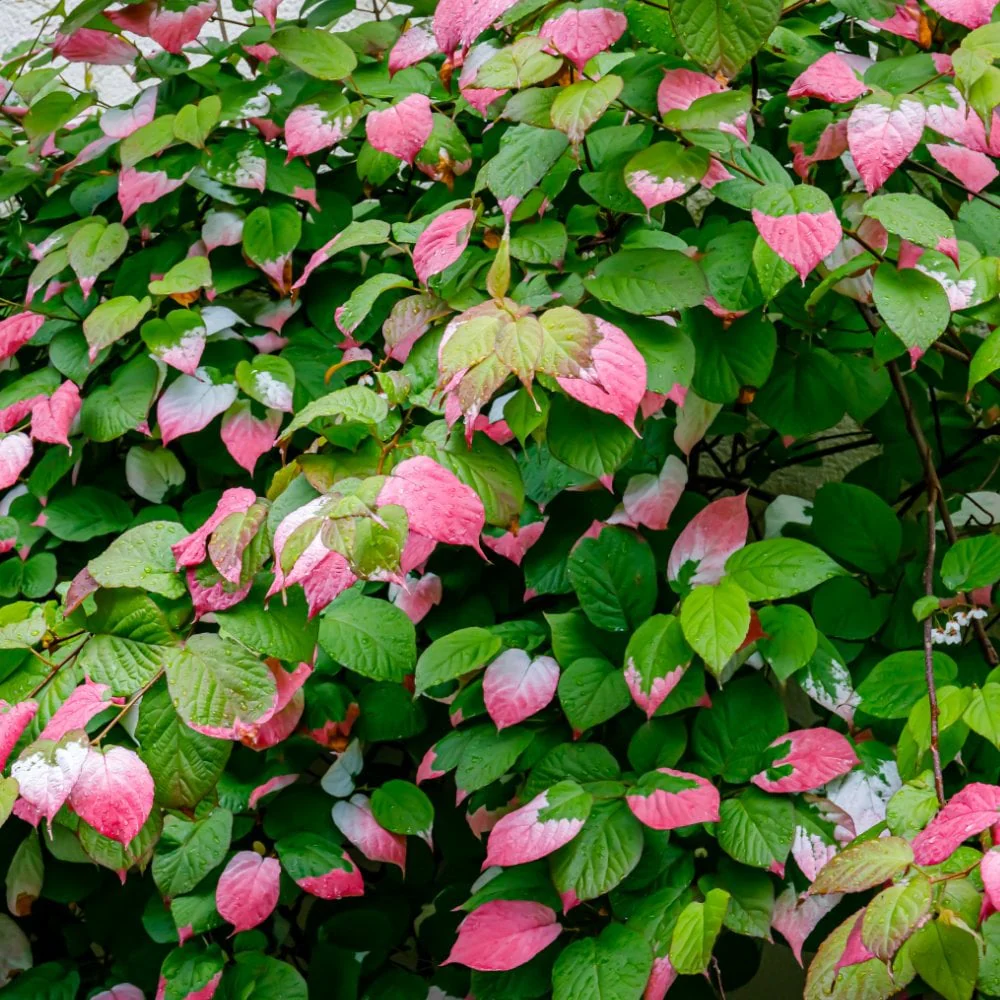
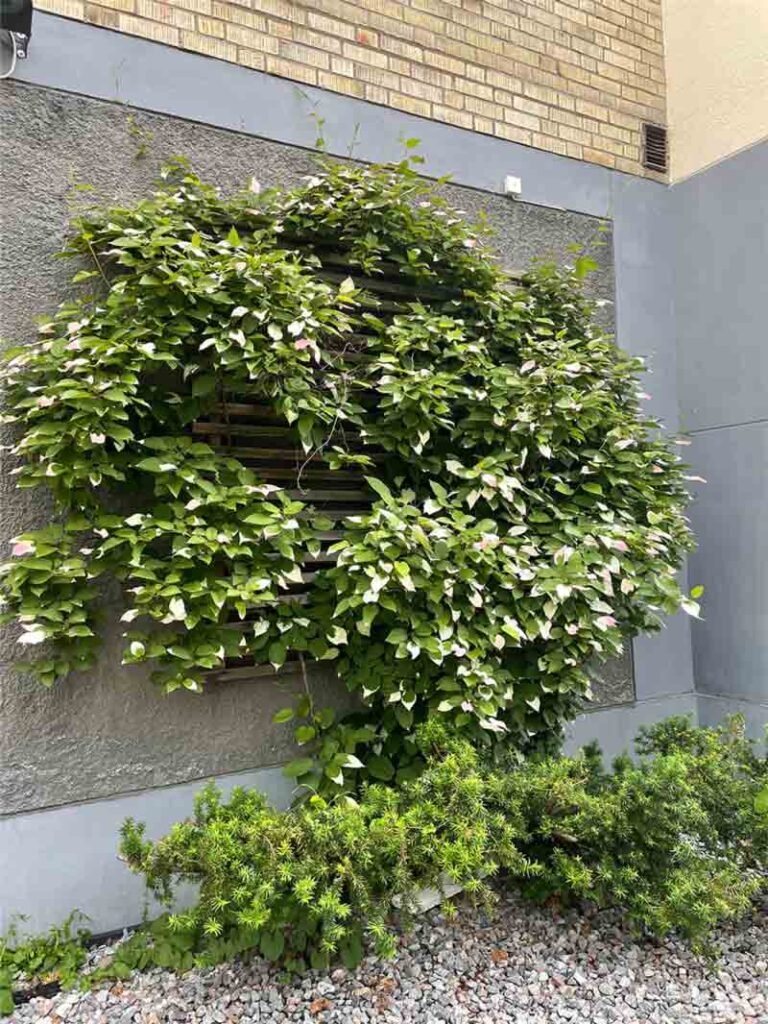
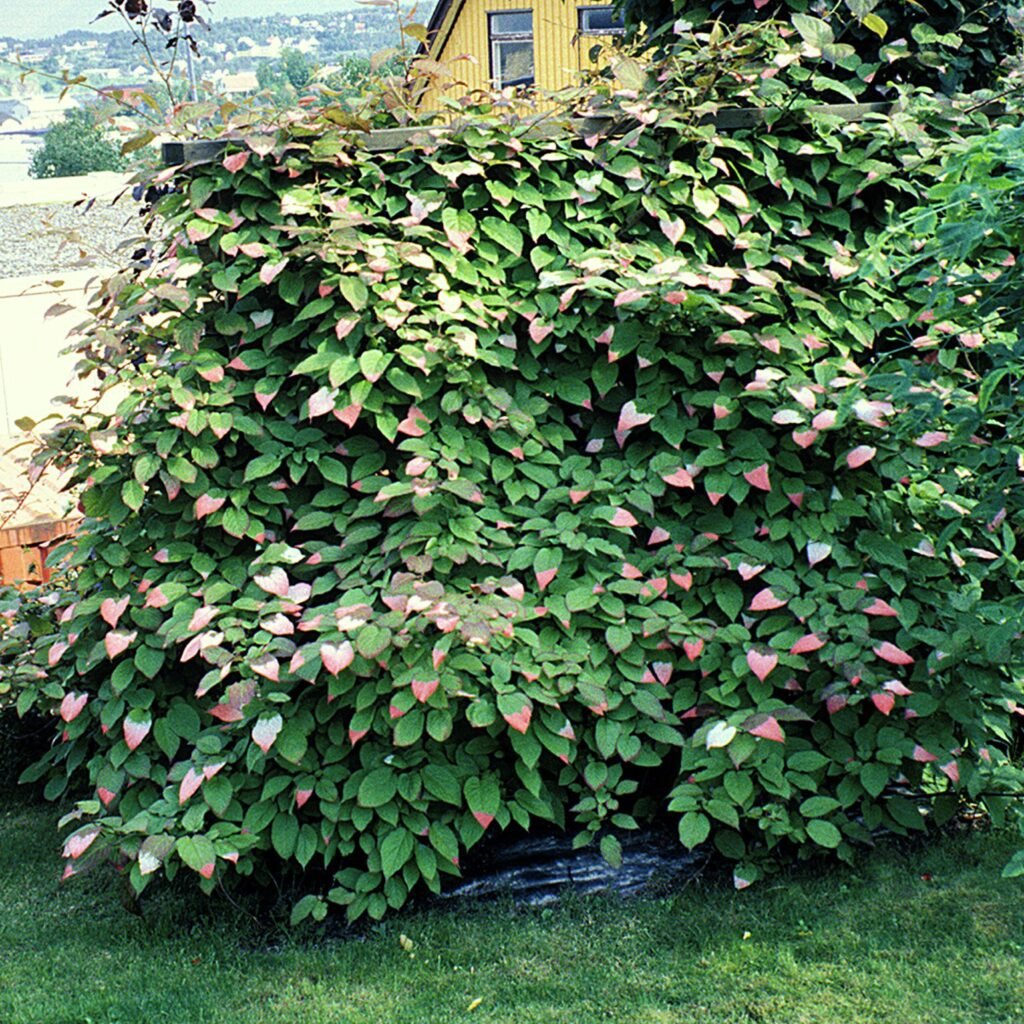
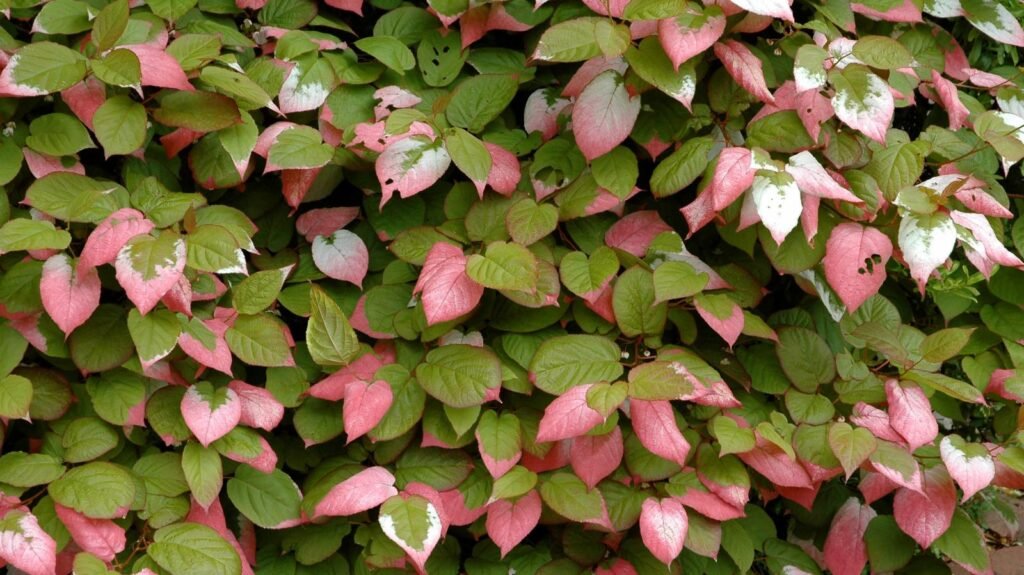
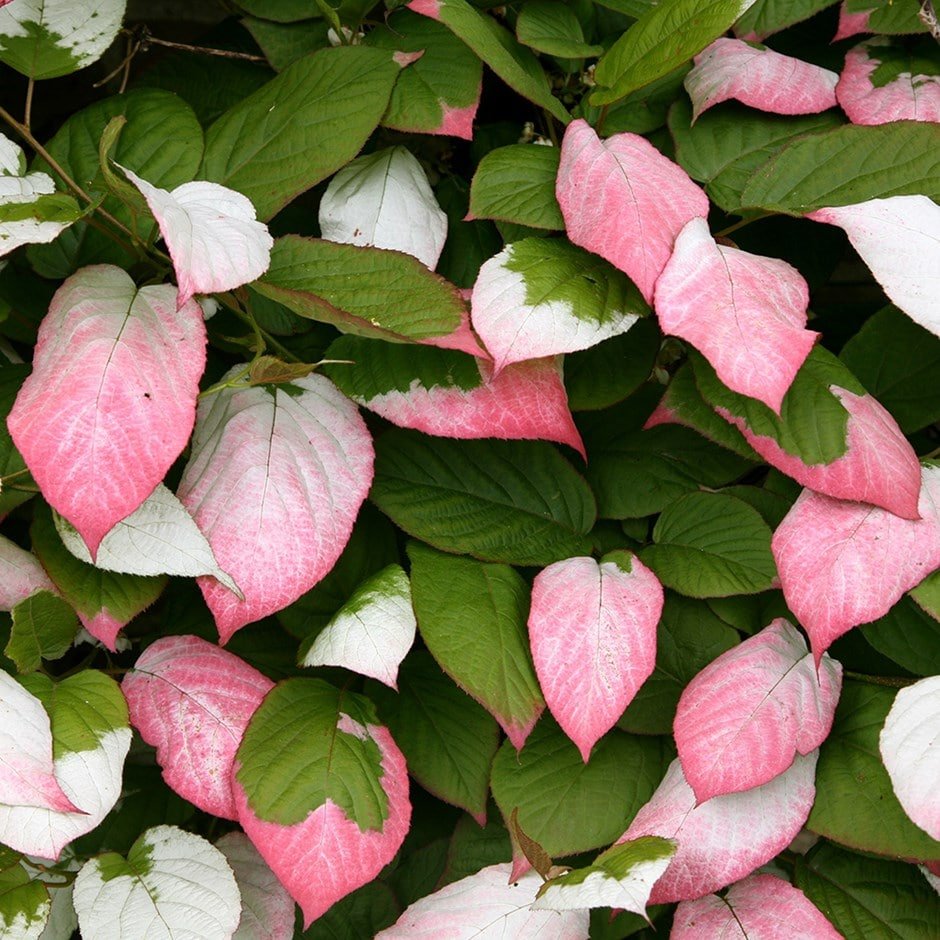
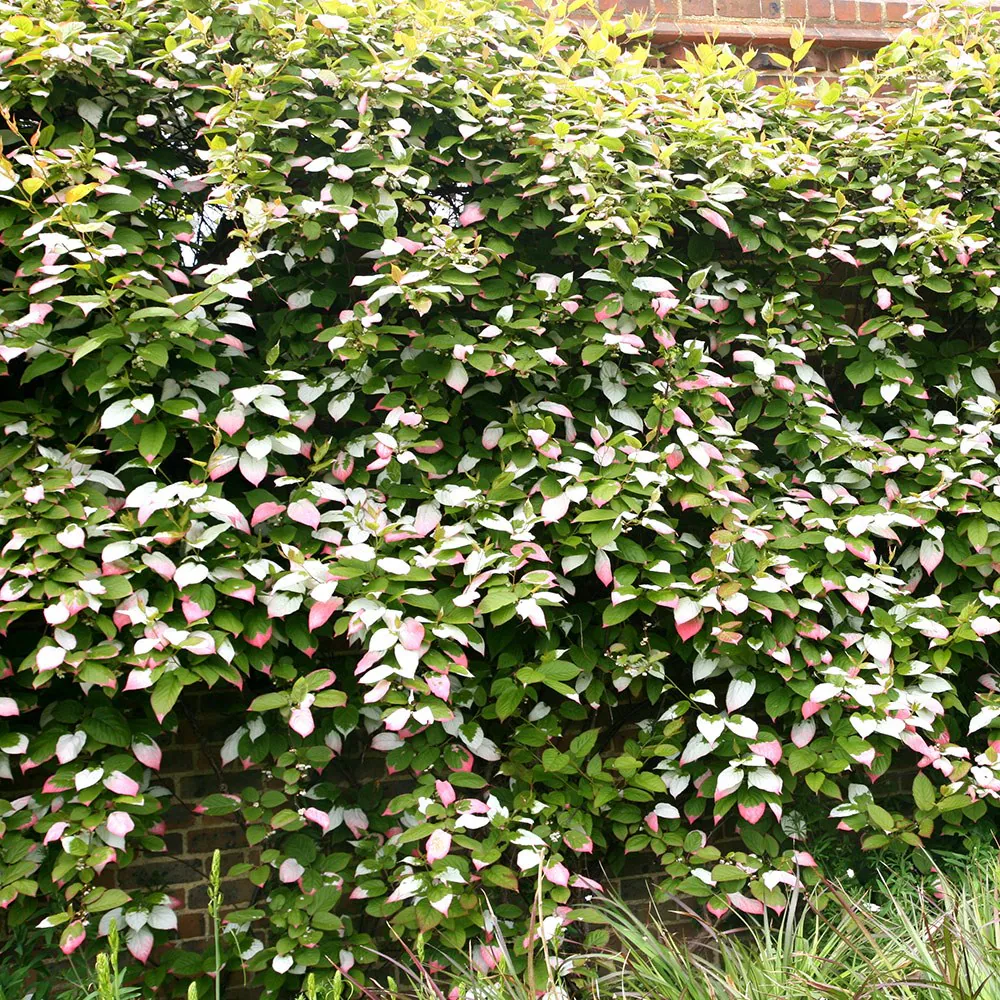
- Ornamental foliage with pink, white, and green variegation (especially on male plants)
How to Grow Kiwi Fruit (Actinidia kolomikta)
Climate and Location
Actinidia kolomikta thrives in cool to cold climates, making it ideal for regions where traditional kiwi vines fail.
Best conditions:
- USDA zones: 3–8
- Full sun to partial shade
- Sheltered from strong winds
- South or east-facing location preferred
Soil Requirements
Healthy soil is essential for strong vines and abundant fruit.
Ideal soil conditions:
- Well-draining loam
- Slightly acidic pH (5.5–6.5)
- Rich in organic matter
- Moist but never waterlogged
Adding compost or aged manure before planting significantly improves results.
Planting Kiwi Vines
- Plant in early spring after frost risk passes
- Space plants 8–12 feet apart
- Install trellises, pergolas, or fences at planting time
- Water deeply after planting
⚠️ Kiwi vines are climbers—strong structural support is non-negotiable.
Male and Female Plants
Actinidia kolomikta is dioecious, meaning male and female flowers grow on separate plants.
- 1 male plant can pollinate up to 6–8 female plants
- Only female plants produce fruit
- Male plants are often more colorful
Propagation Methods for Actinidia kolomikta
Propagation by Cuttings (Most Reliable)
- Take softwood cuttings in late spring
- Cut 4–6 inch sections below a leaf node
- Remove lower leaves
- Dip in rooting hormone
- Plant in moist, sterile growing medium
- Keep warm and humid until roots form
Rooting usually occurs within 4–6 weeks.
Propagation by Seeds
- Clean seeds from ripe fruit
- Cold stratify for 6–8 weeks
- Sow in early spring
- Germination can take several weeks
⚠️ Seed-grown plants may not match the parent plant and take longer to fruit.
Layering
Low-growing vines can be bent to the ground, buried partially, and rooted while still attached to the parent plant.
Popular Varieties of Actinidia kolomikta
1. Arctic Beauty
- Most popular ornamental variety
- Stunning pink and white foliage
- Moderate fruit production
- Excellent cold tolerance
2. Krupnoplodnaya
- Larger fruit size
- High sugar content
- Vigorous growth
- Ideal for fruit-focused growers
3. Dr. Szymanowski
- Balanced ornamental and fruit qualities
- Aromatic berries
- Early fruiting variety
4. Male Pollinator Varieties
- Essential for fruit production
- Often more colorful foliage
- No fruit produced
Pruning and Maintenance
Pruning Schedule
- Winter: Structural pruning while dormant
- Summer: Light pruning to control excessive growth
Remove dead, tangled, or overly vigorous shoots to improve air circulation and fruit quality.
Watering Needs
- Regular watering during establishment
- Consistent moisture during flowering and fruit development
- Mulching helps retain moisture and regulate soil temperature
Fertilization
- Apply balanced organic fertilizer in spring
- Avoid excess nitrogen—it promotes leaves over fruit
- Compost top-dressing works exceptionally well
Harvesting Kiwi Fruit
When to Harvest
- Fruits mature in late summer to early fall
- Harvest when fruits are firm but fully sized
- Flavor improves after picking
Actinidia kolomikta continues to ripen off the vine.
How to Harvest
- Hand-pick gently to avoid bruising
- Use clean pruning shears for clusters
- Store in cool, ventilated containers
Storage Tips
- Store at 0–2°C for extended freshness
- Ripen at room temperature before eating
- Refrigerated fruits can last several weeks
Uses and Benefits of Actinidia kolomikta
Nutritional Benefits
- Extremely high in vitamin C
- Rich in antioxidants
- Contains fiber, potassium, and enzymes
- Supports immune and digestive health
Ornamental Use
- Striking foliage adds visual interest
- Ideal for pergolas, fences, and arbors
- Provides natural shade and privacy
Food Options and Culinary Uses
Actinidia kolomikta is incredibly versatile in the kitchen.
Fresh Uses
- Eaten whole as a snack
- Added to fruit salads
- Blended into smoothies
- Topped on yogurt or cereal
Processed Foods
- Kiwi jam and preserves
- Fruit leather
- Syrups and sauces
- Fermented beverages
Baking and Desserts
- Kiwi tarts and pies
- Muffins and cakes
- Frozen kiwi popsicles
- Sorbet and ice cream
Savory Pairings
- Kiwi salsa for fish or chicken
- Chutneys with herbs and spices
- Salad dressings with citrus notes
⚠️ Kiwi enzymes can tenderize meat—use sparingly in marinades.
Common Problems and Solutions
Pests
- Aphids
- Spider mites
- Scale insects
Natural predators, neem oil, and proper airflow help manage infestations.
Diseases
- Root rot from poor drainage
- Fungal leaf spots in humid conditions
Prevention is key: well-drained soil and proper pruning reduce disease risk.
Final Thoughts
Actinidia kolomikta is more than just a fruiting vine—it’s a hardy, productive, and visually stunning plant that rewards patience with sweet, aromatic berries and striking foliage. Whether you’re growing it for fresh fruit, ornamental beauty, or culinary creativity, this hardy kiwi deserves a place in cold-climate gardens.
With proper care, thoughtful pruning, and the right pollination setup, Actinidia kolomikta can thrive for decades, delivering both beauty and bounty year after year.


&media=https://food-foresting.com/wp-content/uploads/2026/02/4cd2d5bd08267aefd16718daa6e8c086c18aefd9-scaled.jpg)