
 paulius.mikoliunas1
| Common Name | Magellan Barberry |
| Family | Berberidaceae |
| USDA hardiness | 4-8 |
| Known Hazards | None known |
| Habitats | Coastal scrub, forest margins, clearings and moister areas in grass. |
| Range | S. America – S. Chile and S. Argentina. Occasionally naturalized in Britain. |
| Edibility Rating |   (4 of 5) (4 of 5) |
| Other Uses |   (3 of 5) (3 of 5) |
| Weed Potential | No |
| Medicinal Rating |   (2 of 5) (2 of 5) |
| Care (info) |      |
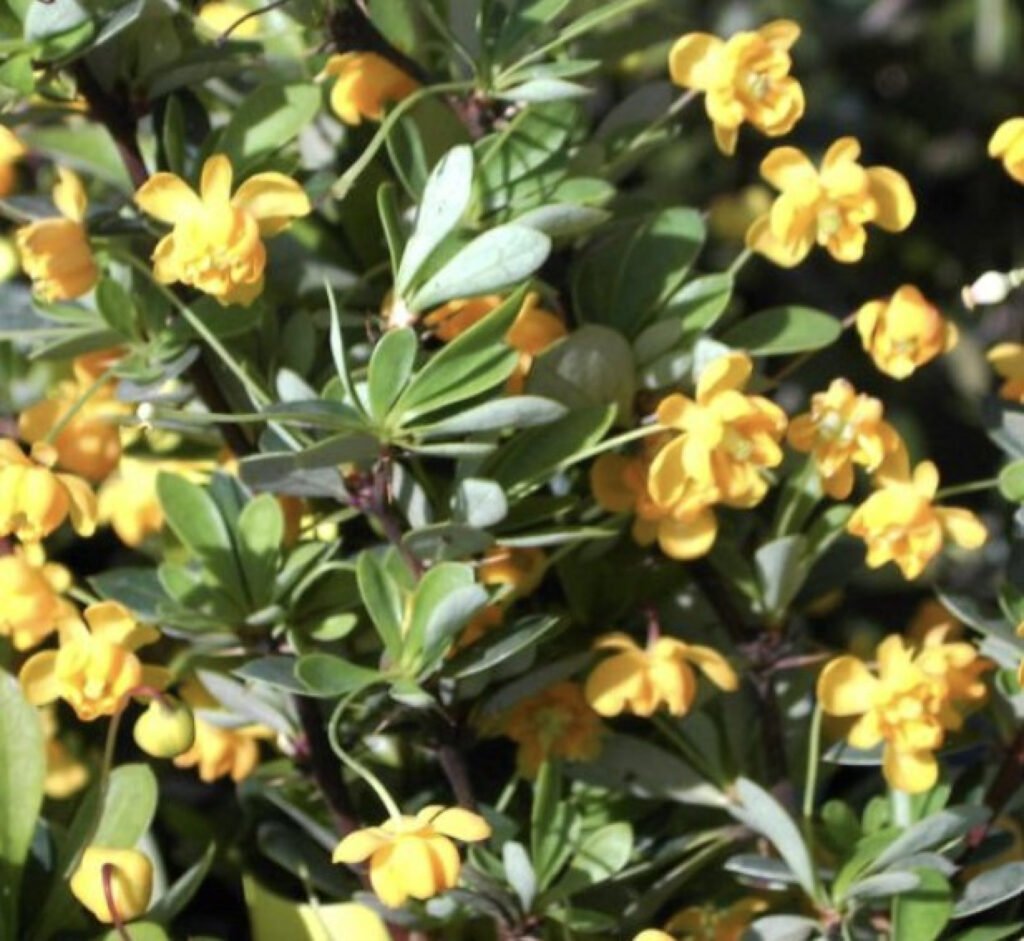
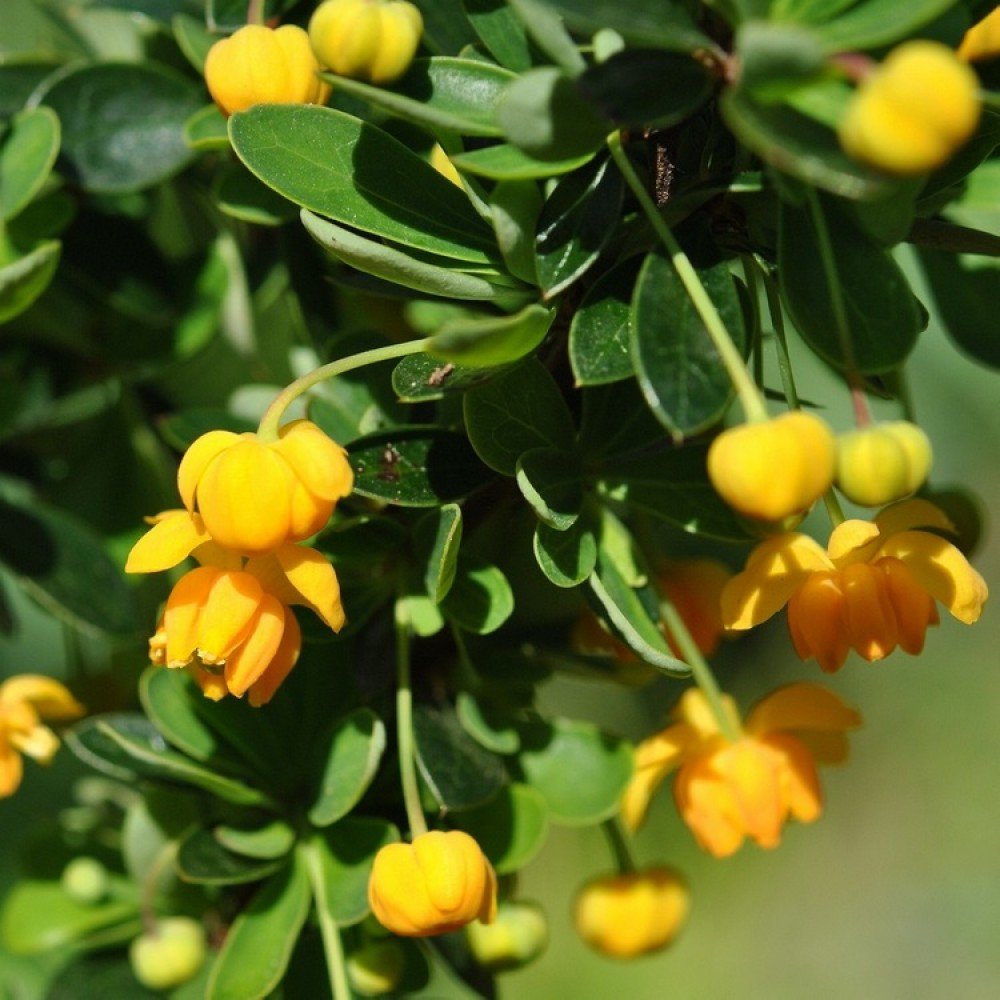

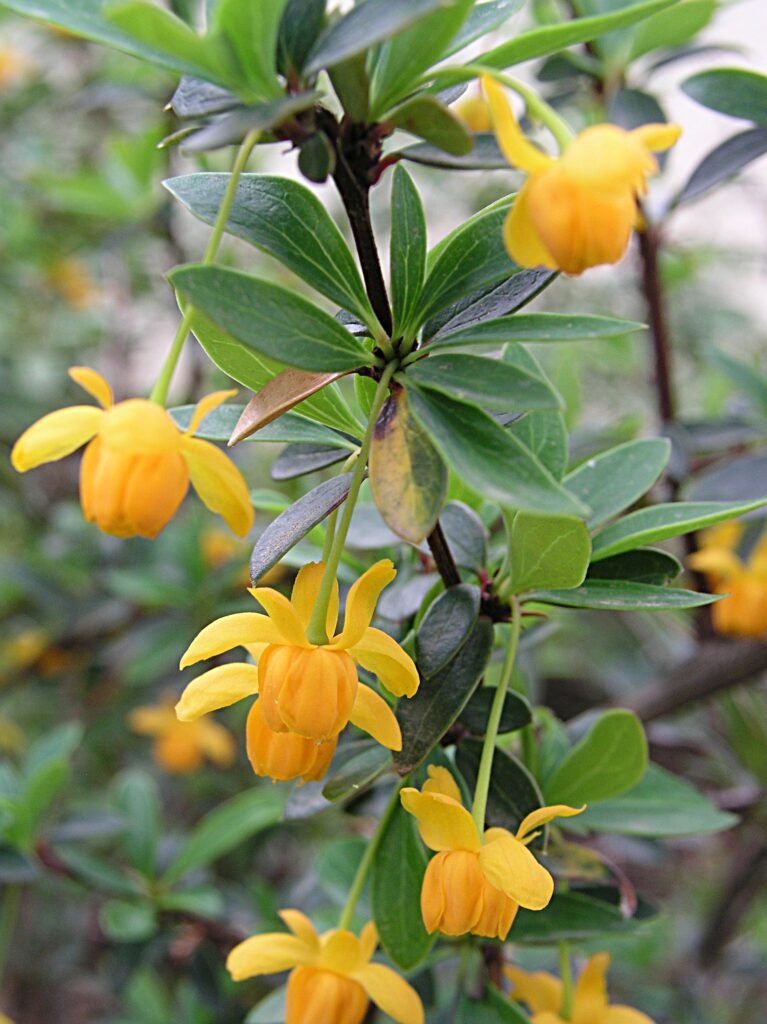

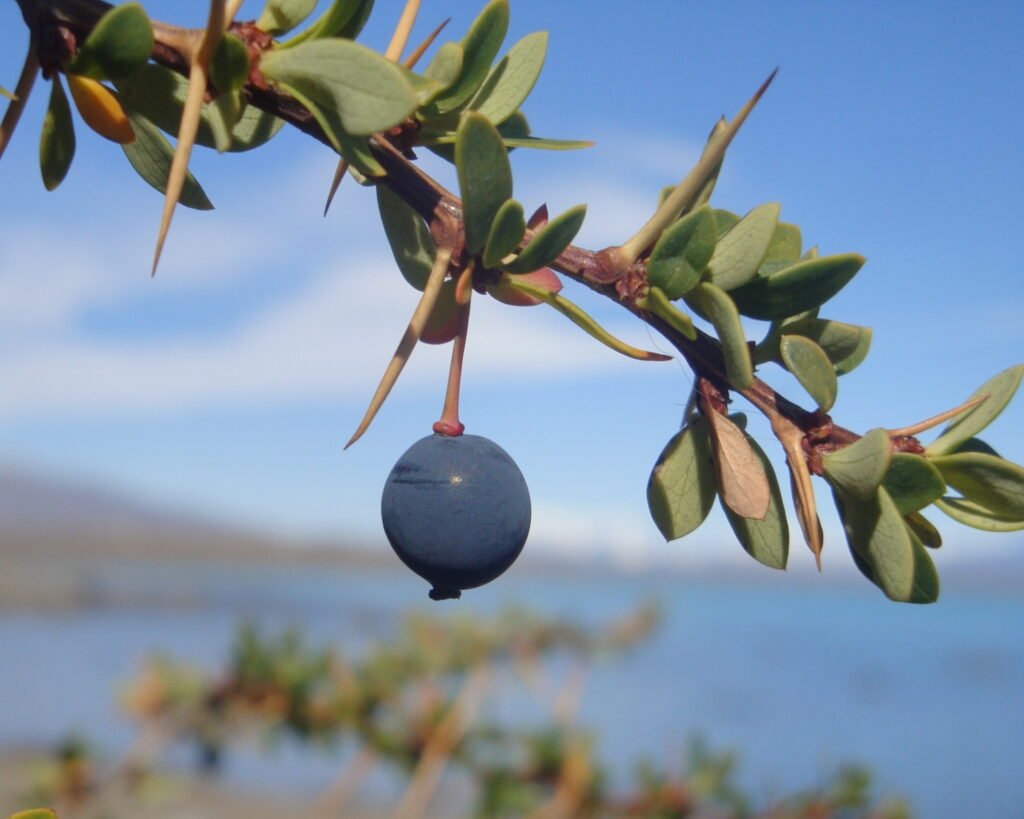
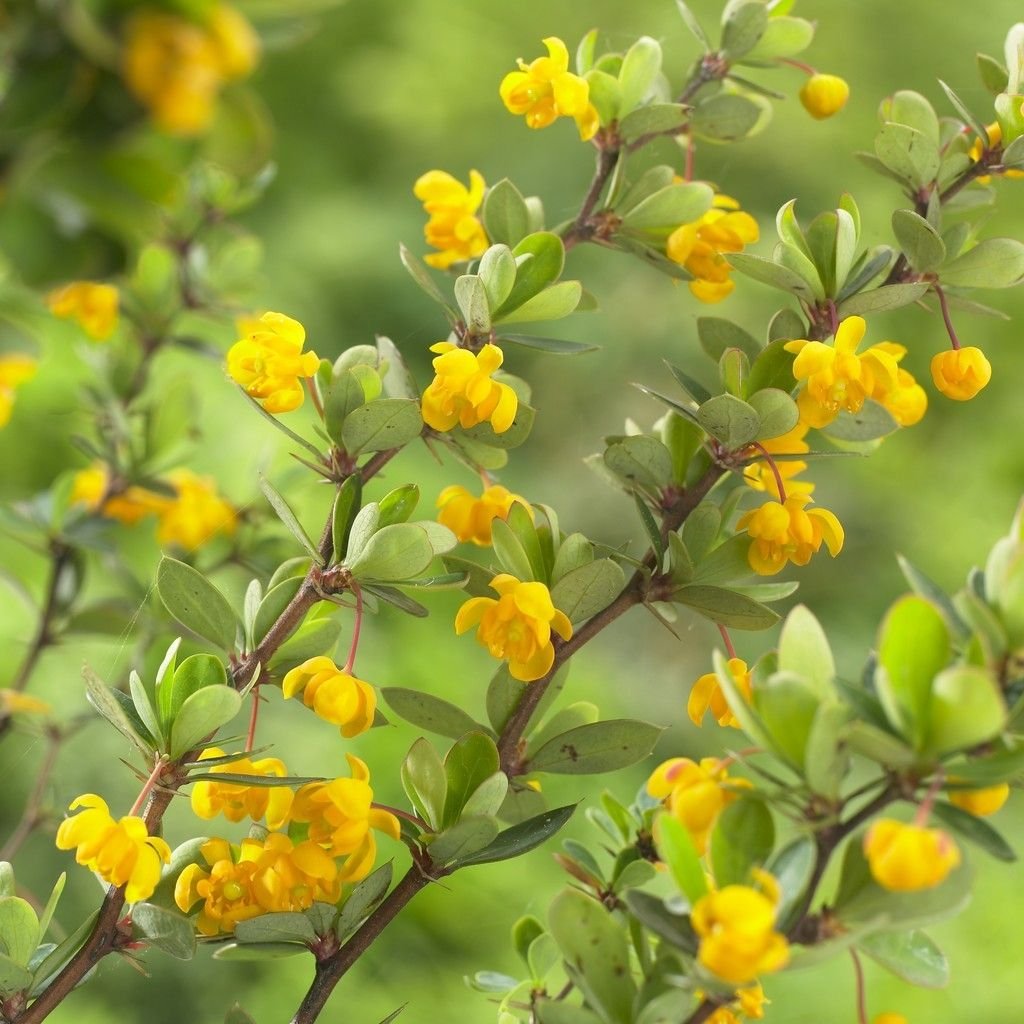
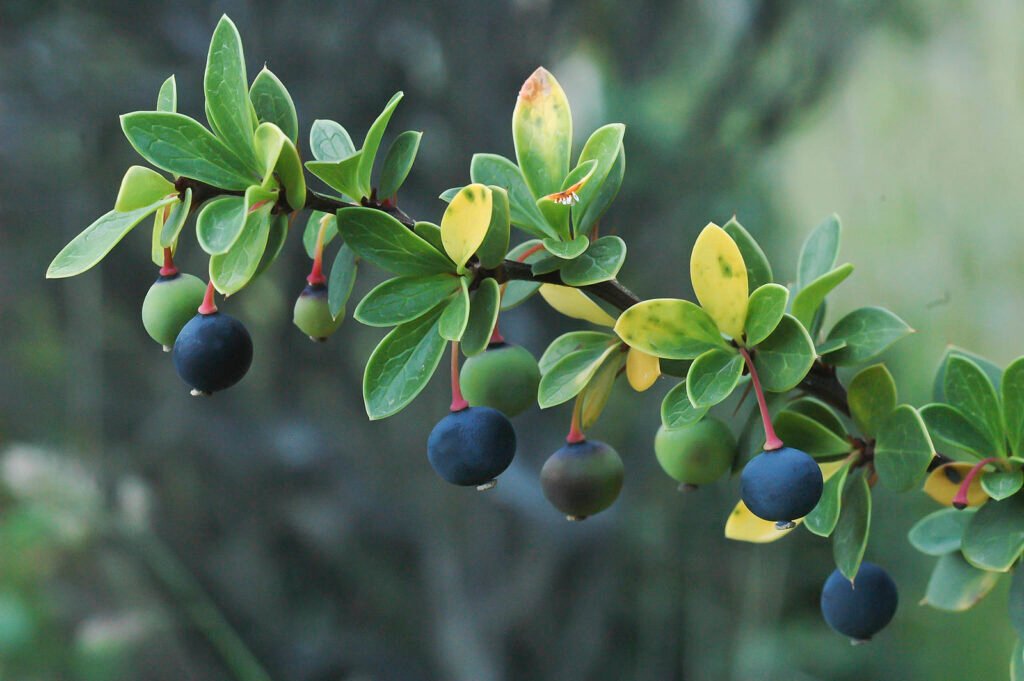
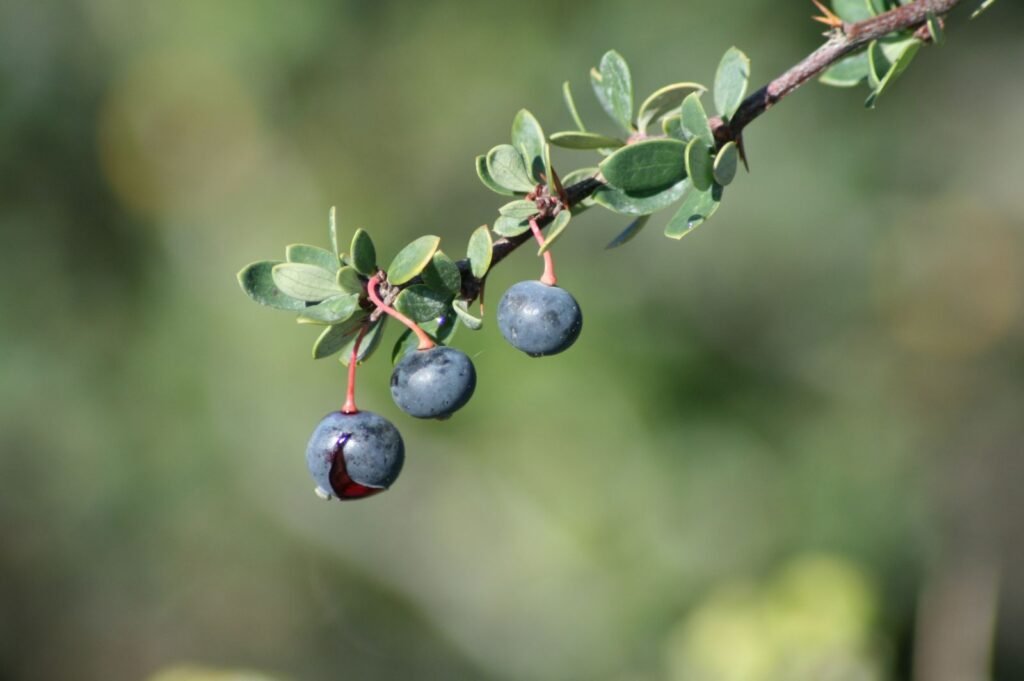
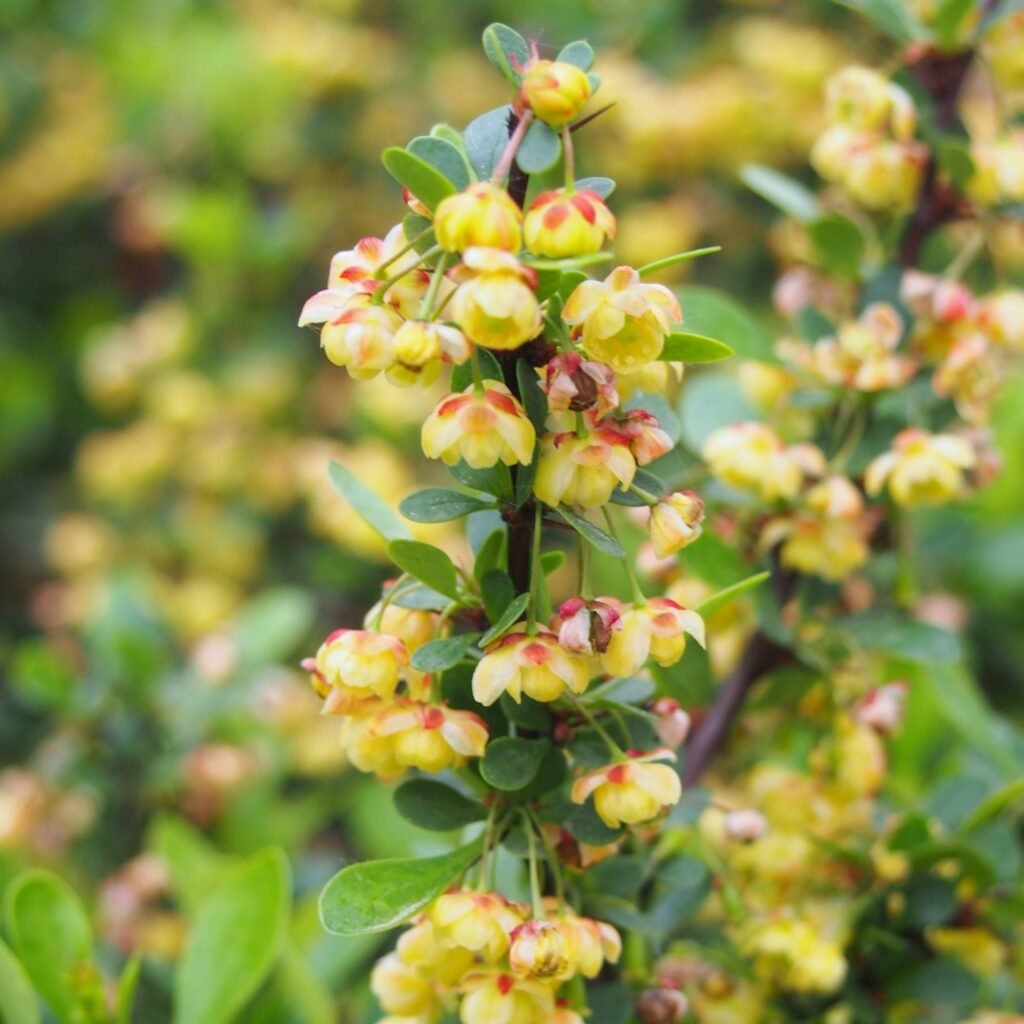
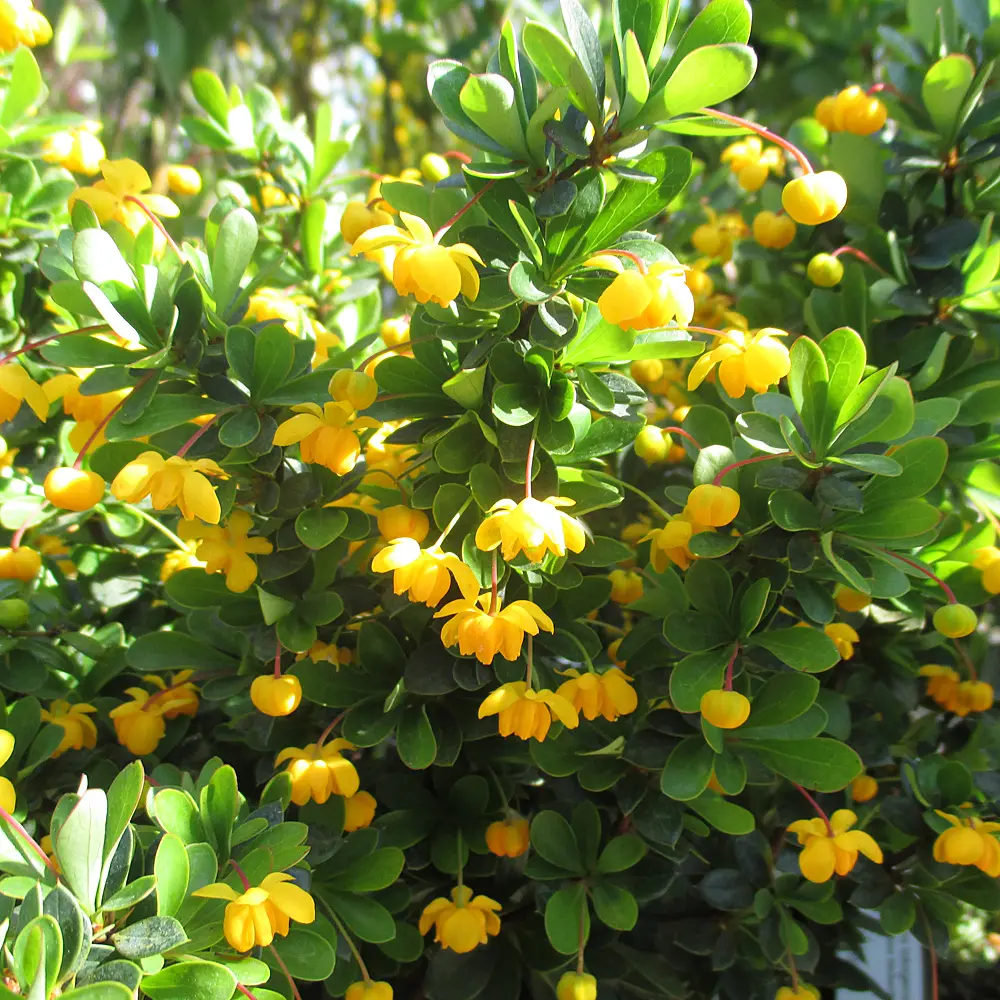
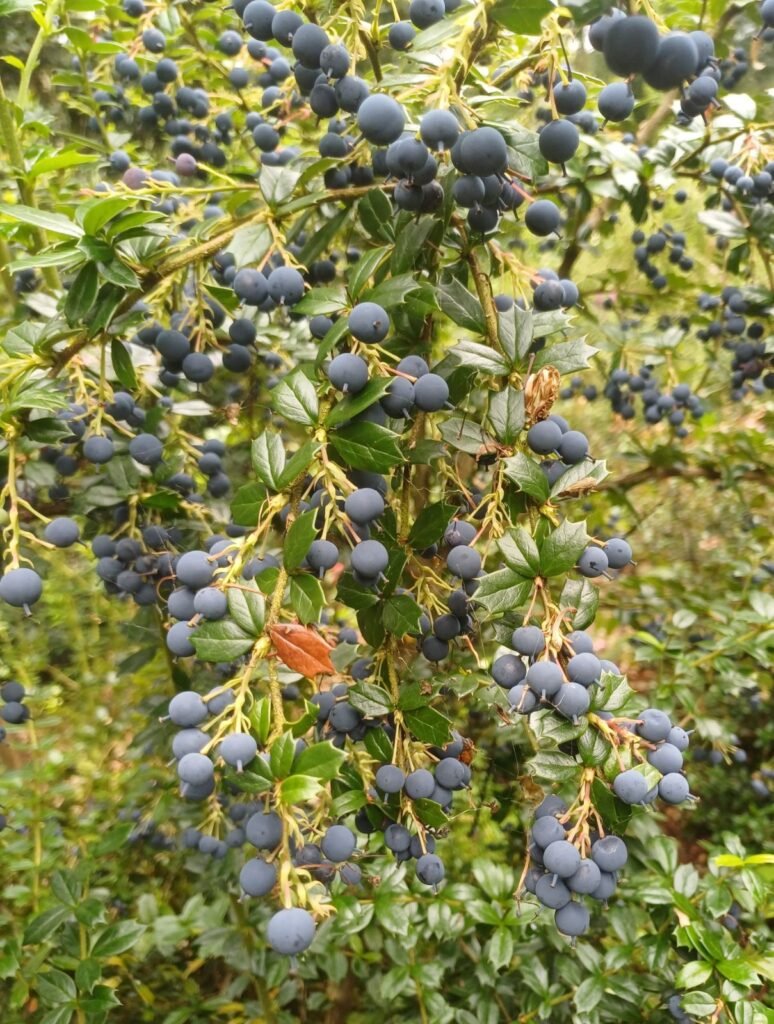


Magellan Barberry (Berberis buxifolia): Growing, Propagating, Harvesting, and Culinary Uses — Full Guide
Magellan barberry, also known as Chile barberry or calafate, is an evergreen shrub cherished for its edible berries, striking foliage, and resilience in harsh climates. Native to the cool forests and coastal regions of Patagonia, this species has garnered attention from gardeners, foragers, and food enthusiasts alike.
Its deep blue-black berries are often compared to blueberries in flavor, yet carry a distinctive tartness that gives them unique versatility in the kitchen. Beyond culinary intrigue, the plant is valued for its ornamental appeal, wildlife benefits, and surprisingly undemanding cultivation needs.
This guide explores how to grow Magellan barberry, the best propagation techniques, notable varieties, harvest timing, edible uses, and more.
Botanical Profile
- Scientific Name: Berberis buxifolia
- Common Names: Magellan barberry, Calafate, Chile barberry
- Family: Berberidaceae
- Habit: Dense, thorny evergreen shrub
- Height: 1–2 meters (3–6 feet)
- Hardiness: Tolerates frost, wind, and poor soils
- Lifespan: Long-lived perennial shrub
Growing Magellan Barberry in Home Gardens
Climate & Hardiness
Magellan barberry thrives in:
- Cool temperate climates
- Coastal climates with salt exposure
- Regions with moderate to high rainfall
It is tolerant of:
- Frost
- Cold winds
- Poor drainage
- Sandy or rocky soils
Soil Requirements
While adaptable, the plant prefers:
- Slightly acidic to neutral pH
- Moist but well-draining soil
- Organic-rich substrate
Once established, it performs well even in marginal soils.
Sun Exposure
- Full sun produces heavier berry yields
- Partial shade boosts leaf color and reduces drought stress
Gardeners often choose planting locations that get morning sun and afternoon shade.
Watering
Calafate is moderately drought tolerant. During establishment:
- Water weekly
After establishment: - Rainfall is usually sufficient
Avoid prolonged dry spells during berry set for optimal fruit production.
Propagation Methods
Magellan barberry can be propagated through multiple techniques, each with pros and cons.
1. From Seeds
Seeds germinate best after stratification:
- Cold stratification for 60–90 days enhances germination
- Fresh seeds germinate better than stored seeds
Seed-grown plants show genetic diversity, useful for breeding or edible selection.
2. Cuttings
Semi-hardwood cuttings taken in late summer or early fall root well under humidity control.
Key steps include:
- Use 7–10 cm cuttings
- Dip in rooting hormone
- Provide bottom heat & mist
Cuttings ensure true-to-type clones.
3. Division & Layering
Less common but effective for mature shrubs.
Layer young flexible branches into soil to root over months.
Notable Varieties & Related Species
While Berberis buxifolia is the main species grown, a few variations and selections exist:
• ‘Nana’
- Compact dwarf form
- Excellent for ornamental edging
- Dense foliage and small thorns
• ‘Rubra’
- Reddish foliage for ornamental contrast
- Less vigorous berry production
• Wild Patagonian Forms
Wild forms vary in berry size, sweetness, and shrub vigor.
Some foragers note sweeter berries at higher elevations.
Closely related species (e.g., Berberis microphylla) are sometimes marketed interchangeably and offer similar culinary potential.
Harvesting Magellan Barberry
When to Harvest
Berries ripen in late summer to autumn depending on latitude.
Signs of ripeness:
- Deep blue/black color
- Easy berry detachability
- Pleasant tart sweetness
Yield
Mature shrubs produce:
- 2–5 kg fruit per plant per season under favorable conditions
Use gloves — shrubs are thorny!
Culinary Uses & Food Applications
Magellan barberry berries are prized for:
- Bright acidity
- Deep color
- Nutrient density (vitamin C, anthocyanins)
Traditional & Modern Uses
The berries are consumed as:
- Fresh snacks
- Jams & preserves
- Sauces & reductions
- Pie and pastry fillings
- Ice cream & sorbets
- Fermented beverages and liqueurs
- Syrups
In Chilean cuisine, calafate is strongly tied to Patagonian folklore — locals even say those who taste calafate berries will eventually return to Patagonia.
Flavor Profile
- Tart and berry-like
- Mild sweetness
- Flavor resembles blueberry + sloe + blackcurrant
Nutritional & Medicinal Notes
Magellan barberry is rich in:
- Vitamin C
- Antioxidants
- Polyphenols
- Anthocyanins
Leaves and bark contain berberine, a known bioactive compound used in traditional medicine.
Landscape & Ornamental Uses
Beyond edible landscaping, Magellan barberry serves:
- Wildlife gardens (berries feed birds)
- Defensive hedging (thorny barrier)
- Erosion control (deep roots)
- Coastal landscapes (salt-tolerant)
- Low-maintenance urban plantings
Evergreen habit adds year-round structure and color.
Pests & Diseases
Very resistant species — notable issues are rare.
Occasional problems include:
- Aphids
- Root rot in waterlogged soils
- Berry drop during drought stress
Wildlife (especially birds) relish ripe fruits.
Tips for Better Fruit Production
To maximize yields:
- Plant in full sun
- Maintain moderate soil moisture during flowering
- Avoid heavy pruning before spring
- Mulch to retain moisture
- Add light acidic organic matter
Final Thoughts
For gardeners seeking a hardy, attractive edible shrub with real cultural and culinary value, Magellan barberry is a standout candidate. Its berries deliver unique flavors and nutrition, while the shrub itself tolerates adverse conditions that challenge more common fruiting species.
Whether planted for hedging, food forests, wildlife value, ornamentation, or gourmet cooking, Berberis buxifolia rewards patience and creativity.


&media=https://food-foresting.com/wp-content/uploads/2026/01/486177167_9628598853846323_6751397382881396254_n.jpg)