
 paulius.mikoliunas1
| Common Name | Medlar |
| Family | Rosaceae |
| USDA hardiness | 5-9 |
| Known Hazards |  The seeds contain the toxic hydrocyanic acid (the substance that gives almonds their flavour) and should not be eaten in quantity. The seeds contain the toxic hydrocyanic acid (the substance that gives almonds their flavour) and should not be eaten in quantity. |
| Habitats | Woods and hedgerows. |
| Range | S.E. Europe to W. Asia. Occasionally naturalized in Britain. |
| Edibility Rating |   (4 of 5) (4 of 5) |
| Other Uses |   (2 of 5) (2 of 5) |
| Weed Potential | No |
| Medicinal Rating |   (1 of 5) (1 of 5) |
| Care (info) |     |
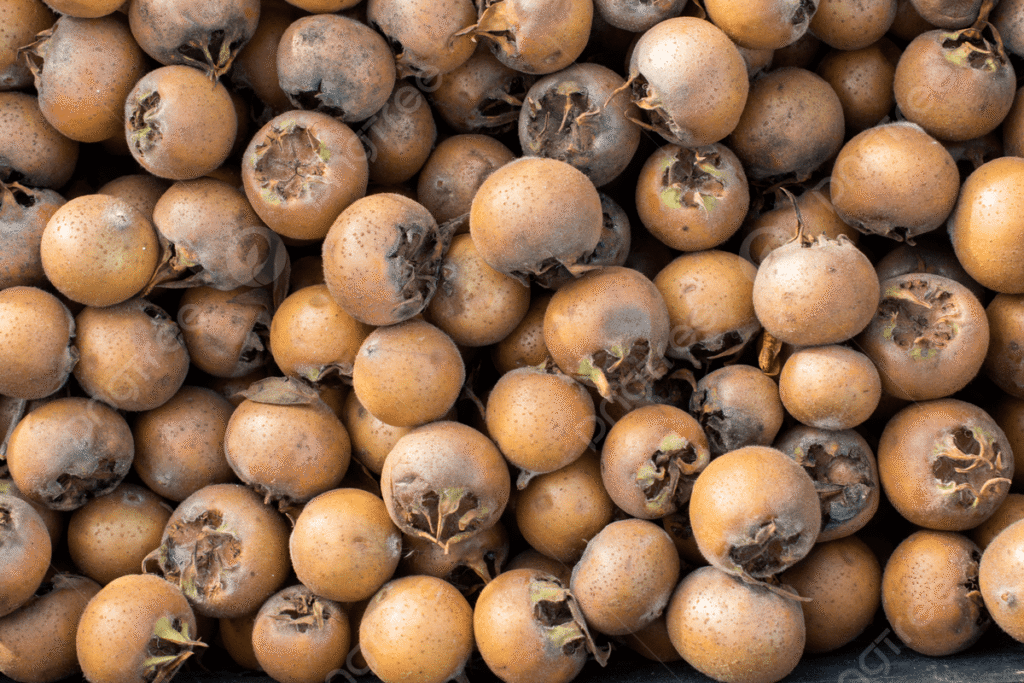
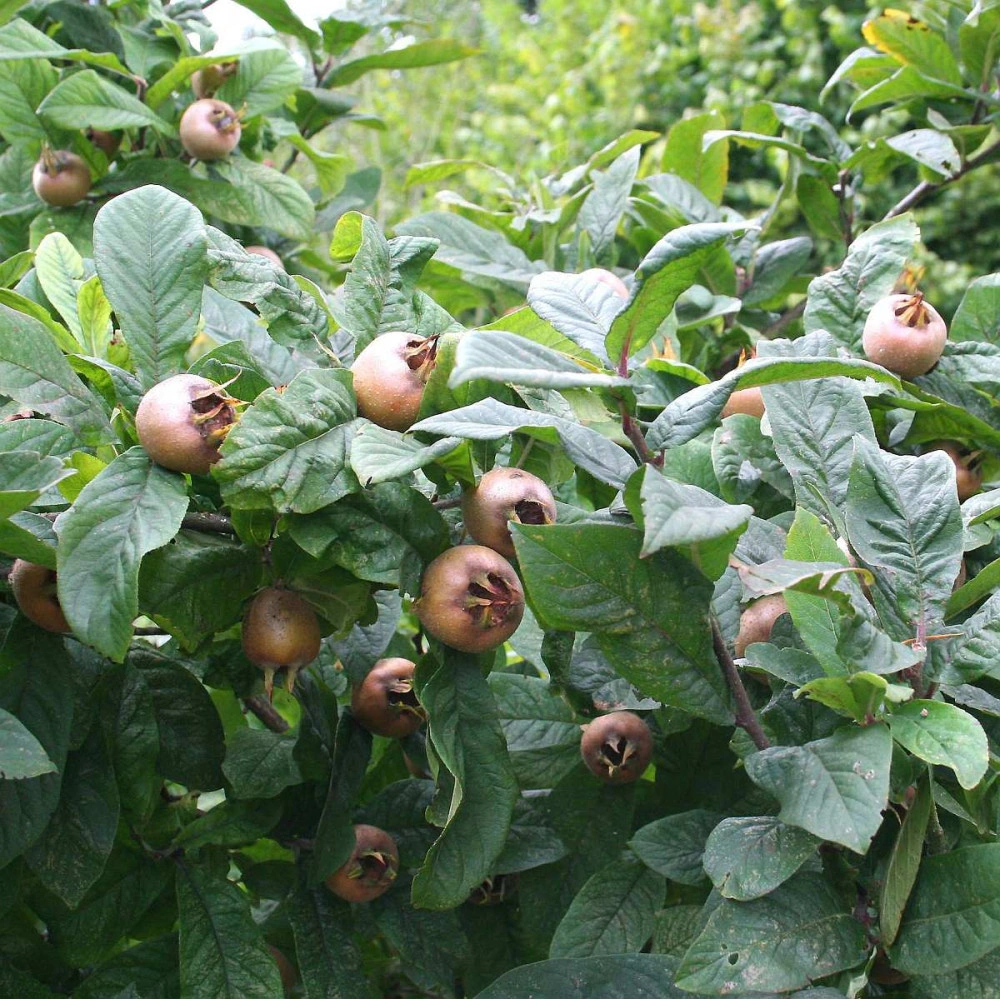
Medlar (Mespilus germanica): Complete Guide to Growing, Propagating, Varieties, Uses, and Harvesting
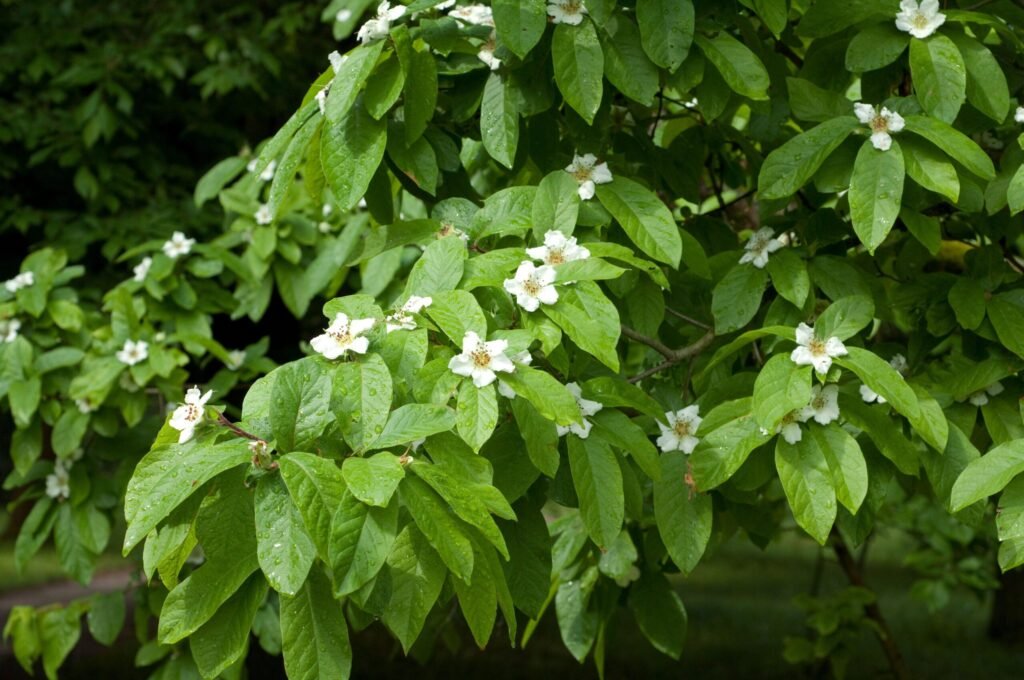
Medlar (Mespilus germanica) is one of the most intriguing and underappreciated fruit trees in the world. Once a prized fruit in medieval Europe, medlar is now enjoying a quiet revival among gardeners, permaculture enthusiasts, and food historians. With its hardy nature, ornamental beauty, and uniquely flavored fruit, medlar is a rewarding addition to any garden.
In this comprehensive guide, you’ll learn how to grow medlar trees successfully, how to propagate them, popular medlar varieties, traditional and modern uses, culinary ideas, and the right way to harvest and store medlar fruit.
What Is Medlar (Mespilus germanica)?
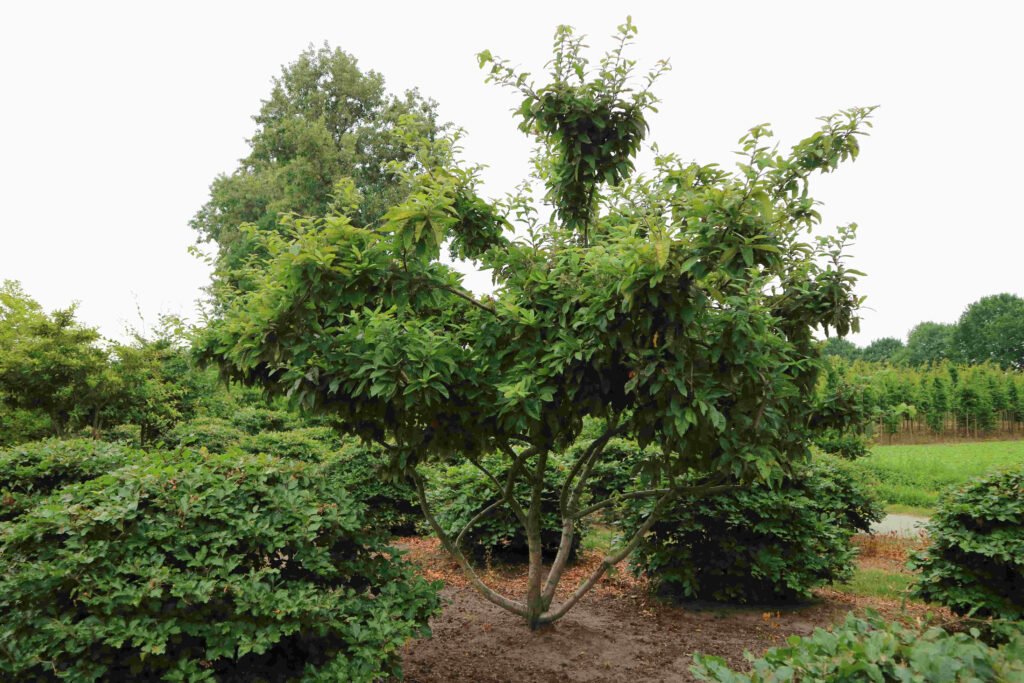
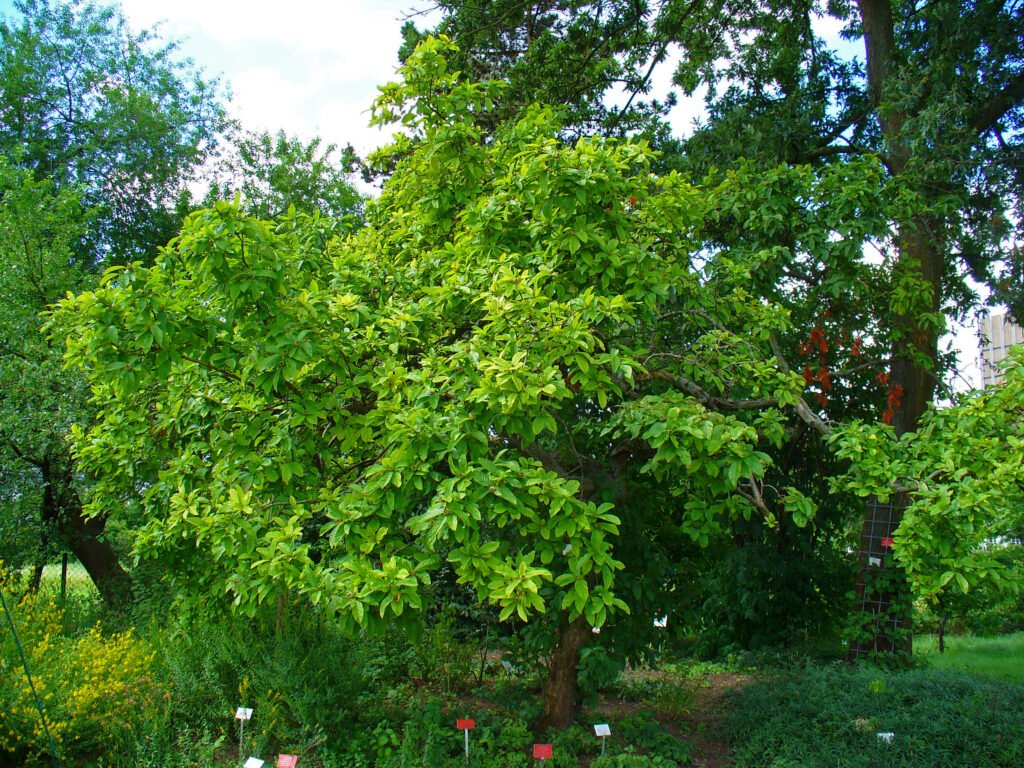
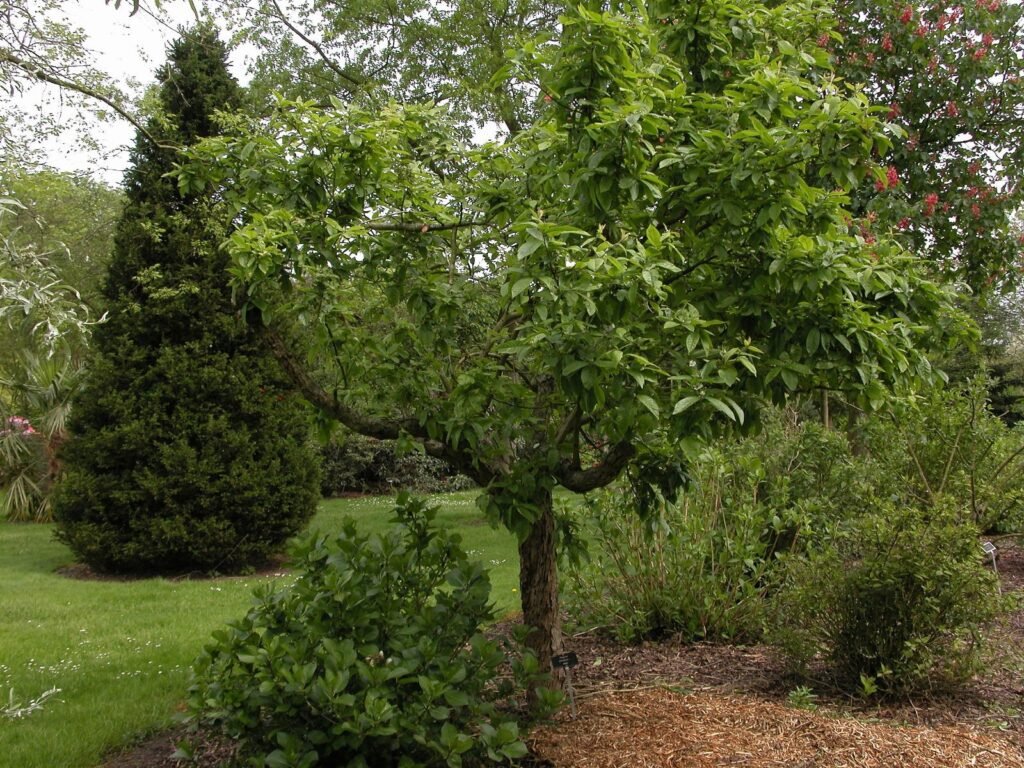
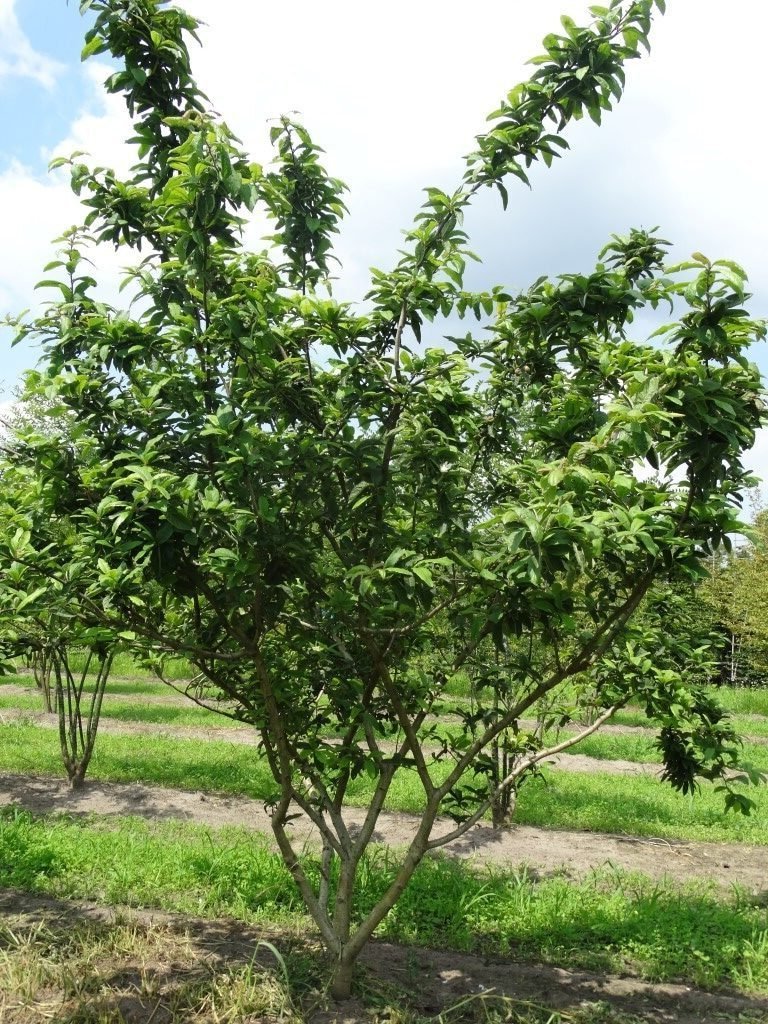
Medlar is a small deciduous tree or large shrub belonging to the rose family (Rosaceae). Native to southwestern Asia and southeastern Europe, it thrives in temperate climates and can live for decades with minimal care.
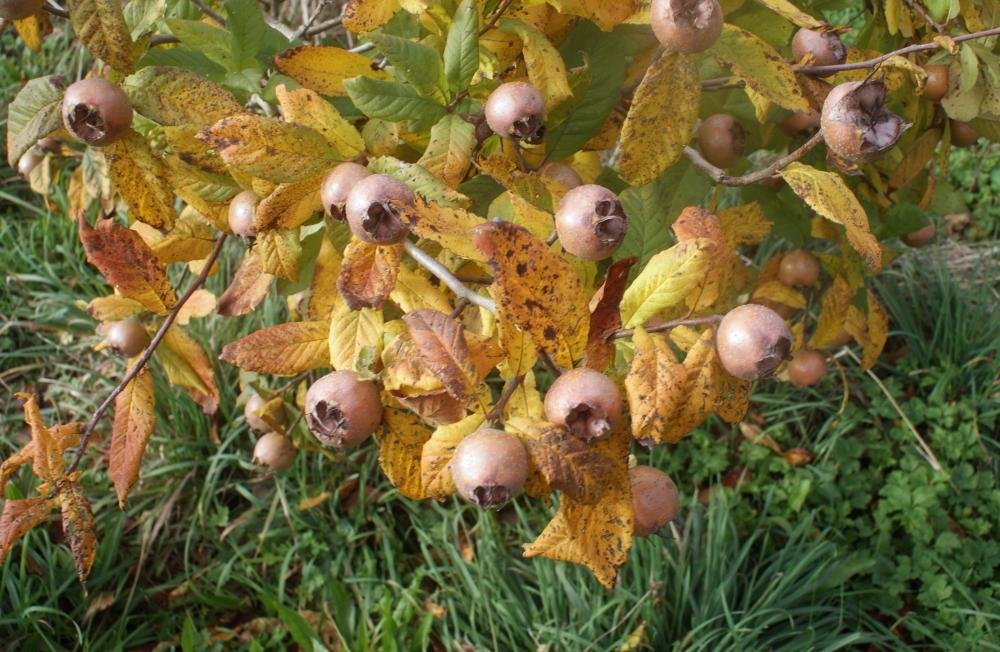
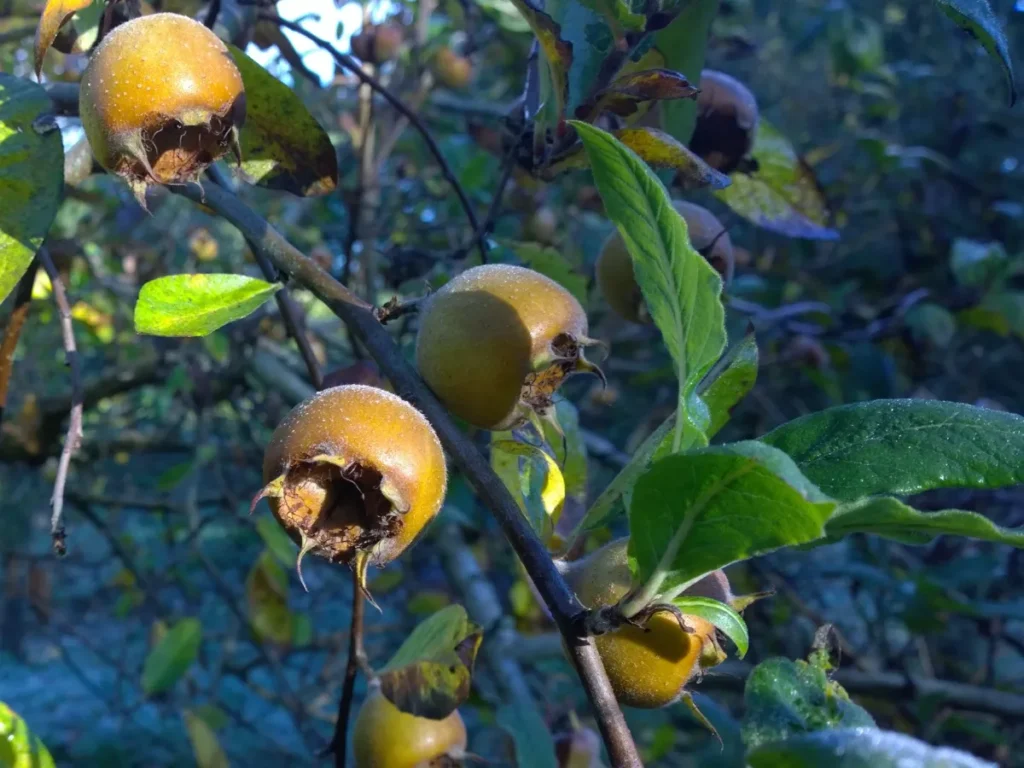
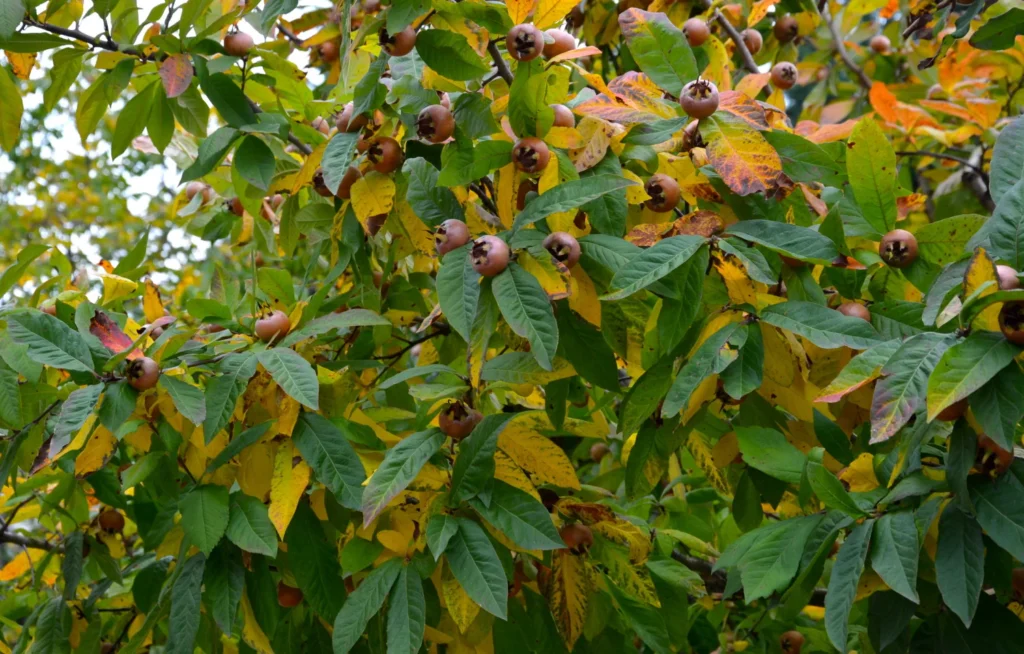
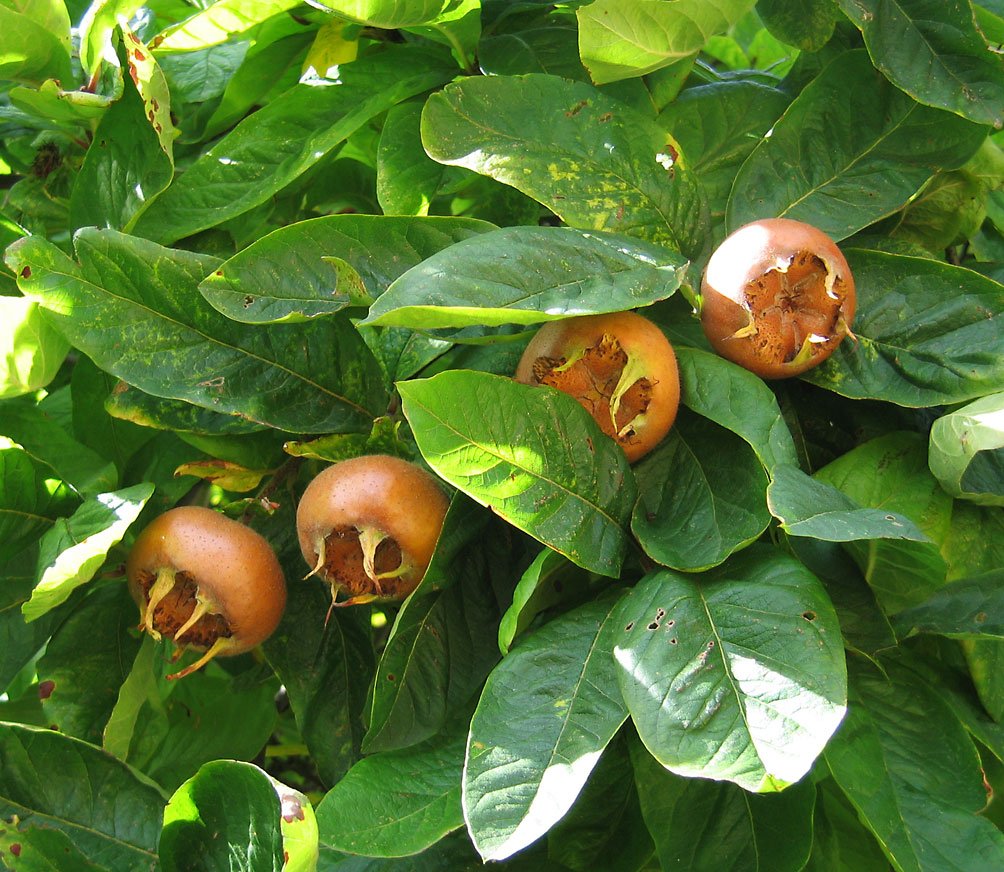
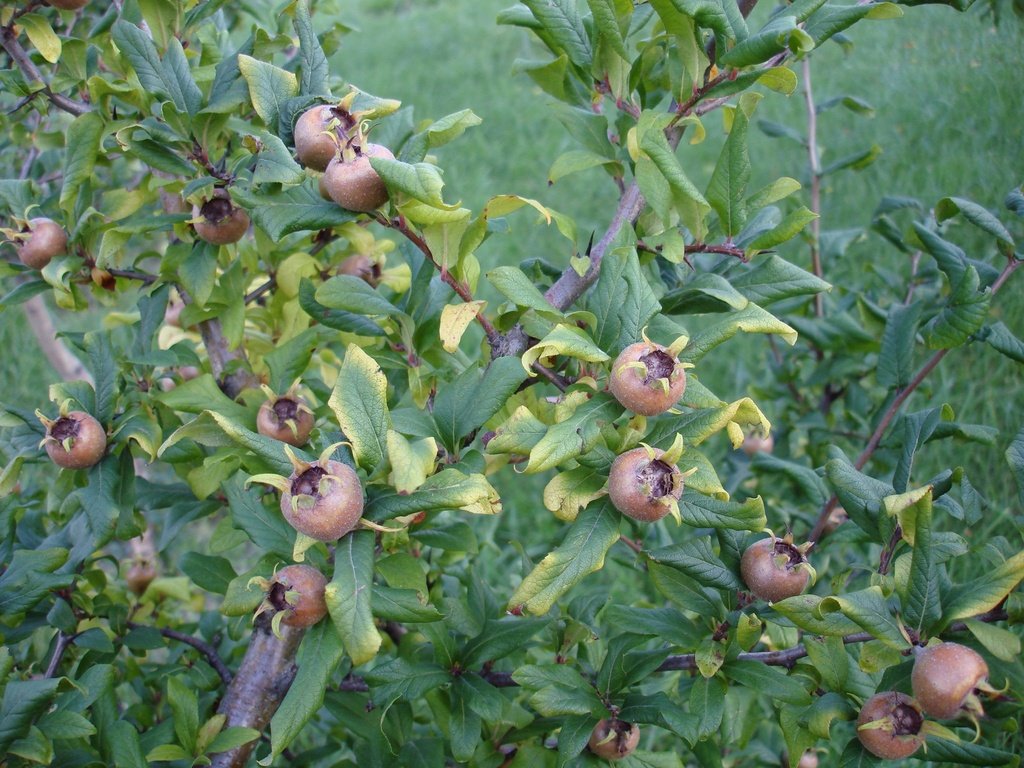
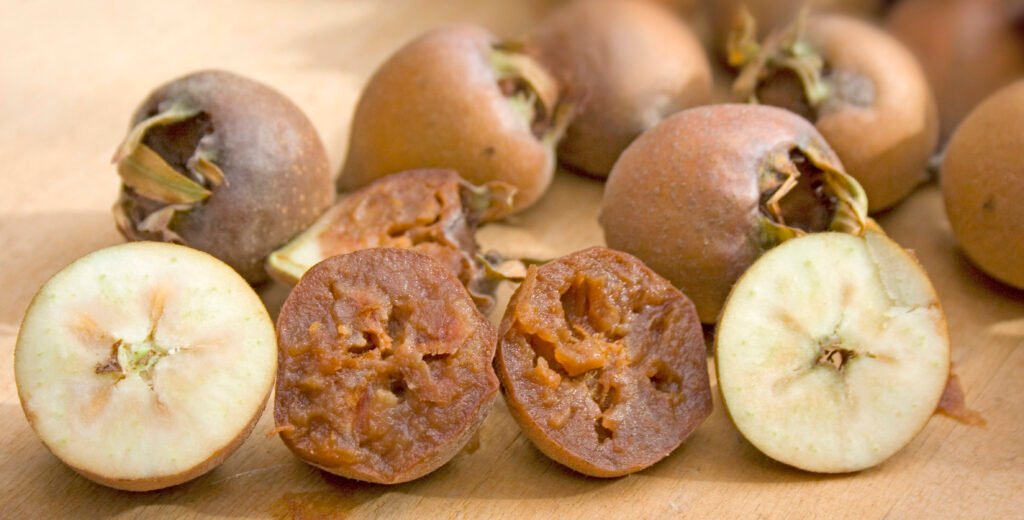
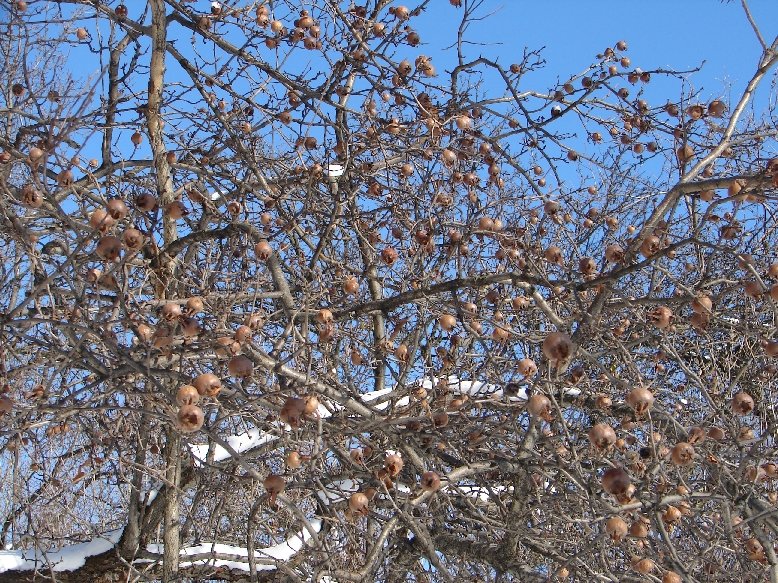
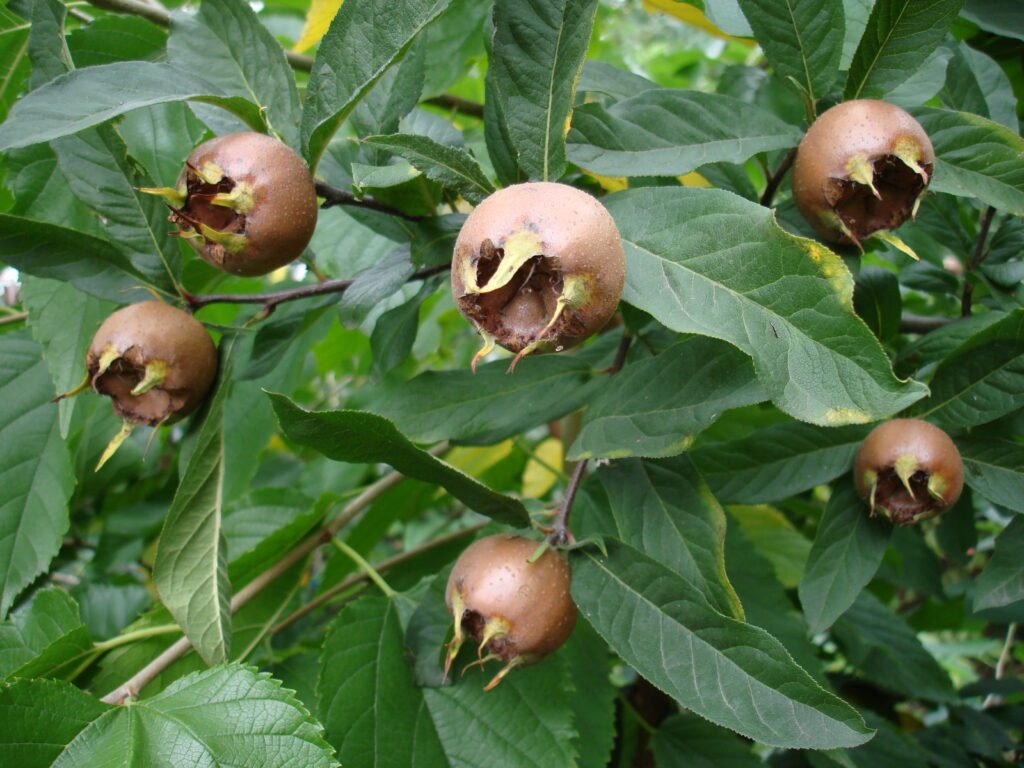
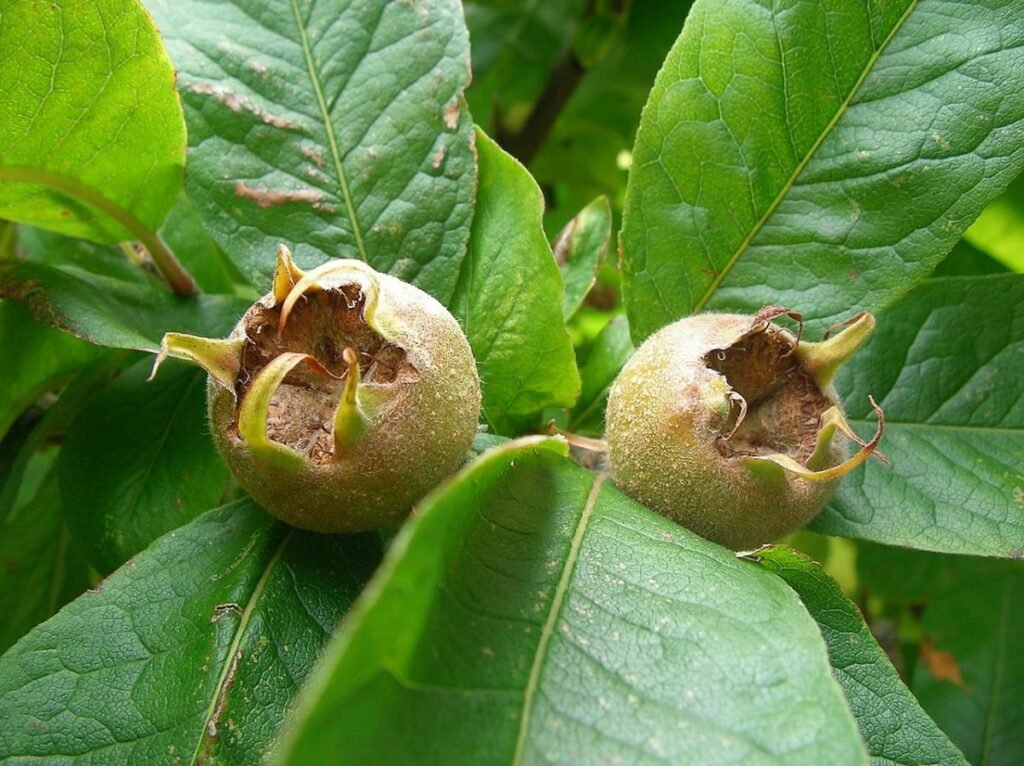
The tree produces brown, apple-like fruits with an open calyx. Unlike most fruits, medlars are not eaten fresh from the tree—they require a softening process called bletting before becoming edible.
How to Grow Medlar Trees Successfully
Climate and Hardiness
Medlar trees are extremely cold-hardy and perform best in USDA hardiness zones 5–8. They tolerate winter frost better than many fruit trees and actually benefit from cooler autumn weather.
Sunlight Requirements
- Full sun is ideal for maximum fruit production
- Partial shade is tolerated but may reduce yield
Aim for at least 6–8 hours of direct sunlight daily.
Soil Preferences
Medlars are adaptable but prefer:
- Well-draining loamy soil
- Slightly acidic to neutral pH (6.0–7.0)
- Soil enriched with organic matter
Avoid waterlogged or compacted soils, as they can cause root problems.
Planting Medlar Trees
- Dig a hole twice the width of the root ball
- Plant at the same depth as the nursery container
- Backfill with native soil mixed with compost
- Water thoroughly after planting
- Mulch around the base, keeping mulch away from the trunk
Watering and Fertilizing
- Young trees need regular watering during the first two years
- Mature trees are drought-tolerant once established
- Apply compost or a balanced organic fertilizer in early spring
Over-fertilizing can reduce fruit quality, so moderation is key.
Pruning and Maintenance
Medlars require minimal pruning:
- Remove dead or crossing branches in late winter
- Light pruning improves air circulation
- Avoid heavy pruning, as fruit forms on older wood
How to Propagate Medlar Trees
Propagation by Seed
Seed propagation is possible but slow:
- Clean seeds from ripe fruit
- Cold-stratify seeds for 8–12 weeks
- Plant in moist, well-drained medium
- Germination may take several months
Seed-grown trees may take 6–8 years to bear fruit.
Grafting and Budding
Most cultivated medlars are propagated by grafting onto:
- Hawthorn rootstock
- Quince rootstock
- Pear rootstock
Grafted trees fruit faster and maintain consistent characteristics.
Propagation by Cuttings
Hardwood cuttings can be taken in winter, but success rates are low compared to grafting.
Popular Medlar Varieties
While true medlar varieties are limited, a few stand out:
‘Nottingham’
- One of the most popular cultivars
- Large, flavorful fruit
- Reliable producer
‘Dutch’
- Slightly smaller tree
- Heavy fruiting
- Excellent cold tolerance
‘Royal’
- Large fruits
- Traditional European variety
- Ornamental appeal
‘Macrocarpa’
- Noted for especially large fruit
- Slower growth but high quality
When and How to Harvest Medlar Fruit
Harvest Timing
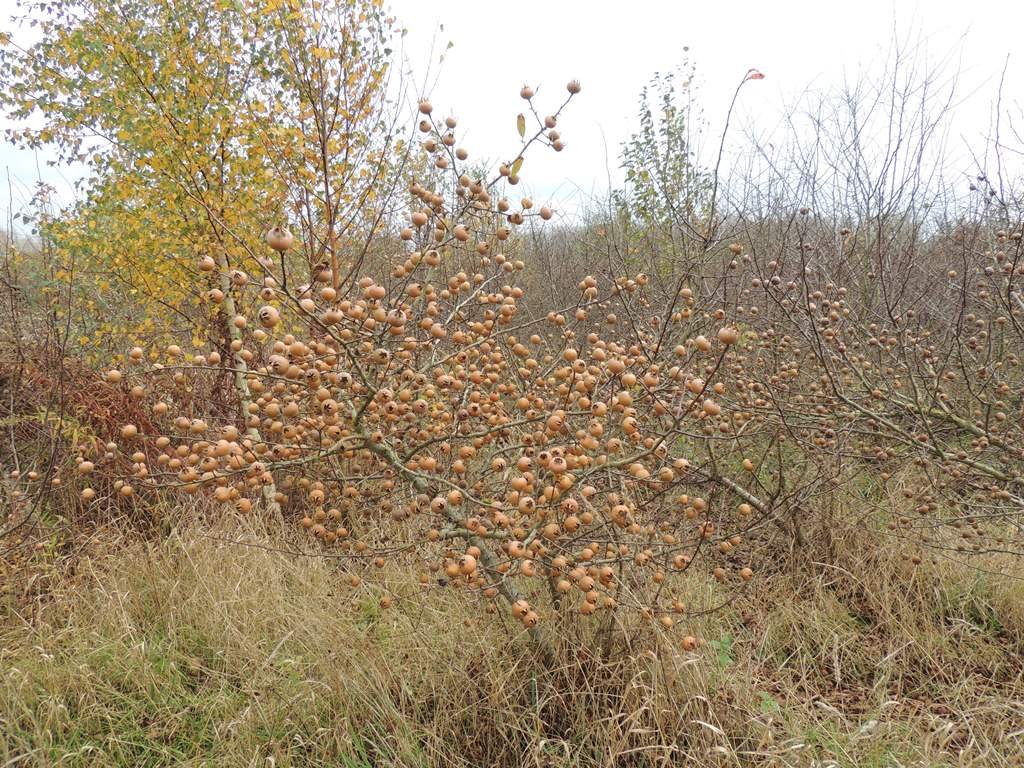
Medlars are harvested late autumn to early winter, usually after the first frost. The fruit should be:
- Fully brown
- Firm but mature
- Still hard at harvest
Unlike apples or pears, medlars are not eaten immediately after picking.
The Bletting Process
Bletting is essential for medlar fruit:
- Store fruits in a cool, dark place
- Arrange them calyx-side down
- Wait 2–4 weeks until the flesh softens and turns dark
Once bletted, the fruit becomes sweet, aromatic, and custard-like.
Uses of Medlar Tree and Fruit
Ornamental and Landscape Uses
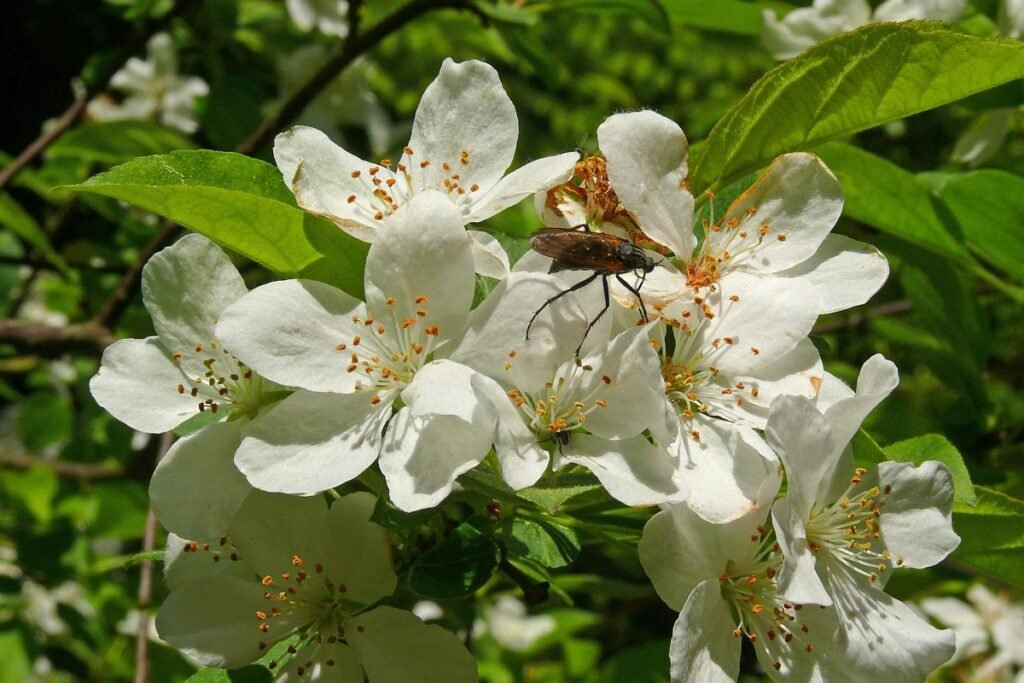
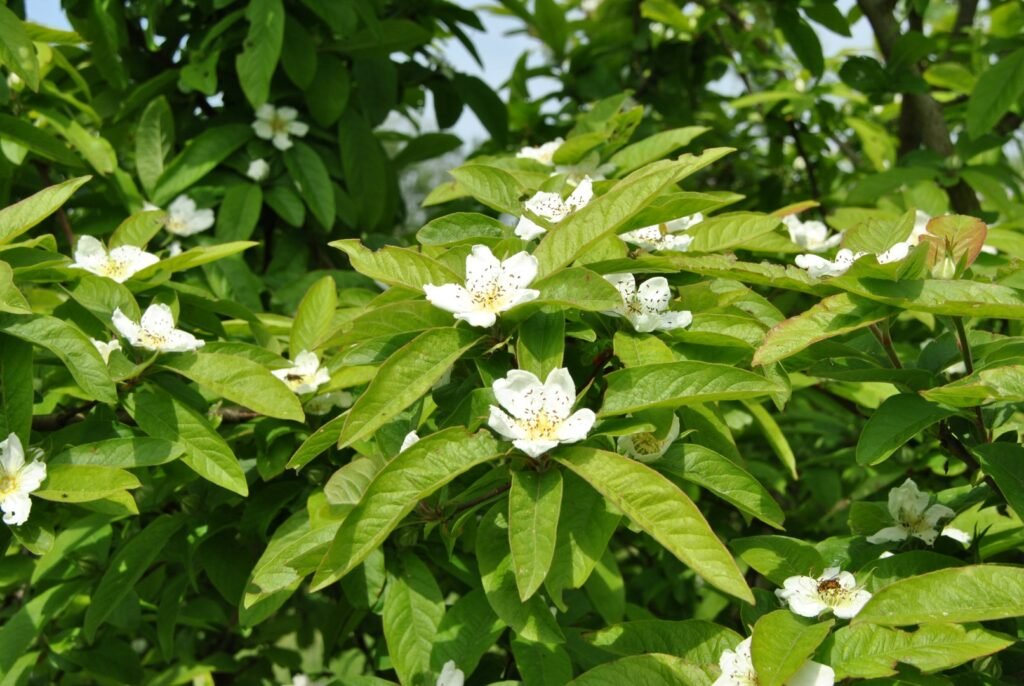
- Attractive spring flowers
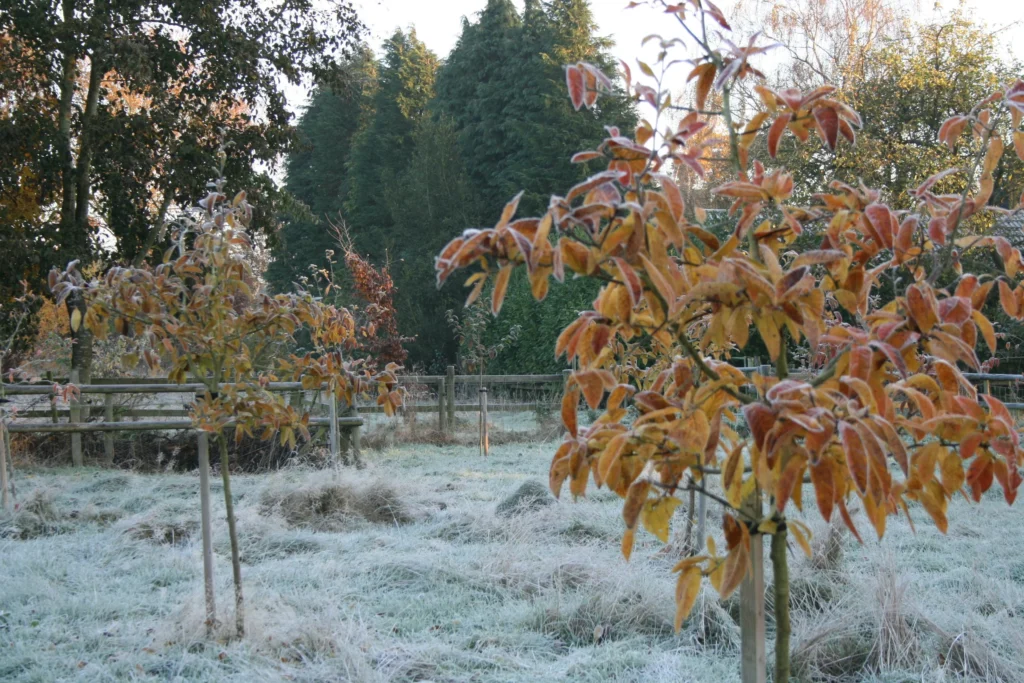
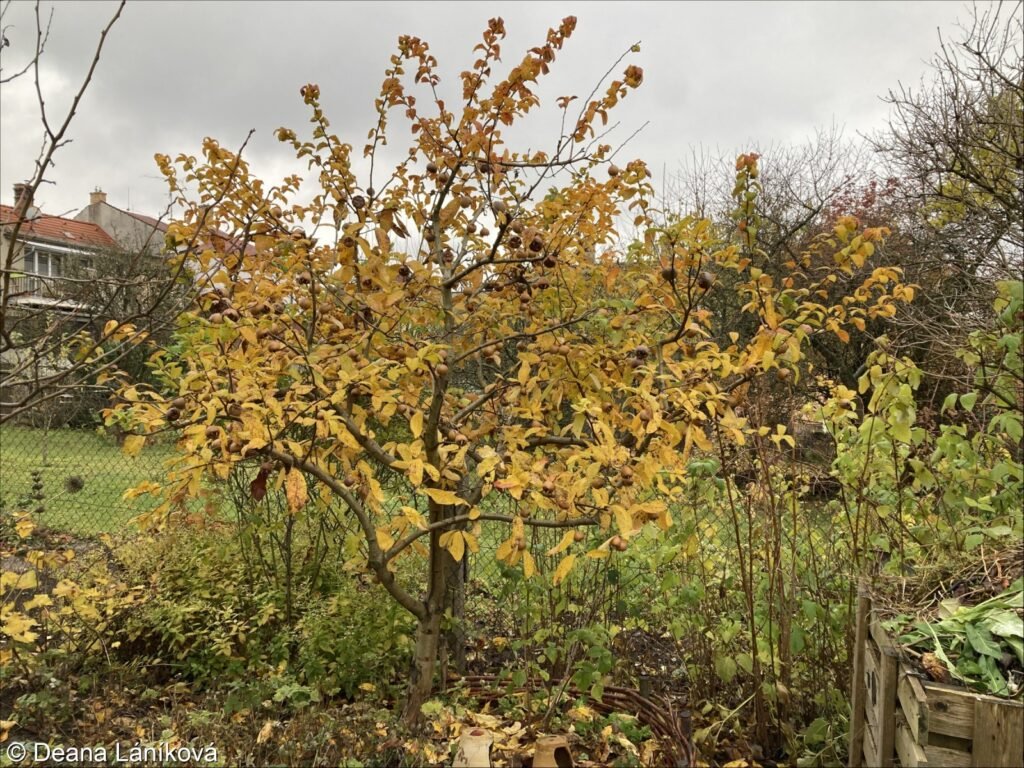
- Striking autumn foliage
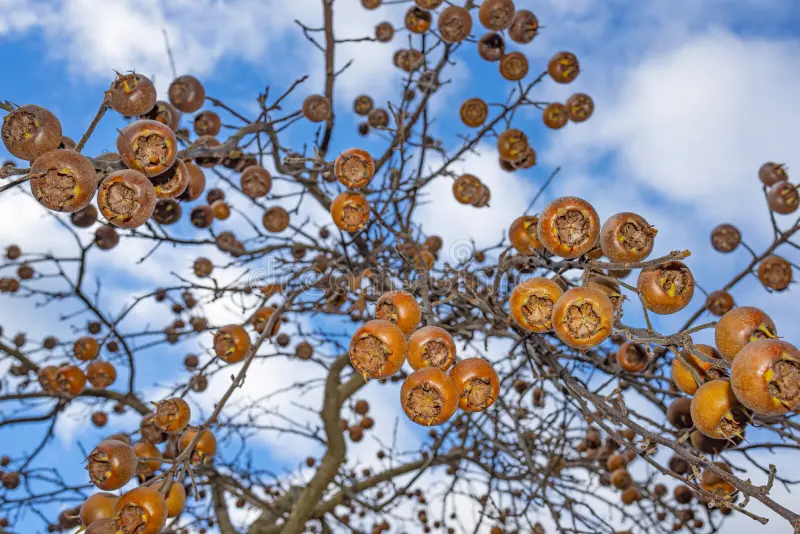
- Unique winter fruit display
- Ideal for wildlife gardens
Traditional and Medicinal Uses
Historically, medlar was used for:
- Digestive remedies
- Fermented drinks
- Preserved fruit pastes
While not widely used medicinally today, it remains valued in traditional food culture.
Medlar Food Options and Culinary Ideas
Once bletted, medlar fruit becomes incredibly versatile.
Fresh Eating
- Scoop the soft pulp with a spoon
- Flavor resembles apple butter with hints of caramel and spice
Medlar Jelly and Jam
Medlar is famous for:
- Clear, amber-colored jelly
- Naturally high pectin content
- Rich, complex flavor
Medlar Cheese (Fruit Paste)
A traditional preparation similar to quince paste:
- Slow-cooked medlar pulp
- Sweetened and set into slices
Baking and Desserts
- Medlar tarts and pies
- Medlar custards
- Medlar-spiced cakes
Beverages and Fermentation
- Medlar wine
- Medlar liqueur
- Medlar cider blends
Benefits of Growing Medlar at Home
- Low-maintenance fruit tree
- Cold-hardy and disease-resistant
- Unique fruit not found in stores
- Excellent for sustainable and permaculture gardens
- Long lifespan with consistent yields
Common Problems and Pests
Medlars are relatively trouble-free, but watch for:
- Fire blight (rare but possible)
- Aphids on young growth
- Poor fruiting due to excessive nitrogen
Good airflow, proper spacing, and balanced feeding prevent most issues.
Final Thoughts on Growing Medlar (Mespilus germanica)
Medlar trees offer a rare combination of history, beauty, and unique flavor. Whether you’re drawn to its medieval roots, its low-input cultivation, or its culinary potential, medlar is a fruit tree worth rediscovering.
By understanding how to grow, propagate, harvest, and use medlar fruit properly, you can enjoy one of the most distinctive fruits nature has to offer—right from your own garden.



&media=https://food-foresting.com/wp-content/uploads/2026/02/mespilus-germanica-Dutch-Giant-scaled.jpg)