
 paulius.mikoliunas1
| Common Name | Midland Hawthorn, Smooth hawthorn, English Hawthorn |
| Family | Rosaceae |
| USDA hardiness | 4-8 |
| Known Hazards | None known |
| Habitats | Woods, hedges, thickets etc on clays and heavy loams, especially in E. Britain. Where found in hedges it is often as a relict of ancient woodland. |
| Range | Europe, including Britain, from Sweden to Spain, eastwards to Poland. |
| Edibility Rating |   (3 of 5) (3 of 5) |
| Other Uses |  (5 of 5) (5 of 5) |
| Weed Potential | No |
| Medicinal Rating |  (5 of 5) (5 of 5) |
| Care (info) |       |


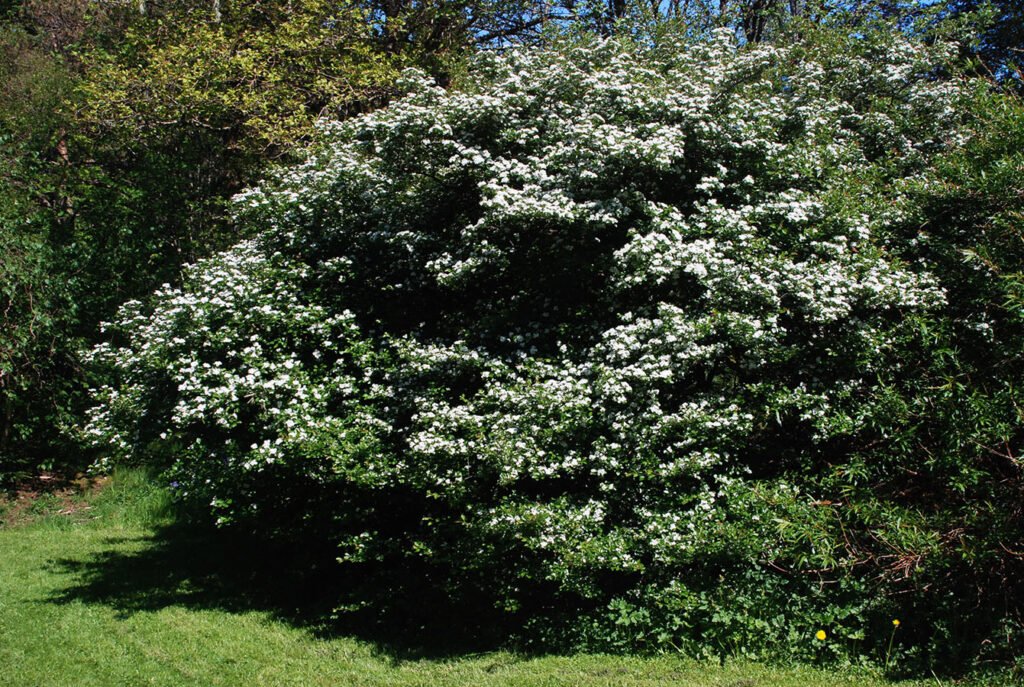


Midland Hawthorn (Crataegus laevigata): A Complete Guide to Growing, Propagating, Using & Harvesting This Iconic Tree
Midland Hawthorn, also known as Crataegus laevigata, is a small deciduous tree admired for its spring blossom, red autumn berries, wildlife value, and exceptional hardiness. Whether you’re a keen gardener, herbal enthusiast, or land steward seeking to improve biodiversity, this guide explores everything you need to know—from cultivation and propagation to its many uses and the best harvest techniques.
What Is Midland Hawthorn?
Midland Hawthorn is a native European species belonging to the rose family (Rosaceae). It typically grows 4–8 meters tall, forms a rounded crown, and produces:
- Deeply lobed leaves
- Clusters of white or pink flowers (May blossom)
- Bright red “haws” in autumn
- Sharp thorns along its branches
Although similar to Common Hawthorn (Crataegus monogyna), Midland Hawthorn can be distinguished by its two seeds per fruit, less deeply lobed leaves, and denser branching habit.
How to Grow Midland Hawthorn
1. Choosing the Right Site
Crataegus laevigata thrives in:
- Full sun to partial shade
- Well-drained to moderately moist soils
- Clay, loam, or chalk
- pH neutral to alkaline
It is remarkably tolerant of wind exposure, making it an excellent choice for hedgerows, shelterbelts, or wildlife corridors.
2. Planting Requirements
Best planting seasons:
- Autumn (optimal for root establishment)
- Early spring
Planting steps:
- Dig a hole twice as wide as the root ball.
- Set the tree at the same soil level it grew in the nursery.
- Backfill with native soil—avoid high-nutrient composts.
- Water deeply after planting.
- Mulch with organic matter to conserve moisture.
3. Watering & Feeding
- Water regularly during the first year.
- Mature trees tolerate drought but produce more flowers and berries with consistent moisture.
- Feeding is rarely necessary; however, a light spring application of organic compost or well-rotted manure boosts flowering.
4. Pruning
Prune while the tree is dormant, ideally mid-winter. Remove:
- Crossing branches
- Weak or diseased wood
- Suckers from the base
For hedges, trim after flowering to avoid cutting off next year’s buds.
Propagation Methods
1. Growing From Seed
This is the most traditional method—but also the slowest.
Steps:
- Collect ripe red berries in autumn.
- Extract seeds and wash away pulp.
- Stratify seeds:
- Warm stratification for 3 months.
- Cold stratification for 3–5 months.
- Sow in pots or seed beds in spring.
Seeds often need 18 months to germinate due to natural dormancy.
2. Propagation by Softwood or Semi-Hardwood Cuttings
While not always as successful as other shrubs, it’s still possible.
Method:
- Take softwood cuttings in late spring or semi-hardwood cuttings in mid-summer.
- Dip in rooting hormone.
- Use a gritty, well-draining propagation mix.
- Maintain high humidity until roots form.
3. Grafting
Hawthorn is commonly grafted to:
- Improve fruit yield
- Produce ornamental flower colors
- Maintain desirable traits
Grafting is usually done in late winter using whip-and-tongue techniques onto a compatible hawthorn rootstock.
Popular Varieties of Midland Hawthorn
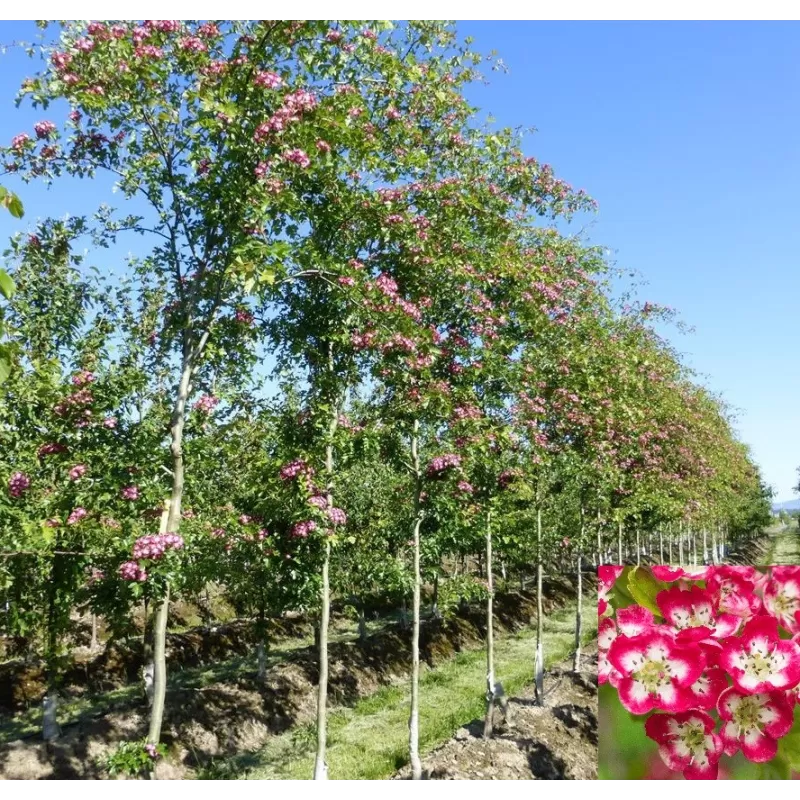
1. Crataegus laevigata ‘Paul’s Scarlet’
- Deep pink to red double flowers
- Highly ornamental
2. Crataegus laevigata ‘Rosea Flore Pleno’
- Soft pink double blossoms
- Attractive in cottage gardens
3. Crataegus laevigata ‘Crimson Cloud’
- Single red flowers with white centers
- Heavy blooming habit
4. Crataegus laevigata (wild type)
- White flowers
- Best for wildlife, hedgerows, and ecological restoration




Uses of Midland Hawthorn
1. Wildlife Value
Midland Hawthorn is a biodiversity powerhouse:
- Blossoms feed pollinators, especially bees and butterflies.
- Haws feed birds, including thrushes and blackbirds.
- Dense thorny branches offer nesting protection.
2. Culinary Uses
While not eaten raw due to dry flesh, haws are traditionally used for:
- Jams
- Jellies
- Syrups
- Fruit leathers
- Country wines
They blend well with crabapple and rosehip in preserves.
3. Herbal Uses
Traditionally, hawthorn has been used to support:
- General cardiovascular wellness
- Circulation
- Stress modulation
Leaves, flowers, and berries are used in teas and tincture preparations.
(Always consult qualified sources for medicinal use.)
4. Ornamental Landscaping
Gardeners value Midland Hawthorn for:
- Spring flower displays
- Autumn color
- Compact size for small gardens
- Tolerance of pollution in urban settings
How to Harvest Midland Hawthorn
1. Flowers
- Harvest when the blossoms are freshly opened, usually in May.
- Cut small clusters and dry them immediately in shade to preserve color and aroma.
2. Leaves
- Best harvested just before or during flowering.
- Choose healthy, undamaged leaves.
3. Berries (Haws)
- Pick when they turn deep red, typically September to October.
- Harvest on dry days for the best quality.
- Remove stems before processing.
Storage:
Dry berries completely before storing, or freeze fresh ones for later use.
Common Problems and How to Prevent Them
1. Fire Blight
- Remove infected branches immediately.
- Avoid high-nitrogen fertilisers.
- Plant in well-ventilated areas.
2. Leaf Spot / Fungal Issues
- Improve airflow by pruning.
- Avoid watering foliage.
- Apply organic fungicides if needed.
3. Aphids
- Encourage ladybirds and lacewings.
- Use simple soapy water sprays when populations rise.
4. Cedar-Hawthorn Rust
- Remove affected leaves.
- Choose resistant cultivars.
- Avoid planting near juniper species if possible.
Final Thoughts
Midland Hawthorn (Crataegus laevigata) is more than a beautiful ornamental tree—it’s a historically significant species that supports wildlife, offers herbal and culinary uses, and brings year-round beauty to landscapes. With the right growing conditions and basic care, it provides decades of resilience and charm.




&media=https://food-foresting.com/wp-content/uploads/2025/11/crataegus-laevigata-7453633_1280.jpg)