 paulius.mikoliunas1
| Common Name | Mockernut,White Heart Hickory, Mockernut Hickory |
| Family | Juglandaceae |
| USDA hardiness | 4-9 |
| Known Hazards | None known |
| Habitats | Mainly along ridges, dry hills and hillsides, growing best in rich well-drained soils. |
| Range | Eastern N. America – Massachusetts to Ontario, south to Florida and Texas. |
| Edibility Rating |   (3 of 5) (3 of 5) |
| Other Uses |   (4 of 5) (4 of 5) |
| Weed Potential | No |
| Medicinal Rating |   (1 of 5) (1 of 5) |
| Care (info) |     |
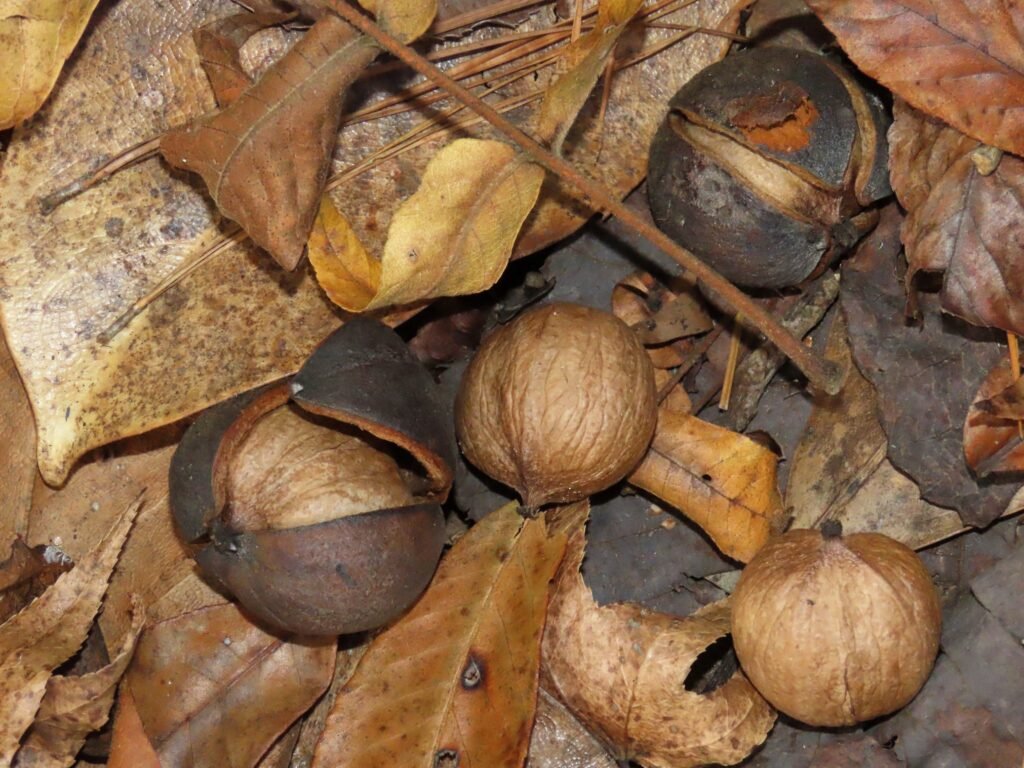
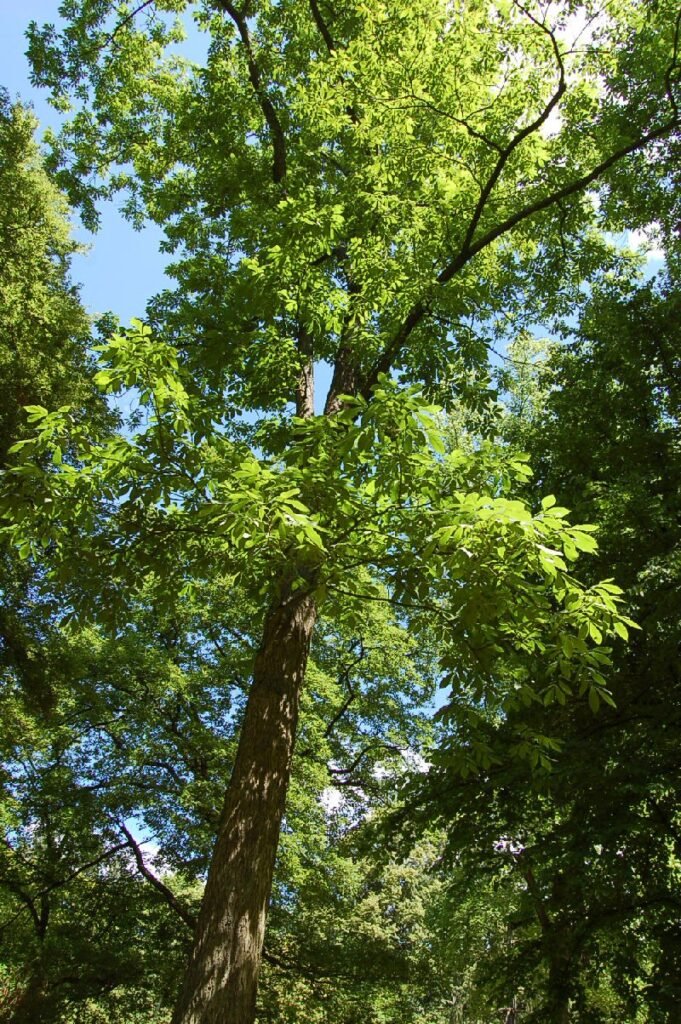
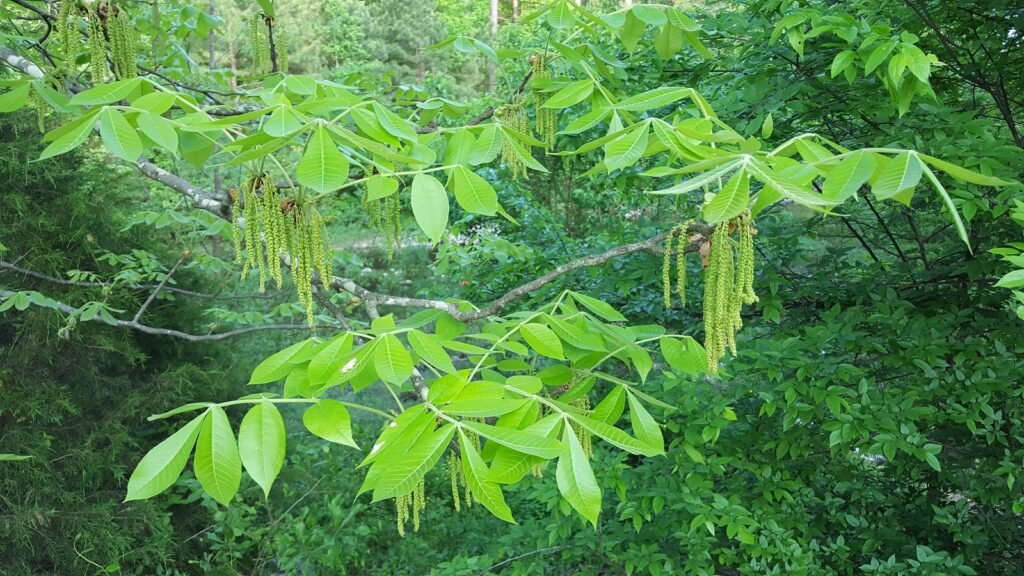
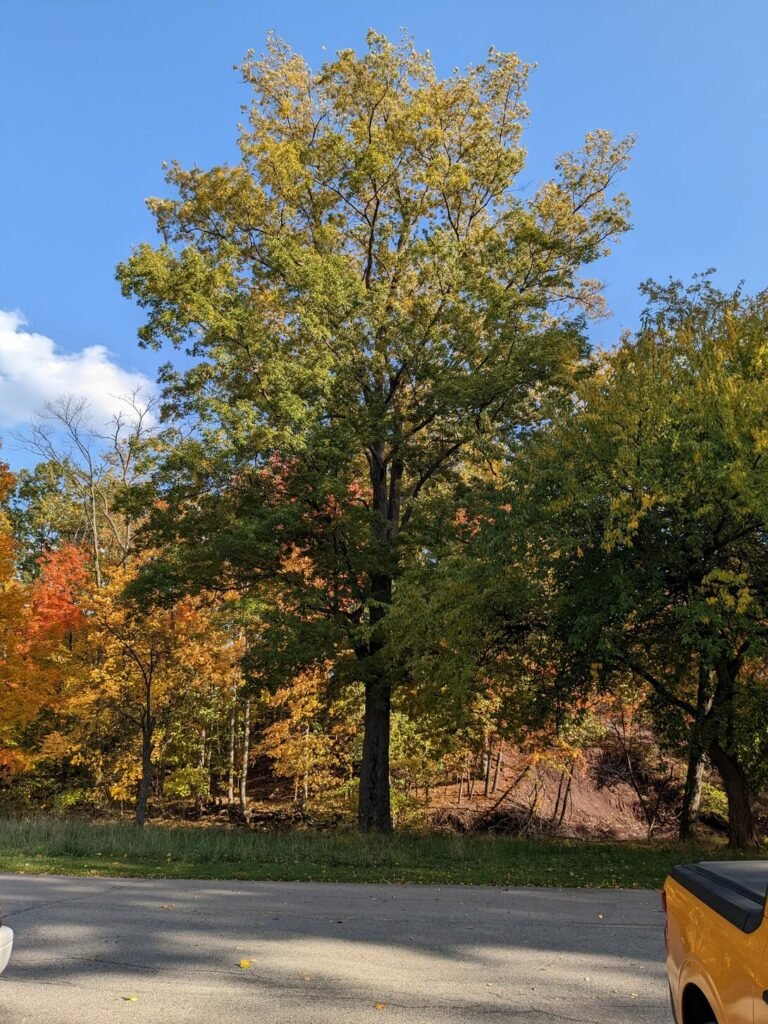


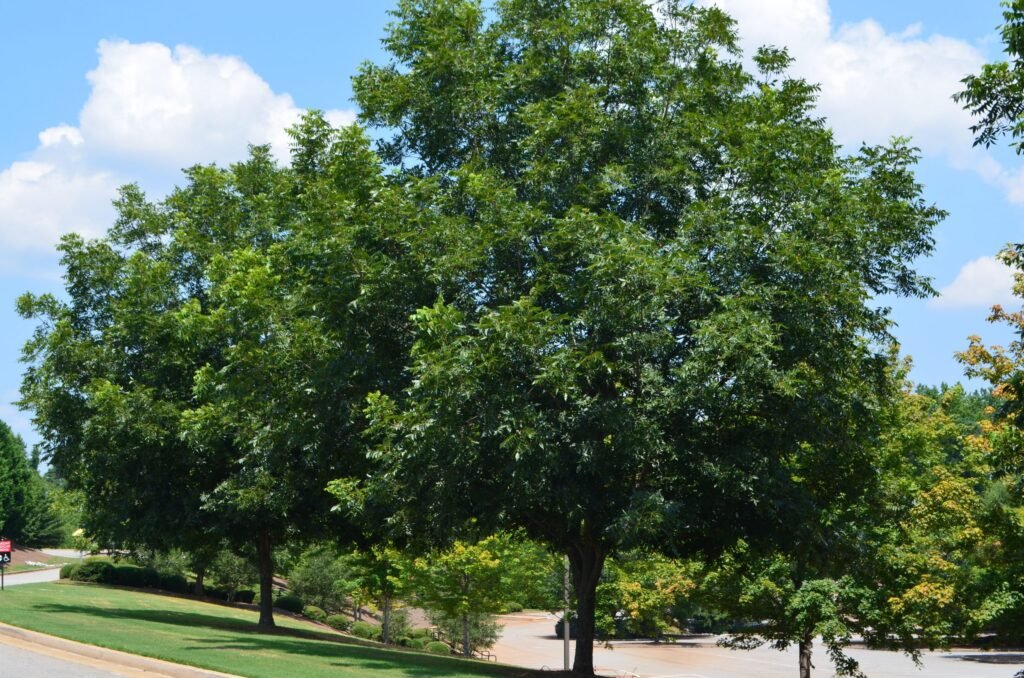
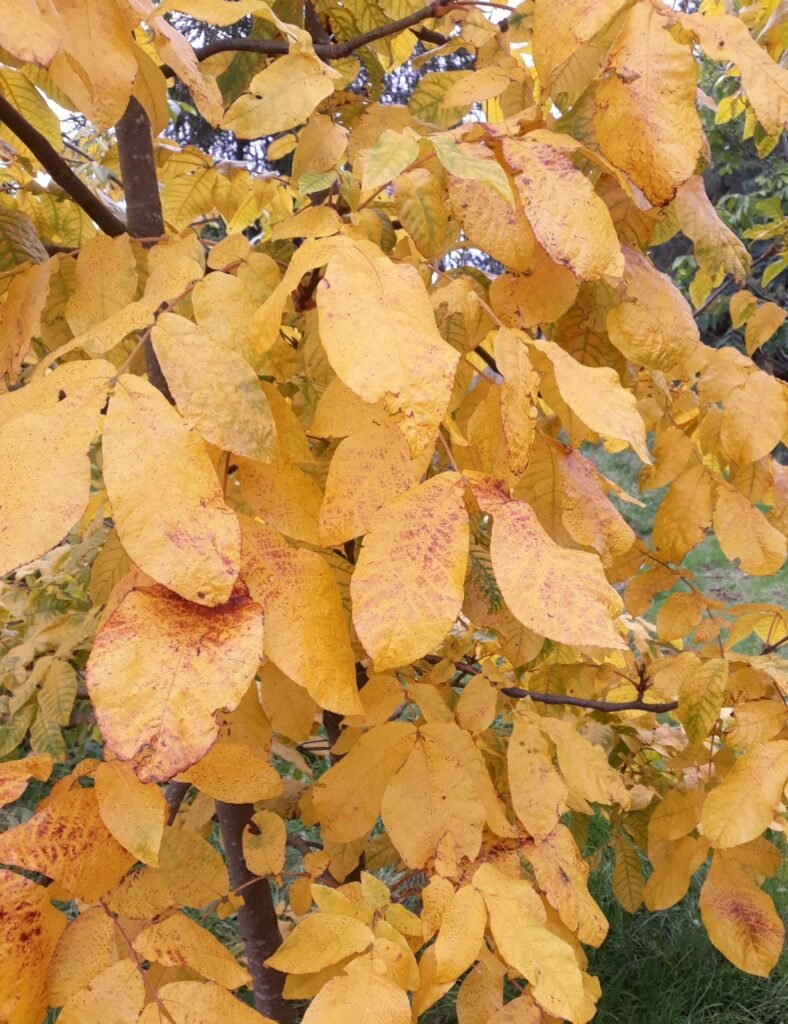
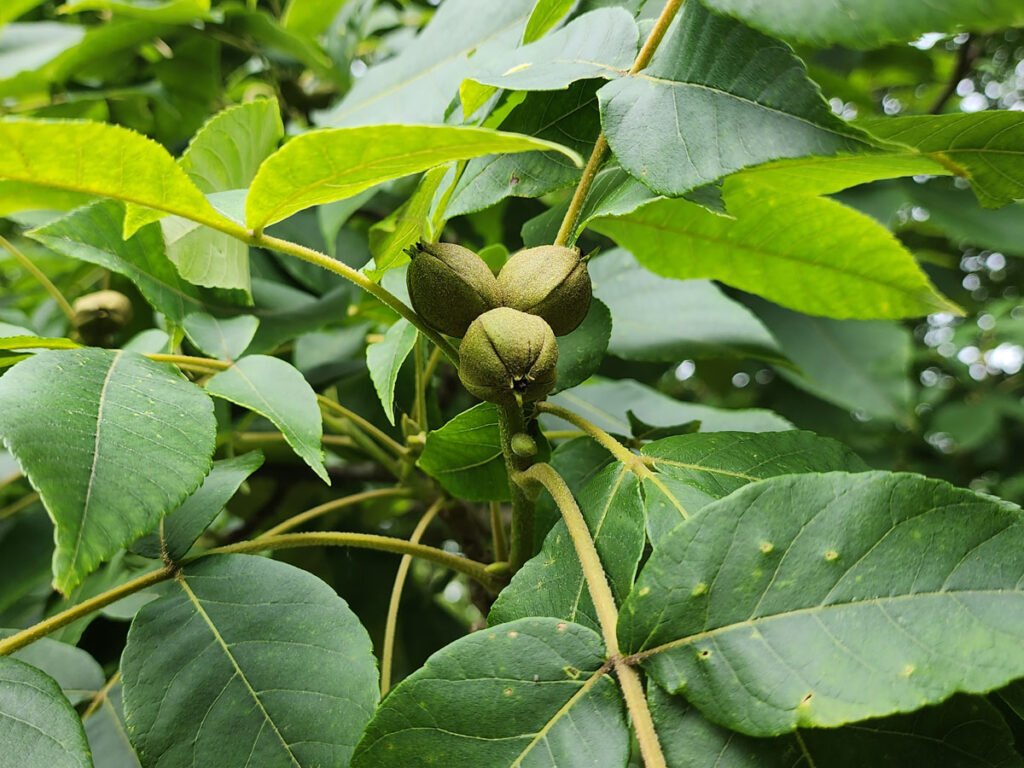
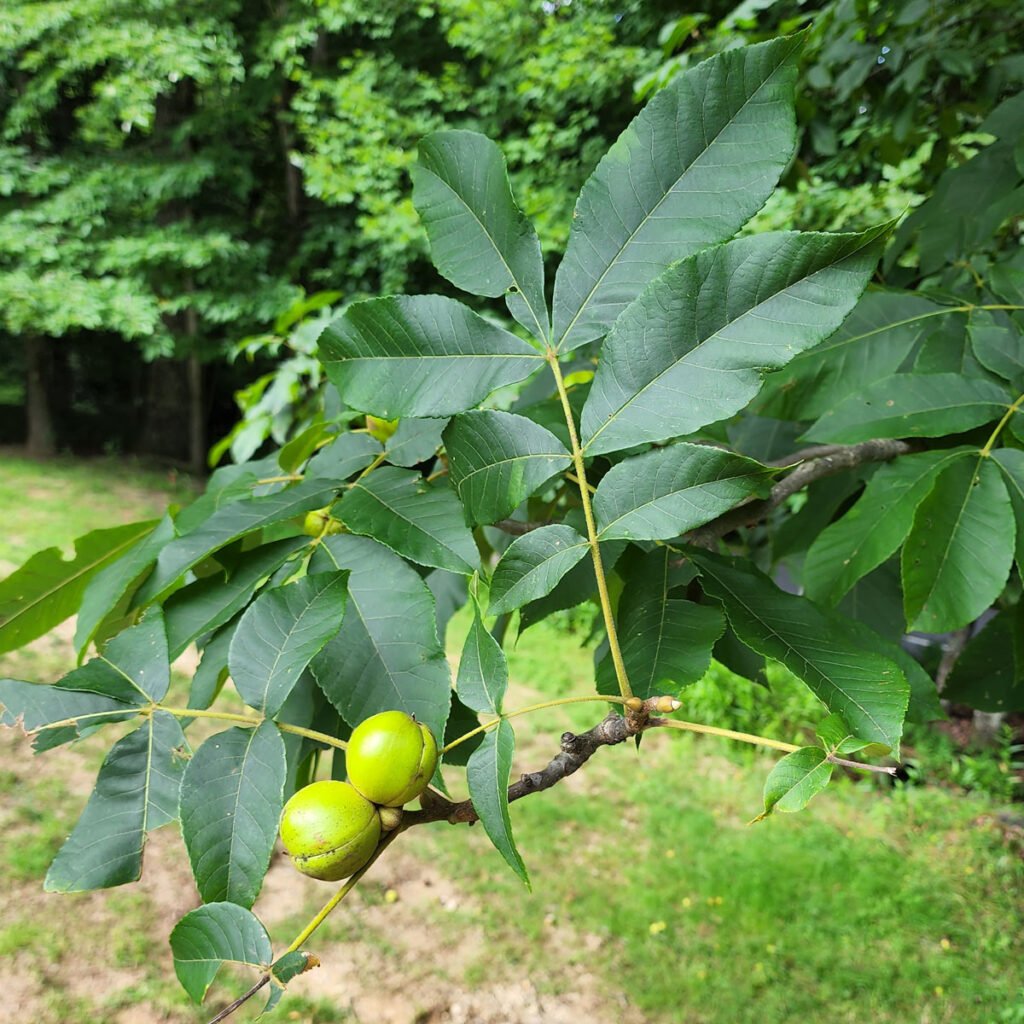
Mockernut Hickory (Carya tomentosa): Growing Tips, Propagation, Uses, Food Potential & Harvesting Guide
Mockernut hickory (Carya tomentosa) is one of North America’s most under-appreciated native trees. Known for its durable wood, nutritious nuts, and ecological value, it’s a species that rewards patience—often outliving those who plant it. If you’re searching for a tree that’s both functional and beautiful, this slow-growing hickory deserves a spot in your landscape or woodland.
This comprehensive guide explores how to grow, propagate, identify, harvest, and use mockernut hickory, plus a look at its culinary potential and varieties. Whether you’re a homesteader, nut grower, forester, or curious nature lover, here’s everything you need to know.
Botanical Snapshot
- Scientific name: Carya tomentosa
- Family: Juglandaceae (Walnut family)
- Native range: Eastern & central United States
- Mature height: 60–100 ft (18–30 m)
- Lifespan: 200–500+ years
- Hardiness zones: USDA 6–9 (occasionally 5 with shelter)
- Growth rate: Slow to moderate
- Fall foliage: Brilliant golden-yellow
Growing Mockernut Hickory
Although C. tomentosa can thrive without human intervention, optimal growth requires the right environment.
Site Requirements
Sunlight:
- Full sun—6+ hours daily for strong trunk & nut production
Soil:
- Deep, well-drained loam or sandy loam
- Prefers slightly acidic to neutral pH (5.5–7.0)
- Avoid compact clay and waterlogged areas
Water:
- Drought tolerant once mature
- Young trees benefit from consistent moisture
Spacing:
- 35–50 ft apart when planting multiple trees
- For nut production, allow air flow and light penetration
Wind Considerations:
Mockernut forms a sturdy taproot and dense wood, making it highly wind resistant—ideal for windbreaks.
Propagation
Propagation is typically done from seed, though grafting is possible in orchard settings.
Seed Collection & Stratification
- Collect ripe nuts from late September to November
- Remove husks (they split naturally)
- Cold-stratify for 90–120 days at ~1–4°C
- Plant in deep nursery containers or directly outdoors in spring
Important: The tree forms a strong taproot early, so shallow pots hinder success. Deep tubes or field planting are ideal.
Grafting & Improved Cultivars
While mockernut isn’t commonly grafted for commercial nut orchards (pecan dominates that market), grafting can:
- speed up fruiting
- improve nut size
- ensure consistent traits
Whip grafting and bark grafting are most commonly used techniques among nut tree enthusiasts.
Varieties & Taxonomic Notes
Carya tomentosa doesn’t have many formally recognized cultivars, but there are local ecotypes with slight differences in:
- nut size
- shell thickness
- kernel extraction quality
- growth rate
Mockernut also hybridizes naturally with other hickories, particularly:
- Pignut Hickory (C. glabra)
- Black Hickory (C. texana)
These hybrids are sometimes valued for improved nut cracking qualities.
Usage & Applications
Mockernut hickory is exceptionally versatile.
Timber
Wood characteristics:
- dense
- shock-resistant
- high BTU value (excellent firewood)
Uses include:
- tool handles
- furniture
- bows
- flooring
- baseball bats
- smoker wood chips
Food & Edible Uses
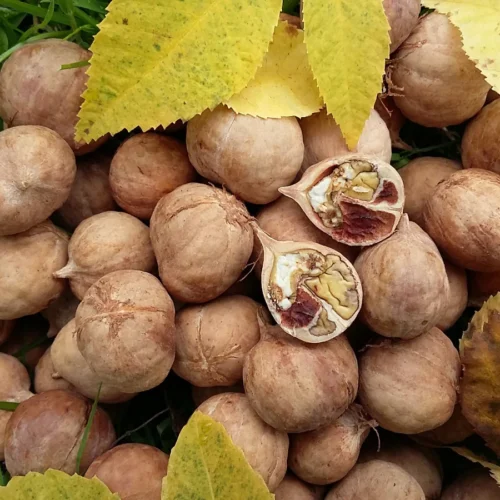
Hickories—mockernut included—are nutritious and sweet but encased in a thick shell.
Kernel flavor: Not as buttery as pecan but intensely nutty, often compared to wild black walnuts without the bitterness.
Nut uses:
- raw snacking (when extracted cleanly)
- nut flours
- roasted spice nuts
- confections & pastries
- traditional hickory milk (Cherokee origin)
Wildlife Value
- squirrels, mice, and chipmunks cache the nuts
- deer browse twigs and foliage
- butterflies use it as a larval host
It plays a foundational role in eastern hardwood ecosystems.
Growing for Nuts: Orchard & Food Forest Notes
Even though mockernut isn’t commercial, it’s useful for:
- permaculture systems
- agroforestry lanes
- mixed nut orchards
- food forests
Key orchard considerations:
- requires cross-pollination among hickories
- yields improve with tree maturity (20–40+ years)
- long-term investment with multi-generational payoff
Food Options & Culinary Experimentation
Because the nut meat is labor-intensive to extract, use is often artisanal or historical.
Popular culinary uses include:
- Hickory Milk
Nuts are crushed, boiled, and strained to form a creamy liquid used in sauces or baking. - Roasted Nuts
Toasting improves flavor and reduces subtle tannins. - Hickory Flour
Ground kernels enhance breads and muffins. - Nut Oil (Experimental)
While not widely pressed, oil extraction is possible and yields a fragrant, high-fat product. - Smoked Flavoring
Wood chips add deep flavor to meats and vegetables.
Harvesting & Processing
Mockernut harvesting demands timing and technique.
When to Harvest
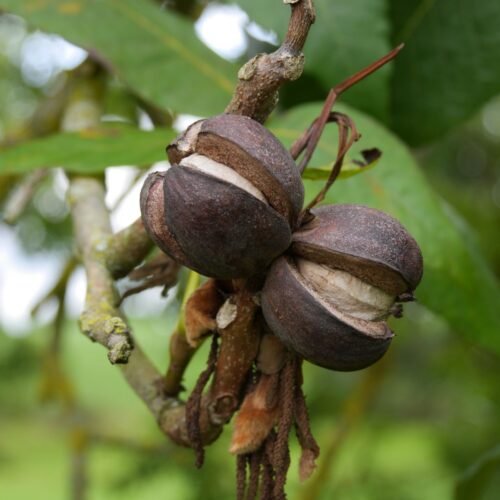
- Nuts ripen late autumn
- Husk splits on the tree or after falling
- Collect before wildlife does—competition is fierce!
Processing Steps
- Remove husks
- Air dry 2–4 weeks for better cracking
- Crack with:
- vise
- heavy-duty nutcracker
- hammer (traditional)
- Extract kernels with picks
Storage
- Store dried nuts in-shell for 6–12 months
- Shelled kernels can be frozen for long-term use
Pests & Diseases
Mockernut is notably resilient.
Potential issues include:
- Hickory nut weevil larvae
- Twig girdlers
- Anthracnose (minor cosmetic leaf issue)
However, overall disease pressure is low compared to walnut and pecan.
Ecological & Cultural Significance
Indigenous peoples used hickory:
- as a reliable calorie source
- for toolmaking
- in medicines and teas
- for hickory milk and traditional dishes
Early European settlers valued it as both a timber and fuel source.
Final Thoughts
Mockernut hickory is not a fast payoff tree—it’s a legacy species. But for those who appreciate native forestry, wildlife value, resilient food crops, and long-lived hardwoods, it’s an exceptional choice. Adding one to your landscape can benefit generations long after planting.

&media=https://food-foresting.com/wp-content/uploads/2026/01/2-IMG_8566.jpg)