
 paulius.mikoliunas1
| Common Name | Myrtle, Foxtail Myrtle |
| Family | Myrtaceae |
| USDA hardiness | 8-11 |
| Known Hazards | None known |
| Habitats | Scrub, avoiding calcareous soils. |
| Range | S. Europe to W. Asia. |
| Edibility Rating |   (3 of 5) (3 of 5) |
| Other Uses |   (4 of 5) (4 of 5) |
| Weed Potential | No |
| Medicinal Rating |   (3 of 5) (3 of 5) |
| Care (info) |     |

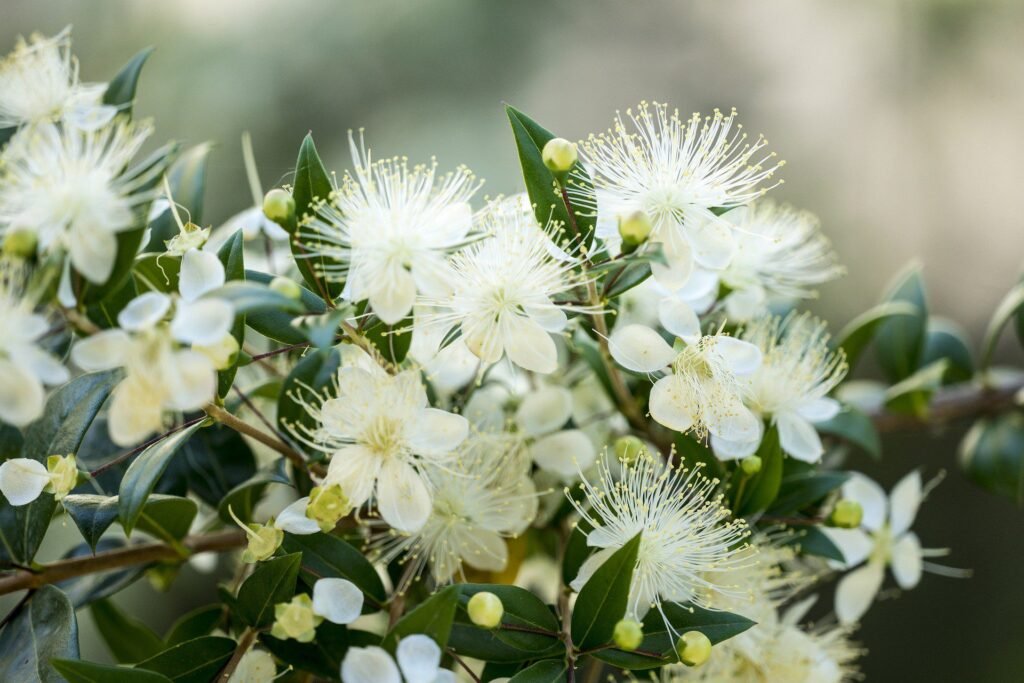
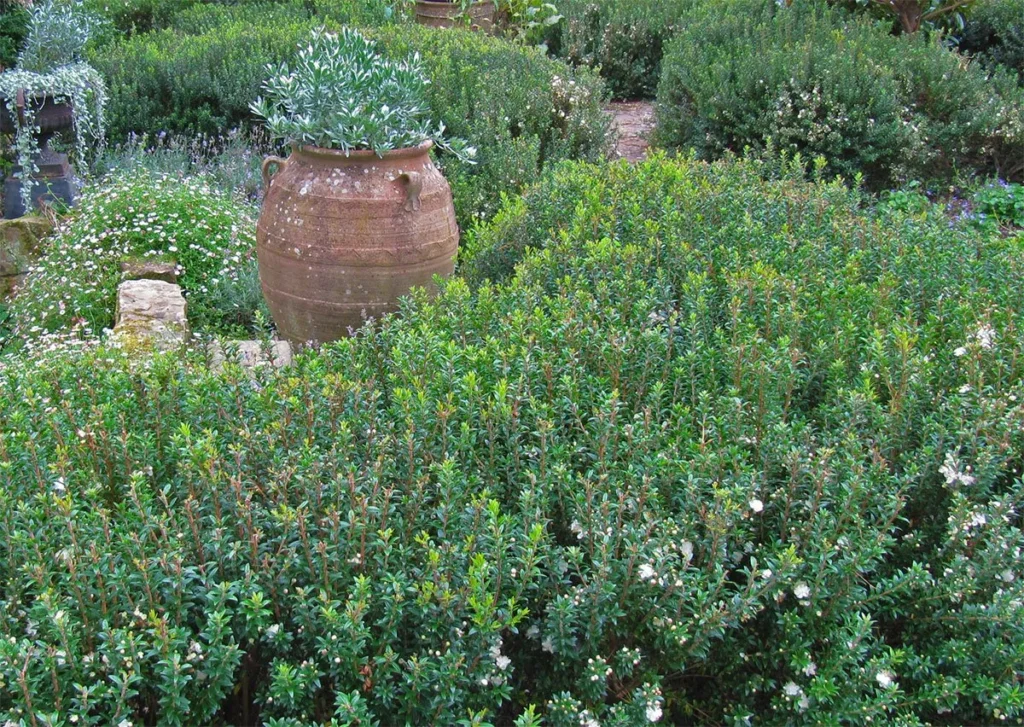
How to Grow, Propagate, Use & Harvest Myrtle (Myrtus communis): A Complete Guide
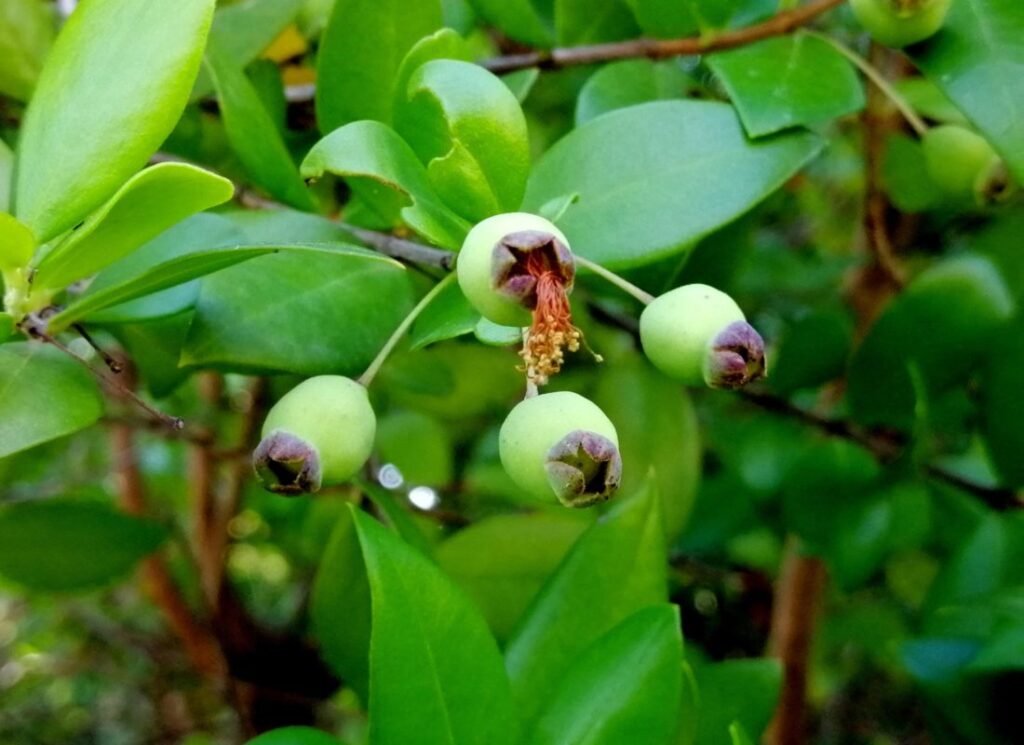
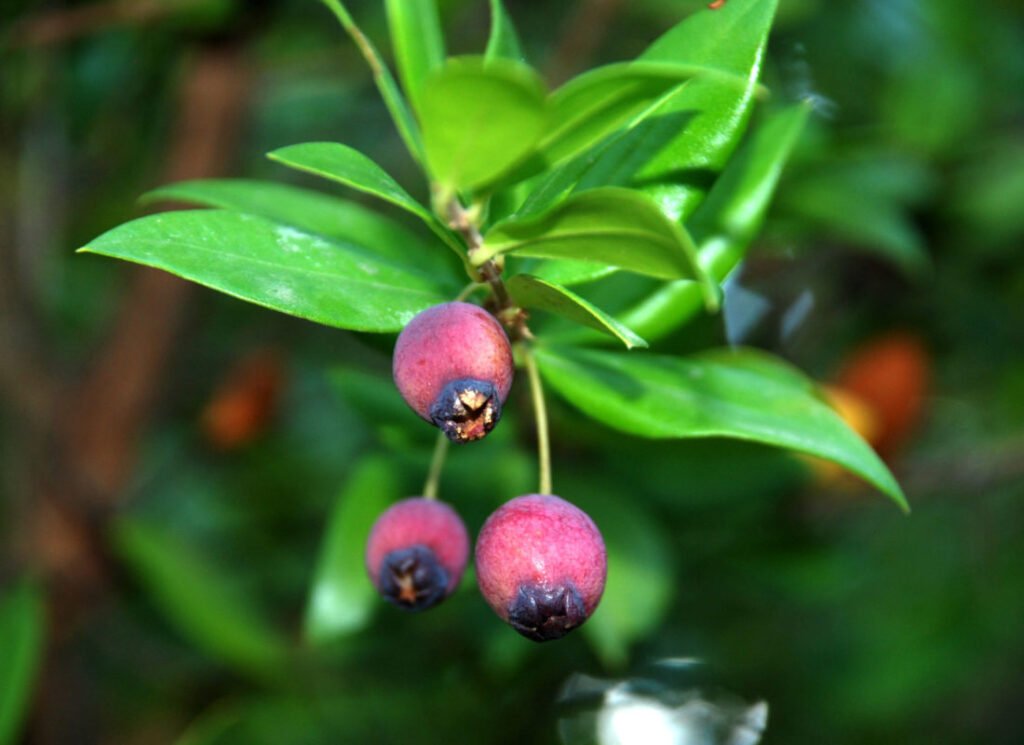
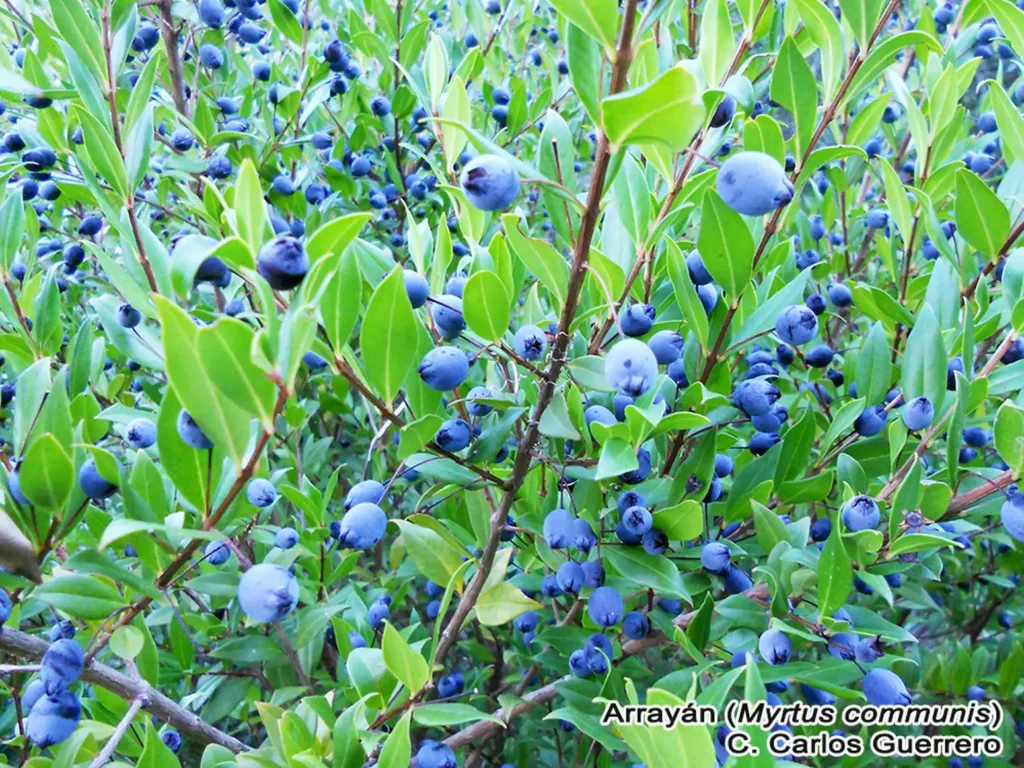
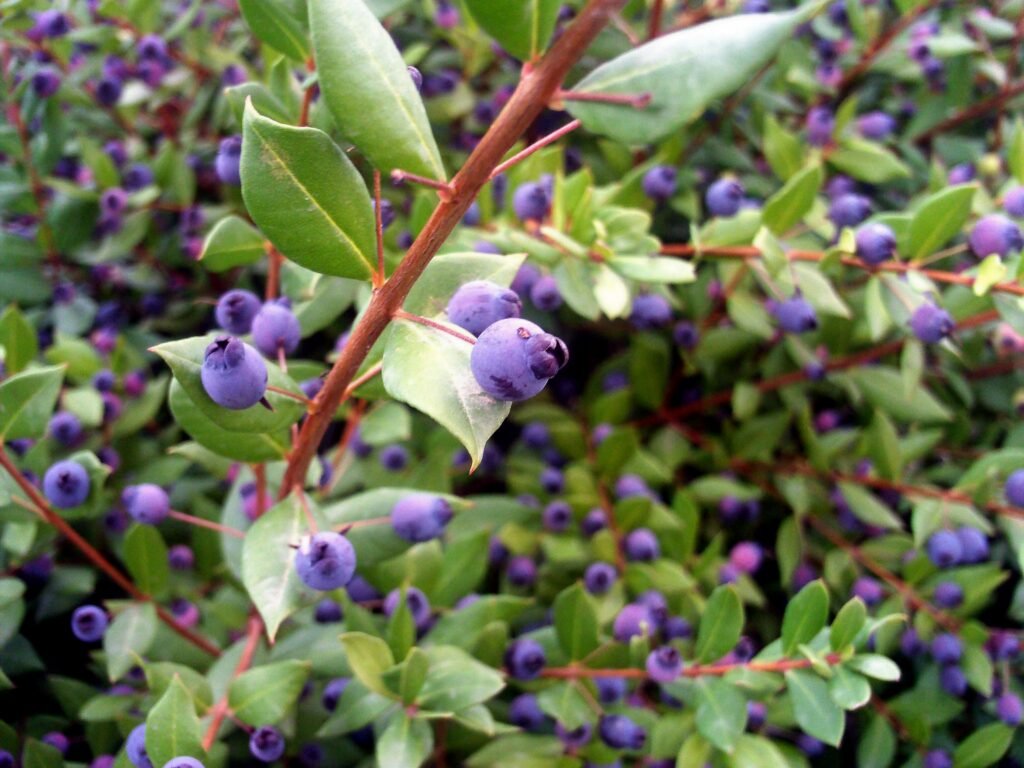
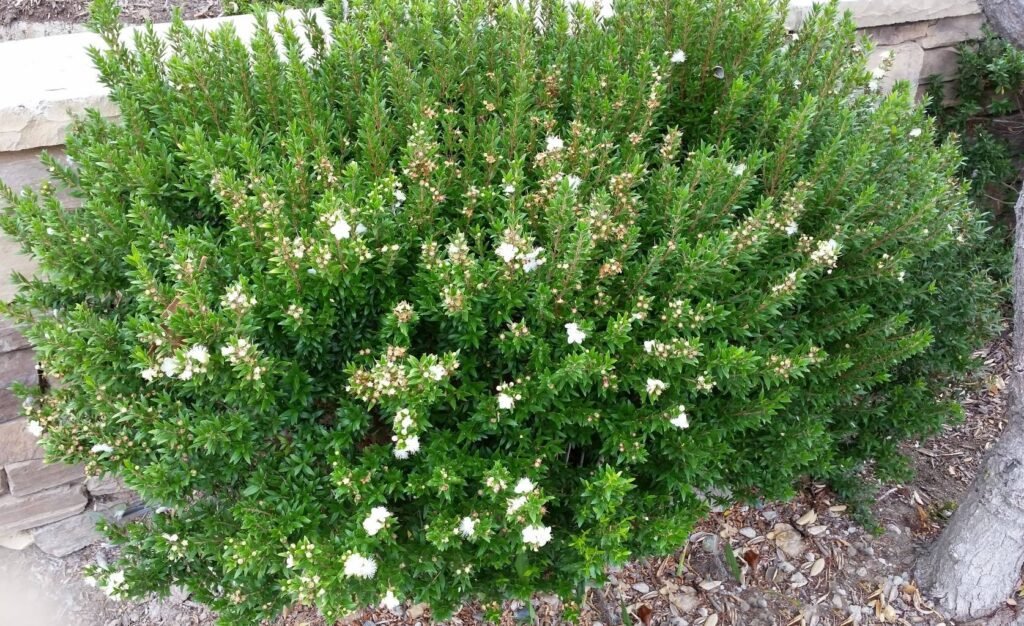
Myrtle (Myrtus communis) is an evergreen shrub treasured for centuries across the Mediterranean. Known for its aromatic foliage, glossy leaves, white flowers, and dark berries, myrtle blends ornamental beauty with culinary, medicinal, and cultural value. Whether you’re a home gardener, a culinary enthusiast, or a plant collector, myrtle is a rewarding botanical companion.
In this guide, we’ll explore everything you need to know: how to grow myrtle, how to propagate it, popular varieties, how it’s used, culinary possibilities, and tips for harvesting.
What Makes Myrtle Special?
Beyond aesthetics, myrtle is rich in essential oils, antioxidants, and natural tannins. Its fragrance appeals to pollinators, while its berries and leaves are used in traditional cuisine and herbal remedies. Its symbolic role in weddings, mythology, and rituals has made it a timeless plant across cultures.
Growing Myrtle (Myrtus communis)
Climate & Hardiness
Myrtle thrives in:
- Mediterranean climates
- USDA zones 8–11
- Warm, dry summers & mild winters
Young plants appreciate winter protection in colder climates. Container growing is an excellent workaround for those in temperate regions.
Soil Requirements
Myrtle prefers:
- Well-drained soils
- Slightly acidic to neutral pH (6.0–7.0)
- Sandy or loamy texture
Avoid waterlogged soil—root rot is its main enemy.
Sunlight & Exposure
For optimal foliage density and flower production:
- Full sun is ideal
- Partial shade is tolerable but reduces flowering
Watering & Feeding
Myrtle tolerates drought once established but performs best with:
- Moderate watering during dry periods
- Mulch to retain soil moisture
Fertilize with balanced organic feed in early spring for robust growth.
Pruning & Shaping
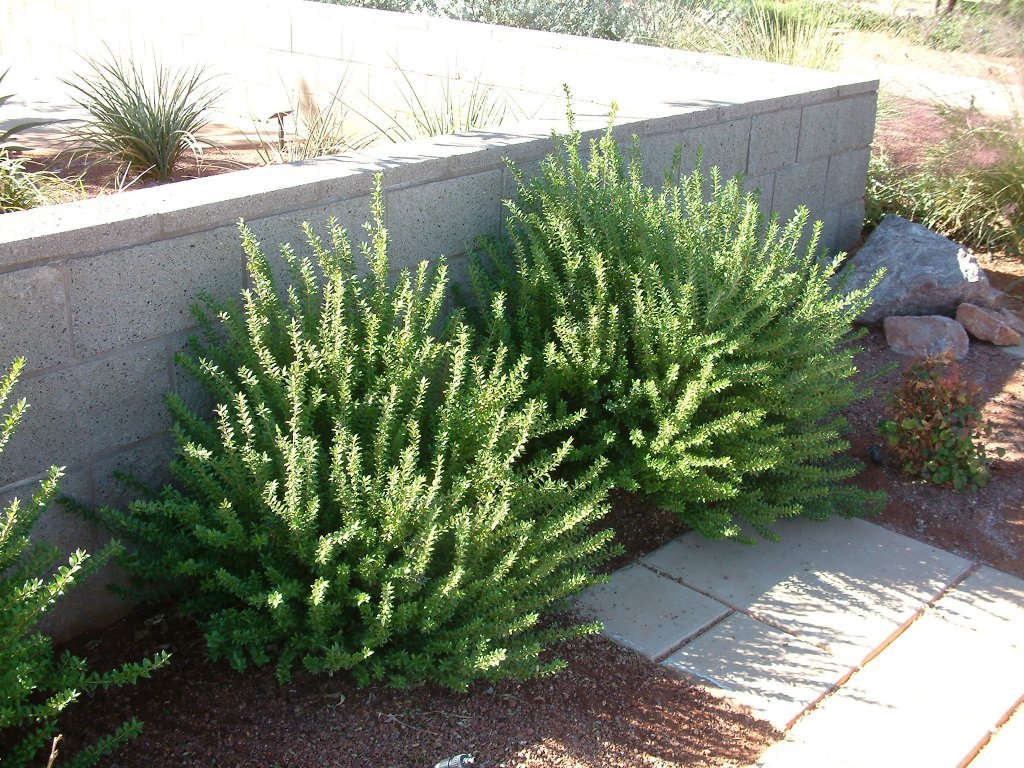
Myrtle responds well to pruning making it suitable for:
- Topiaries
- Hedges
- Bonsai
- Container styling
Prune after flowering to maintain shape without removing next year’s buds.
Propagation Techniques
Myrtle can be propagated by seeds and cuttings, but each method suits different goals.
1. Propagation by Seed
Seed propagation promotes genetic diversity, useful for breeding or discovering new traits.
Steps:
- Collect ripe berries and remove pulp
- Rinse seeds and allow to dry
- Sow in a light, sandy substrate
- Maintain warmth (20–24°C) and moisture
Germination can take several weeks; patience pays off.
2. Propagation by Cuttings (Most Popular)
Cuttings ensure clones of desired varieties.
Best time:
- Late summer or early autumn
Method:
- Use semi-hardwood cuttings (8–12 cm)
- Remove lower leaves
- Dip in rooting hormone (optional but helpful)
- Place in well-draining medium
- Provide humidity and bright, indirect light
Root development often occurs within 6–10 weeks.
Popular Myrtle Varieties
While Myrtus communis is the standard species, selective breeding has produced diverse options:
✔ Myrtus communis ‘Compacta’
- Dwarf habit
- Ideal for borders & containers
✔ Myrtus communis ‘Variegata’
- Green-white variegated foliage
- Adds ornamental flair
✔ Myrtus communis ‘Tarentina’
- Small leaves, dense growth
- Great for low hedging & bonsai
✔ Myrtle Berry Selections
Some cultivars emphasize berry yield for culinary or liqueur production.
Traditional Uses of Myrtle
Myrtle has been used for centuries for:
- Aromatherapy
- Cosmetics & natural perfume
- Herbal teas & syrups
- Ritual & symbolic purposes
- Medicine (respiratory & digestive support)
Essential oils are extracted from leaves and berries and valued for antiseptic qualities.
Myrtle in Cuisine & Food Culture
Few shrubs offer such gastronomic versatility.
Leaves
Used to:
- Flavor meats (especially pork & game)
- Season stews & marinades
- Smoke or wrap foods
Leaves resemble bay in usage but with sweeter, resinous notes.
Berries
Berries can be:
- Eaten dried
- Used as seasoning
- Turned into jams, syrups & sauces
- Infused into liqueurs
In parts of the Mediterranean, a traditional liqueur is made from macerated berries paired with aromatic leaves.
Essential Oils & Extracts
Used for:
- Bitters
- Herbal beverages
- Digestive tonics
Flavor profile is mildly sweet, peppery, and resinous.
Harvesting Myrtle
When to Harvest Leaves
- Best collected mid-summer during peak oil concentration
- Choose young but fully formed leaves
When to Harvest Berries
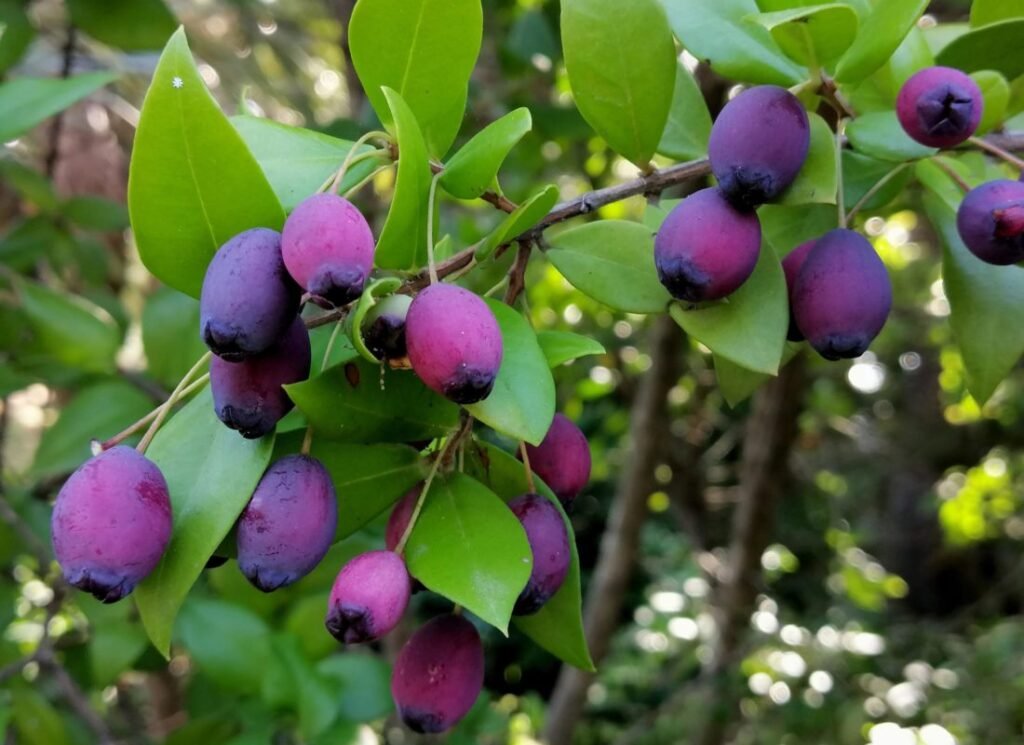
- Late autumn to early winter
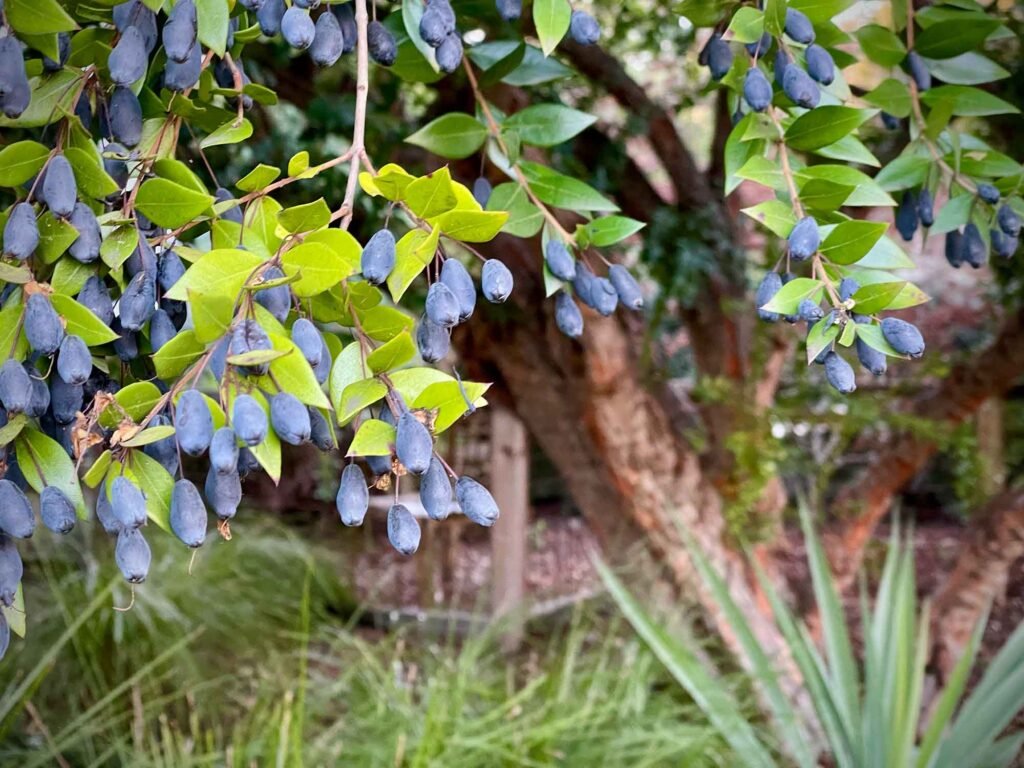
- Fully ripe berries are dark purple to blue-black
Drying & Storage
Leaves should be:
- Air-dried in shade
- Stored in sealed containers
Berries can be:
- Used fresh
- Dried
- Frozen
- Macerated
Proper storage preserves aroma and antioxidant content.
Tips for Growing Myrtle in Containers
Container cultivation is excellent for cold climates.
Key recommendations:
- Use terracotta for breathability
- Ensure excellent drainage
- Bring indoors when temperatures drop near freezing
- Provide bright light in winter
Myrtle adapts well to indoor overwintering conditions.
Common Challenges & Solutions
| Problem | Cause | Solution |
|---|---|---|
| Leaf drop | Overwatering | Reduce irrigation, improve drainage |
| Yellowing leaves | Nutrient deficiency | Add balanced fertilizer |
| Poor flowering | Low light | Increase sun exposure |
| Root rot | Wet soil | Repot, choose well-draining mix |
Myrtle is overall hardy and low-maintenance once established.
Final Thoughts
Myrtle (Myrtus communis) is both beautiful and practical—an evergreen symbol of ancient culture, culinary delight, and modern garden charm. With the right care, it grows effortlessly, propagates reliably, and rewards you with aromatic leaves, showy flowers, and flavorful berries.
Whether you’re planting a hedge, making herbal liqueur, or simply adding diversity to your garden, myrtle is a shrub worth exploring.


&media=https://food-foresting.com/wp-content/uploads/2026/01/08-5-Myrtus-communis-fruit-scaled-1100x800-1.jpg)