
 paulius.mikoliunas1
| Common Name | Pistachio, Pistachio Nut |
| Family | Pistaciaceae |
| USDA hardiness | 7-10 |
| Known Hazards | None known |
| Habitats | Hilly and mountainous regions, especially on sandstone soils, with a temperature range from -10°c in the winter to 40°c in the summer, to 1500 metres |
| Range | W. Asia. |
| Edibility Rating |   (3 of 5) (3 of 5) |
| Other Uses |   (2 of 5) (2 of 5) |
| Weed Potential | No |
| Medicinal Rating |   (2 of 5) (2 of 5) |
| Care (info) |     |
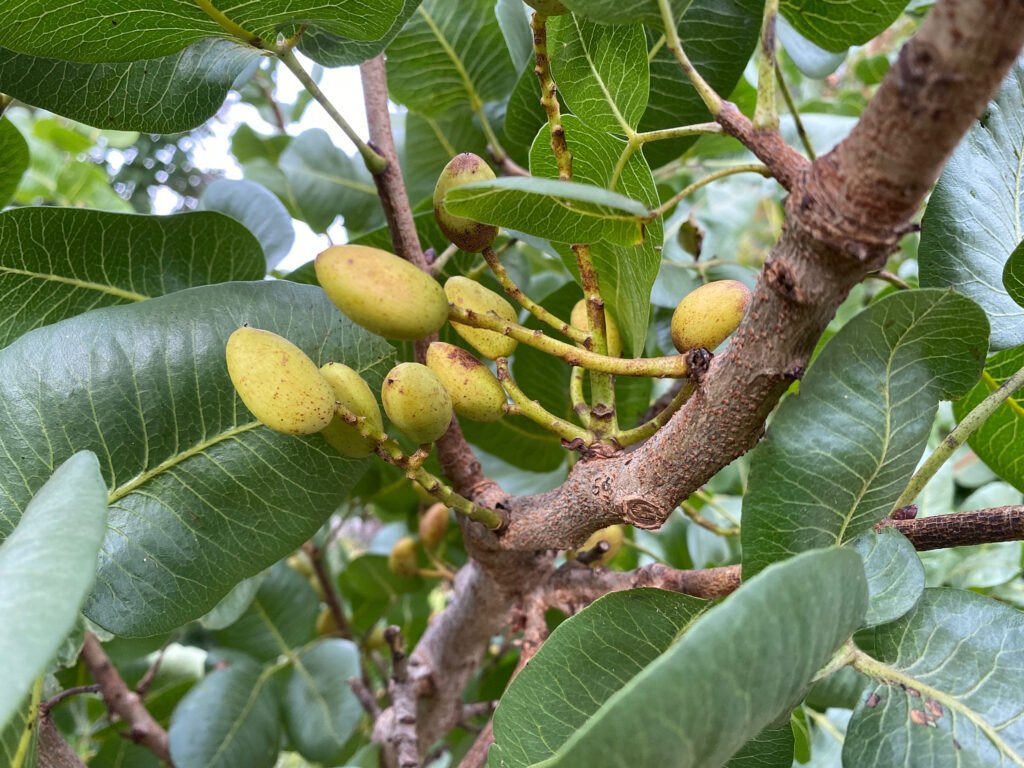
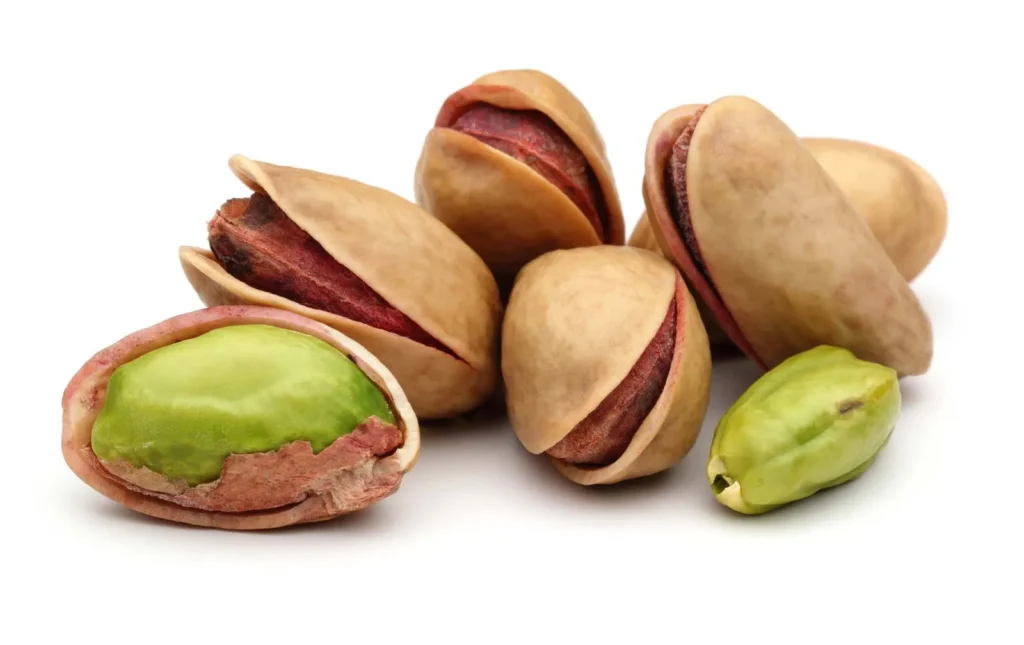

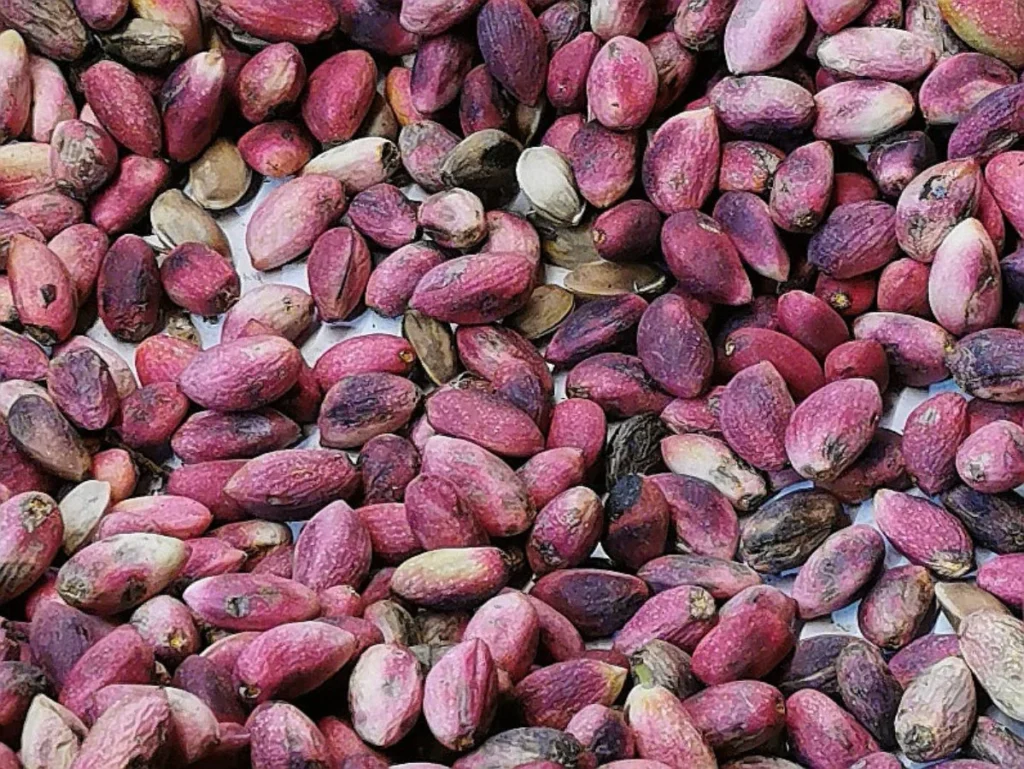
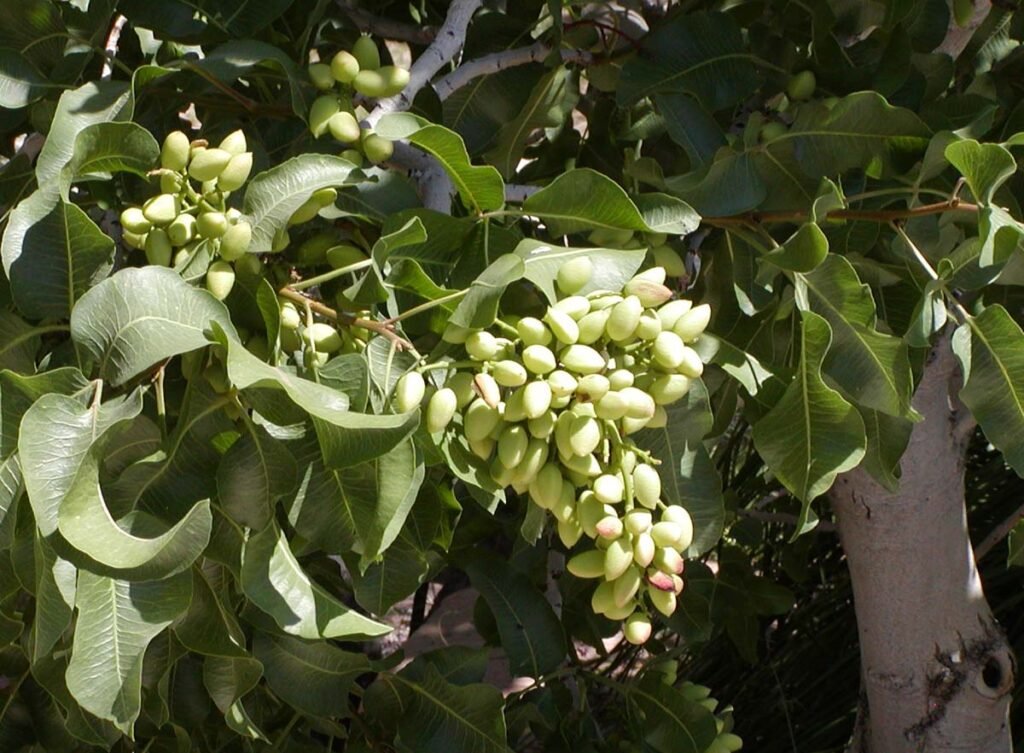

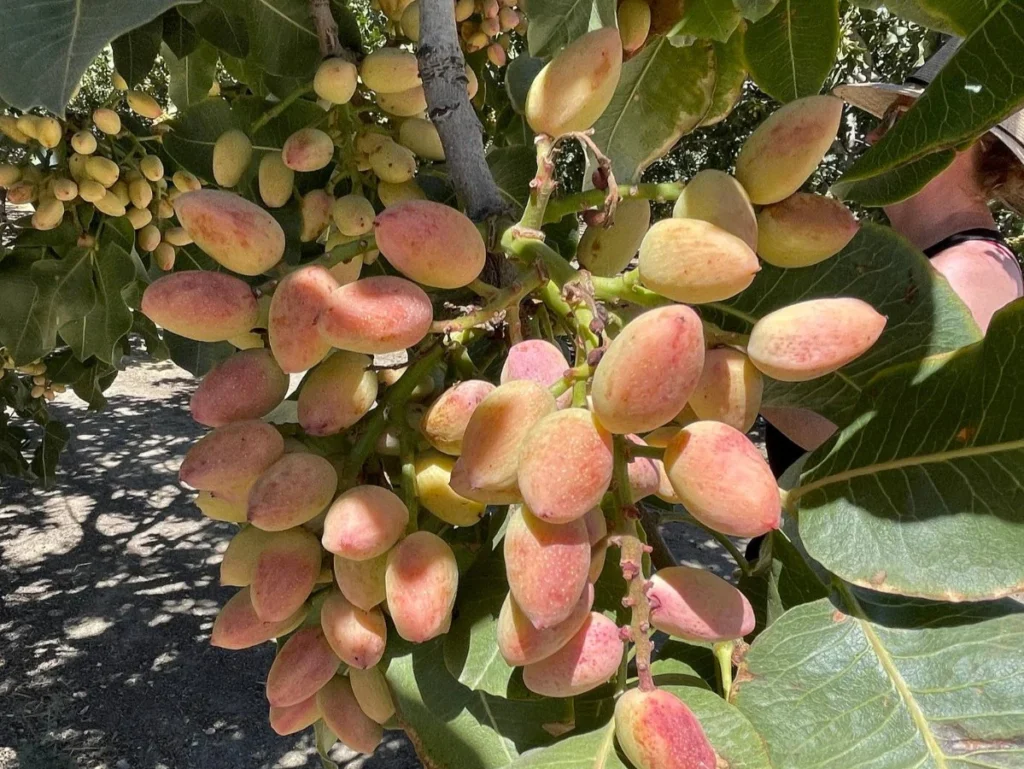
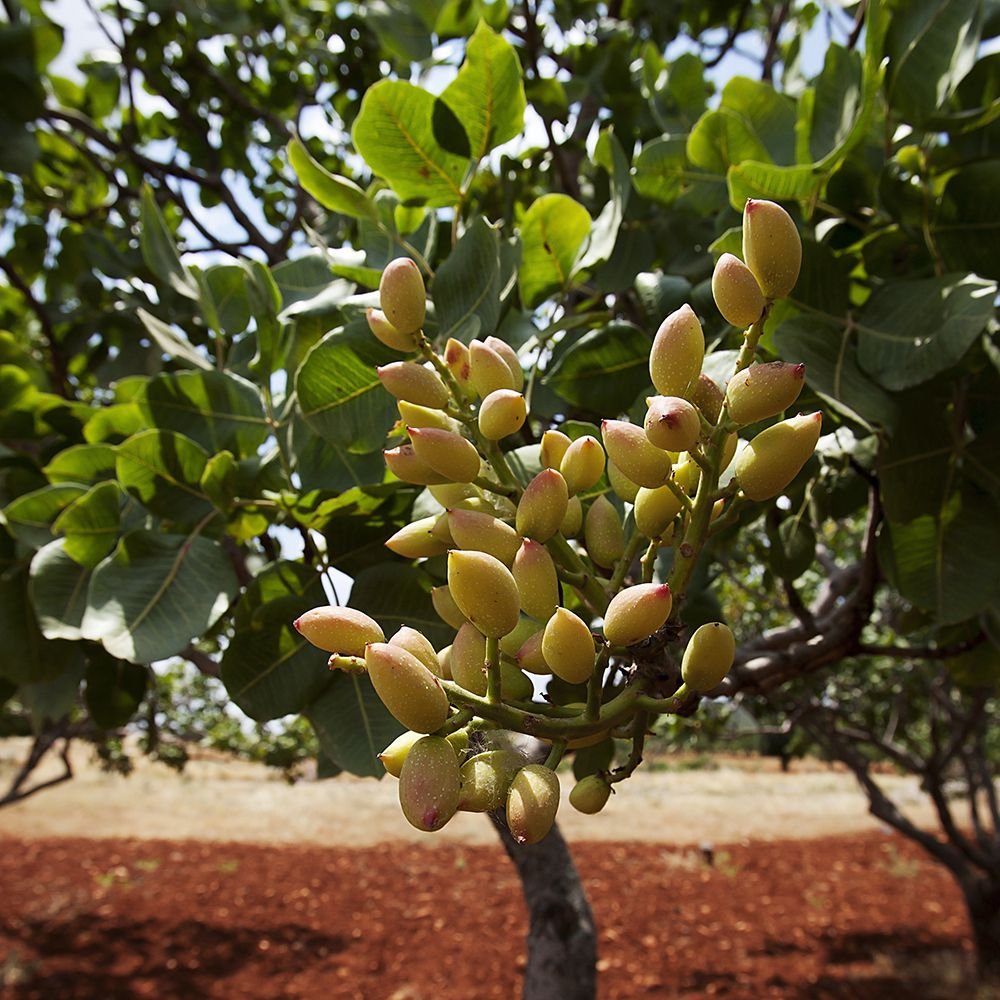
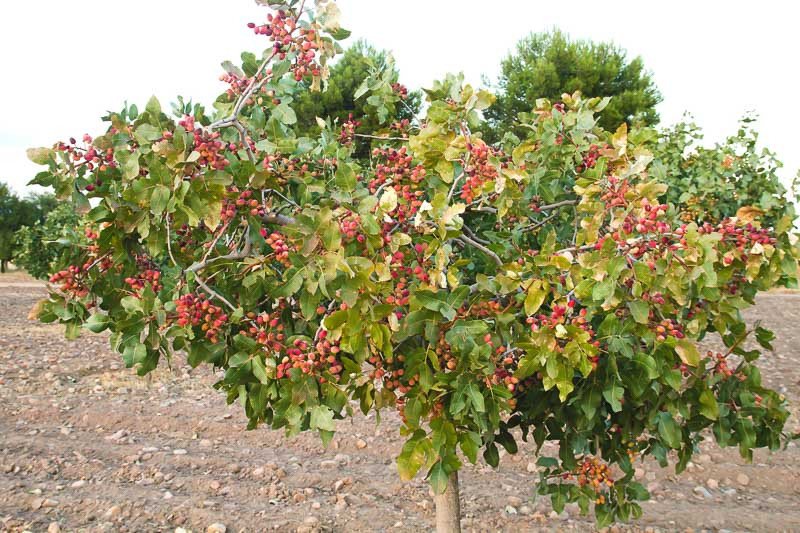
How to Grow, Propagate, Harvest & Enjoy Pistachio (Pistacia vera): A Complete Guide
The pistachio tree (Pistacia vera) has been cultivated for thousands of years for its buttery, nutty, and slightly sweet kernels. Today, pistachios remain a gourmet snack, a culinary ingredient, and a fascinating orchard crop for gardeners in warm climates.
Whether you’re growing pistachios commercially or as a hobby, this guide explores everything from varieties and cultivation techniques to harvesting, storage, and irresistible food uses.
What Climate Do Pistachio Trees Need?
Pistachio trees thrive in hot, dry summers and cool winters. They prefer:
- Climate Zones: generally USDA Zones 8–10
- Winter Chill: approx. 600–1,000 hours below 7°C (45°F)
- Ideal Summer Heat: 35°C+ (95°F+)
- Rainfall: very drought-tolerant; low humidity preferred
Because pistachios evolved in arid regions, they perform best in soils and climates that stress many other fruit/nut trees.
Soil, Water & Site Preparation
Before planting, ensure:
Soil Requirements
- Well-drained sandy loam
- pH between 7.0–7.8
- Avoid heavy clay or waterlogging
Irrigation
Young trees require regular watering, while mature trees can tolerate drought. Over-watering increases fungal risk and reduces nut quality.
Sun Exposure
Full sun is mandatory for:
- Nut production
- Flavor development
- Kernel fill
Pistachio Tree Propagation Methods
There are several approaches to propagate Pistacia vera:
1. Grafting
The most reliable method for orchard production:
- Common rootstocks include P. atlantica, P. terebinthus, and P. integerrima
- Grafted cultivars ensure uniform nut size, yield, and harvest timing
2. Seed Propagation
Seeds germinate fairly well but:
- Offspring are genetically diverse
- Nut quality varies dramatically
- Useful for rootstock creation
3. Cutting Propagation
More difficult due to low rooting success, but practiced in some breeding programs.
Male vs. Female Pistachio Trees
Pistachios are dioecious, meaning:
- Female trees = produce nuts
- Male trees = produce pollen
For pollination success:
- Ratio: approx. 1 male per 8–10 females
- Wind-pollinated, so spacing and orchard layout matter
Prime Pistachio Varieties
A few globally established cultivars include:
‘Kerman’
- Most widely planted commercial variety
- Large nuts, strong flavor, consistent yield
‘Sirora’
- Earlier harvest
- Good shell split characteristics
‘Peters’
- Common male pollenizer for ‘Kerman’
‘Aegina’
- Compact size
- Popular in home gardens
Different regions may breed or select varieties for chill hours, disease tolerance, or kernel flavor.
Tree Care: Pruning & Maintenance
Training Young Trees
Shape the canopy to:
- Encourage air flow
- Increase light penetration
- Maintain manageable height
Annual Pruning
Remove:
- Deadwood
- Crowded branches
- Suckers and low shoots
Pistachios can alternate-bear, meaning heavy crops one year and lighter ones next year. Proper pruning helps moderate swings.
Common Pests & Diseases
While relatively tough, pistachios can struggle with:
- Navel orangeworm (in nuts)
- Phytophthora root rot (with over-watering)
- Botryosphaeria (humidity-driven fungal disease)
- Verticillium wilt (soil pathogen sensitivity)
Good airflow, careful irrigation, and proper site selection reduce issues significantly.
When & How to Harvest Pistachios
Pistachios mature late summer to early autumn. Signs of readiness:
- Hull (outer husk) changes color and loosens
- Shells naturally split (a desirable trait)
- Kernels deepen in color and flavor
Harvesting Method:
- Commercial orchards: mechanical shaking
- Home growers: manual shakers or hand picking
Post-Harvest Steps
- Remove hulls within 24 hours
- Rinse and dry nuts thoroughly
- Roast or store raw
Proper drying prevents mold and preserves aroma.
Culinary Uses & Food Applications
Once dried, pistachios shine in both sweet and savory culinary traditions:
Sweet Uses
- Pistachio ice cream
- Baklava & pastries
- Pistachio butter
- Halva
- Macarons
- Cakes & biscotti
Savory Uses
- Crust for fish or lamb
- Salads and mezze
- Pesto alternative
- Grain bowls & pilafs
Health Benefits
Pistachios are:
- High in antioxidants
- Rich in vitamin B6 & potassium
- A good source of protein & fiber
Their natural color and flavor elevate both gourmet dishes and simple snacks.
Storage & Shelf Life
To preserve quality:
- Keep roasted pistachios in airtight containers
- Store raw kernels refrigerated or frozen for longer shelf life
- Avoid light and humidity
Properly stored nuts maintain flavor for months.
Are Pistachios Profitable to Grow?
Commercial pistachio production has surged due to demand for:
- Health snacks
- Vegan/vegetarian protein
- Premium confectionery products
However:
- Trees take 5–7 years to begin cropping
- Full production occurs at year 10+
- Initial investment (land, grafting, irrigation) is significant
Once mature, pistachios can yield for decades.
Frequently Asked Questions
How long do pistachio trees live?
They can produce for 50–100+ years under ideal conditions.
Do pistachio shells always split naturally?
Most high-grade cultivars split naturally; un-split nuts can still be eaten but may be sold for processing.
Can pistachios grow in humid climates?
Humid regions increase fungal pressures and reduce nut quality; arid climates are preferred.
Final Thoughts
Growing Pistacia vera is an investment in time and climate suitability — but the payoff is a crop with gourmet status, long shelf life, and expanding market demand. Home gardeners enjoy a long-lived shade tree with unique culinary rewards, while commercial growers value pistachios as a premium agricultural commodity.


&media=https://food-foresting.com/wp-content/uploads/2026/01/pistachios.webp)