 paulius.mikoliunas1
| Common Name | Red Maple, Drummond’s maple, Swamp Maple |
| Family | Aceraceae |
| USDA hardiness | 4-10 |
| Known Hazards | None known |
| Habitats | Usually found in swamps and uplands, it also occasionally grows on dry rocky hillsides and sand dunes. |
| Range | Eastern N. America – Quebec to Florida, west to Texas, Minnesota and Ontario. Europe, Lithuania |
| Edibility Rating |   (3 of 5) (3 of 5) |
| Other Uses |   (3 of 5) (3 of 5) |
| Weed Potential | Yes |
| Medicinal Rating |   (1 of 5) (1 of 5) |
| Care (info) |     |
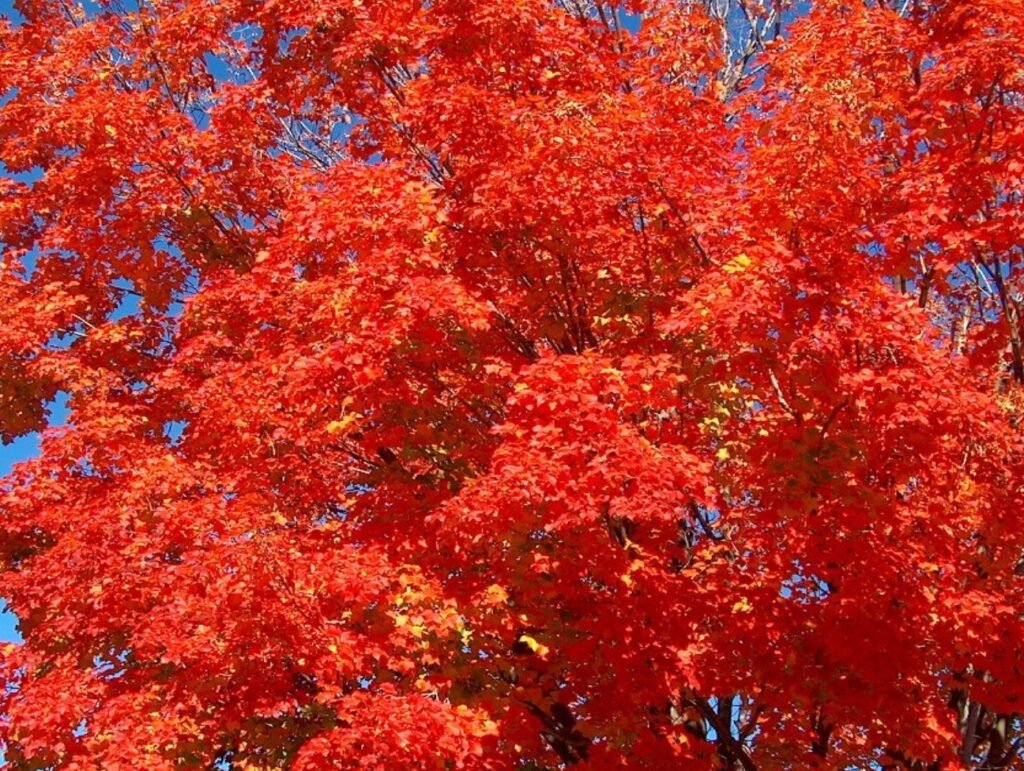
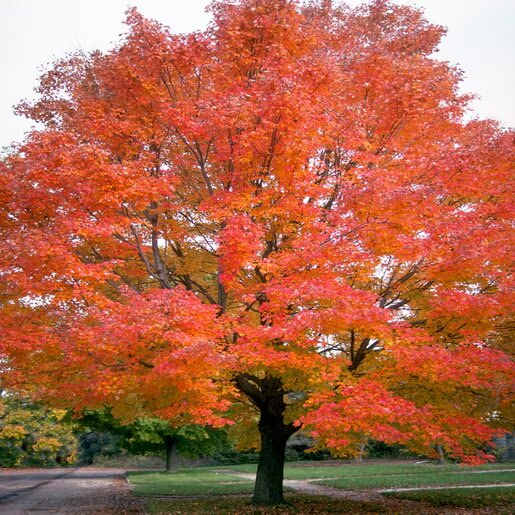

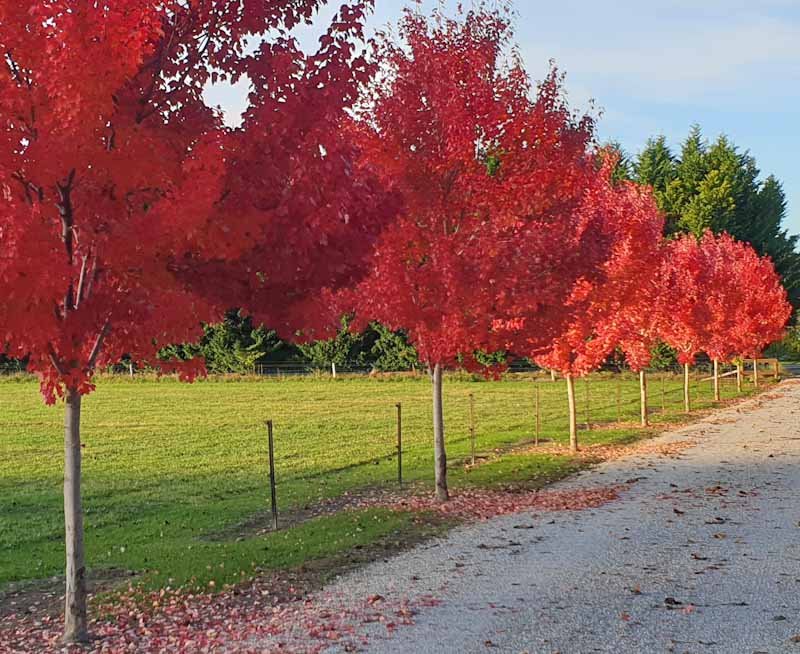
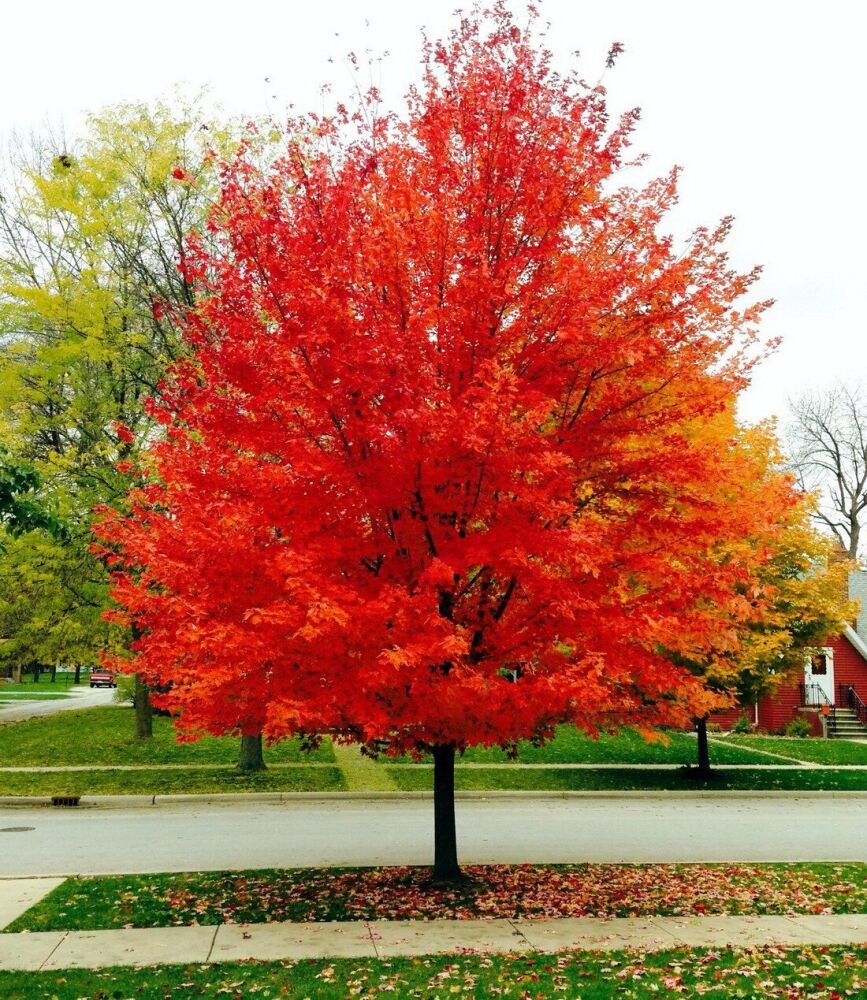
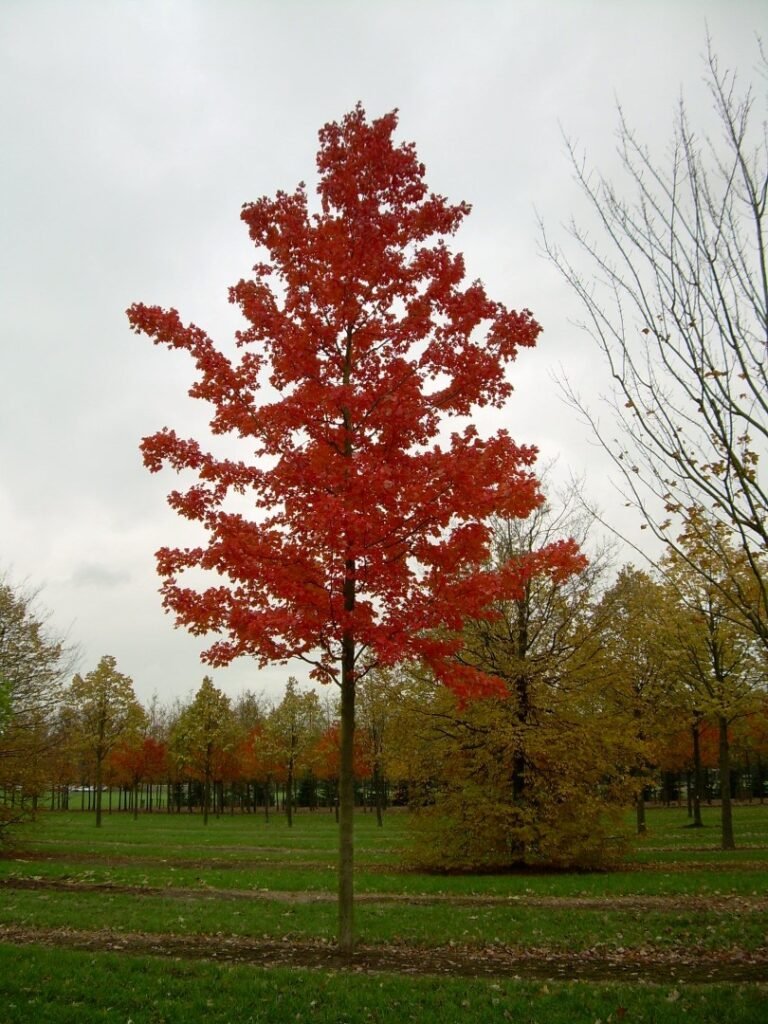
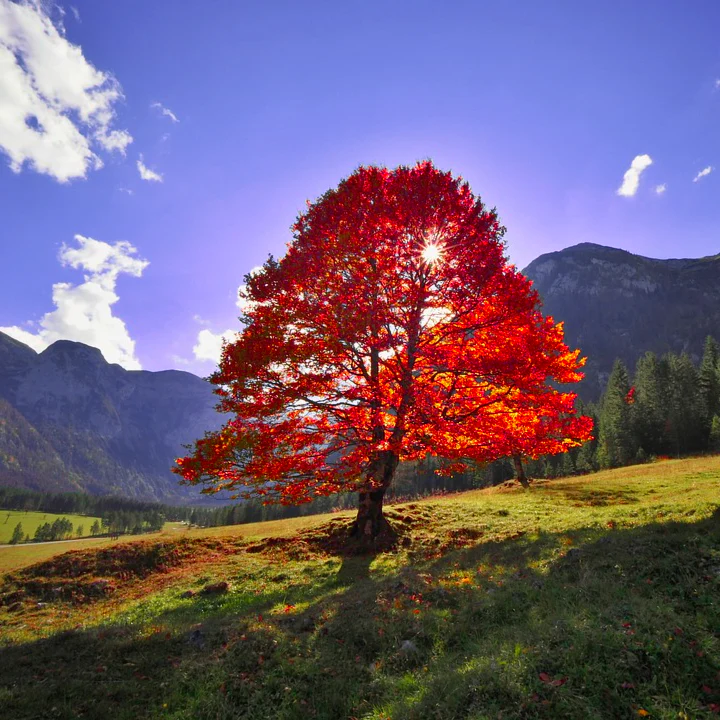

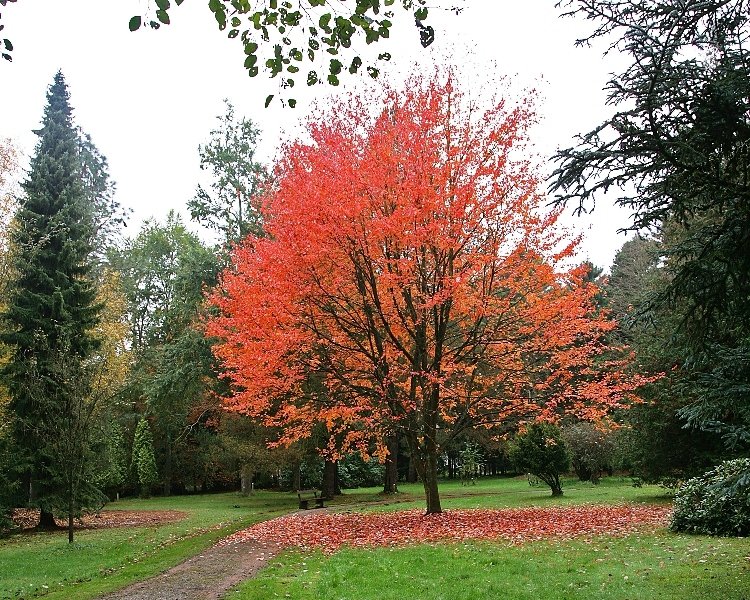
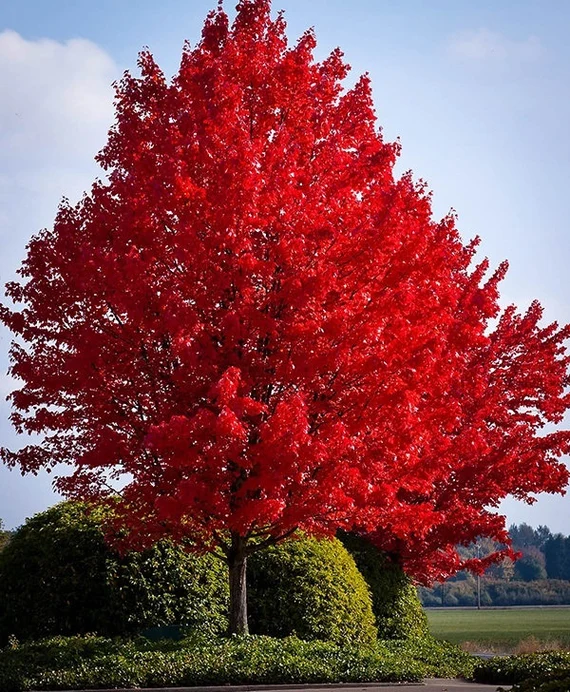
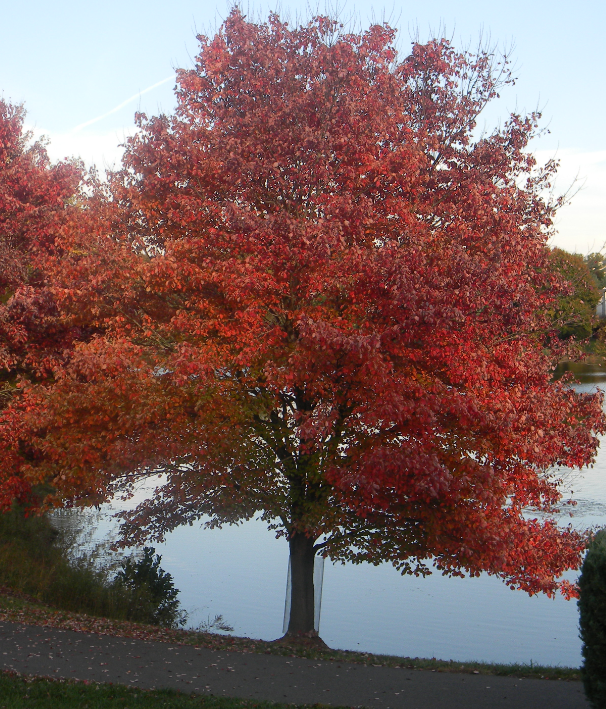
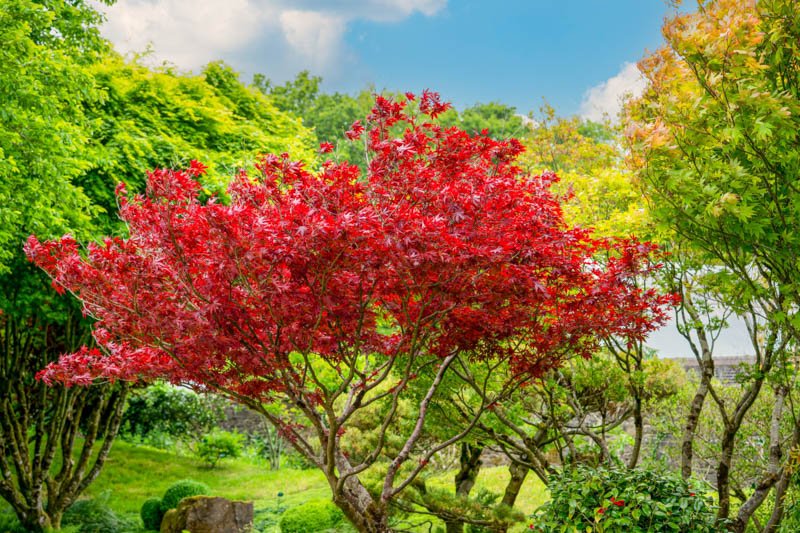

How to Grow, Propagate, Use, and Harvest Red Maple (Acer rubrum): The Complete Guide
The Red Maple (Acer rubrum) is one of North America’s most iconic and versatile trees. Known for its fiery fall foliage, rapid growth, and extraordinary adaptability, this species is a favorite among home gardeners, landscapers, foragers, and ecological restoration specialists. Despite its ornamental fame, Red Maple also offers culinary uses, medicinal potential, wildlife value, and practical wood applications.
Whether you’re planning to plant your first maple or expand your permaculture space, this guide covers everything you need to know about cultivation, propagation, varieties, harvesting, and creative uses of Acer rubrum.
What Makes Red Maple Special?
Red Maple is beloved for several reasons:
- Brilliant red fall color
- Fast-growing (up to 2 feet per year)
- Highly adaptable to soil pH and moisture
- Cold-hardy down to USDA Zone 3
- Early spring nectar source for pollinators
- Edible sap for syrup and sugar
- Strong and widely used hardwood
These traits make Red Maple one of the most widely distributed trees in North America.
🌱 How to Grow Red Maple (Acer rubrum)
1. Climate and Hardiness
- USDA Zone: 3–9
- Thrives in both cold northern climates and moderately warm temperate zones.
- Tolerates wet soil better than most maples.
2. Ideal Location
Choose a site that offers:
- Full sun to partial shade (best color in full sun)
- Room to expand — the canopy spreads 25–45 feet
- Distance from structures — avoid planting near sewer lines due to shallow roots
3. Soil Requirements
Red Maple is highly adaptable:
- Prefers slightly acidic, moist soil
- Tolerates clay, sand, loam, and even occasional flooding
- Avoid highly alkaline soils to prevent nutrient issues (yellowing leaves)
4. Planting Instructions
- Dig a hole twice as wide as the root ball.
- Set the tree at the same depth it grew in the nursery.
- Backfill gently and water deeply.
- Add 2–4 inches of mulch but keep it away from the trunk.
- Stake only if the site is windy.
5. Watering Schedule
- First year: Deep water weekly
- After establishment:
- Tolerates drought but prefers consistent moisture
6. Fertilizing
- Apply a balanced, slow-release fertilizer in early spring.
- Avoid overfertilizing — it encourages weak growth.
✂️ How to Prune Red Maple
- Prune during late winter when the tree is dormant.
- Remove:
- Crossing branches
- Dead/damaged wood
- Weak crotch angles
- Maintain a strong central leader when young.
Avoid heavy pruning in early spring — the tree produces heavy sap flow (“bleeding”).
🌿 How to Propagate Red Maple (Acer rubrum)
1. Propagation by Seed
Red Maples produce seeds (samaras) that ripen in late spring—much earlier than most maples.
Steps:
- Collect ripe red samaras.
- Remove wings and soak seeds 24 hours.
- Cold-stratify seeds 60–90 days in moist peat or sand.
- Sow in containers or outdoor beds.
- Maintain moisture until germination.
Tip: Many Red Maple seeds germinate readily without extensive stratification.
2. Propagation by Cuttings
Red Maple can also be propagated through softwood cuttings.
Steps:
- Take 4–6 inch softwood cuttings in early summer.
- Dip in rooting hormone.
- Place in a sterile, moist rooting medium.
- Cover with humidity dome.
- Rooting occurs in 4–8 weeks.
3. Propagation by Air Layering
Useful for preserving a specific cultivar’s traits.
Steps:
- Choose a healthy branch
- Remove bark ring
- Wrap with moist sphagnum moss
- Seal with plastic
- Roots develop in 6–12 weeks
Air layering produces larger, faster-establishing saplings.
🍁 Popular Red Maple Varieties (Cultivars)
1. ‘Red Sunset’
- Vibrant orange-red fall color
- Fast-growing
- Excellent for streets and yards
2. ‘October Glory’
- Late-season crimson display
- Loved for extended fall color
3. ‘Autumn Flame’
- Intensely bright red early in fall
- Dense, rounded canopy
4. ‘Scarlet Sentinel’
- Columnar shape ideal for narrow spaces
5. ‘Northwood’
- Extremely cold hardy
- Consistent color in Zone 3
🍁 Uses of Red Maple
1. Landscaping and Shade
Red Maple is one of the best ornamental trees for:
- Urban landscapes
- Large backyards
- Parks and campuses
It offers fast shade and spectacular seasonal color.
2. Wildlife Habitat
Red Maples support:
- Over 290 species of moths and butterflies
- Early pollinators with late-winter flowers
- Squirrels who eat buds and samaras
- Birds who use the branches for nesting
3. Wood and Commercial Uses
Red Maple hardwood is used for:
- Furniture
- Flooring
- Veneer
- Musical instruments
- Turned bowls and specialty crafts
🍯 Food Uses: Yes, Red Maple is Edible!
While Sugar Maple gets the spotlight, Red Maple also produces a sweet, edible sap. Though slightly lower in sugar content, Red Maple sap can be used for:
✔ Maple Syrup
Requires more sap to produce syrup but tastes excellent.
✔ Maple Sugar
Boil sap further until it crystalizes.
✔ Maple Candy
Use syrup boiled to the soft-ball stage.
✔ Sap for Drinking
Can be consumed fresh as a mildly sweet tree water.
✔ Maple Vinegar
Ferment syrup or sap to create a tangy culinary vinegar.
🧺 How to Harvest Red Maple Sap
When to Tap
- Late winter to early spring
- When daytime temps rise above freezing and nights dip below freezing
How to Tap the Tree
- Choose a healthy tree at least 10–12 inches in diameter.
- Drill a 7/16″ or 5/16″ tap hole 2–3 inches deep.
- Insert spile.
- Hang bucket or bag.
- Collect sap daily.
Processing the Sap
- Filter to remove debris.
- Boil until syrup thickens:
- Boiling point is roughly 7°F above water’s boiling point.
- Can or refrigerate.
🍁 When to Harvest Red Maple Leaves and Bark
Leaves
- Young leaves in spring can be used sparingly in teas.
- Avoid overharvesting; they’re important for tree health.
Bark
- Inner bark used traditionally for astringent teas (consult a professional before using medicinally).
🧭 Troubleshooting: Common Red Maple Problems
❌ Chlorosis (Yellow Leaves)
- Often caused by alkaline soil
- Solution: Add sulfur or organic acidifiers
❌ Verticillium Wilt
- Caused by soil fungi
- Remove affected branches
- Avoid overwatering
❌ Leaf Scorch
- Caused by drought
- Provide deep watering during heat waves
❌ Root Girdling
- Container-grown trees sometimes develop circling roots
- Always inspect and loosen roots before planting
🌳 Why Red Maple Is a Great Addition to Any Property
Red Maple offers:
- Beauty
- Shade
- Wildlife support
- Edible sap
- Fast growth
- Wood value
- Adaptability
Whether you’re a gardener, hobby syrup-maker, or wildlife enthusiast, Red Maple is a versatile and rewarding tree to grow.




&media=https://food-foresting.com/wp-content/uploads/2025/12/61d4cb0a7ab9a18fde2e4ff8_Acer-rubrum-Red-Maple.jpeg)