
 paulius.mikoliunas1
| Common Name | Sea Buckthorn, Seaberry |
| Family | Elaeagnaceae |
| USDA hardiness | 3-8 |
| Known Hazards |  Some reports suggest that the fruit is poisonous, whilst it may be very acid it is most definitely not poisonous. Avoid during pregnancy. Some reports suggest that the fruit is poisonous, whilst it may be very acid it is most definitely not poisonous. Avoid during pregnancy. |
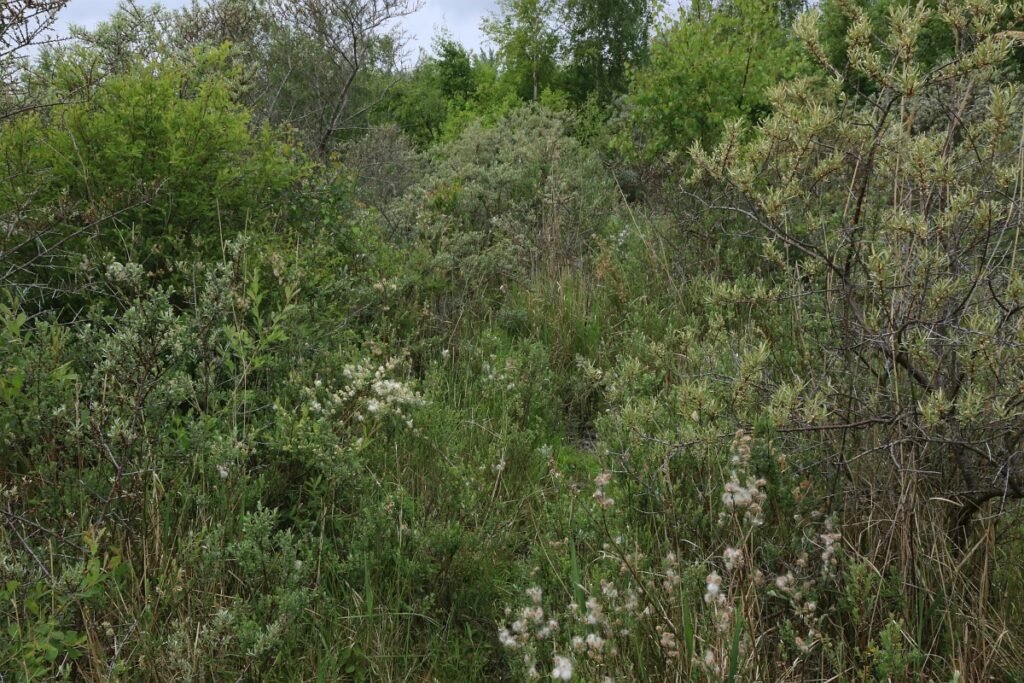
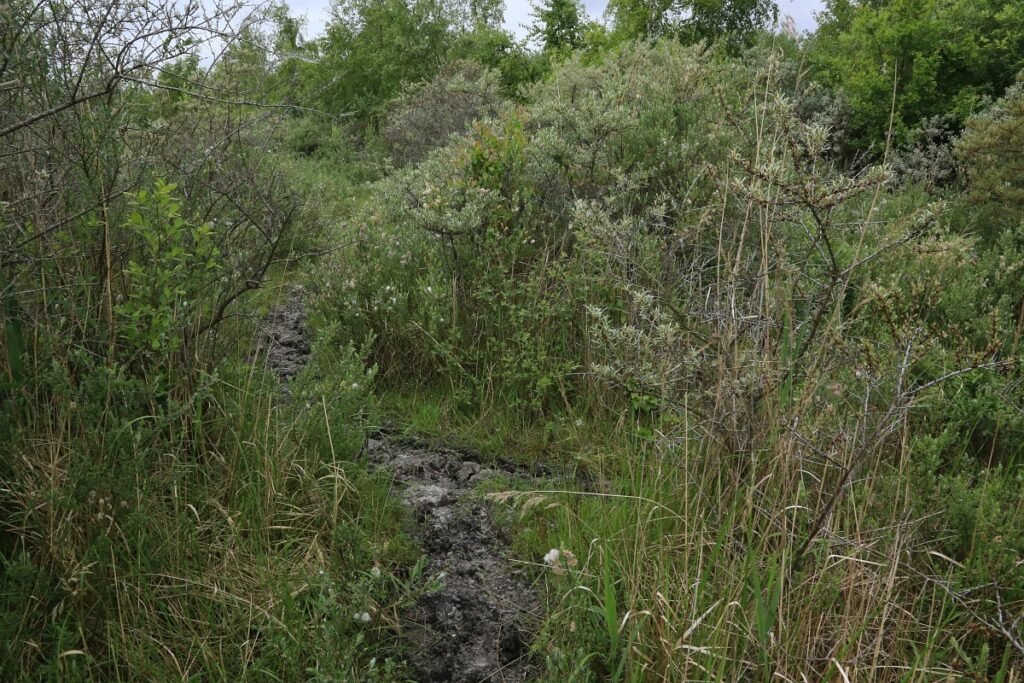
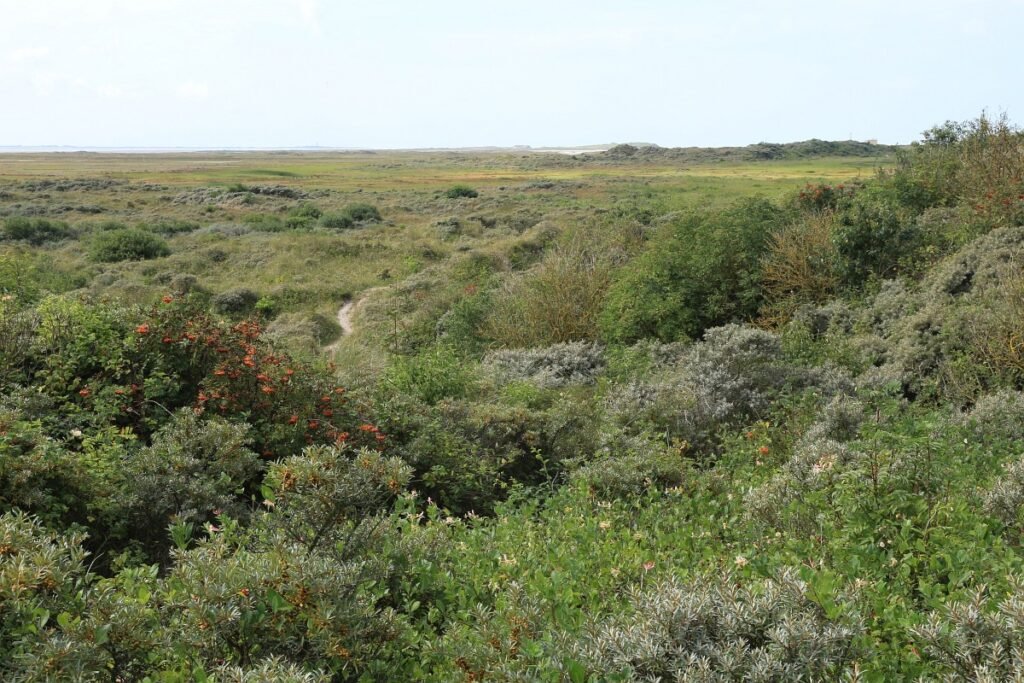
| Habitats | Usually found near the coast, often forming thickets on fixed dunes and sea cliffs. |
| Range | Europe, including Britain, from Norway south and east to Spain and Asia to Japan and the Himalayas. |
| Edibility Rating |  (5 of 5) (5 of 5) |
| Other Uses |  (5 of 5) (5 of 5) |
| Weed Potential | No |
| Medicinal Rating |  (5 of 5) (5 of 5) |
| Care (info) |      |
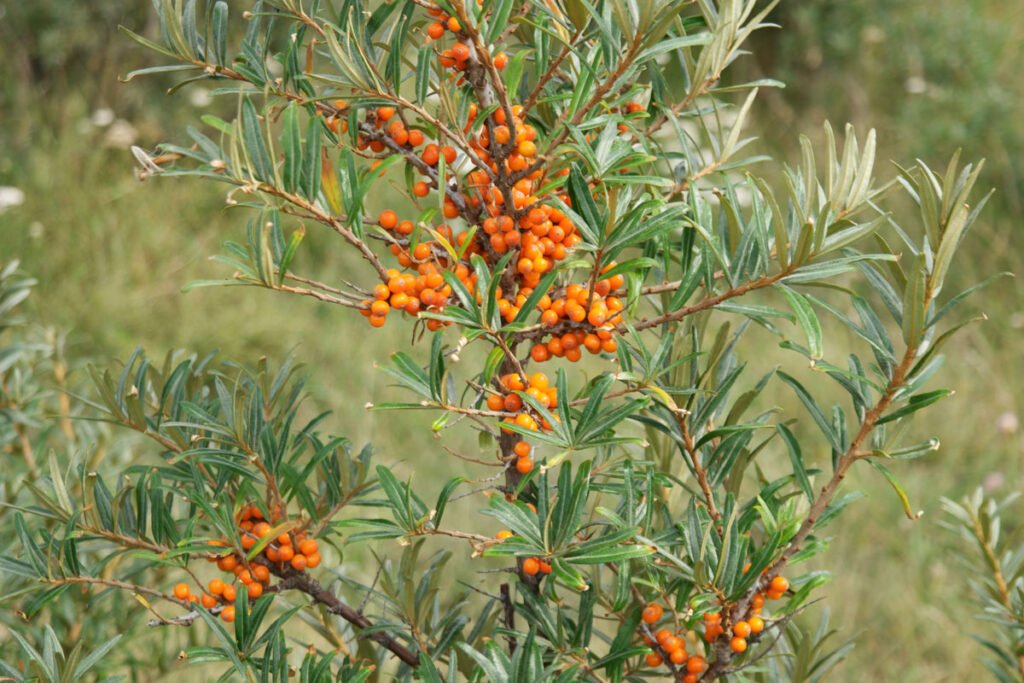
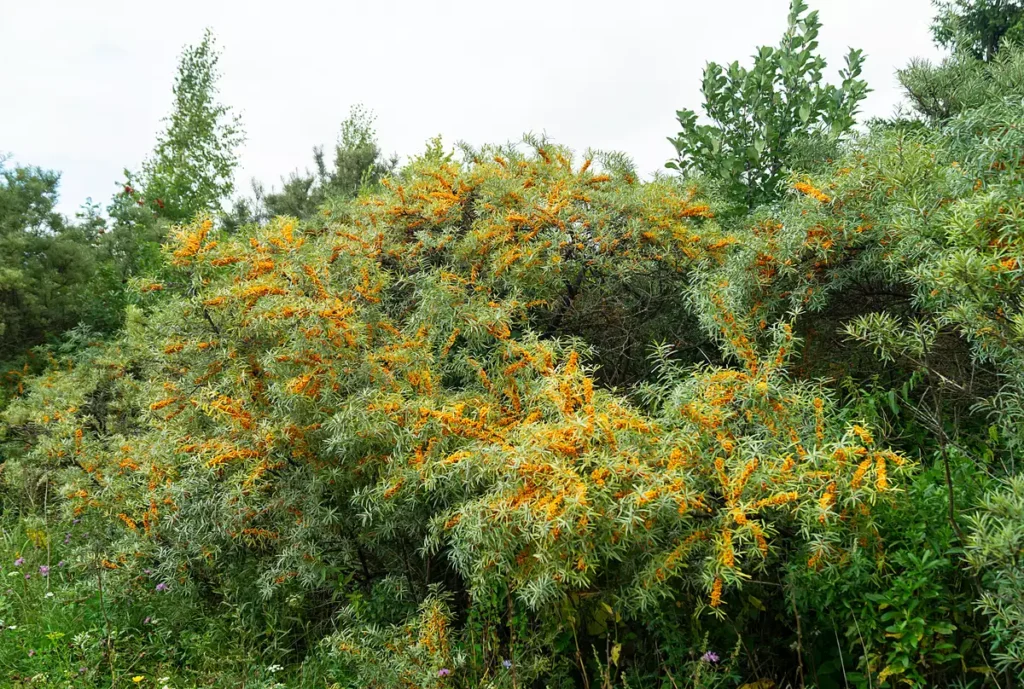
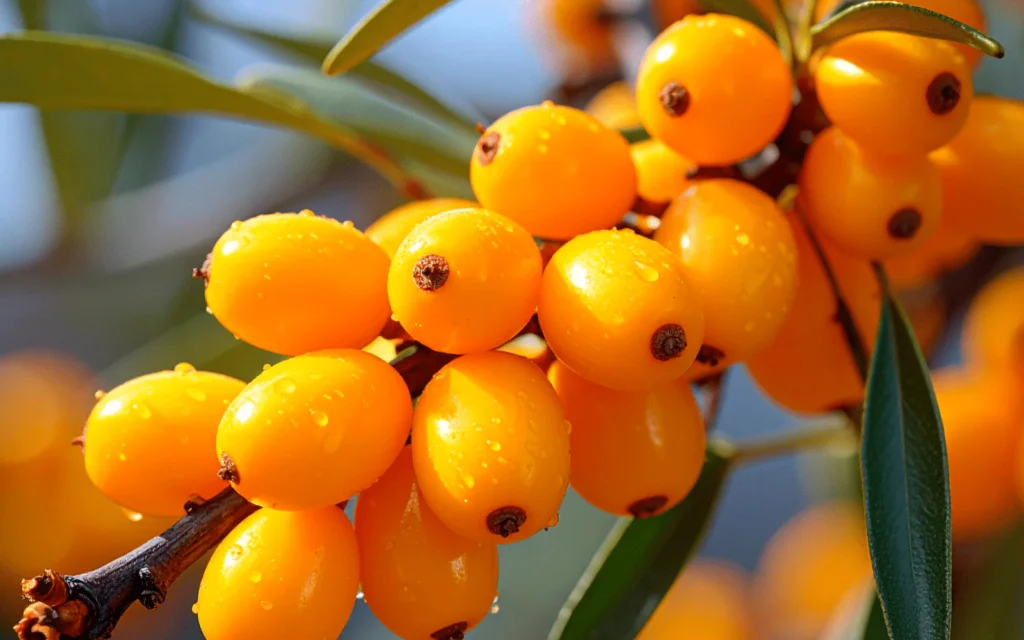
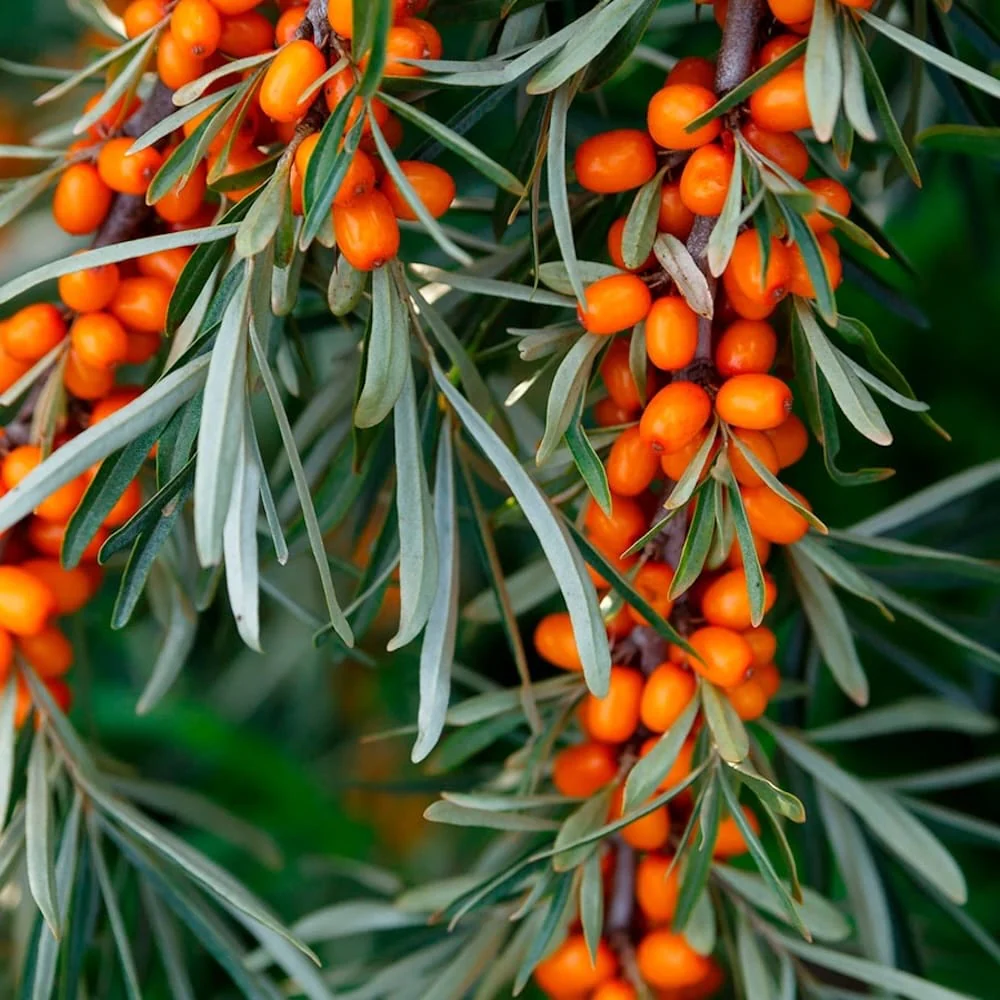
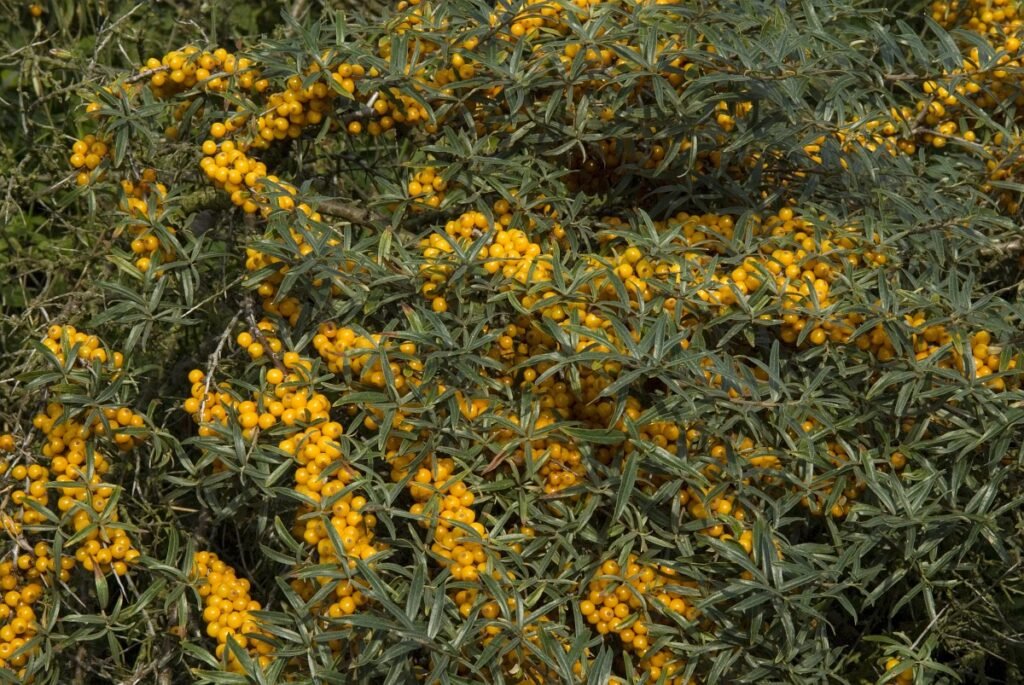
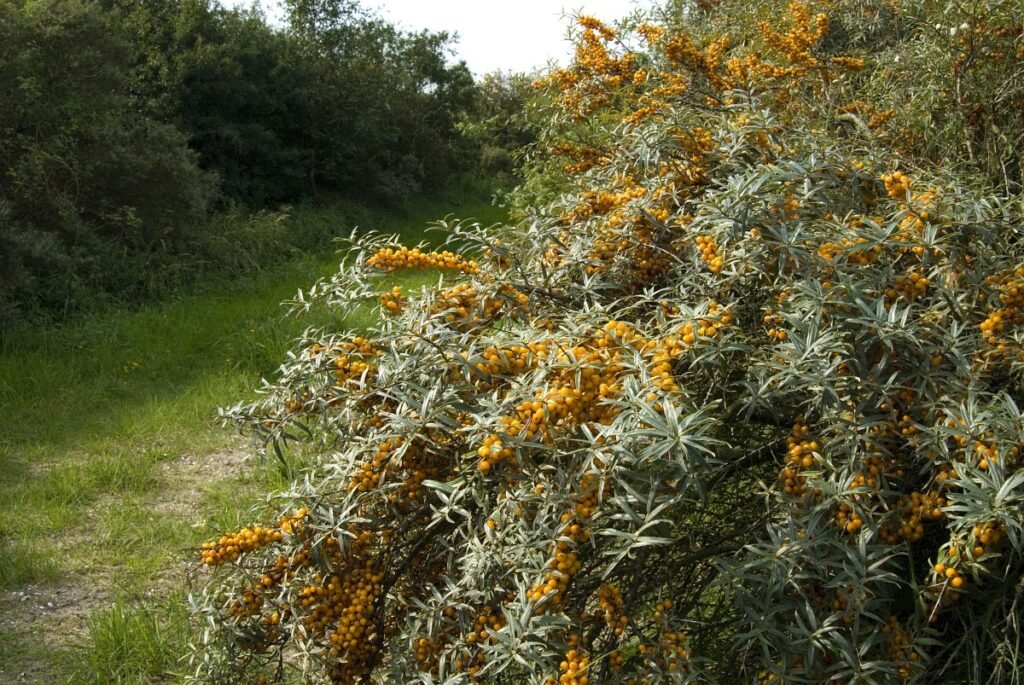
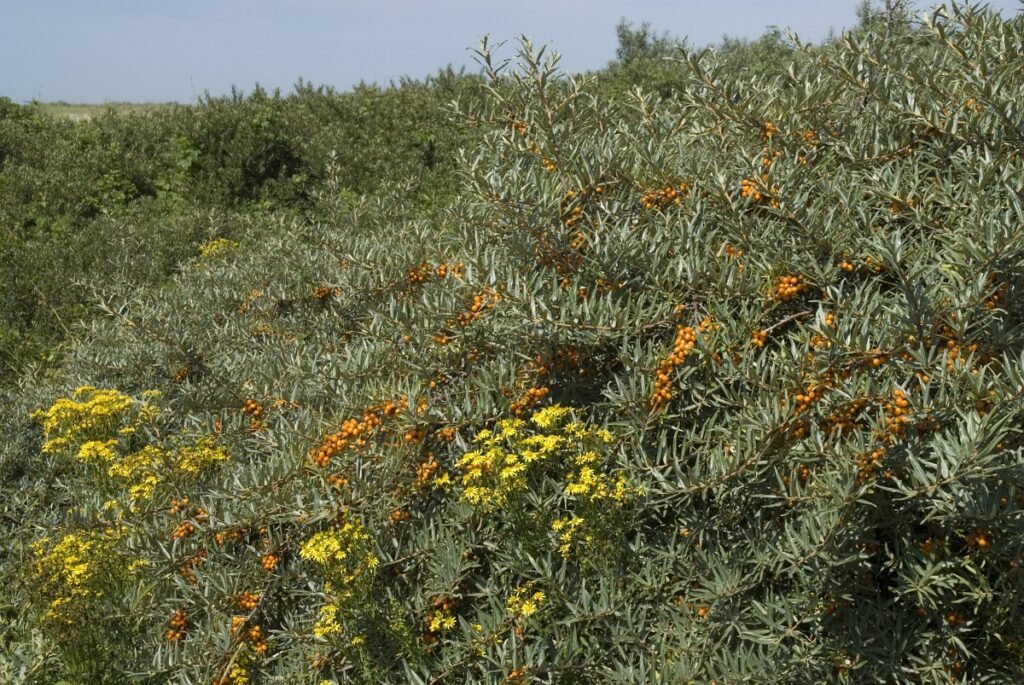
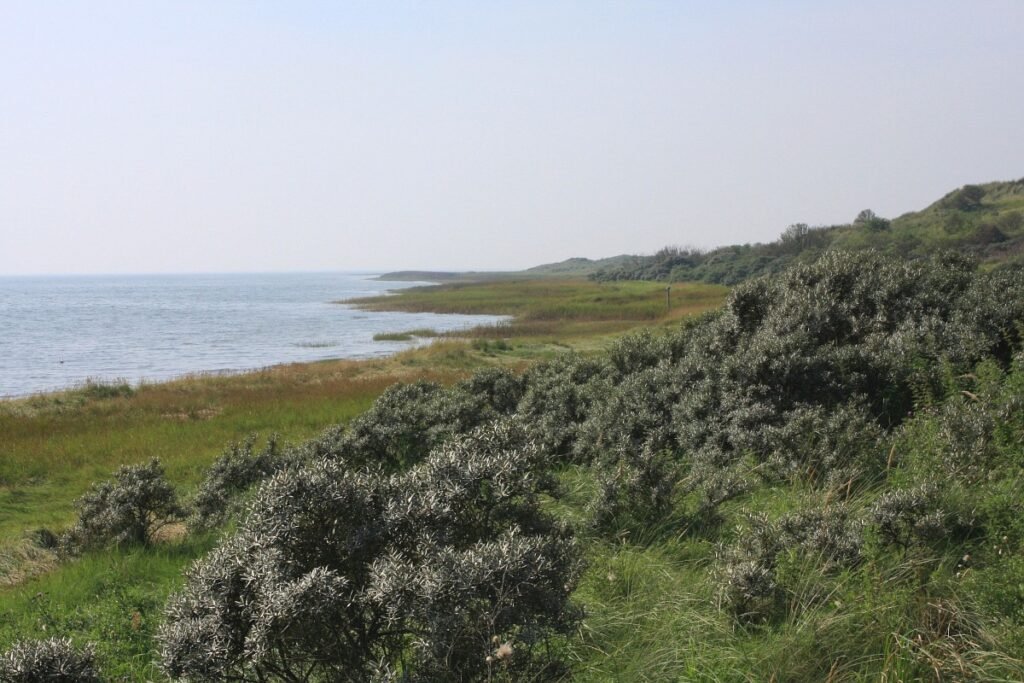
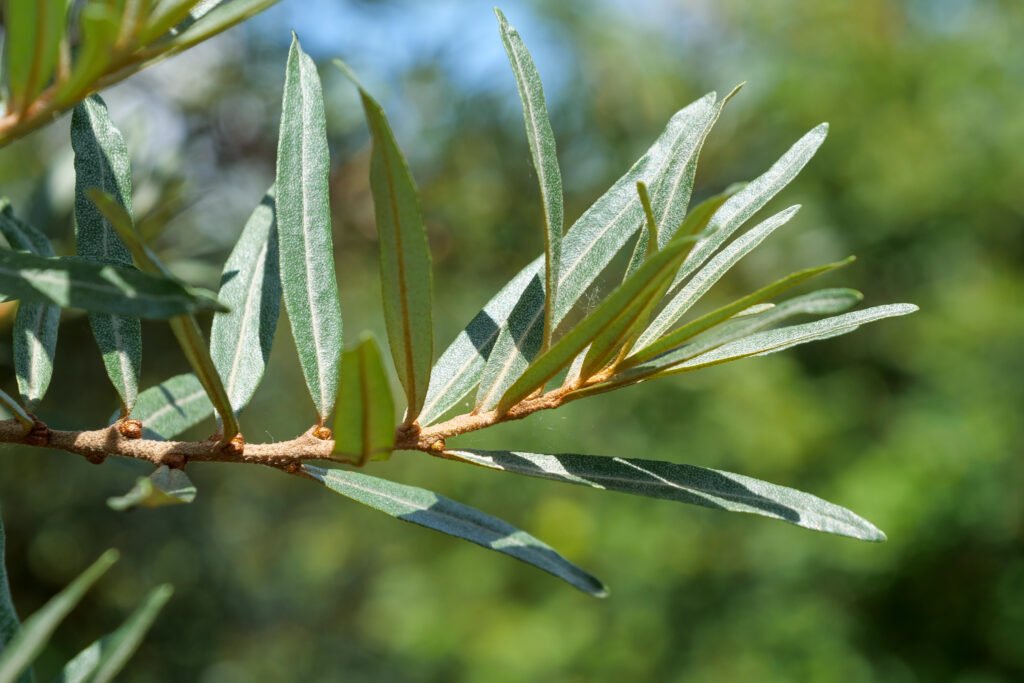
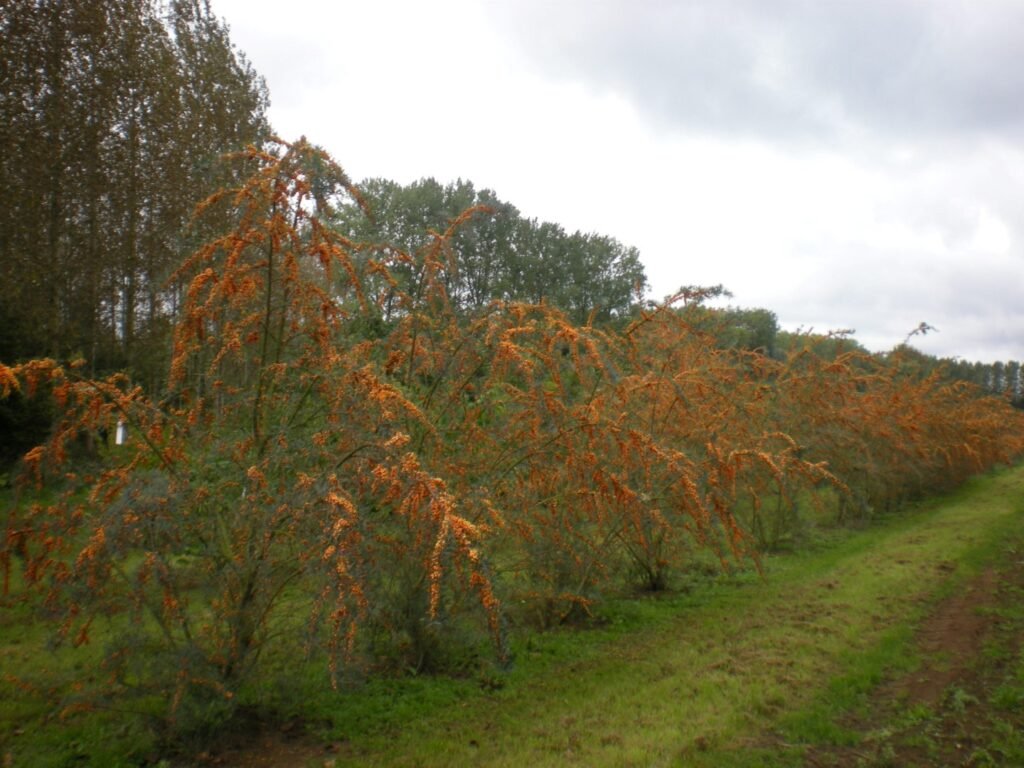
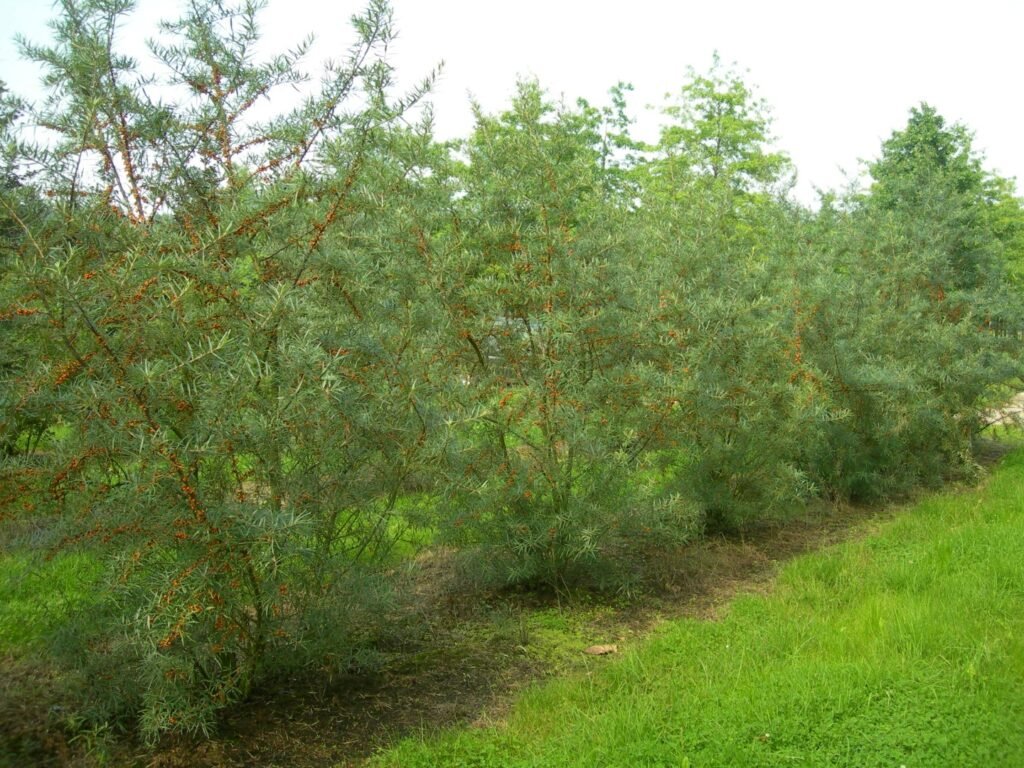
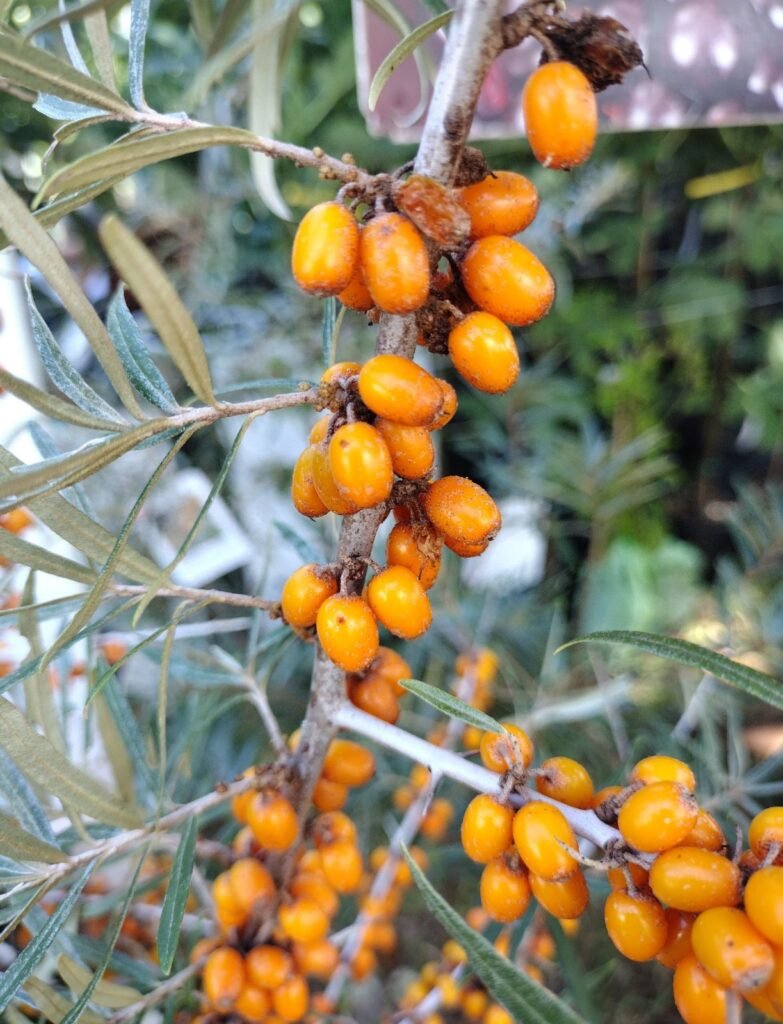
Sea Buckthorn (Hippophae rhamnoides): The Ultimate Guide to Growing, Propagating, Harvesting, and Using This Superfruit
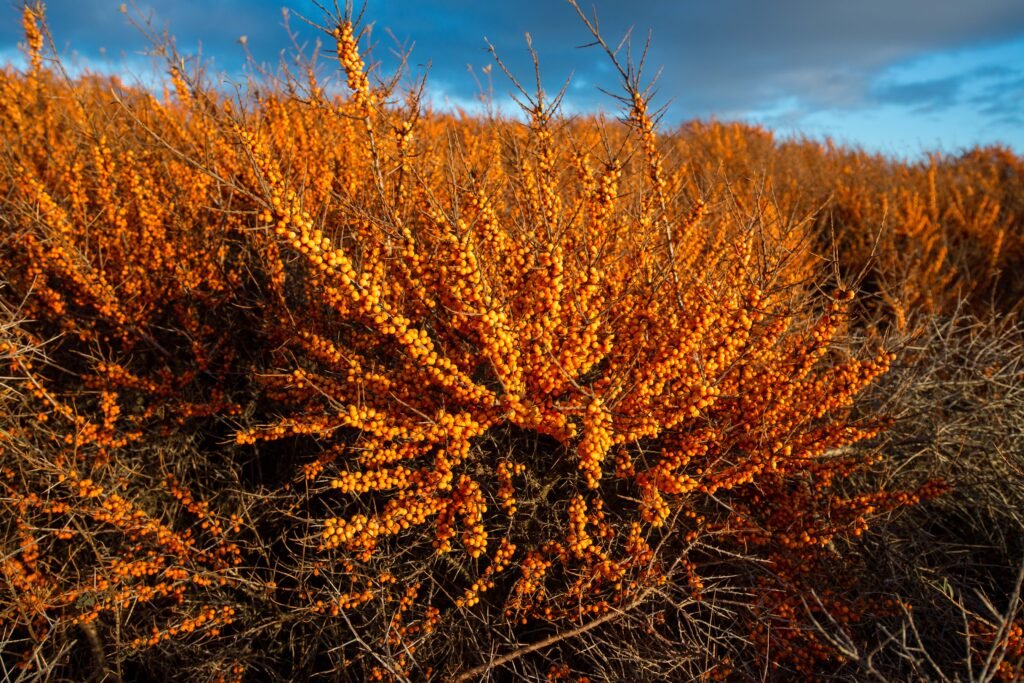
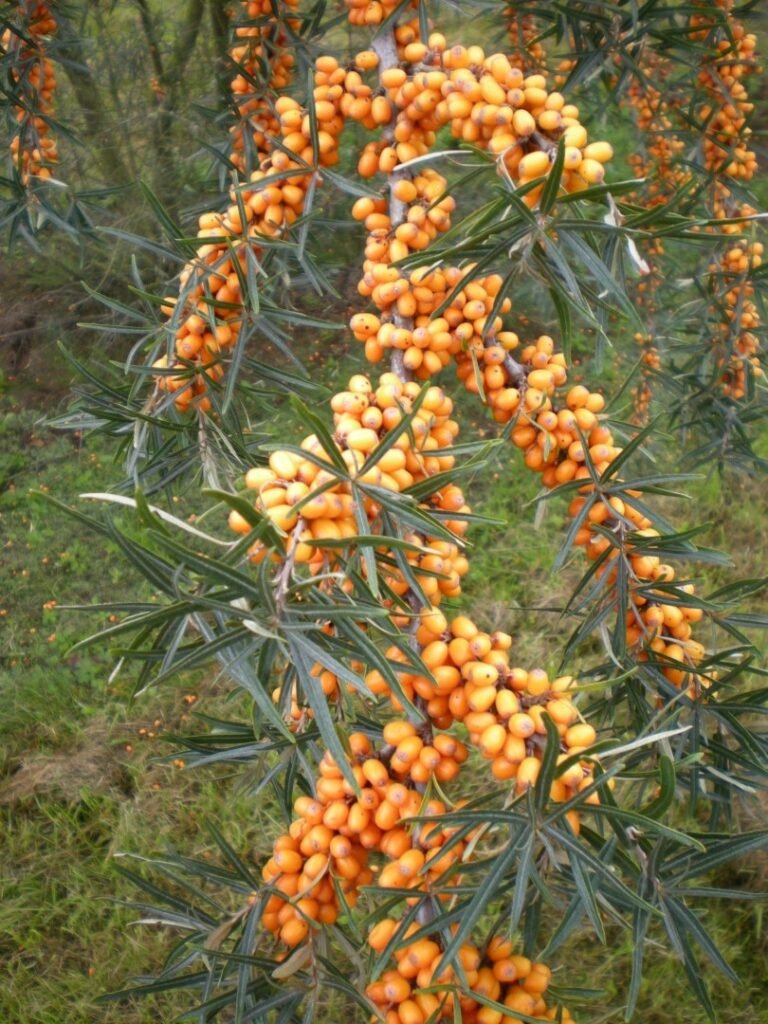
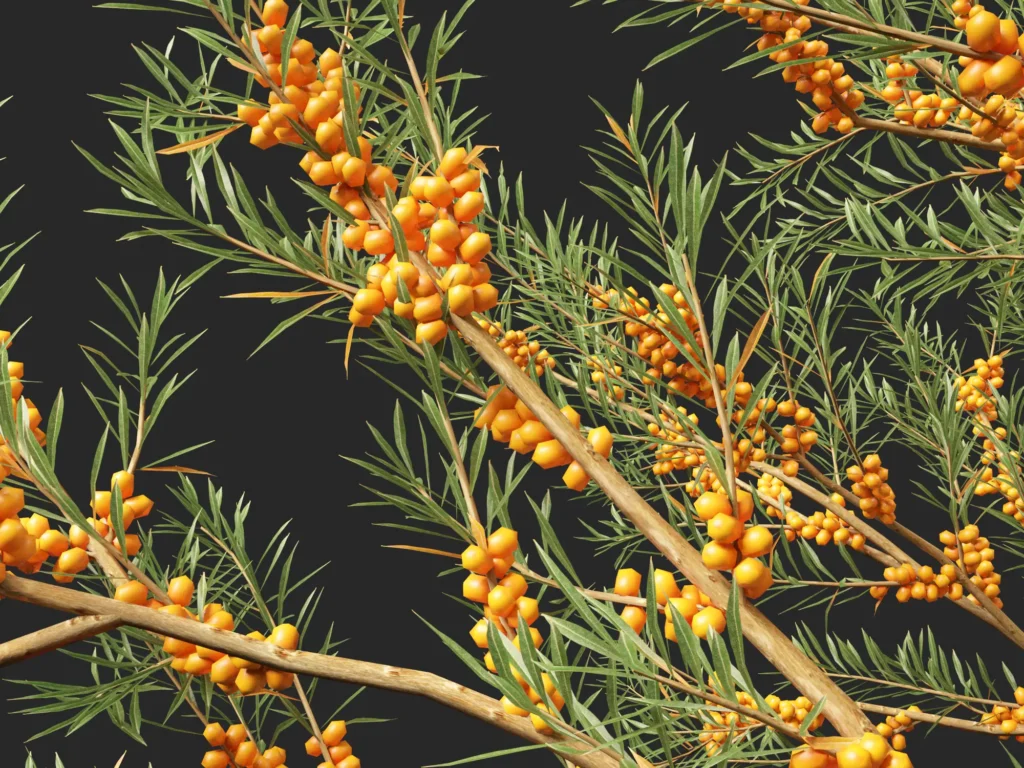
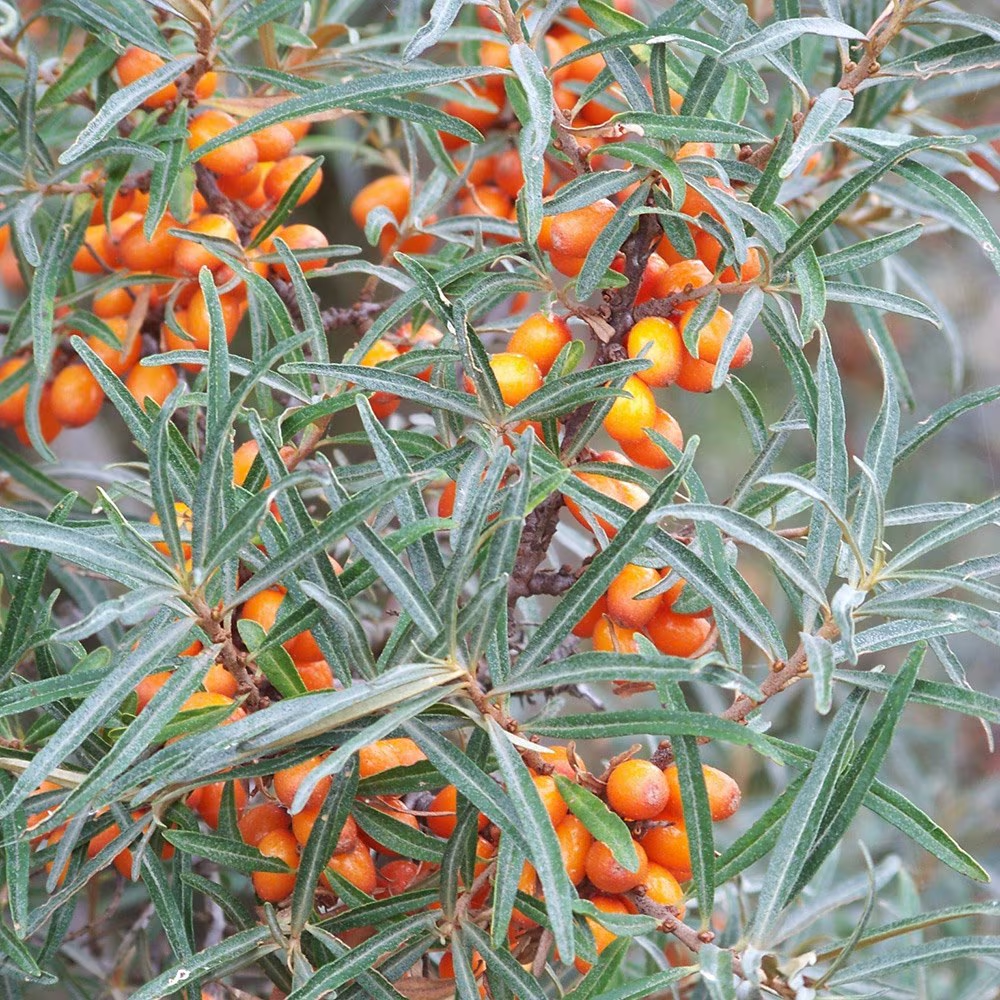
Sea Buckthorn (Hippophae rhamnoides) is a hardy, nutrient-rich shrub prized for its vibrant orange berries and exceptional health benefits. Often called a “superfruit,” it thrives in harsh climates and poor soils, making it an excellent choice for gardeners seeking a resilient and productive plant. This comprehensive guide covers everything you need to know—from cultivation to culinary uses.
🌱 What Is Sea Buckthorn?
Sea Buckthorn is a deciduous, thorny shrub native to Europe and Asia. It’s widely known for:
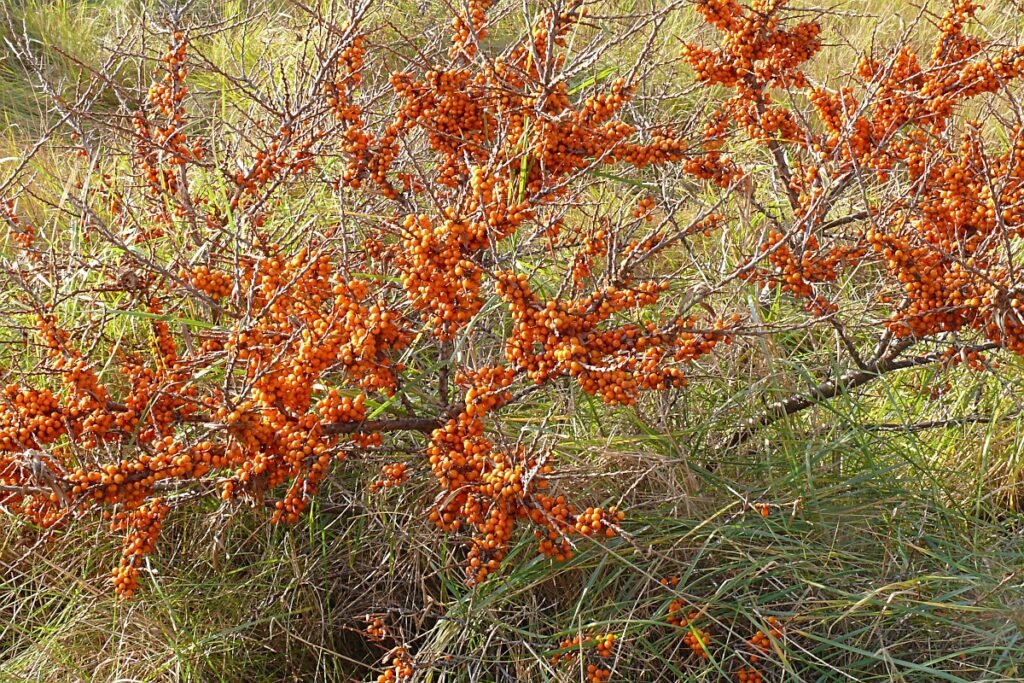
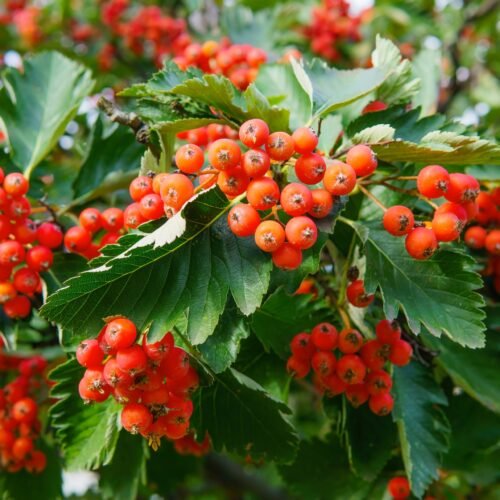
- Bright orange berries packed with vitamins
- Nitrogen-fixing roots that improve soil fertility
- Exceptional tolerance to cold, wind, and drought
Its berries are especially rich in vitamin C, omega fatty acids, and antioxidants, making them highly valued in both food and skincare industries.
🌿 How to Grow Sea Buckthorn
🌞 Climate and Location
Sea Buckthorn thrives in temperate climates and is extremely cold-hardy (down to -40°C). It prefers:
- Full sun (essential for fruiting)
- Open, well-ventilated spaces
- Coastal or windy areas (it tolerates salt spray)
🌱 Soil Requirements
- Well-drained sandy or loamy soil
- pH between 5.5 and 7.5
- Poor soils are acceptable due to nitrogen-fixing ability
Avoid waterlogged conditions, as roots are sensitive to excess moisture.
🌼 Planting Tips
- Plant in early spring or autumn
- Space plants 1.5–2.5 meters apart
- Include both male and female plants (ratio 1:6–8) for pollination
Sea Buckthorn is wind-pollinated, so grouping plants improves fruit production.
🌳 Care and Maintenance
💧 Watering
- Moderate watering during establishment
- Mature plants are drought-tolerant
✂️ Pruning
- Prune annually to remove dead or overcrowded branches
- Maintain an open structure for airflow and sunlight
🌿 Fertilization
- Minimal feeding required
- Avoid excessive nitrogen fertilizers (plant produces its own)
🌱 Propagation Methods
🌿 1. Seed Propagation
- Extract seeds from ripe berries
- Stratify (cold-treat) for 60–90 days
- Germination may be slow and variable
🌿 2. Hardwood Cuttings
- Take cuttings in late winter
- Use 15–20 cm sections of mature wood
- Root in moist soil or sand
🌿 3. Root Suckers
- Sea Buckthorn naturally produces suckers
- Carefully dig and transplant in spring or autumn
🌿 4. Softwood Cuttings
- Taken in early summer
- Require high humidity and rooting hormone
Vegetative propagation ensures you retain desirable traits and plant gender.
🌸 Popular Sea Buckthorn Varieties
Different cultivars offer variations in yield, berry size, and growth habit:
- ‘Leikora’ – High-yielding with large berries
- ‘Hergo’ – Early ripening and compact growth
- ‘Frugana’ – Vigorous and productive
- ‘Askola’ – Disease-resistant and hardy
- ‘Orange Energy’ – Sweet-tart flavor with dense fruit clusters
Choose varieties suited to your climate and intended use.
🍊 Harvesting Sea Buckthorn
⏰ When to Harvest
- Late summer to early autumn (August–October)
- Berries turn deep orange and soften slightly
✋ Harvesting Methods
Harvesting can be tricky due to thorns and tightly attached berries:
- Hand picking – Time-consuming but precise
- Branch cutting & freezing – Cut fruit-laden branches, freeze, then shake off berries
- Berry comb tools – Useful for small-scale harvesting
Wear gloves to avoid injury from thorns.
🍽️ Culinary Uses and Food Ideas
Sea Buckthorn berries have a tart, citrus-like flavor and are rarely eaten raw. They shine in processed forms:
🥤 Drinks
- Juices and smoothies
- Herbal teas
- Fermented beverages
🍯 Preserves
- Jams and jellies
- Syrups and sauces
🍰 Desserts
- Sorbets and ice cream
- Cakes and pastries
🥗 Savory Uses
- Sauces for meat or fish
- Salad dressings
🧈 Specialty Products
- Sea Buckthorn oil (nutritional and cosmetic)
- Powdered supplements
💊 Health Benefits
Sea Buckthorn is a nutritional powerhouse:
- Extremely high in vitamin C
- Contains omega-3, 6, 7, and 9 fatty acids
- Supports skin health and immunity
- Anti-inflammatory and antioxidant properties
It’s widely used in natural medicine and skincare formulations.
🌍 Landscaping and Environmental Benefits
- Excellent for erosion control
- Improves soil through nitrogen fixation
- Provides habitat for birds and pollinators
- Ideal for windbreaks and hedges
⚠️ Common Challenges
- Thorns: Difficult handling during harvest
- Gender identification: Only female plants bear fruit
- Suckering: Can spread aggressively if not managed
- Birds: May feed on berries before harvest
Proper planning and maintenance can easily mitigate these issues.
🌟 Final Thoughts
Sea Buckthorn (Hippophae rhamnoides) is an exceptional plant combining beauty, resilience, and productivity. Whether you’re interested in growing a sustainable food source, enhancing your garden ecosystem, or creating nutrient-rich recipes, this remarkable shrub delivers on all fronts.
With the right care and a bit of patience, you can enjoy abundant harvests of one of nature’s most powerful superfruits right from your own garden.


&media=https://food-foresting.com/wp-content/uploads/2026/04/argousier-bienfaits-sante-utilisations-culinaires-et-secrets-de-culture-296949.webp)