
 paulius.mikoliunas1
| Common Name | Shagbark Hickory |
| Family | Juglandaceae |
| USDA hardiness | 4-8 |
| Known Hazards | None known |
| Habitats | Dry upland slopes, rich deep moist soils and well drained soils of lowland and valleys. |
| Range | Eastern N. America – Quebec to Ontario, south to Florida, Kansas and Texas. |
| Edibility Rating |   (3 of 5) (3 of 5) |
| Other Uses |   (4 of 5) (4 of 5) |
| Weed Potential | No |
| Medicinal Rating |   (1 of 5) (1 of 5) |
| Care (info) |     |





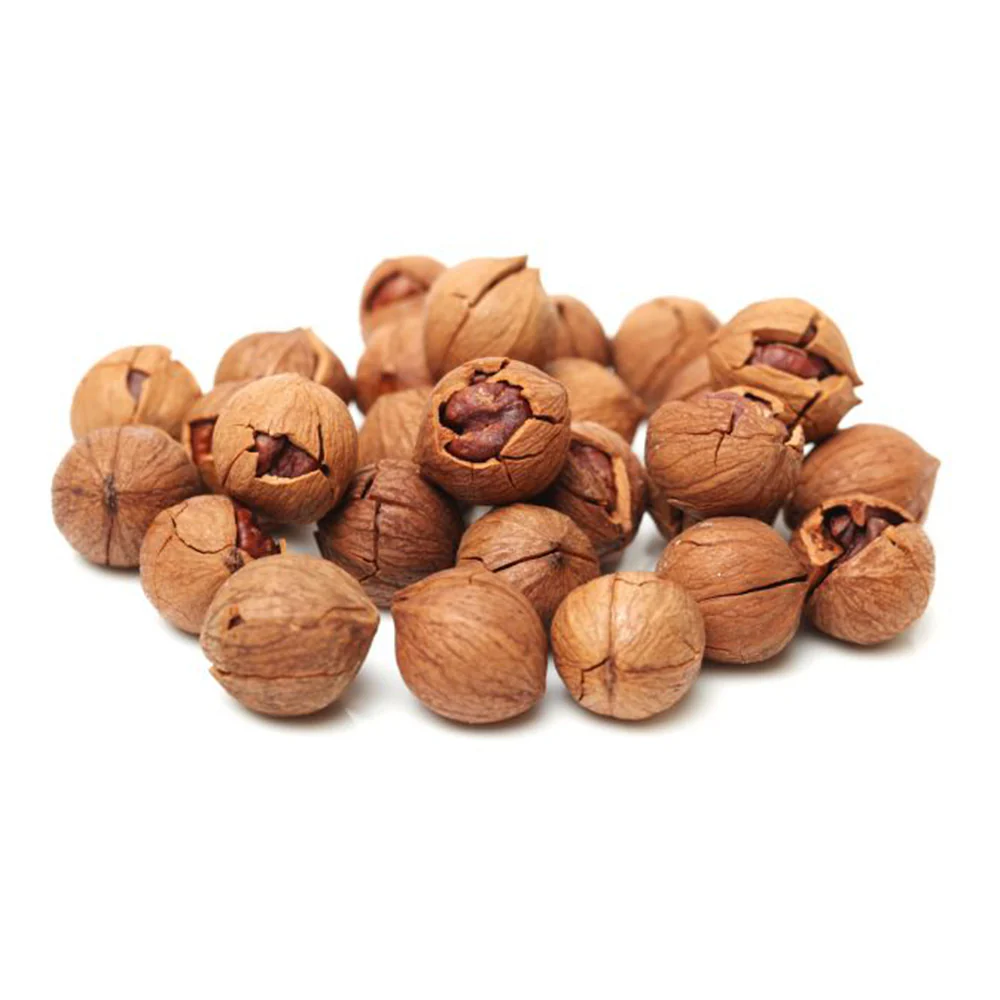
How to Grow & Enjoy Shagbark Hickory (Carya ovata): Propagation, Varieties, Food Uses & Harvest Tips
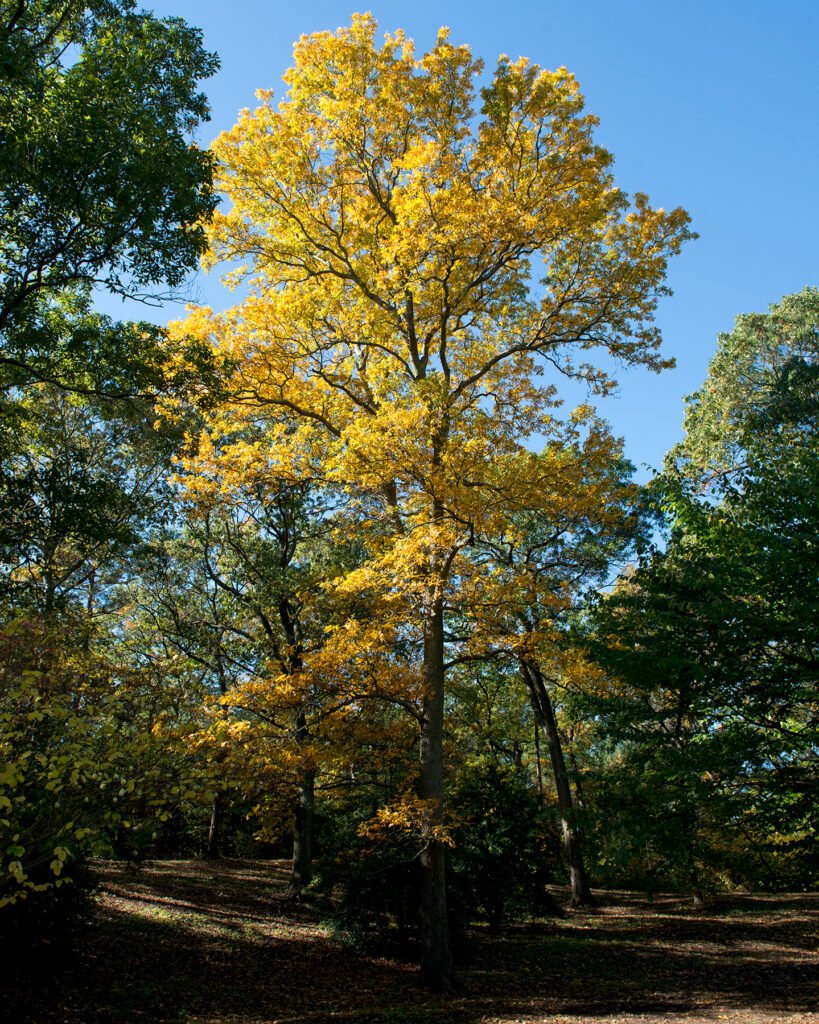
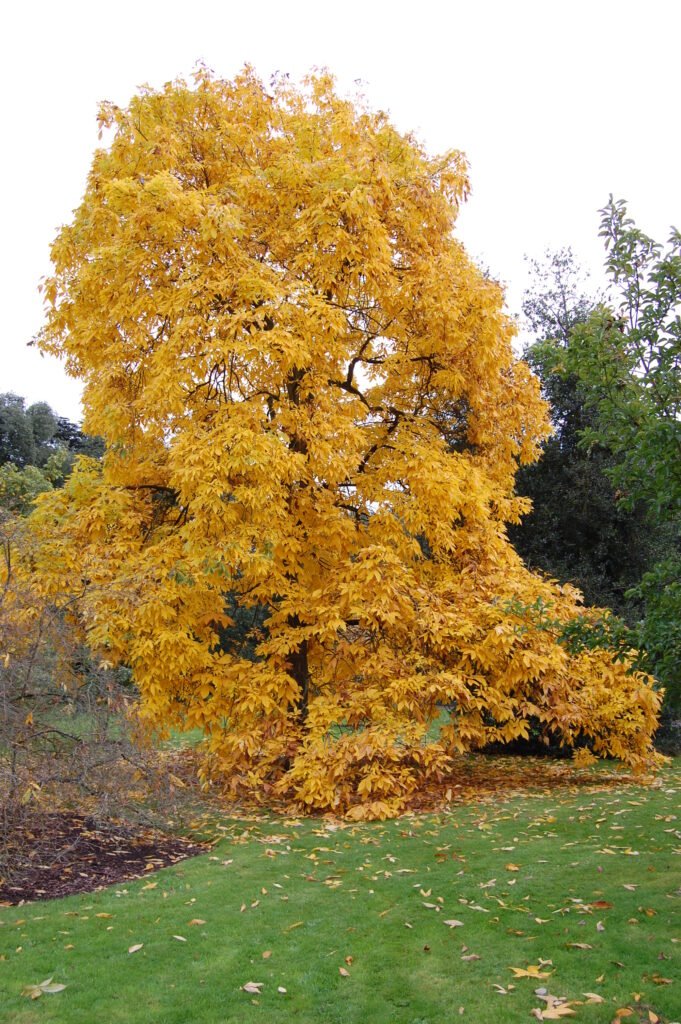
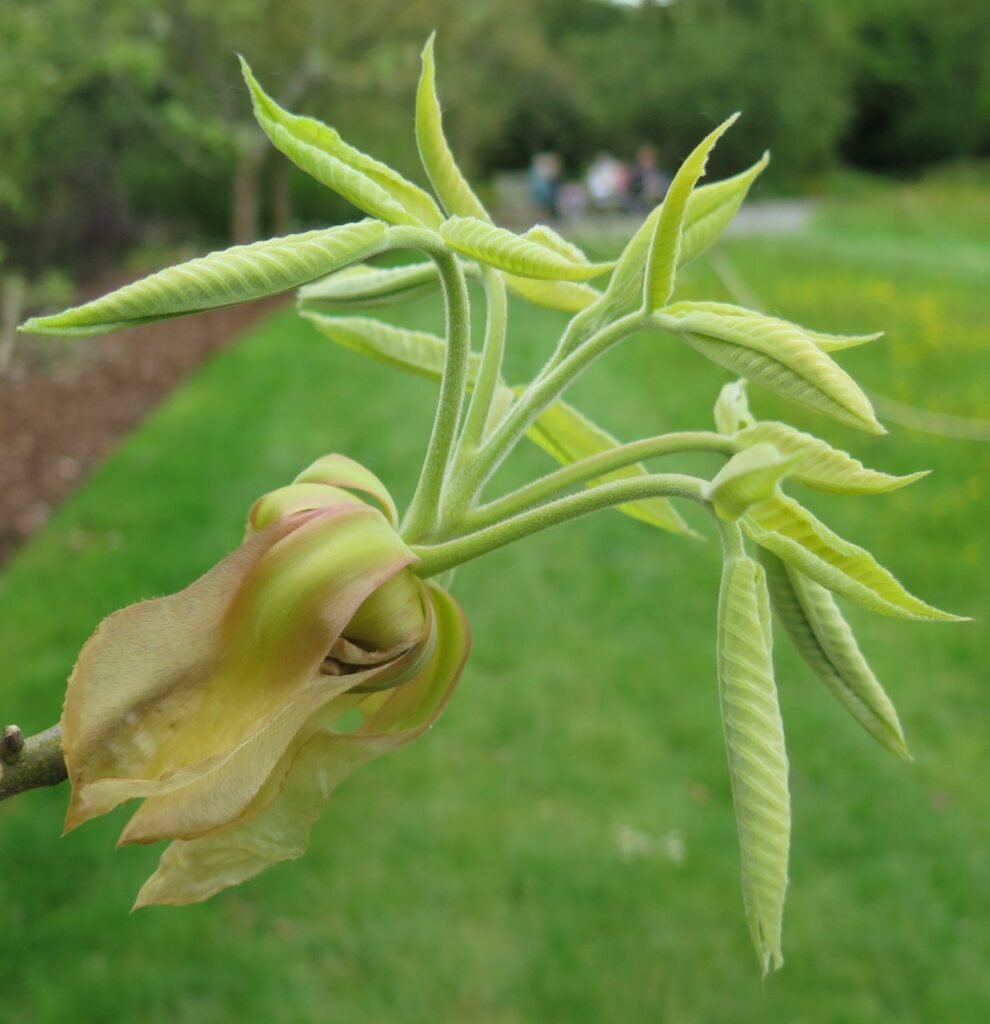
Shagbark hickory (Carya ovata) is a long-lived, majestic North American native tree prized for its iconic peeling bark, durable wood, and sweet, rich nuts. While slow to mature, it rewards patient gardeners and foragers with shade, wildlife habitat, and gourmet edible nuts similar to pecans. Below is a comprehensive guide for enthusiasts looking to grow, propagate, identify, harvest, and cook with this fascinating species.
Botanical Snapshot
- Species: Carya ovata
- Family: Juglandaceae (Walnut family)
- Native Range: Eastern & Central North America
- Lifespan: 200+ years
- Hardiness: USDA Zones 4–8
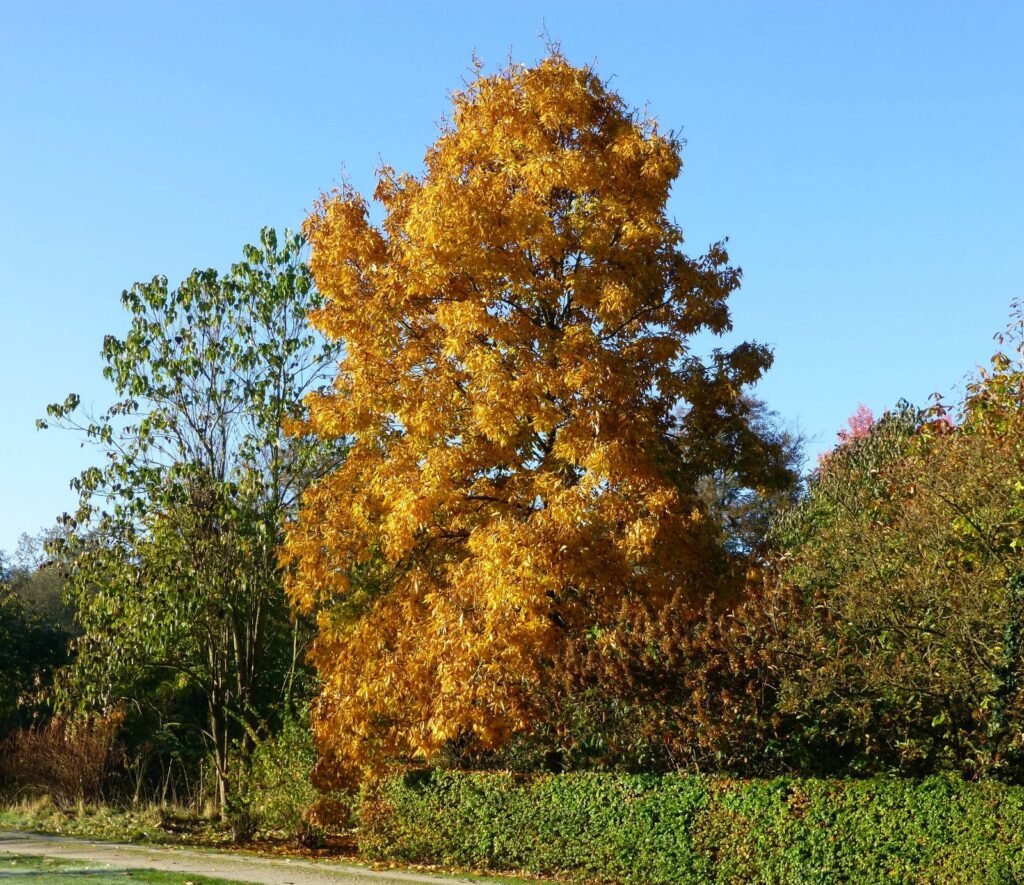
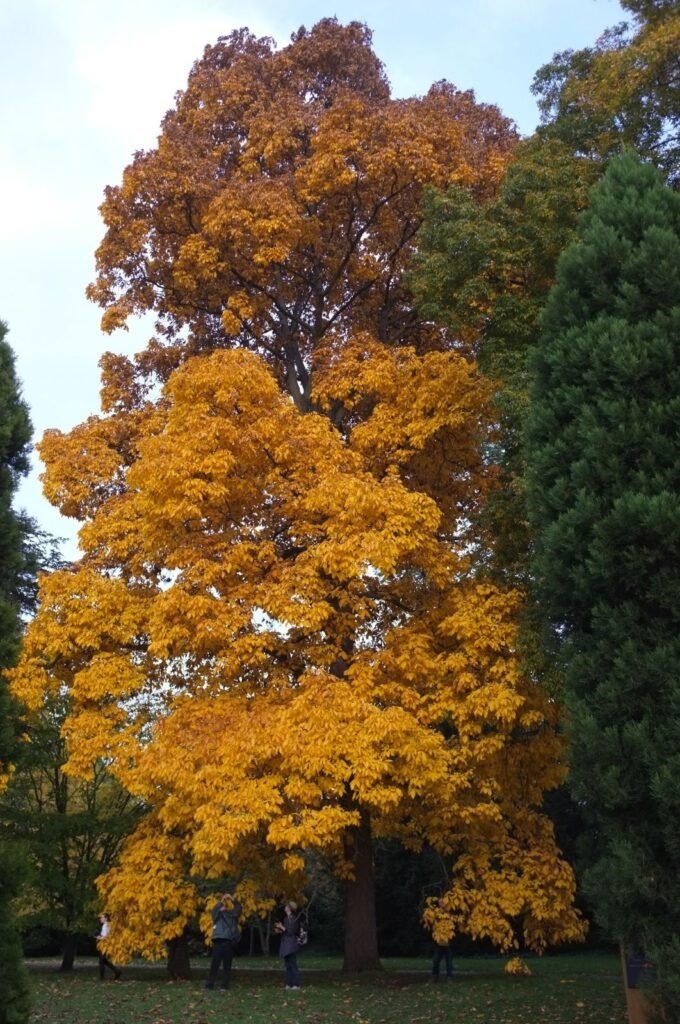
- Height: 60–100 ft at maturity
- Soil Preference: Deep, well-drained, moderately fertile loam
Growing Shagbark Hickory
Growing shagbark hickory is a commitment. Once established, trees thrive with minimal care, but their early years require attention.
Site & Soil
Shagbark hickory prefers:
- Full sun exposure (6–8 hours minimum)
- Well-drained soil with low compaction
- pH between 6.0–7.5
Its large taproot demands room and makes transplanting mature seedlings difficult. Choose a permanent planting location from the start.
Planting Tips
- Dig a hole twice the width of the root system.
- Ensure the root collar sits level with soil grade.
- Backfill with native soil to encourage deep rooting.
- Water deeply during establishment (2–3 years).
Water & Nutrients
Young trees benefit from:
- 1–2″ weekly watering during dry spells
- Minimal fertilization; excess nitrogen can inhibit nut production
Once mature, shagbarks withstand drought and poor soils surprisingly well.
Propagation Methods
Shagbark hickory can be propagated via seed, grafting, and occasionally rootstock hybridization. Seeds remain the most common home-grower method.
Seed Propagation (Nuts)
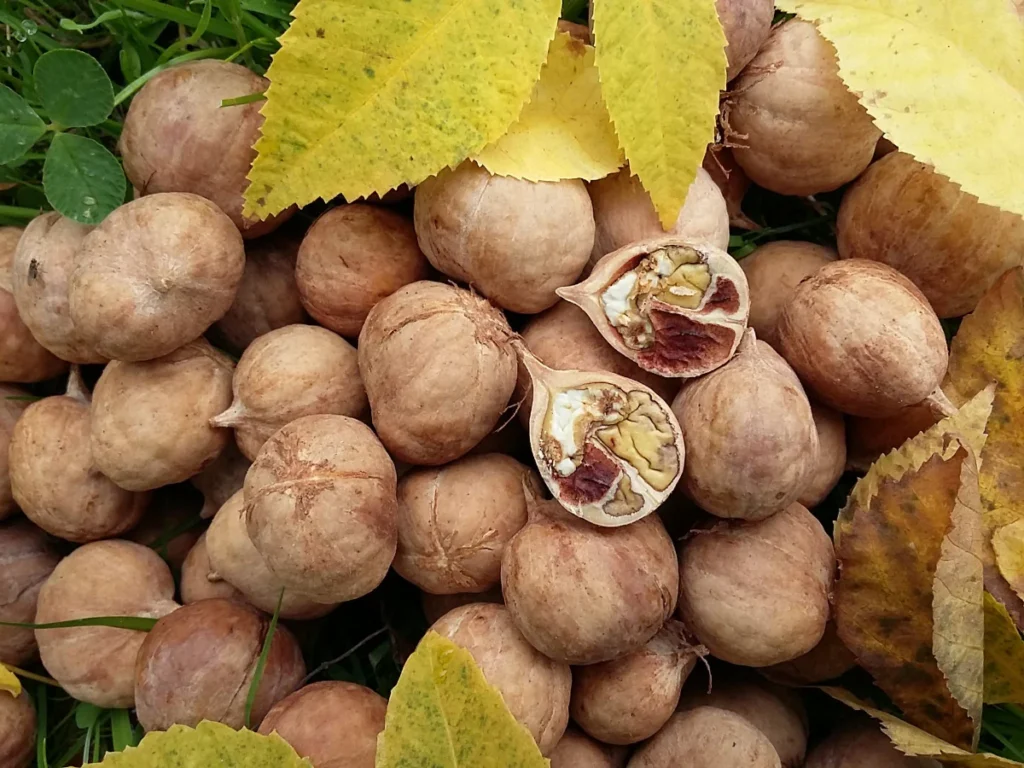
- Collect nuts in autumn after they fall.
- Remove husks before storing.
- Stratify seeds in cold, moist conditions for ~90–120 days.
- Plant in deep containers or directly outdoors.
Grafting & Hybridization
Commercial and orchard growers often graft shagbark onto compatible hickory or pecan rootstocks to:
- Speed maturation
- Improve yield consistency
- Enhance nut quality
Natural Regeneration
In wild settings, shagbark hickory regenerates via seed dispersal by squirrels and birds, often outcompeting slower germinating species.
Varieties & Hybrids
While Carya ovata itself has limited named cultivars, it participates in several noteworthy hybrids within the Carya genus.
Notable Cultivars
- ‘Grainger’ — Known for large, clean-cracking nuts.
- ‘Porter’ — Earlier ripening with sweet kernels.
- ‘Abundance’ — Heavy-bearing selection favored in hobby orchards.
Hican Hybrids
“Hicans” are crosses between hickory and pecan. They may offer:
- Thinner shells
- Higher yields
- Faster bearing age
- Unique flavor profiles
These hybrids are increasingly sought after in permaculture and nut-orchard circles.
Harvesting Shagbark Hickory Nuts
Patience pays off — shagbarks typically begin producing nuts after 25–40 years (grafted trees sooner).
When to Harvest
- Nuts ripen in late September to November depending on region.
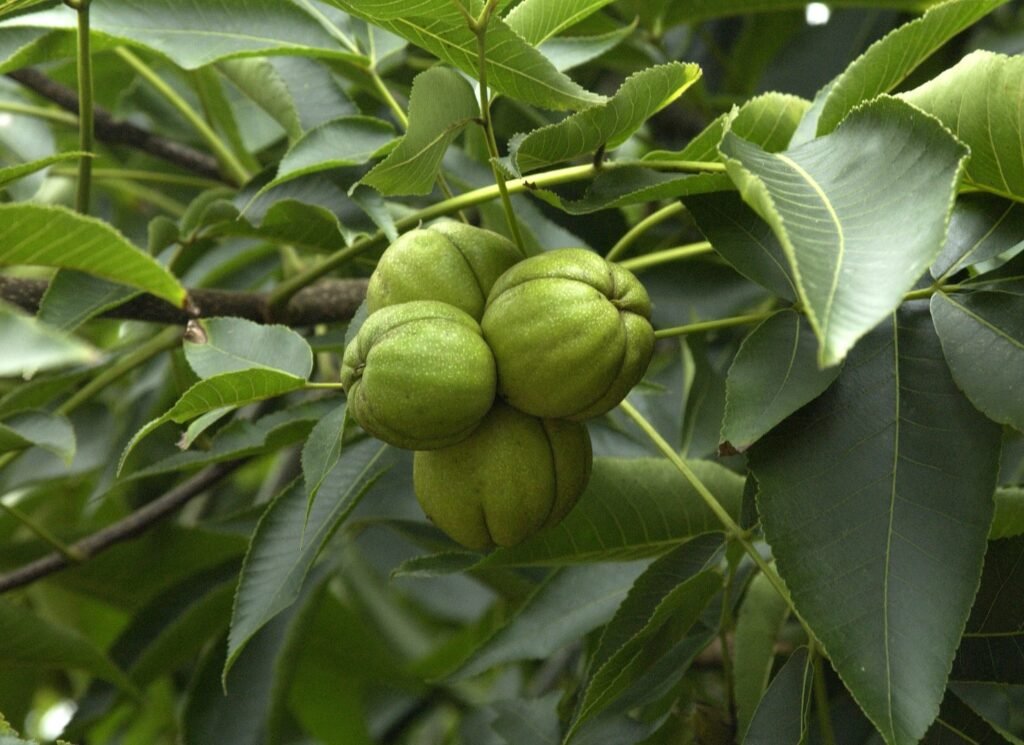
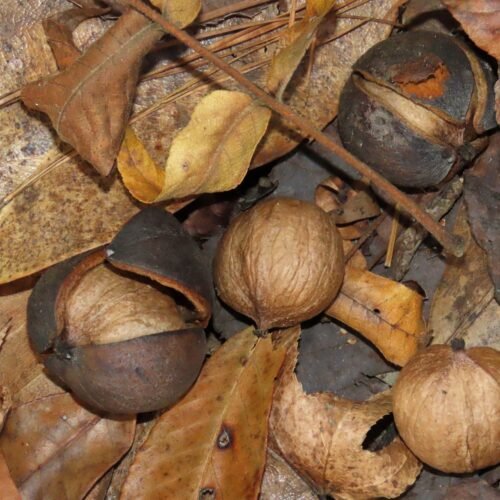
- The husk splits into four sections when ready.
- Mature nuts fall to the ground naturally — shaking is rarely needed.
Processing & Storage
- Remove husks.
- Air-dry nuts for 1–2 weeks to improve flavor and shelling.
- Store:
- Refrigerated: up to 2–3 months
- Frozen: up to 1–2 years
Dry kernels maintain sweetness longer, while damp conditions cause mold quickly.
Flavor, Culinary Uses & Food Options
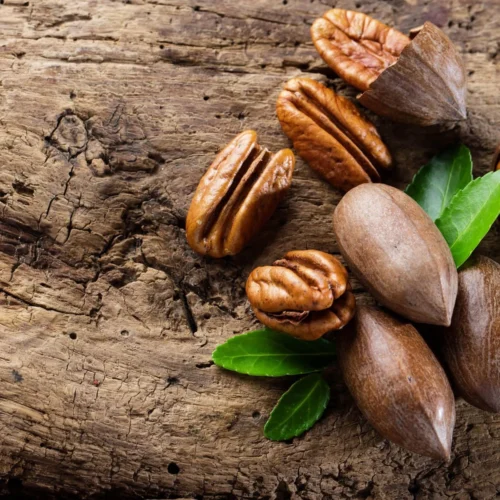
Shagbark hickory nuts are considered among the best-tasting native nuts in North America. Their flavor resembles a cross between pecan and maple.
Top Culinary Uses
- Eating fresh (raw or roasted)
- Baking (pies, cookies, quick breads)
- Confections (nut brittles, pralines, candies)
- Nut butters & spreads
- Ice creams & desserts
Hickory Milk
Traditionally, indigenous groups and Appalachian communities prepared hickory milk by boiling crushed nuts (shell and all), extracting oils, then straining. The result is a creamy, sweet liquid used in:
- porridges
- sauces
- festive dishes
Shagbark Hickory Syrup
While not maple syrup, syrup can be made from the tree’s bark, not sap. Bark pieces are sterilized via toasting, then simmered and sweetened to create an aromatic syrup with smoky-vanilla tones — ideal for:
- pancakes & waffles
- marinades
- roasted nuts
- cocktails
Wildlife & Ecological Value
Shagbark hickory supports significant ecological relationships:
- Nuts feed squirrels, chipmunks, turkeys & woodpeckers
- Bark plates provide roosting habitat for Indiana bats
- Deep roots stabilize soil and prevent erosion
- Leaves contribute high-calcium leaf litter for forest cycling
Native plant enthusiasts value hickory as a keystone mast species.
Wood, Non-Food Uses & Cultural Significance
Shagbark wood is highly shock-resistant and historically prized for:
- traditional bows
- tool handles
- furniture
- smoking meat
- firewood (hot, long-lasting coals)
Its smoky-sweet aroma is a favorite for barbecue and cold-smoking techniques.
Common Challenges & Pests
Shagbark hickory is generally rugged but may face:
- Hickory bark beetles
- Hickory shuckworms
- Anthracnose in humid seasons
- Competition from shade-tolerant species
Most mature trees show strong resilience without chemical treatment.
Who Should Grow Shagbark Hickory?
This species is ideal for:
- Homesteads
- Agroforestry systems
- Food forests
- Large rural lots
- Wildlife conservation plantings
Less suitable for small suburban yards due to size and slow maturation.
Final Thoughts
Shagbark hickory rewards patience more than any quick-yield crop. Whether you appreciate it for its nuts, syrup, wildlife value, or architectural beauty, Carya ovata remains an iconic hardwood species that deepens the landscape over generations — a living heirloom tree for future stewards.


&media=https://food-foresting.com/wp-content/uploads/2026/01/20161024_120547_3_2048x.webp)