
 paulius.mikoliunas1
| Common Name | Shellbark Hickory |
| Family | Juglandaceae |
| USDA hardiness | 5-9 |
| Known Hazards | None known |
| Habitats | Deep rich soils of floodplains and bottomlands. It grows best on neutral or slightly alkaline soils and tolerates shallow flooding in early spring. |
| Range | Eastern N. America – New York and Pennsylvania to Indiana, Iowa and Kansas. |
| Edibility Rating |   (3 of 5) (3 of 5) |
| Other Uses |   (3 of 5) (3 of 5) |
| Weed Potential | No |
| Medicinal Rating |   (1 of 5) (1 of 5) |
| Care (info) |    |
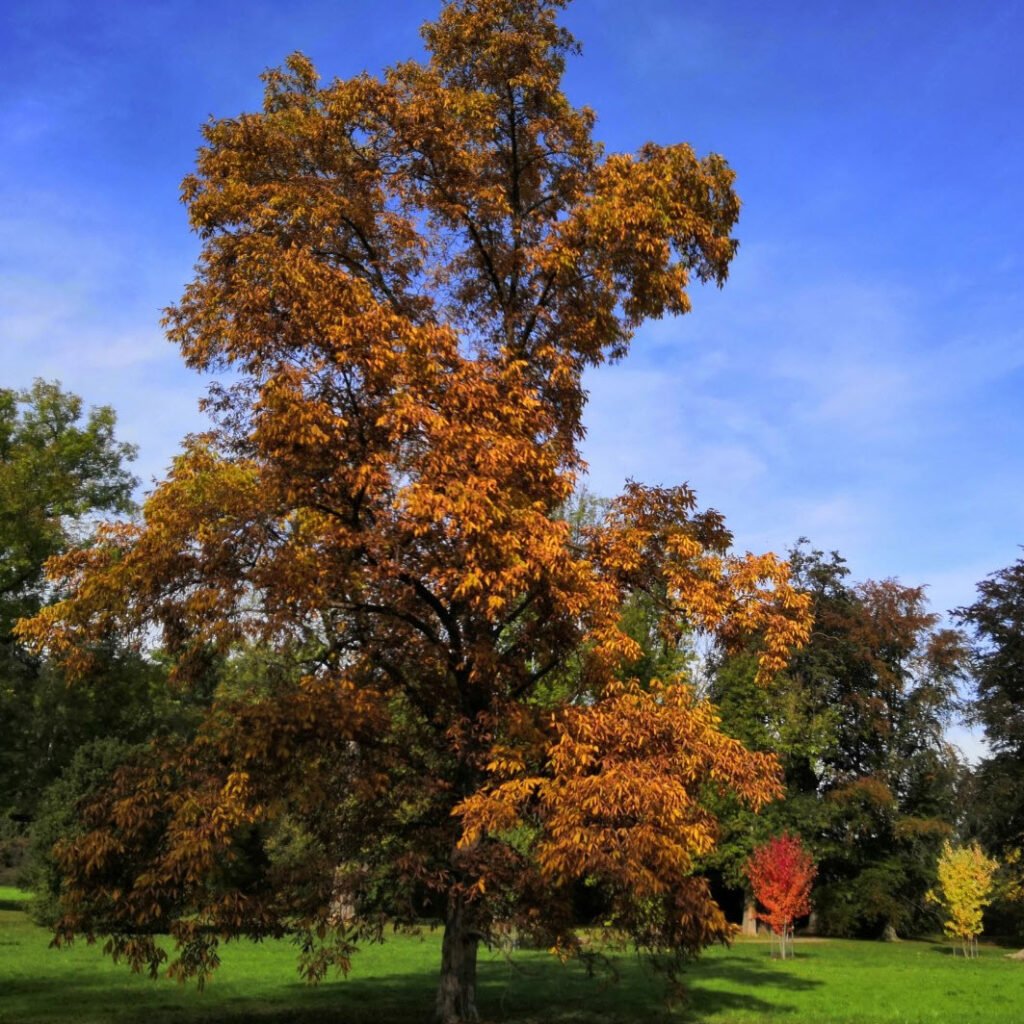
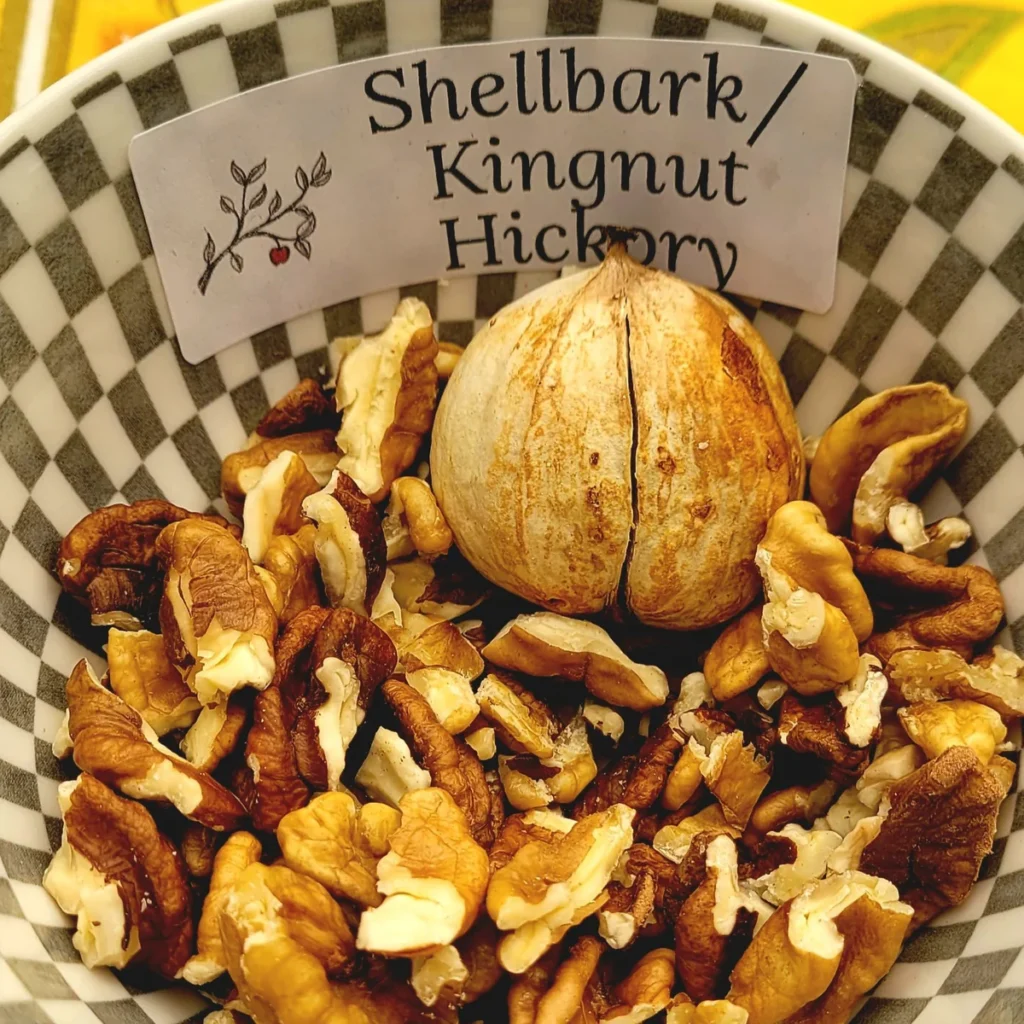
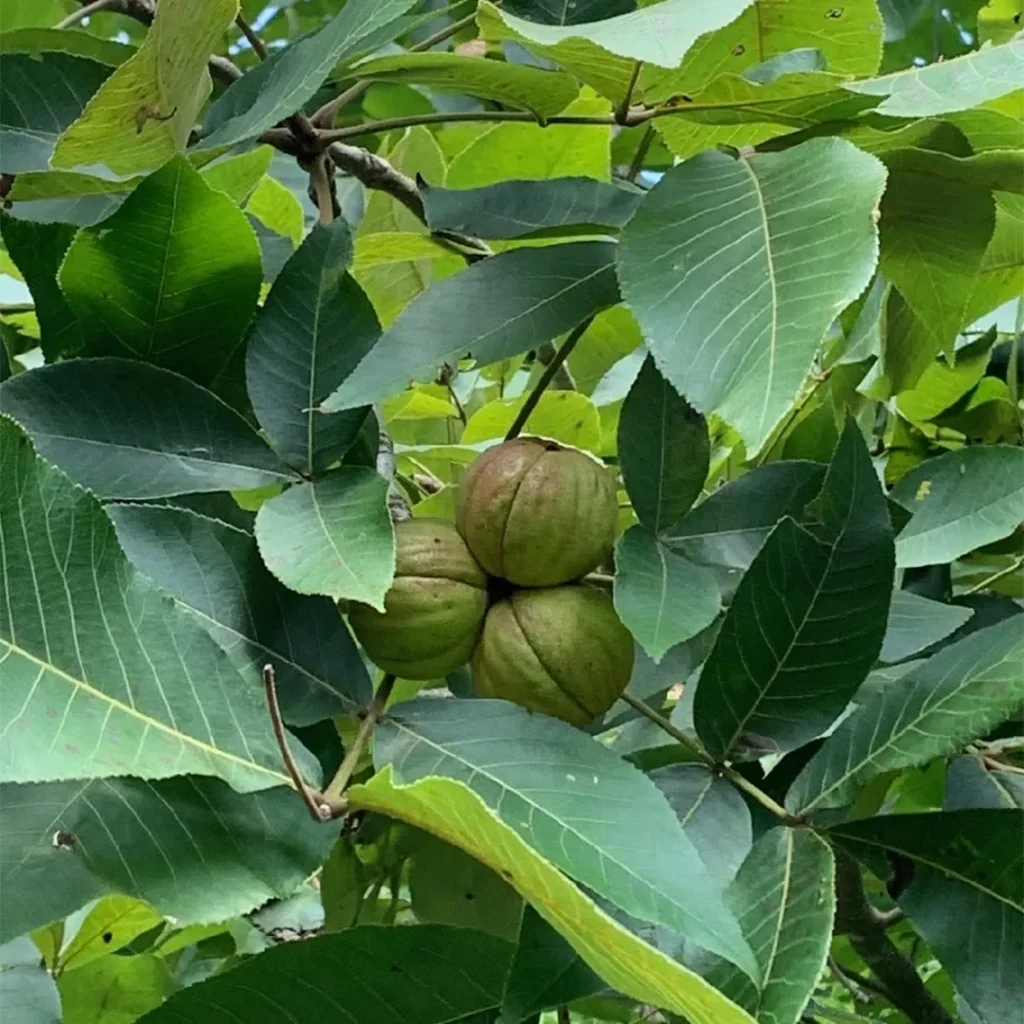
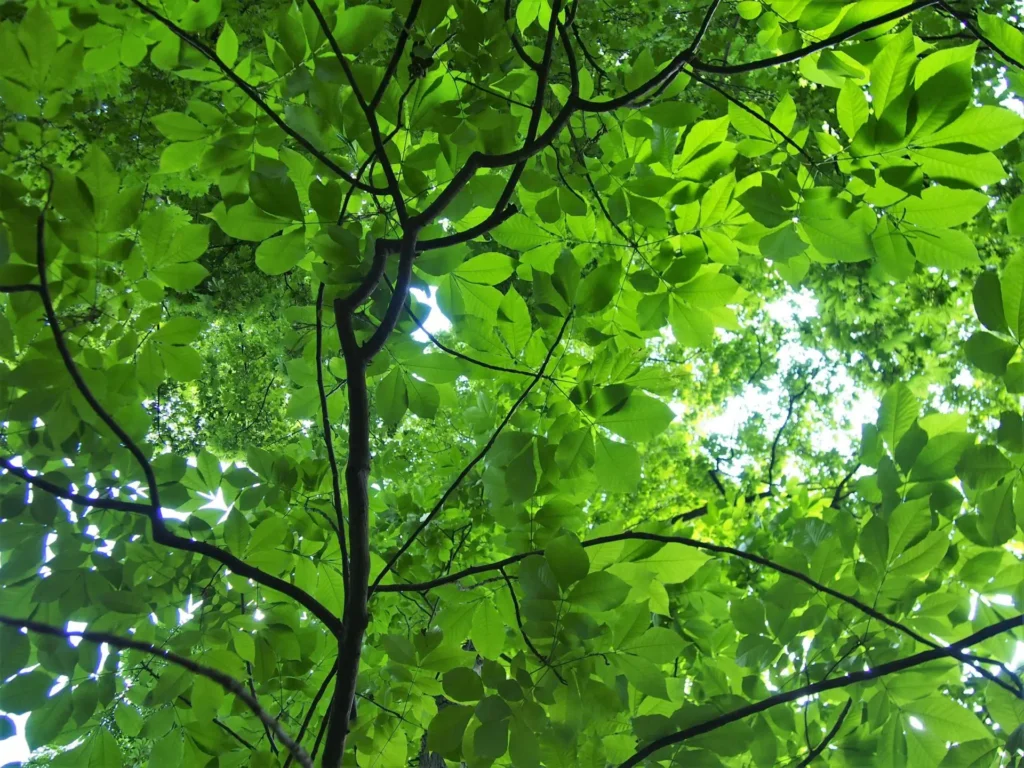
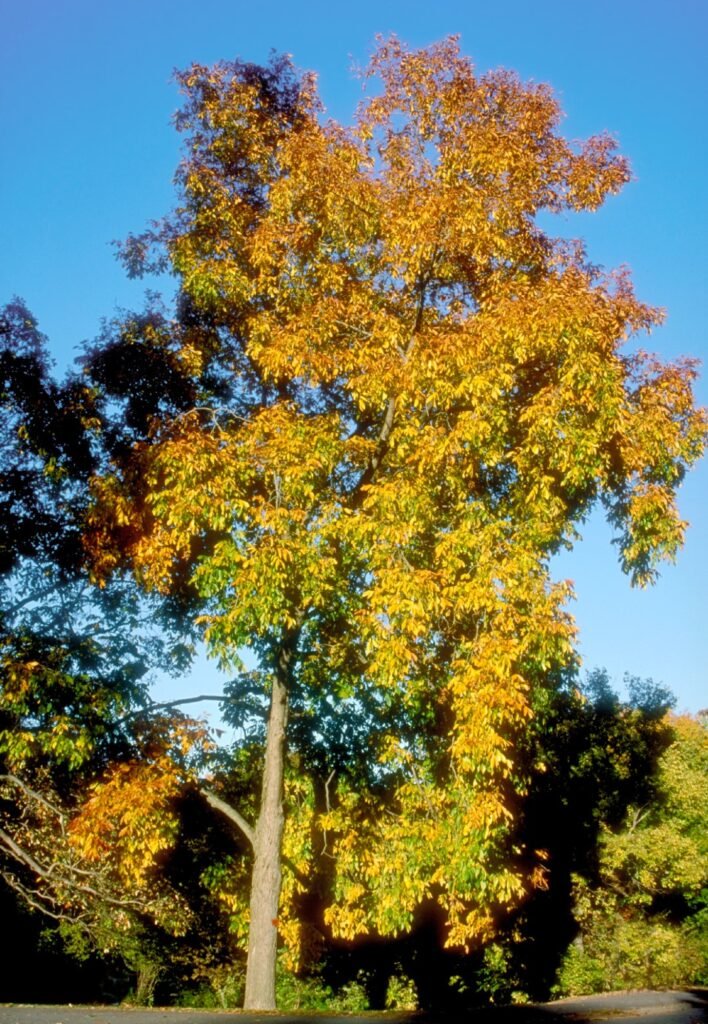
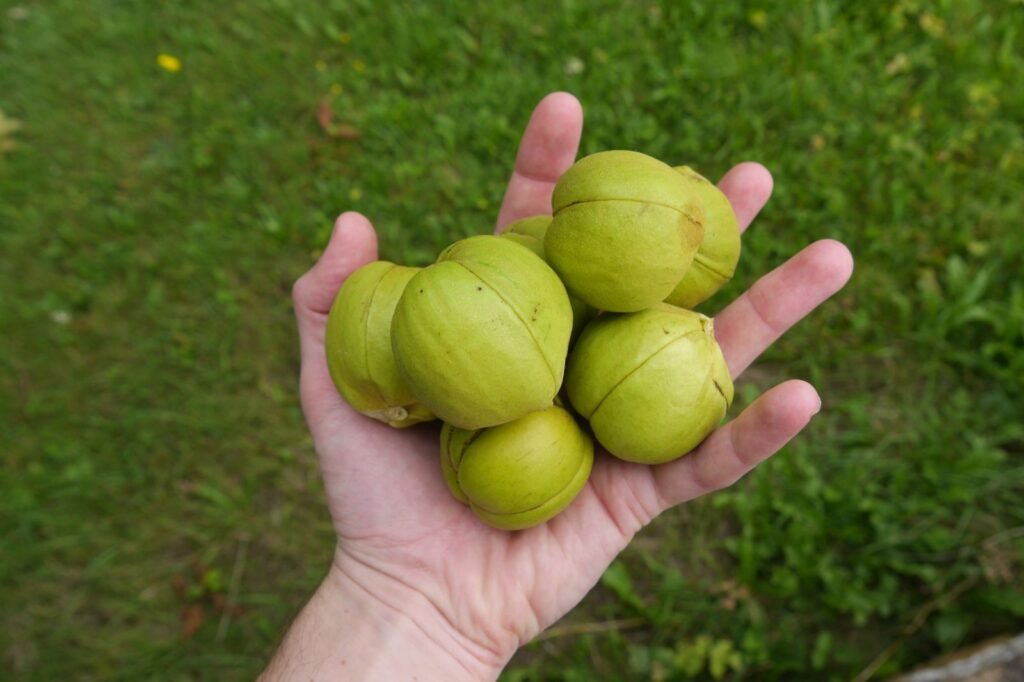
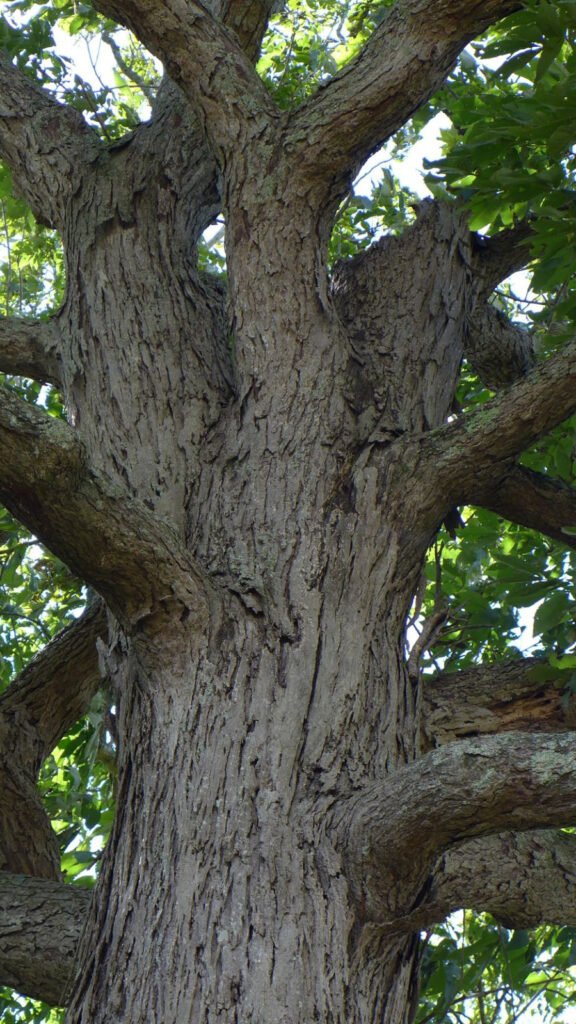
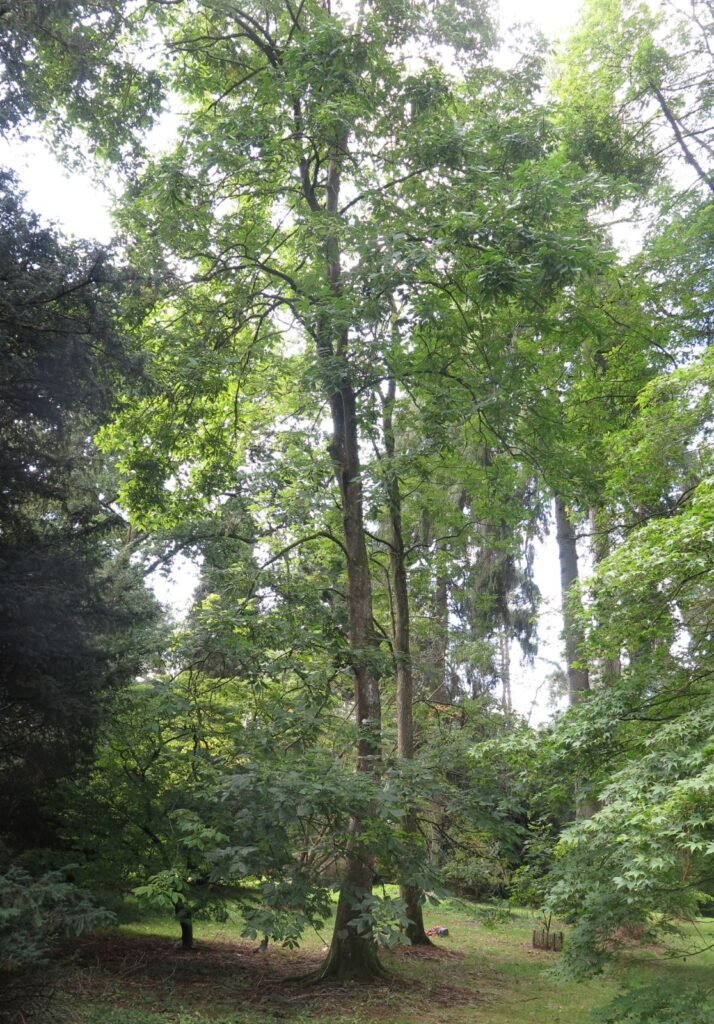
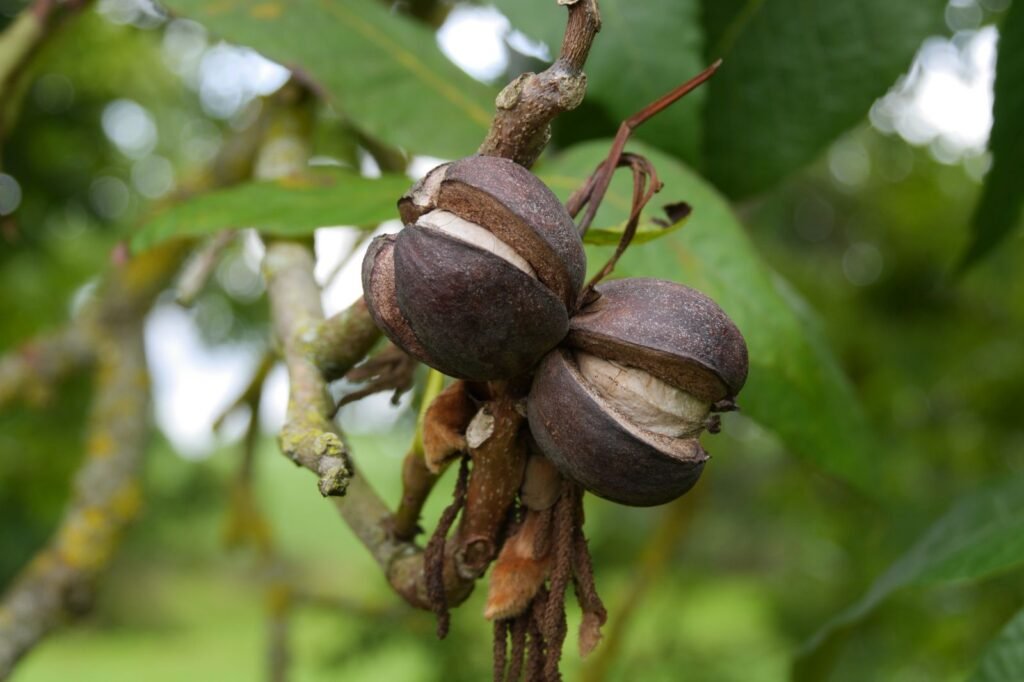
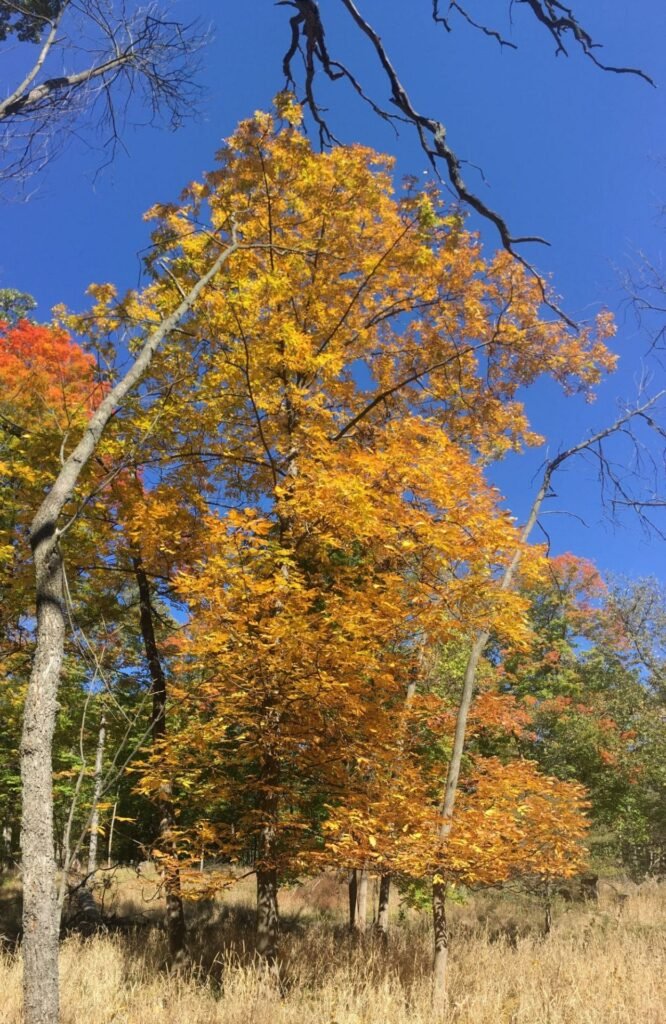
Shellbark Hickory (Carya laciniosa): Guide to Growing, Propagation, Food Uses & Harvesting
The Shellbark Hickory (Carya laciniosa) is one of North America’s largest and most productive nut-bearing hickories. Often overshadowed by its cousin the Shagbark Hickory, Shellbark earns its place in edible landscapes thanks to its rich, buttery nuts and impressive adaptability. This complete guide explores how to grow Shellbark Hickory, propagate it successfully, understand its varieties, make use of the nuts, and time the harvest for best flavor and storage.
Botanical Overview
- Scientific name: Carya laciniosa
- Common names: Shellbark Hickory, Kingnut Hickory
- Family: Juglandaceae
- Native range: Central & Eastern United States
- Mature height: 80–120+ ft
- Lifespan: Often 200+ years
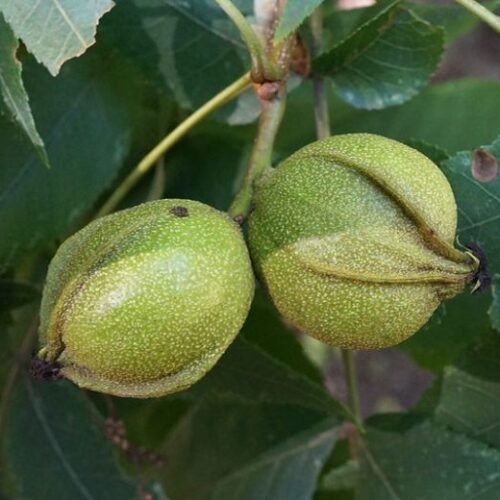
- Nut characteristics: Thick husk, large sweet kernel, high oil content
How to Grow Shellbark Hickory
Climate & Hardiness
Shellbark Hickory thrives in USDA zones 5–8, tolerating cold winters and hot summers. Deep dormancy helps prevent late frost damage.
Site Selection
To reach full nut-bearing maturity, choose a site with:
- Full sun (6–8 hours)
- Moist but drained soil
- Deep rooting space (avoid shallow bedrock)
Soil Requirements
These trees prefer:
- pH: Slightly acidic to neutral (6.0–7.0)
- Texture: Loam or sandy loam
- Organic matter: Moderate to high
Shellbark Hickory tolerates periodic flooding, making it suitable for bottomland conditions.
Watering
Seedlings need consistent moisture during the first 3–5 years. Mature trees withstand drought but produce better nuts with steady water supply.
Fertilization
Minimal fertilization is required. If needed:
- Add compost annually
- Avoid high-nitrogen fertilizers (promote foliage at expense of nut setting)
Pollination Considerations
Like most hickories, Shellbark is wind-pollinated and benefits from cross-pollination. Pairing with another Carya species increases nut yield.
Propagation of Shellbark Hickory
Seed Propagation
Shellbark grows reliably from nuts, but requires:
- Cold stratification (90–120 days at 34–41°F)
- Deep containers for taproot formation
- Early transplanting to avoid root damage
Trees grown from seed can take 10–20 years to bear nuts.
Grafting for Improved Varieties
Many named cultivars are propagated via grafting onto seedling rootstock. Benefits include:
- Stable nut characteristics
- Faster fruiting (5–10 years)
- Better disease tolerance
Transplanting
Due to a massive taproot, trees transplant best when young (1–2 years old). Older trees resist disturbance.
Notable Varieties & Cultivars
Several cultivars are grown for nut quality and size, often called “Kingnut” types due to exceptionally large kernels. While naming can vary by nursery, commonly grown types include:
- ‘Davis’ – consistent annual bearing
- ‘Selbhers’ – very large nuts, mild flavor
- ‘Underwood’ – strong growth, good cracking quality
- ‘Keim’ – reliable yields, extra sweet kernel
Wild genetic diversity also makes Shellbark an excellent candidate for breeding programs.
Uses & Benefits of Shellbark Hickory
Culinary Uses
Shellbark hickory nuts are highly edible and prized for:
- Rich, buttery flavor
- High-calorie energy density
- Oil extraction
- Dessert & baking use
They can replace pecans in recipes such as:
- pies
- pralines
- cookies
- nut butters
- roasted snacks
Nutritional Profile
Like other hickory nuts, Shellbark offers:
- healthy fats (particularly monounsaturated oils)
- protein
- minerals (calcium, magnesium, manganese)
- antioxidants
Wood & Non-Food Uses
Shellbark’s wood is dense and historically valued for:
- tool handles
- smoking meats
- traditional furniture
- fuel & charcoal
Smoke from hickory wood imparts a deep, sweet flavor to meats and vegetables.
Harvesting Shellbark Hickory Nuts
When to Harvest
Nuts typically ripen:
- Late September to early November
depending on climate and cultivar.
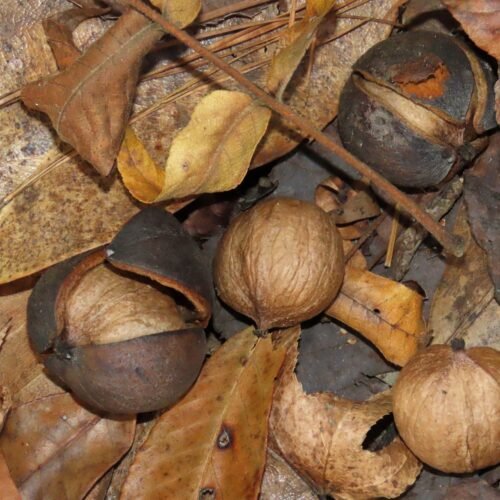
Ripe nuts fall naturally from the tree once husks split. Gathering from the ground is the easiest method.
Processing & Storage
- Remove husk
- Air dry for 1–3 weeks
- Crack with a heavy-duty nutcracker
- Store kernels in airtight containers
For long-term storage:
- Freeze kernels for 12–24 months
- Refrigerate for 6–9 months
Yield Expectations
Bearing begins around 10–20 years from seed, or 5–10 from grafted stock. Mature trees can produce 50–100+ lbs of nuts annually under ideal conditions.
Food Pairing & Kitchen Ideas
Shellbark nuts pair well with:
- maple syrup
- chocolate
- roasted vegetables
- cheese boards
- salads
Example culinary ideas:
- hickory nut granola
- hickory milk (nut-based)
- ice cream toppings
- autumn pastries
- savory crusts for poultry or fish
Roasting deepens sweetness and flavor complexity.
Challenges & Growing Considerations
Pests & Diseases
Shellbark has few serious pests, though occasional issues include:
- Hickory shuckworm
- Weevils
- Leaf spot fungi
Good sanitation and spacing reduce most problems.
Longevity & Space Needs
This is not a small landscape tree. It suits:
- food forests
- acreage
- nut orchards
- restoration or wildlife projects
Why Grow Shellbark Hickory?
Whether for food, wildlife, or forestry, Shellbark Hickory offers:
- highly nutritious nuts
- native habitat value
- extraordinary lifespan
- carbon storage capability
- pollinator support
- heritage orchard potential
Its slow growth pays off in multi-generational abundance.
Final Thoughts
For growers interested in native agroforestry, perennial food systems, or self-sufficient homesteading, Shellbark Hickory is a rewarding species. With proper planting, patient stewardship, and thoughtful harvesting, it becomes both a culinary treasure and a long-lived ecological asset.


&media=https://food-foresting.com/wp-content/uploads/2026/01/carya-laciniosa-04.jpg)