
 paulius.mikoliunas1
| Common Name | Silver Birch, European white birch, Common Birch, Warty Birch, European White Birch |
| Family | Betulaceae |
| USDA hardiness | 2-6 |
| Known Hazards |  The aromatic and aliphatic hydrocarbons in birch tar are irritating to the skin. Do not use in patients with oedema or with poor kidney or heart functions The aromatic and aliphatic hydrocarbons in birch tar are irritating to the skin. Do not use in patients with oedema or with poor kidney or heart functions |
| Habitats | Open woodland and heaths. Rarely found on chalk. |
| Range | Most of Europe, including Britain, south and east to Morocco, W. Siberia and central Asia. |
| Edibility Rating |   (3 of 5) (3 of 5) |
| Other Uses |  (5 of 5) (5 of 5) |
| Weed Potential | No |
| Medicinal Rating |   (3 of 5) (3 of 5) |
| Care (info) |     |




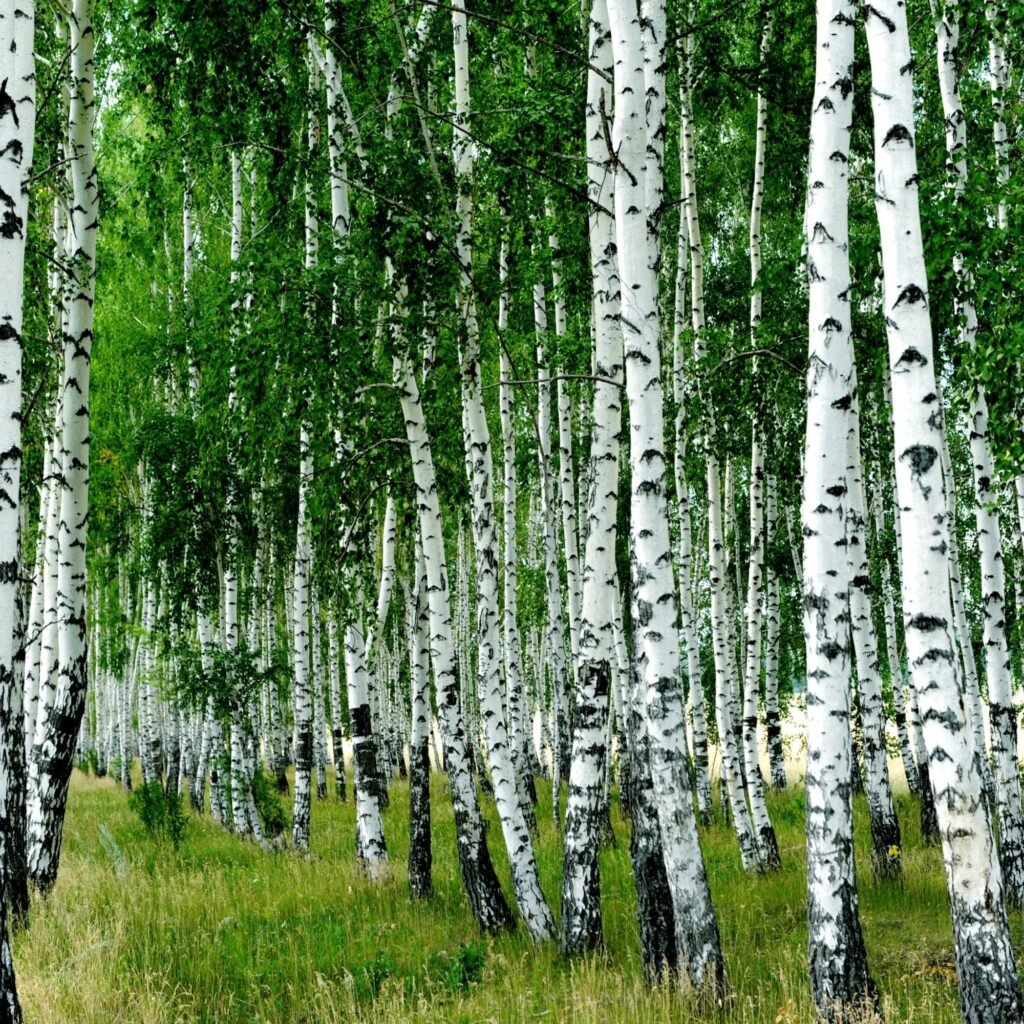
How to Grow, Propagate, Harvest & Use Silver Birch (Betula pendula): A Complete Guide
The Silver Birch (Betula pendula) is one of the most recognizable deciduous trees in the Northern Hemisphere. Its shimmering white bark, soft green foliage, and graceful, drooping branches make it a favorite in gardens, woodlands, and landscapes across the world. But beyond its beauty, Silver Birch offers a surprising wealth of culinary uses, health benefits, craft applications, and ecological value.
In this comprehensive guide, you’ll learn everything you need to know about growing, propagating, harvesting, and using Silver Birch—plus explore its varieties and edible possibilities.
What Is Silver Birch (Betula pendula)?
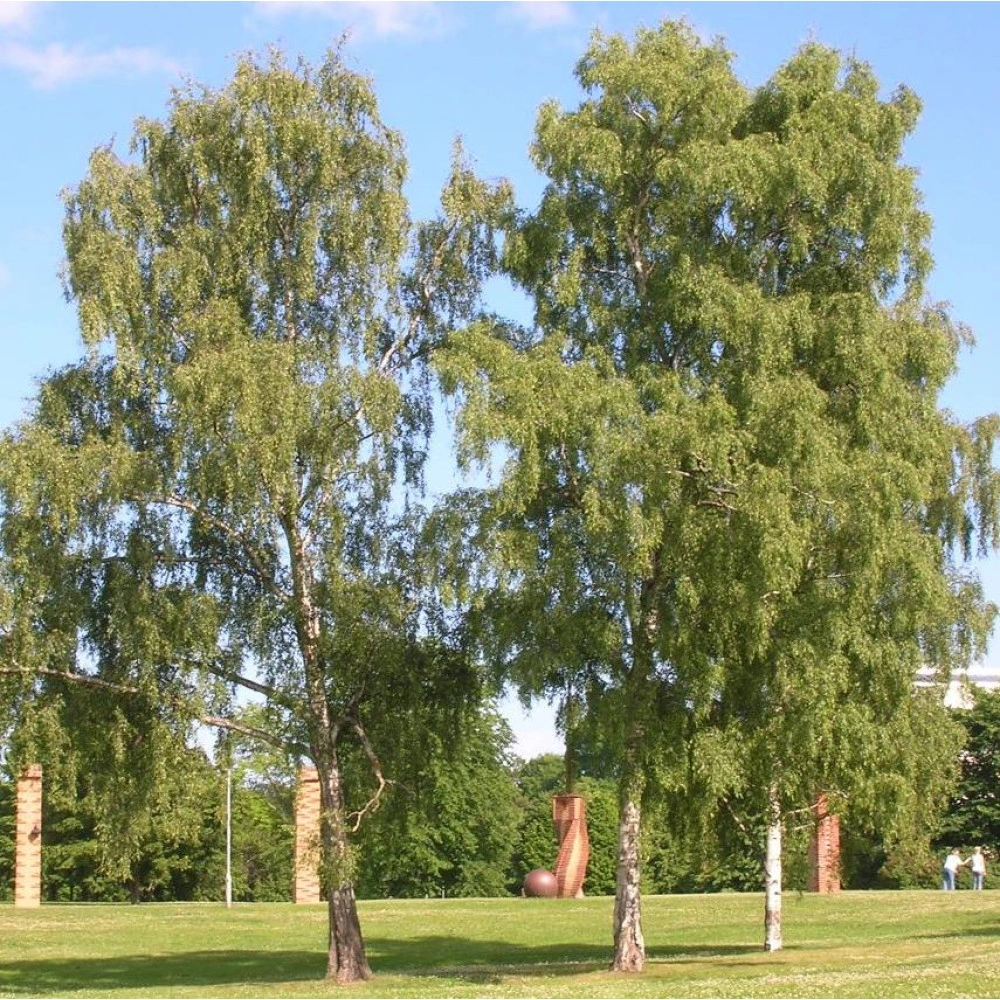
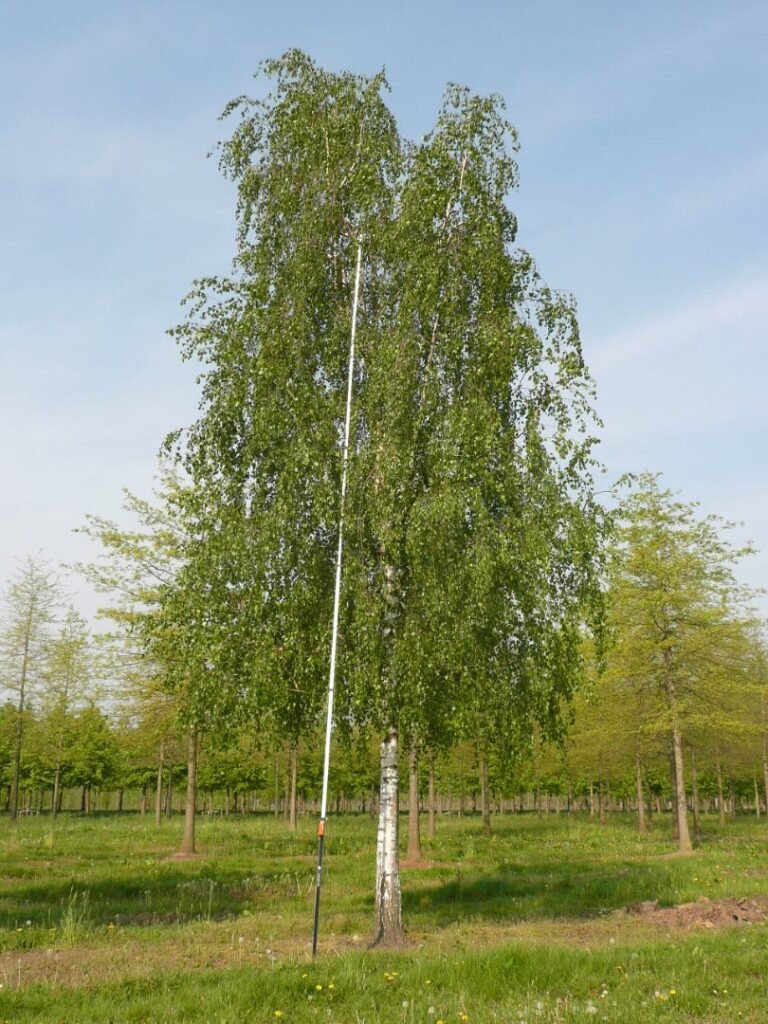
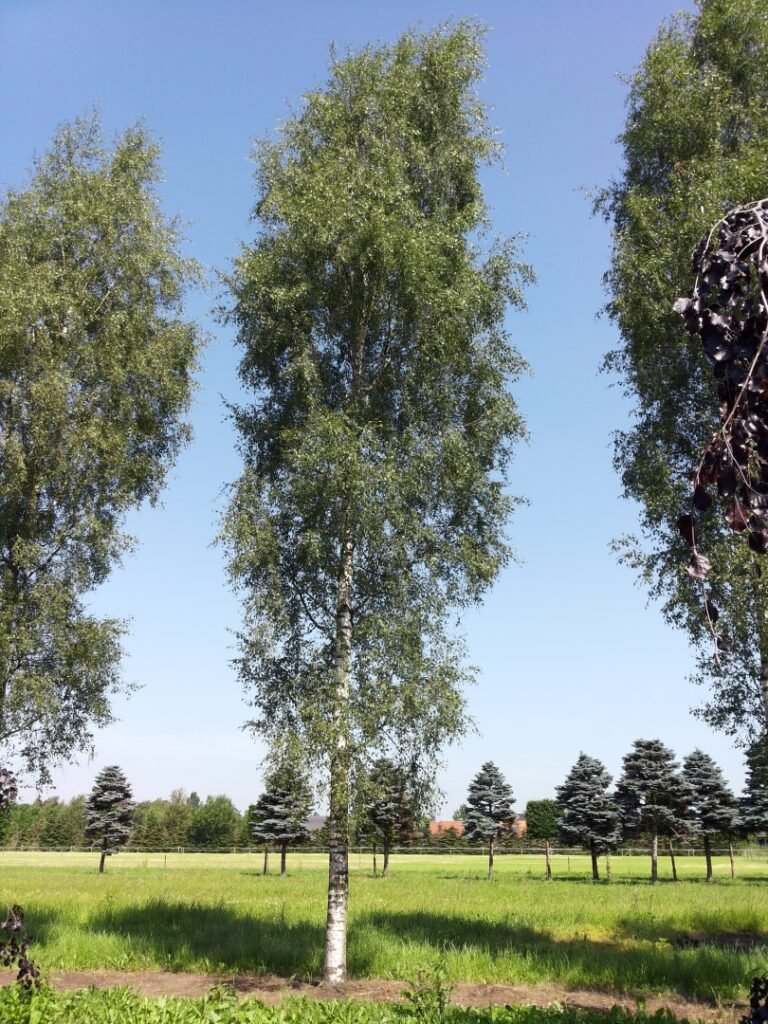
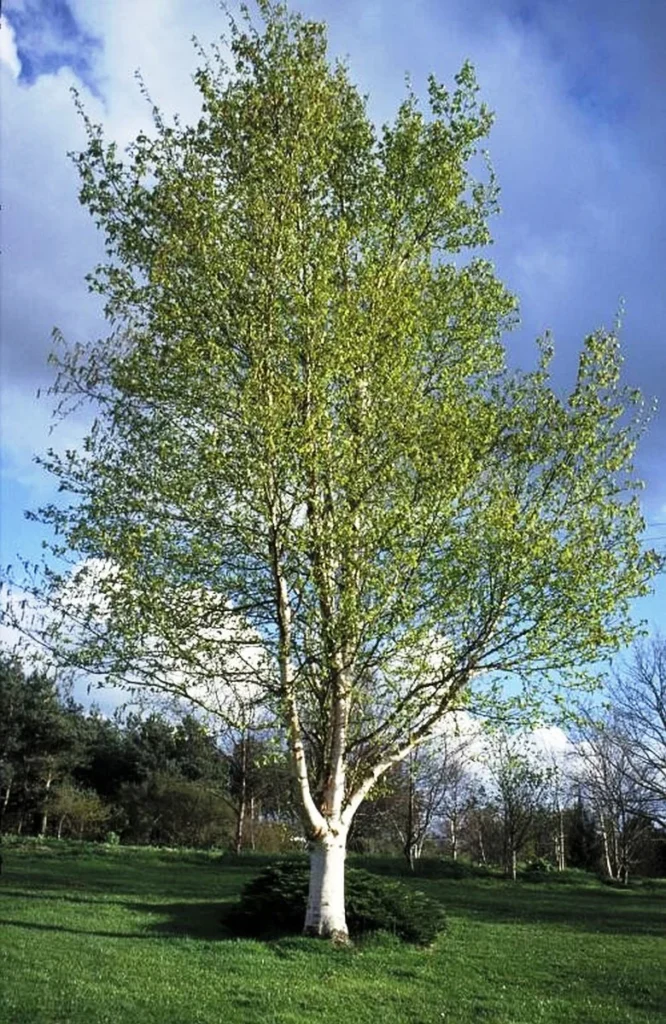
Silver Birch is a hardy, fast-growing tree native to Europe and parts of Asia. Easily recognized by its:
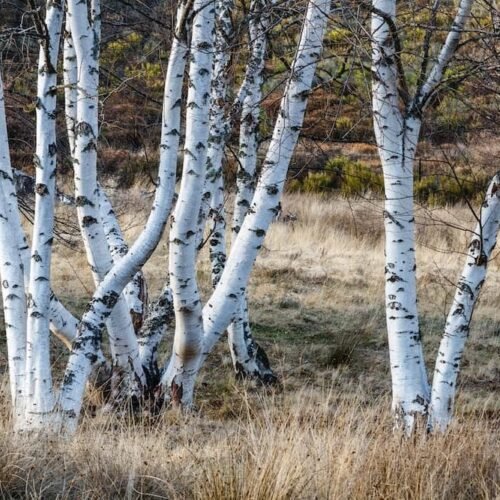
- White, peeling bark
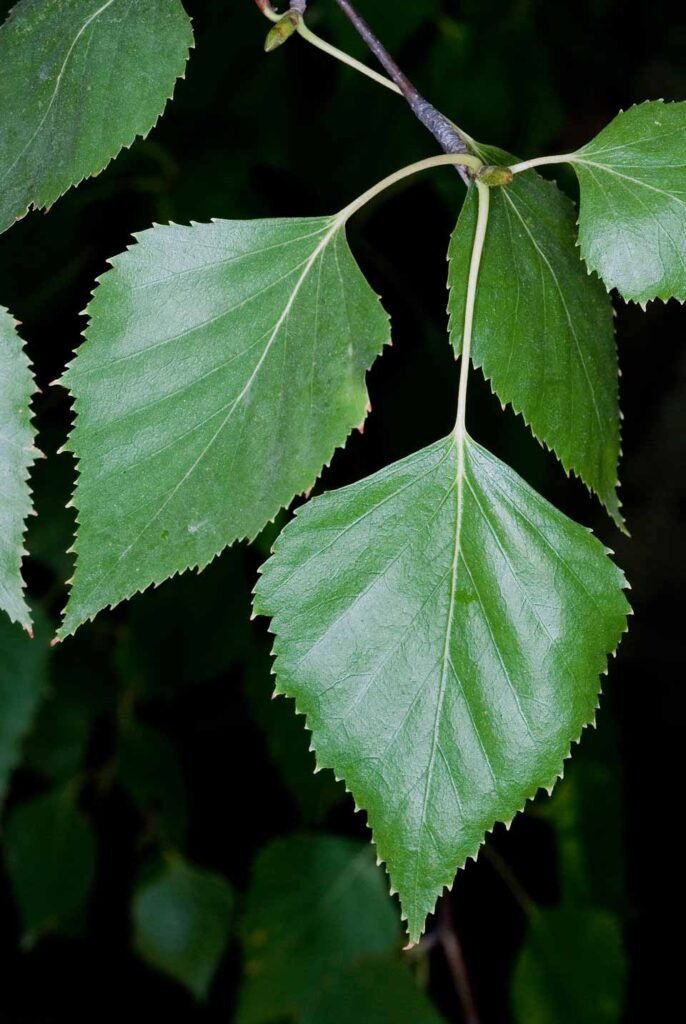
- Diamond-shaped leaves
- Gracefully arching branches
- High tolerance for cold and poor soils
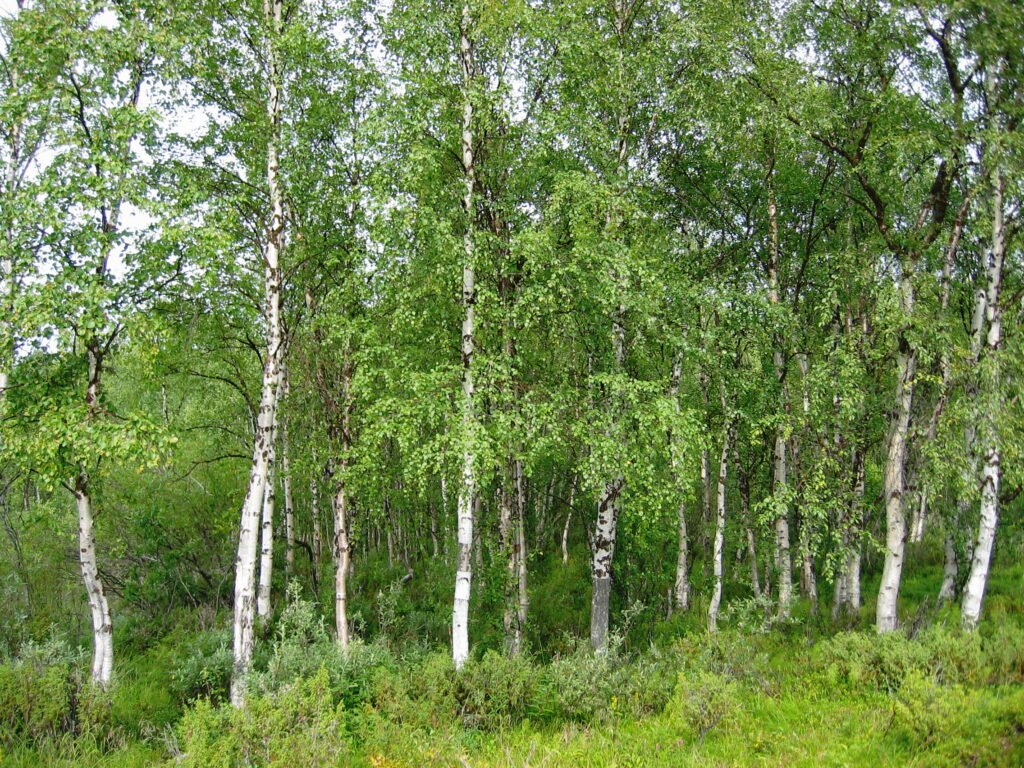
It is a pioneer species—one of the first trees to colonize bare land—and plays a major ecological role by supporting pollinators, wildlife, and soil regeneration.
🌳 How to Grow Silver Birch (Betula pendula)
Growing Silver Birch is surprisingly easy, even for beginners. It tolerates poor soil conditions and thrives in cool climates.
Ideal Growing Conditions
1. Light Requirements
- Prefers full sun (6+ hours/day) but tolerates light shade.
- Full sun encourages stronger trunk whitening and better leaf color.
2. Soil
- Performs best in:
- Sandy loam
- Well-drained soils
- Slightly acidic to neutral pH
- Avoid compacted clay, which increases risk of root rot and birch borers.
3. Watering
- Young trees require consistent moisture.
- Mature trees tolerate brief drought but prefer:
- Cool, moist soil
- Mulching around the base
Water deeply during dry summers to maintain long-term health.
4. Location Tips
- Plant away from underground utilities—birch roots spread widely.
- Choose a spot with air circulation to prevent fungal issues.
- Avoid placing directly adjacent to paved surfaces that heat excessively.
🌱 How to Propagate Silver Birch
Silver Birch can be propagated using seeds, cuttings, or air layering, but each method varies in difficulty.
1. Propagating by Seeds (Most Common)
When to Collect
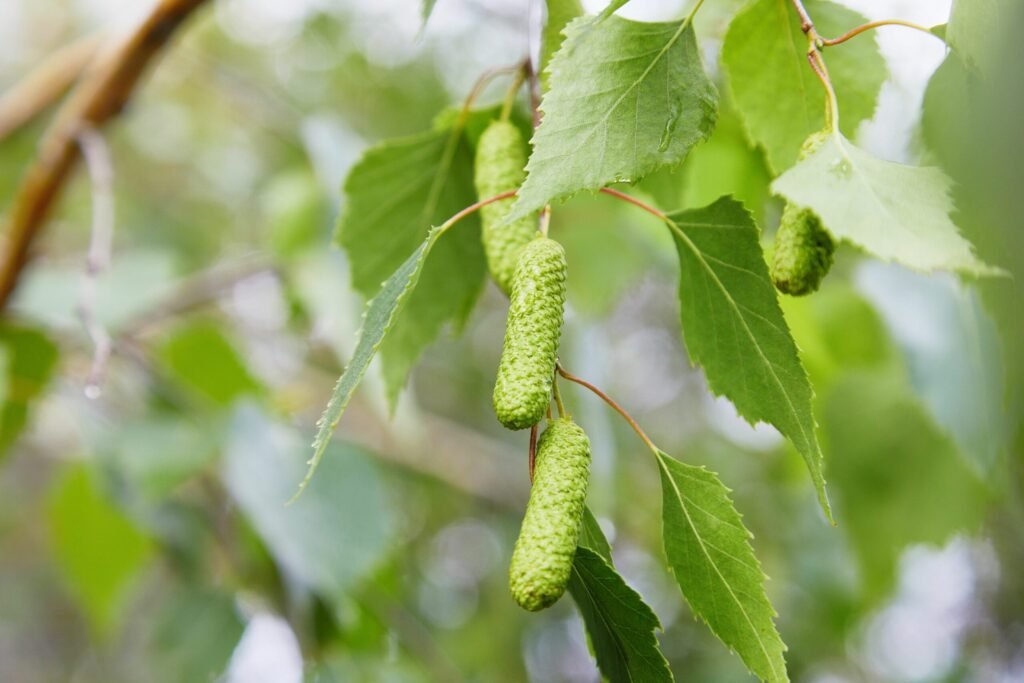
- Gather seeds from catkins in late summer to early autumn.
Steps
- Allow catkins to dry indoors.
- Shake seeds free and store in a cool, dry place.
- Cold-stratify seeds for 6–8 weeks in the refrigerator.
- Sow seeds on the soil surface—they need light to germinate.
- Mist lightly and cover with humidity dome.
- Seedlings emerge in 2–4 weeks.
Best for:
- Large numbers of trees
- Forest plantings
- Eco-restoration projects
2. Propagating by Softwood Cuttings (Moderate difficulty)
Steps
- Take cuttings in late spring to early summer.
- Select young, flexible stems.
- Dip base in rooting hormone.
- Insert into a 50/50 mix of sand and perlite.
- Keep under plastic or mist bench until roots form.
Success Rate: 30–50%
3. Air Layering (Higher success rate)
Steps
- Select a healthy branch.
- Girdle a strip of bark (about 1 inch).
- Apply rooting hormone.
- Wrap with moist sphagnum moss.
- Cover with plastic and tie ends.
- Roots form in 8–12 weeks.
Advantages
- Produces larger, more mature starter trees
- Higher survival compared to cuttings
🌿 Popular Varieties of Silver Birch
Silver Birch has several cultivated varieties with unique forms and bark colors.
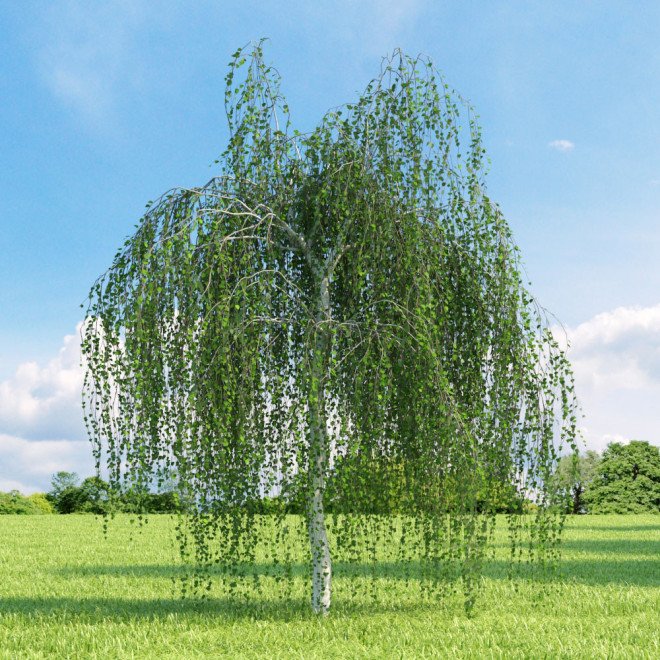
1. ‘Youngii’ (Weeping Silver Birch)
- Umbrella-like canopy
- Excellent for small gardens
2. ‘Dalecarlica’ (Swedish Birch)
- Deeply cut leaves
- Elegant, textured appearance
3. ‘Laciniata’
- Feathery, lace-like foliage
- Adds fine texture to landscapes
4. ‘Tristis’
- Strongly arching, pendulous branches
- Dramatic weeping form
5. ‘Purpurea’ (Purple Birch)
- Bronze or purplish foliage
- Rare ornamental choice
🍽️ Edible & Culinary Uses of Silver Birch
Few people realize that nearly every part of Silver Birch has traditional food applications.
1. Birch Sap (Birch Water)
Collected in early spring by tapping the trunk.
Uses:
- Drink fresh (mild, slightly sweet)
- Ferment into birch wine
- Reduce into birch syrup
- Use in herbal tonics and smoothies
2. Birch Syrup
- Made by evaporating sap (similar to maple syrup).
- Rich, dark caramel flavor.
- Excellent in:
- Marinades
- Glazes
- Desserts
- Cocktails
3. Birch Leaves
Young leaves can be used for:
- Teas (diuretic, detoxifying)
- Herbal infusions
- Added sparingly to salads (spring only)
4. Birch Bark
While not directly eaten, it is used to:
- Make birch bark flour (survival food)
- Flavor beverages
- Craft containers and cooking vessels
🎋 Non-Food Uses of Silver Birch
1. Woodworking & Craft
- Bowls
- Furniture
- Carvings
- Tool handles
- Firewood
2. Natural Dye
- Bark produces warm brown tones.
- Leaves produce pale yellow dyes.
3. Medicinal Applications
Traditionally used for:
- Skin conditions
- Kidney support
- Joint health
- Detoxifying teas
(Note: Always consult a professional before using any plant medicinally.)
🧺 How to Harvest Silver Birch Responsibly
Sustainability is crucial when harvesting from birch trees.
1. Sap Harvesting Tips
- Tap only mature trees (25+ cm trunk diameter).
- Use a single tap hole per tree.
- Remove the spile after 2–3 weeks.
- Seal the hole naturally and allow the tree to heal.
2. Leaf Harvesting
- Collect young leaves in spring.
- Never remove more than 10–15% of total foliage.
3. Bark Harvesting
- Never strip bark from a living tree.
- Use fallen branches or storm-damaged trees for ethical foraging.
🍴 Best Food Options Using Silver Birch
Here are some delightful culinary creations featuring Silver Birch:
Birch Sap Recipes
- Birch lemonade
- Birch water kefir
- Sparkling birch soda
Birch Syrup Recipes
- Glazed salmon
- Birch-maple BBQ sauce
- Birch caramel drizzle
Birch Leaf Recipes
- Spring detox tea
- Birch leaf vinegar
- Herbal birch pesto (mild, citrusy notes)
🌱 Final Thoughts
Silver Birch (Betula pendula) is more than an ornamental tree—it is a versatile, resilient, and richly useful plant with deep ecological and cultural value. Whether you want to grow it in your garden, propagate new specimens, harvest sap for syrup, or explore its herbal benefits, Silver Birch offers endless possibilities.
By cultivating and using this beautiful tree responsibly, you support biodiversity, craft sustainability, and carry on centuries-old traditions.



&media=https://food-foresting.com/wp-content/uploads/2025/12/birch-silver-tree-saplings-betula-pendula-p62-375_image.jpg)