
 paulius.mikoliunas1
| Common Name | Tara Vine |
| Family | Actinidiaceae |
| USDA hardiness | 4-8 |
| Known Hazards | None known |
| Habitats | Climbing up trees in woodland, mountain forests, thickets, streamsides and moist places at elevations of 700 – 3600 metres. |
| Range | E. Asia – China, Japan |
| Edibility Rating |  (5 of 5) (5 of 5) |
| Other Uses |   (2 of 5) (2 of 5) |
| Weed Potential | No |
| Medicinal Rating |  (0 of 5) (0 of 5) |
| Care (info) |      |
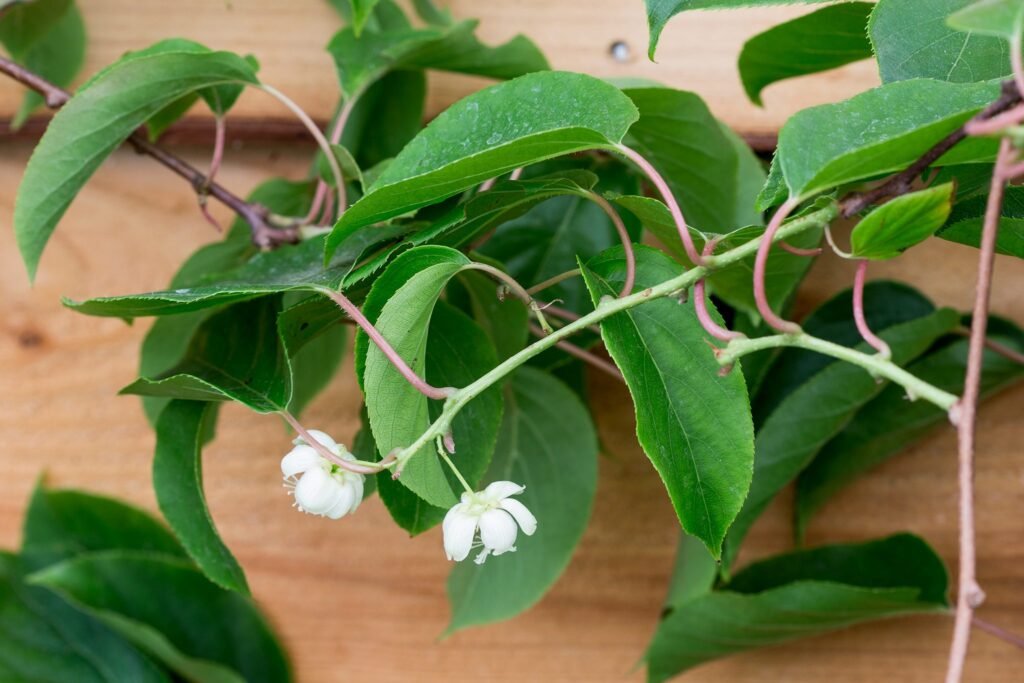
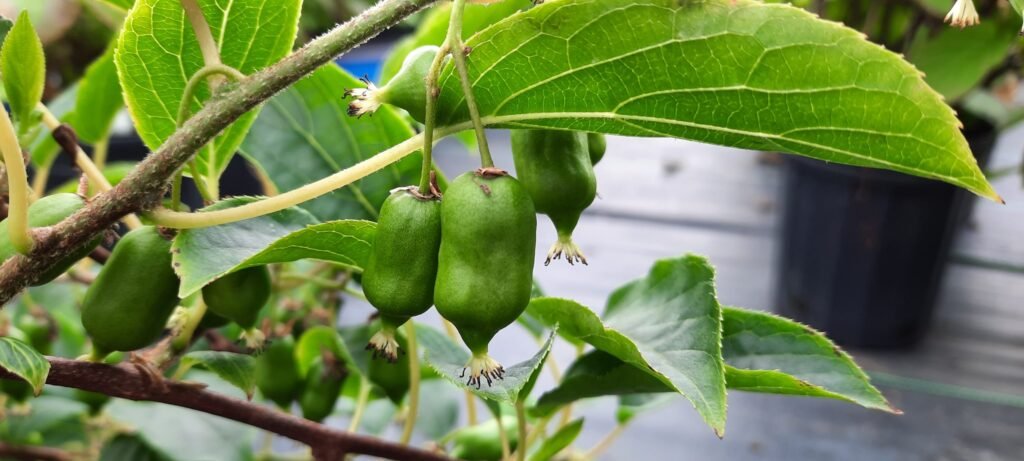
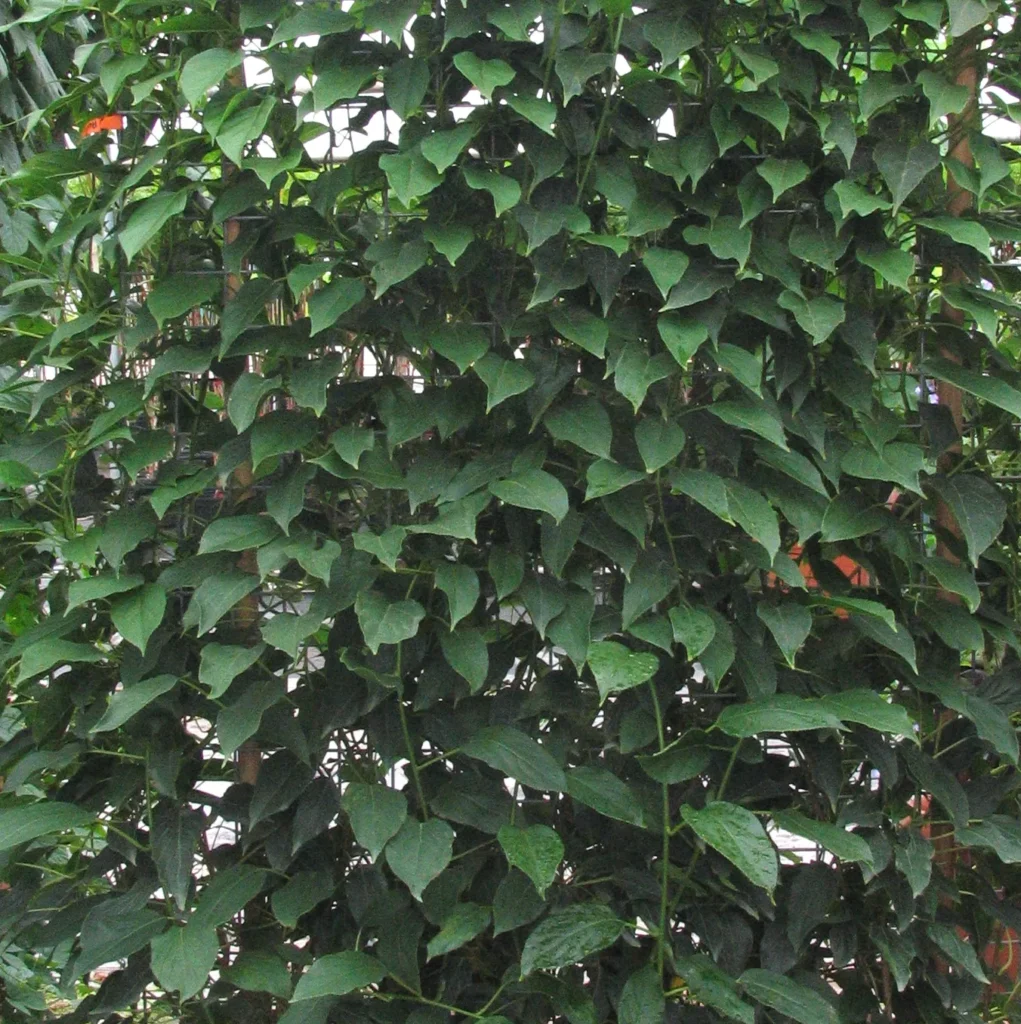
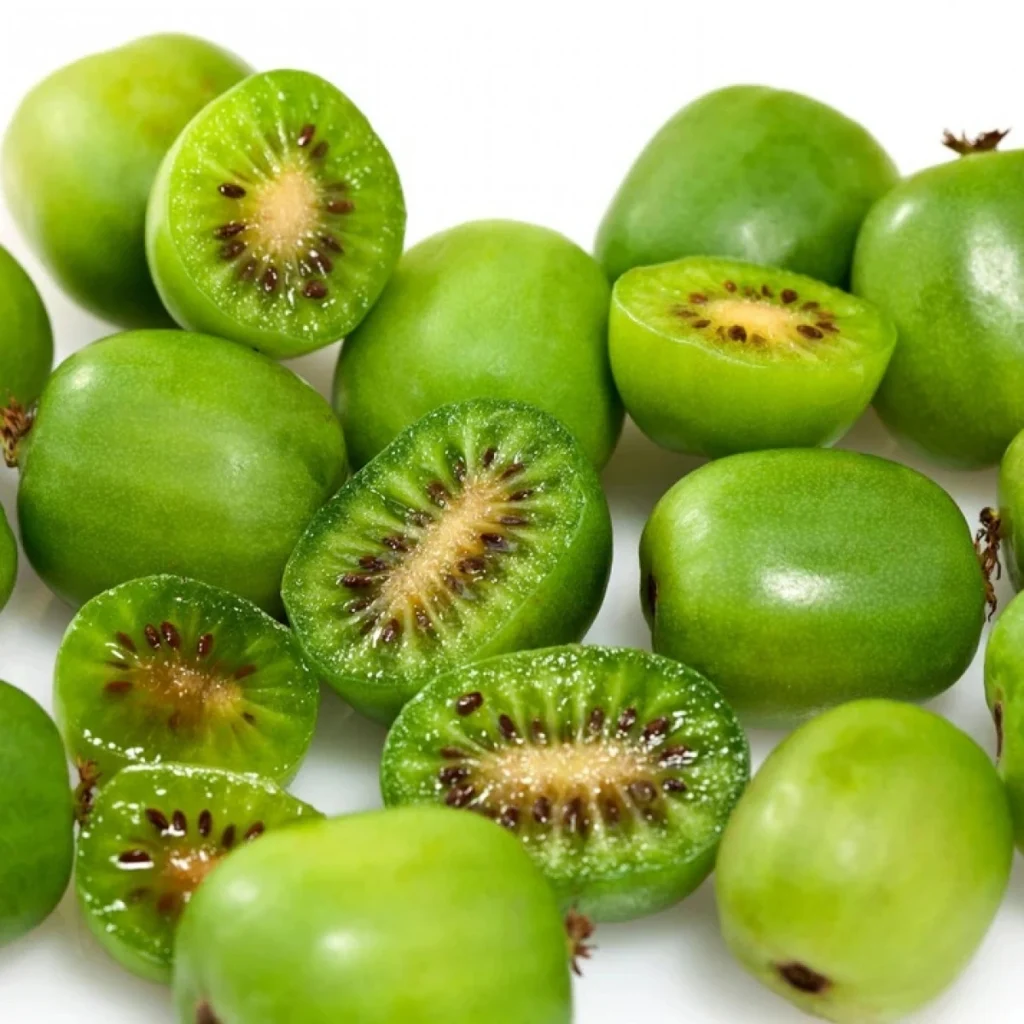
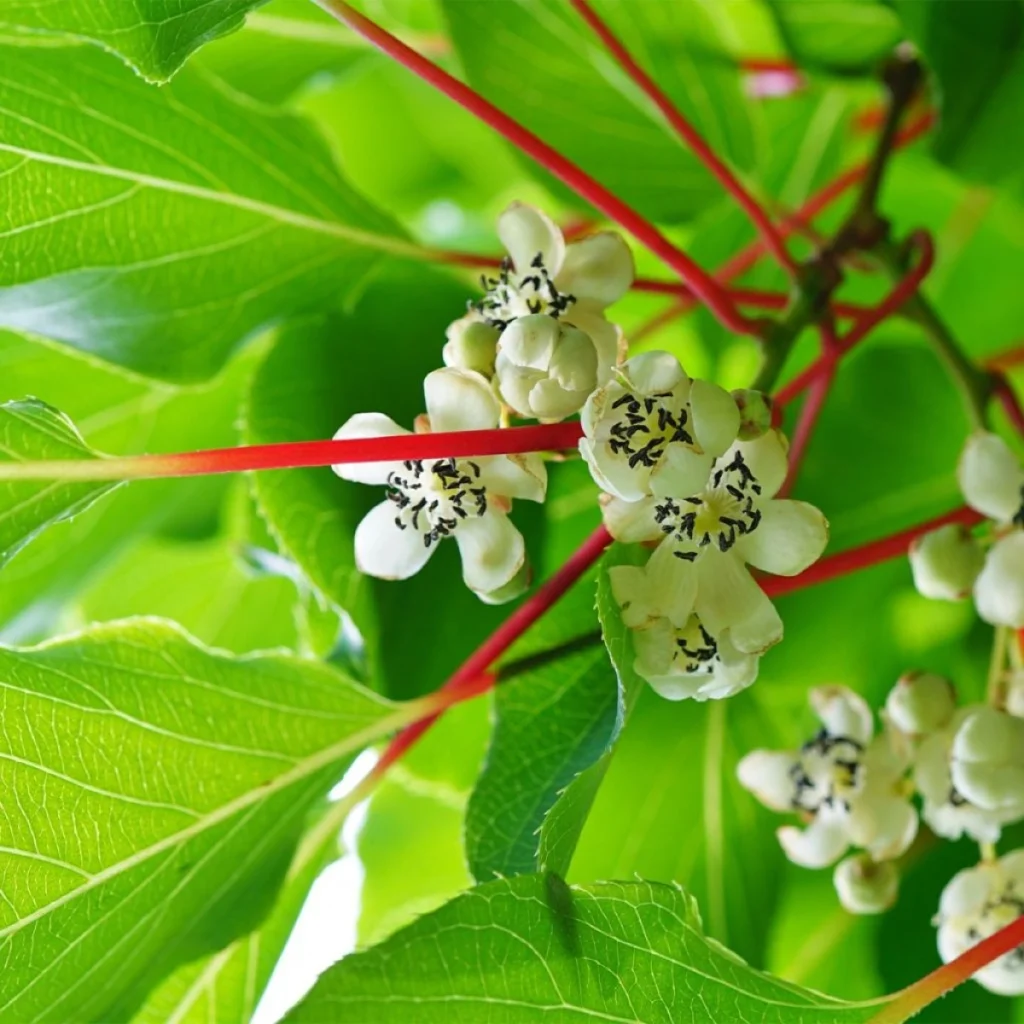
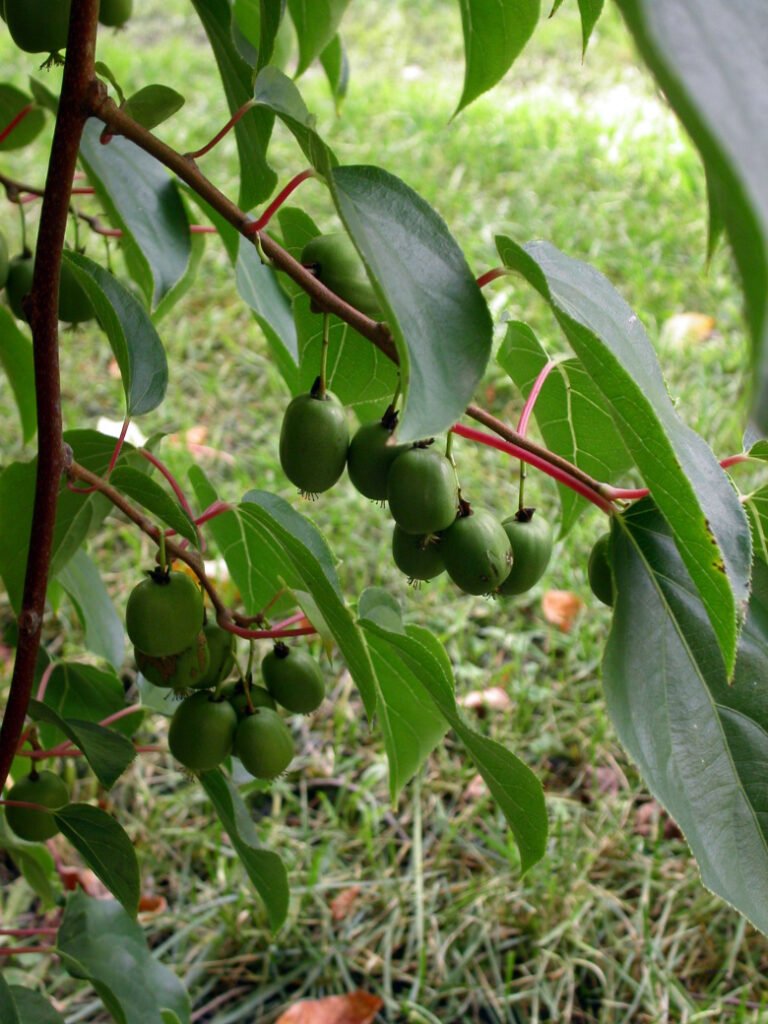
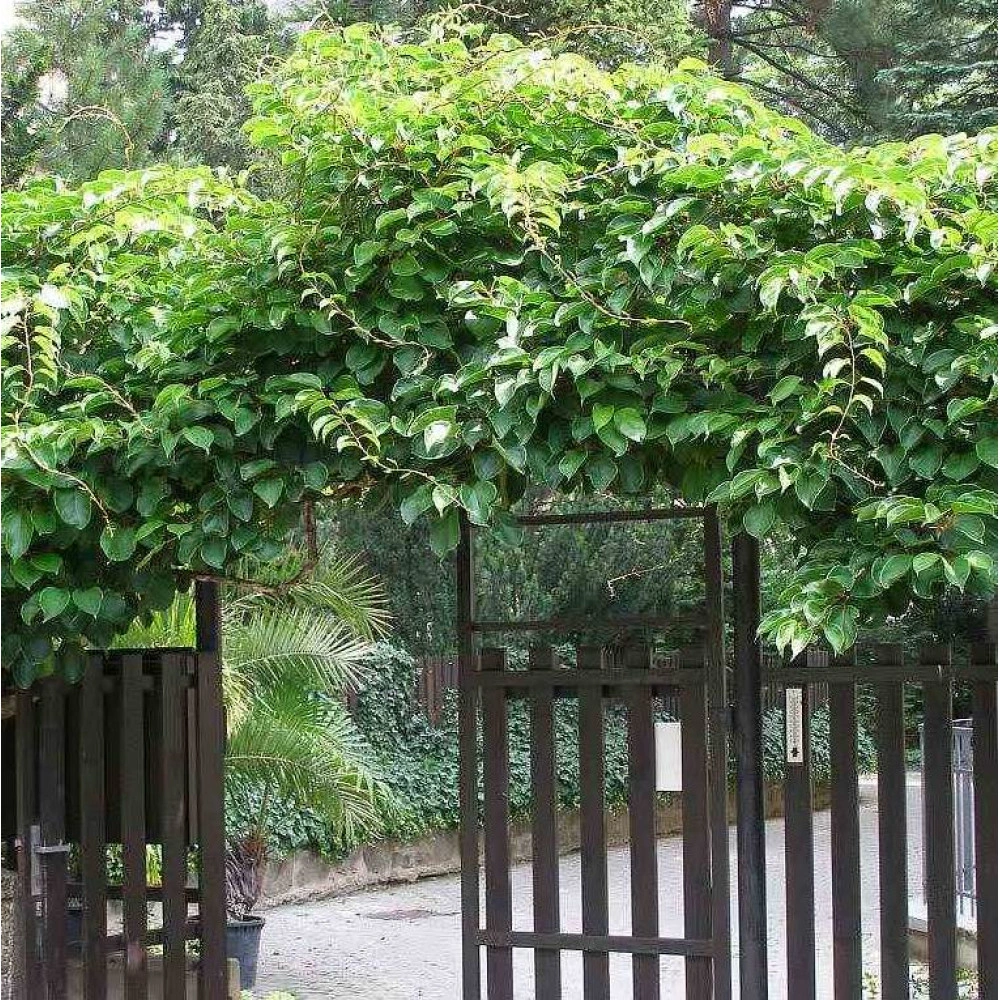
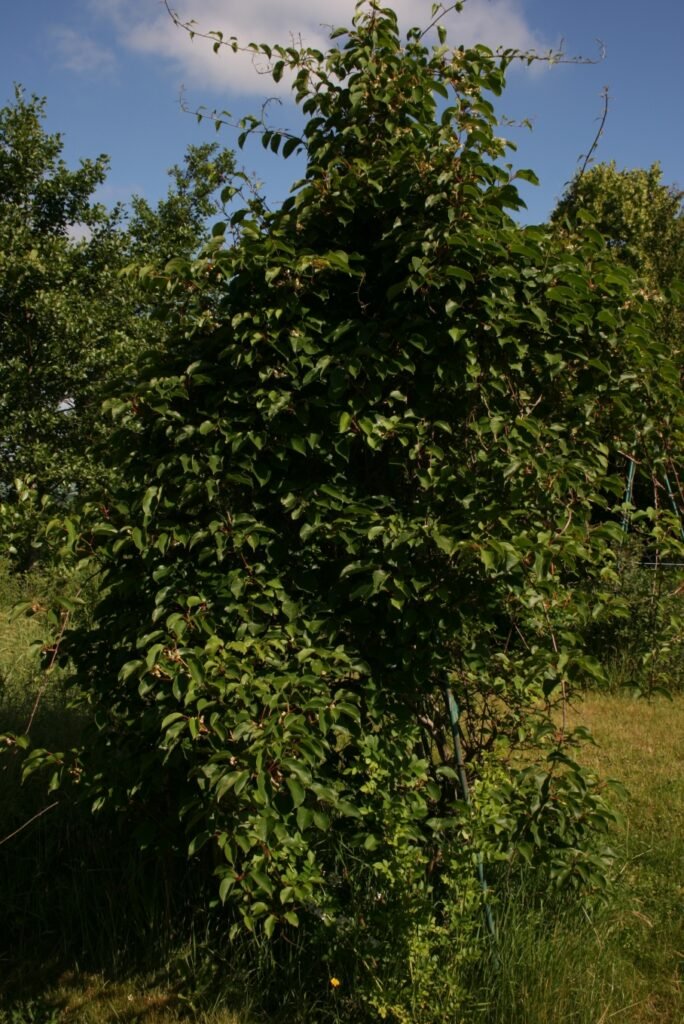
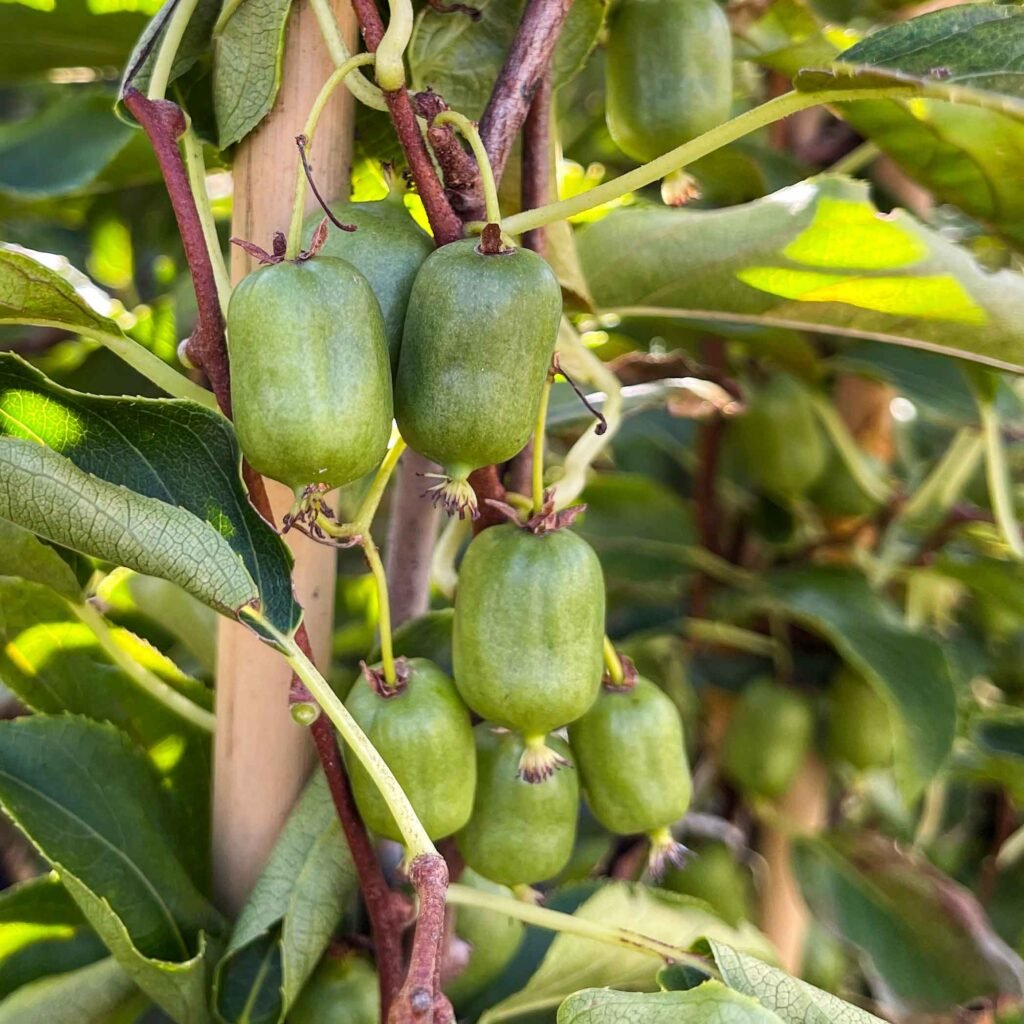
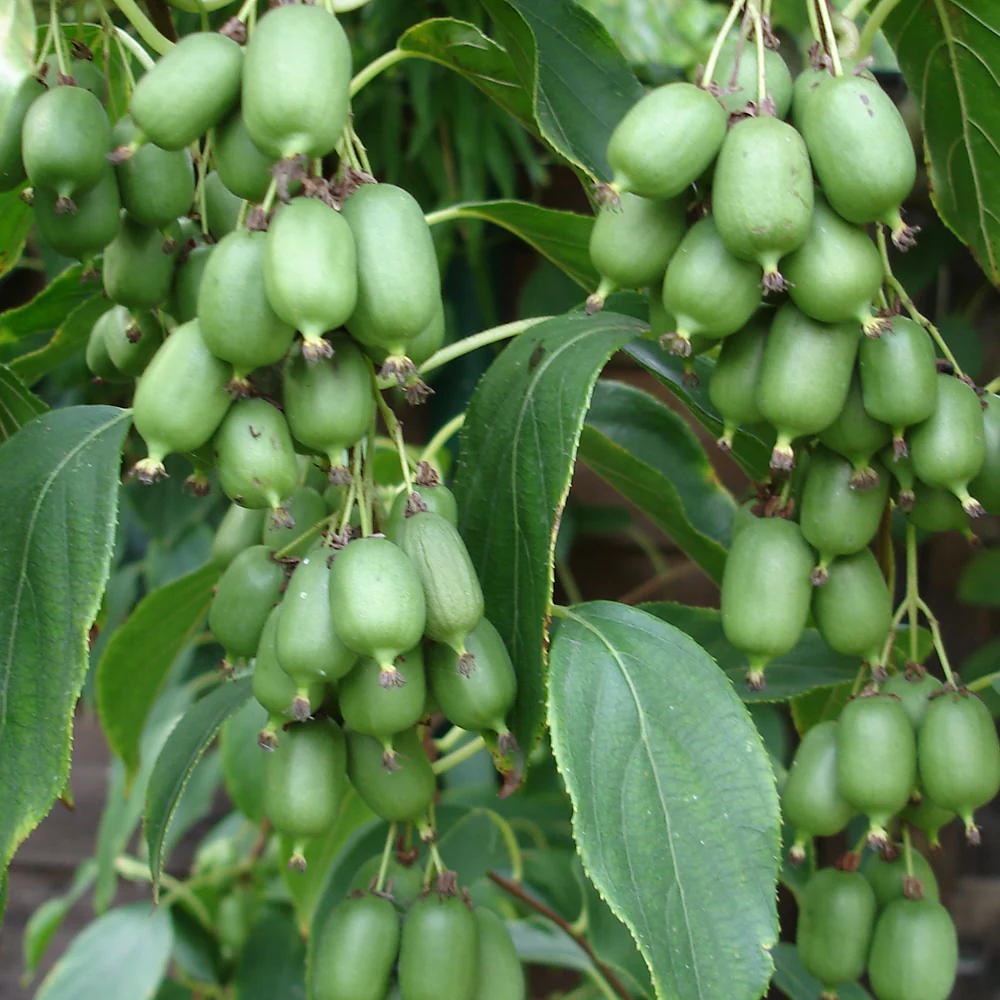
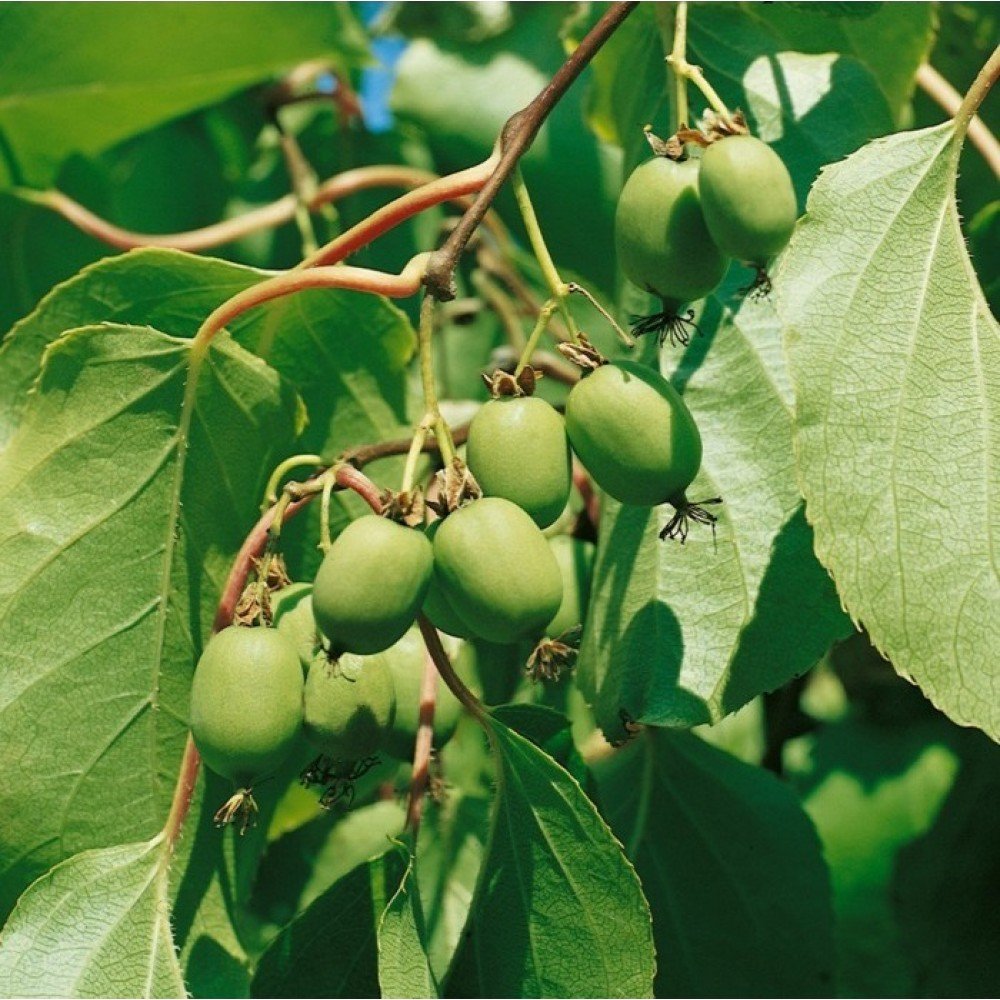
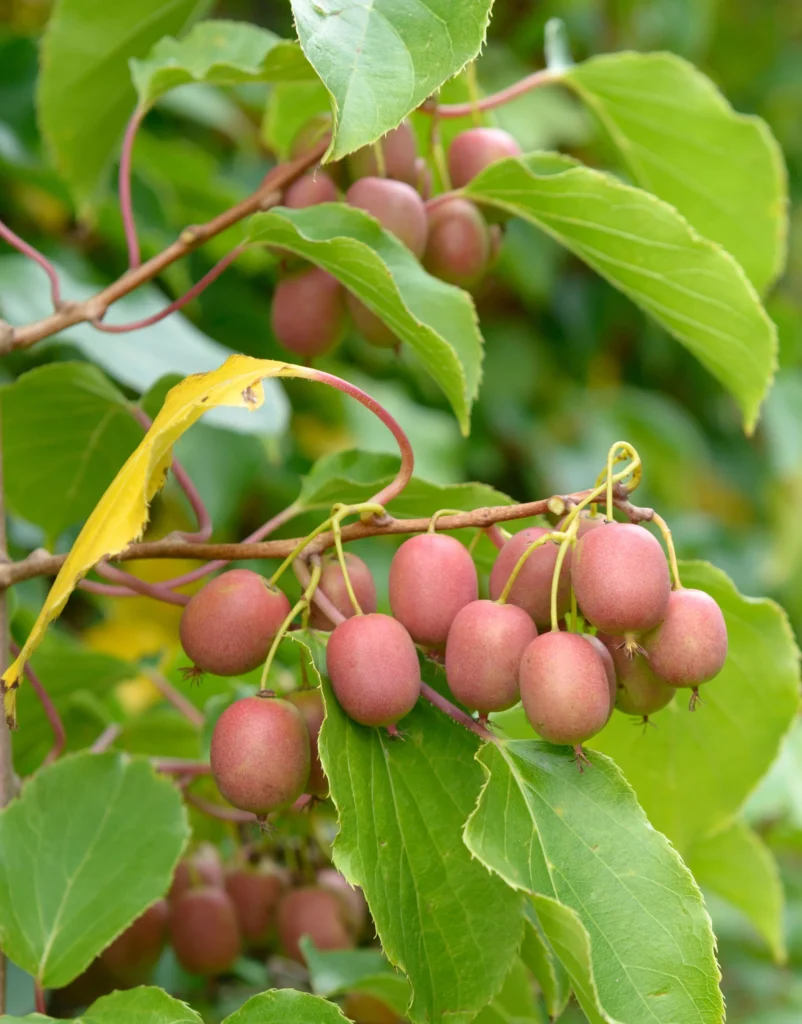
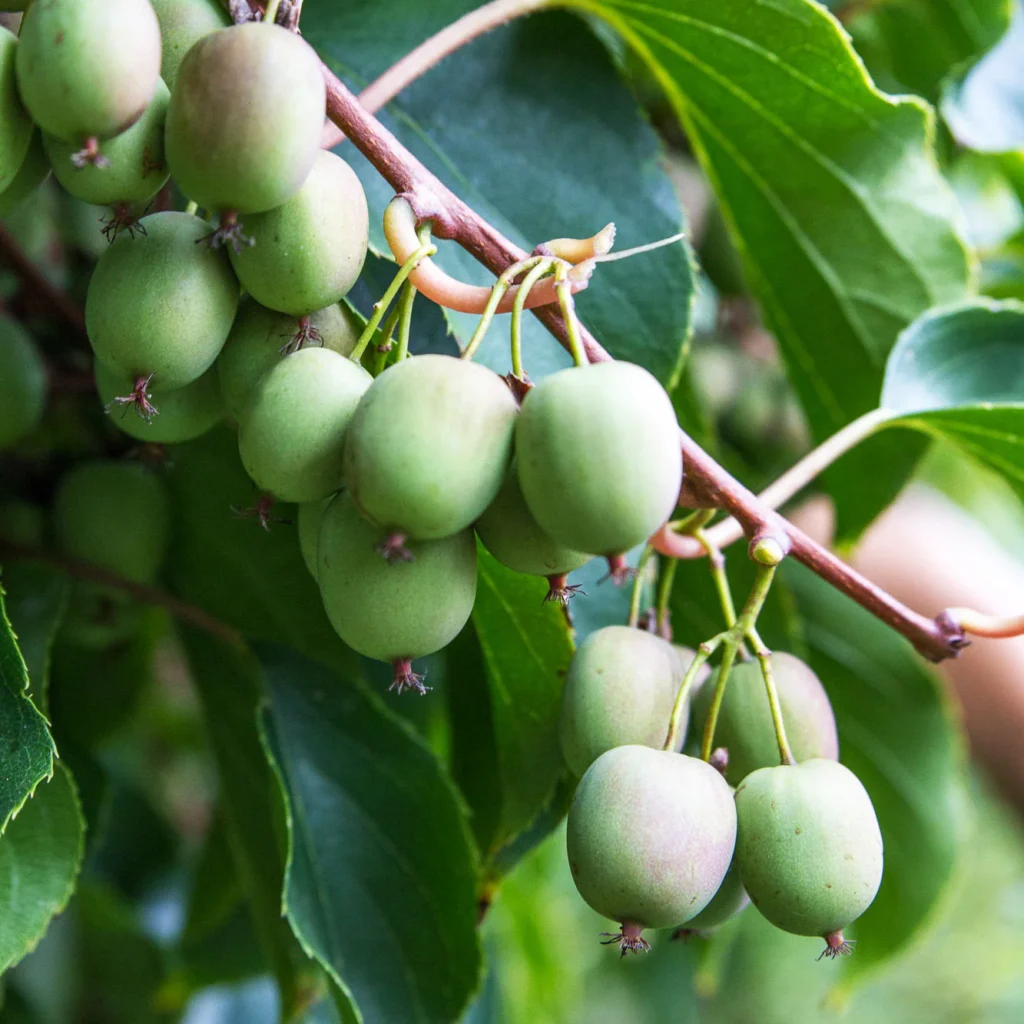
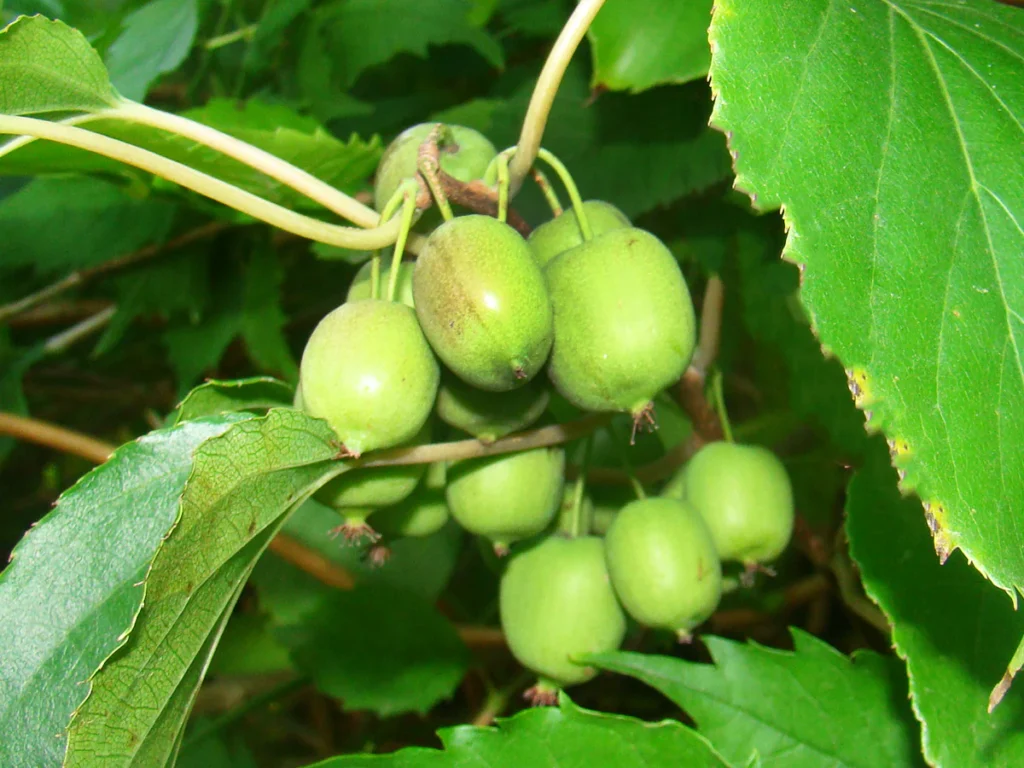
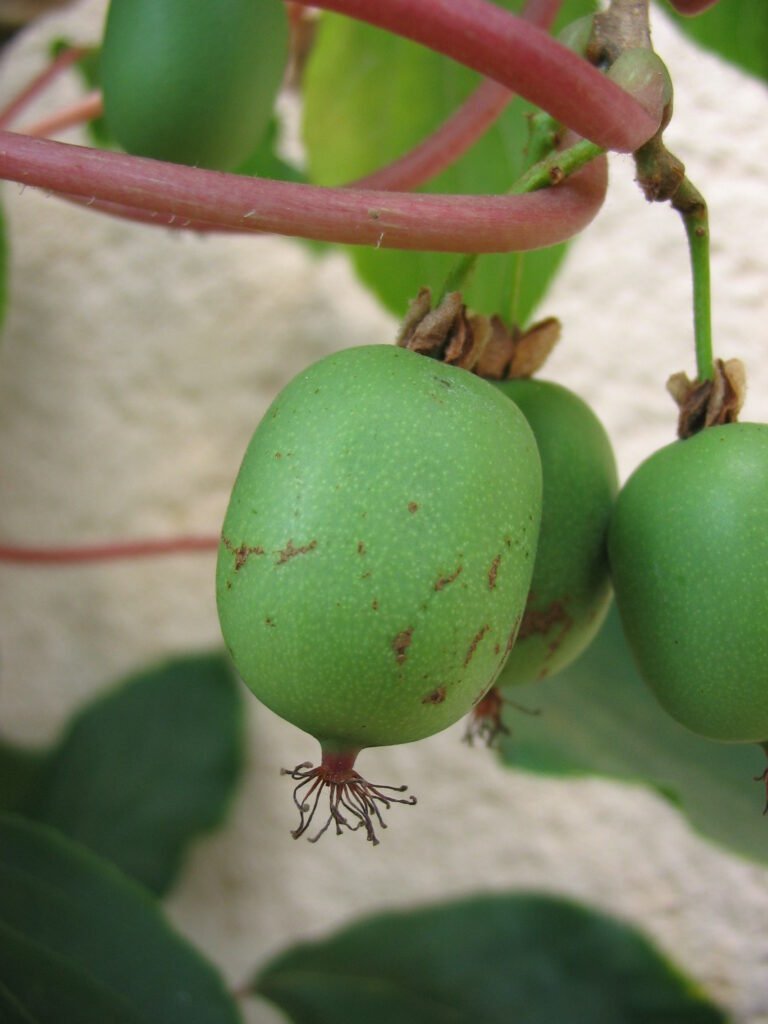
Tara Vine Kiwi (Actinidia arguta): Complete Guide to Growing, Propagation, Varieties, Uses, Food Ideas & Harvesting
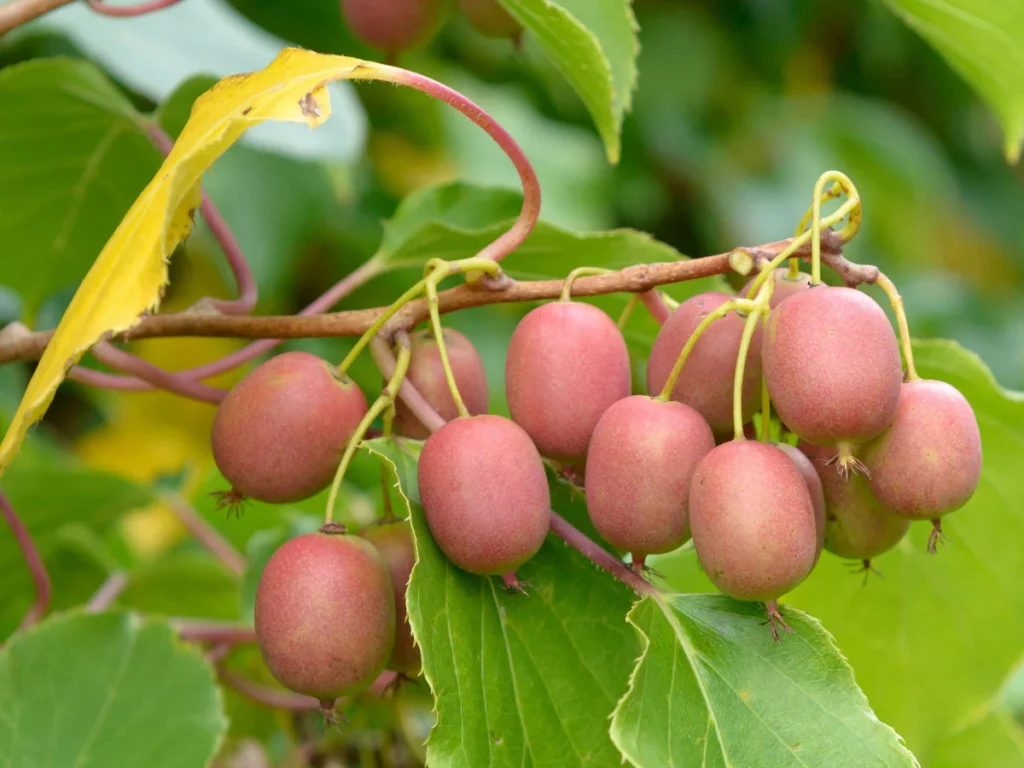
The Tara Vine Kiwi, botanically known as Actinidia arguta, is a fast-growing, cold-hardy kiwi vine prized for its smooth-skinned, grape-sized fruits bursting with tropical flavor. Often called hardy kiwi, baby kiwi, or kiwi berry, this vine is gaining popularity among home gardeners, permaculture enthusiasts, and specialty fruit growers due to its resilience, productivity, and versatility.
This in-depth guide covers everything you need to know—from planting and propagation to varieties, culinary uses, and harvesting—so you can successfully grow and enjoy Tara Vine Kiwi in your own garden.
What Is Tara Vine Kiwi (Actinidia arguta)?
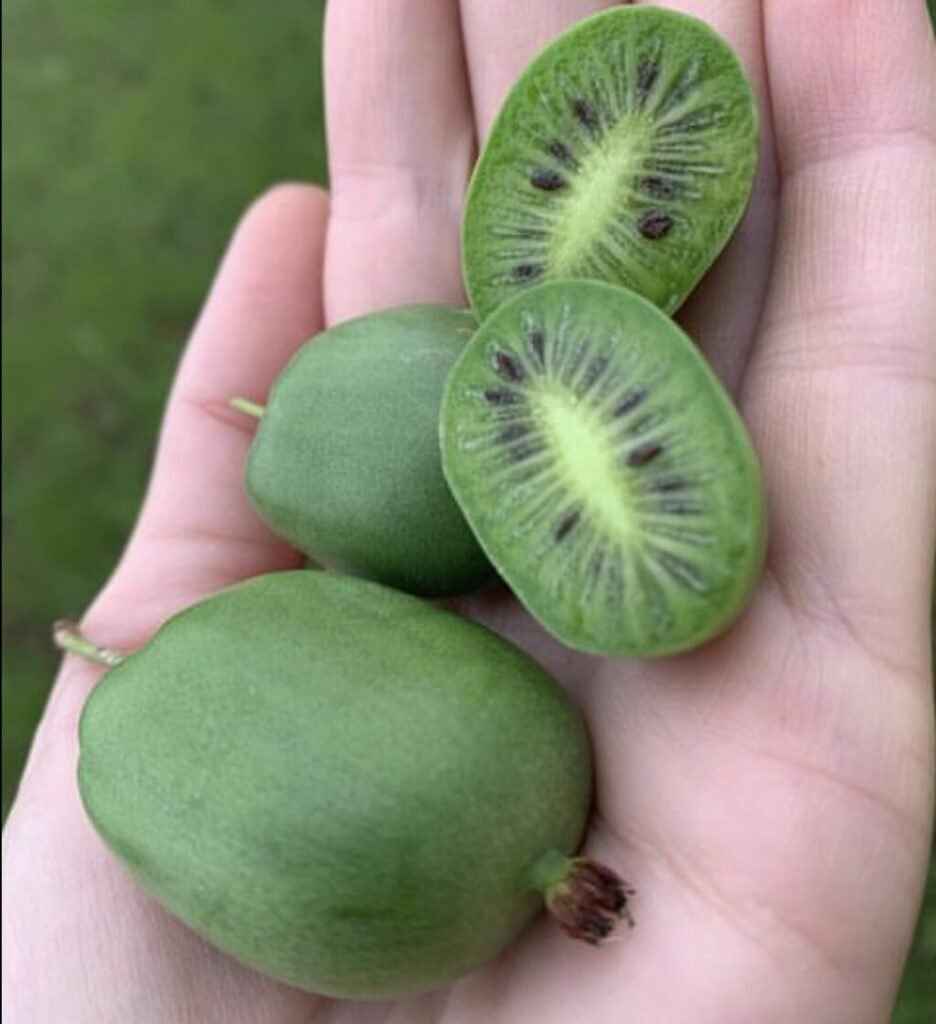
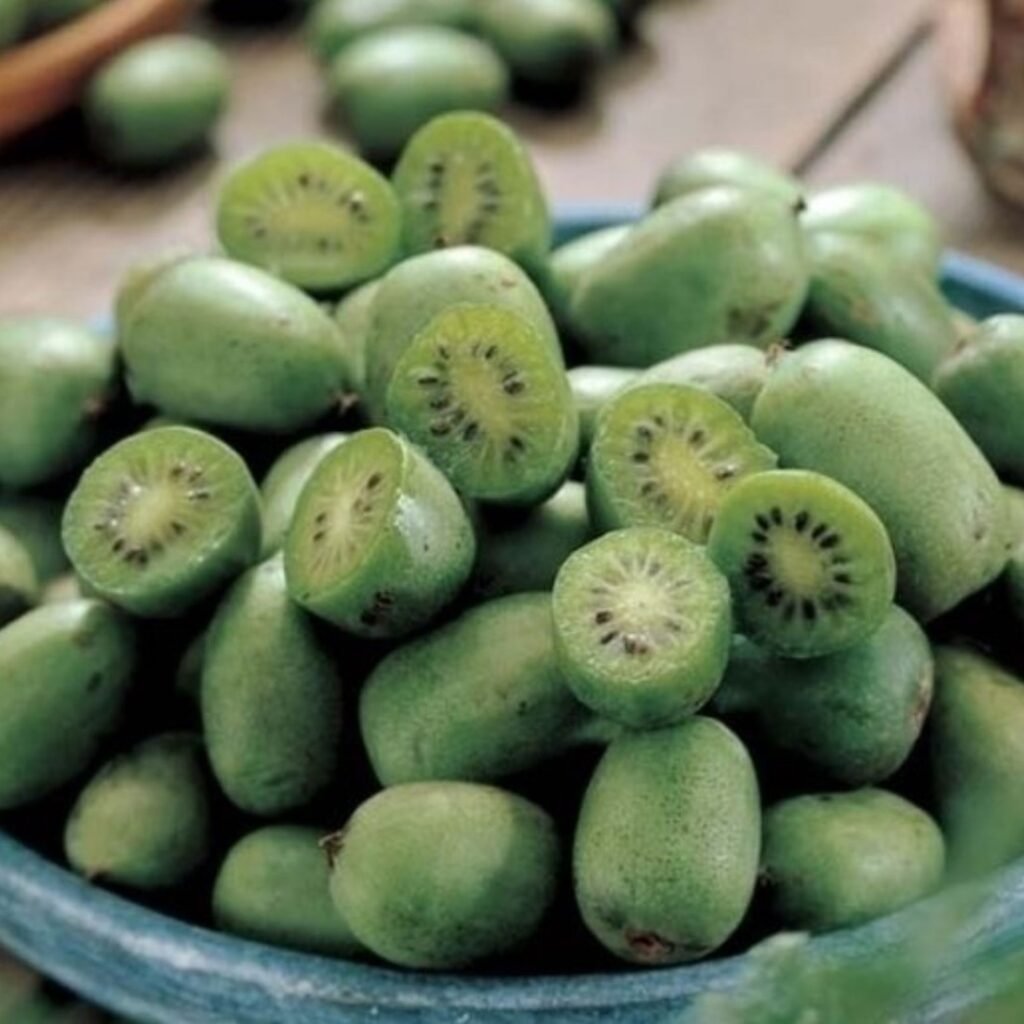
Tara Vine Kiwi is a perennial deciduous climbing vine native to East Asia. Unlike the fuzzy supermarket kiwi (Actinidia deliciosa), this species produces small, hairless fruits that can be eaten whole—skin and all.
Key Characteristics
- Cold hardy down to –25°C (–13°F)
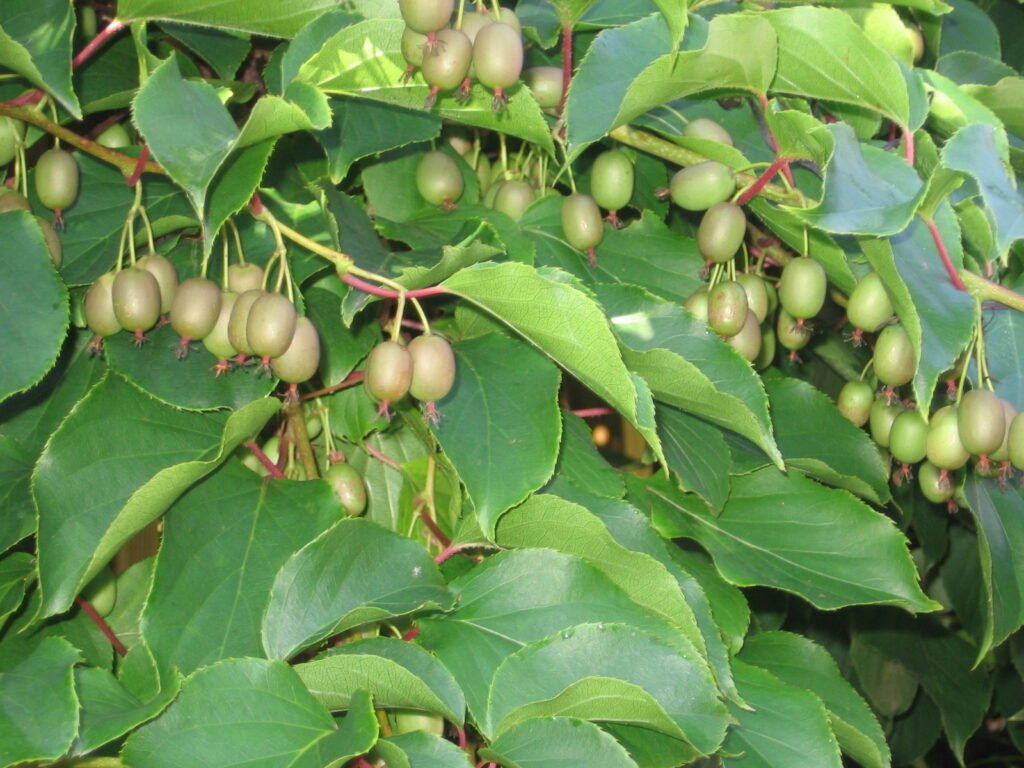
- Vigorous vine growth up to 30 feet or more
- Sweet, aromatic fruit with hints of pineapple, melon, and strawberry
- Requires male and female plants for fruiting (except self-fertile types)
How to Grow Tara Vine Kiwi Successfully
Climate & Location
Tara Vine Kiwi thrives in temperate to cool climates and is ideal for regions with cold winters and moderate summers.
- Full sun to partial shade (6–8 hours of sun is ideal)
- Sheltered from strong winds
- Good air circulation to prevent disease
Soil Requirements
- Well-draining, fertile soil
- Slightly acidic pH (5.5–6.5)
- Rich in organic matter
In heavy or clay soils, raised beds or amended planting holes significantly improve root health.
Planting Tara Vine Kiwi
- Dig a wide planting hole (twice the root ball width)
- Mix compost or well-rotted manure into native soil
- Plant at the same depth as the nursery container
- Water deeply after planting
- Mulch to retain moisture and suppress weeds
Spacing & Support
- Space plants 10–15 feet apart
- Provide strong trellises, pergolas, fences, or arbors
- Mature vines are heavy and need sturdy structures
Watering & Fertilization
Watering
- Keep soil consistently moist but not waterlogged
- Deep watering during flowering and fruit development is essential
- Avoid drought stress, which reduces fruit quality
Fertilizing
- Apply balanced organic fertilizer in early spring
- Supplement with compost annually
- Avoid excessive nitrogen—it promotes leaf growth at the expense of fruit
Pruning & Training for Maximum Yield
Pruning is essential for controlling growth and boosting fruit production.
When to Prune
- Major pruning in late winter while dormant
- Light summer pruning to manage excessive growth
How to Prune
- Remove dead, damaged, or tangled shoots
- Maintain a strong central leader and lateral fruiting canes
- Fruit forms on current season growth from last year’s wood
Proper pruning improves sunlight exposure, airflow, and harvest size.
Propagation Methods for Tara Vine Kiwi
1. Propagation by Cuttings
The most reliable method.
- Take semi-hardwood cuttings in summer
- Dip in rooting hormone
- Plant in moist, well-drained growing medium
- Rooting occurs in 4–8 weeks
2. Propagation by Seeds
- Clean seeds from ripe fruit
- Cold stratify for 6–8 weeks
- Germination is slow and variable
- Seed-grown plants may not be true to type
3. Layering
- Bend a low vine shoot to the ground
- Cover a section with soil
- Roots form within one growing season
- Separate from parent plant once established
Popular Tara Vine Kiwi Varieties
‘Anna’
- Extremely productive
- Sweet flavor
- Early ripening
- Requires male pollinator
‘Issai’
- Self-fertile
- Compact growth
- Good for small gardens
- Slightly lower yield than paired plants
‘Ken’s Red’
- Reddish skin and flesh
- Rich, berry-like flavor
- Highly ornamental vine
‘Geneva’
- Early harvest
- Excellent cold tolerance
- Balanced sweetness and acidity
Pollination & Fruit Set
Most Tara Vine Kiwi plants are dioecious, meaning male and female flowers grow on separate plants.
- One male can pollinate 6–8 female vines
- Bees and insects are primary pollinators
- Avoid spraying pesticides during flowering
Proper pollination dramatically improves fruit size and quantity.
Harvesting Tara Vine Kiwi
When to Harvest
- Fruits are ready in late summer to early fall
- Harvest when fruits are firm but full-sized
- Flavor continues to improve after picking
How to Harvest
- Gently twist or clip fruits from the vine
- Avoid bruising
- Harvest before heavy frost for best quality
Storage
- Store unripe fruit in the refrigerator
- Ripens at room temperature within days
- Keeps for several weeks when chilled
Culinary Uses & Food Options
Tara Vine Kiwi is incredibly versatile in the kitchen.
Fresh Uses
- Eat whole as a snack
- Add to fruit salads
- Blend into smoothies
- Garnish desserts and yogurt
Cooking & Processing
- Kiwi jam and preserves
- Fruit leather
- Chutneys and sauces
- Sorbets and frozen desserts
Savory Pairings
- Salsa with chili and lime
- Marinades (natural enzymes tenderize meat)
- Salads with nuts and cheese
Nutritional Benefits
- High in vitamin C
- Rich in antioxidants
- Good source of fiber and potassium
- Low calorie, nutrient-dense fruit
Common Problems & Solutions
Pests
- Aphids
- Spider mites
- Leaf rollers
Use organic pest management and encourage beneficial insects.
Diseases
- Root rot from poor drainage
- Powdery mildew in humid conditions
Proper spacing, pruning, and airflow prevent most issues.
Why Grow Tara Vine Kiwi?
Growing Tara Vine Kiwi offers:
- High yields from a single vine
- Exceptional cold hardiness
- Unique gourmet fruit
- Ornamental beauty for landscapes
- Long-term productivity (30+ years)
It’s an excellent choice for home gardens, edible landscapes, and small orchards.
Final Thoughts
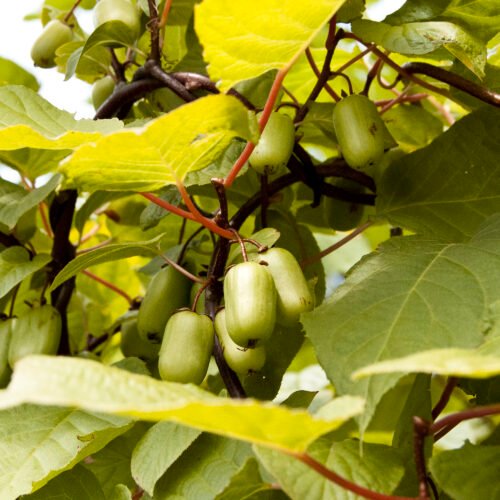
The Tara Vine Kiwi (Actinidia arguta) is a rewarding fruit vine that combines beauty, resilience, and incredible flavor. With proper care, pruning, and pollination, it delivers abundant harvests of nutrient-rich fruit year after year. Whether eaten fresh, preserved, or used in creative recipes, this hardy kiwi is a standout addition to any garden.



&media=https://food-foresting.com/wp-content/uploads/2026/02/20210409_154159-scaled-1.jpg)