
 paulius.mikoliunas1
| Common Name | Warty Barberry, Warted Barberry, Rough Barberry |
| Family | Berberidaceae |
| USDA hardiness | 4-8 |
| Known Hazards | None known |
| Habitats | Woods, thickets and rocky places, 1300 – 4100 metres. |
| Range | E. Asia – W. China. |
| Edibility Rating |   (2 of 5) (2 of 5) |
| Other Uses |   (3 of 5) (3 of 5) |
| Weed Potential | No |
| Medicinal Rating |   (2 of 5) (2 of 5) |
| Care (info) |     |

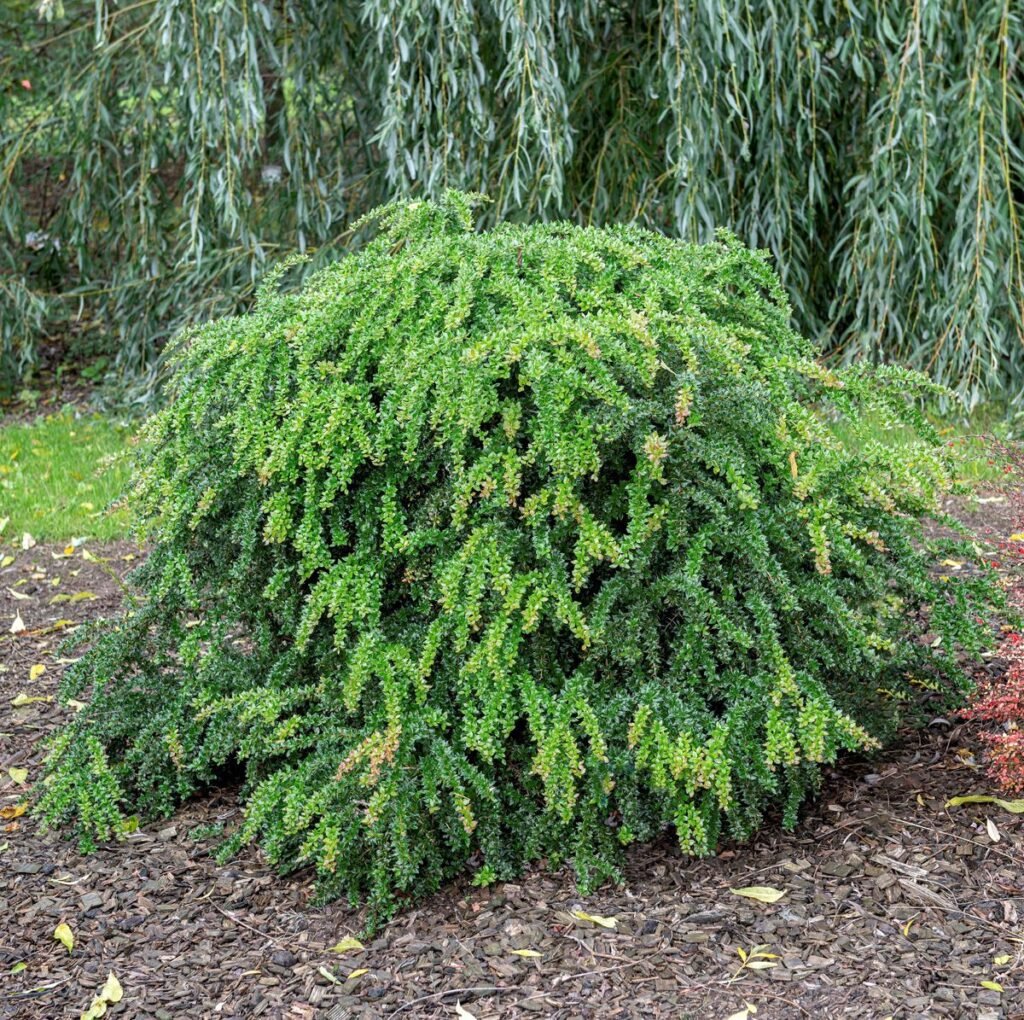
Warty Barberry (Berberis verruculosa): Growing, Propagation, Varieties, Uses, Edible Value & Harvesting Guide
Warty Barberry (Berberis verruculosa) is an underappreciated evergreen shrub loved for its rugged foliage, deep blue berries, and low-maintenance nature. Native to western China, this compact ornamental shrub is gaining popularity in permaculture, edible landscaping, and urban garden designs thanks to its resilience and multi-purpose use.
Below is a complete grower’s guide to cultivating, propagating, harvesting, and using Warty Barberry for both ornamental and culinary applications.
Botanical Profile & Key Features
| Trait | Summary |
|---|---|
| Botanical Name | Berberis verruculosa |
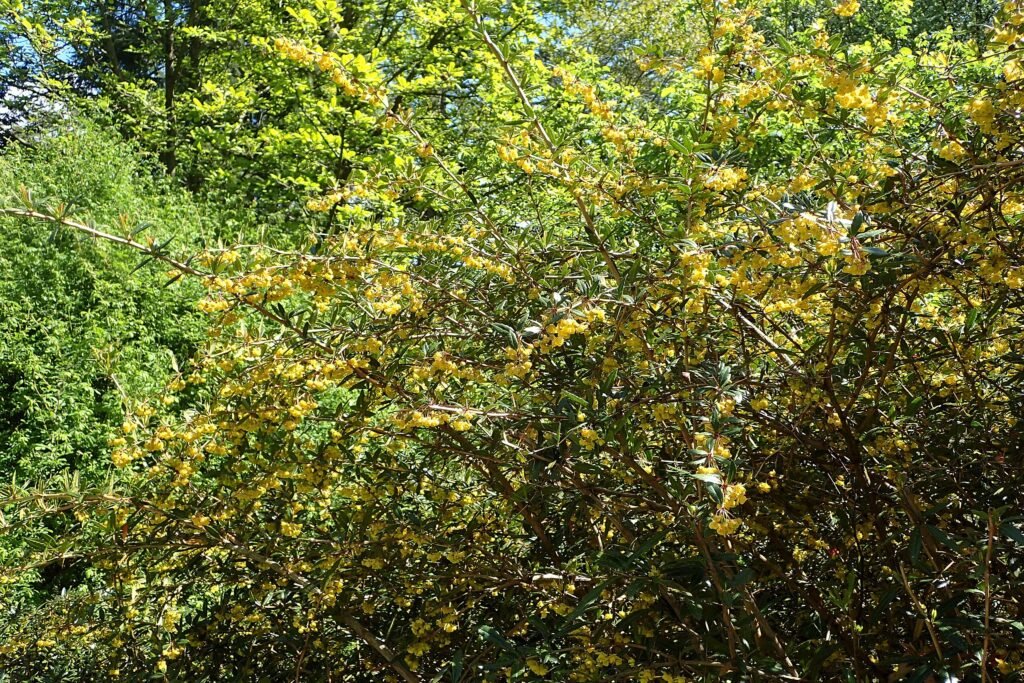
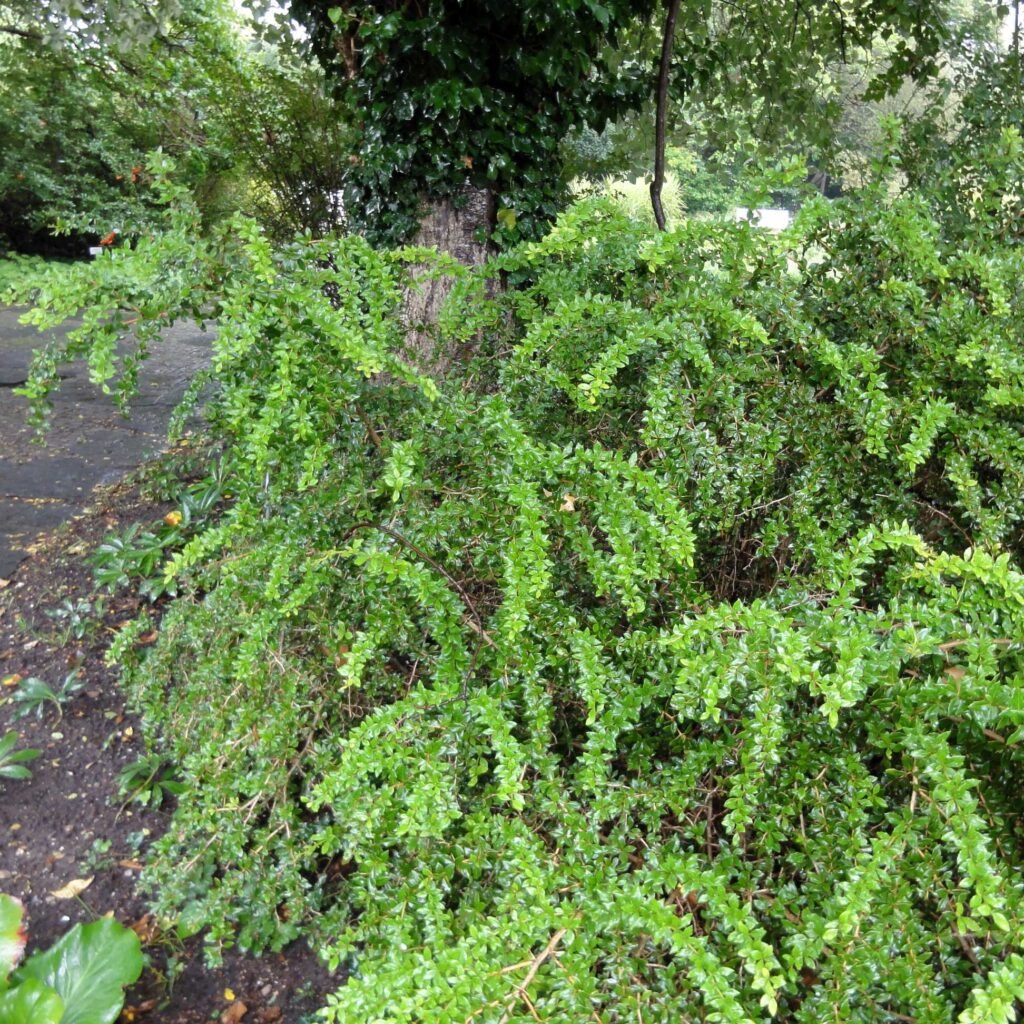
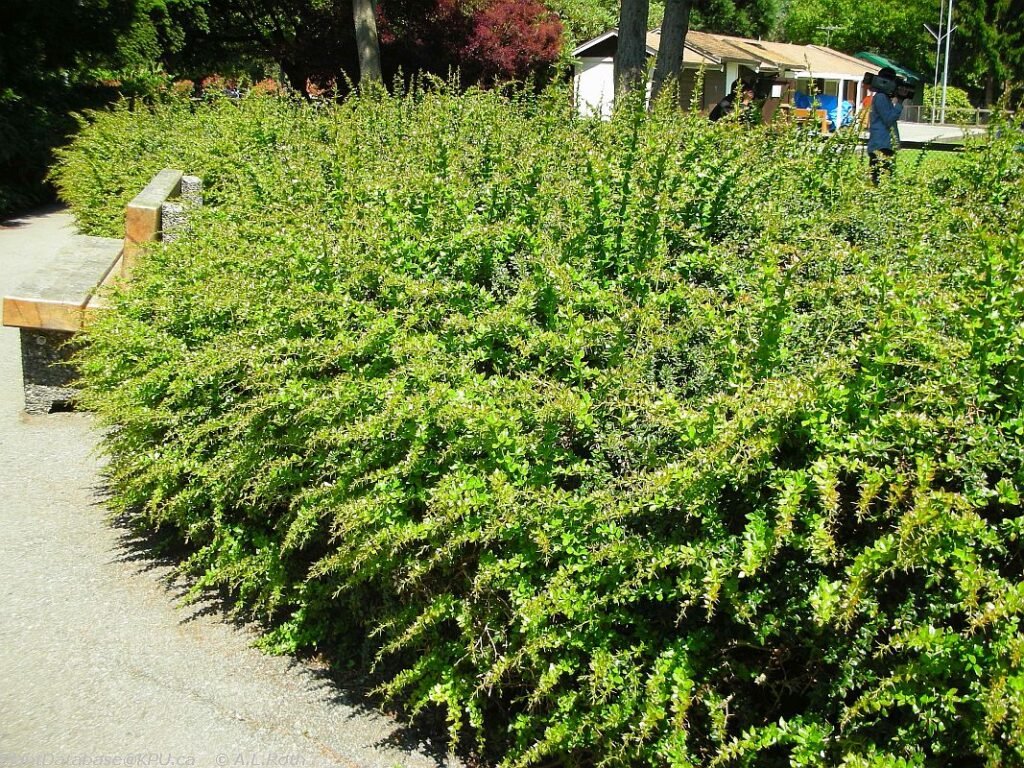
| Growth Habit | Compact evergreen shrub |
| Mature Size | 1–2 ft tall, 2–3 ft spread |
| Hardiness Zones | USDA Zone 6–9 (varies by microclimate) |
| Foliage | Dark, glossy, evergreen with silver underside |
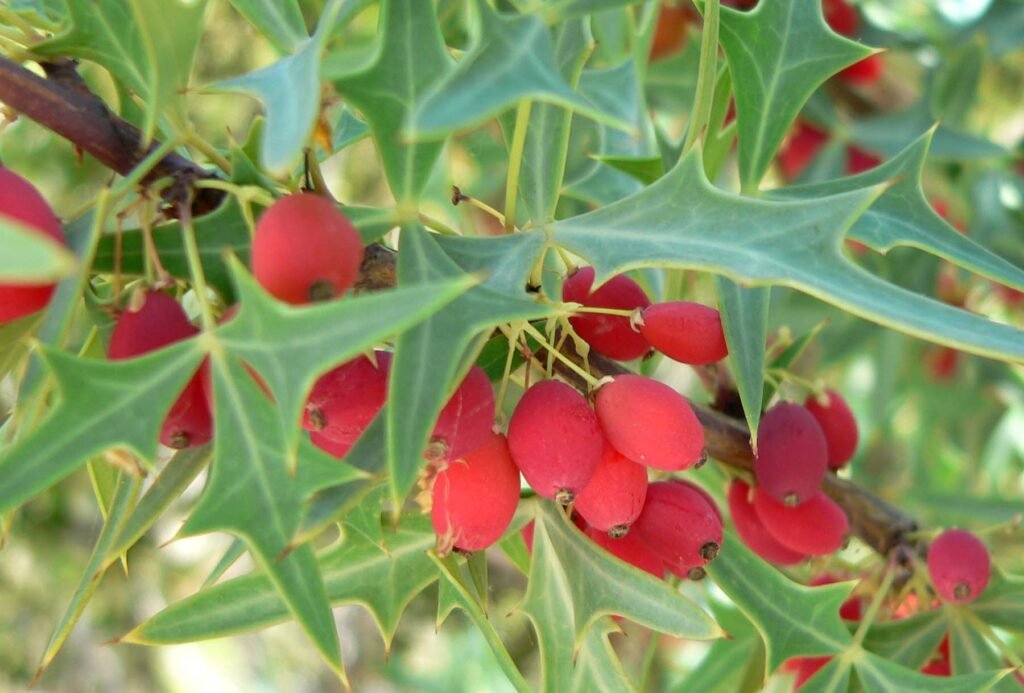
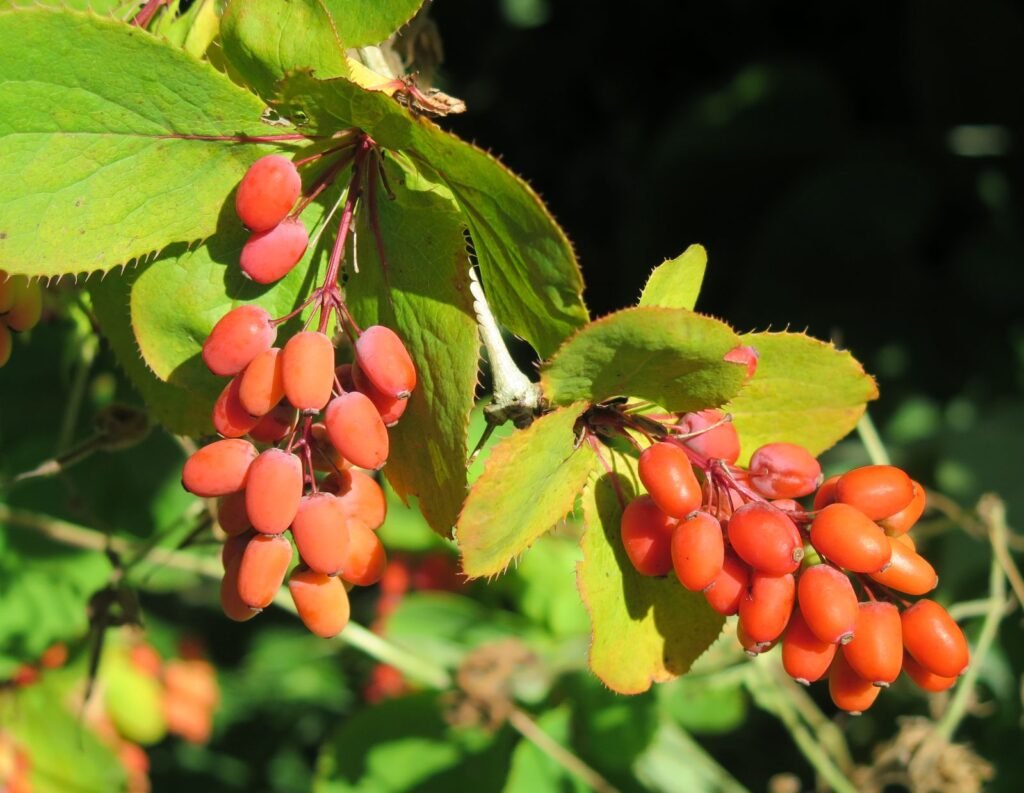
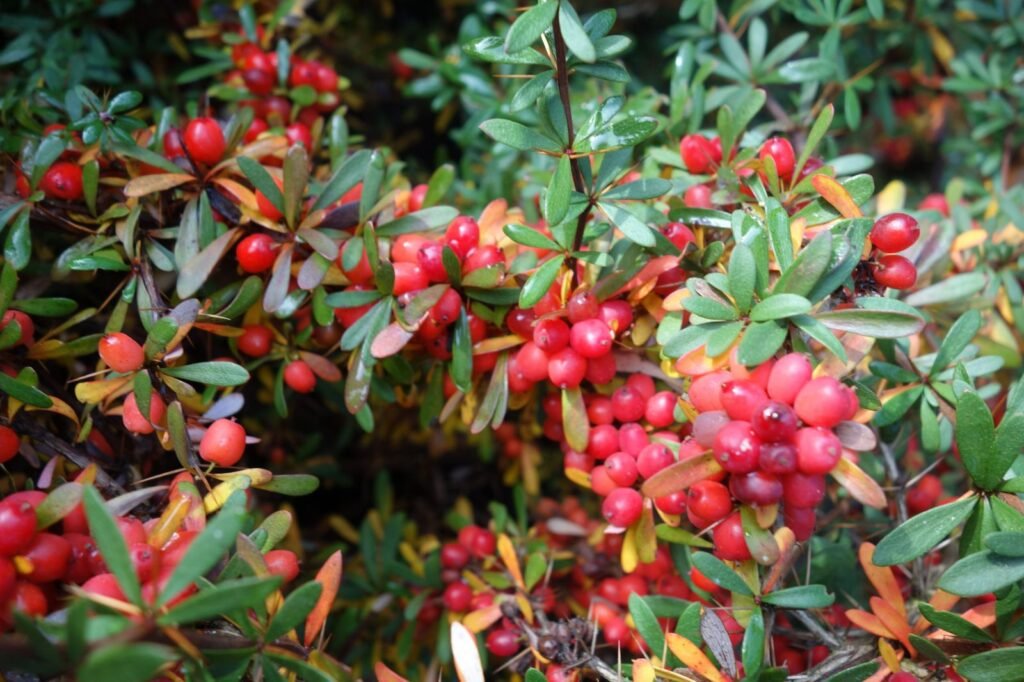
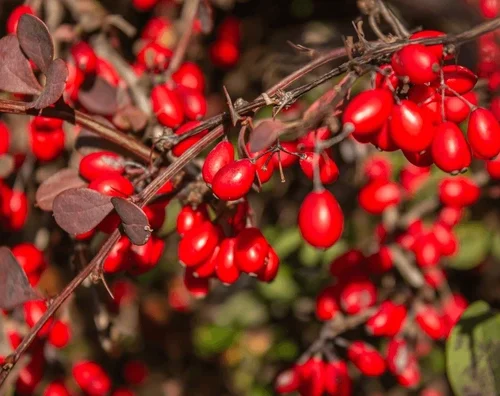
| Fruit | Deep blue edible berries |
| Ornamental Appeal | Four-season interest; wildlife-friendly |
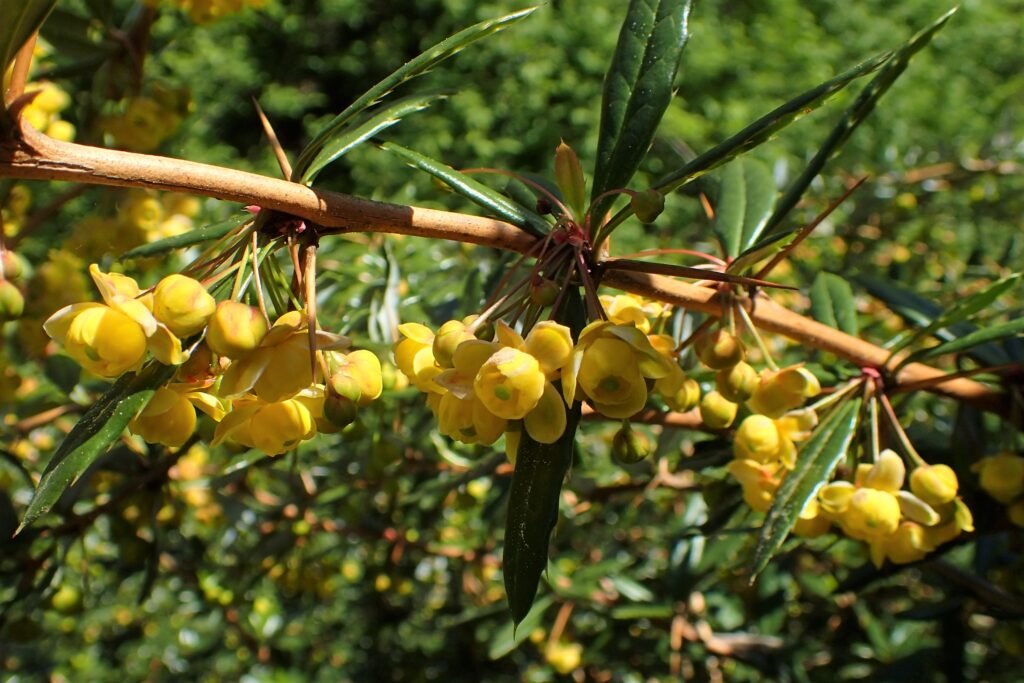
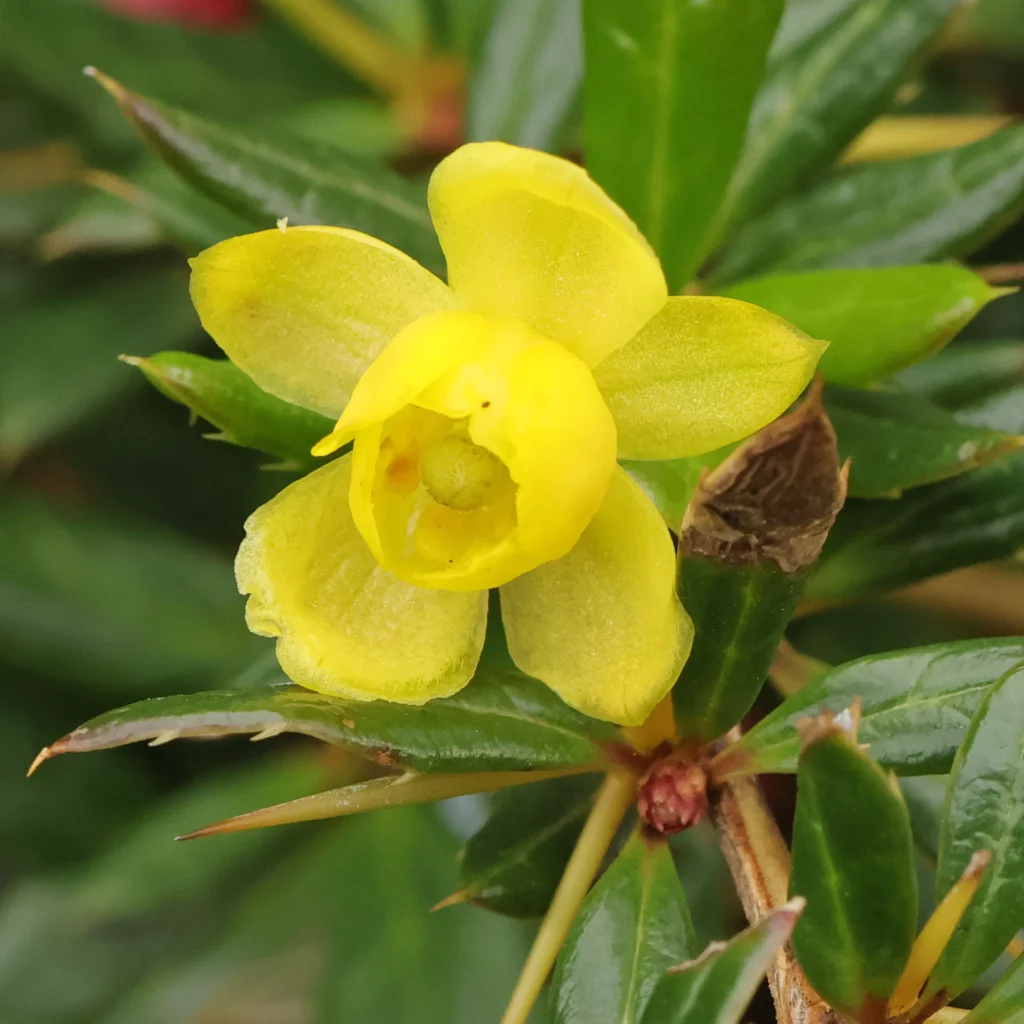
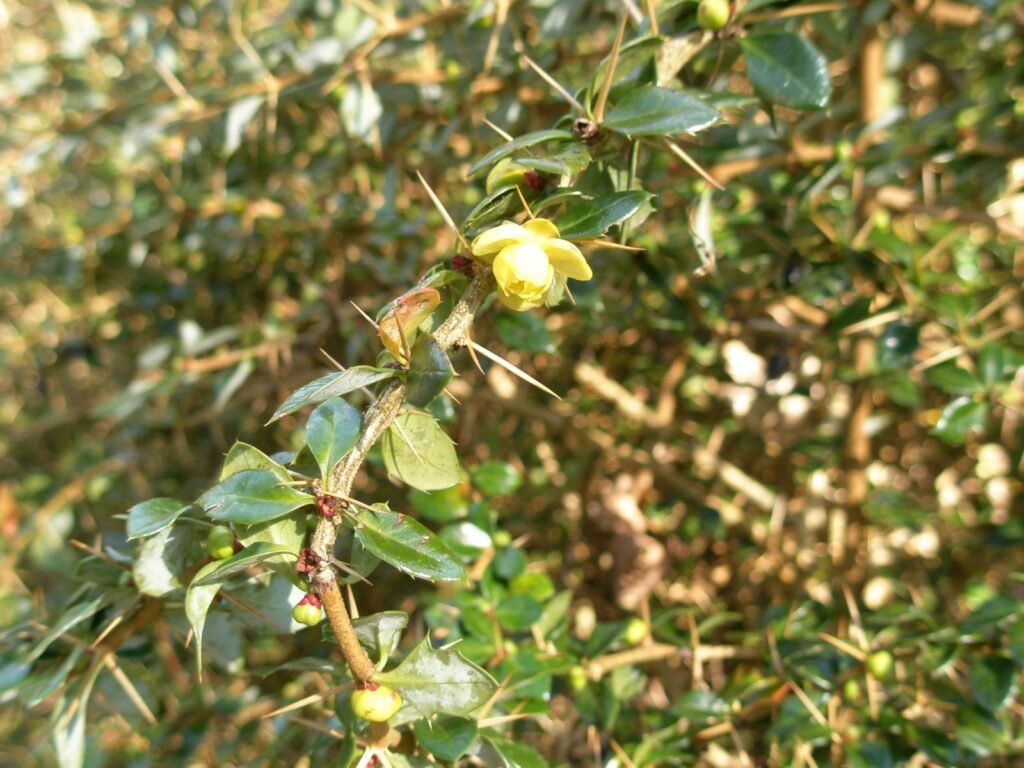
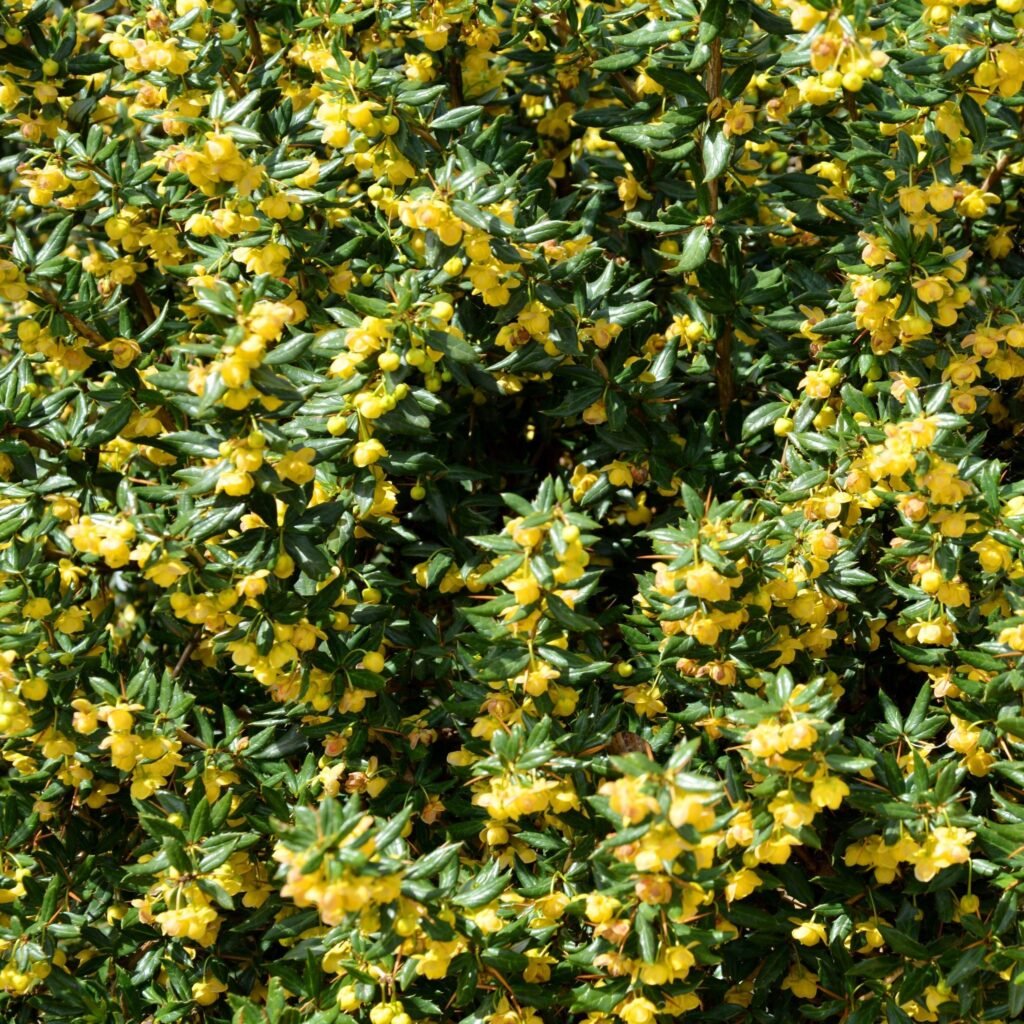
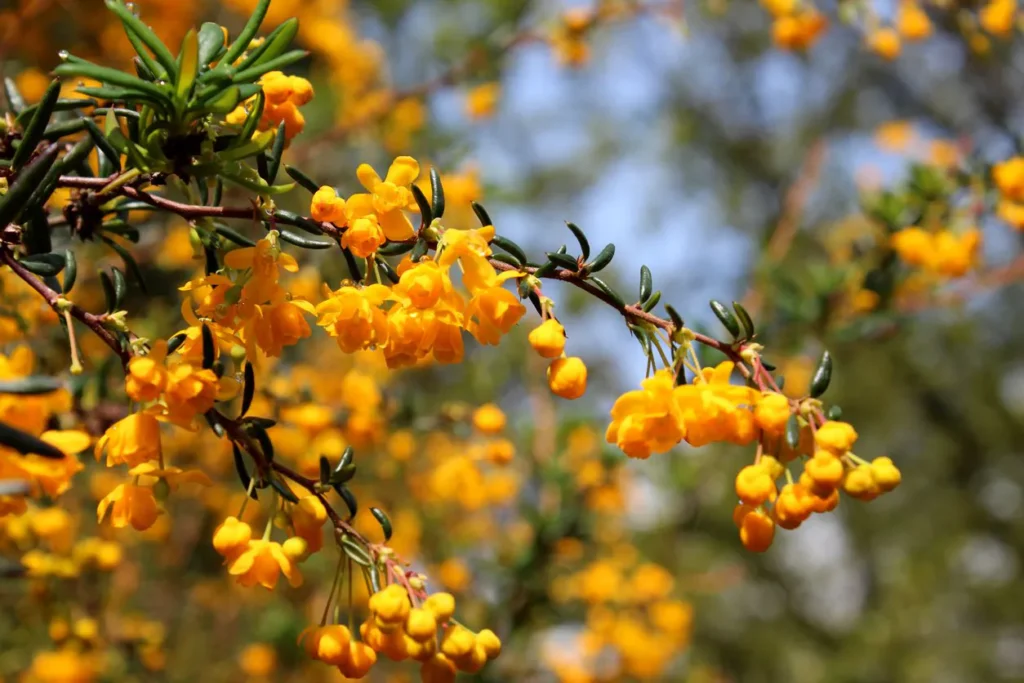
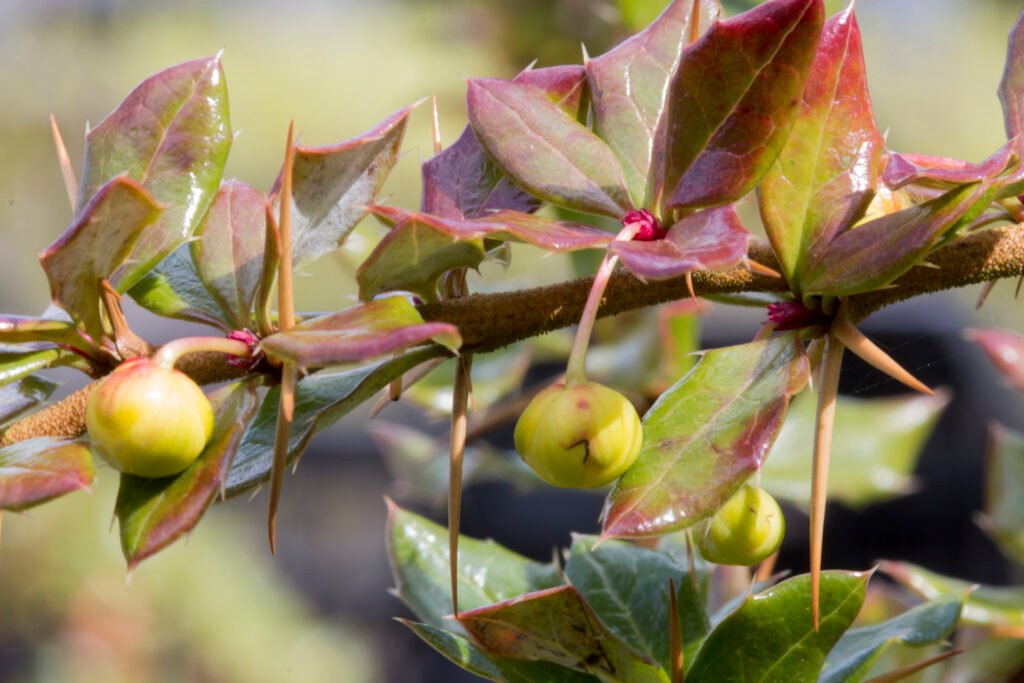
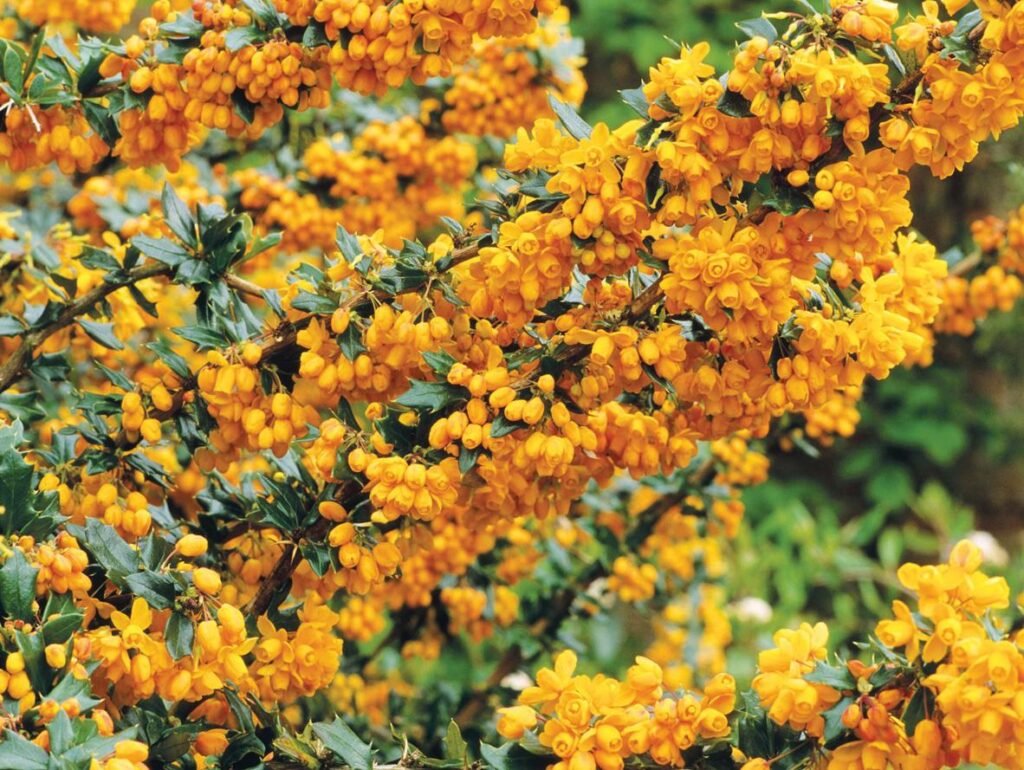
What stands out visually is the shrub’s warty bark texture (hence the name), paired with small leathery leaves and yellow flowers that attract pollinators early in the season.
Growing Warty Barberry: Conditions & Best Practices
1. Light Requirements
Warty Barberry thrives in:
✔ Full sun for maximum berry production
✔ Partial shade for ornamental landscaping
Deep shade reduces flowering and berry set.
2. Soil Preferences
This species tolerates poor soils better than many ornamentals. Ideal conditions include:
- Well-draining soil
- Neutral to slightly acidic pH
- Lightly fertilized media
Once established, it is drought-resistant and rarely needs supplemental feeding.
3. Watering
During establishment (first year):
- Water deeply once per week
Afterward:
- Minimal supplemental irrigation is needed
- Increased drought tolerance in mature shrubs
4. Climate & Hardiness
Native to cool mountainous regions, Warty Barberry handles:
- Light frost
- Seasonal heat
- Wind exposure
Its evergreen habit makes it valuable for winter structure in cold-temperate gardens.
Propagation Methods
Warty Barberry can be propagated via:
1. Seed Propagation
- Collect berries when fully blue and soft
- Remove pulp and cold stratify seeds
- Sow in early spring
- Expect slow but steady germination
Seeds maintain genetic variation and produce rugged plants.
2. Semi-Hardwood Cuttings
The most efficient garden propagation:
- Take late-summer cuttings
- Use rooting hormone for better success
- Maintain humidity until rooting occurs
Cutting-grown plants clone parent traits consistently.
3. Division (Less Common)
Mature clumping shrubs can sometimes be split, though this species does not naturally sucker as aggressively as others in the genus.
Popular Varieties & Related Species
While Berberis verruculosa itself does not have numerous named cultivars, it is frequently grouped with compact evergreen barberries. Companion species include:
- Berberis julianae (Wintergreen Barberry)
- Berberis gagnepainii (Gagnepain’s Barberry)
- Berberis stenophylla (Narrow-Leaved Barberry)
- Berberis × media hybrids
All offer wildlife value, berries, and year-round structure, making them ideal for layered planting.
Uses & Benefits of Warty Barberry
1. Ornamental Landscaping
This shrub is ideal for:
✔ Rock gardens
✔ Urban foundations
✔ Wildlife corridors
✔ Low hedges & edging
Its texture and evergreen character provide year-round appeal.
2. Wildlife & Pollinator Support
- Birds eat berries and disperse seeds
- Bees and insects visit spring flowers
- Dense growth offers nesting shelter
3. Edible & Culinary Uses
Warty Barberry berries are:
- Edible when fully ripe
- Tart, astringent, and rich in vitamin C
- Suitable for both sweet and savory recipes
They are often compared to culinary barberries used in Middle Eastern and Central Asian cuisine.
4. Medicinal & Functional Uses
Barberry species contain berberine, historically used in herbal medicine for digestive and anti-inflammatory applications. Modern use varies and should be researched responsibly.
Food & Recipe Options for Warty Barberry
If harvested ripe, berries can be incorporated into:
🍇 Jellies & syrups
🍇 Tarts & fruit mixes
🍇 Fermented beverages
🍇 Herbal teas
🍇 Dried snack mixes (once sweetened)
🍇 Rice dishes (similar to zereshk barberries)
Drying intensifies flavor and reduces tartness.
Harvesting & Handling
When to Harvest
- Late summer to early autumn
- Harvest when berries are deep blue and soft
- Gloves recommended due to thorns
Storage Tips
Fresh berries store well for:
- 1 week in refrigeration
- 6–12 months frozen
- Extended shelf life when dried or preserved
Pests, Diseases & Maintenance
Warty Barberry is notably hardy and rarely plagued by issues. Occasional concerns may include:
- Aphids on new growth
- Fungal spotting in humid climates
- Bird competition for berries
Routine pruning after berry drop maintains compact shape.
Landscape Integration & Design Tips
Designers can leverage Warty Barberry for:
- Contrast against silver, chartreuse, or burgundy foliage
- Winter texture in xeric plantings
- Naturalistic pollinator gardens
- Mixed edible hedges
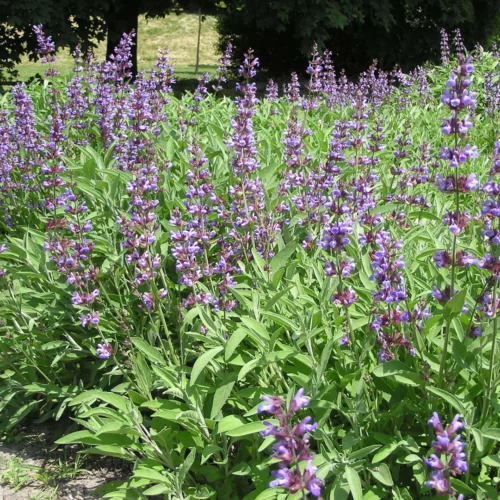
Pair with lavender, spirea, sage, or small conifers for year-round interest.
Why Warty Barberry Is Trending Now
The species aligns with modern sustainable gardening trends:
✔ Low water use
✔ Wildlife value
✔ Edible landscaping
✔ Compact urban-friendly form
Its rugged charm appeals to both edible garden enthusiasts and ornamental plant lovers.
Final Thoughts
Warty Barberry (Berberis verruculosa) is a compact evergreen with a surprising array of uses. Beyond its classic ornamental role, it offers edible berries, wildlife benefits, and near-zero maintenance. Whether you are developing a permaculture foodscape or simply adding winter structure to your garden, this underutilized shrub deserves serious consideration.


&media=https://food-foresting.com/wp-content/uploads/2026/01/Berberis_trifoliolata_fruit.jpg)