
 paulius.mikoliunas1
| Common Name | Wild Cherry, Sweet cherry |
| Family | Rosaceae |
| USDA hardiness | 3-7 |
| Known Hazards |  Although no specific mention has been seen for this species, it belongs to a genus where most, if not all members of the genus produce hydrogen cyanide, a poison that gives almonds their characteristic flavour. This toxin is found mainly in the leaves and seed and is readily detected by its bitter taste. It is usually present in too small a quantity to do any harm but any very bitter seed or fruit should not be eaten. In small quantities, hydrogen cyanide has been shown to stimulate respiration and improve digestion, it is also claimed to be of benefit in the treatment of cancer. In excess, however, it can cause respiratory failure and even death. Although no specific mention has been seen for this species, it belongs to a genus where most, if not all members of the genus produce hydrogen cyanide, a poison that gives almonds their characteristic flavour. This toxin is found mainly in the leaves and seed and is readily detected by its bitter taste. It is usually present in too small a quantity to do any harm but any very bitter seed or fruit should not be eaten. In small quantities, hydrogen cyanide has been shown to stimulate respiration and improve digestion, it is also claimed to be of benefit in the treatment of cancer. In excess, however, it can cause respiratory failure and even death. |
| Habitats | Better soils in hedgerows and woods, especially in beech woods. |
| Range | Europe, including Britain, from Scandanavia south and east to N. Africa and W. Asia. |
| Edibility Rating |   (4 of 5) (4 of 5) |
| Other Uses |   (4 of 5) (4 of 5) |
| Weed Potential | No |
| Medicinal Rating |   (2 of 5) (2 of 5) |
| Care (info) |     |




Wild Cherry (Prunus avium): The Complete Guide to Growing, Propagating, Varieties, Uses, Food Ideas, and Harvesting
Wild Cherry (Prunus avium), also known as sweet cherry, is a majestic deciduous tree valued for its delicious fruit, ornamental beauty, wildlife benefits, and high-quality timber. Whether you are a home gardener, small-scale orchardist, or nature enthusiast, learning how to grow and use wild cherry can be both rewarding and sustainable.
This in-depth guide explores everything you need to know about wild cherry trees—from cultivation and propagation to varieties, culinary uses, and harvesting techniques.
Understanding Wild Cherry (Prunus avium)
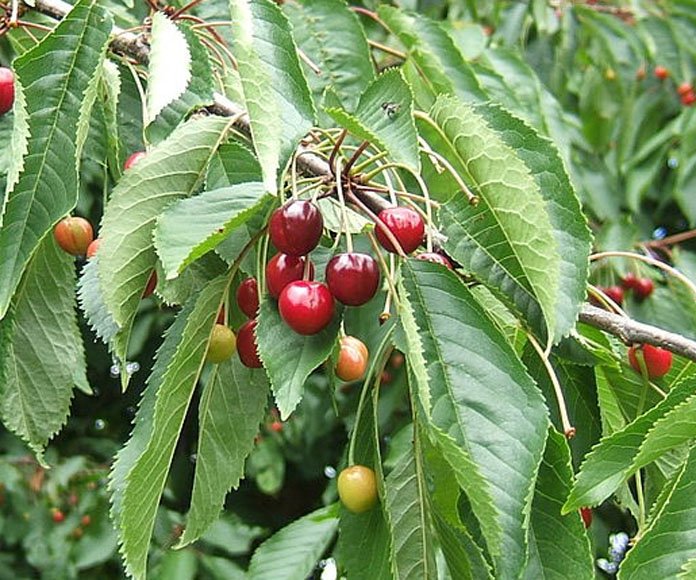
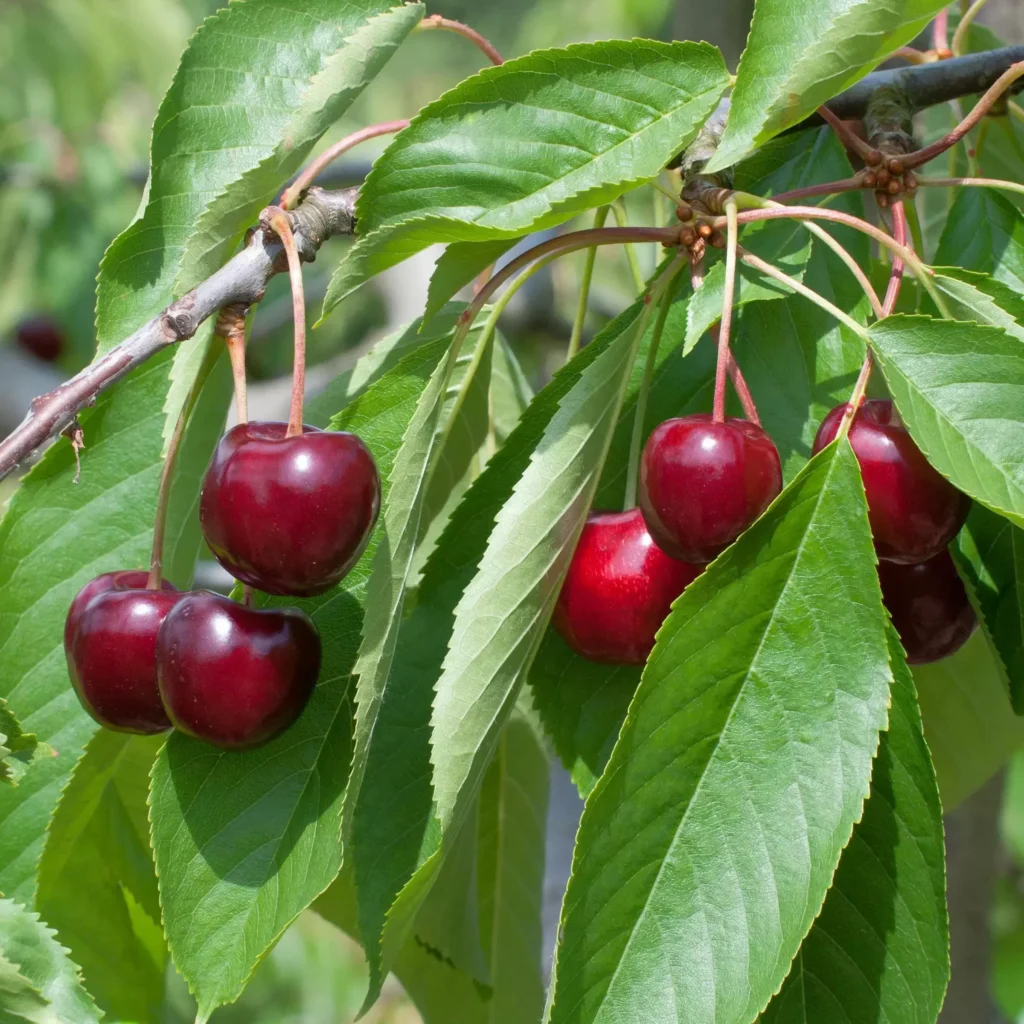
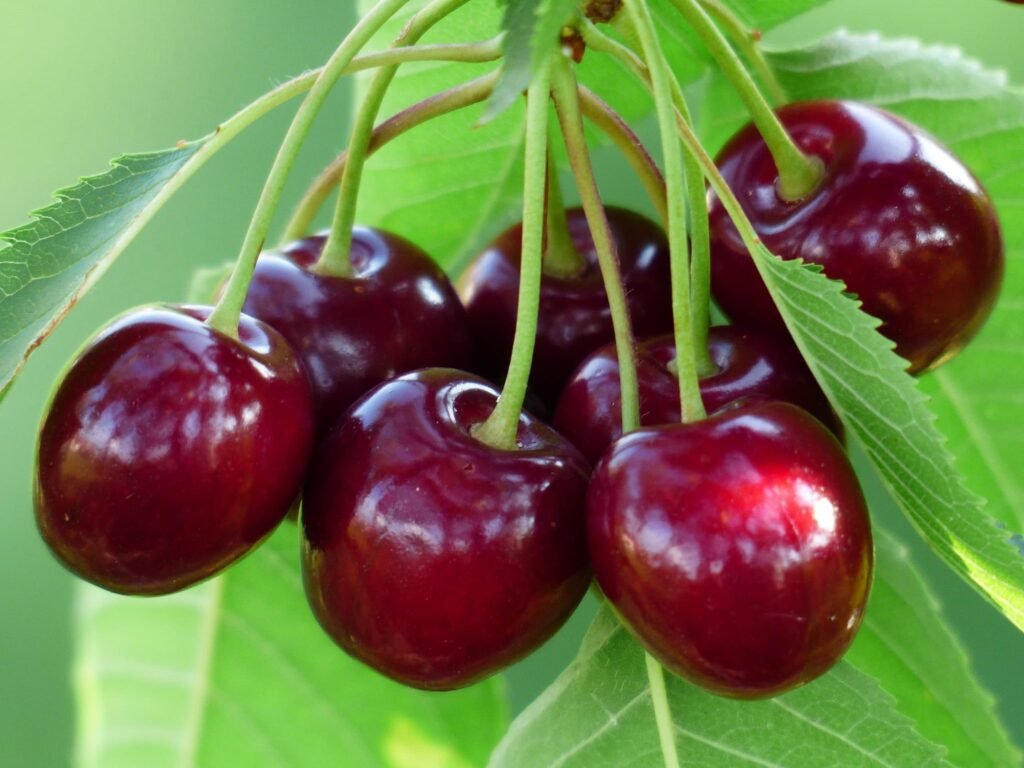
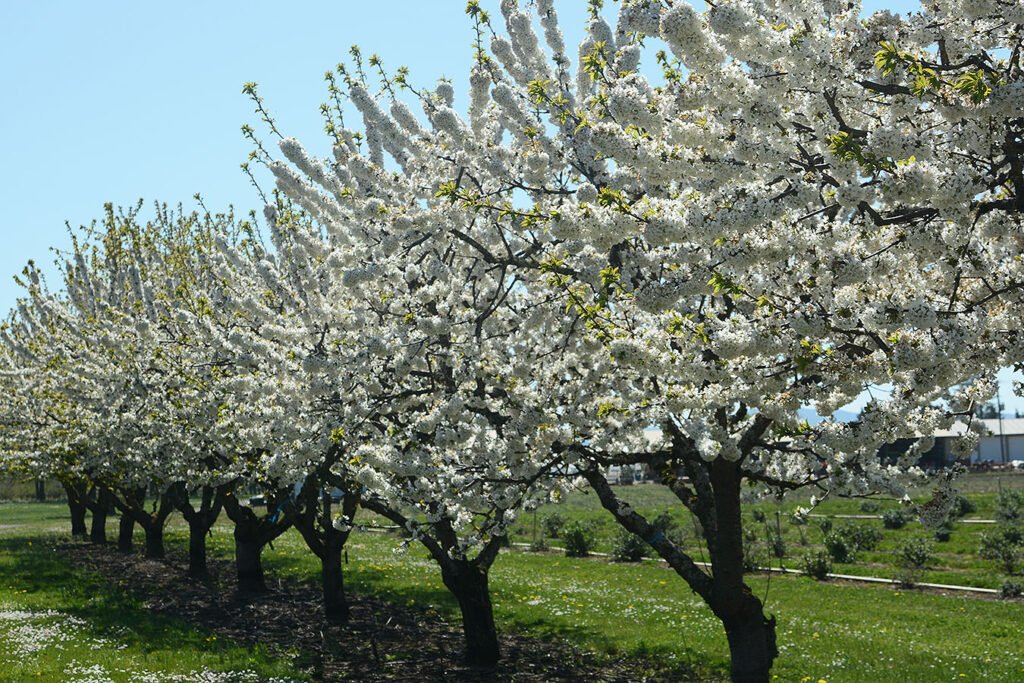
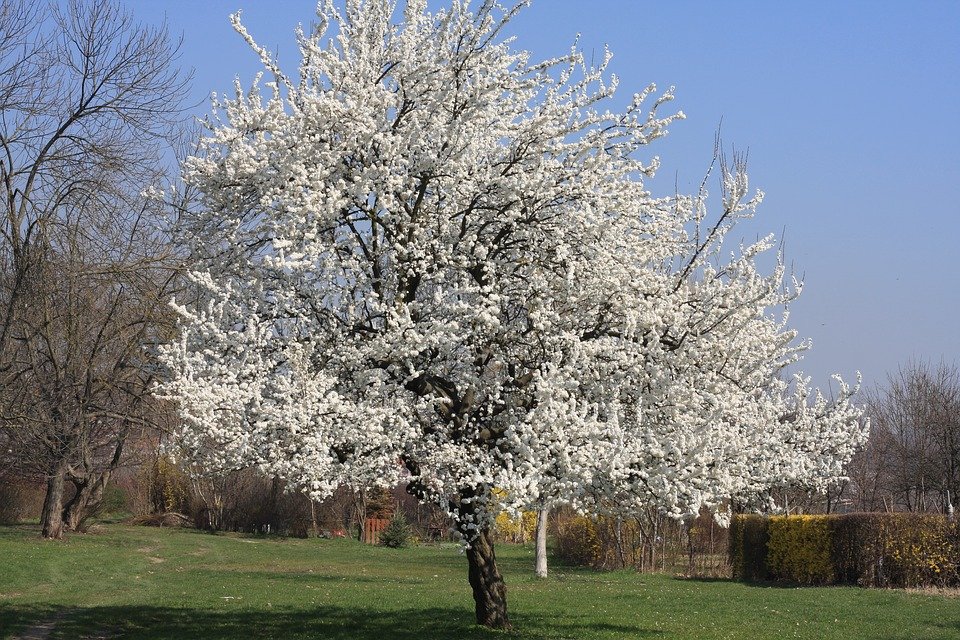
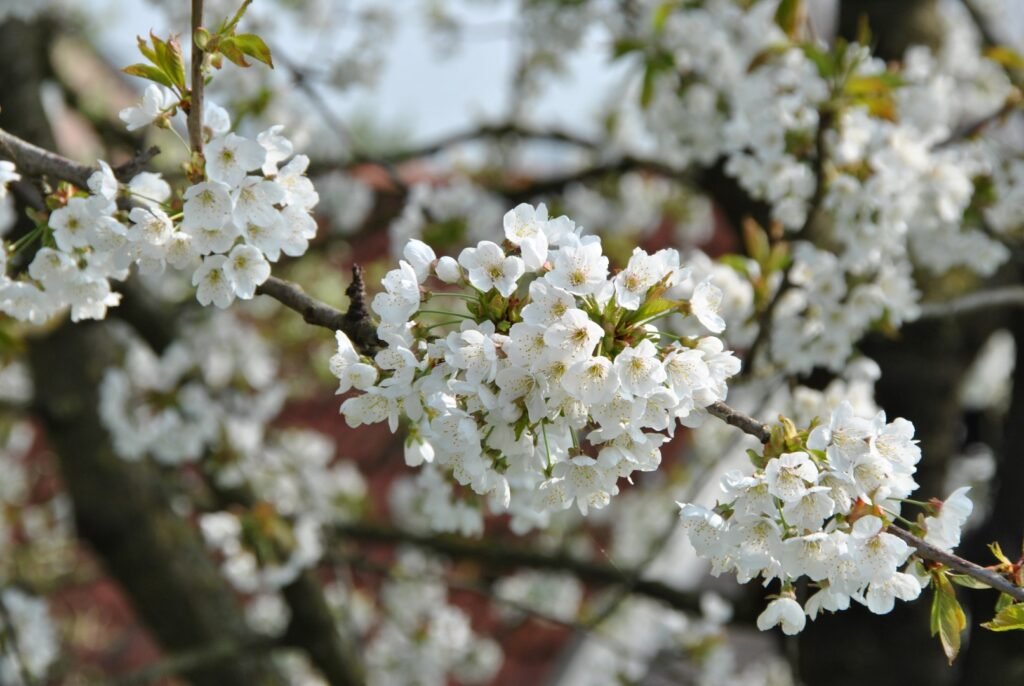
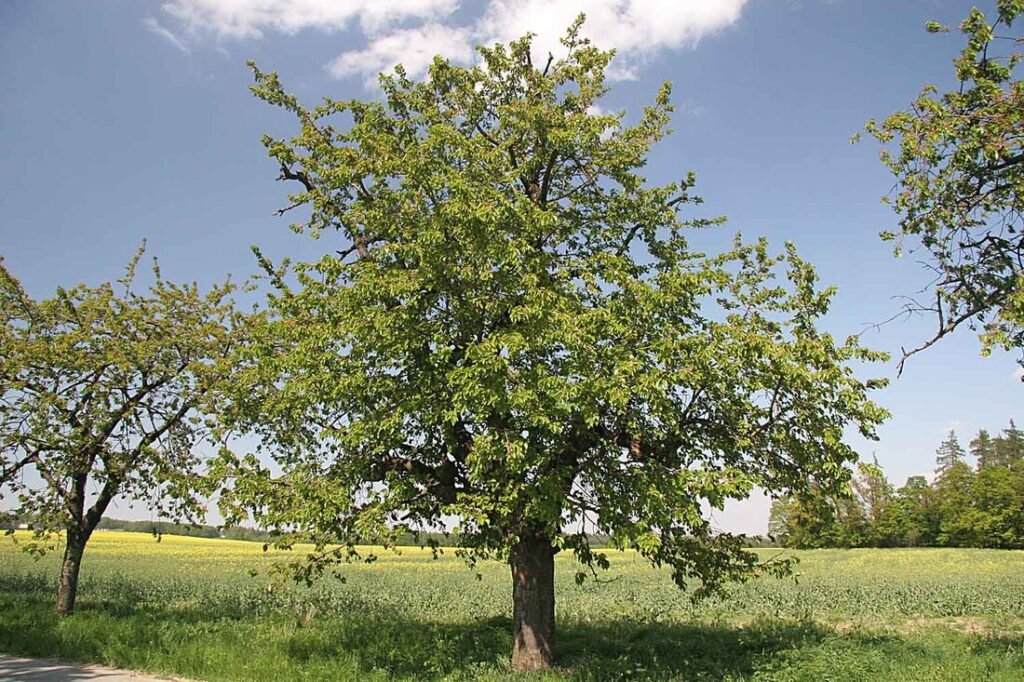
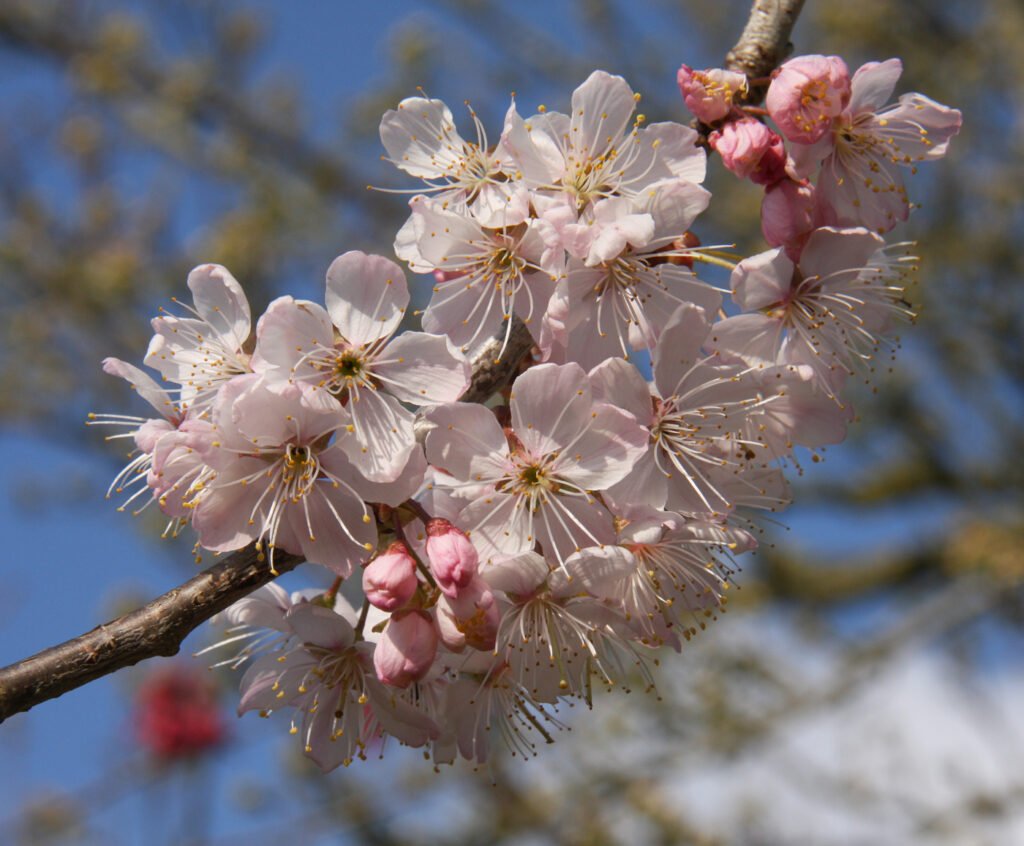
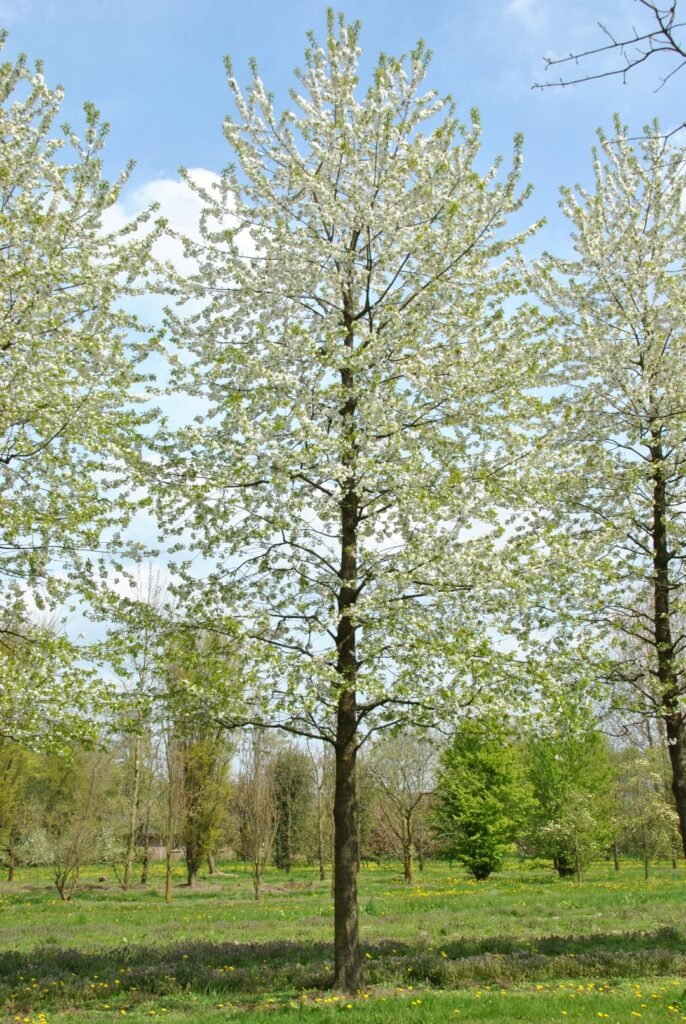
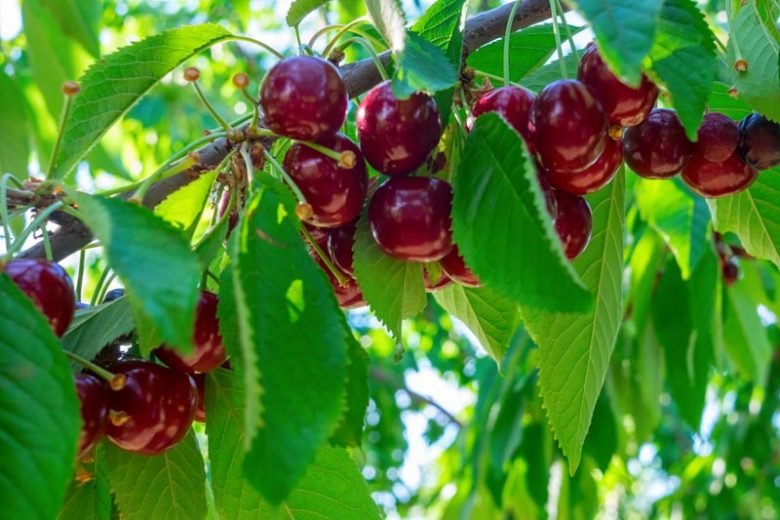
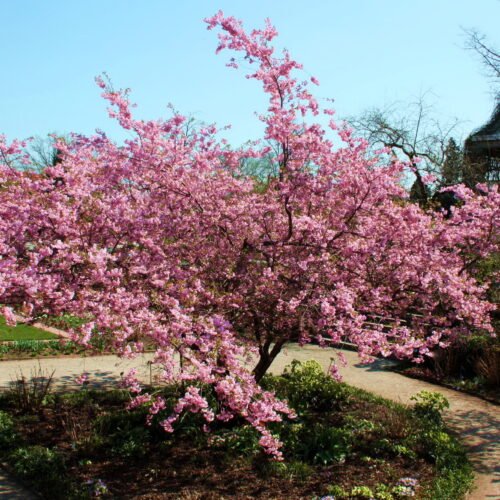
Wild cherry is native to Europe and western Asia and has naturalized in many temperate regions worldwide. It can grow 15–30 meters tall and is recognized by its shiny reddish-brown bark, white spring blossoms, and dark red to black sweet fruits.
Key characteristics:
- Long-lived deciduous tree
- White flowers in spring
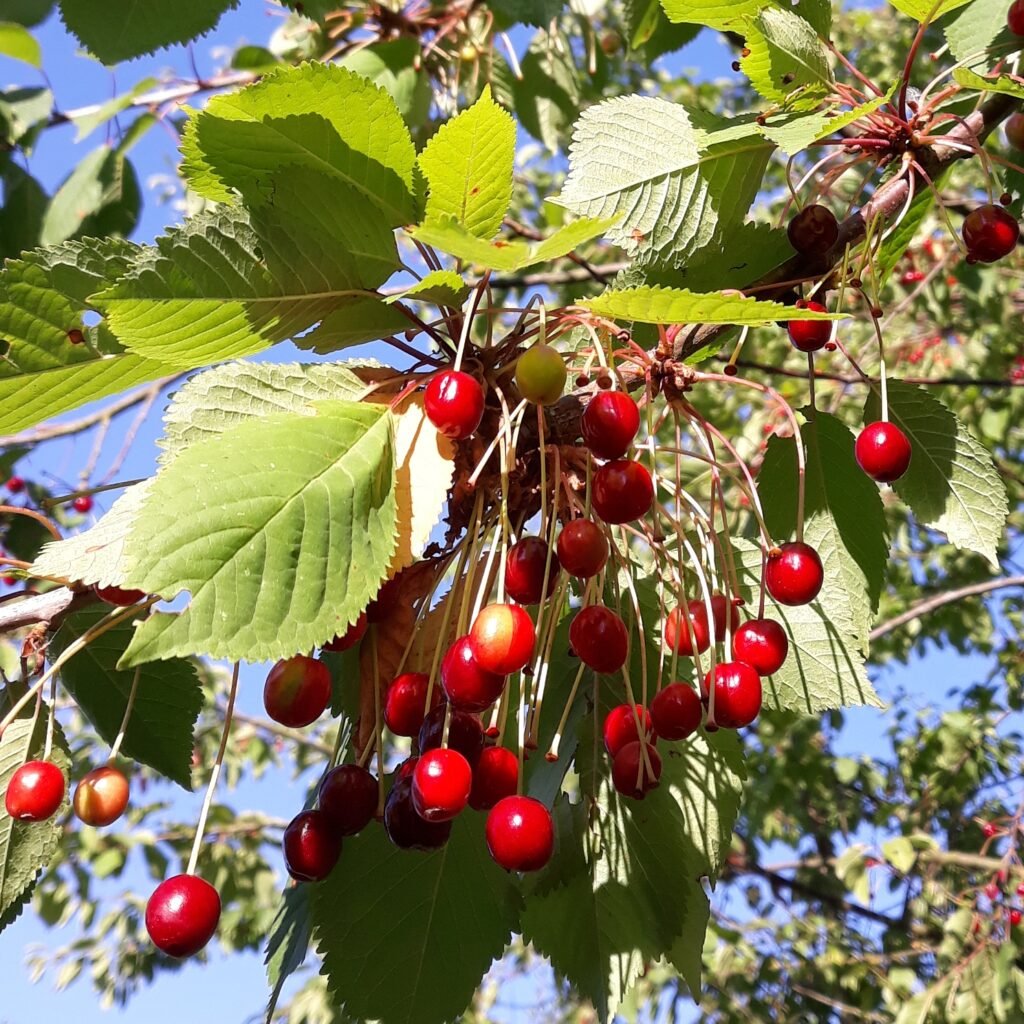
- Sweet edible cherries in early summer
- Excellent wildlife value
- Valuable hardwood timber
How to Grow Wild Cherry Trees Successfully
Climate and Location
Wild cherry thrives in temperate climates with cold winters and warm summers. It requires:
- Full sun (at least 6–8 hours daily)
- Good air circulation
- Protection from late spring frosts
Avoid frost pockets and exposed windy sites for best flowering and fruiting.
Soil Requirements
Healthy soil is essential for strong growth and high-quality fruit.
Ideal soil conditions:
- Well-drained loam or sandy loam
- Slightly acidic to neutral pH (6.0–7.0)
- Rich in organic matter
Waterlogged or heavy clay soils can lead to root disease and poor growth.
Planting Wild Cherry Trees
- Plant bare-root trees in late autumn or early spring
- Container-grown trees can be planted year-round
- Dig a wide planting hole to encourage root spread
- Mulch to conserve moisture and suppress weeds
Stake young trees if necessary to protect against wind damage.
Watering and Feeding
- Water regularly during the first 2–3 years
- Mature trees are moderately drought-tolerant
- Apply compost or well-rotted manure annually
- Avoid excessive nitrogen, which promotes leafy growth over fruit
Propagation Methods for Wild Cherry
Wild cherry can be propagated through several techniques, each with its own benefits.
Seed Propagation
Growing wild cherry from seed is ideal for conservation and wildlife planting.
Steps:
- Collect ripe cherries and remove the pulp
- Cold stratify seeds for 3–4 months
- Sow in well-drained soil in spring
Seed-grown trees may take 5–10 years to fruit and will not be true to type.
Grafting
Grafting ensures consistent fruit quality and earlier harvests.
- Commonly grafted onto cherry rootstocks
- Performed in late winter or early spring
- Used for orchard and commercial production
Cuttings
- Semi-hardwood cuttings taken in summer
- Lower success rate than grafting
- Requires controlled humidity and warmth
Popular Wild Cherry Varieties
Although Prunus avium is the wild species, many cultivated varieties originate from it.
Traditional and Heritage Types
- Mazzard Cherry – Classic wild cherry rootstock
- Gean Cherry – Small, dark, intensely flavored fruit
Cultivated Sweet Cherry Varieties
- Stella – Self-fertile, reliable producer
- Bing – Large, sweet, deep red cherries
- Lapins – Heavy cropping and disease resistant
Choose varieties based on climate, space, and pollination requirements.
Pruning and Maintenance
Pruning Guidelines
- Prune during late summer to reduce disease risk
- Remove dead, damaged, or crossing branches
- Maintain an open canopy for airflow and light
Avoid heavy winter pruning, which increases vulnerability to infections.
Pest and Disease Management
Common issues include:
- Aphids
- Birds
- Cherry leaf spot
- Brown rot
Use netting for birds, encourage beneficial insects, and maintain good hygiene to reduce problems.
Harvesting Wild Cherries
When to Harvest
Wild cherries typically ripen from late spring to early summer, depending on climate.
Signs of ripeness:
- Deep red to almost black color
- Firm yet juicy texture
- Sweet flavor
Harvest carefully to avoid damaging branches and spurs.
Harvesting Tips
- Pick in dry weather
- Use clean hands or tools
- Harvest early in the morning for best quality
- Handle gently to avoid bruising
Culinary and Food Uses of Wild Cherry
Wild cherries are versatile and highly valued in the kitchen.
Fresh Uses
- Eaten raw as a nutritious snack
- Added to fruit salads
- Paired with cheese and nuts
Cooking and Preserving
- Jams and preserves
- Chutneys and sauces
- Pies, tarts, and cakes
- Cherry syrups and cordials
Beverages
- Cherry juice
- Infused spirits
- Fermented cherry wine
Nutritional Benefits
Wild cherries are rich in:
- Antioxidants
- Vitamin C
- Fiber
- Natural anti-inflammatory compounds
Other Uses of Wild Cherry Trees
Medicinal and Traditional Uses
- Bark traditionally used in cough remedies
- Fruits associated with digestive health
Wildlife and Environmental Benefits
- Flowers attract pollinators
- Fruits feed birds and mammals
- Excellent tree for agroforestry and rewilding
Timber Value
Wild cherry wood is prized for:
- Fine furniture
- Cabinet making
- Decorative veneers
Why Grow Wild Cherry?
Wild cherry trees offer beauty, biodiversity, and productivity in one elegant package. With proper care, they can provide decades of fruit, shade, and ecological value.
Whether planted in a garden, orchard, or natural landscape, Prunus avium is a timeless tree that rewards patience and stewardship.
Final Thoughts
Growing wild cherry is both an investment in the future and a connection to traditional food and forestry practices. By understanding propagation, selecting the right varieties, and harvesting responsibly, you can enjoy the many benefits of this remarkable tree for generations to come.
If you want, I can also help you optimize this post further for specific keywords, audience targeting, or regional climates.


&media=https://food-foresting.com/wp-content/uploads/2025/12/cerezas-en-arbol.jpg)