
 paulius.mikoliunas1
| Common Name | Dwarf Birch |
| Family | Betulaceae |
| USDA hardiness | USDA 1-6 |
| Known Hazards | None known |
| Habitats | Mountain moors, 240 – 840 metres. |
| Range | Arctic and northern Europe, including Britain, east to Siberia. |
| Edibility Rating |   (2 of 5) (2 of 5) |
| Other Uses |   (3 of 5) (3 of 5) |
| Weed Potential | No |
| Medicinal Rating |   (2 of 5) (2 of 5) |
| Care (info) |     |

Dwarf Birch (Betula nana): Complete Guide to Growing, Propagating, Varieties, Uses, Food Options & Harvesting
Dwarf Birch (Betula nana) is one of the most fascinating cold-climate shrubs on Earth—compact, resilient, and remarkably useful. Native to the Arctic, subarctic, and high alpine zones, this miniature birch thrives where few other woody plants survive. Today, it is becoming increasingly popular among gardeners, homesteaders, herbalists, and native-plant enthusiasts seeking hardy, low-maintenance species.
This comprehensive guide covers everything you need to know about growing, propagating, harvesting, and using Dwarf Birch, plus the best varieties and food-related uses.
What Is Dwarf Birch (Betula nana)?
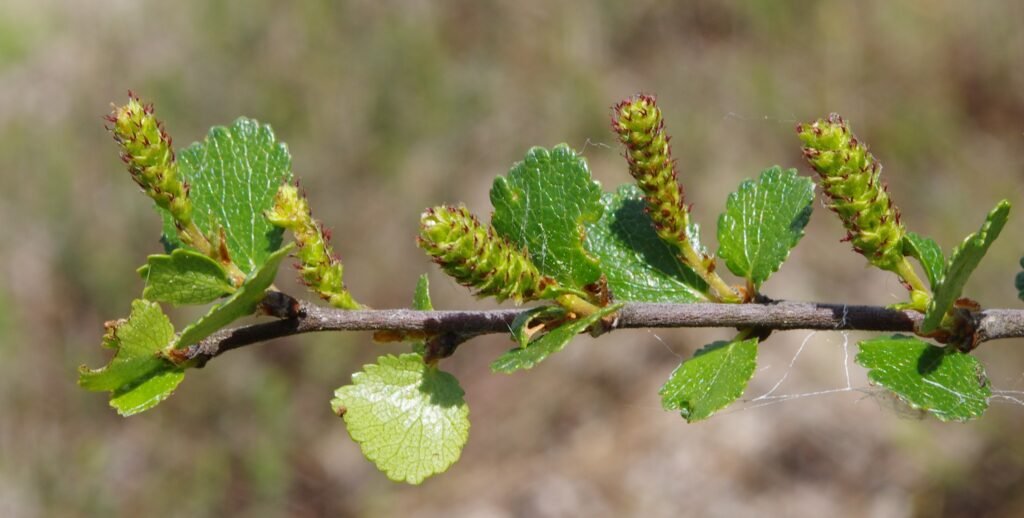
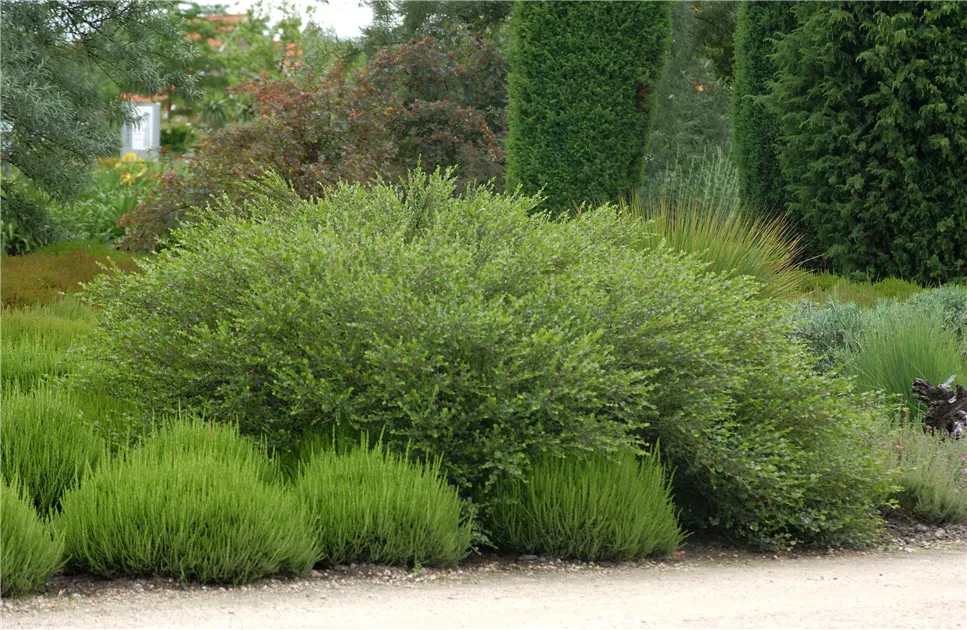
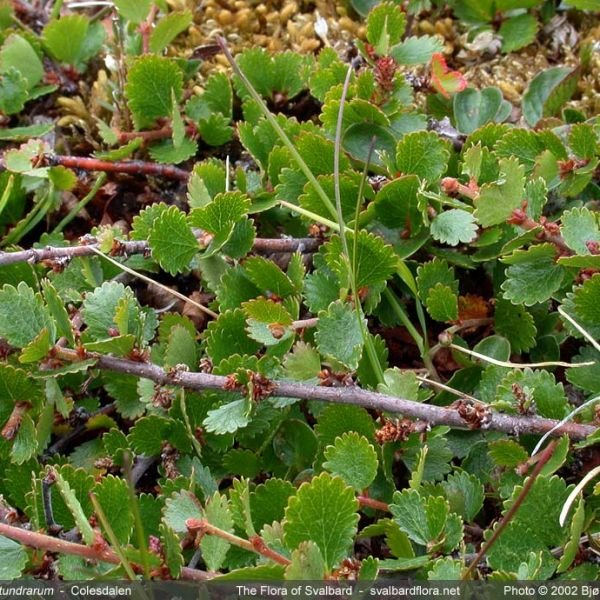
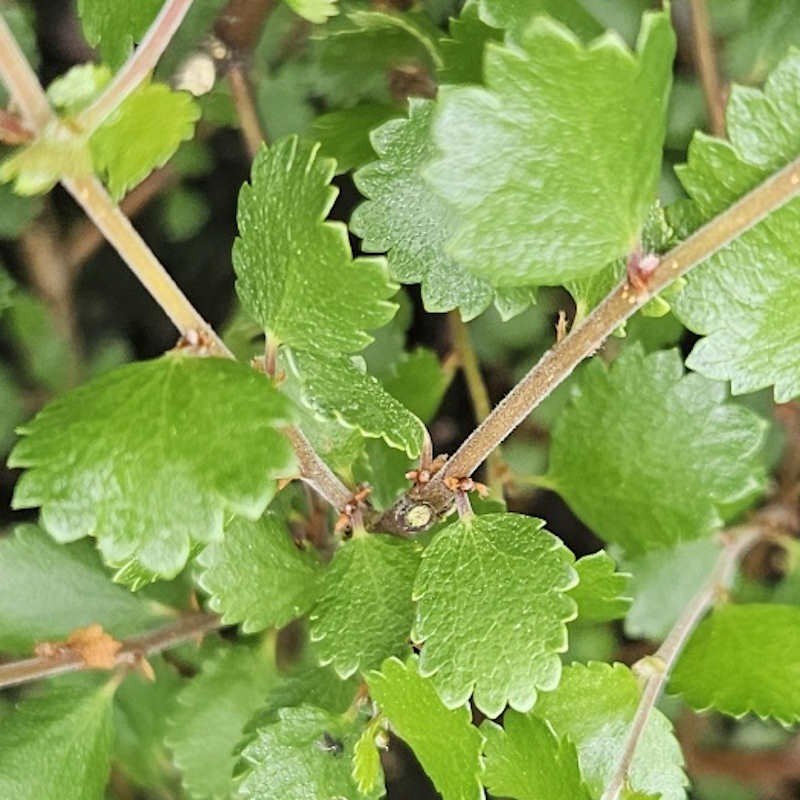
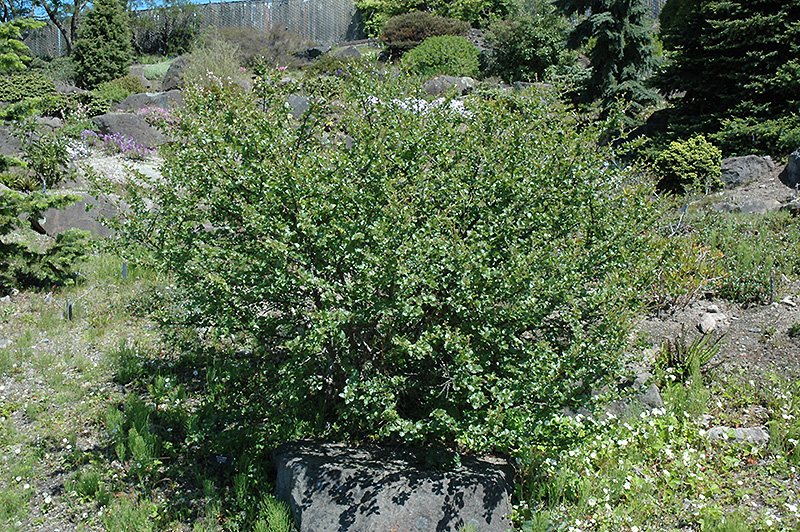
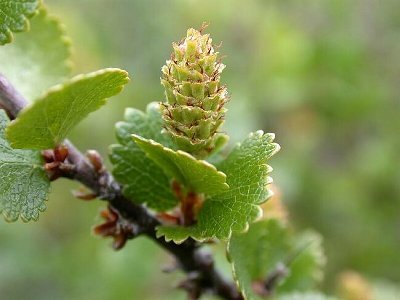
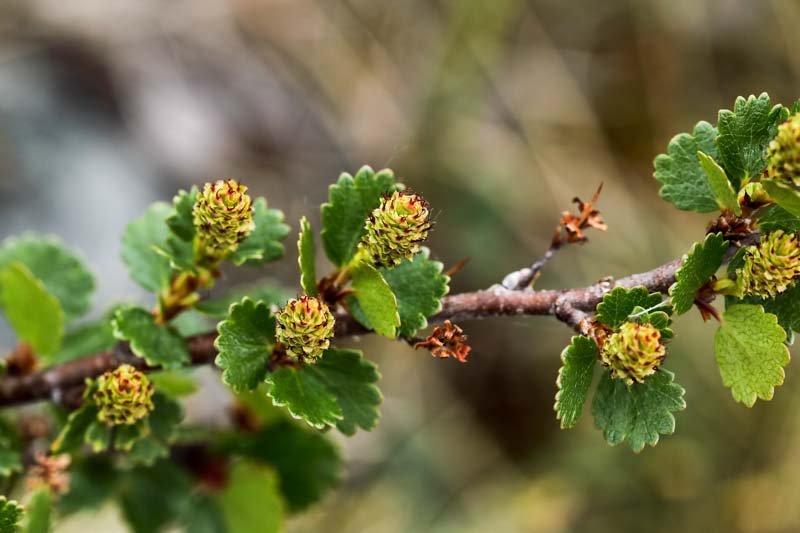
Dwarf Birch is a deciduous, low-growing shrub usually only 1–3 feet tall. It produces:
- Rounded, scalloped leaves
- Reddish-brown or gray twigs
- Catkins (small flower clusters)
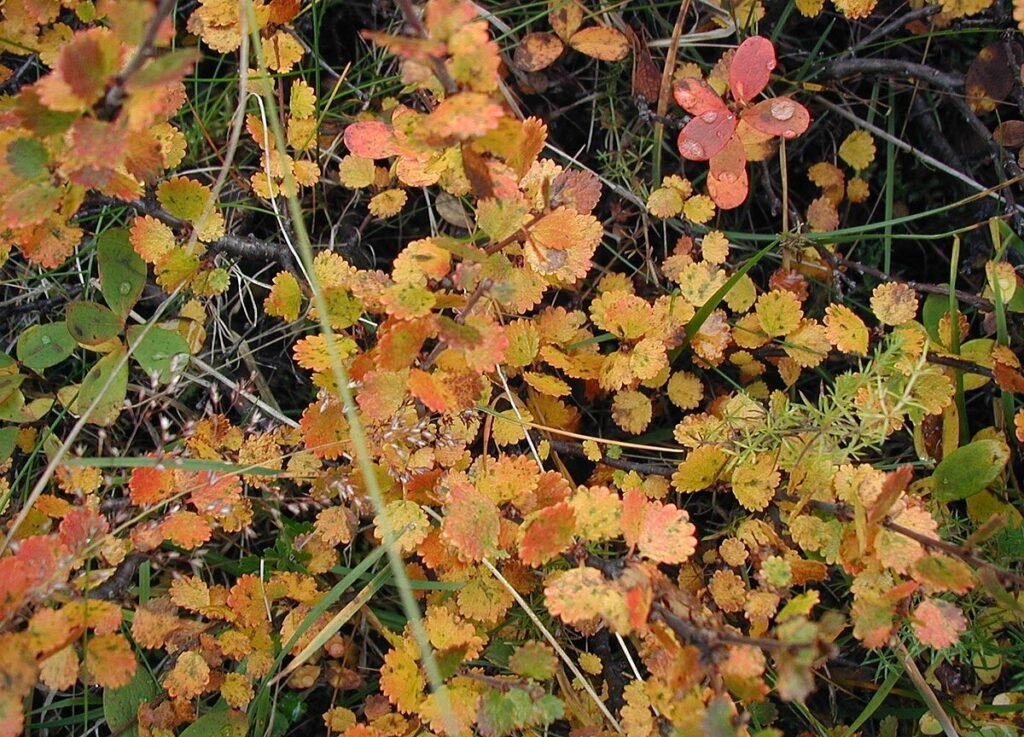
- Brilliant autumn colors—from gold to deep orange
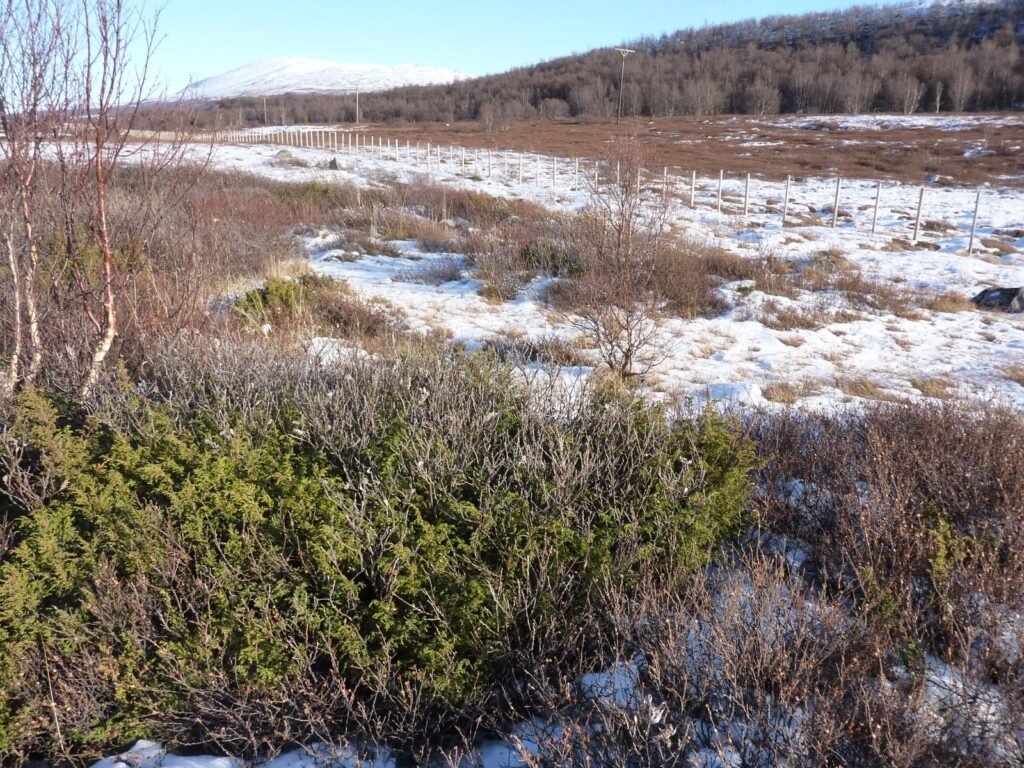
Its natural habitats include tundra, heathlands, bogs, and rocky slopes. Because of its compact size and cold tolerance, it’s ideal for cold-climate gardens, rock gardens, eco-restoration, and wildlife plantings.
How to Grow Dwarf Birch (Betula nana)
1. Climate Requirements
Dwarf Birch is native to harsh environments and performs best in:
- USDA Zones 1–6
- Cool summers
- Long winters
- Moist, acidic soils
It dislikes prolonged heat and drought.
2. Soil Preferences
For best results:
- pH: slightly acidic to acidic (4.5–6.0)
- Texture: sandy loam, peat, clay-loam, or gritty alpine soil
- Drainage: moist but not waterlogged
If you are planting in a warmer region, choose a cooler microclimate—north-facing slopes or areas with snow cover in winter.
3. Sunlight Requirements
- Full sun to partial sun
- In hotter climates, light afternoon shade helps prevent stress
4. Watering
Dwarf Birch thrives in consistent moisture, especially in its first few years.
Water deeply when soil begins drying but avoid standing water. A mulch layer of pine needles or shredded bark helps maintain acidity and moisture.
5. Planting Tips
- Space plants 2–3 feet apart
- Add organic matter like peat moss for moisture retention
- Avoid high-fertility soils—Dwarf Birch naturally prefers low-nutrient habitats
6. Maintenance
Dwarf Birch is impressively low-maintenance:
- Pruning: minimal; remove dead or crossing branches in early spring
- Fertilizer: rarely needed; too much nitrogen encourages weak growth
- Pests/Diseases: typically resistant, even in harsh climates
How to Propagate Dwarf Birch
There are three effective propagation methods: seed, cuttings, and layering.
1. Propagating from Seed
Growing from seed is the most natural method but requires patience.
Steps:
- Cold stratify seeds for 60–90 days at 34–40°F.
- Sow seeds on the soil surface—they need light to germinate.
- Keep the soil moist but not soaked.
- Germination typically occurs in 2–8 weeks.
- Transplant seedlings once sturdy roots develop.
Tip: Use a gritty, acidic mix—peat + sand works well.
2. Propagating from Cuttings
Semi-hardwood cuttings root reliably.
Steps:
- Take 4–6 inch cuttings in late spring or early summer.
- Strip lower leaves and dip in rooting hormone.
- Plant in a peat-sand mixture.
- Maintain high humidity (a dome or misting helps).
- Rooting takes 6–10 weeks.
3. Propagating by Layering
Ideal for gardeners who prefer a low-effort method.
Steps:
- Bend a flexible branch to the ground.
- Wound the underside slightly for better rooting.
- Bury the wounded section and secure with a stone or pin.
- Roots form in 1–2 seasons.
- Detach and transplant.
Varieties & Subspecies of Dwarf Birch
1. Betula nana subsp. nana
The classic, widespread Arctic form, extremely cold-hardy and compact.
2. Betula nana subsp. exilis
Found in Siberia; slightly taller with slimmer leaves and extreme cold tolerance.
3. Hybrid Forms (Betula × species)
Dwarf Birch naturally hybridizes with other birches like Betula glandulosa.
Hybrids may show:
- Increased height
- Enhanced adaptability
- Varied leaf shapes
These are great options for ornamental landscapes.
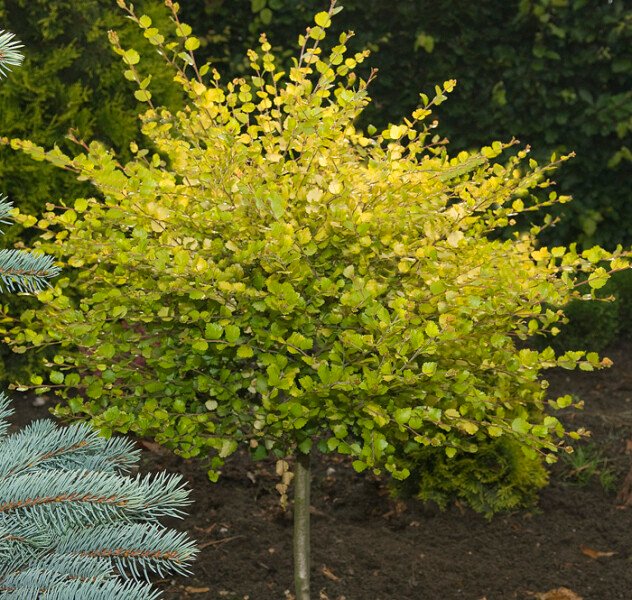
4. Ornamental Cultivars
Some nurseries offer compact selections bred for:
- Denser foliage
- Autumn coloration
- Rock garden suitability
Names vary by region but often labelled simply as “Dwarf Arctic Birch” or “Mini Birch.”
Uses of Dwarf Birch
Dwarf Birch is incredibly versatile, with benefits for ecological restoration, gardening, crafts, and health.
1. Ecological & Landscape Uses
- Soil stabilization in cold/alpine landscapes
- Habitat restoration for northern ecosystems
- Windbreaks in exposed areas
- Low-maintenance ornamental shrub
- Excellent for rock gardens, tundra gardens, and naturalized plantings
2. Traditional & Herbal Uses
Historically, northern cultures used Dwarf Birch for:
- Leaves and twigs in herbal teas
- Anti-inflammatory leaf infusions
- Astringent preparations for mild skin issues
- Smoke and twigs for traditional purifying rituals
Always consult a professional before medicinal use.
3. Craft Uses
- Flexible twigs for basketry
- Fire-starting tinder
- Natural dyes derived from bark and leaves
Edible & Food-Related Uses of Dwarf Birch
While not a major food plant, parts of Dwarf Birch are usable in culinary applications.
1. Birch Tea
Young leaves and twigs can be steeped to produce a mild, aromatic tea with:
- Slight wintergreen notes
- Antioxidant properties
- Traditional detoxifying uses
2. Fermentation & Brewing
In some northern traditions:
- Twigs are added to fermented beverages for flavor.
- The sap (less abundant than in tall birches) can sometimes be tapped for micro-scale syrup or fermentation.
3. Birch Leaf Seasoning
Dried leaves can be ground into a herbal seasoning, adding a mild woody flavor to:
- Broths
- Soups
- Foraged spice blends
4. Wildlife Edibles
While not primarily for humans, it’s a valuable food source for:
- Arctic hares
- Reindeer
- Grouse species
Supporting wildlife is a beneficial “food use” in ecological contexts.
Harvesting Dwarf Birch
1. When to Harvest Leaves
The best time is late spring to midsummer, when:
- Leaves are fresh
- Flavor is mild
- Nutrient content is highest
Gently snip small amounts from several branches to avoid stressing the shrub.
2. Harvesting Twigs
Twigs for tea, crafts, or brewing can be collected:
- In late winter (when dormant)
- In early spring before leaf-out
Select pencil-thin, healthy shoots.
3. Harvesting for Sap (Optional)
If attempting sap harvest:
- Tap very lightly, as Dwarf Birch has lower sap flow than large birches
- Early spring during thaw is ideal
- Only take minimal amounts to avoid damage
Tips for Success With Dwarf Birch
- Provide cool roots and consistent moisture
- Avoid hot, dry sites
- Choose acidic soil whenever possible
- Combine with alpine and tundra plants like heathers, crowberries, or lowbush blueberries
- Mulch with pine needles for natural acidity
Final Thoughts
Dwarf Birch (Betula nana) is a resilient, beautiful, and ecologically significant shrub that thrives where many plants fail. Whether you want a cold-climate ornamental, a restoration species, a foraging companion, or a low-maintenance landscape shrub, Dwarf Birch delivers.
Its blend of practicality, hardiness, and northern charm makes it an exceptional plant for gardeners and nature lovers alike.


&media=https://food-foresting.com/wp-content/uploads/2025/12/BetnanXXX_P_Betula_nana_Zwergbirke_Lorberg-r1-1200x630-proportionalbiggest.webp)