
 paulius.mikoliunas1
| Common Name | Himalayan Birch, Bhojpatra, Indian Paper Birch, Whitebarked Himilayan Birch, Jacquemontii Birch |
| Family | Betulaceae |
| USDA hardiness | 4-8 |
| Known Hazards |  The aromatic and aliphatic hydrocarbons in birch tar are irritating to the skin. Do not use in patients with oedema or with poor kidney or heart functions The aromatic and aliphatic hydrocarbons in birch tar are irritating to the skin. Do not use in patients with oedema or with poor kidney or heart functions |
| Habitats | Forests at the upper height limit of tree growth, rarely found below 3000 metres. Moist hillsides at elevations of 2000 – 4000 metres in Nepal. |
| Range | E. Asia – Himalayas to S.W. China. |
| Edibility Rating |  (0 of 5) (0 of 5) |
| Other Uses |   (3 of 5) (3 of 5) |
| Weed Potential | No |
| Medicinal Rating |   (2 of 5) (2 of 5) |
| Care (info) |     |







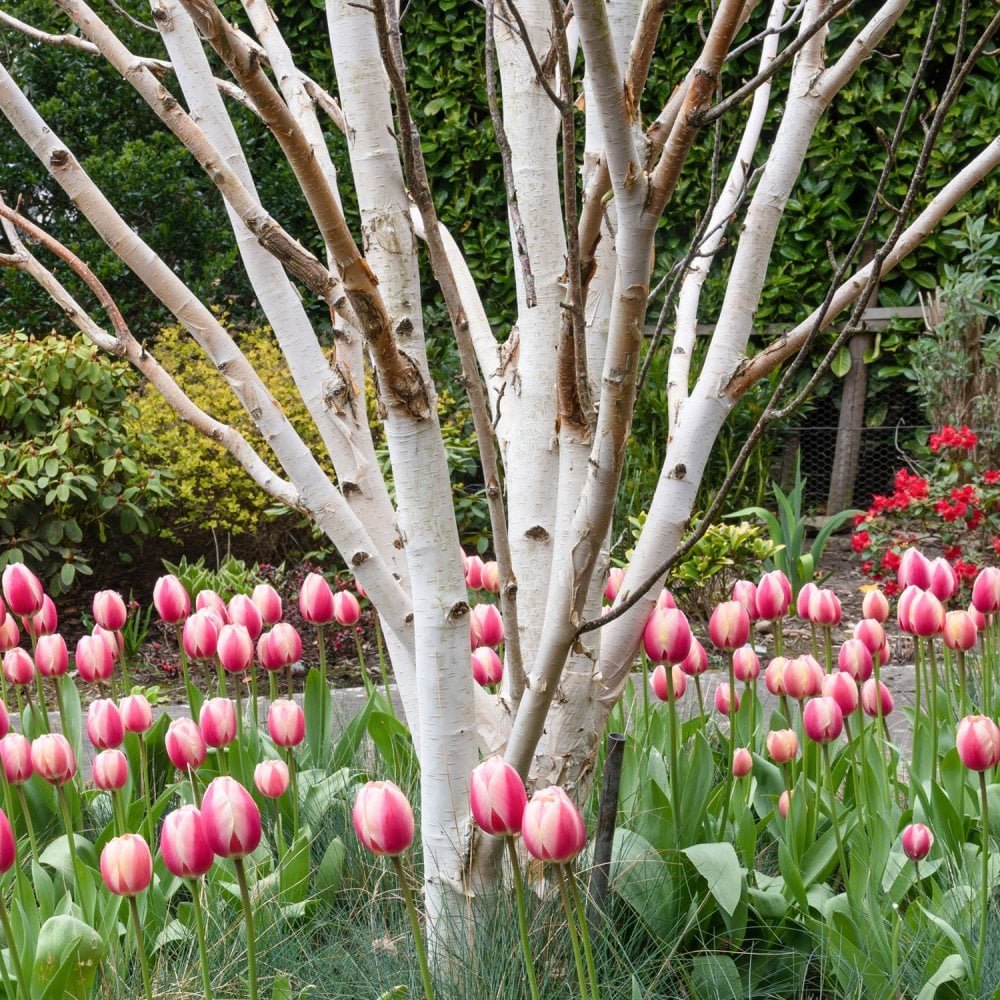


Himalayan Birch (Betula utilis): Complete Guide to Growing, Propagating, Varieties, Uses, Food Options & Harvesting
The Himalayan Birch (Betula utilis) is one of the most iconic high-altitude tree species of the Himalayas. Known for its striking white bark, graceful form, traditional medicinal value, and historical use as a writing material, this tree has earned a place in landscapes and gardens across the world. Whether you’re a gardener, forager, herbal enthusiast, or simply fascinated by Himalayan flora, understanding how to grow and use this remarkable tree can be incredibly rewarding.
This comprehensive guide covers everything you need to know about cultivation, propagation, varieties, uses, edible aspects, and harvesting—all in one SEO-optimized resource.
What Is Himalayan Birch (Betula utilis)?
Himalayan Birch is a deciduous tree native to the Himalayan region, thriving at elevations between 3,000–4,500 meters. It is admired for:
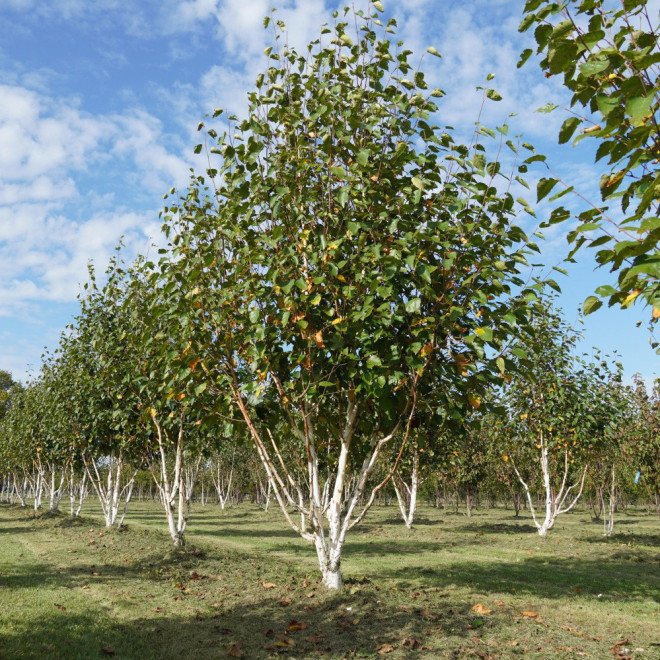
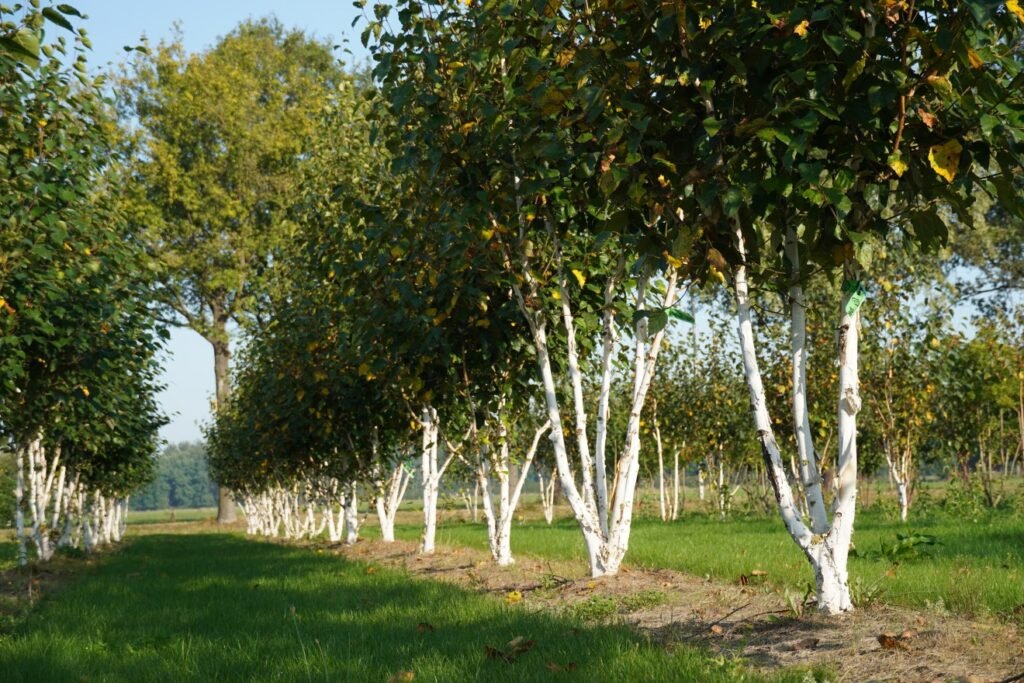
- Snow-white peeling bark
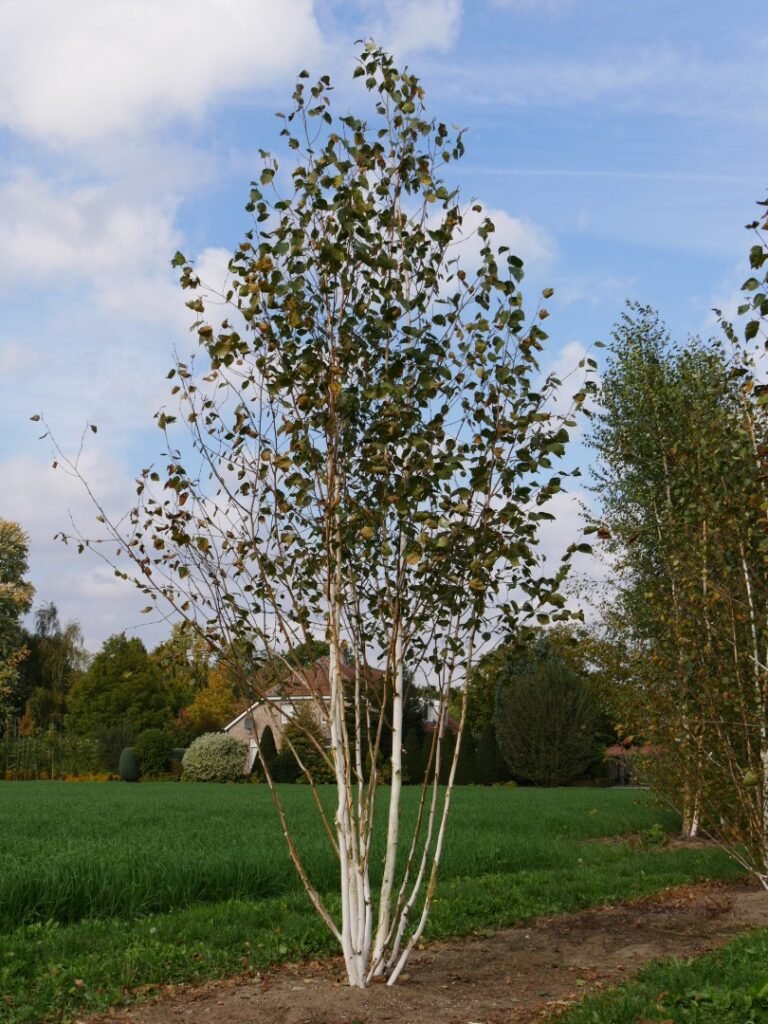
- Graceful, upright growth habit
- Cold tolerance
- Medicinal and cultural significance
Its name “utilis” (meaning “useful”) reflects its long history of practical applications—from shelter construction to Ayurvedic medicine.
How to Grow Himalayan Birch (Betula utilis)
1. Ideal Growing Conditions
To grow a healthy Himalayan Birch, replicate its native environment as closely as possible:
Sunlight
- Prefers full sun to partial shade.
- In hot climates, afternoon shade helps prevent stress.
Soil
- Moist, well-drained soil is essential.
- Slightly acidic to neutral pH is ideal.
- Prefers sandy loam but adapts to most soil types with good drainage.
Water
- Requires consistent moisture, especially in its first 3–5 years.
- Benefits from cool, moist root zones (mulching recommended).
Temperature
- Extremely cold-tolerant.
- Not suitable for hot, dry climates unless planted in sheltered, cool areas.
Spacing
- Plant 20–30 ft (6–9 m) apart if growing multiple trees.
2. Planting Instructions
- Dig a hole twice as wide as the root ball.
- Place the sapling so the root collar is level with the soil surface.
- Backfill with enriched garden soil mixed with compost.
- Water deeply.
- Mulch generously with 4–6 inches of leaf mold or bark chips.
Avoid planting too deep—Himalayan Birch is sensitive to root suffocation.
How to Propagate Himalayan Birch
Propagation Methods
1. Seeds (Most Common)
- Collect seeds in late summer.
- Stratify seeds for 6–8 weeks at 2–5°C to improve germination.
- Sow on moist, sandy soil—do not bury deeply.
- Keep under indirect light.
2. Cuttings
More challenging but possible with:
- Semi-hardwood cuttings taken in early summer.
- Dip in rooting hormone.
- Place in well-draining potting mix under high humidity.
3. Air Layering
Works well on mature trees:
- Make a shallow bark incision.
- Wrap with moist sphagnum moss.
- Seal with breathable plastic.
- Roots develop in 8–12 weeks.
Popular Varieties of Betula utilis
1. Betula utilis var. jacquemontii (White Himalayan Birch)
- Brightest white bark among all birches
- Gardeners’ favorite worldwide
- Upright, elegant growth
2. Betula utilis ‘Doorenbos’
- Very white bark even at a young age
- Dense, symmetrical crown
3. Betula utilis ‘Silver Shadow’
- Smooth silver bark with strong ornamental value
4. Betula utilis ‘Bhutan Birch’
- Flaking copper-brown bark
- More heat-tolerant than other varieties
Traditional and Modern Uses of Himalayan Birch
1. Medicinal Uses
Used in traditional Himalayan and Ayurvedic systems:
- Bark: anti-inflammatory, used for skin and wound remedies
- Leaves: mild diuretic
- Sap: used for cleansing tonics
- Resin: sometimes used in herbal salves
2. Cultural Uses
Historically:
- Bark was used for writing ancient manuscripts.
- Roofing material in Himalayan homes.
- Important in spiritual and ritual practices.
3. Wood Uses
- Lightweight and durable
- Used for furniture, firewood, and tool handles
4. Landscape Uses
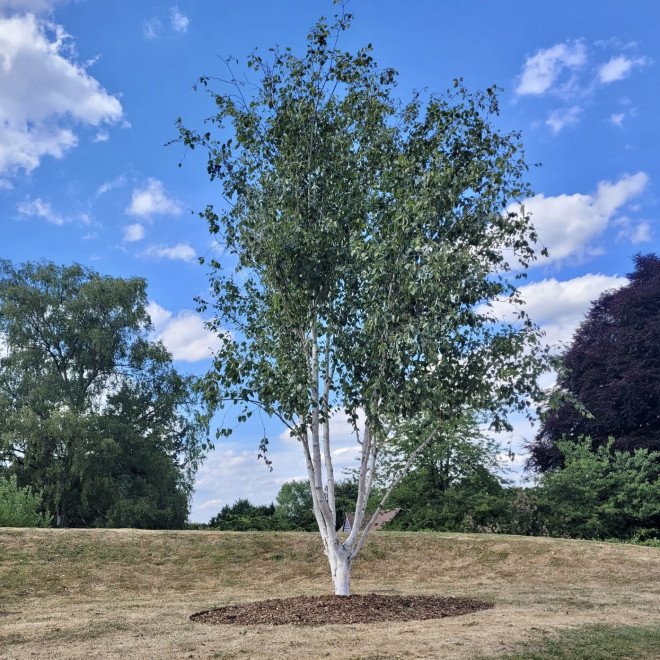
- Ideal specimen tree for gardens
- Used in ornamental woodland plantings
- Works beautifully in multi-stem forms
Food and Edible Uses of Himalayan Birch
While not commonly grown for food, several parts are edible:
1. Birch Sap
Collected in early spring:
- Refreshing drink
- Can be fermented into birch wine
- Can be boiled into birch syrup (requires a lot of sap)
2. Young Leaves
- Can be used as tea
- Mildly bitter but detoxifying
3. Inner Bark (Survival Food)
- Can be dried and ground into flour substitutes
- Contains carbohydrates but used only in emergency situations
4. Birch Tea
- Made from leaves or bark
- Traditionally used for inflammation and digestion
How to Harvest Himalayan Birch
1. Harvesting Sap
- Drill a small hole in early spring before leaves emerge.
- Insert a clean spile and collect for a few days.
- Seal the hole afterward to prevent damage.
2. Harvesting Bark (Ethically)
- Never strip bark from a live tree.
- Only use bark from naturally fallen limbs or pruned branches.
- The white outer bark can be used for crafts and herbal preparations.
3. Leaves
- Harvest young, clean leaves in spring.
- Air dry for teas or herbal blends.
Common Problems and Solutions
1. Heat Stress
- Provide mulch and partial shade.
- Avoid south-facing walls.
2. Bronze Birch Borer
More common in lowland or warm climates.
- Keep the tree healthy and well-watered.
- Avoid mechanical damage.
- Plant resistant varieties like jacquemontii.
3. Leaf Miners
- Prune affected areas.
- Encourage beneficial insects.
Conclusion
The Himalayan Birch is more than just a beautiful tree—it is a living symbol of Himalayan culture, ecology, and resilience. With the right conditions and care, it can thrive in gardens far from its native mountains. From ornamental beauty to medicinal traditions, from sap to craft bark, this species offers a wealth of uses for growers and enthusiasts.
Whether you want to plant one for landscape elegance, explore traditional remedies, or simply appreciate its beauty, Betula utilis is a rewarding species worth adding to your botanical world.



&media=https://food-foresting.com/wp-content/uploads/2025/12/Harrod-ExamplarPhotos-2.png)