
 paulius.mikoliunas1
| Common Name | Japanese Maple |
| Family | Aceraceae |
| USDA hardiness | 5-9 |
| Known Hazards | None known |
| Habitats | Woods and thickets in a wide range of soils and exposures in lowland and mountains to 3000 metres in C. and S. Japan. |
| Range | E. Asia – Japan |
| Edibility Rating |   (2 of 5) (2 of 5) |
| Other Uses |   (1 of 5) (1 of 5) |
| Weed Potential | No |
| Medicinal Rating |  (0 of 5) (0 of 5) |
| Care (info) |     |







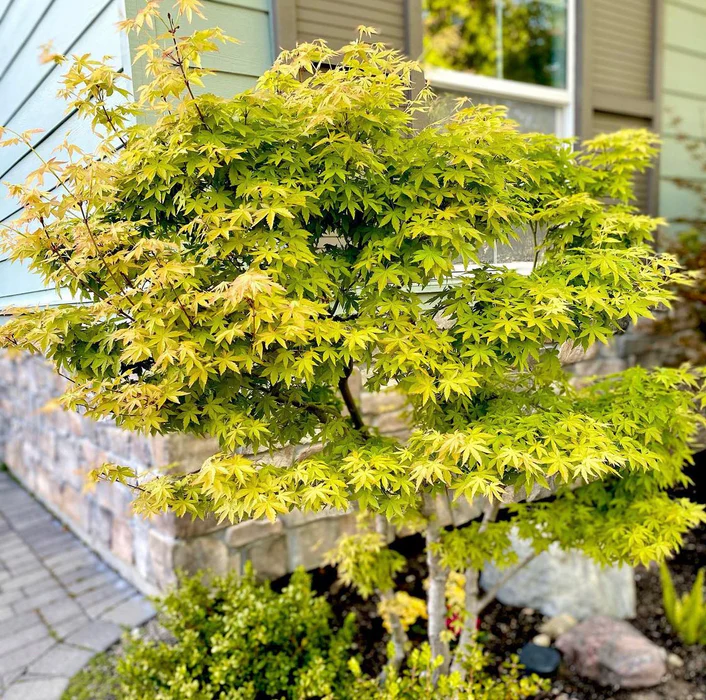

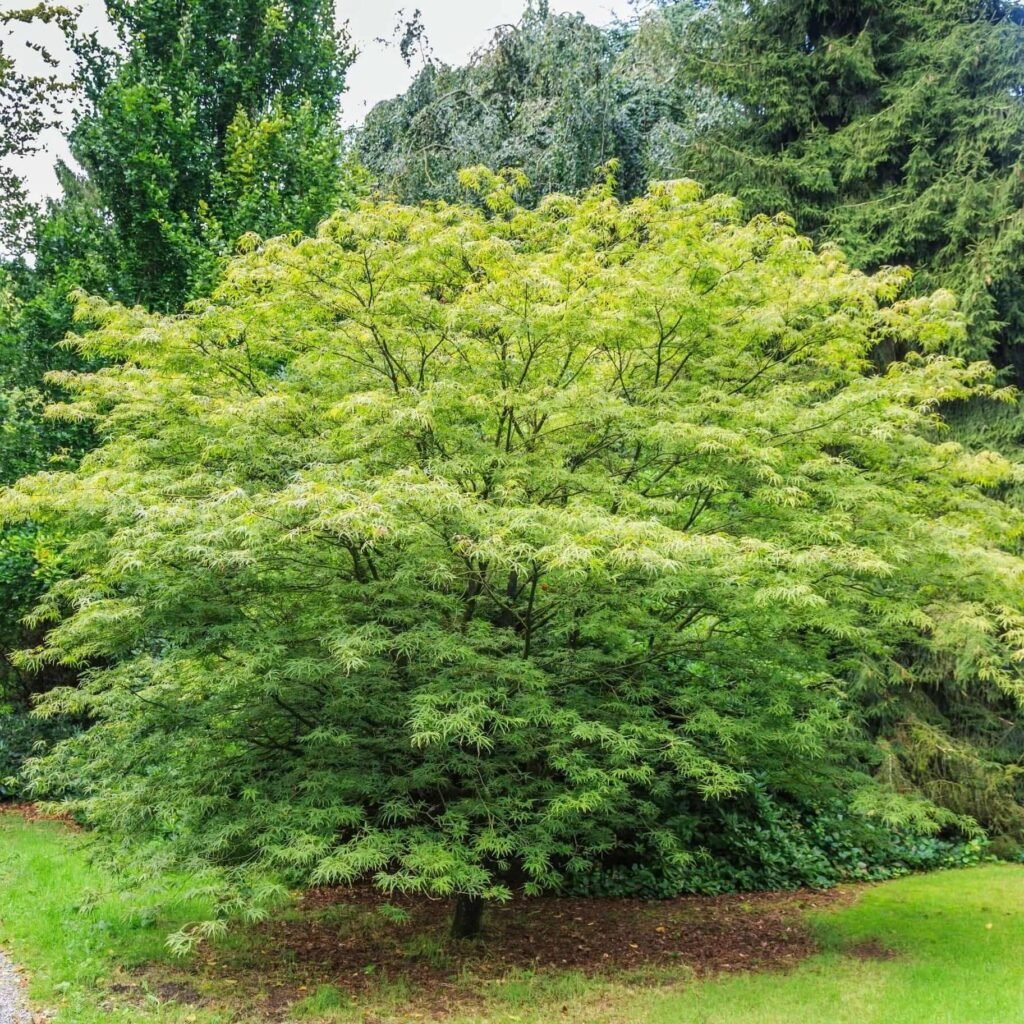
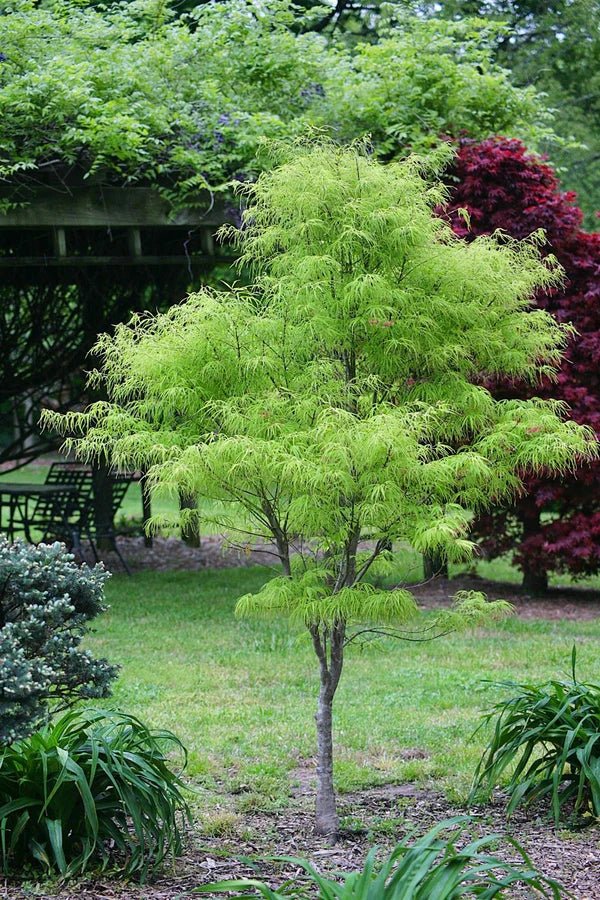

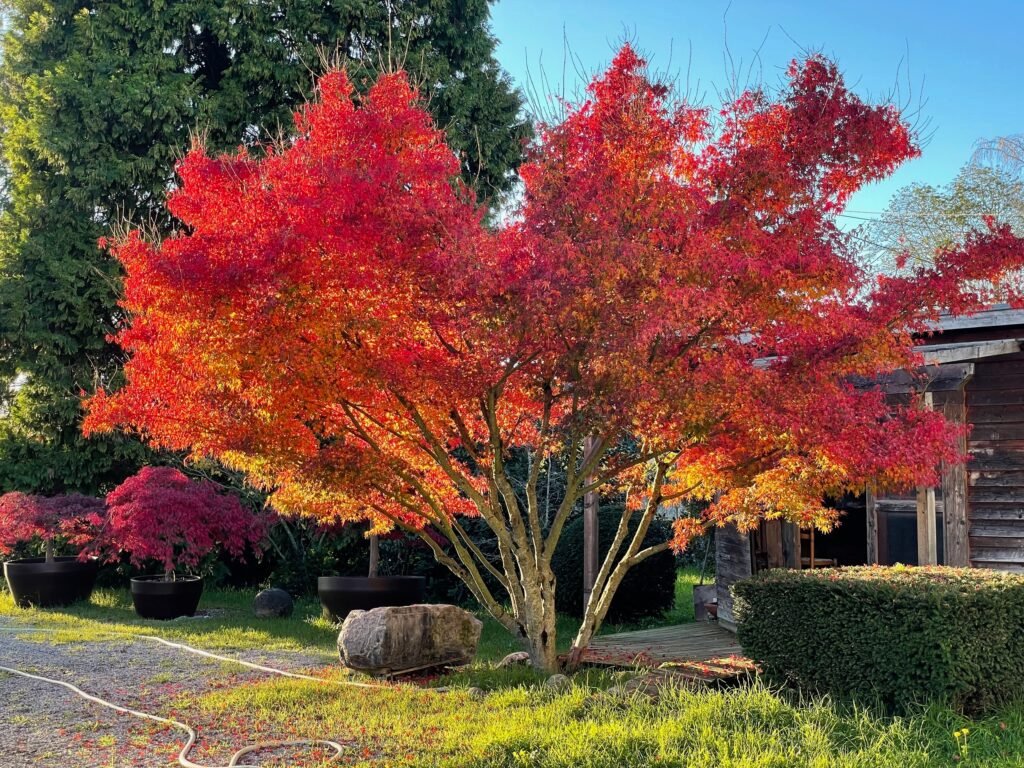
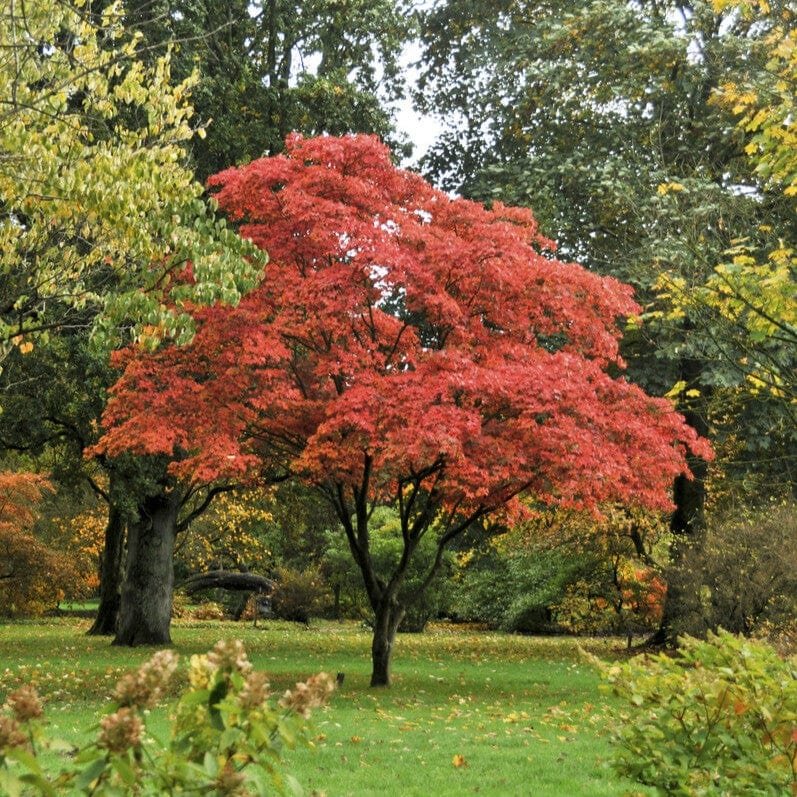
How to Grow, Propagate, Use, and Harvest Japanese Maple (Acer palmatum): A Complete Guide
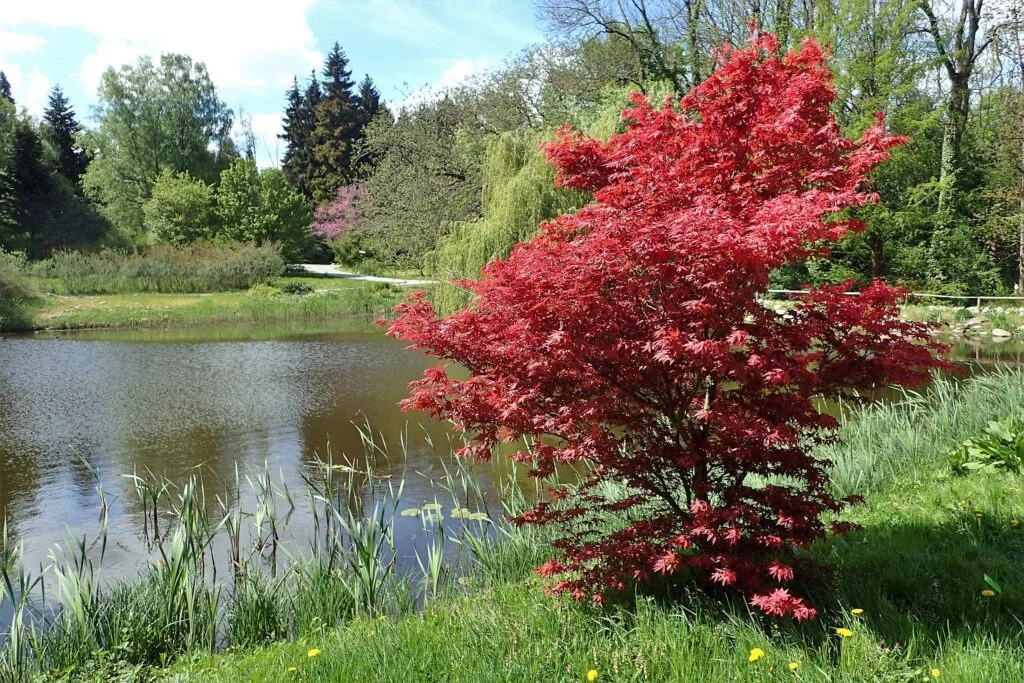
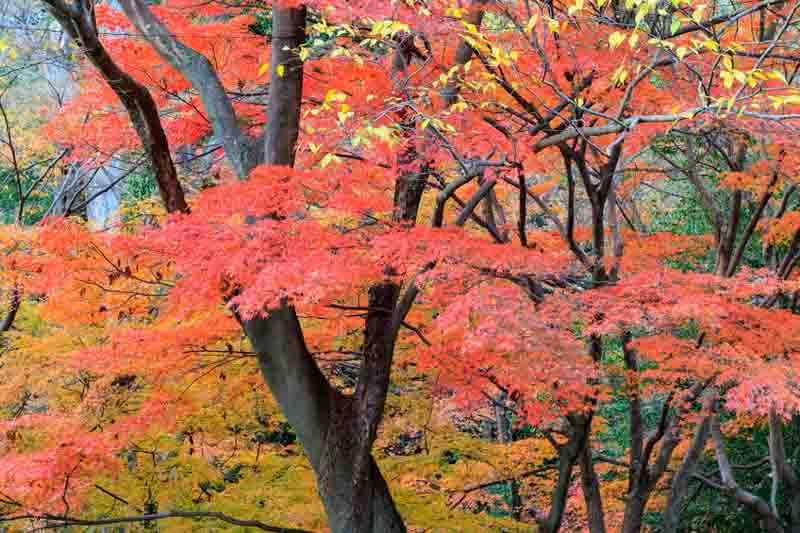
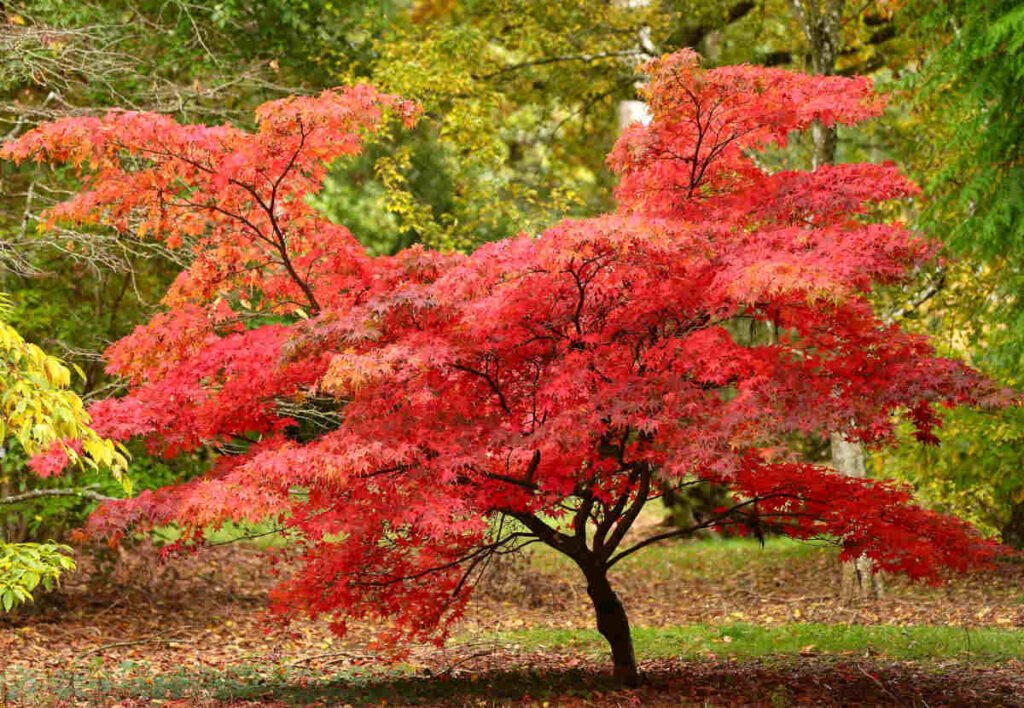
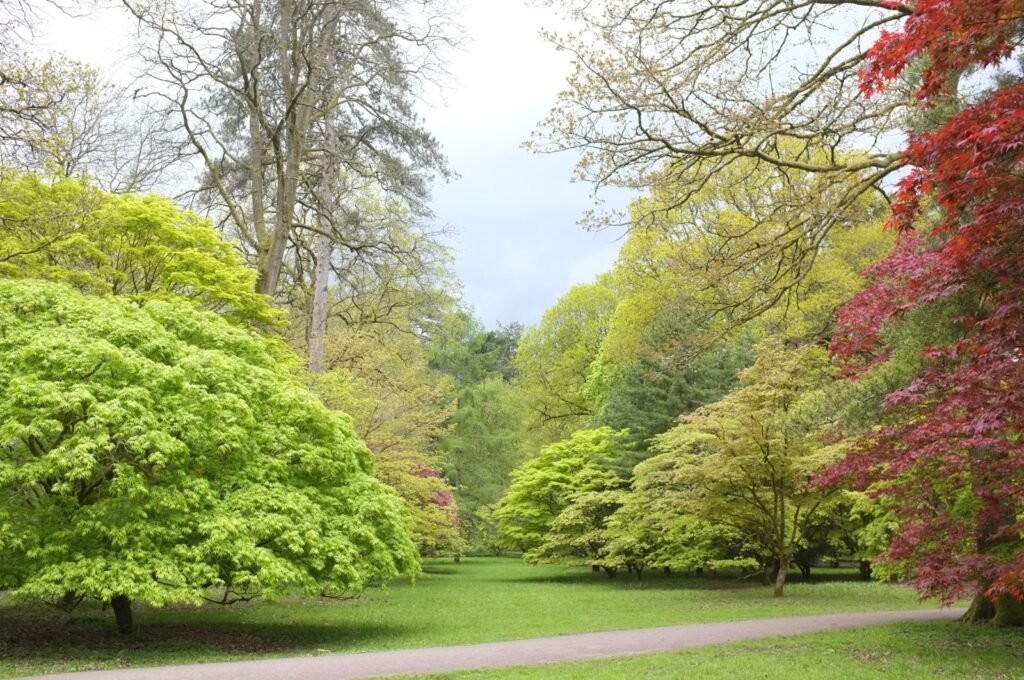
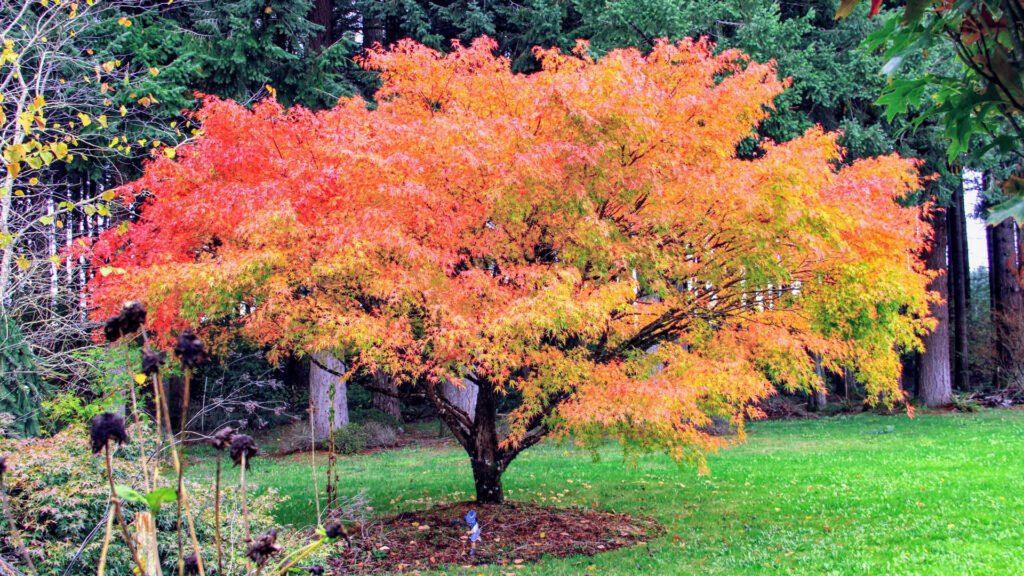
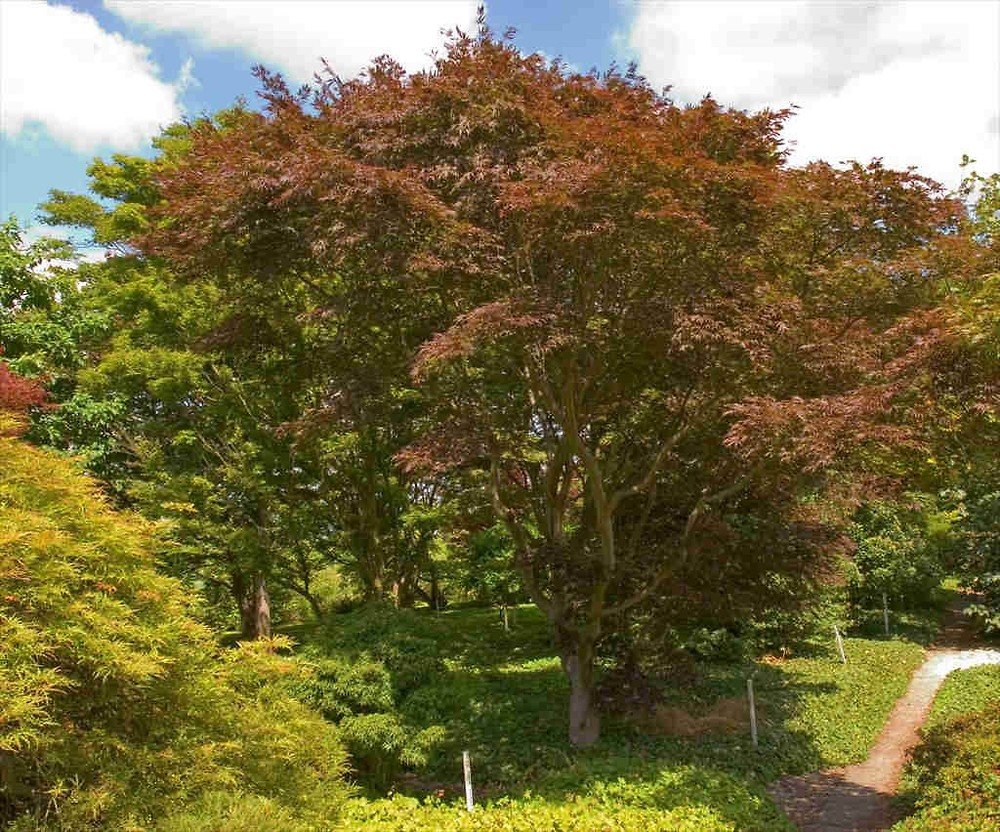
Japanese Maple (Acer palmatum) is one of the most beloved ornamental trees in the world. Known for its delicate leaves, dramatic seasonal color shifts, and sculptural growth habit, it adds elegance to home gardens, courtyards, and landscapes of nearly any size. But beyond beauty, Japanese Maples also offer practical uses—from culinary applications to crafting and traditional garden design.
If you’re looking to cultivate a thriving Japanese Maple—whether from seed, cutting, or grafting—this comprehensive guide walks you through everything: growing conditions, propagation techniques, top varieties, harvesting practices, and unexpected ways to use this remarkable tree.
What Makes Japanese Maple So Special?
Japanese Maples have been cultivated for centuries for their:
- Graceful form and layered branch structure
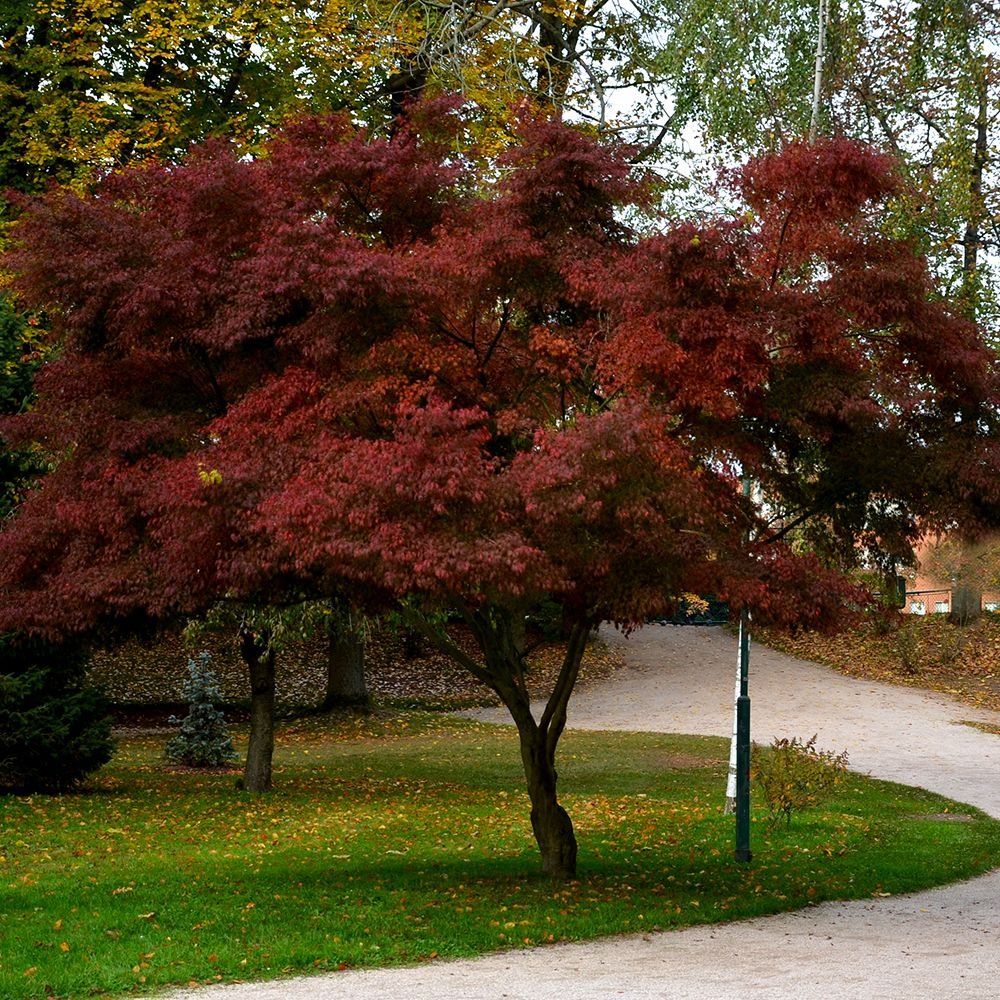
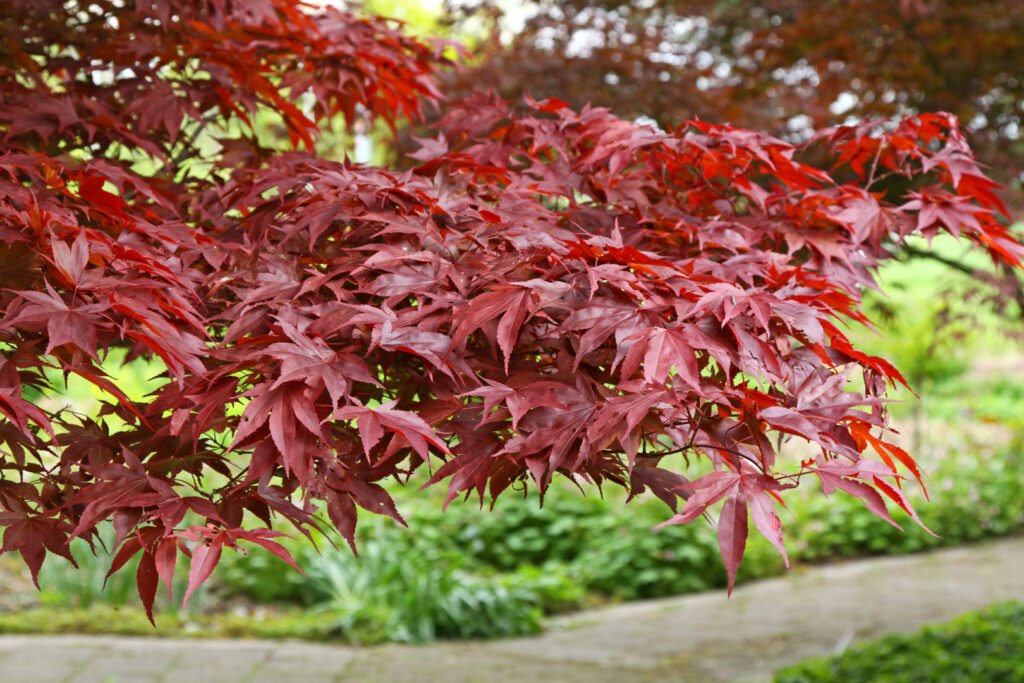
- Brilliant foliage ranging from lime green to deep burgundy
- Compact size, ideal for small gardens and containers
- Versatility across garden styles—modern, woodland, Zen, and courtyard landscapes
They thrive in temperate climates but can adapt surprisingly well when given the right care.
How to Grow Japanese Maple (Acer palmatum)
1. Choose the Right Location
Japanese Maples prefer:
- Partial shade—morning sun with afternoon protection is ideal
- Sheltered areas to protect delicate leaves from strong wind
- Well-draining soil to prevent root rot
Pro tip: Too much intense sun (especially in hot regions) may cause leaf scorch, particularly in laceleaf varieties.
2. Soil Requirements
Japanese Maples flourish in:
- Slightly acidic soil (pH 5.5–6.5)
- Rich, organic matter
- Even moisture without standing water
Amending with compost or pine bark improves both fertility and drainage.
3. Watering the Right Way
Young trees require consistent moisture:
- Water deeply 2–3 times per week the first year.
- Mature trees need only occasional deep watering during dry periods.
- Mulch around the base to retain moisture—but keep mulch 2–3 inches away from the trunk.
4. Fertilizing Japanese Maples
Use a slow-release, balanced, or organic fertilizer in early spring—never high-nitrogen lawn fertilizer, which can cause leggy, weak growth.
5. Pruning for Shape
The best time to prune is:
- Late summer to early fall to avoid excessive sap bleeding
- Remove crossing, damaged, or inward-growing branches
- Keep the natural layered form; avoid over-pruning
Propagation of Japanese Maple
Japanese Maples can be propagated in several ways, each with its pros and cons.
1. Propagation by Seed
Growing from seed can be rewarding—but the seedlings rarely resemble the parent tree.
Steps:
- Collect samaras (winged seeds) in fall.
- Stratify seeds for 90–120 days in a moist medium kept in the refrigerator.
- Sow seeds in late winter or early spring.
- Keep soil lightly moist until germination.
Seedlings vary widely, which makes them exciting for collectors.
2. Propagation by Cuttings
More challenging but preserves the parent tree’s characteristics.
Steps:
- Take semi-hardwood cuttings in early summer.
- Dip in rooting hormone.
- Place in a well-draining propagation medium, such as perlite and peat.
- Maintain high humidity and indirect light.
Success rates vary, but some cultivars root more easily than others.
3. Grafting (Most Common Technique)
Nearly all named cultivars are produced by grafting.
Why graft?
- Guaranteed genetic match to the parent
- Faster establishment
- Better disease resistance with chosen rootstocks
Basic Method:
- Use a hardy rootstock (usually plain Acer palmatum).
- Collect healthy scion wood in winter.
- Perform whip-and-tongue or side graft in early spring.
- Keep grafted plants protected until established.
Popular Japanese Maple Varieties
1. Red/Burgundy Varieties
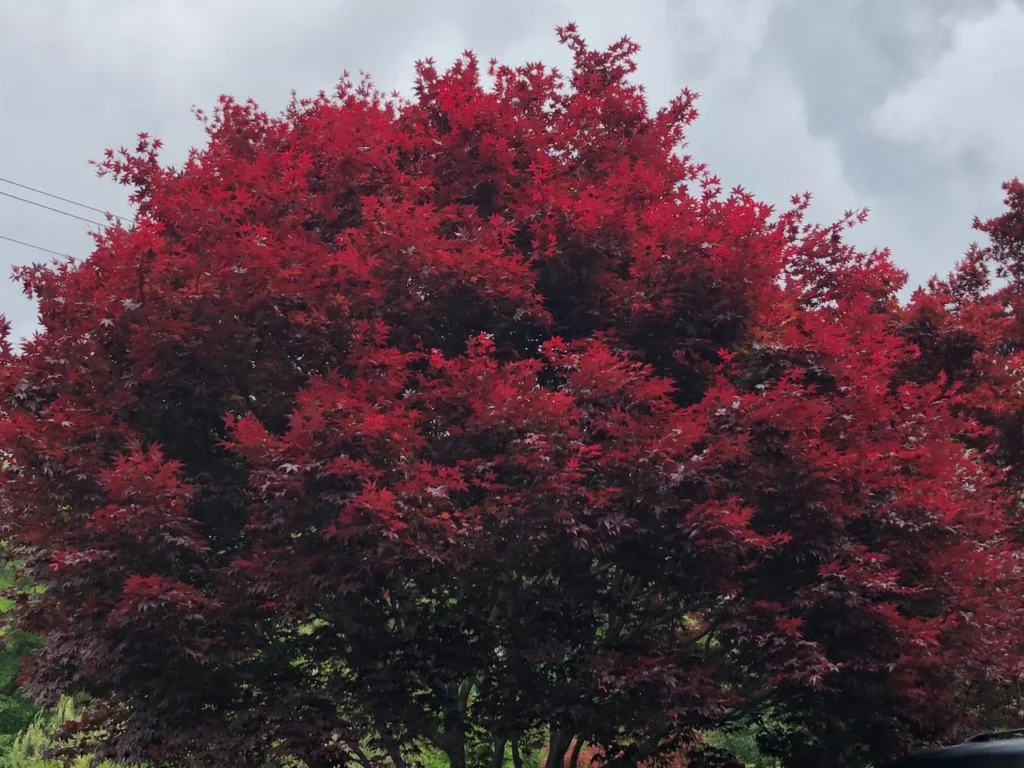
- ‘Bloodgood’ – classic upright red maple
- ‘Emperor I’ – heat-tolerant deep burgundy foliage
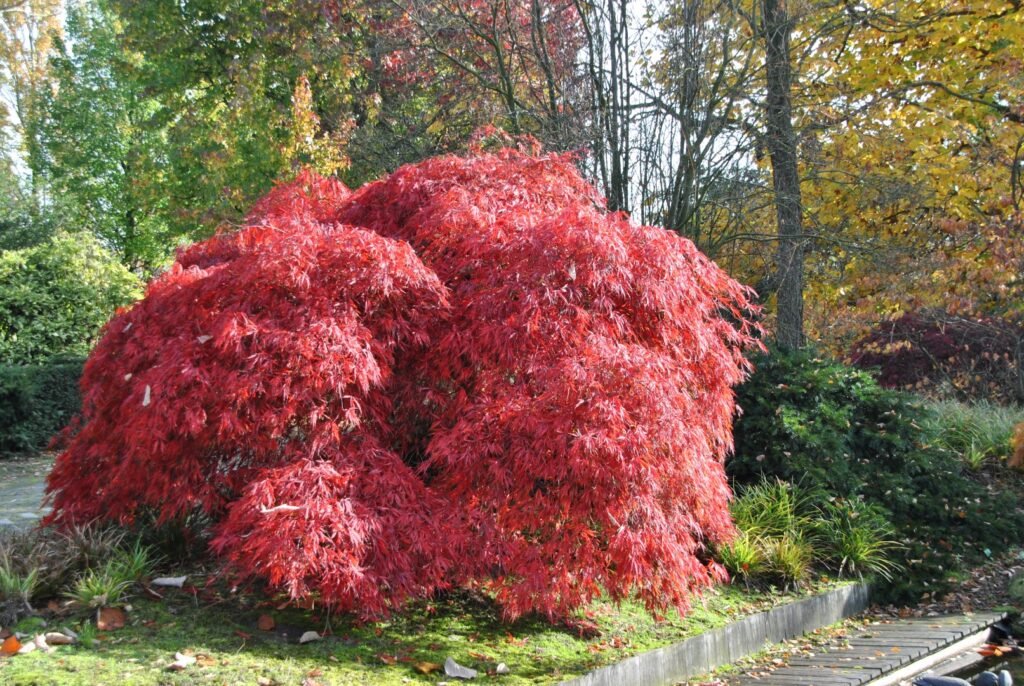
- ‘Inaba Shidare’ – laceleaf variety with cascading form
2. Green Varieties
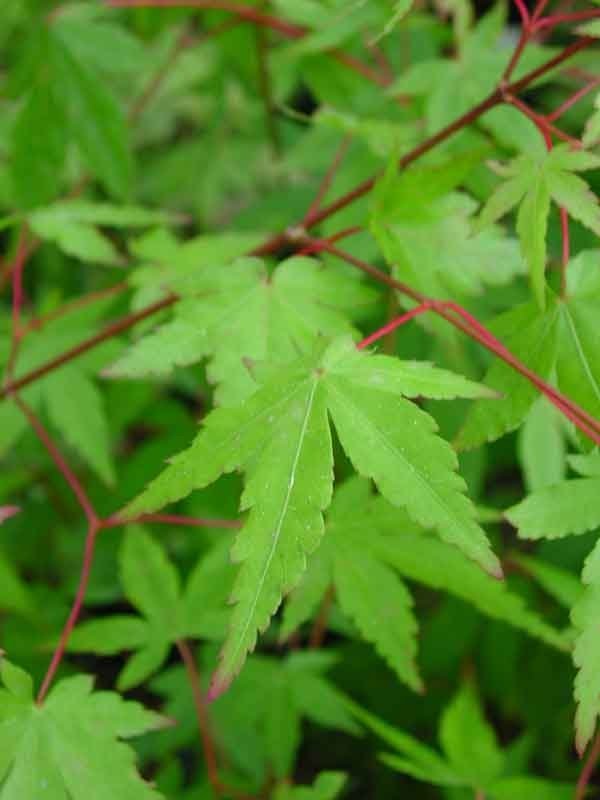
- ‘Viridis’ – bright green laceleaf, superb fall color
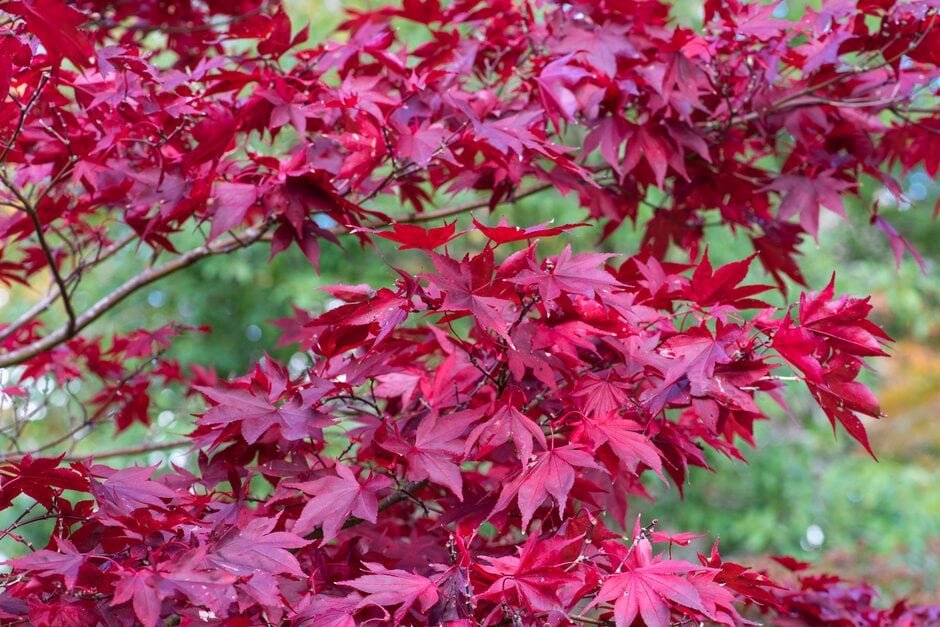
- ‘Osakazuki’ – known for some of the best red autumn foliage
3. Variegated Varieties
- ‘Butterfly’ – pink and white leaf edges
- ‘Ukigumo’ (Floating Cloud) – cloudlike splashes of white
4. Dwarf & Container-Friendly Varieties
- ‘Koto-no-ito’ (Harp Strings) – extremely fine leaves
- ‘Shaina’ – compact, dense burgundy shrub-like maple
Uses for Japanese Maple
While mainly grown ornamentally, Japanese Maple offers several surprising applications.
1. Landscaping and Design
Perfect for:
- Entryways
- Courtyards
- Bonsai
- Koi pond edges
- Shade gardens
- Japanese or Zen landscapes
Its slow growth and striking silhouette make it a high-impact feature tree.
2. Bonsai Art
Japanese Maples are among the most prized species for bonsai because of:
- Their small, delicate leaves
- Exceptional seasonal color
- Naturally elegant branching
3. Craft and Woodworking
Although Japanese Maple wood is not commercially common, small branches or pruned limbs can be used for:
- Carving
- Tool handles
- Ornamental woodturning
Its pale, fine-grained wood takes finishes beautifully.
Culinary Uses: Yes, You Can Eat Parts of the Japanese Maple
Japanese Maples are non-toxic, and some parts are indeed edible.
1. Tempura Leaves
In certain Japanese regions, clean dried leaves are dipped in sweet batter and fried to create a traditional snack.
2. Maple Leaf Syrup (Rare but Possible)
While not as sugar-rich as sugar maple, the sap can be boiled down into a mild syrup—though it requires much more sap to produce small quantities.
3. Pickled Leaves
Young tender leaves can be preserved in vinegar brine for garnish or traditional dishes.
4. Herbal and Cultural Applications
Dried leaves may be used in:
- Seasonal teas
- Decorative edible garnishes
- Festive food presentations
Always use leaves from trees grown without pesticides.
How to Harvest Japanese Maple Material
1. Harvesting Seeds
- Collect as soon as samaras dry and turn brown in autumn.
- Air-dry seeds before storage.
2. Harvesting Leaves
For edible or craft use:
- Pick young leaves in spring for best tenderness.
- Select mature autumn leaves for dried crafts or dyeing.
3. Harvesting Sap
Done in late winter to early spring before bud break:
- Drill a very small tap hole—Japanese Maples are smaller, so size matters.
- Collect sap in a clean container.
- Avoid over-tapping to protect the tree’s health.
Final Tips for Success With Japanese Maples
- Provide consistent moisture but avoid soggy conditions.
- Choose heat-tolerant cultivars for warm climates.
- Protect delicate leaves from harsh afternoon sun.
- Graft for reliable replication of favorite cultivars.
- Use mulch to maintain soil health and root temperature.
Conclusion
Japanese Maples are more than just ornamental trees—they’re living art forms that shift with the seasons and reward gardeners with unmatched beauty. Whether you’re growing one as a centerpiece, propagating your own cultivars, creating bonsai masterpieces, or exploring their culinary uses, Acer palmatum offers an enriching and versatile experience.


&media=https://food-foresting.com/wp-content/uploads/2025/12/Acer-palmatum.jpg)