
 paulius.mikoliunas1
| Common Name | Silver Maple, River Maple, Soft Maple |
| Family | Aceraceae |
| USDA hardiness | 3-9 |
| Known Hazards | None known |
| Habitats | Banks of rivers, usually in sandy soils. Trees are occasionally found in deep often submerged swamps[82]. |
| Range | Eastern N. America – New Brunswick to Florida, west to Oklahoma, Kansas and Nebraska. |
| Edibility Rating |   (3 of 5) (3 of 5) |
| Other Uses |   (4 of 5) (4 of 5) |
| Weed Potential | No |
| Medicinal Rating |   (1 of 5) (1 of 5) |
| Care (info) |     |




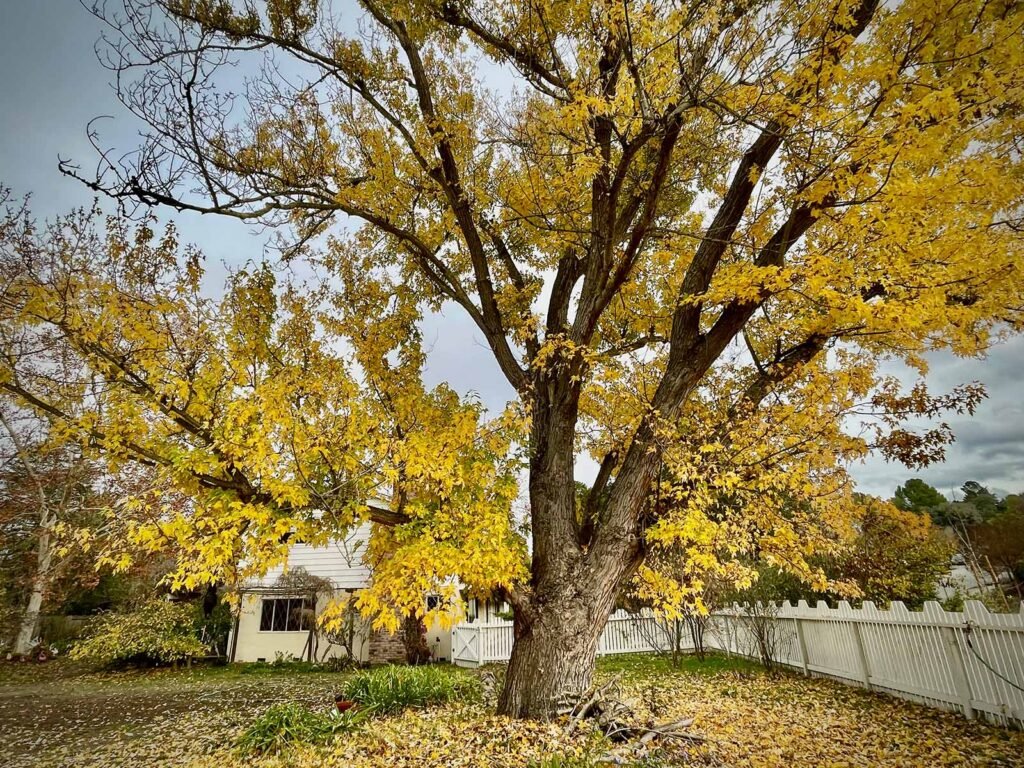
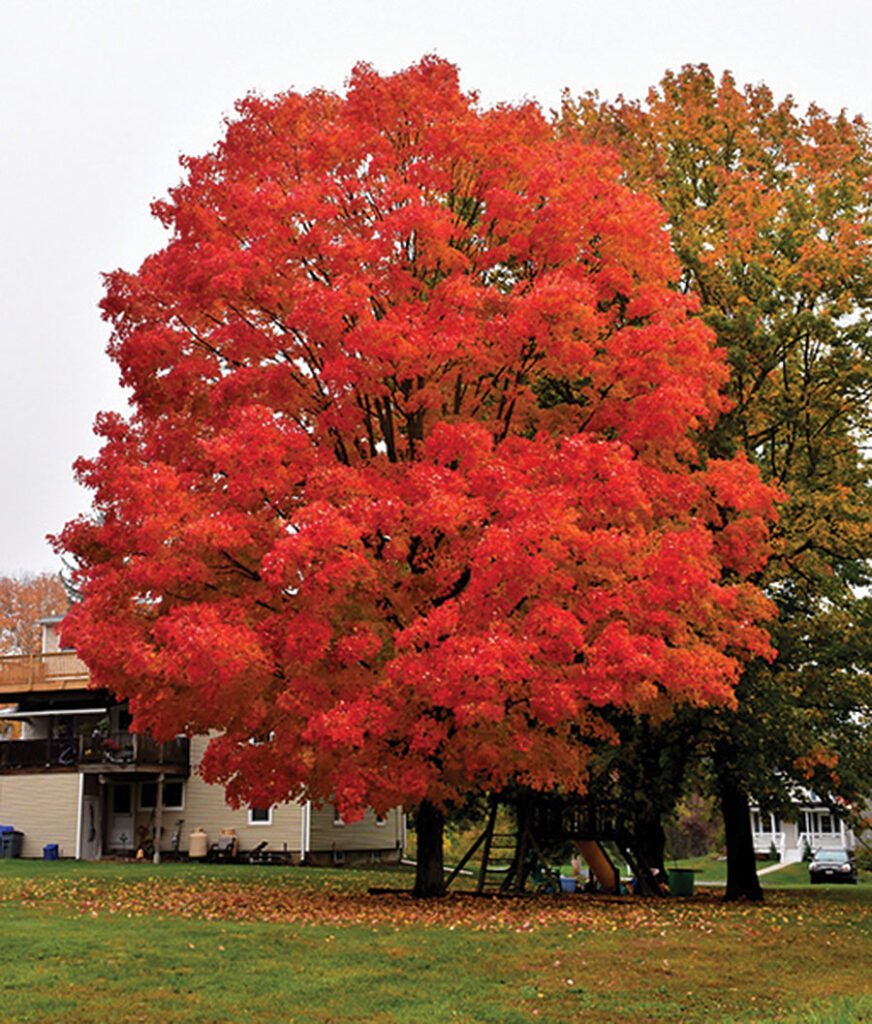

Silver Maple (Acer saccharinum): How to Grow, Propagate, Use, and Harvest This Fast-Growing Tree
The Silver Maple (Acer saccharinum) is one of North America’s most recognizable trees, valued for its shimmering foliage, rapid growth, and impressive adaptability. Whether you’re planting it for shade, wildlife value, or its interesting edible and practical uses, this tree offers far more than meets the eye.
Below is a complete guide to growing, propagating, harvesting, and using Silver Maple—perfect for gardeners, homesteaders, herbal enthusiasts, and nature lovers.
⭐ What Makes Silver Maple Special?
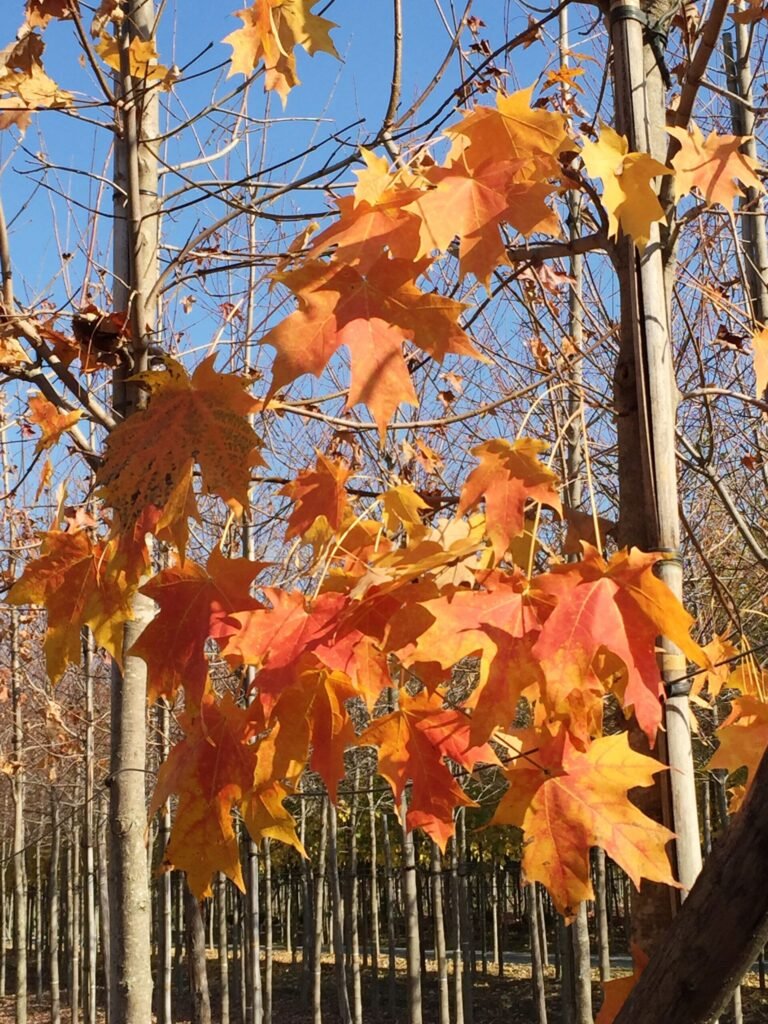
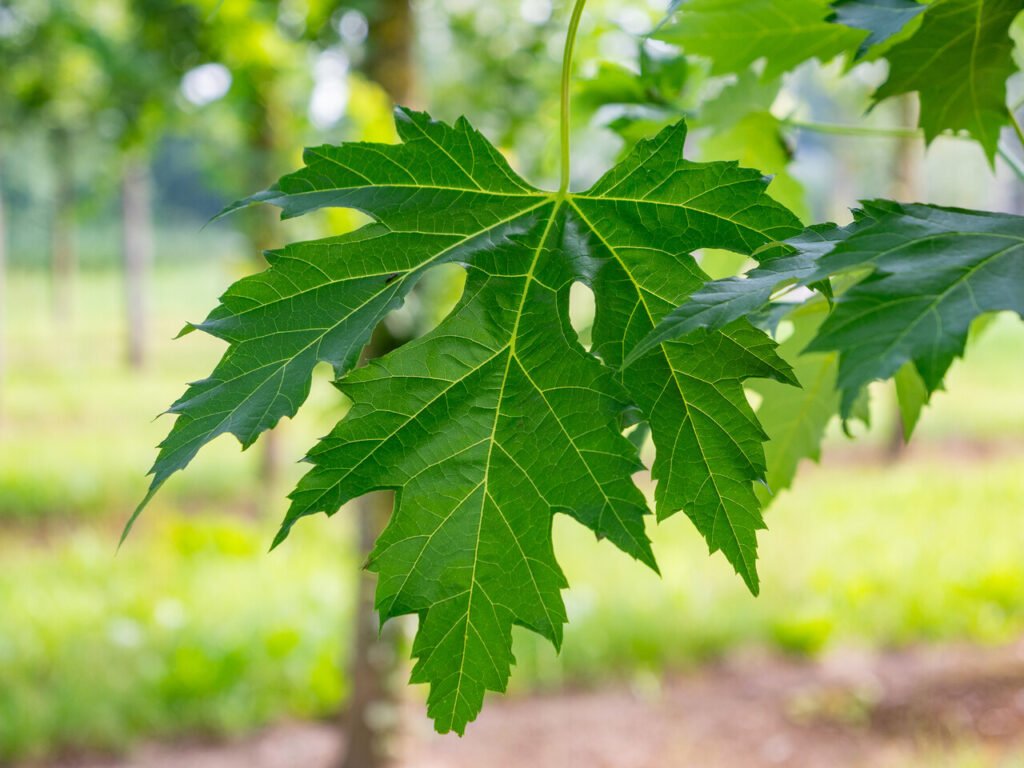
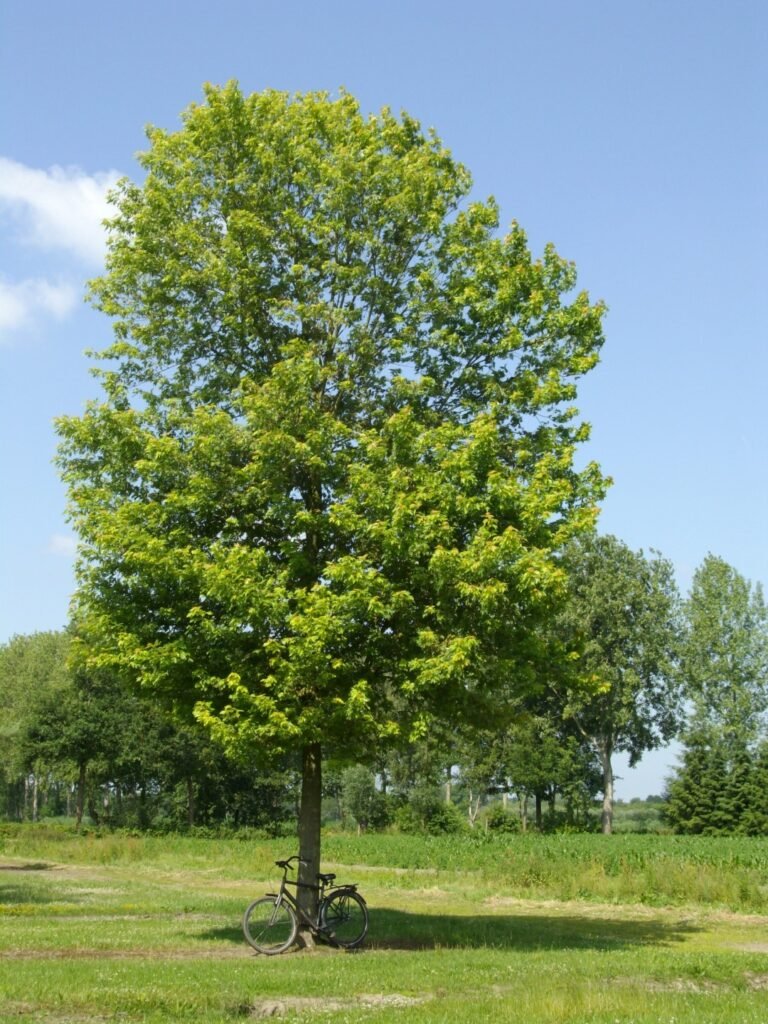
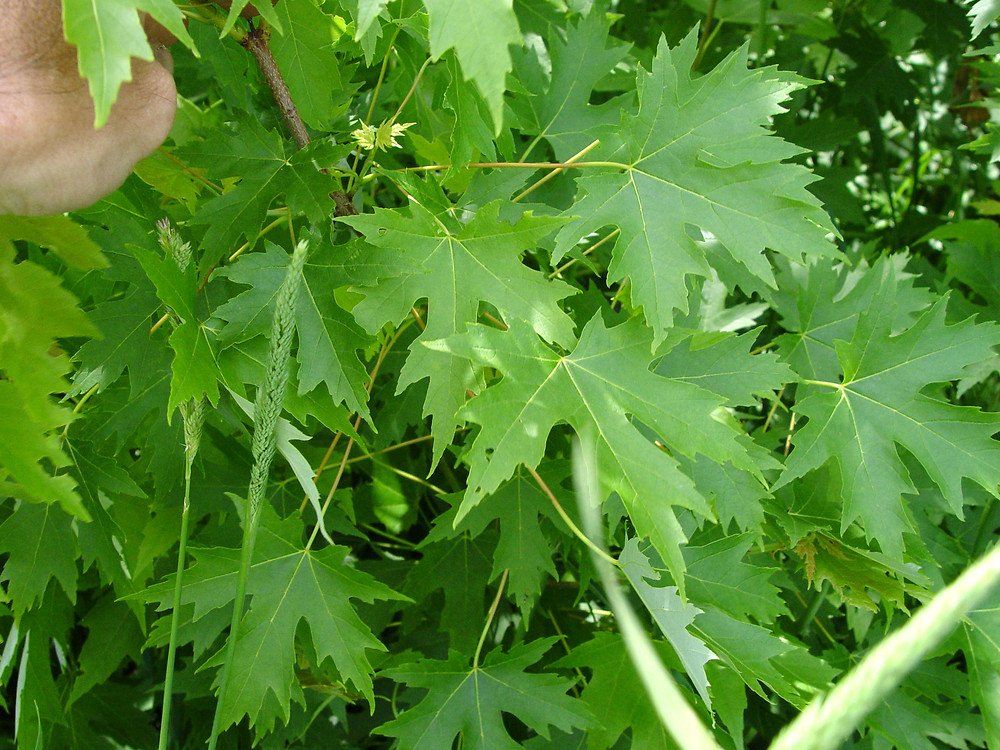
Silver Maple gets its name from the pale underside of its deeply lobed leaves, which create a shimmering silver effect when blowing in the wind.
Key attributes include:
- Extremely fast growth (3–7 feet per year)
- High tolerance for wet soils and urban conditions
- Excellent wildlife value
- Useful sap for syrup production
- Flexible wood suitable for craft and homestead uses
🌱 How to Grow Silver Maple (Acer saccharinum)
1. Climate Requirements
Silver Maple thrives in:
- Zones: 3–9
- Temperature: Very cold-hardy
- Soil: Adapts to clay, loam, sand, and even seasonal flooding
- Moisture: Prefers moist soil, but handles drought once established
This makes it one of the easiest maples to grow in diverse regions.
2. Planting Location
Choose a spot with:
- Full sun to partial shade
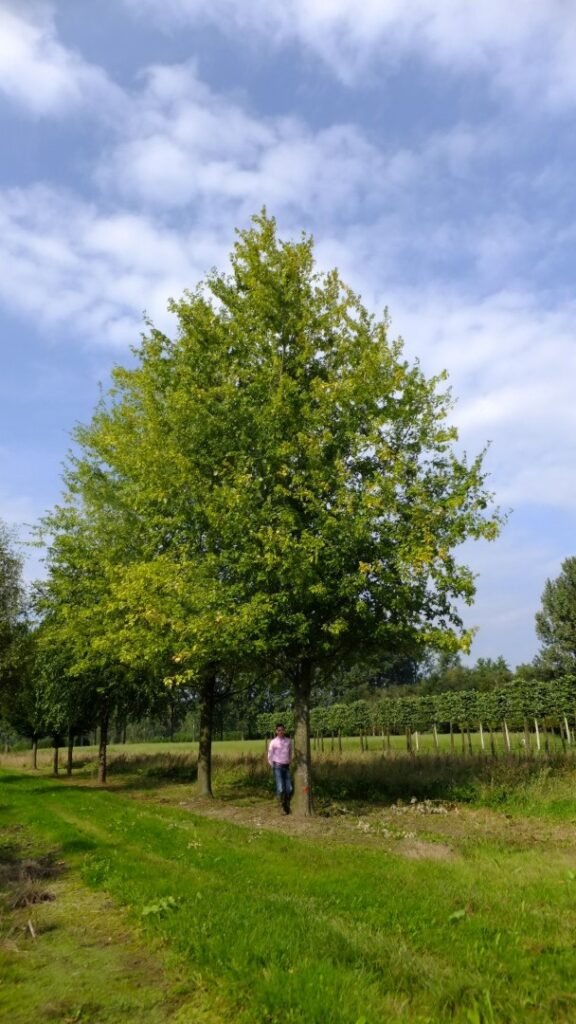
- At least 30–50 ft of horizontal space
- Distance from structures and pipes (shallow roots can infiltrate drainage systems)
Avoid planting right next to sidewalks or driveways, as roots are vigorous.
3. Soil Preparation
Although Silver Maple is tolerant, optimal conditions include:
- pH between 6.0–7.5
- Soil enriched with compost
- Good drainage (even though it tolerates wet environments)
A 2–3 inch mulch layer helps retain moisture and improve soil structure.
4. Watering
Your watering schedule should look like this:
- First year: Deep watering 1–2 times per week
- Established trees: Only water during extended drought
- Wetland conditions: No supplemental watering needed
5. Fertilizing
Most Silver Maples grow perfectly well without fertilizer.
However, if needed:
- Apply a balanced slow-release fertilizer in early spring
- Avoid high-nitrogen products which may cause weak branch structure
🌿 How to Propagate Silver Maple
Silver Maple can be propagated using three main methods.
1. Propagation from Seed
Seed propagation is the easiest and most common method.
Steps:
- Collect samaras (the helicopter-style seeds) in late spring.
- Dry seeds for 1–2 days.
- Sow immediately—they generally do not require stratification.
- Plant ½ inch deep in garden soil or containers.
- Keep consistently moist.
Seeds germinate rapidly, often in under two weeks.
2. Propagation from Cuttings
This method is trickier but doable with softwood cuttings.
Steps:
- Take 6–8 inch softwood cuttings in late spring.
- Remove lower leaves; dip the base in rooting hormone.
- Insert into a mixture of peat and sand.
- Maintain high humidity (use a humidity dome if possible).
- Rooting takes 4–6 weeks.
3. Propagation by Air Layering
Useful if you want a clone of a specific tree.
Steps:
- Choose a pencil-sized branch.
- Remove bark ring ~1 inch wide.
- Wrap with moist sphagnum moss and plastic film.
- Keep moss moist until roots form (6–10 weeks).
- Cut below the root mass and pot.
🍁 Varieties & Notable Cultivars of Silver Maple
Though Silver Maple has fewer named cultivars compared to other maple species, several standout selections exist:
1. ‘Laciniatum Wieri’ (Wieri Silver Maple)
- Finely cut leaves
- Broad, elegant canopy
- Highly ornamental
2. ‘Born’s Graciosa’
- Narrow, weeping form
- Attractive for landscape accents
3. ‘Silver Queen’
- More upright habit
- Clean foliage
- Faster growth than the species
4. Wild-Type Silver Maple
- The most common form
- Extremely vigorous
- Excellent for shade, naturalizing, and wetlands
🌳 Uses of Silver Maple
Silver Maple is far more than a decorative shade tree.
1. Landscaping
- Excellent for fast shade
- Works well in large yards, parks, and riparian zones
- Tolerates urban pollution
2. Wildlife Value
- Seeds feed squirrels, birds, and rodents
- Branch structure supports nesting wildlife
- Sap attracts early pollinators
3. Wood Uses
Though lighter and softer than sugar maple, Silver Maple wood is useful for:
- Furniture
- Plywood
- Turning and carvings
- Smoking meat (mild flavor)
4. Sap Production
Silver Maple’s sap is less sugary than sugar maple but still usable.
Yield characteristics:
- Requires more boiling to produce syrup
- Has a milder, lighter flavor
- Sap flows earlier in the season
This makes Silver Maple a viable syrup maple if sugar maple is unavailable.
🥗 Food Uses of Silver Maple
Yes—Silver Maple is edible in multiple ways.
1. Sap
Can be used for:
- Maple syrup
- Maple sugar
- Maple vinegar
- Maple sap beverages
Sap is collected in late winter to early spring.
2. Young Leaves
Silver Maple leaves are edible when:
- Very young
- Light green and soft
They can be used:
- Raw in salads
- Pickled
- Cooked like mild greens
3. Seeds (Samaras)
The “helicopter seeds” are edible.
Preparation:
- Remove the papery wing
- Blanch or roast
- Use in stir-fries, soups, or toasted as a nut substitute
Flavor is mildly nutty.
⏳ How and When to Harvest Silver Maple
1. Sap Harvesting
- Collect sap late winter when days are above freezing and nights are below.
- Tap trees over 10–12 inches in diameter.
- Expect 10–20 gallons per season from a mature tree.
2. Leaf Harvest
- Pick the youngest leaves in spring.
- Avoid older leaves, which can be bitter.
3. Seed Harvest
- Collect samaras in late spring to early summer.
- Look for plump, green seed pods before they fully dry.
4. Wood Harvest
- Best harvested from late fall to winter to prevent sap bleed.
- Use for carving or firewood after proper drying.
🌤️ Seasonal Care Tips
Spring
- Monitor for pests
- Mulch base
- Begin sap collecting (early spring)
Summer
- Water young trees
- Inspect for limb damage—Silver Maple can drop weak branches in storms
Fall
- Rake leaves for compost
- Prune only dead or diseased branches
Winter
- No active care needed
- Ideal time for major pruning
Final Thoughts
The Silver Maple (Acer saccharinum) is one of the most versatile, fast-growing, and useful trees you can plant. Whether you’re seeking quick shade, a source of sap, wildlife value, or a hardy landscape tree, the Silver Maple is an excellent choice—especially for large properties or naturalized areas.
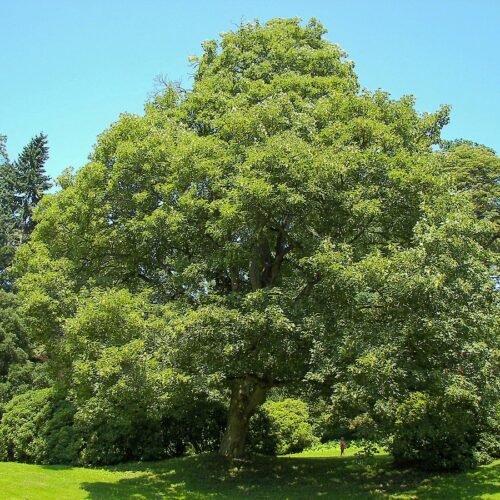
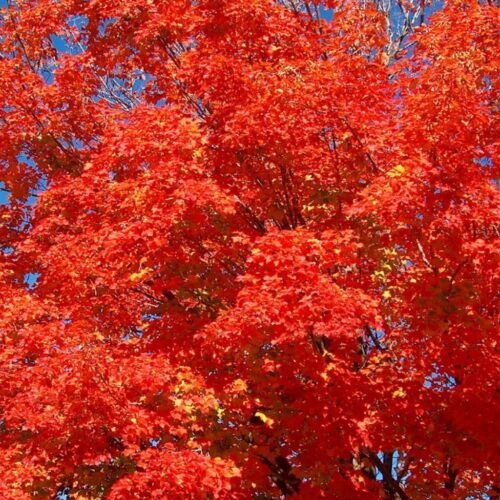


&media=https://food-foresting.com/wp-content/uploads/2025/12/acer-saccharum_NG5_fdf1d75c-d5ae-4e30-bfc9-df97e3aa0e23.jpg)