 paulius.mikoliunas1
| Common Name | Lesser Periwinkle, Flower of Death, English Holly, Creeping Myrtle, Creeping Vinca, Common Periwink |
| Family | Apocynaceae |
| USDA hardiness | 4-9 |
| Known Hazards |  Large quantities of the plant are poisonous. Large quantities of the plant are poisonous. |
| Habitats | Fields, woodland edges, copses and hedgerows. Ash and oak-hornbeam woods on better soils in central Europe. |
| Range | Europe, possibly also including Britain, from Denmark south and east to Spain and W. Asia. |
| Edibility Rating |  (0 of 5) (0 of 5) |
| Other Uses |   (3 of 5) (3 of 5) |
| Weed Potential | Yes |
| Medicinal Rating |   (3 of 5) (3 of 5) |
| Care (info) |       |


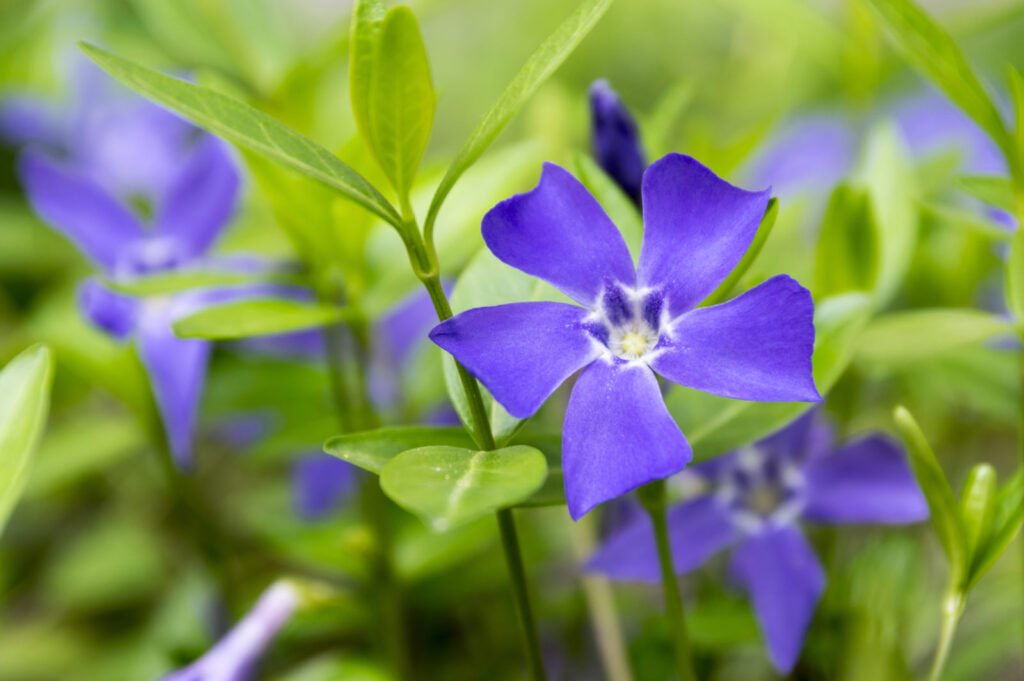
How to Grow, Propagate, Use & Harvest Lesser Periwinkle (Vinca minor): Complete Guide
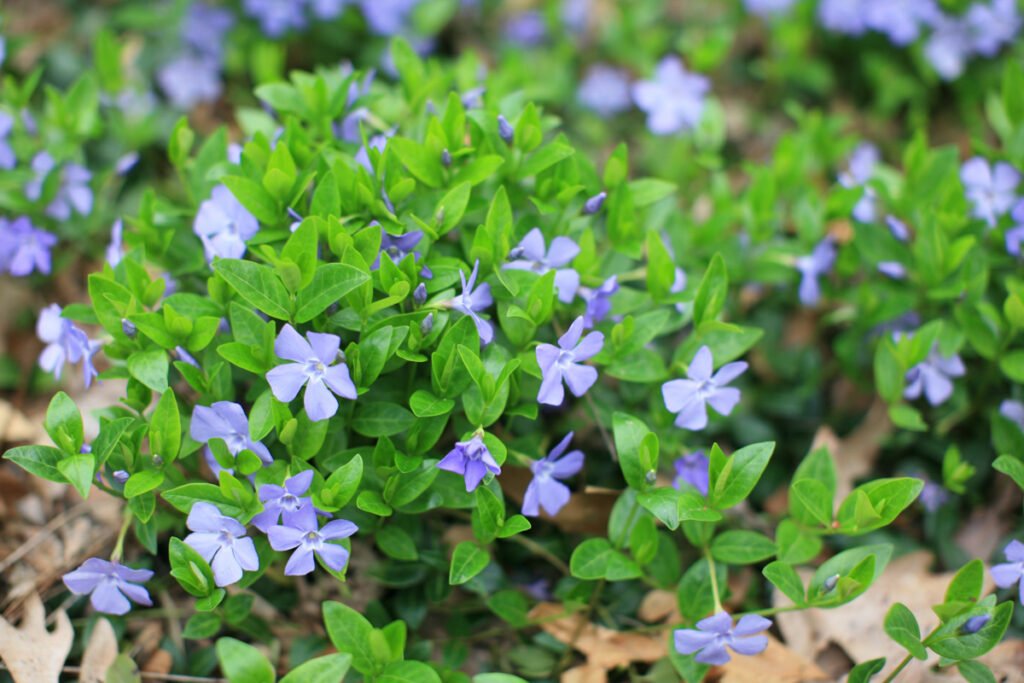
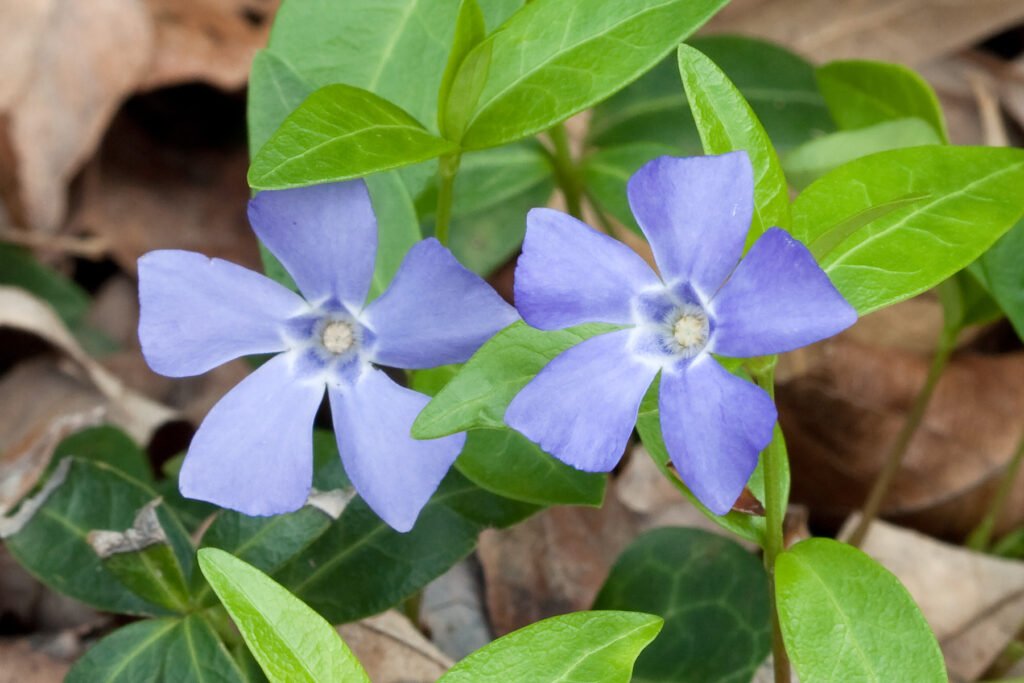
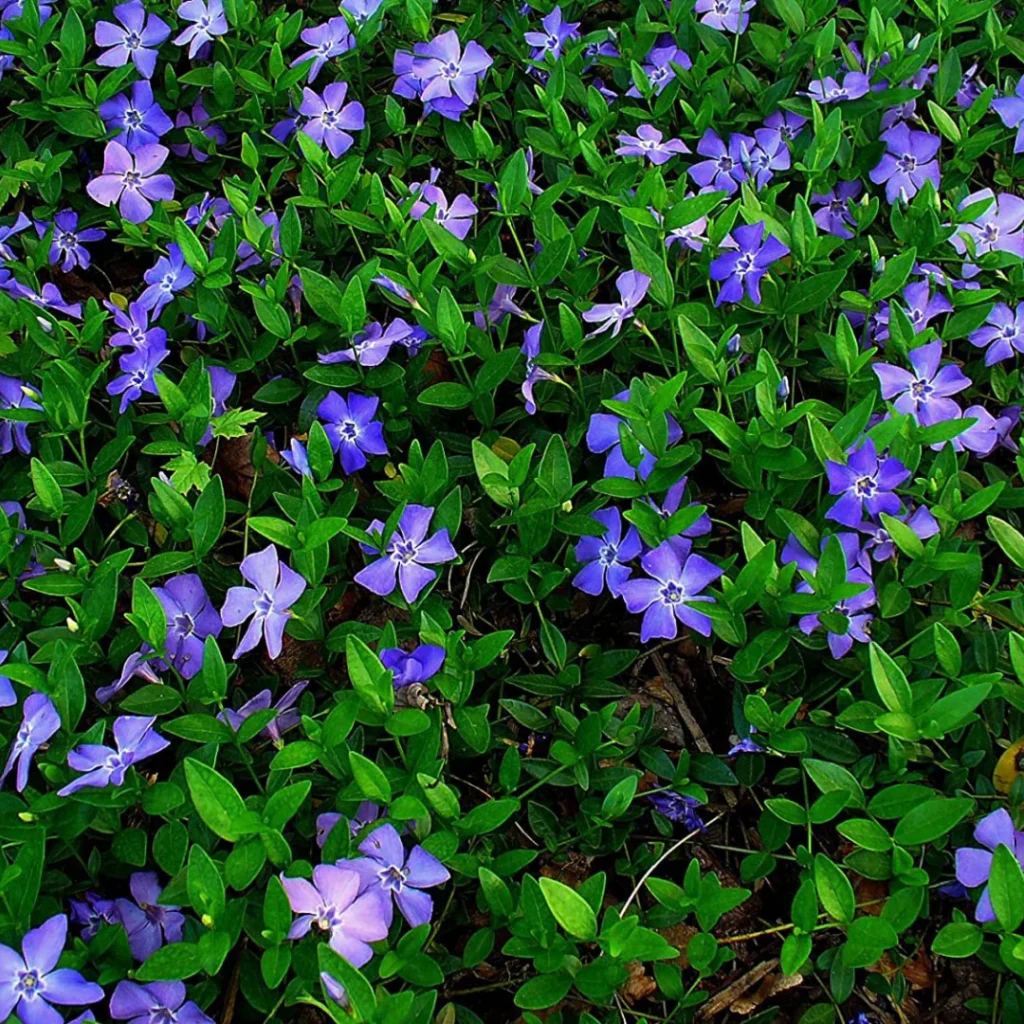
Lesser Periwinkle (Vinca minor) is a stunning evergreen groundcover known for its glossy foliage and charming violet-blue blooms. In gardens, it provides year-round texture, erosion control, and low-maintenance color. Though often used ornamentally, it also has a long history in herbal medicine and cultural symbolism.
Below is a deep dive into how to grow, propagate, harvest, and make use of Vinca minor—plus an overview of key varieties and culinary context.
🌿 What is Lesser Periwinkle?
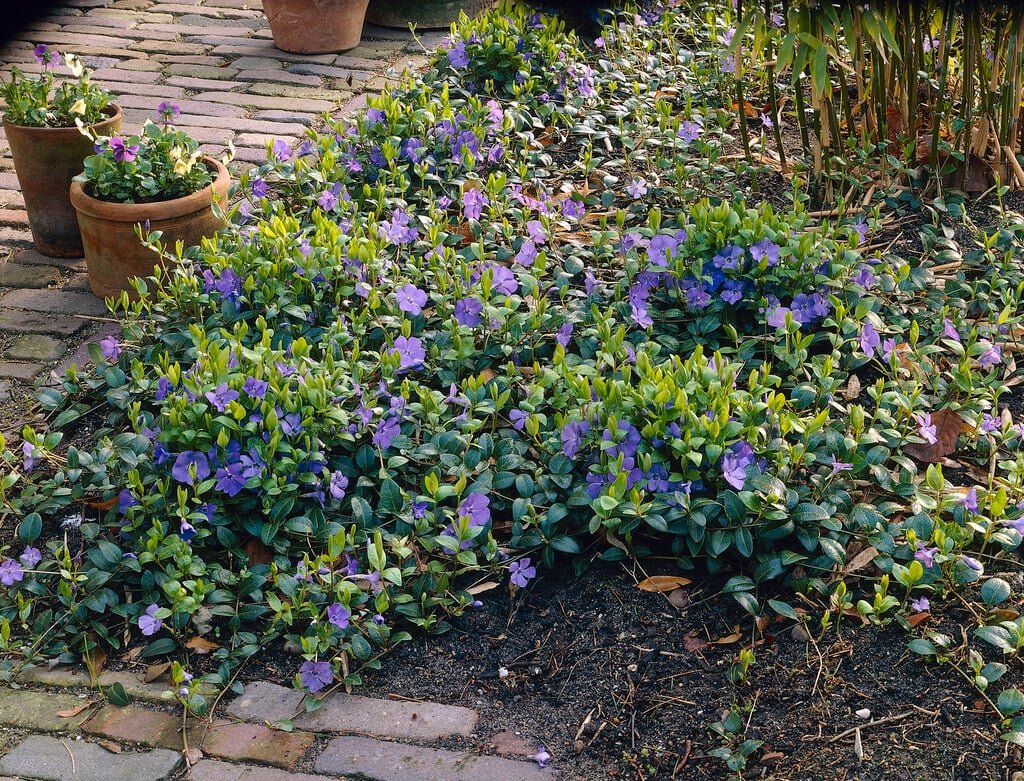
Lesser Periwinkle is a trailing evergreen perennial native to parts of Europe and Asia. It spreads through creeping stems and roots, typically staying 3–6 inches tall while covering large horizontal areas over time.
Key traits:
- Habit: groundcover / trailing
- Growth rate: moderate to fast
- Zones: typically hardy to USDA zones 4–9
- Light: shade to part sun (can tolerate full sun in cooler climates)
- Soil: prefers moist, well-drained, mildly acidic to neutral substrates
🌱 How to Grow Vinca minor (Growing Requirements)
1. Light
- Best: partial shade
- Acceptable: full shade or full sun (cool climates)
Too much sun in hot climates can cause leaf scorch.
2. Soil & pH
Vinca minor adapts to a wide range but thrives in:
- Humus-rich
- Slightly acidic (pH 6–7)
- Evenly moist but well-draining soil
3. Water
Once established, water needs drop significantly.
- Seedlings/young plants: keep consistently moist
- Mature plants: drought tolerant for short periods
4. Temperature
Tolerates winter cold down to zone 4, maintaining evergreen foliage even under snow cover.
5. Spacing
Space plants 12–18 inches apart to allow time for spreading without overcrowding.
6. Maintenance
Minimal. Occasional pruning prevents overrun or invasive creeping into borders.
🌱 Propagation Methods for Vinca minor
Lesser Periwinkle is easy to multiply. The top three propagation methods:
1. Division
- Easiest for gardeners
- Lift clumps in early spring or early fall
- Separate rooted stems and replant
2. Stem Cuttings
- Take 4–6 inch non-flowering shoots
- Strip lower leaves
- Root in moist substrate or water
- Rooting hormones speed up success
3. Layering
Because stems naturally root where they touch soil, simple layering works well.
- Pin down stems
- Cover nodes with soil
- Separate rooted plants after several weeks
🌼 Popular Varieties & Cultivars
Lesser Periwinkle has several ornamental forms:
• Vinca minor ‘Bowles’
- Vigorous spreader
- Rich blue flowers
- Excellent for heavy shade
• Vinca minor ‘Sterling Silver’
- Variegated foliage (cream margins)
- Adds brightness in dark garden corners
• Vinca minor ‘Alba’
- White flowers
- More delicate visual impact
• Vinca minor ‘Aureovariegata’
- Gold variegation
- Works well as a feature groundcover
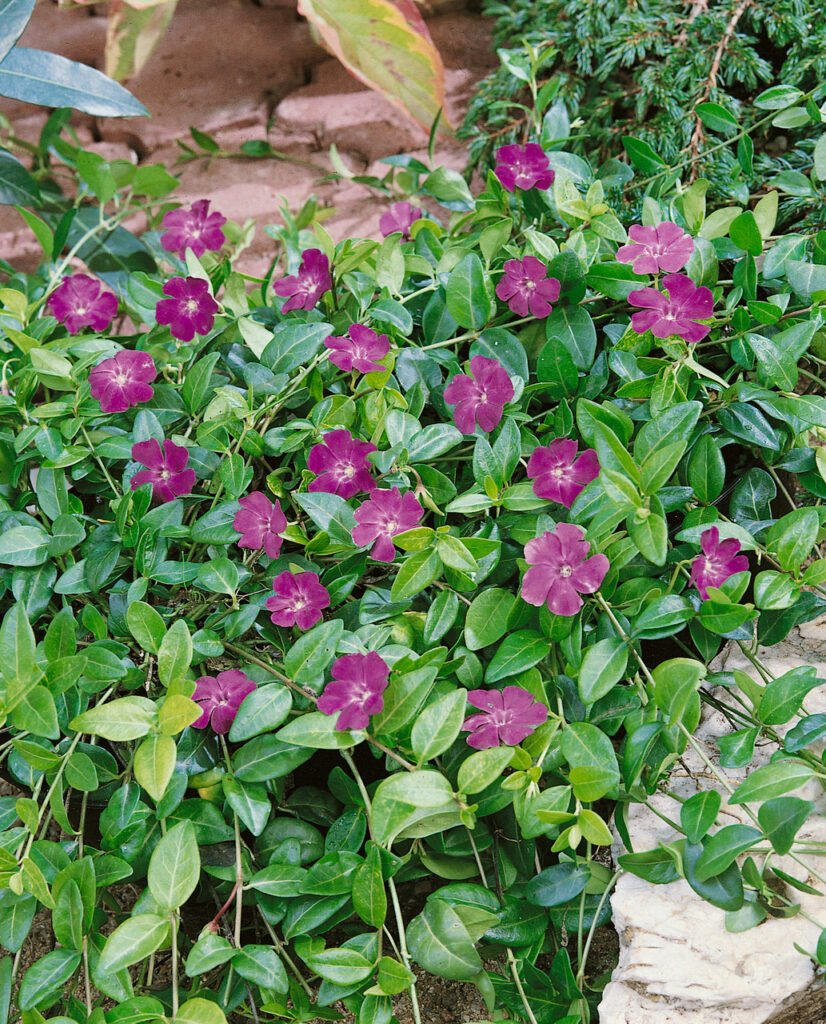
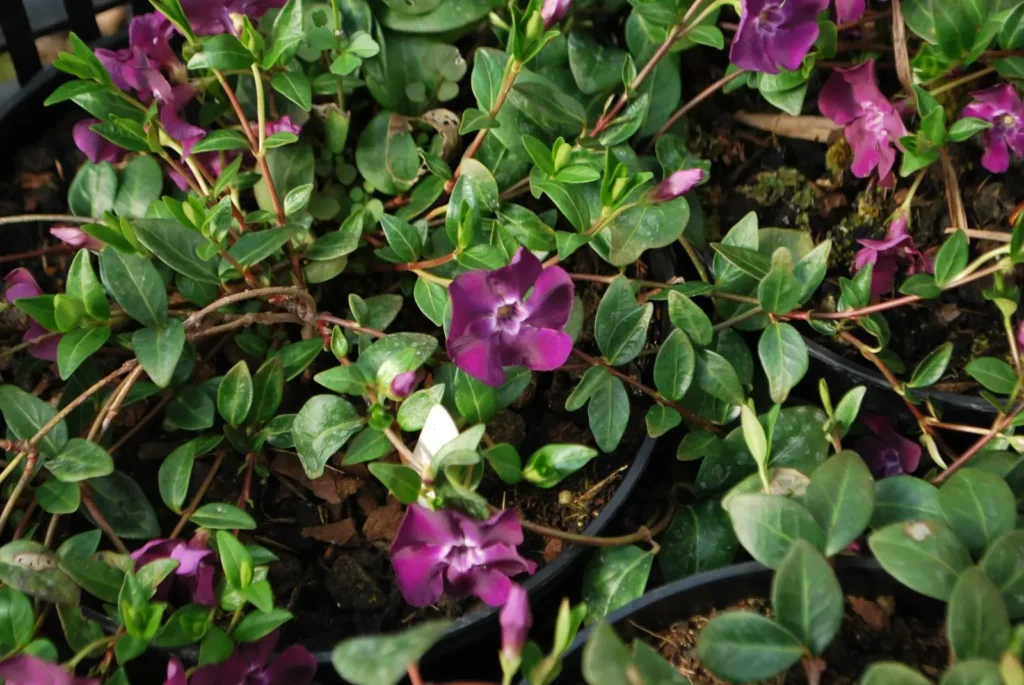
• Vinca minor ‘Atropurpurea’
- Purple-lilac blooms
- Unique flower depth for shade gardens
🍃 Usage & Benefits: Beyond Landscaping
Though best known for ornamental use, Vinca minor carries medicinal and cultural importance.
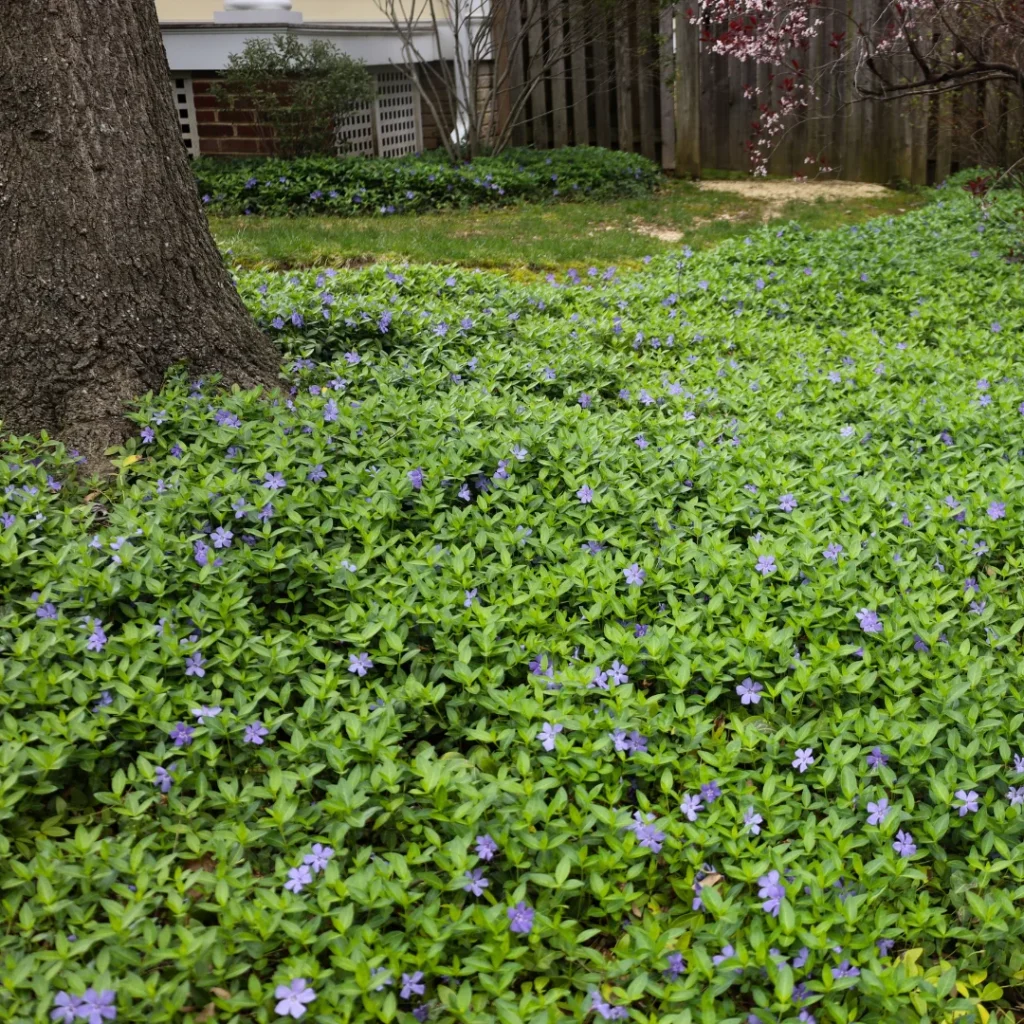
1. Landscaping Uses
- Shade groundcover
- Woodland gardens
- Erosion control on slopes
- Between shrubs
- Under trees where grass fails
- Cemetery/heritage plantings
2. Herbal & Medicinal Context
Historically, periwinkle was associated with:
- Circulatory health
- Anti-inflammatory herbal preparations
- Tinctures and teas
Note: While Vinca minor contains vincamine and related alkaloids, modern medicine uses isolated compounds under controlled conditions. Self-medicating with raw plant material is not recommended due to toxicity concerns.
3. Symbolic Meaning
In folklore and literature, periwinkle symbolizes:
- Immortality
- Purity
- Everlasting love
- Memory
🍽 Food & Edible Considerations
Is Lesser Periwinkle edible?
No — Vinca minor is not considered edible and should not be consumed as food. The plant contains bioactive alkaloids that can be toxic when ingested in raw form.
While some herbs have culinary crossover, periwinkle is strictly ornamental/medicinal and should not be used in recipes or food preparations.
For aesthetics, dried flowers may be used as non-edible plate decor or in herbal blends (not for ingestion).
✂️ Harvesting Vinca minor
Harvesting depends on intended use:
1. For Herbal/Decorative Use
- Cut stems mid-morning after dew dries
- Use scissors or shears to prevent tearing
- Avoid harvesting during peak heat
2. For Transplant/Propagation
Harvest rooted shoots in:
- Early spring or
- Early fall
3. For Maintenance
Annual or biannual light shearing:
- Controls spread
- Encourages tidier growth habit
❗ Is Vinca minor Invasive?
In some regions, Lesser Periwinkle is classified as invasive due to:
- rapid spread
- ability to outcompete native understory plants
To garden responsibly:
- Contain with borders
- Avoid unmanaged woodland dumping
- Dispose of cuttings securely
🌳 Pests & Diseases
Generally resistant, but may encounter:
- Snails & slugs
- Stem blight
- Leaf spot (humidity-heavy environments)
Good airflow and moderate watering help prevent issues.
🧩 Companion Planting
Pairs well with:
- Hosta
- Ferns
- Heuchera
- Epimedium
- Pulmonaria
- Shade-loving bulbs
These companions create layered woodland textures and seasonal interest.
🌿 Final Thoughts
Lesser Periwinkle is a timeless, enduring groundcover offering:
✔ evergreen foliage
✔ low maintenance
✔ soil stabilization
✔ shade adaptability
While not edible, it carries ornamental, medicinal, and cultural value and remains an iconic choice for shade gardens and historic landscapes.


&media=https://food-foresting.com/wp-content/uploads/2026/01/725384001305.jpg)