
 paulius.mikoliunas1
| Common Name | Sage, Kitchen sage, Small Leaf Sage, Garden Sage |
| Family | Lamiaceae or Labiatae |
| USDA hardiness | 5-10 |
| Known Hazards |  The plant can be toxic when used in excess or when taken for extended periods symptoms include: restlessness, vomiting, vertigo, tremors, seizures. Contraindicated during pregnancy. Avoid if predisposed to convulsions. The plant can be toxic when used in excess or when taken for extended periods symptoms include: restlessness, vomiting, vertigo, tremors, seizures. Contraindicated during pregnancy. Avoid if predisposed to convulsions. |
| Habitats | Dry banks and stony places, usually in limestone areas and often where there is very little soil. |
| Range | S. Europe. |
| Edibility Rating |   (4 of 5) (4 of 5) |
| Other Uses |  (5 of 5) (5 of 5) |
| Weed Potential | No |
| Medicinal Rating |  (5 of 5) (5 of 5) |
| Care (info) |     |
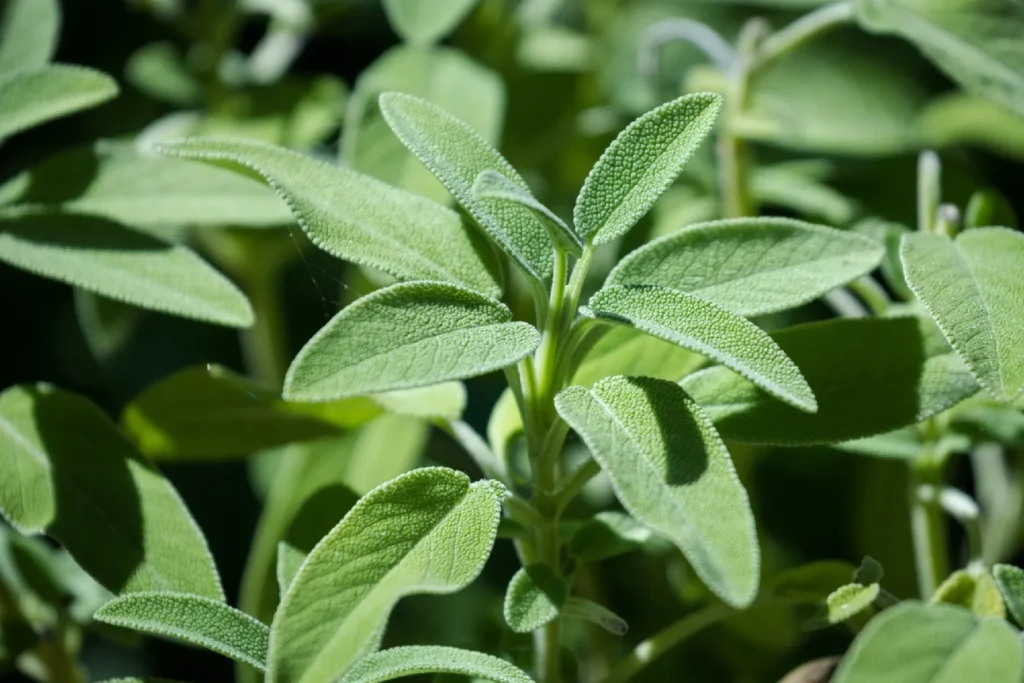
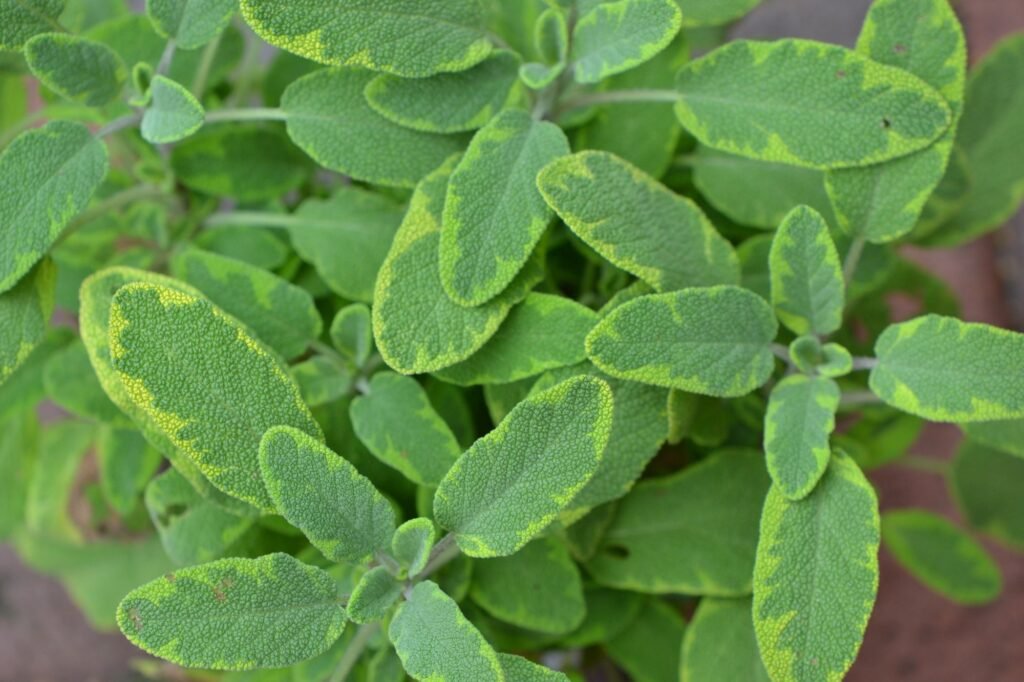
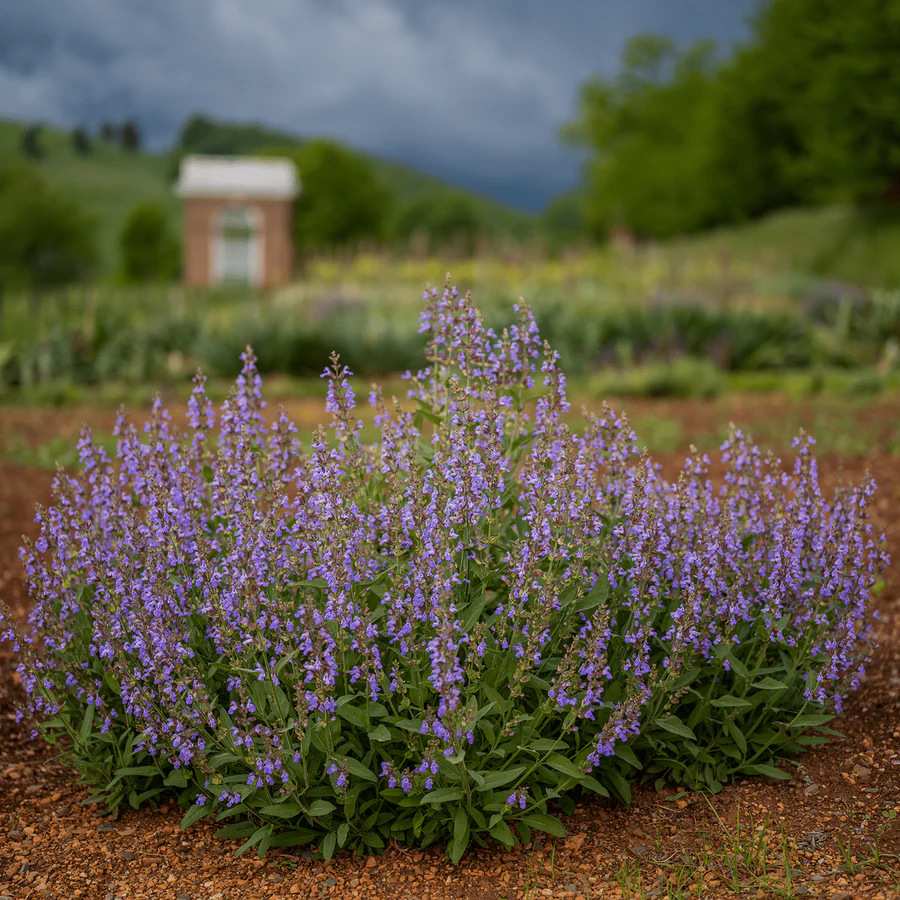

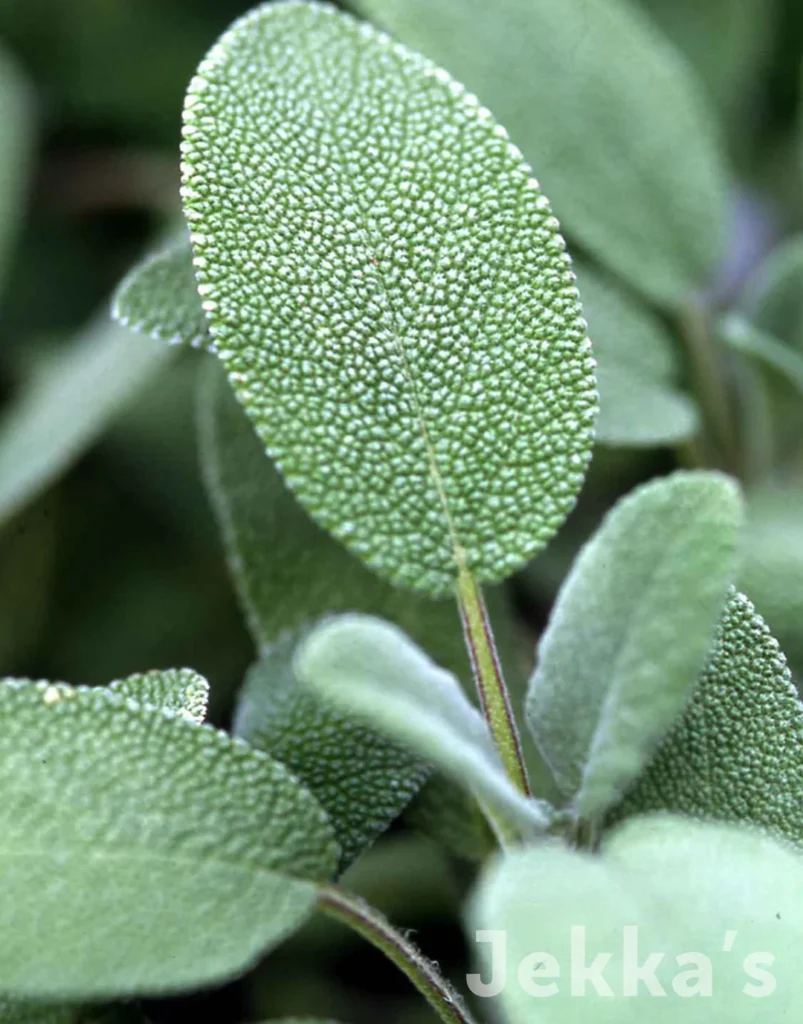

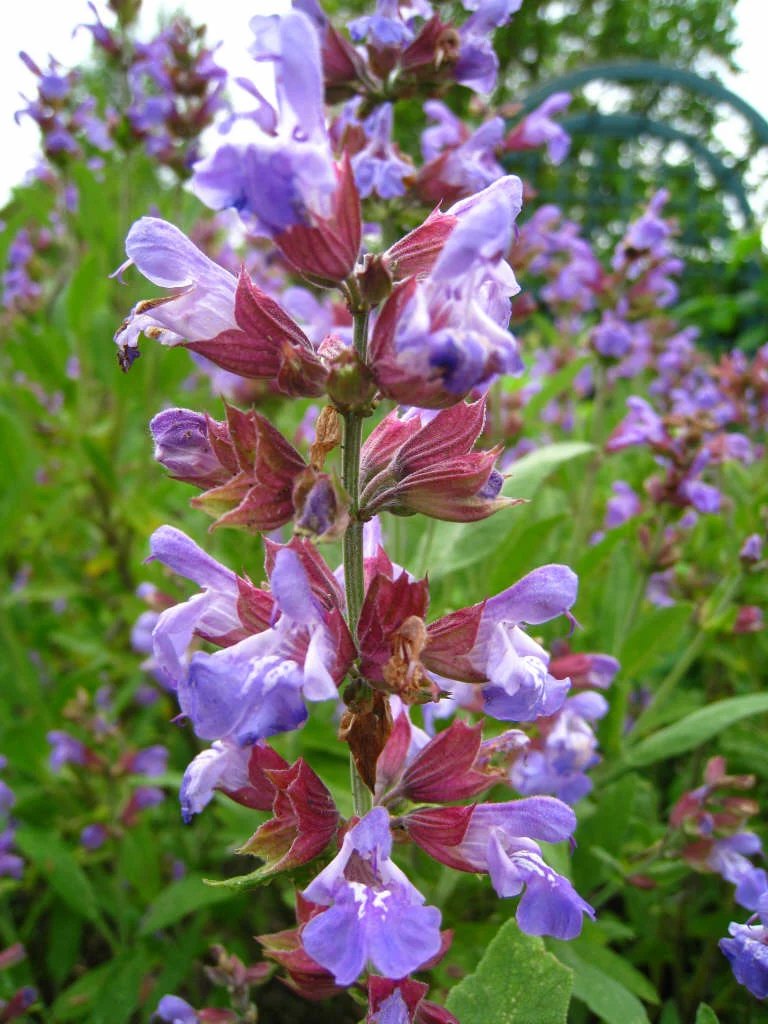
🌿 How to Grow, Propagate, Use, and Harvest Sage (Salvia officinalis): A Complete Guide
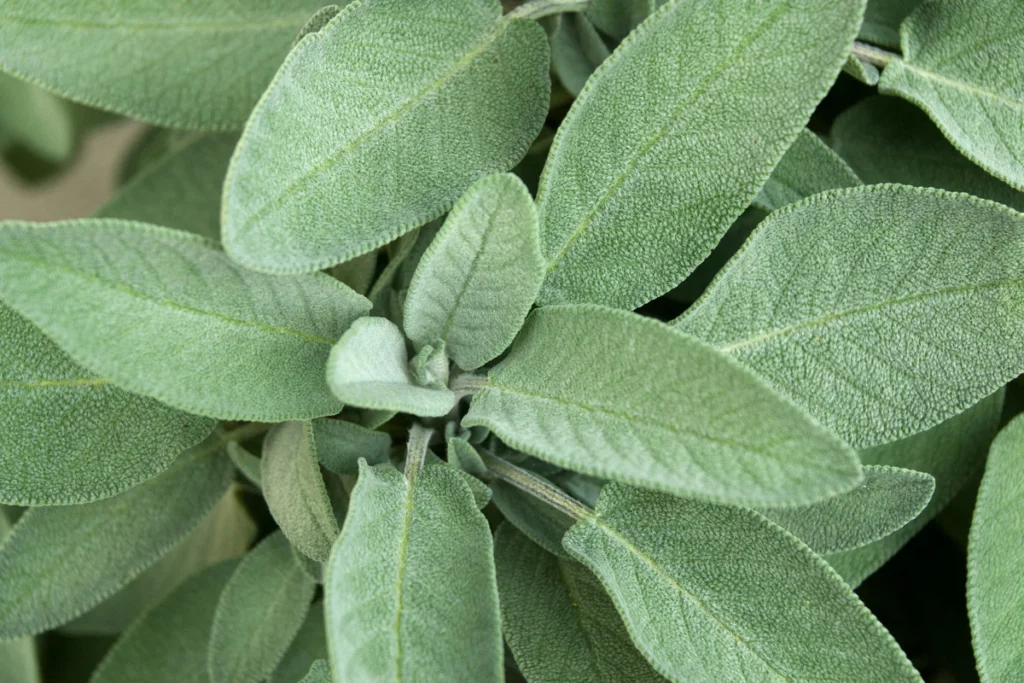
Sage (Salvia officinalis) is a hardy perennial herb beloved for its gray-green leaves, woodsy fragrance, and unmistakable flavor. Beyond its culinary talent, sage has a long history in traditional medicine, ornamental gardening, and aromatherapy. Whether you’re a home gardener or just starting out with herbs, sage is one of the most rewarding plants to grow.
In this comprehensive guide, discover how to grow, propagate, and care for sage, explore delicious ways to use it in the kitchen, and learn the best practices for harvesting and storing it.
🌱 What Makes Sage So Special?
Sage is prized for:
- Hardiness — thrives in poor soils and hot, dry locations
- Drought tolerance — once established, it needs minimal watering
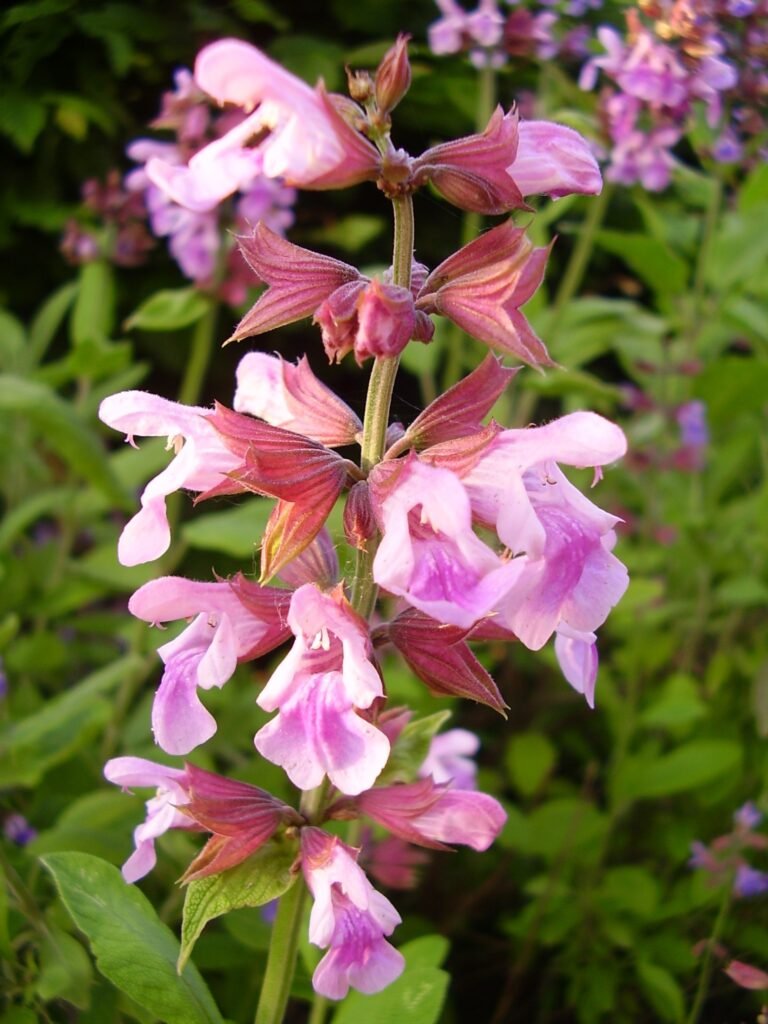
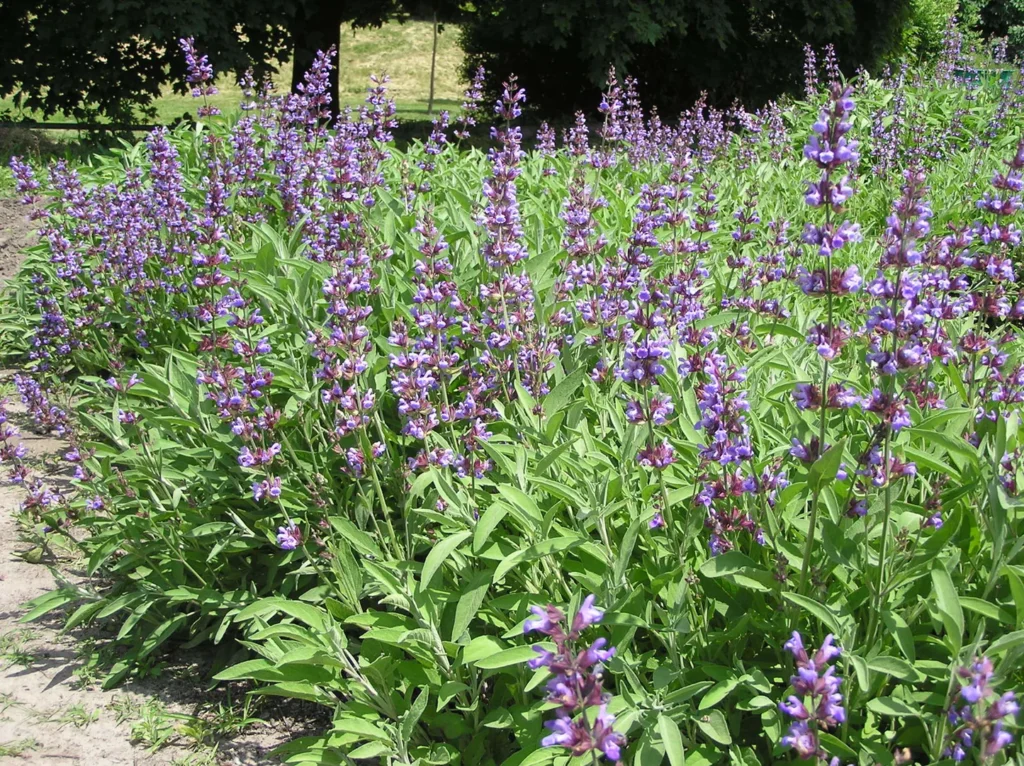
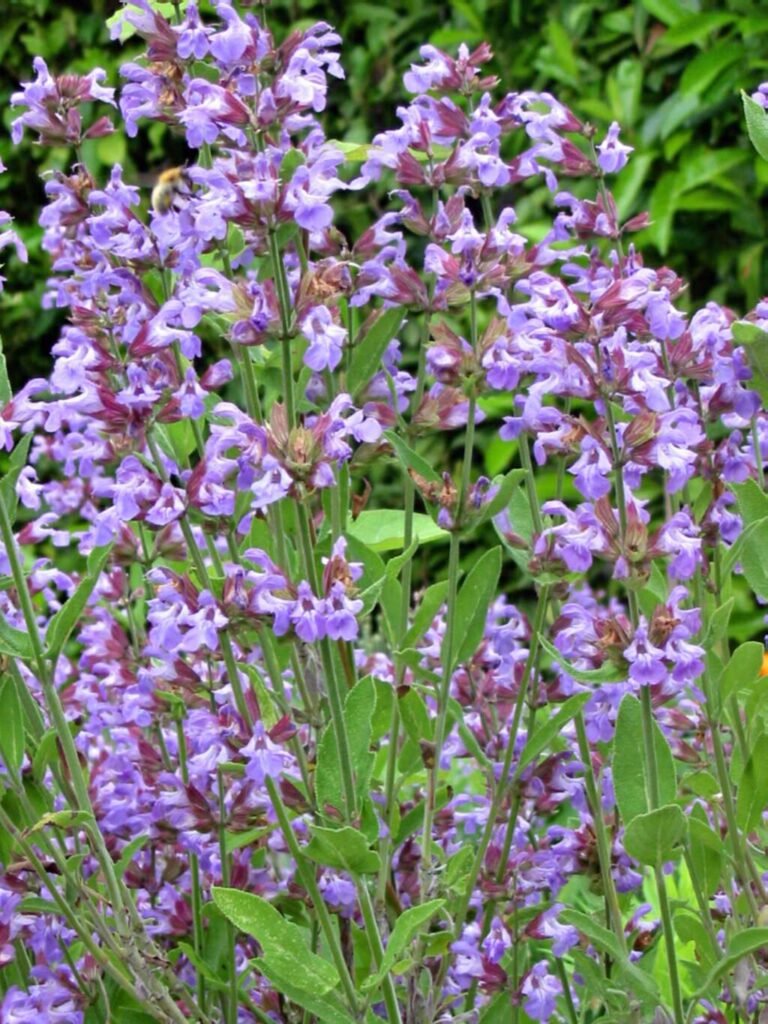
- Pollinator attraction — bees love its summer blooms
- Versatility — culinary, medicinal, ornamental, and aromatic uses
- Perennial productivity — can last 3–5 years before woody renewal is needed
🪴 Growing Sage: Conditions & Care
Soil Requirements
- Prefers well-drained, sandy or loamy soil
- Slightly alkaline to neutral pH (6.5–7.0)
- Avoid heavy, water-retentive soils
Sunlight & Temperature
- Requires full sun (6+ hours)
- Hardy in USDA zones 4–9
- Warm, dry summers encourage intense flavor
Watering
- Water deeply but infrequently
- Allow soil to dry between waterings
- Overwatering increases susceptibility to root rot
Fertilizing
- Minimal feeding required
- Too much nitrogen = weak flavor + leggy growth
- Compost or light organic feed in spring is enough
Pruning & Maintenance
- Pinch new tips in spring for fullness
- Remove woody stems every 2–3 years
- Deadhead flowers to encourage leaf production
🌿 Propagation Methods: Seeds, Cuttings & Division
Sage is easy to propagate. The best techniques depend on your timeline and desired plant vigor.
1. Growing Sage from Seed
- Sow indoors 6–8 weeks before last frost
- Germination takes 2–3 weeks
- Transplant once frost danger passes
Good for quantity, but slower to maturity.
2. Propagating from Cuttings (Best Method)
- Take 3–4 inch softwood tips in spring or early summer
- Strip lower leaves and root in moist substrate
- Ready for transplant in 6–8 weeks
Cuttings maintain varietal traits and mature quickly.
3. Root Division
- Divide older plants in spring
- Best for rejuvenation and productivity
- Choose plants under 4 years old
🌸 Varieties of Sage (Salvia officinalis & Relatives)
Sage has many cultivars offering unique colors and growth habits:
Culinary Varieties
- Common Sage — classic, intensely flavorful
- Berggarten Sage — large, rounded leaves; high oil content
- Holt’s Mammoth — vigorous and productive
Ornamental Varieties
- Purple Sage — purple-tinged foliage and spicy aroma
- Tricolor Sage — variegated leaves with cream and rose
- Golden Sage — vibrant yellow-green leaves for landscape contrast
Related Salvias
While not all culinary, many bring stunning blooms and pollinator activity, widening sage’s impact in the garden.
🍽 Culinary Uses: How to Cook with Sage
Sage’s earthy, savory, slightly peppery character pairs beautifully with:
- Poultry and turkey dishes
- Pork, sausage, and charcuterie
- Squash and root vegetables
- Beans and lentils
- Bread, biscuits, and stuffing
- Brown butter sauces
Flavor Pairings
Sage complements:
butter • lemon • garlic • thyme • rosemary • nutmeg • mushrooms • apples
🥣 Food Ideas & Recipe Inspiration
While traditional holiday stuffing is iconic, sage shines in many everyday dishes:
- Sage brown butter over gnocchi or ravioli
- Roast chicken with sage and lemon
- Wild mushroom risotto with crispy sage
- Butternut squash soup with fried sage garnish
- Sage-infused biscuits or focaccia
- White beans with sage and olive oil
- Homemade breakfast sausage seasoning
Sage can also be used sparingly in teas, infused oils, and compound butters.
🌾 Medicinal & Practical Uses
Historically used for its antibacterial and digestive properties, sage is often incorporated into:
- Herbal teas
- Tinctures
- Aromatherapy blends
- Potpourri and smudging sticks
- Natural mouth rinses
- Skincare salves and balms
Modern scientific interest focuses on sage’s antioxidant and anti-inflammatory compounds.
✂️ Harvesting Sage
When to Harvest
- Harvest once plants reach 6–8 inches tall
- Optimal flavor before flowering
- Best picked in the morning after dew evaporates
How to Harvest
- Snip young leaves or tender stems
- Avoid removing more than 1/3 of the plant at a time
- Regular harvesting encourages fuller growth
🧺 Drying & Storage
Drying Methods
Sage dries exceptionally well:
- Air-dry in bundles
- Dehydrate at low temperature
- Oven dry on sheet at 100–120°F (low and slow)
Dried sage retains strong flavor for months due to its natural oils.
Storage Tips
- Store in airtight containers away from heat and light
- Fresh leaves can also be frozen in oil or whole
🌻 Final Thoughts: Why Sage Belongs in Every Garden
Sage is an ideal herb for both beginners and seasoned growers. It’s low maintenance, drought-resistant, flavorful, and visually appealing — a perfect blend of culinary utility and ornamental charm.
If you’re looking for an herb that rewards you for years with fragrance, flavor, and pollinator activity, Salvia officinalis deserves a permanent space in your garden beds or containers.


&media=https://food-foresting.com/wp-content/uploads/2026/01/salviashrub.webp)