
 paulius.mikoliunas1
| Common Name | Darwin’s Barberry, Darwin’s berberis |
| Family | Berberidaceae |
| USDA hardiness | 7-9 |
| Known Hazards | None known |
| Habitats | Moist shady woodland in the Patagonian mountains. |
| Range | S. America – S. Argentina, S. Chile. |
| Edibility Rating |   (4 of 5) (4 of 5) |
| Other Uses |   (3 of 5) (3 of 5) |
| Weed Potential | No |
| Medicinal Rating |   (2 of 5) (2 of 5) |
| Care (info) |     |

Growing & Using Darwin’s Barberry (Berberis darwinii): Cultivation, Varieties, Uses, and Harvest Guide
Darwin’s Barberry — scientifically known as Berberis darwinii — is an evergreen shrub native to South America and honored for its attractive foliage, edible berries, wildlife benefits, and resilience. For home gardeners, foragers, and permaculture enthusiasts, this shrub offers ornamental interest and surprising culinary potential.
In this guide, we’ll explore how to grow Darwin’s Barberry successfully, how to propagate it, notable varieties, and tips for harvesting and using its berries in the kitchen.
Plant Overview
- Botanical Name: Berberis darwinii
- Common Names: Darwin’s Barberry, Calafate Barberry
- Plant Type: Evergreen shrub
- Family: Berberidaceae
- Hardiness Zones: Approx. USDA 7–9 (varies by region)
- Height/Spread: Commonly 1.5–3m tall (5–10 ft)
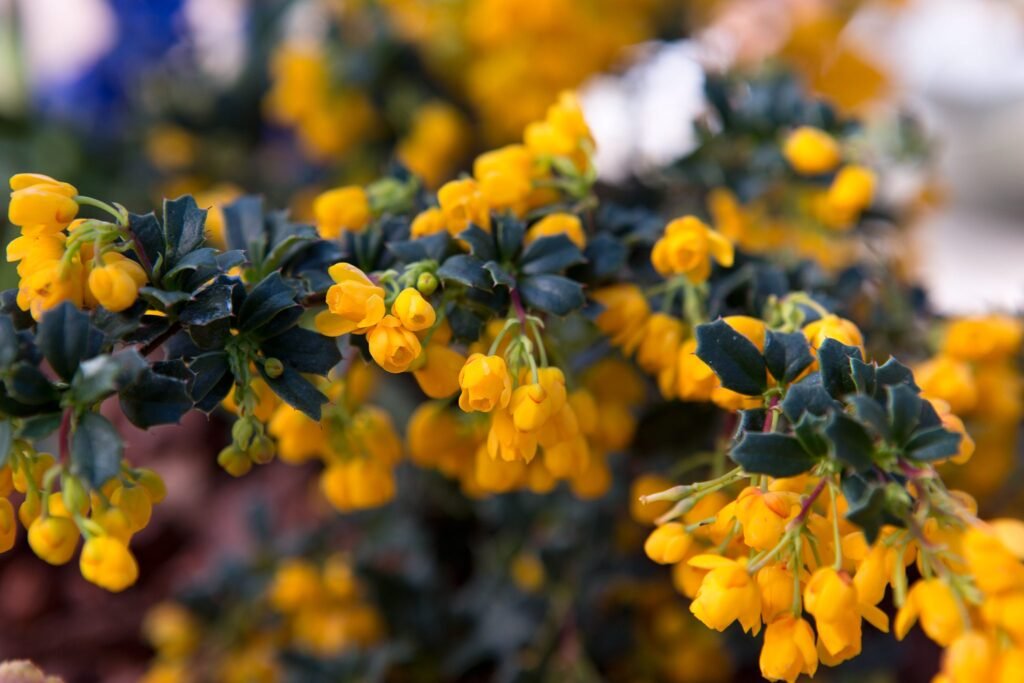
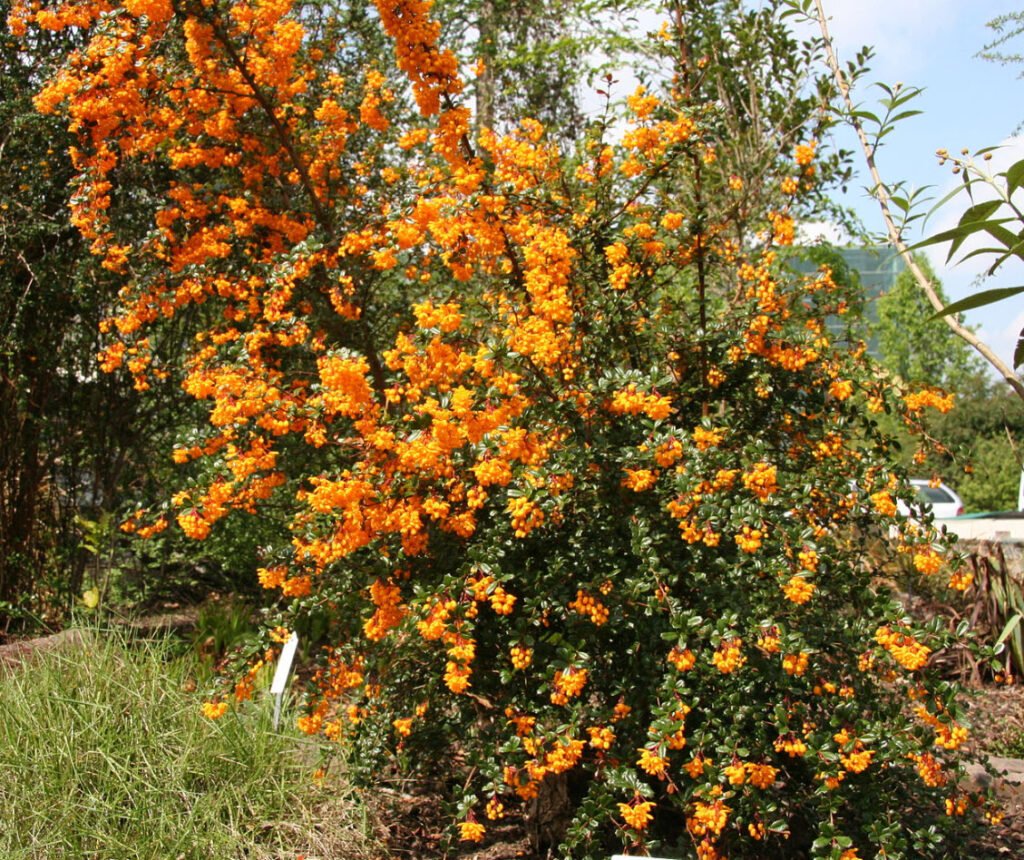
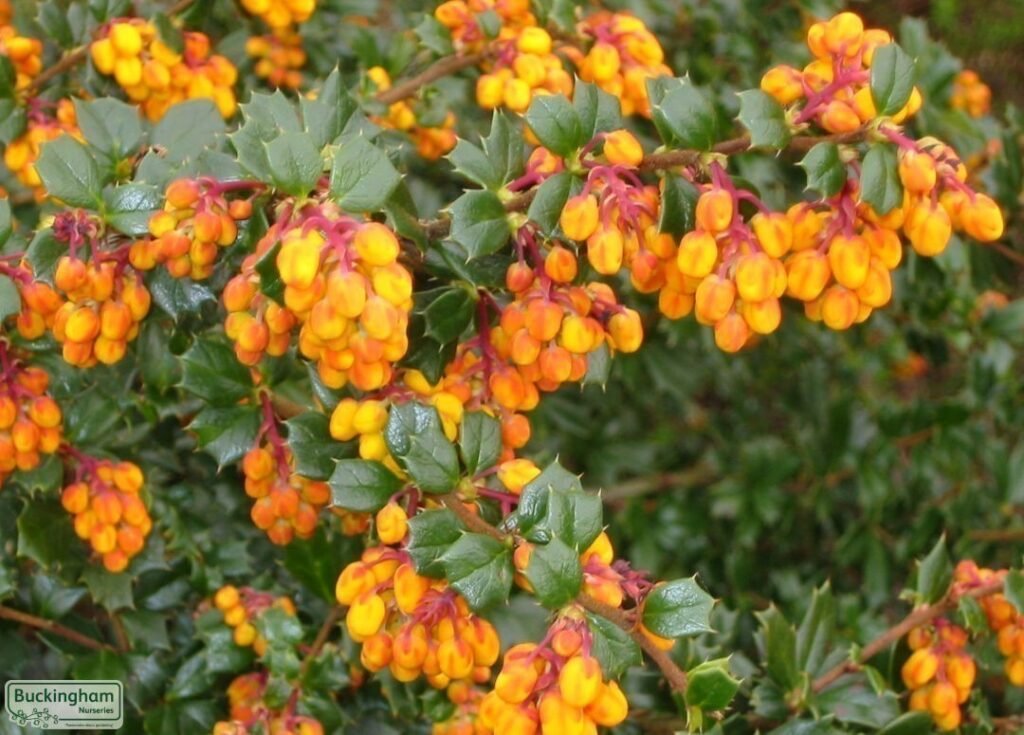
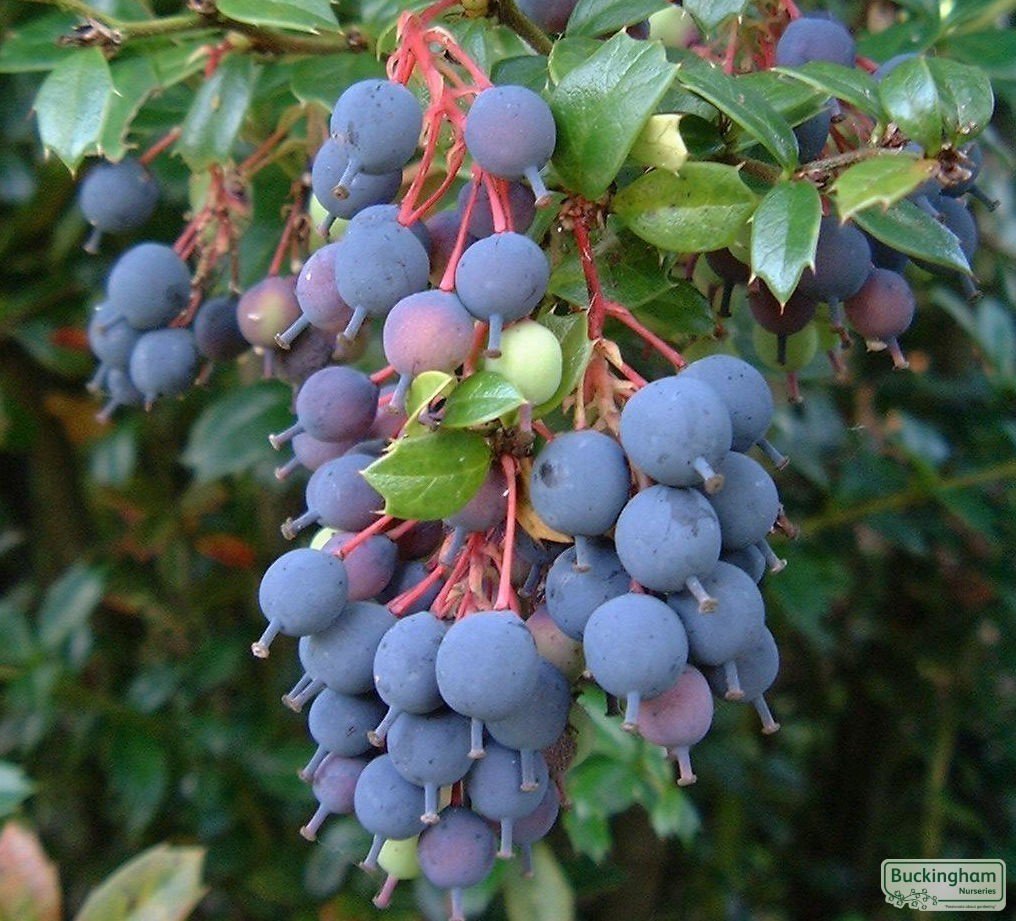
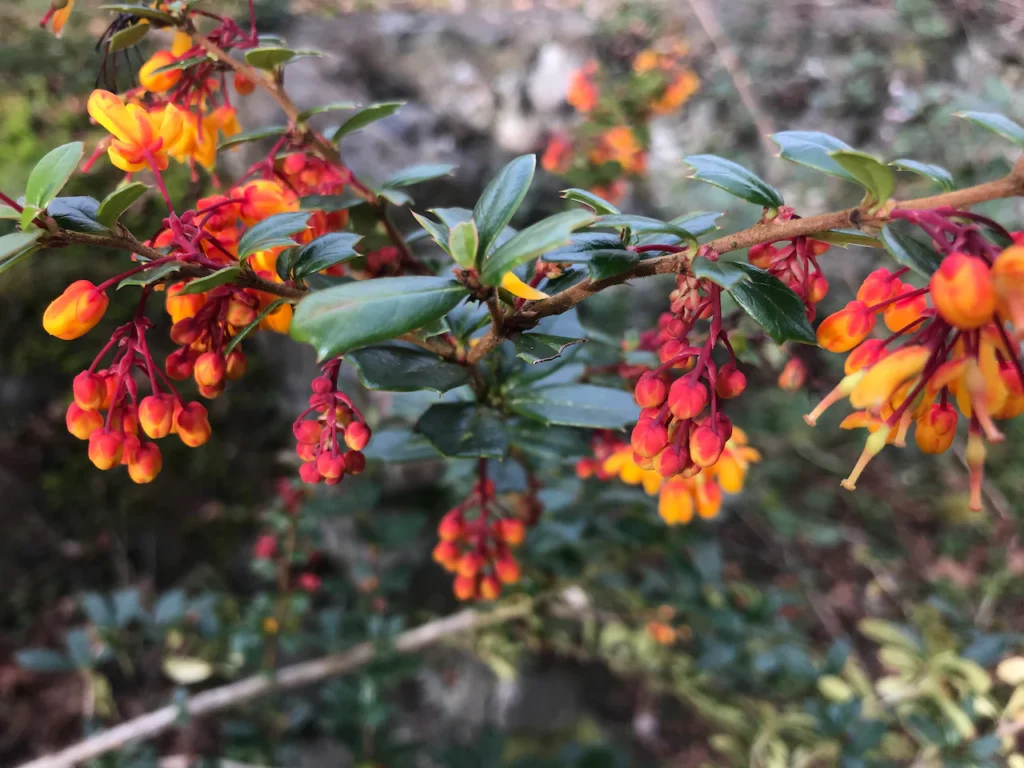
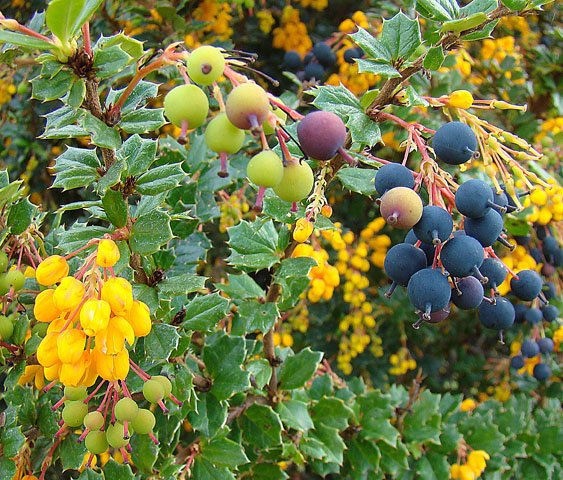
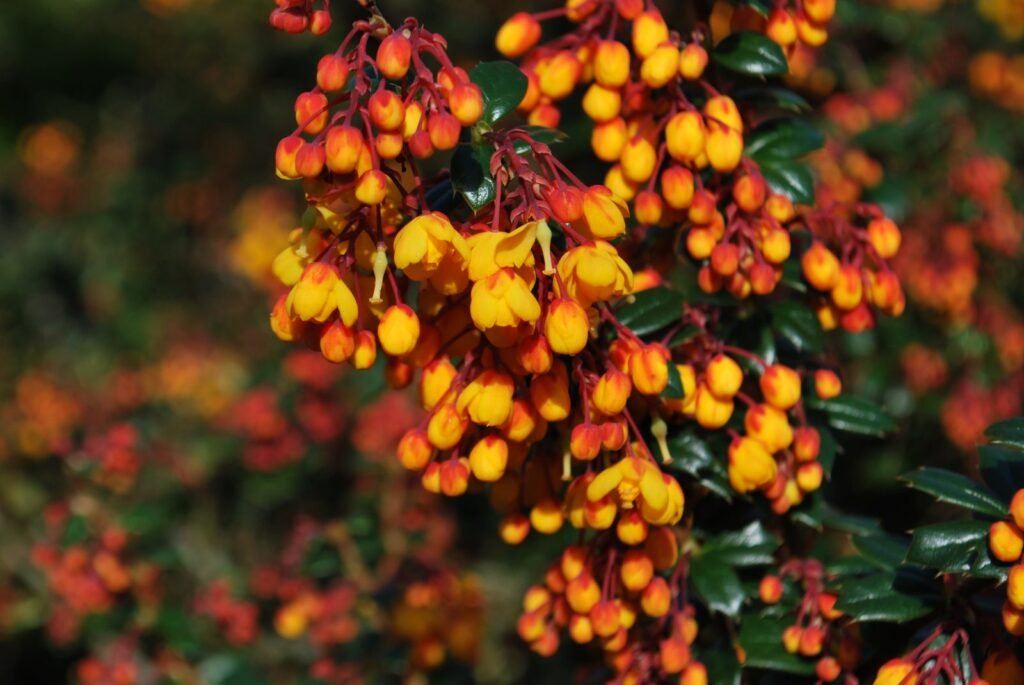
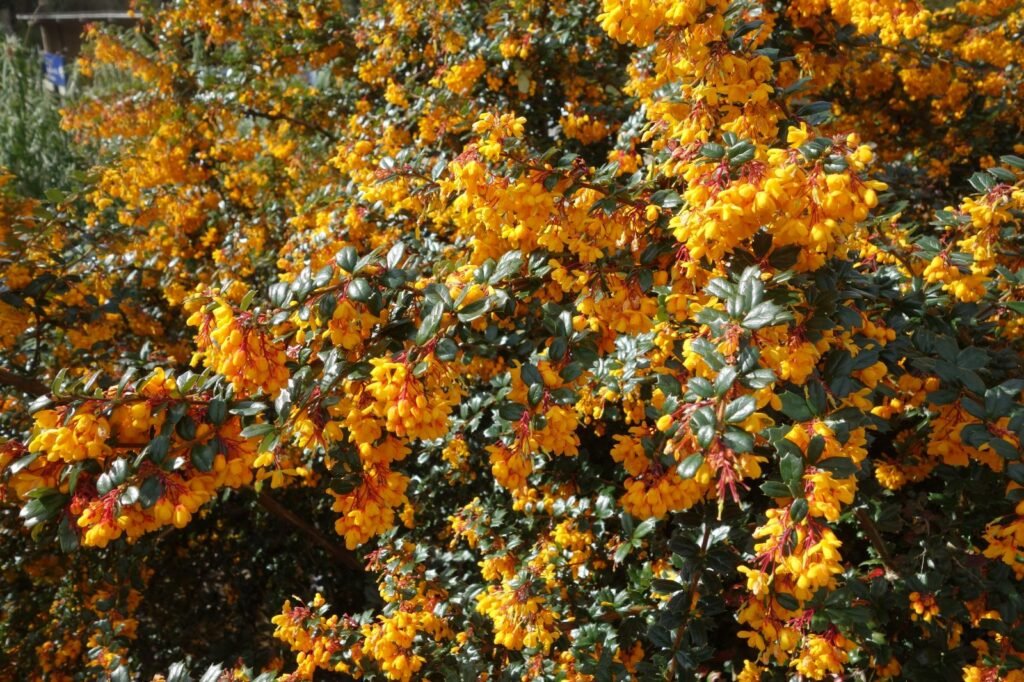
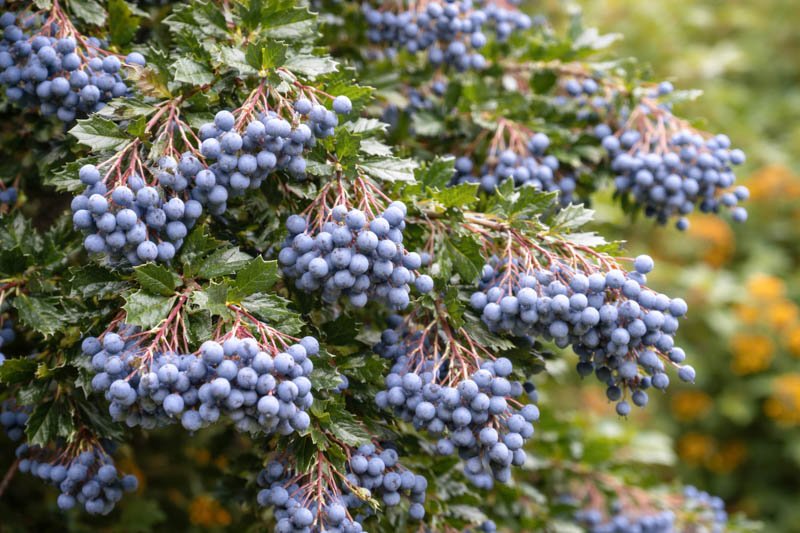
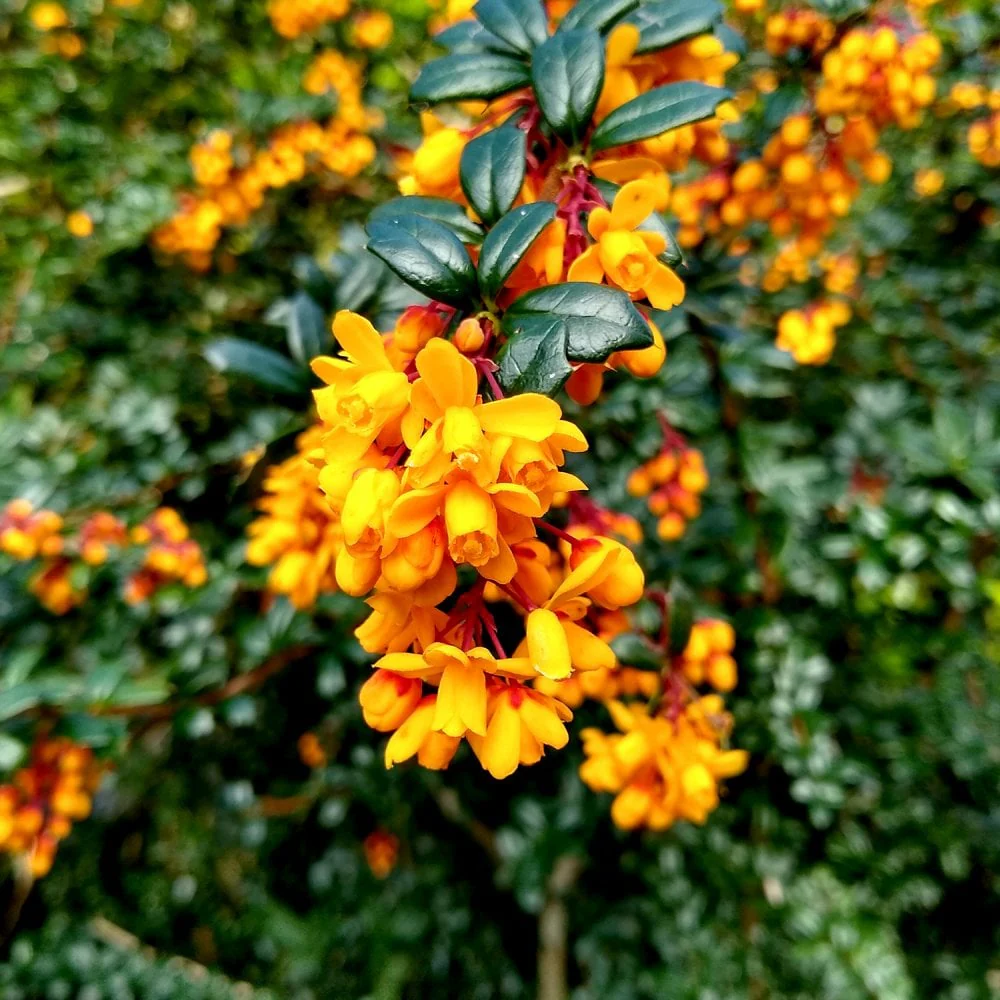
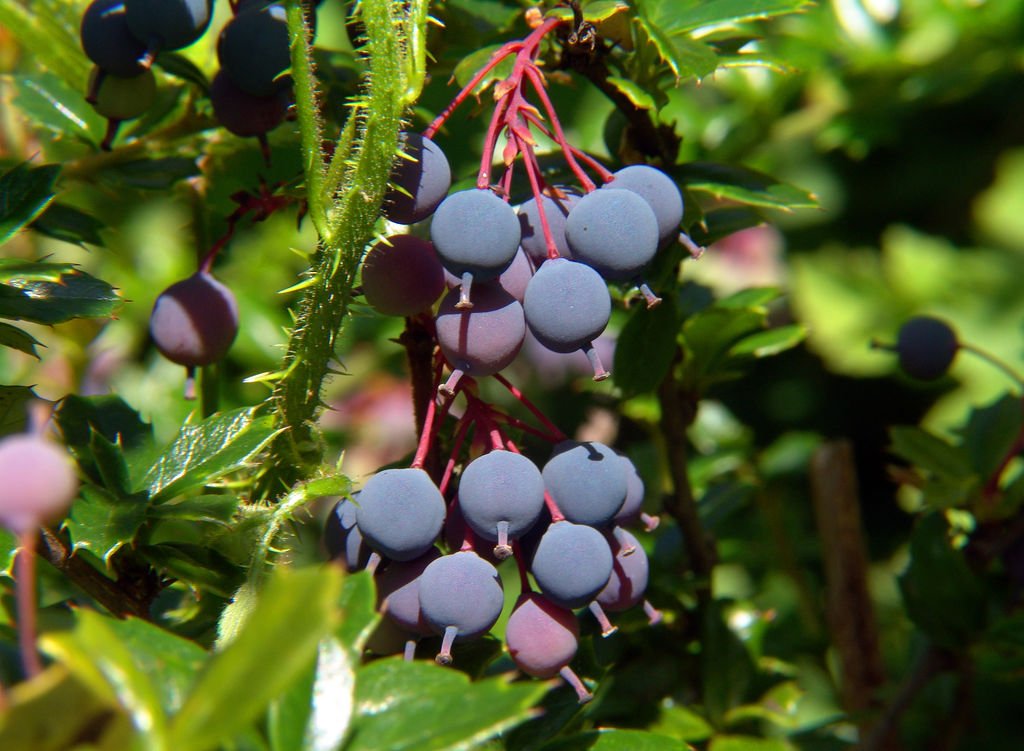
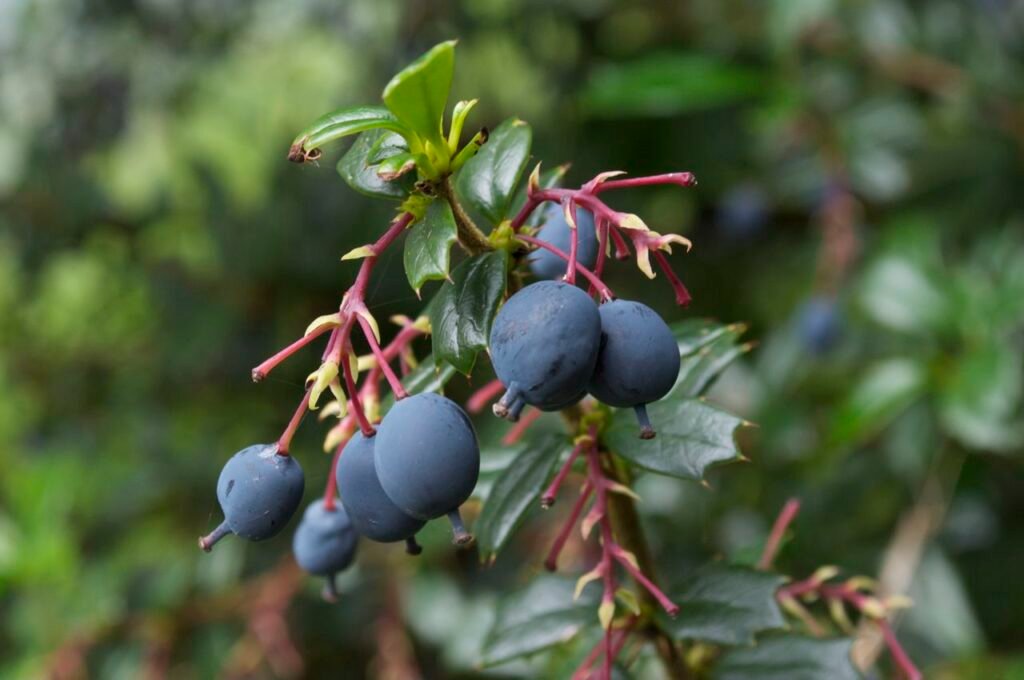
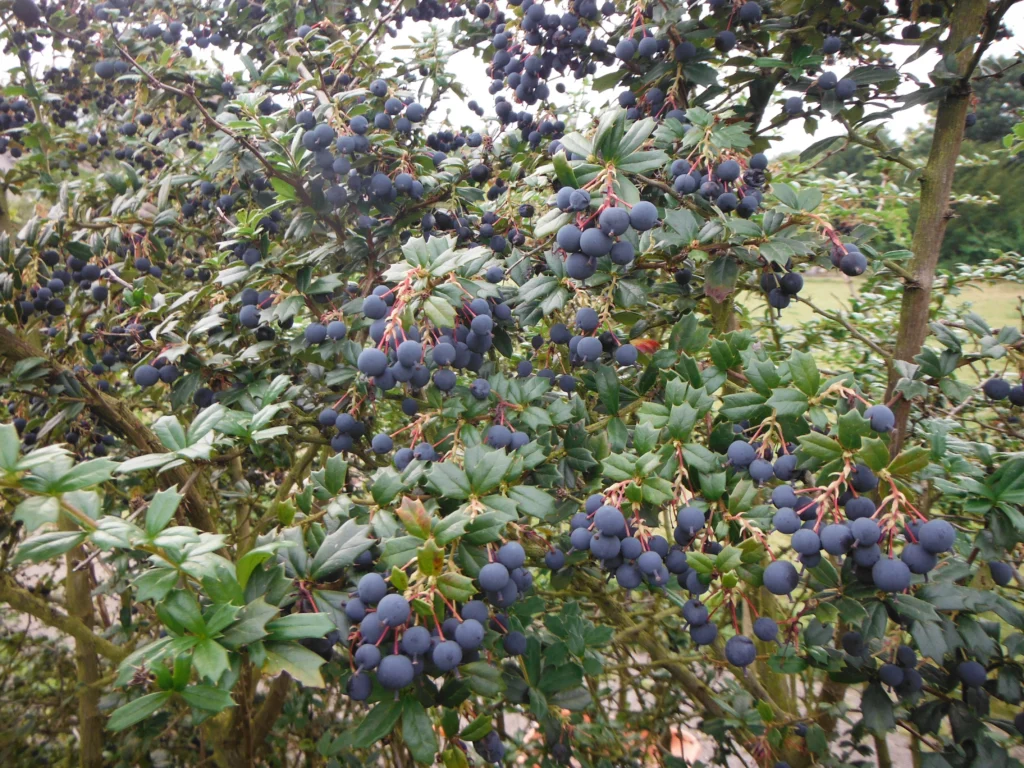
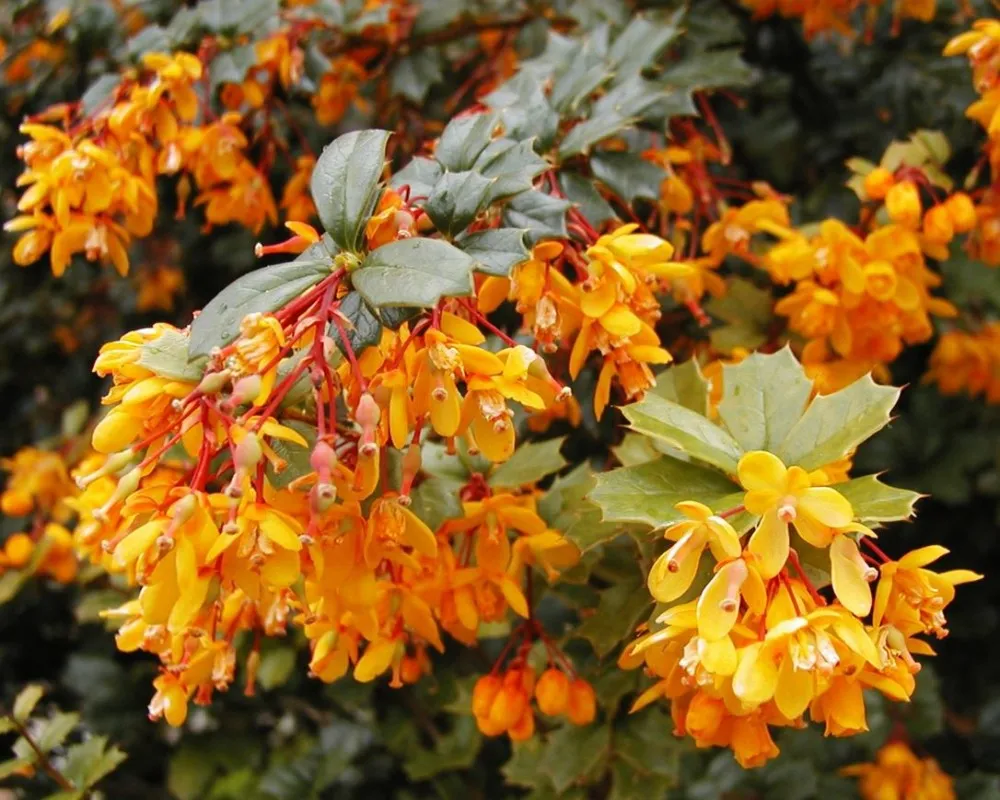
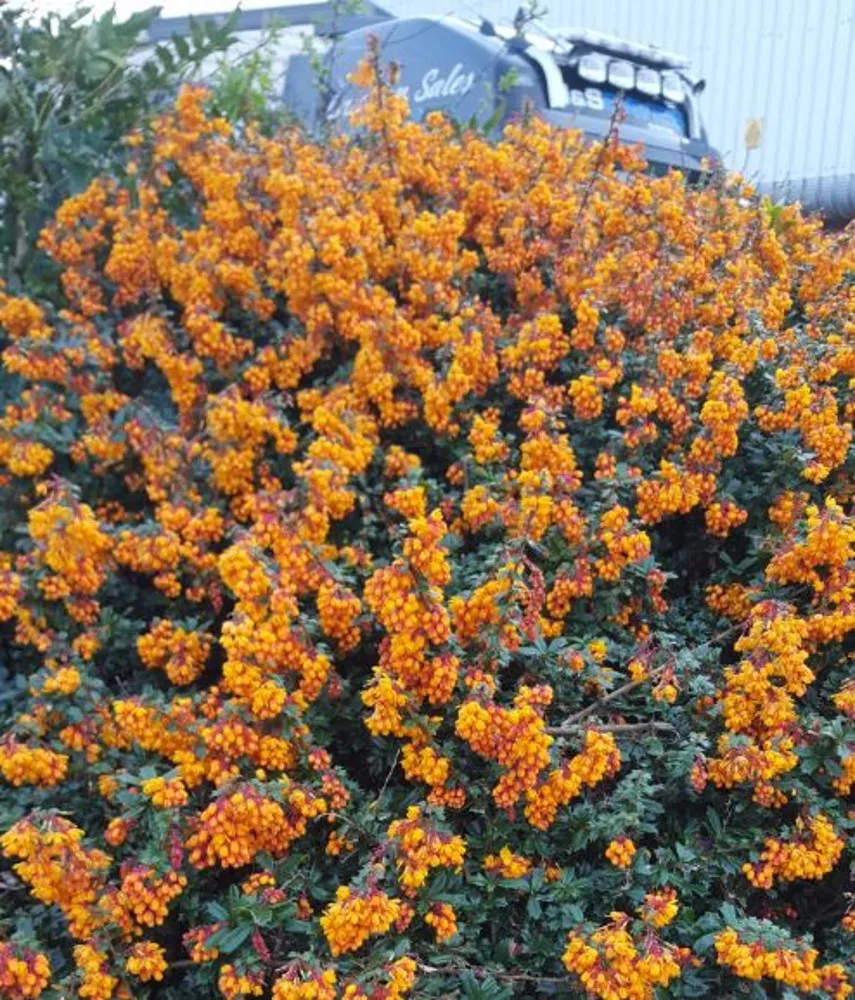
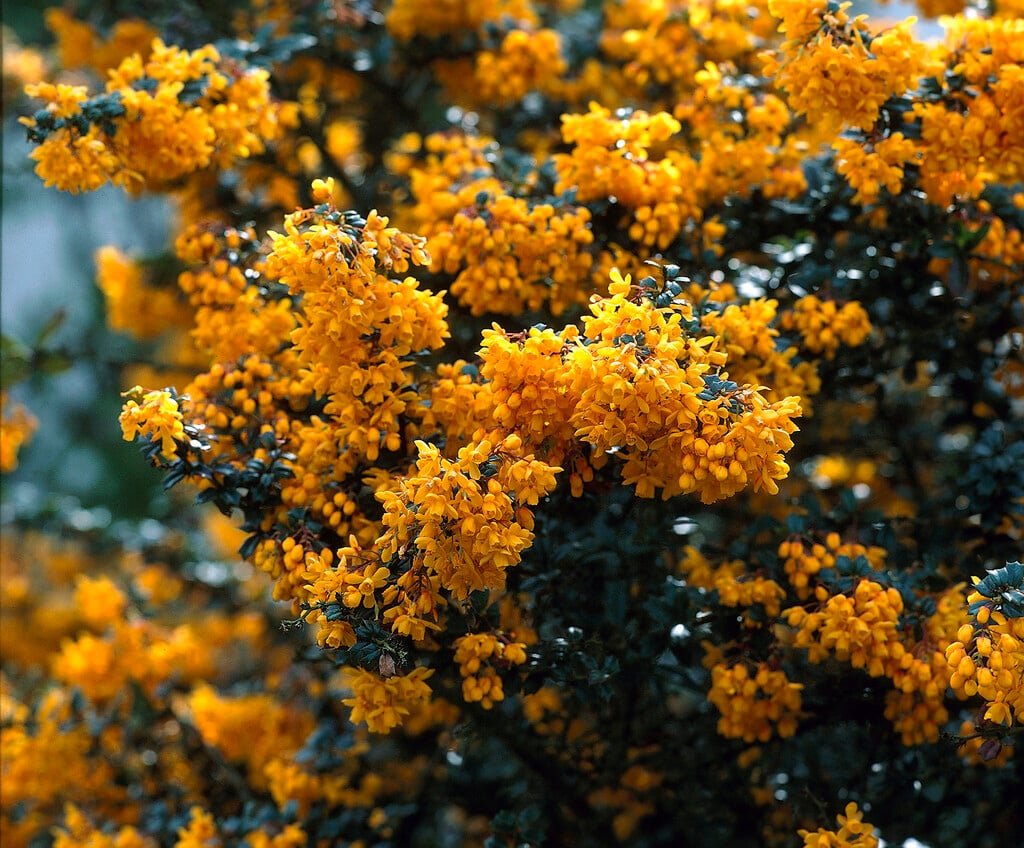
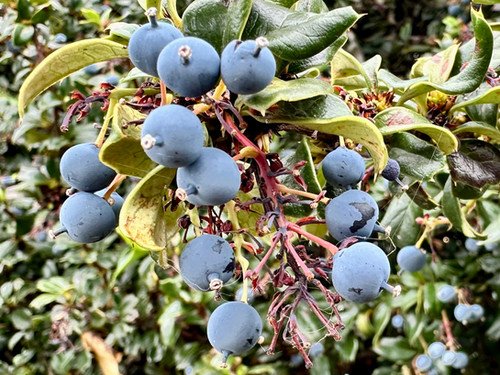
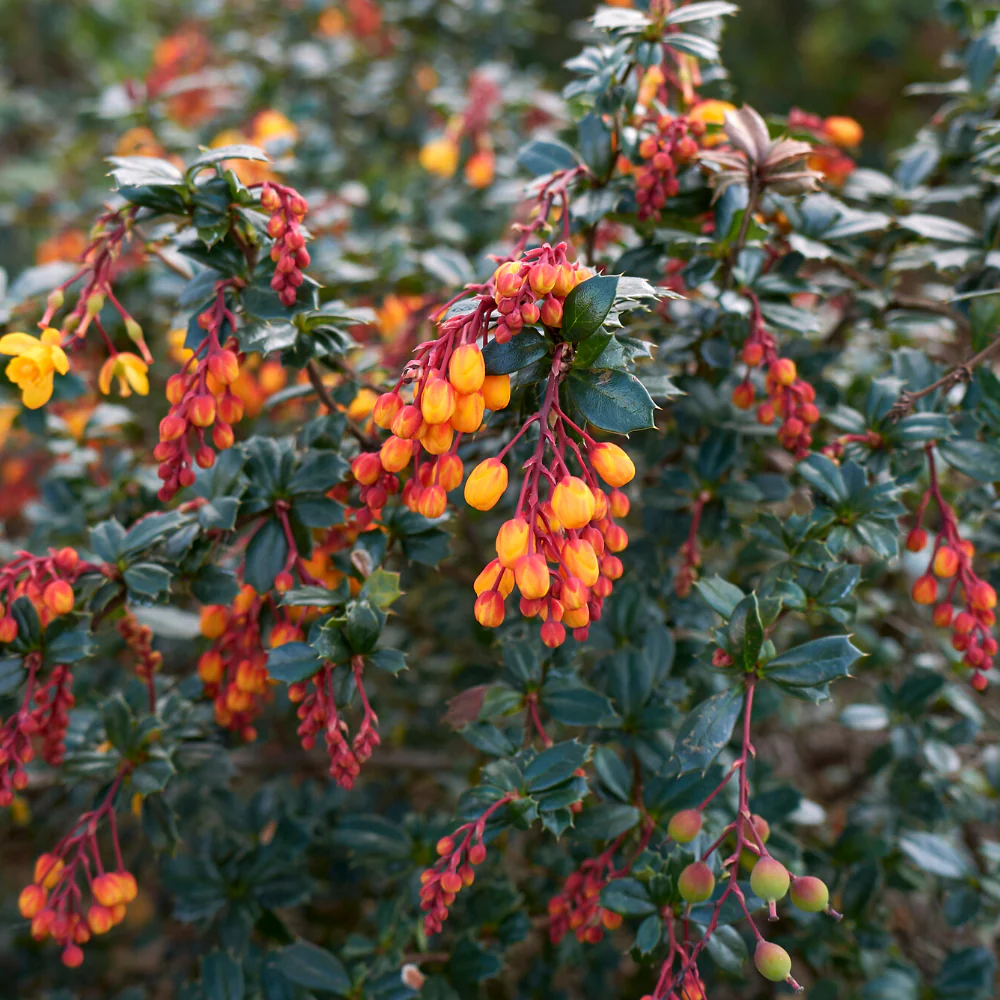
- Features: Spiny branches, orange-gold spring flowers, dark blue autumn berries, dense foliage
How to Grow Darwin’s Barberry
Climate & Exposure
Darwin’s Barberry adapts remarkably well to cool temperate climates. It prefers:
- Full sun for maximum flowering and fruiting
- Partial shade tolerated, but yields fewer berries
- Good airflow to prevent fungal issues
Soil Requirements
One of the reasons this shrub has naturalized in various regions is its soil tolerance. Ideal soil conditions include:
- Well-drained soil
- Slightly acidic to neutral pH
- Moderate organic matter
Avoid prolonged waterlogging, as roots dislike soggy conditions.
Watering
Mature plants are drought-tolerant. Newly planted shrubs need consistent moisture during establishment.
- Seedlings/young plants: Weekly watering
- Established shrubs: Minimal supplemental water except in severe drought
Feeding
Not heavy feeders — a once-yearly spring compost top-dress is often sufficient.
Pruning
Prune after flowering to control shape, remove deadwood, and encourage air circulation. Gloves are strongly recommended due to the sharp spines.
Propagation Methods
Darwin’s Barberry can be propagated by seed or cuttings, each with advantages.
1. Seed Propagation
- Collect ripe berries in late summer or autumn
- Remove pulp and dry seeds
- Stratify seeds (cold treatment) for improved germination
- Sow in late winter or early spring
Seeds may germinate unevenly, so patience is required.
2. Semi-hardwood Cuttings
Often the fastest method for gardener propagation:
- Take cuttings mid-summer
- 10–15 cm length with at least two nodes
- Dip in rooting hormone (optional)
- Place in moist, well-drained propagation mix
Roots typically form in 6–12 weeks under favorable conditions.
Notable Varieties (Cultivars)
While Berberis darwinii is species-true, gardeners may also encounter related decorative or edible Berberis cultivars such as:
- Berberis darwinii ‘Compacta’ — dwarf/compact habit, ideal for small gardens or hedging
- Berberis darwinii ‘Nana’ — miniature form, excellent for borders
- Berberis microphylla (Calafate) — highly prized for edible fruits and jams
- Berberis vulgaris (European Barberry) — culinary/medicinal uses; tart red berries
For mixed hedges or wildlife corridors, these can complement one another.
Usage: Ornamental, Ecological, Culinary
1. Ornamental Landscape Value
Darwin’s Barberry delivers:
- Year-round evergreen structure
- Spring flowers (gold-orange clusters)
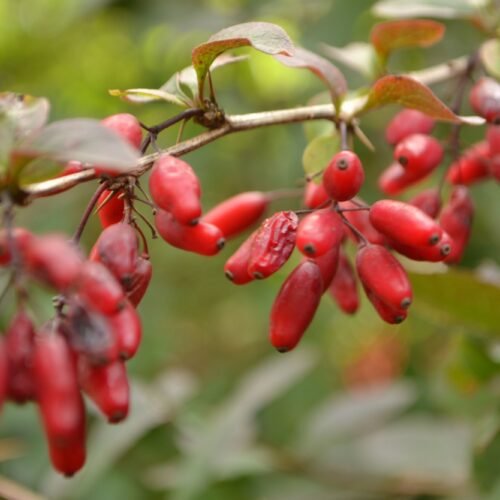
- Vibrant berries that contrast blue-black against foliage
- Natural security barrier via spiny branches
Frequently used in hedging and defensive plantings.
2. Ecological Benefits
This species is excellent for biodiversity:
- Nectar source for early pollinators
- Dense shelter for small birds
- Berries favored by wildlife
- Creates hedgerows valuable to native ecosystems
3. Culinary Uses (Edible Fruits)
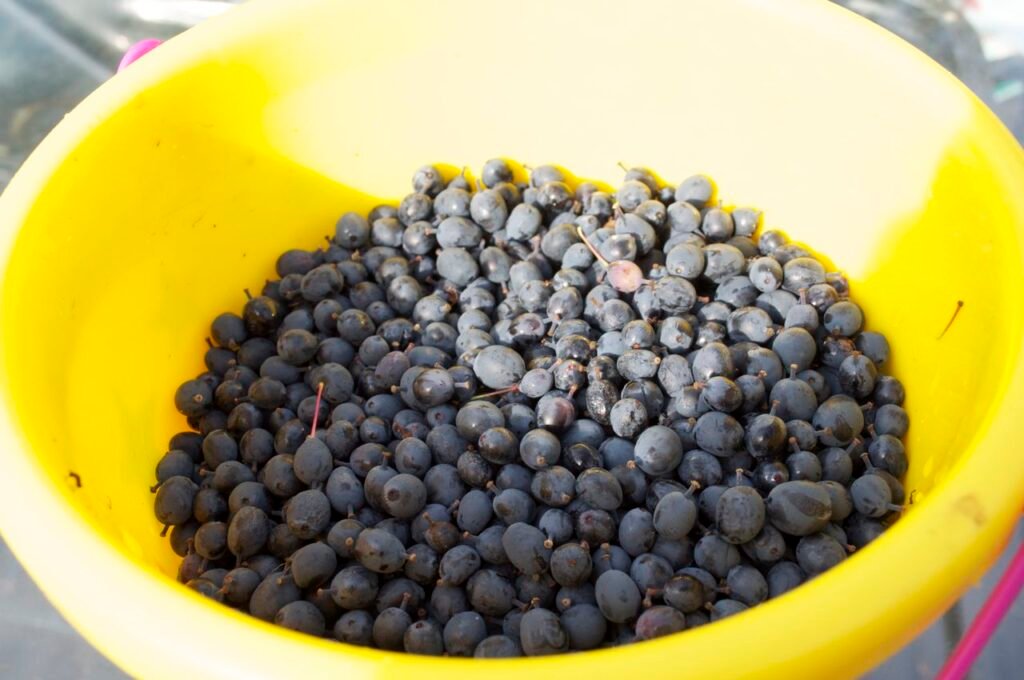
Most gardeners are surprised to learn the berries are edible when fully ripe. Their flavor is tart and pleasantly acidic with mild sweetness — similar to bilberries or red currants.
Potential Food Applications
- Jams and jellies
- Syrups
- Chutneys
- Wine or liqueurs
- Pies and tarts
- Dried as a garnish or trail mix ingredient
- Sauces for meats (especially game or poultry)
- Non-alcoholic cordials or flavor infusions
The acidity also works well in savory dishes where a sour element is desired.
Nutritional & Medicinal Notes
Berberis species contain berberine, a compound studied for antimicrobial and metabolic effects. While traditional medicine has long used barberry roots and stems, culinary use focuses primarily on the fruit.
As with any foraged edible, consume moderately and ensure proper identification.
Harvesting Darwin’s Barberry
When to Harvest
- Fruits ripen late summer into autumn
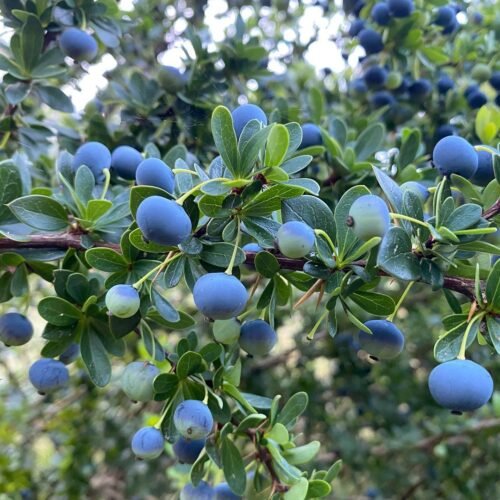
- Best flavor when berries turn deep blue-black and soften slightly
- Overripe berries detach easily during picking
How to Harvest
Because the shrub is spiny, protective gloves are recommended. Berries can be:
- Hand stripped into a container
- Carefully clipped in small clusters
Expect wildlife competition — birds often harvest first.
Post-Harvest Handling
- Rinse berries
- Freeze for long-term storage
- Cook into preserves or dry at low temperatures
Freezing preserves flavor and makes later processing easier.
Potential Challenges & Considerations
Pests & Diseases
Generally robust and resistant. Occasional issues include:
- Scale insects
- Rust (rare)
- Caterpillar nibbling
Invasiveness Warning (Regional)
In specific regions, Darwin’s Barberry can naturalize and spread via wildlife dispersal. Check local guidelines before planting at scale.
Final Thoughts
Darwin’s Barberry is more than a tough evergreen shrub — it’s a multipurpose plant with ornamental beauty, ecological value, and edible rewards. For gardeners seeking resilient hedges, wildlife habitats, or intriguing culinary projects, this species deserves far more attention.
Whether you’re propagating, harvesting, or cooking, Berberis darwinii rewards patience and creativity.


&media=https://food-foresting.com/wp-content/uploads/2026/01/BERBERISDARWINII2.jpg)