
 paulius.mikoliunas1
| Common Name | Mu-Lan, Woody Orchid, Lily Magnolia |
| Family | Magnoliaceae |
| USDA hardiness | 4-9 |
| Known Hazards | None known |
| Habitats | Slopes and forests edges at elevations of 300 – 1600 metres in Fujian, Hubei, Sichuan and NW Yunnan Provinces. |
| Range | E. Asia – C. China. |
| Edibility Rating |  (0 of 5) (0 of 5) |
| Other Uses |  (0 of 5) (0 of 5) |
| Weed Potential | No |
| Medicinal Rating |   (3 of 5) (3 of 5) |
| Care (info) |     |
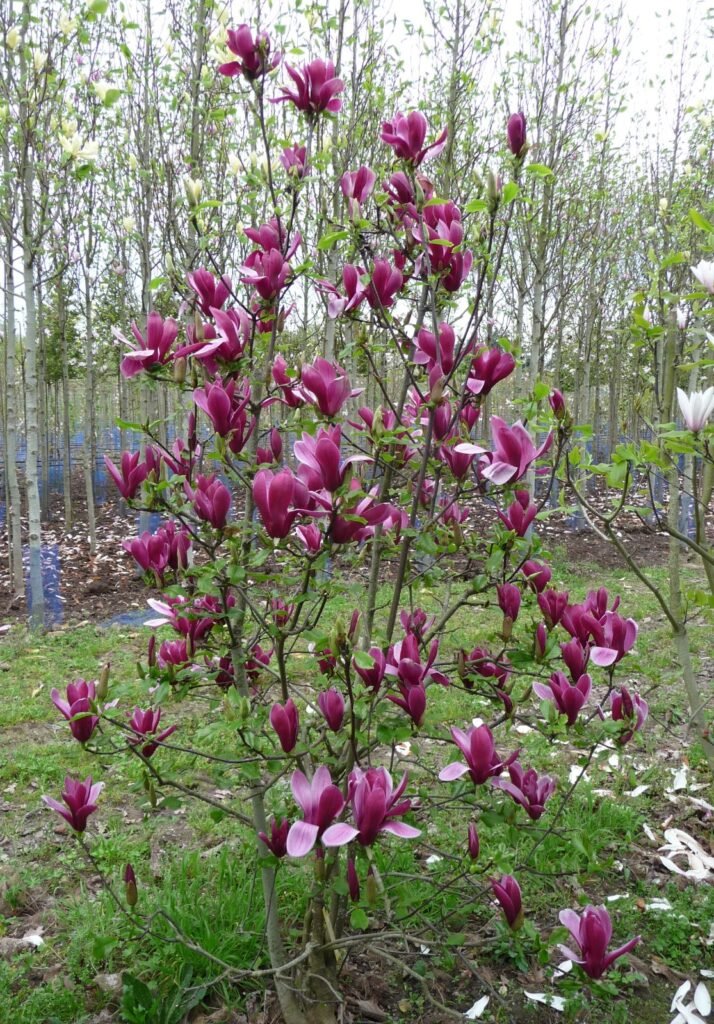
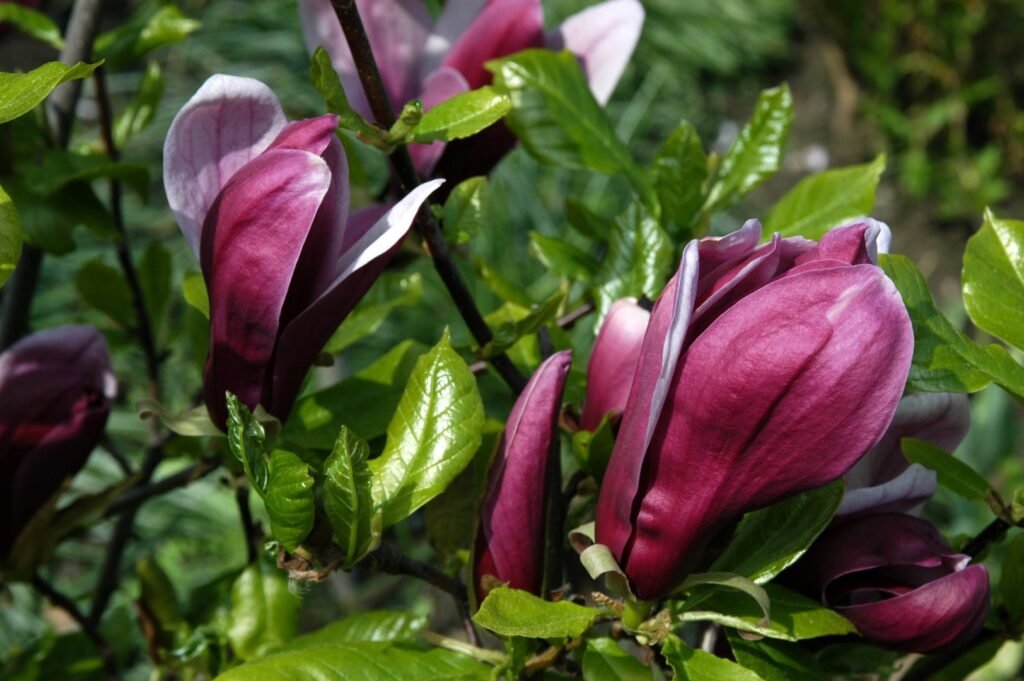
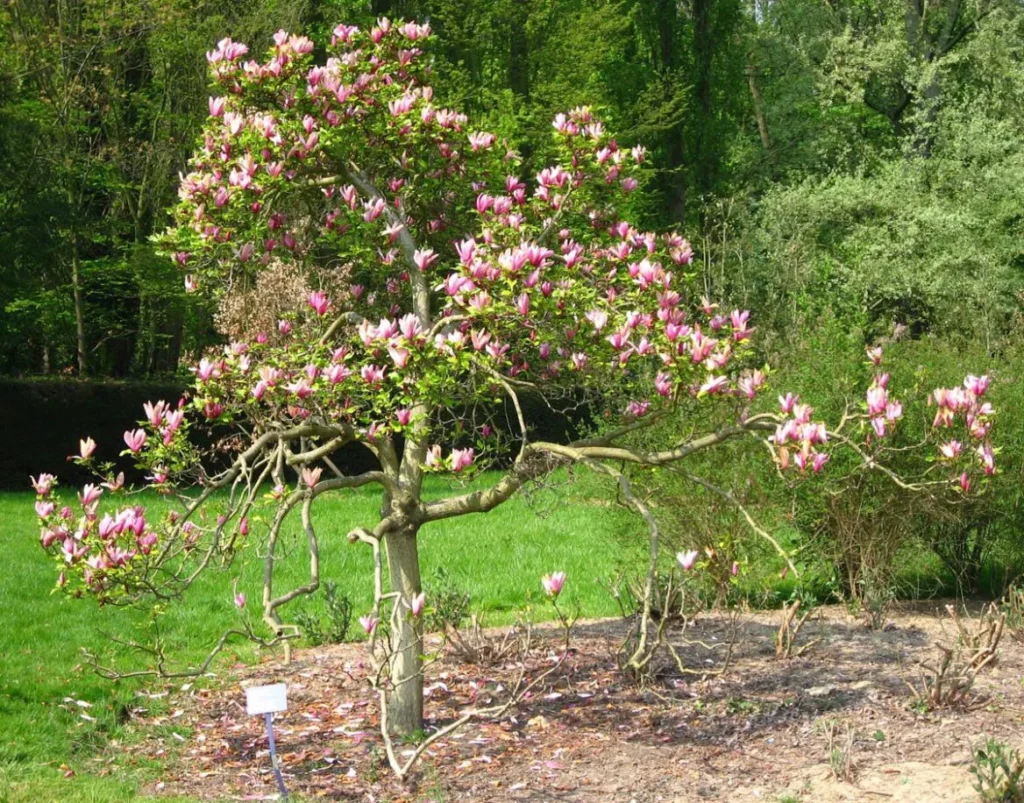
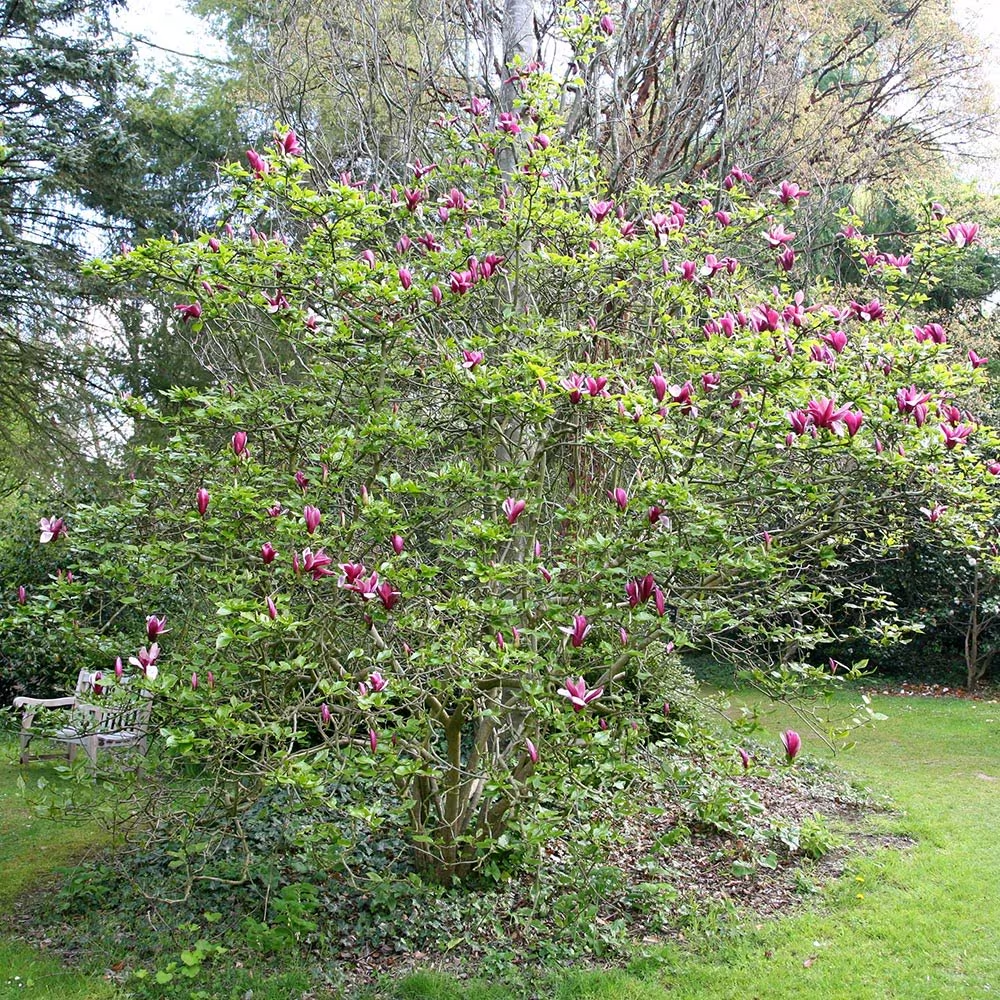
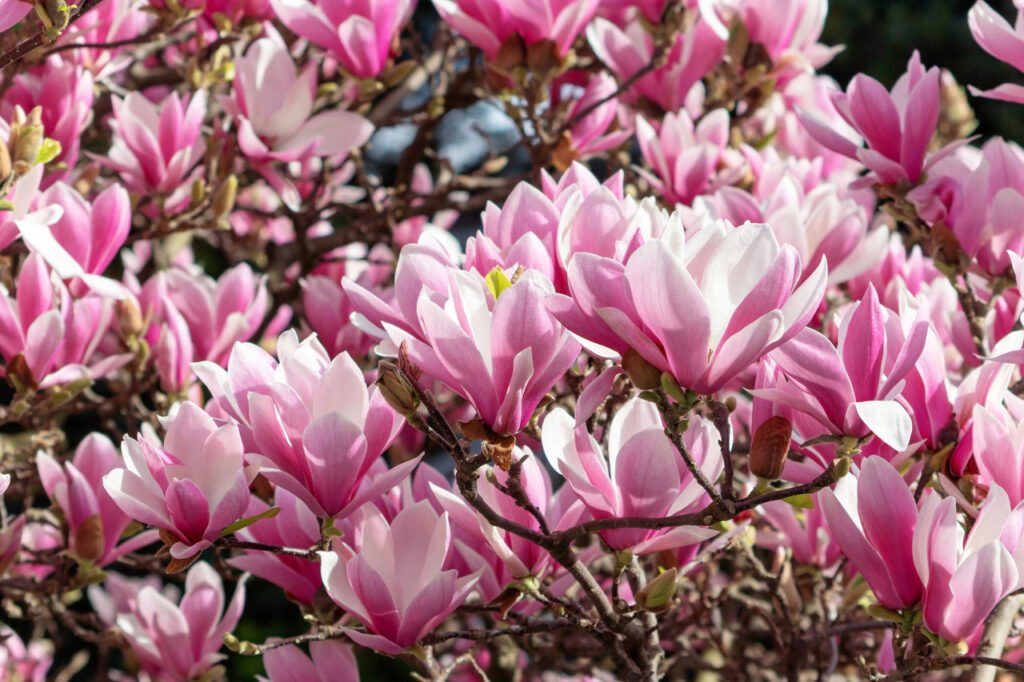


Lily Magnolia (Magnolia liliiflora): Complete Guide to Growing, Propagation, Varieties, Uses, Food Ideas & Harvesting
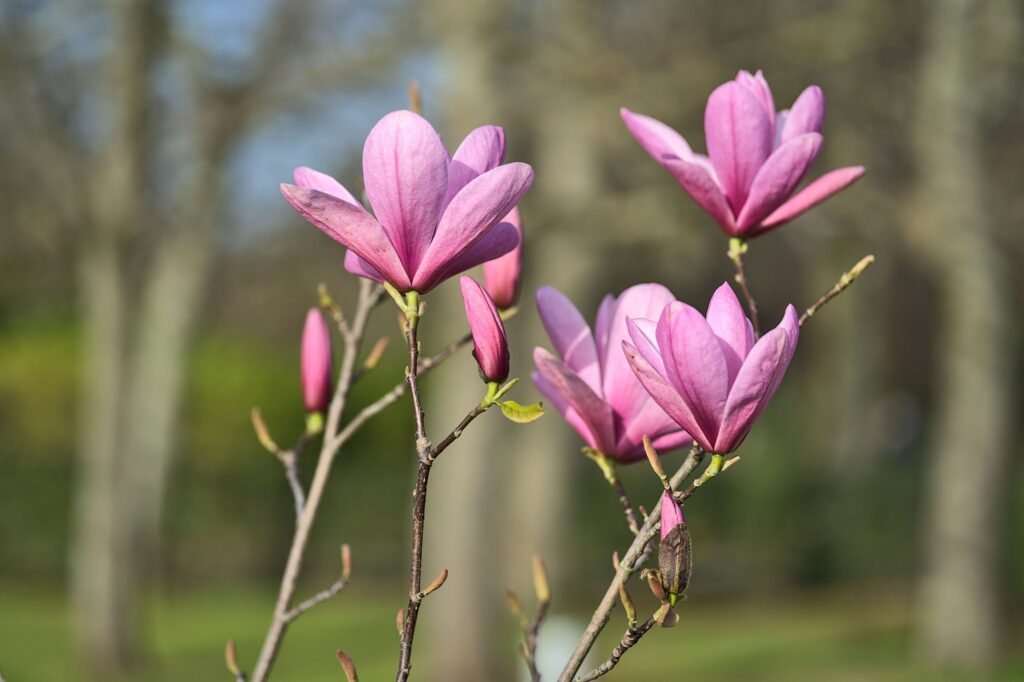
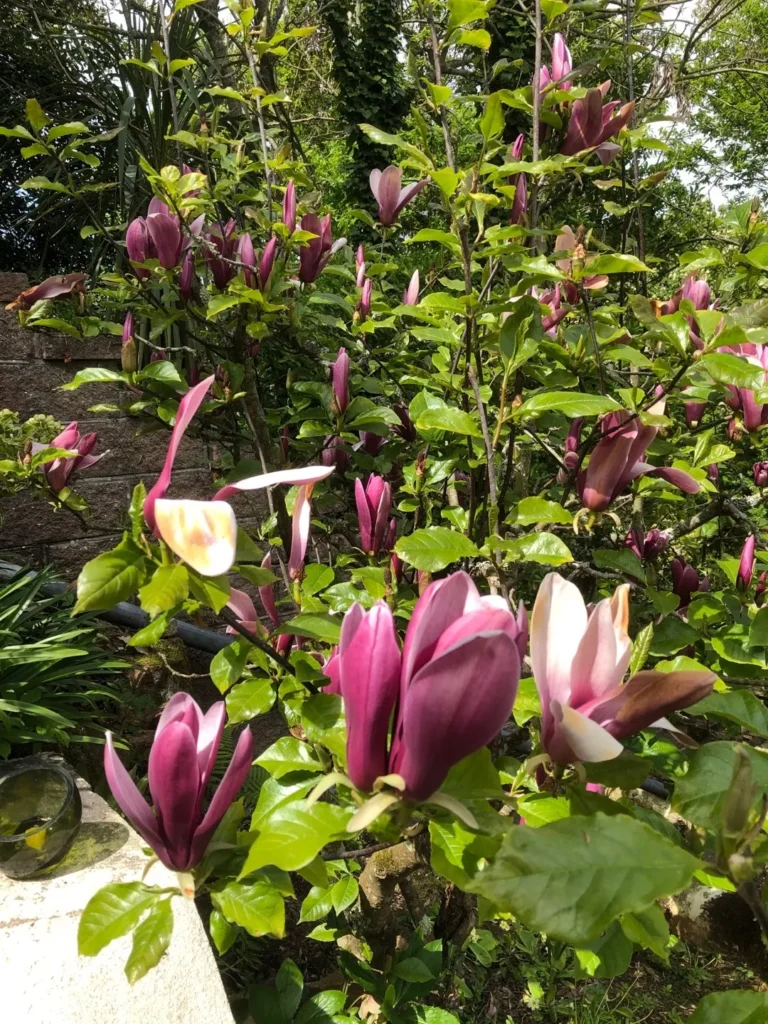
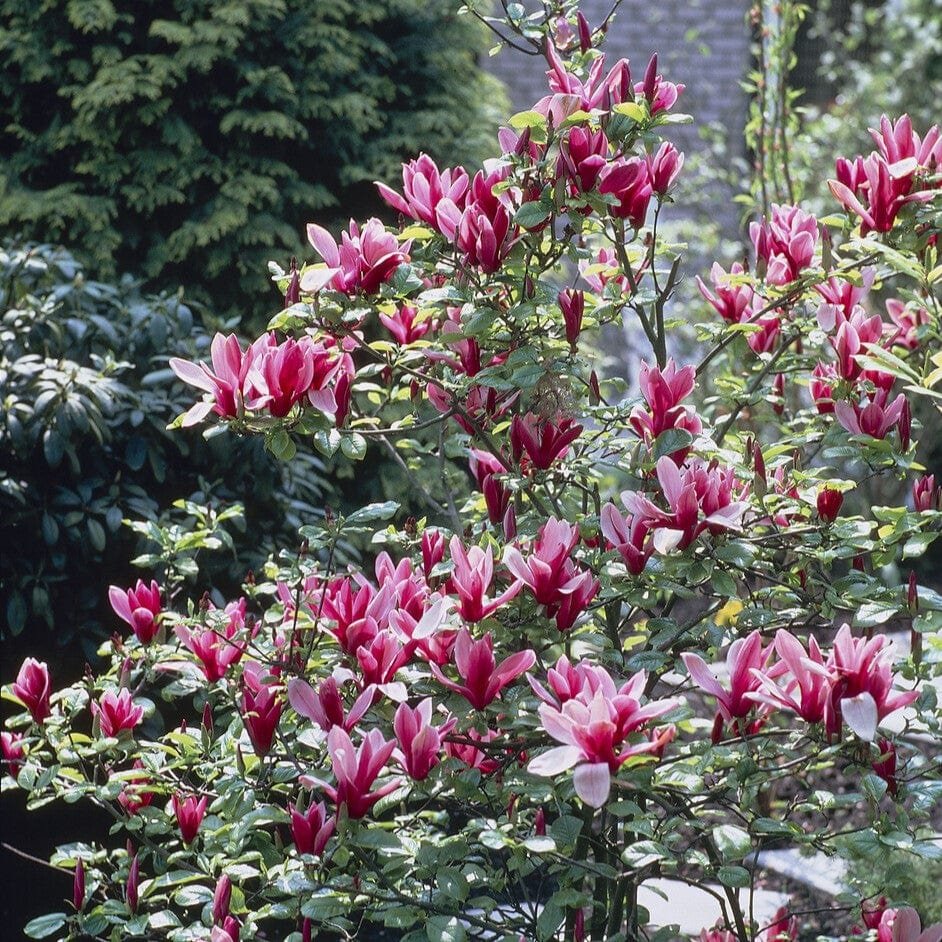
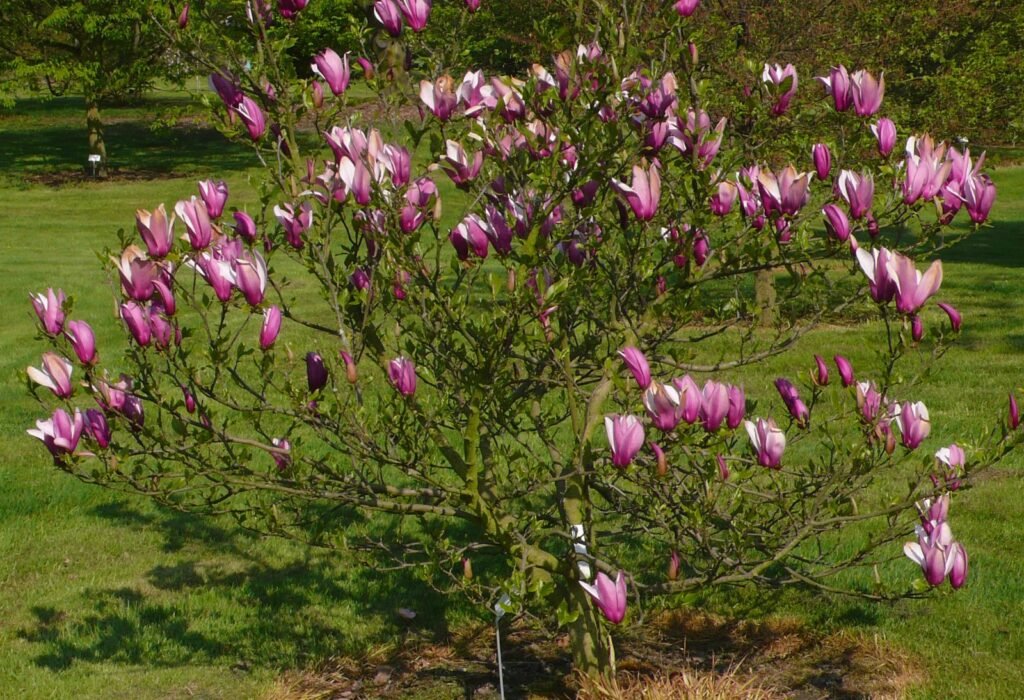
Lily Magnolia (Magnolia liliiflora) is a stunning ornamental shrub or small tree admired for its bold, tulip-shaped flowers, deep purple and pink tones, and early spring bloom. Widely appreciated in landscaping and traditional horticulture, this species brings both visual elegance and ecological value to gardens across temperate regions.
This comprehensive guide explores everything from how to grow and propagate Lily Magnolia, to popular varieties, practical uses, food preparation options, and harvesting tips, crafted to support both beginner gardeners and plant collectors.
Botanical Overview
- Scientific Name: Magnolia liliiflora
- Common Names: Lily Magnolia, Mulan Magnolia, Tulip Magnolia
- Plant Type: Deciduous shrub/small tree
- Hardiness: USDA Zones 5–9
- Native Range: China (historically cultivated for centuries)
- Bloom Period: Early to mid-spring
Growing Lily Magnolia: Soil, Light & Care Requirements
1. Light Conditions
Lily Magnolia thrives best in full sun to partial shade. Full sunlight encourages abundant blooms, whereas partial shade offers protection in hotter climates.
2. Soil Structure & pH
Ideal soil conditions include:
- Texture: Loamy and well-drained
- Moisture: Consistently moist but not waterlogged
- pH Range: Slightly acidic to neutral (5.5–7.0)
Heavy clay soils should be amended with compost or fine bark to increase drainage.
3. Watering Schedule
- Newly planted specimens require regular irrigation during the first year.
- Mature plants are relatively drought-tolerant but bloom better with moderate moisture.
4. Temperature & Climate
- Buds can be sensitive to late frost.
- Mulching around the base helps regulate root temperature and conserve water.
5. Fertilization
Feed in early spring using a balanced, slow-release fertilizer tailored for flowering shrubs or acid-loving plants.
6. Pruning
Minimal pruning is required. Light shaping after flowering helps maintain form without reducing next year’s bloom potential.
Propagation Methods for Magnolia liliiflora
Several propagation techniques can be used depending on gardener experience:
A. Propagation by Seeds
- Collect seeds when the fruits split and reveal red arils.
- Stratification (cold treatment) often improves germination rates.
- Seed-grown plants take longer to bloom (3–5 years or more).
B. Propagation by Cuttings
Semi-hardwood cuttings taken in early summer root most successfully when:
- Treated with rooting hormone
- Kept under misting conditions
- Planted in a sterile substrate such as sand-perlite mix
C. Air Layering
Air layering is common for magnolia species and offers:
- Higher success rates
- Faster growth to maturity than seedling propagation
D. Grafting
Used commercially to preserve cultivar traits and ensure uniformity.
Notable Lily Magnolia Varieties & Hybrids
Lily Magnolia has been used extensively in breeding programs. Popular cultivars and hybrids include:
1. Magnolia × soulangeana
A cross between M. liliiflora and M. denudata, widely known for large, tulip-shaped blooms.
2. ‘Nigra’
Features dark purple buds and slightly smaller stature; blooms later, avoiding frost damage.
3. ‘Jane’
Part of the “Little Girl” hybrids; yields elongated reddish-purple petals with white interiors.
4. ‘Susan’
Compact shrub form with rich purple flowers and excellent landscape adaptability.
5. ‘Ann’
Compact and reliably hardy; great for container or small urban gardens.
Ecological & Practical Uses
1. Landscaping & Ornamental Use
Lily Magnolia is valued for:
- Spring color
- Garden focal points
- Compact growth habit suitable for residential sites
2. Pollinator Attraction
Flowers attract early pollinators, especially bees and beetles.
3. Cultural & Historical Interest
Used in traditional Chinese gardens for centuries and appears in art and symbolic motifs.
Can Lily Magnolia Be Used as Food? Culinary Insights & Safety
Magnolias are not typically viewed as edible ornamentals, but magnolia flowers (including M. liliiflora) are used in culinary traditions in select regions. Petals have a mild, spicy-ginger aroma with floral notes.
Edible Uses Include
- Pickled petals (traditional in Japan and parts of China)
- Herbal tea infusions
- Garnishes for desserts
- Fermented condiments
- Aromatic vinegars or syrups
Flavor Profile
- Floral and aromatic
- Mild ginger-like spice
- Slightly bitter undertone when raw
Note: As with all edible flowers, ensure that no pesticides or systemic chemicals were applied before consumption.
Medicinal & Aromatic Uses
Magnolia species have a long history in traditional medicine, often celebrated for:
- Aromatherapy oils
- Anti-inflammatory herbal preparations
- Relaxing teas
Scientific support varies by use, and traditional remedies should be approached thoughtfully.
Harvesting Magnolias: When & How
Harvest Timing
For culinary use:
- Harvest fresh, unopened or partially open buds early in the morning when aromatic compounds are strongest.
For propagation or seed collecting:
- Harvest pods when they split open naturally, revealing seed arils.
Storage
- Fresh buds last 1–2 days refrigerated.
- Pickled or fermented petals store long-term.
Pests, Problems & Solutions
Lily Magnolia is relatively resilient, though issues may include:
- Scale insects
- Aphids
- Leaf spot fungi
- Frost-damaged buds
Integrated pest management and good cultural conditions minimize problems.
FAQs (SEO Boost Section)
Is Lily Magnolia easy to grow?
Yes, it is beginner-friendly and adaptable once established.
Does Magnolia liliiflora produce fruit?
Yes, woody cone-like fruits with red seeds develop after flowering.
How tall does Lily Magnolia get?
Typically 8–15 feet, depending on cultivar and pruning.
Is it suitable for small gardens?
Compact cultivars like ‘Ann’ and ‘Susan’ thrive in small spaces.
Final Thoughts
Lily Magnolia (Magnolia liliiflora) blends beauty, cultural history, and horticultural value into a single ornamental treasure. With proper care, propagation, and thoughtful harvesting, gardeners can enjoy its spring blossoms for decades.
Whether you’re landscaping, collecting edible flowers, or exploring rare cultivars, Lily Magnolia offers fascination and versatility with minimal maintenance.


&media=https://food-foresting.com/wp-content/uploads/2026/01/magnolia-liliiflora-nigra.jpg)